Zagreb · Croatia
Overview
Zagreb feels like a well-kept secret—it has all the elegance of Vienna but with a pulse that is entirely its own.
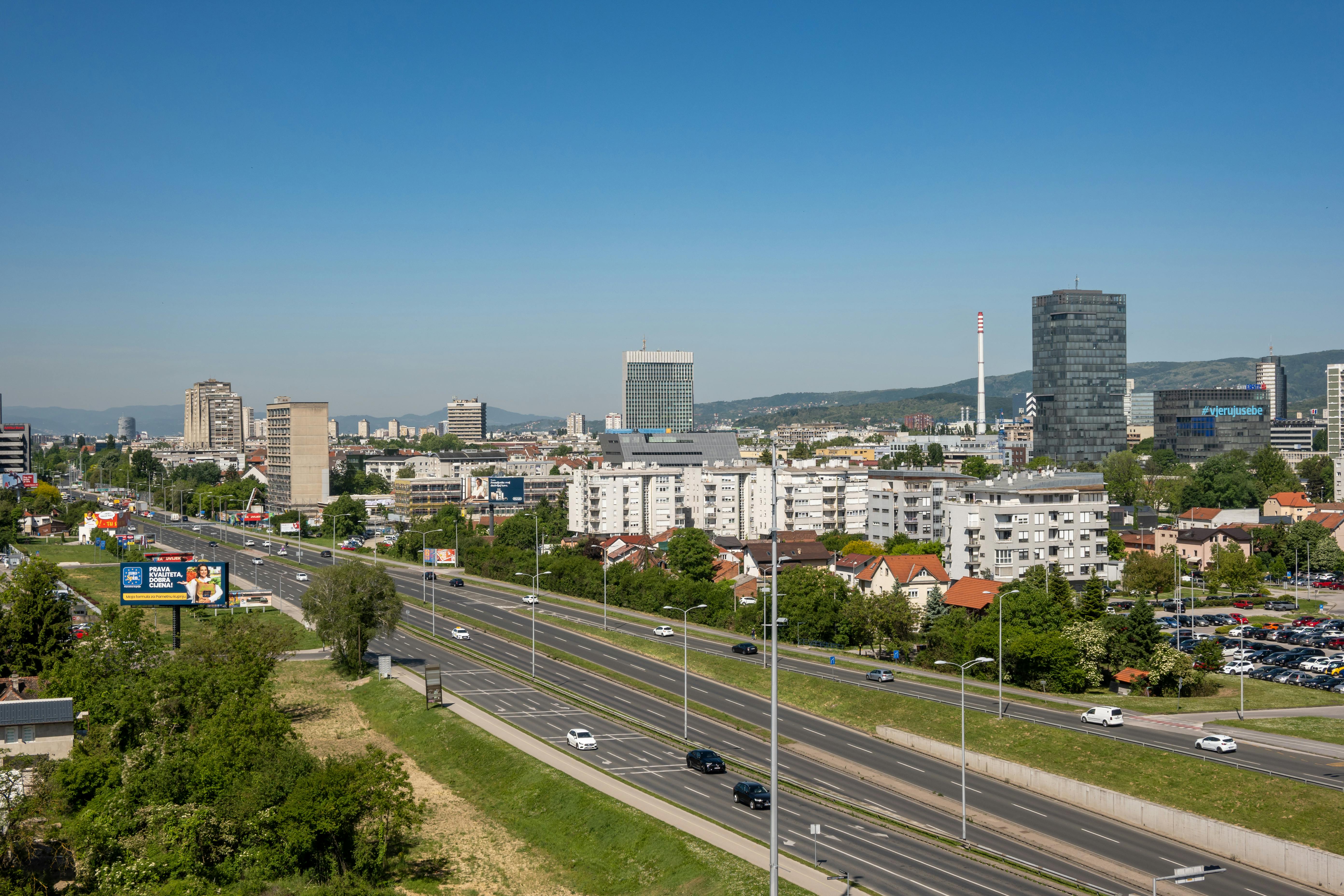
Zagreb is a city of layers, where medieval history meets the contemporary pulse of a modern European hub. Nomads flock here for the exceptional quality of life, reliable infrastructure, and a café-centric culture that turns every street corner into a potential workspace. While the cost of living in Zagreb remains highly competitive compared to Western European capitals, the city offers a premium lifestyle defined by walkability, safety, and a deep appreciation for the arts.
Whether you are wandering the cobblestone streets of the Upper Town or sitting in a modern co-working space in the business district, the city feels both intimate and expansive. The climate in Zagreb dictates much of the social life, shifting from cozy, festive winter evenings to the vibrant 'špica' (coffee ritual) culture that spills onto the sidewalks during the warmer months.
History
Zagreb’s history is rooted in the twin medieval settlements of Gradec and Kaptol, which developed on…
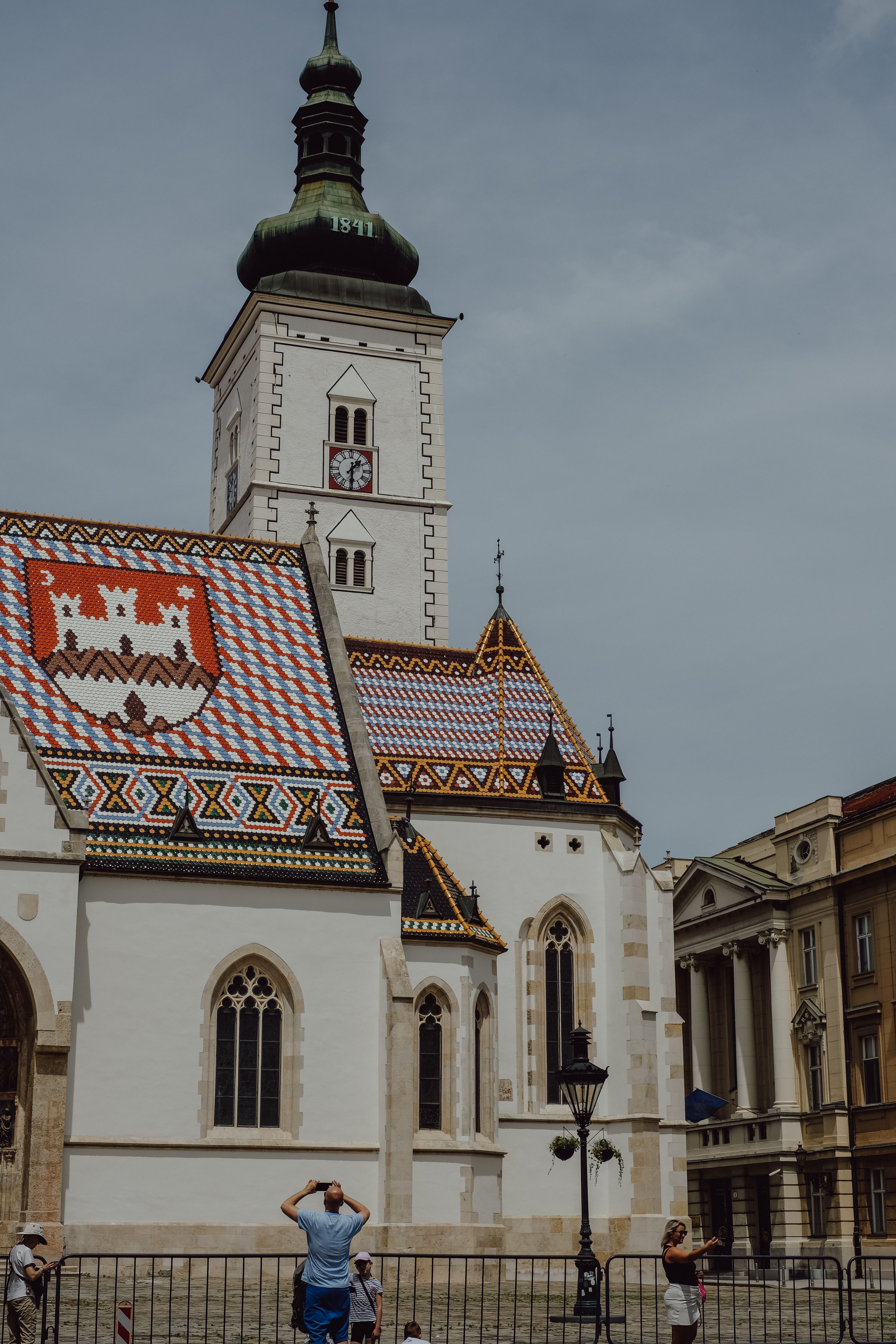
Zagreb’s history is rooted in the twin medieval settlements of Gradec and Kaptol, which developed on neighboring hills during the 11th century. For centuries, these two towns were rivals, governed by separate authorities and often separated by the Medveščak stream. It wasn't until the 19th century that they finally unified to form the foundation of modern Zagreb, a city that served as the cultural and political heart of Croatia.
Throughout the 20th century, the city underwent rapid expansion, surviving the turbulence of various regimes to emerge as the capital of an independent Croatia in 1991. Today, the city reflects this diverse heritage, showcasing a mix of Baroque architecture, Brutalist housing blocks, and high-tech modern districts, all integrated into a cohesive, thriving urban environment.
1094
Establishment of the DioceseThe foundation of the Zagreb Diocese on Kaptol marked the official beginning of the city's ecclesiastical importance.
1242
The Golden BullKing Bela IV granted Gradec the status of a free royal city, shielding it from feudal lords and fostering economic growth.
1850
UnificationThe separate towns of Gradec and Kaptol were formally merged, laying the groundwork for the modern city center.
1991
Capital of IndependenceZagreb became the capital of the newly independent Republic of Croatia, initiating a new era of political and cultural growth.
Where to Stay
Choose your base camp
Distinct neighbourhoods, different rhythms. Pick the one that fits your work-life balance.
Budget Favourite
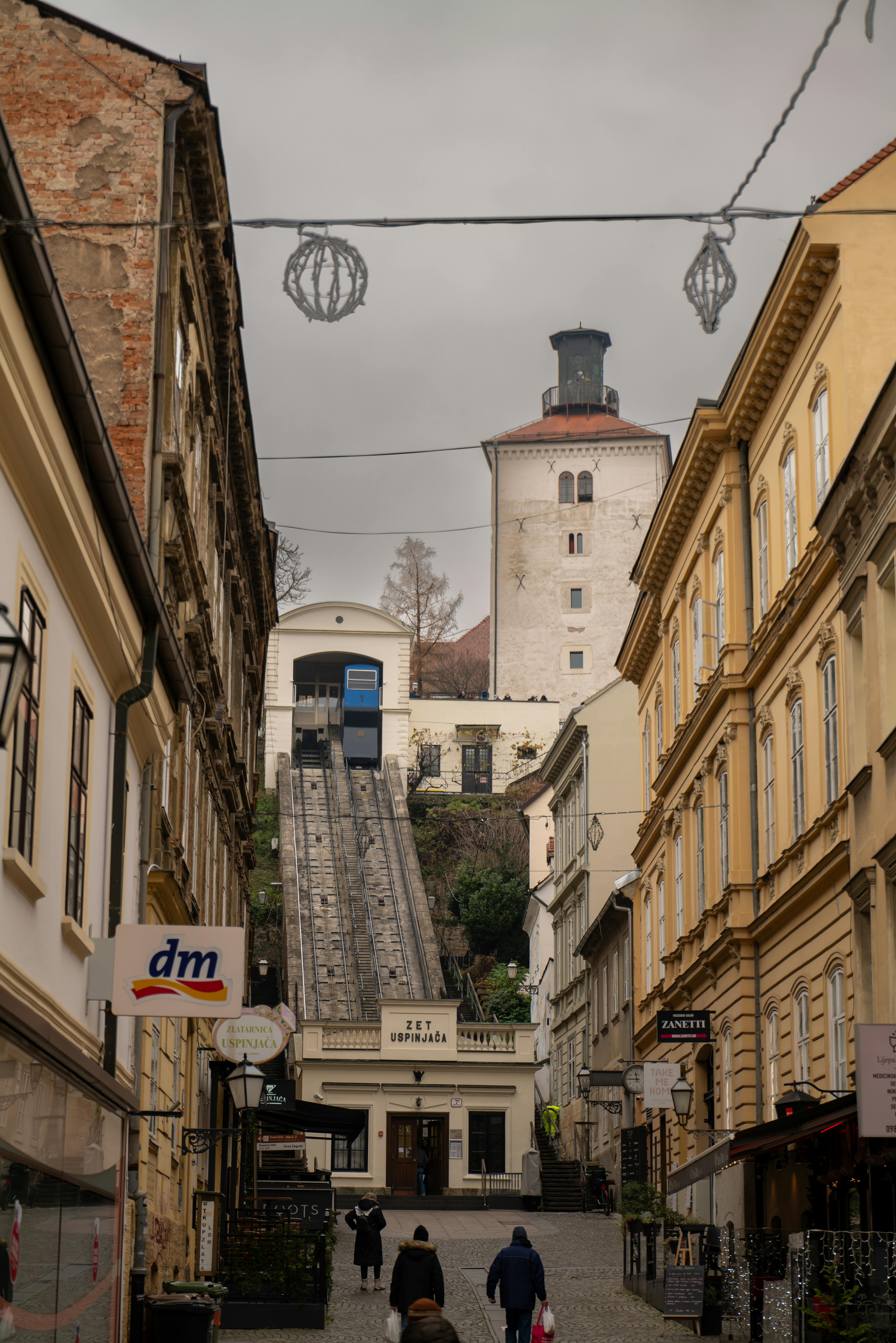
Trešnjevka
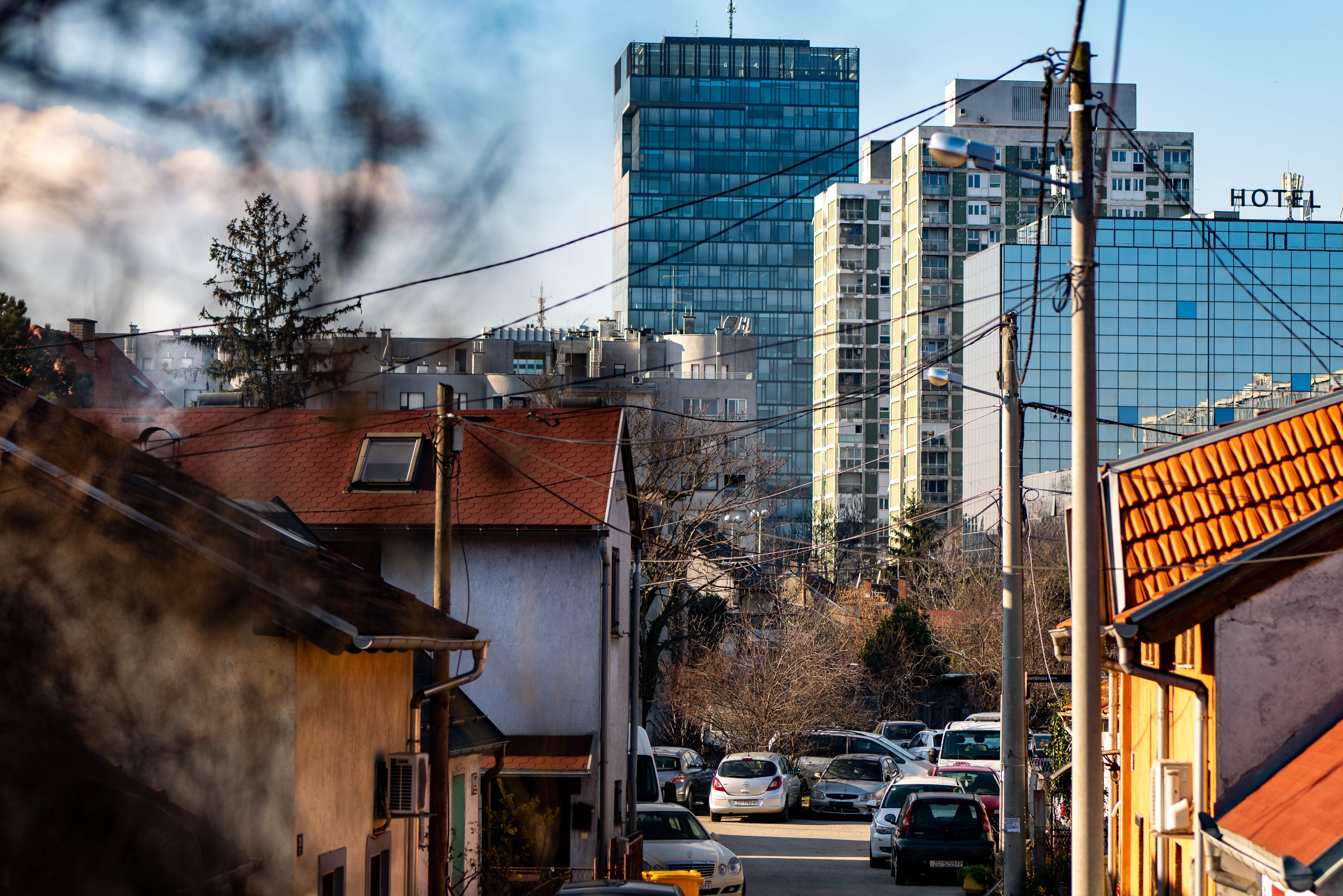
A residential, local-feeling neighbourhood that is perfect for those looking to save on rent. It is well-connected to the center by trams and offers a more authentic glimpse into local life.
Central Life
City Center
Living in the Lower Town puts you in the heart of the action, close to the best cafes, museums, and nightlife. It is ideal for nomads who prioritize walking to work and amenities.
Modern Living
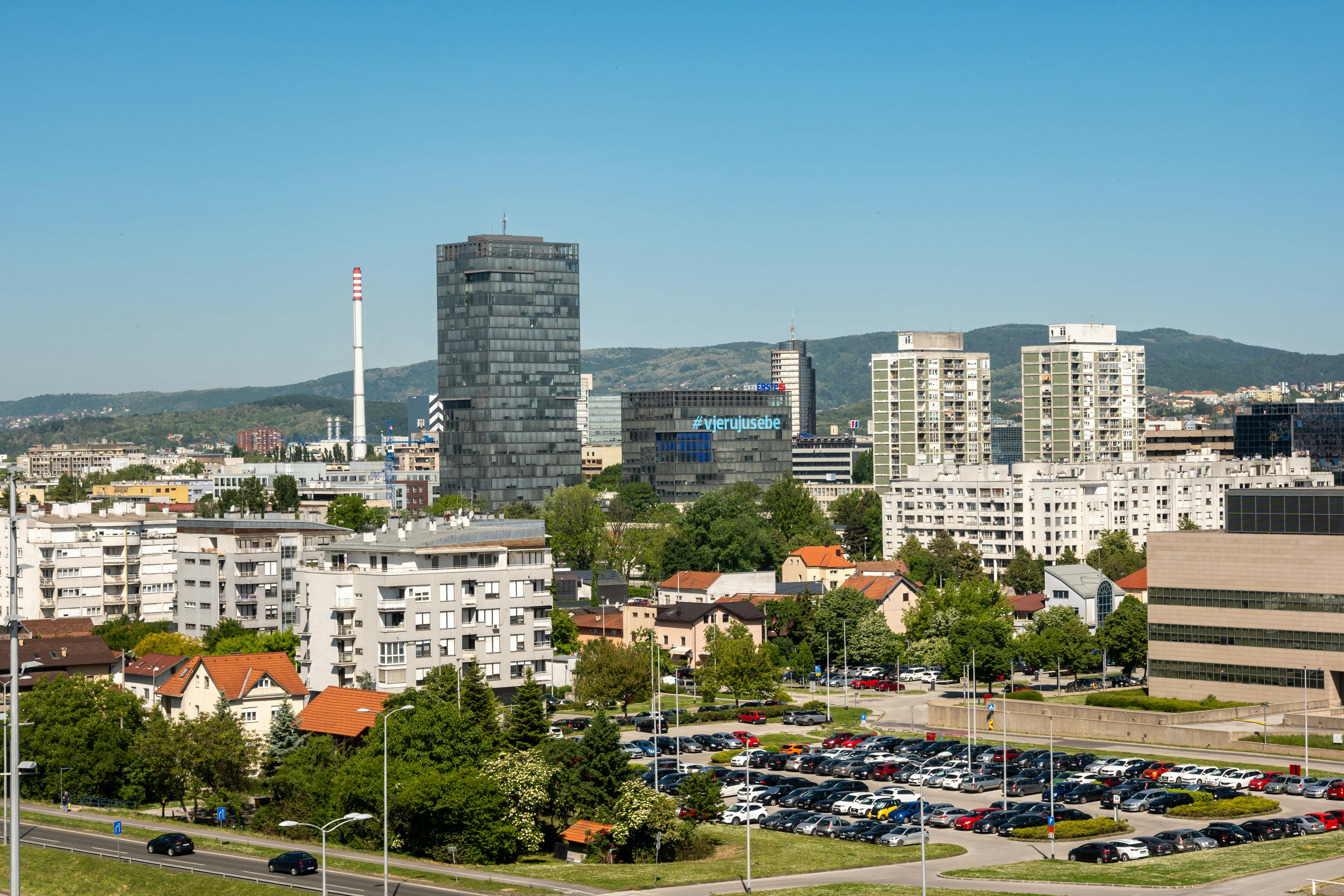
Špansko
This newer area features modern apartment buildings and plenty of green spaces. It is popular with young professionals and families seeking a quieter, more modern environment.
Places to Go
The experiences that will make you never leave
These aren't tourist checkboxes — they're the experiences that reset your sense of what's normal.
Top Pick
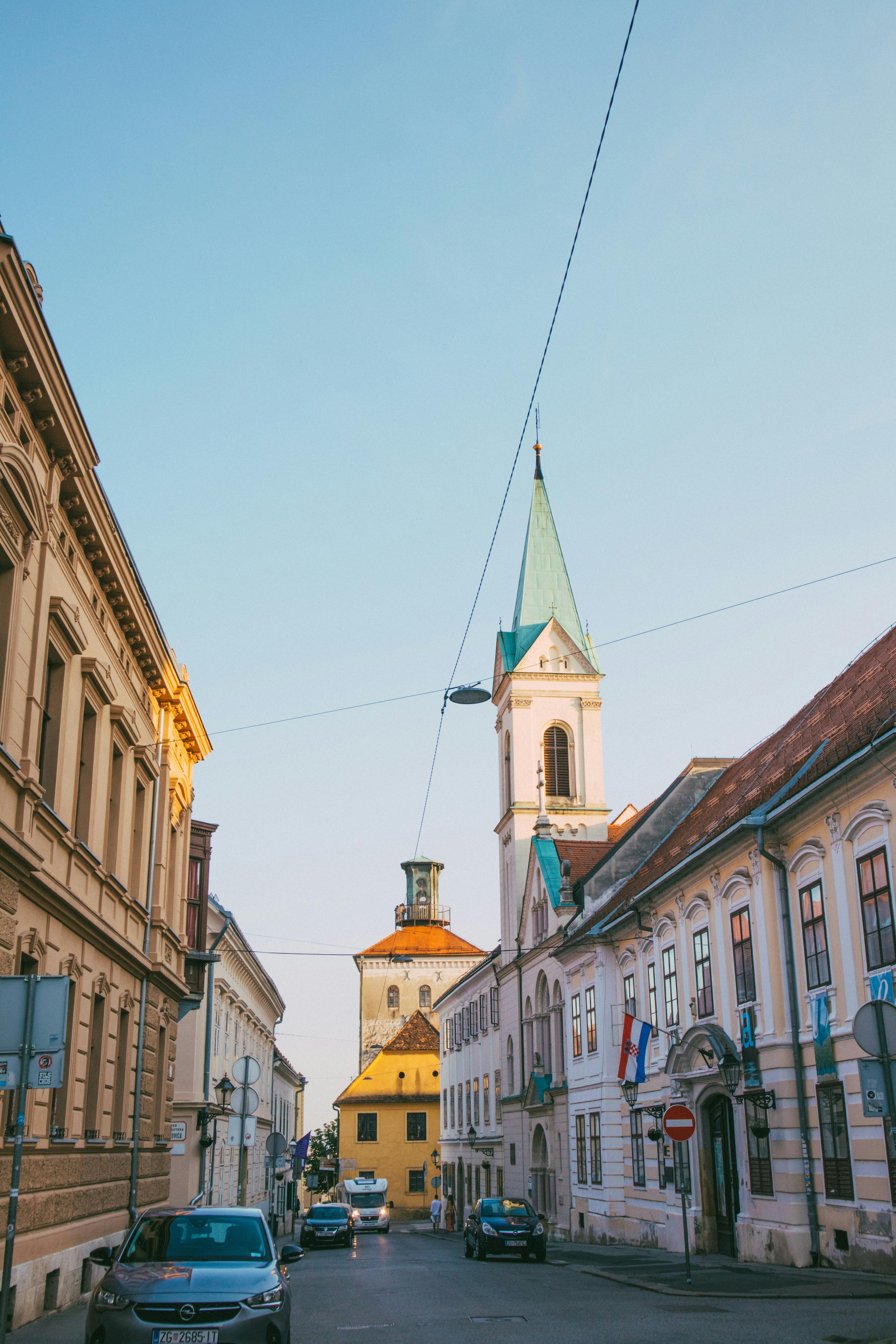
Upper Town (Gornji Grad)
This historic core is home to cobblestone streets, government buildings, and iconic viewpoints. It is the perfect place for a scenic afternoon walk to soak in the city's medieval atmosphere.
Visit Zagreb
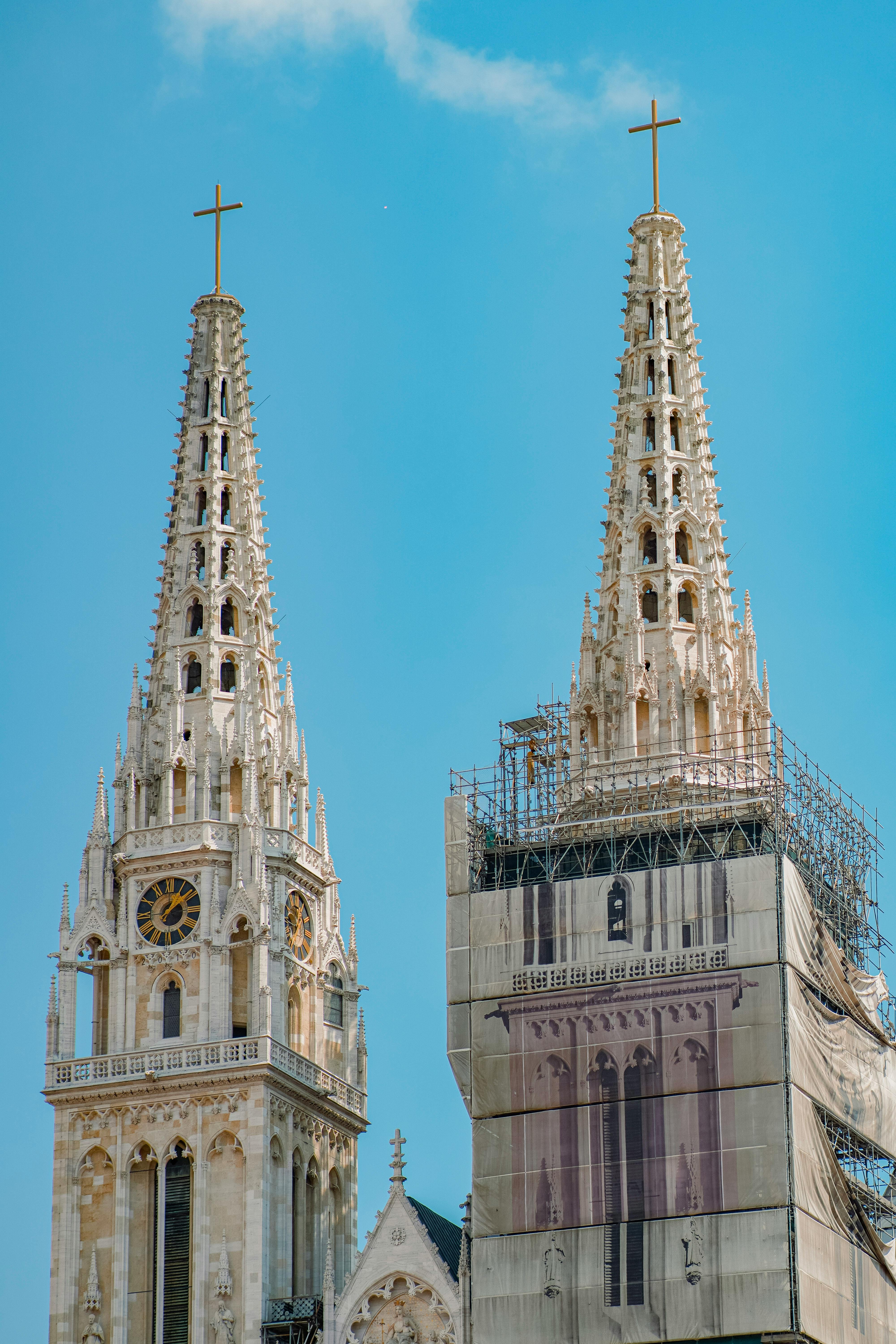
Zagreb Cathedral
The Neo-Gothic spires of this cathedral are the tallest building in Croatia and a landmark visible from across the city. It serves as a stunning testament to the city's religious history.

Official Site
Museum of Broken Relationships
An incredibly unique and moving collection of artifacts donated by people from all over the world. It provides an emotional look at love and loss through physical objects.
Work & Connectivity
Stay connected wherever you work
The nomad community here is real — cafés and coworking spaces where you can work and meet others.
Innovate Zagreb
A top-tier space designed for tech-focused professionals and remote workers, offering high-speed connectivity and ergonomic setups.
Quase
A creative workspace known for its community events and networking opportunities for nomads.
Hum
An intimate coworking hub that provides a quiet atmosphere for deep work and focused tasks.
Budget & Costs
What it costs to live in Zagreb
Choose your lifestyle tier. Comfortable = furnished accommodation, local + occasional Western food, transport, leisure.
$1241
per month · USD · comfortable lifestyle
ModerateFurnished studio, local restaurants, transport, and weekend trips.
Exchange rates
Check xe.com or your bank for current USD to local currency.
Check xe.com or your bank for current USD to local currency.
🏠 Rent 45%$558/mo
🍽️ Food 25%$310/mo
🚌 Transport 5%$62/mo
💡 Utilities 7%$87/mo
🎭 Leisure 12%$149/mo
🏥 Health 6%$74/mo
Connectivity
Well connected to the world
Internet and transport options for remote workers.
📶
Internet
Good — fibre common
Check local providers.
🏢
Coworking
From ~$80/mo
Dedicated spaces available.
🚌
Local Transit
7 / 10
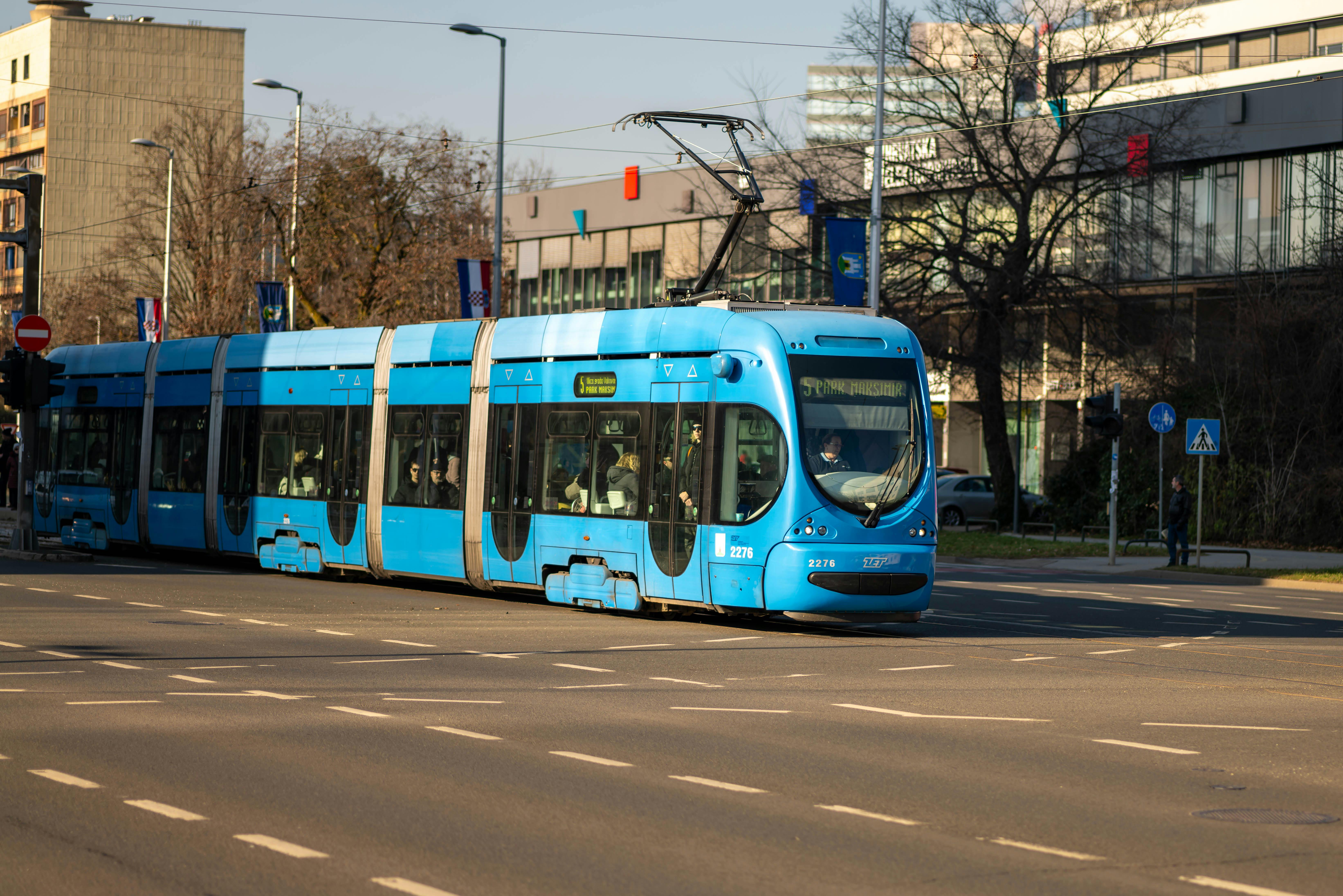
ZET card for trams + buses; extensive tram network
ZAG
Franjo Tuđman Airport
17 km from centre
amsterdambarcelonaberlinbolognabudapestcolognecopenhagendubrovnik
Safety & Visa
Safe, welcoming, and easy to enter
Safety Score8 / 10
✓ Night Safe📞 112
Visa
Check your entry options
Many nationalities get visa-free or visa-on-arrival. Check official government sources for your citizenship before travel.
Culture & Festivals
Local soul, nomad-friendly
Multiculturalism7/10
Foodie Scene7/10
☕ Coffee Culture⭐ Highly Rated🌿 Temperate🍷 Cafe Culture🏛️ Capital🏛️ Historic💵 Mid-Range📶 Fast WiFi🔄 Four Seasons🚆 Great Transit
Apr
Zagreb Coffee Culture
A celebration of the city's deep-rooted passion for coffee as the weather begins to warm up.
Jun
INmusic Festival
Croatia’s biggest open-air rock festival located on the scenic island of Lake Jarun.
Dec
Advent in Zagreb
Widely regarded as one of the best Christmas markets in Europe, turning the city into a winter wonderland.
Zagreb is a perfect base for exploring the rest of Croatia, with easy bus connections to the coast and nearby national parks like Plitvice Lakes.
Food & Nightlife
A feast for every mood
From street food to cafés and nightlife — every meal is an event.
Café Culture
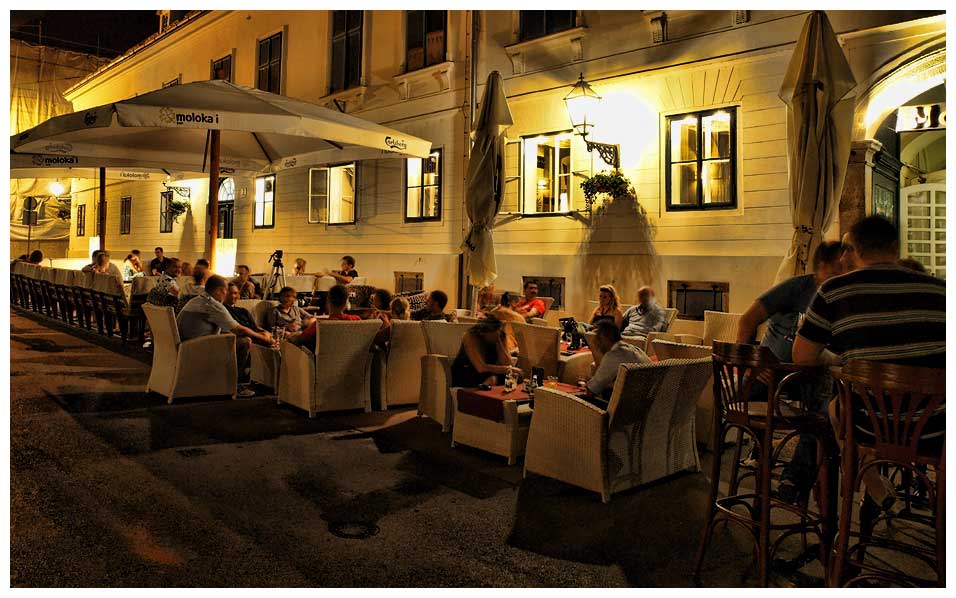
Špica
Experience the ritual of the morning coffee where locals gather on sidewalks to socialize. It is the lifeblood of social interaction in Zagreb.
Quick Bites
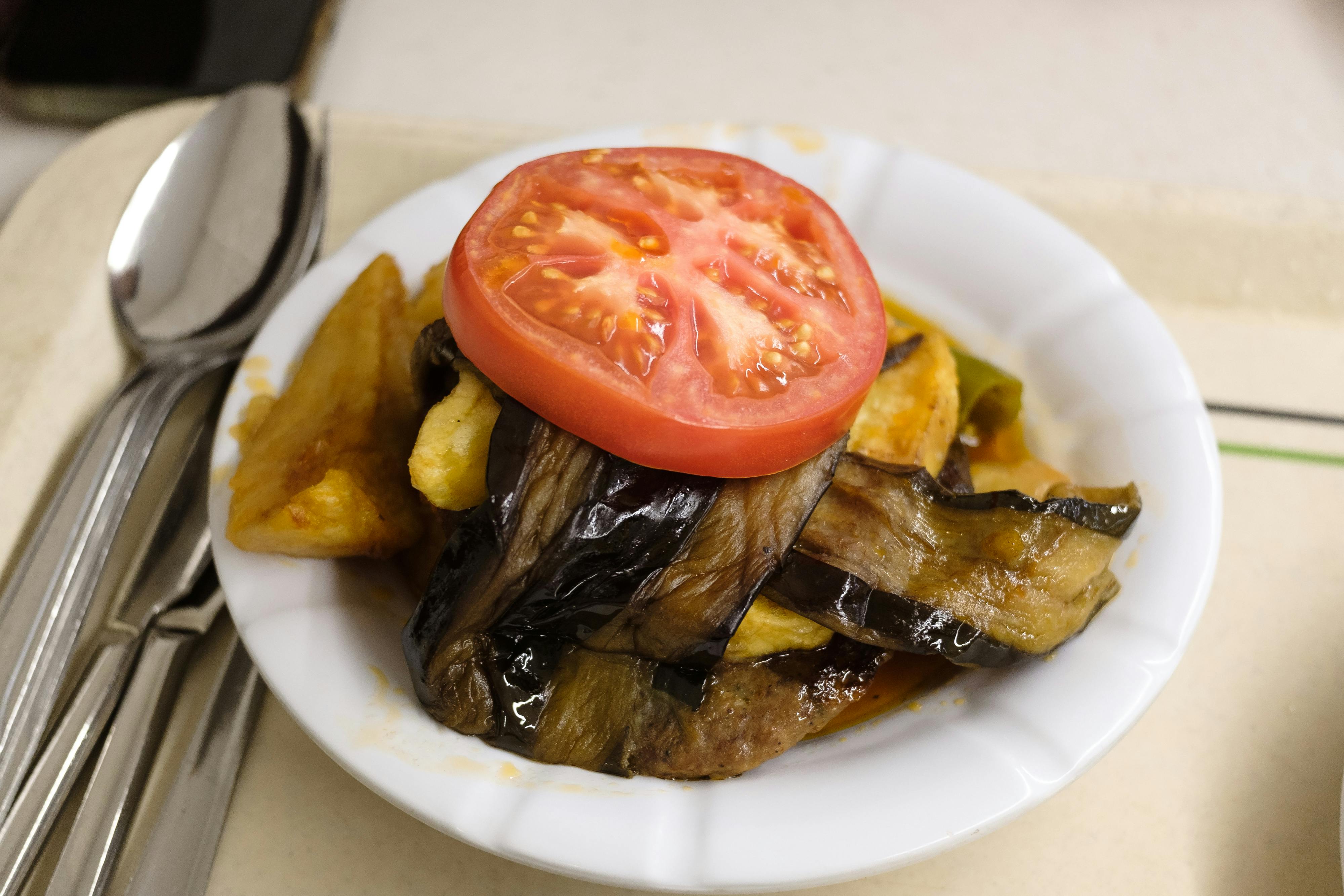
Gablec spots
Check out local 'gablec' eateries for affordable, hearty lunches favored by working locals. These spots are perfect for budget-conscious dining.

Markets
Dolac Market
The main city market where you can find fresh produce, cheeses, and flowers directly from local farmers.
Climate
Best months: May, Jun, Aug, Sep
Avg humidity72%
Avg AQI55
The best time to visit Zagreb is during the shoulder seasons of May, June, August, and September, when the city comes alive with outdoor events and pleasant temperatures. During these months, the cafe culture is at its peak, and the parks are lush and inviting for a productive afternoon work session.
Conversely, you might want to avoid January, February, and December unless you are a fan of cold weather. While December is magical due to the famous Advent in Zagreb Christmas market, the city experiences freezing temperatures and snow, which can limit outdoor exploration and increase heating costs.
Monthly temperatures °C
BestAvoidShoulder
Practical Info
Everything you need to know
🏥
Healthcare
Croatia provides high-quality healthcare facilities. As a visitor or nomad, ensure you have travel health insurance or a valid European Health Insurance Card for EU citizens.
💱
Money
The local currency is the Euro. ATMs are abundant throughout the city, and card payments are accepted in almost all restaurants, cafes, and shops.
🌐
Language & Etiquette
The official language is Croatian, but many locals, especially younger generations, speak excellent English. A simple 'Dobar dan' goes a long way when interacting with locals.
Tips
Quick tips
- Always carry a small amount of cash for small bakery purchases.
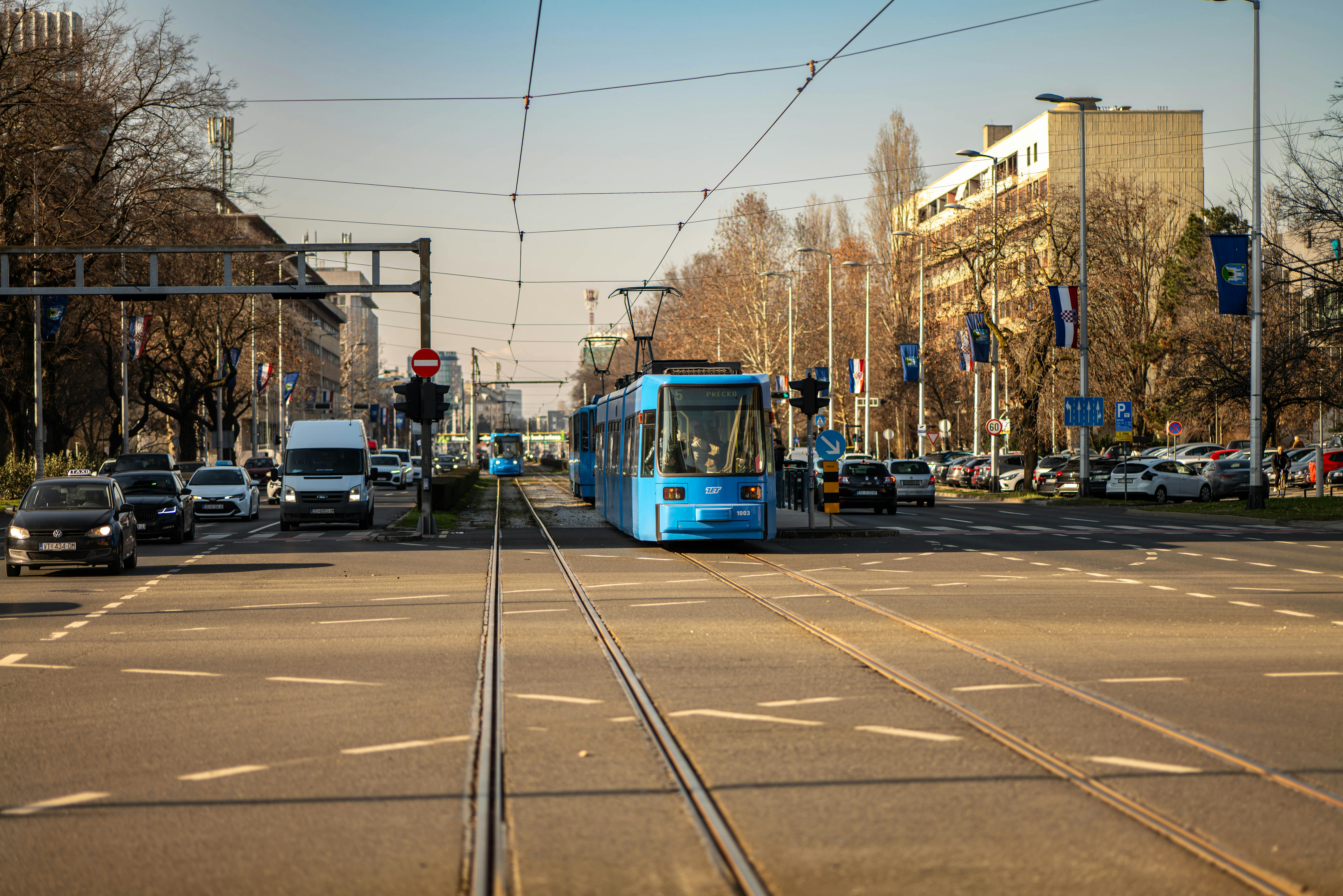
- The ZET tram system is the fastest way to get across the city.
- Join local nomad Facebook groups to find meetups and social events.
- Learn basic phrases like 'Hvala' (thank you) to win over the locals.
- Tap water is perfectly safe and delicious to drink.
- Take the funicular to the Upper Town for a classic tourist view.
- Visit Medvednica mountain on weekends for a quick escape into nature.
- Respect the pace of the city; coffee culture is meant to be savored, not rushed.
Further Reading