

Pula · Croatia
Overview
Pula is a place where you can touch the stones of history by day and enjoy the crisp, salt-scented air of the Adriatic by night.
Pula serves as the largest city in the Istrian region of Croatia, characterized by its remarkably preserved Roman ruins and proximity to stunning turquoise waters. It offers a unique atmosphere where you can work from a sun-drenched café in the morning and wander through an ancient amphitheatre by sunset. The city is highly walkable, fostering a sense of community that is perfect for those who want to avoid the frantic pace of bigger European capitals while maintaining high productivity levels. Digital nomads are increasingly drawn to Pula for its high-quality internet connectivity and the authentic Croatian lifestyle that remains vibrant even outside the peak tourist seasons. For a detailed breakdown of how to manage your finances here, view the Cost of living in Pula. To ensure you pack appropriately, review the Climate in Pula section to understand the seasonal shifts between the breezy springs and warm, sunny summers.
History
Pula's history is deeply intertwined with its strategic location on the tip of the Istrian peninsula…

Pula's history is deeply intertwined with its strategic location on the tip of the Istrian peninsula, serving as a vital port for civilizations throughout millennia. Founded by the ancient Illyrians, it later became a significant Roman colony known as Pietas Julia. The Romans left behind an architectural legacy that defines the city today, most notably the Pula Arena, which is one of the best-preserved Roman amphitheatres in the world.
Following the fall of Rome, the city transitioned through various rulers, including the Venetians and the Austro-Hungarians, each leaving a distinct mark on the local culture and architecture. Throughout the 20th century, Pula became a critical naval base and underwent significant shifts in governance before becoming part of independent Croatia. Today, these diverse historical layers coexist, offering residents and visitors a living museum experience.
1st Century BC
Roman SettlementThe Roman Empire established a colony known as Pietas Julia, marking the beginning of Pula's architectural development.
1st Century AD
Construction of the ArenaThe Pula Arena was built, becoming one of the largest and most well-preserved Roman amphitheatres still in existence today.
1797
Venetian Rule EndsAfter centuries of control, the Venetian Republic fell, and the city passed into the hands of the Austrian Empire.
1947
Post-WWII TransitionFollowing the aftermath of the Second World War, Pula was officially transferred from Italy to the Socialist Federal Republic of Yugoslavia.
1991
Croatian IndependencePula became an integral part of the newly independent Republic of Croatia, embracing its future as a tourism and cultural hub.
Where to Stay
Choose your base camp
Distinct neighbourhoods, different rhythms. Pick the one that fits your work-life balance.
Urban Convenience
City Centre
Stay here to be within walking distance of the Arena and the best cafés. It is perfect for those who want to be in the heart of the action.
Beach Life
Verudela
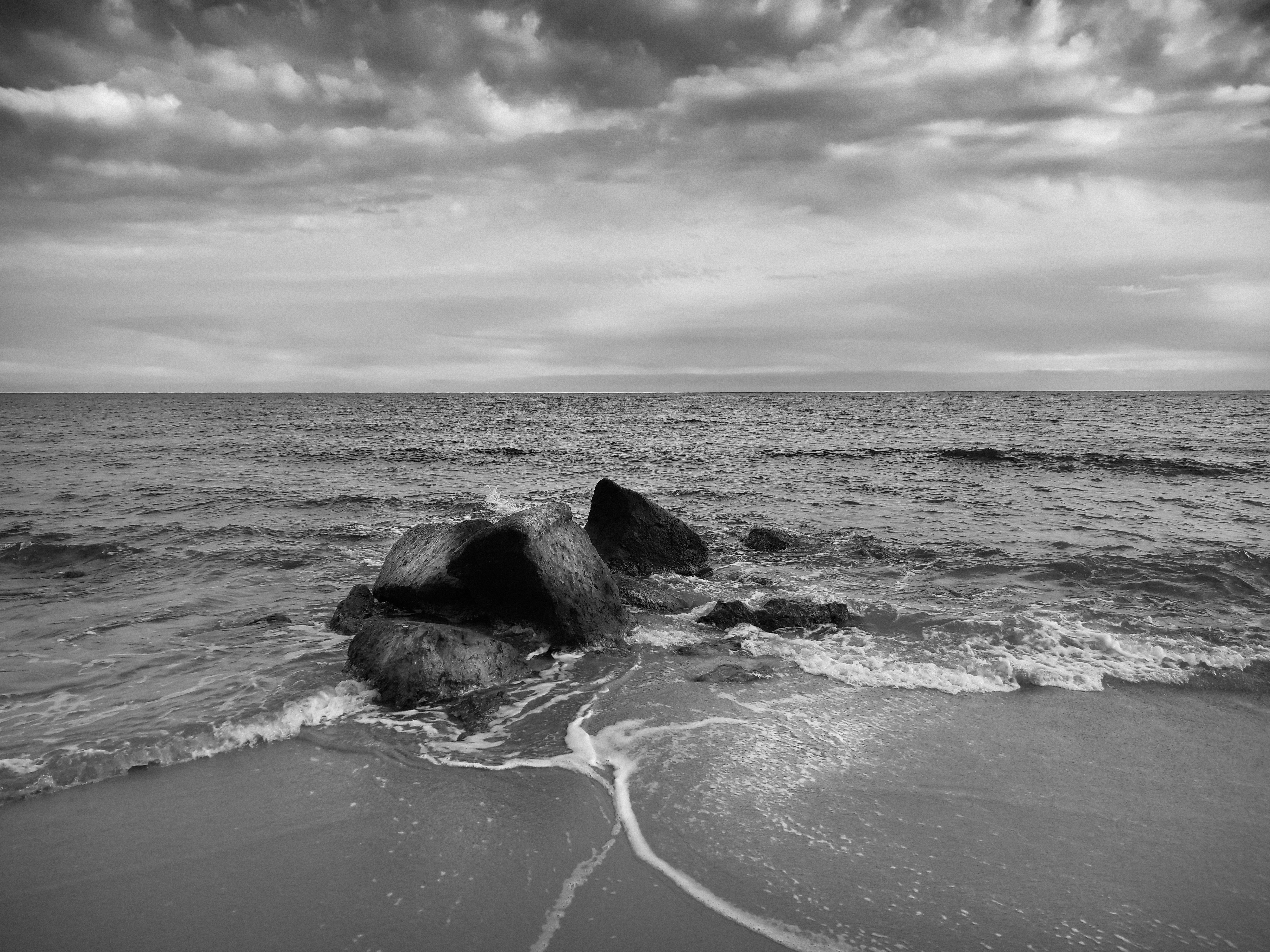
Known for its beautiful resorts and clear swimming coves, this area offers a relaxed vibe right on the Adriatic Sea.
Coastal Living
Stoja
A mix of residential calm and nature, Stoja provides excellent access to seaside walking paths and quiet spots for focused work.
Places to Go
The experiences that will make you never leave
These aren't tourist checkboxes — they're the experiences that reset your sense of what's normal.
Top Pick
Pula Arena
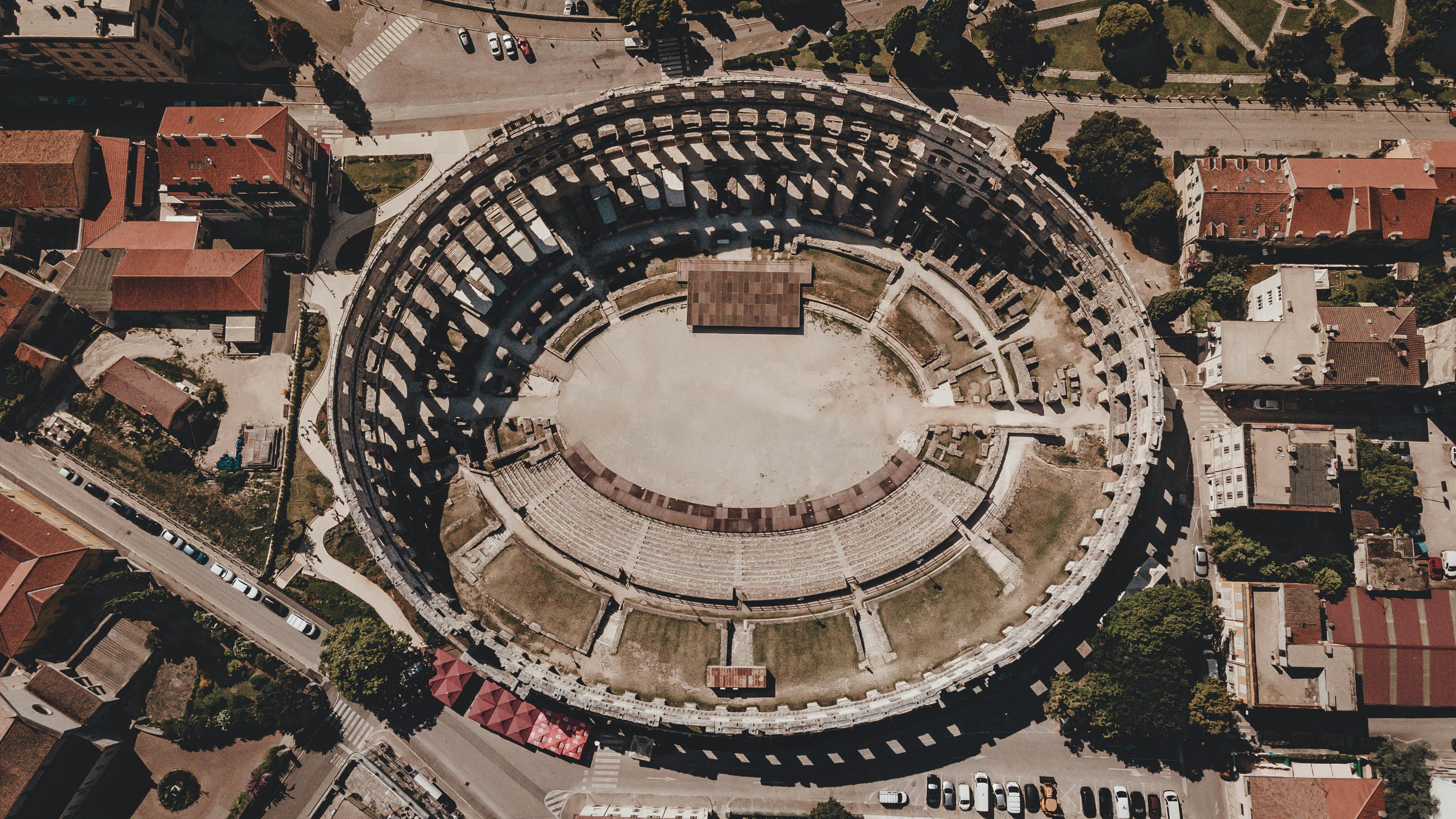
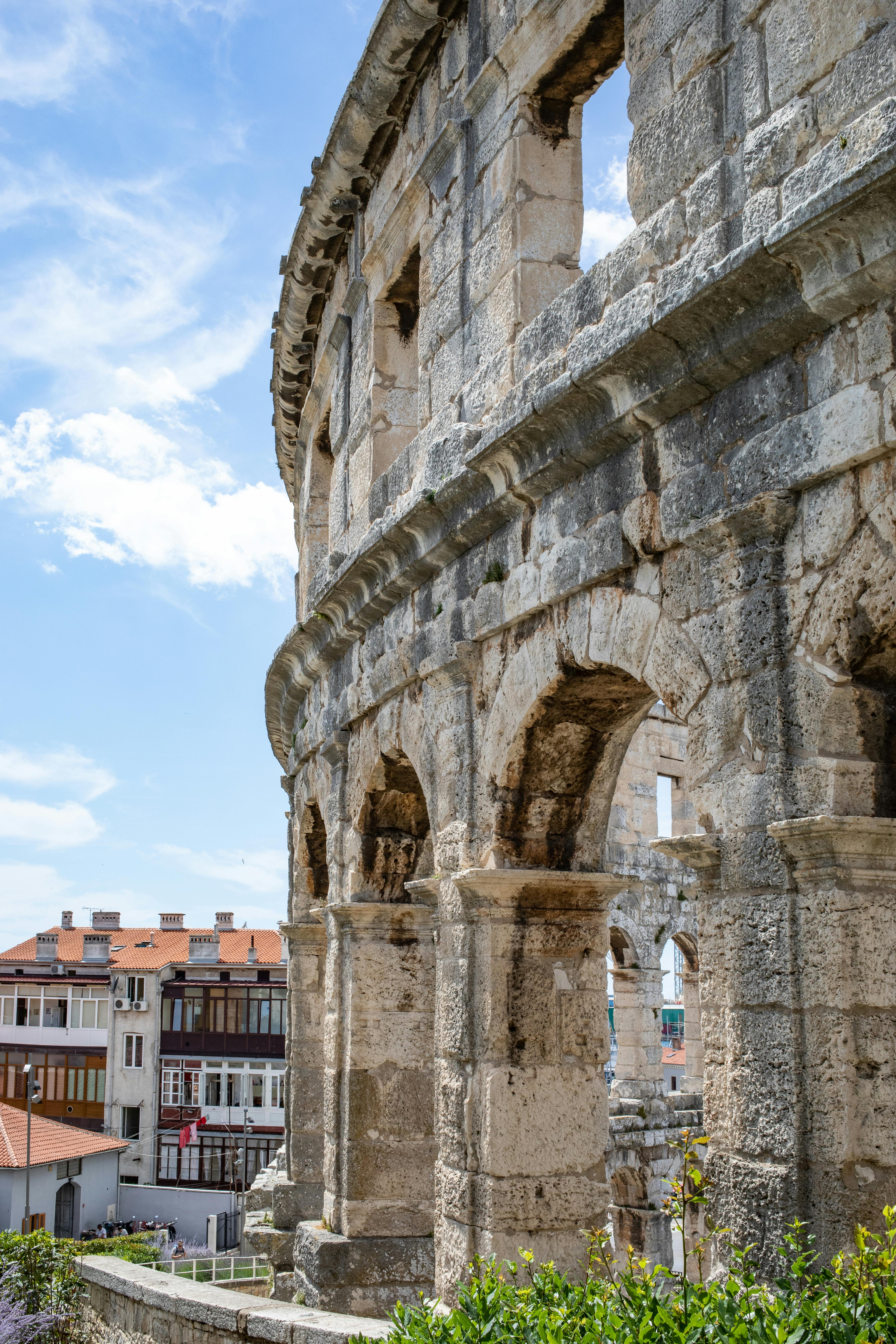
This massive Roman amphitheatre is the crown jewel of Pula and the only remaining Roman arena with four side towers still preserved. It serves as a stunning backdrop for summer concerts and film festivals.
Wikipedia
Temple of Augustus
Located in the historical Forum, this well-preserved Roman temple dates back to the early 1st century. It houses a small collection of ancient stone sculptures and bronzes.
Wikipedia
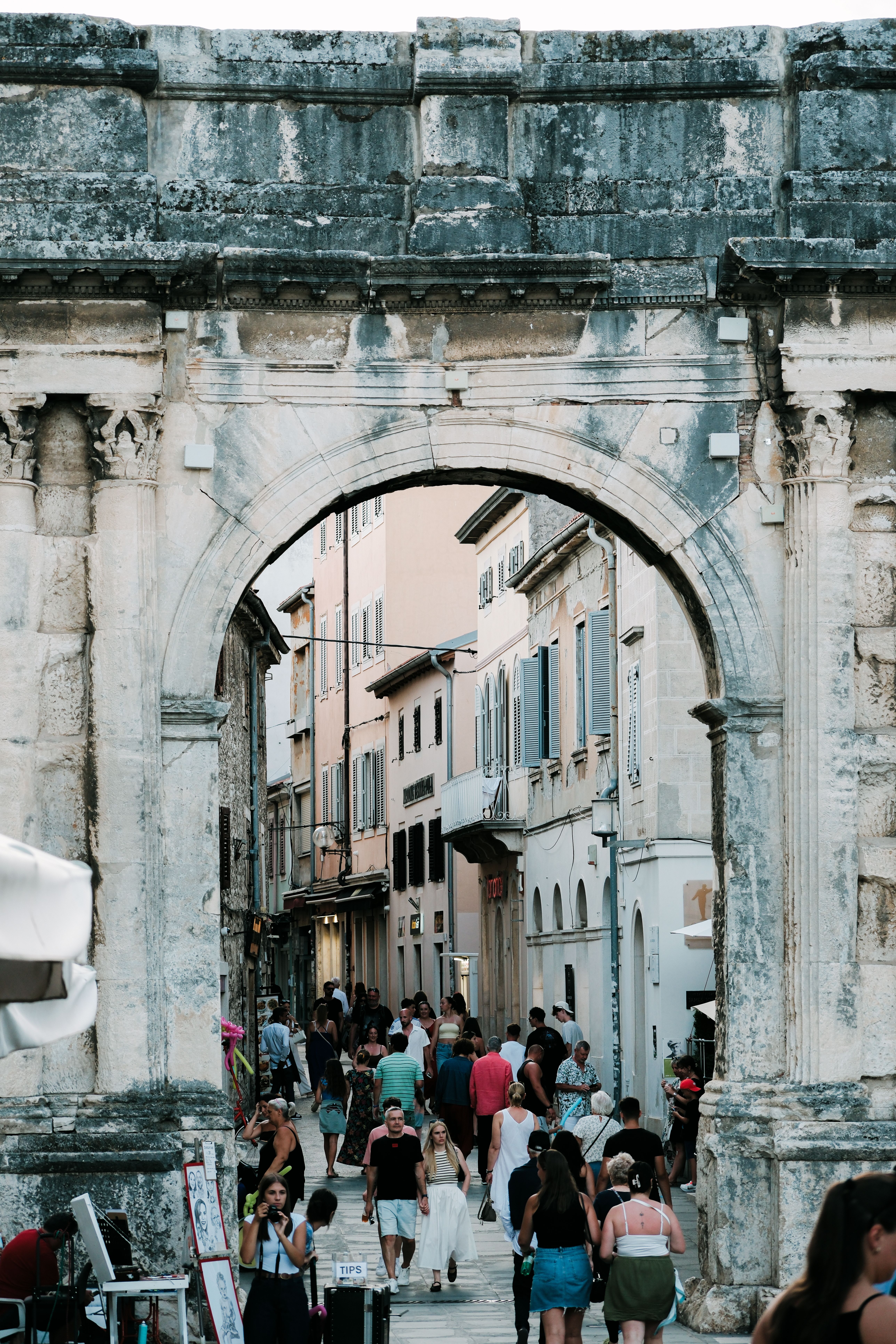
Arch of the Sergii
This ancient Roman triumphal arch dates back to the late 1st century BC. It is a stunning architectural feature that marks the entrance to the old city centre.
Work & Connectivity
Stay connected wherever you work
The nomad community here is real — cafés and coworking spaces where you can work and meet others.
Impact Hub Pula
A community-focused space that is perfect for networking with local entrepreneurs and other digital nomads.
Coworking Pula
A professional environment with all the necessary amenities for a productive day of work.
Budget & Costs
What it costs to live in Pula
Choose your lifestyle tier. Comfortable = furnished accommodation, local + occasional Western food, transport, leisure.
$1351
per month · USD · comfortable lifestyle
ModerateFurnished studio, local restaurants, transport, and weekend trips.
Exchange rates
Check xe.com or your bank for current USD to local currency.
Check xe.com or your bank for current USD to local currency.
🏠 Rent 41%$548/mo
🍽️ Food 27%$365/mo
🚌 Transport 4%$55/mo
💡 Utilities 7%$91/mo
🎭 Leisure 14%$183/mo
🏥 Health 8%$110/mo
Connectivity
Well connected to the world
Internet and transport options for remote workers.
📶
Internet
Good — fibre common
Check local providers.
🏢
Coworking
From ~$80/mo
Dedicated spaces available.
🚌
Local Transit
5 / 10
Scooter and taxi common.
PUY
Pula Airport
20 km from centre
colognedublinfrankfurtmanchesterstockholmzadarzagreb
Safety & Visa
Safe, welcoming, and easy to enter
Safety Score6 / 10
✗ Tap Water✓ Night Safe📞 112 or local emergency number
Visa
Check your entry options
Many nationalities get visa-free or visa-on-arrival. Check official government sources for your citizenship before travel.
Culture & Festivals
Local soul, nomad-friendly
Multiculturalism5/10
Foodie Scene5/10
Remote work
Jul
Pula Film Festival
A historic film festival held inside the ancient Roman arena, offering a unique cinematic experience.
Aug
Visualia Festival
A light festival that transforms the city with modern digital installations and projections.
Pula is a fantastic base for exploring the rest of the Istrian peninsula, including nearby Rovinj and the charming interior hill towns of Motovun and Grožnjan.
Food & Nightlife
A feast for every mood
From street food to cafés and nightlife — every meal is an event.
Street Food
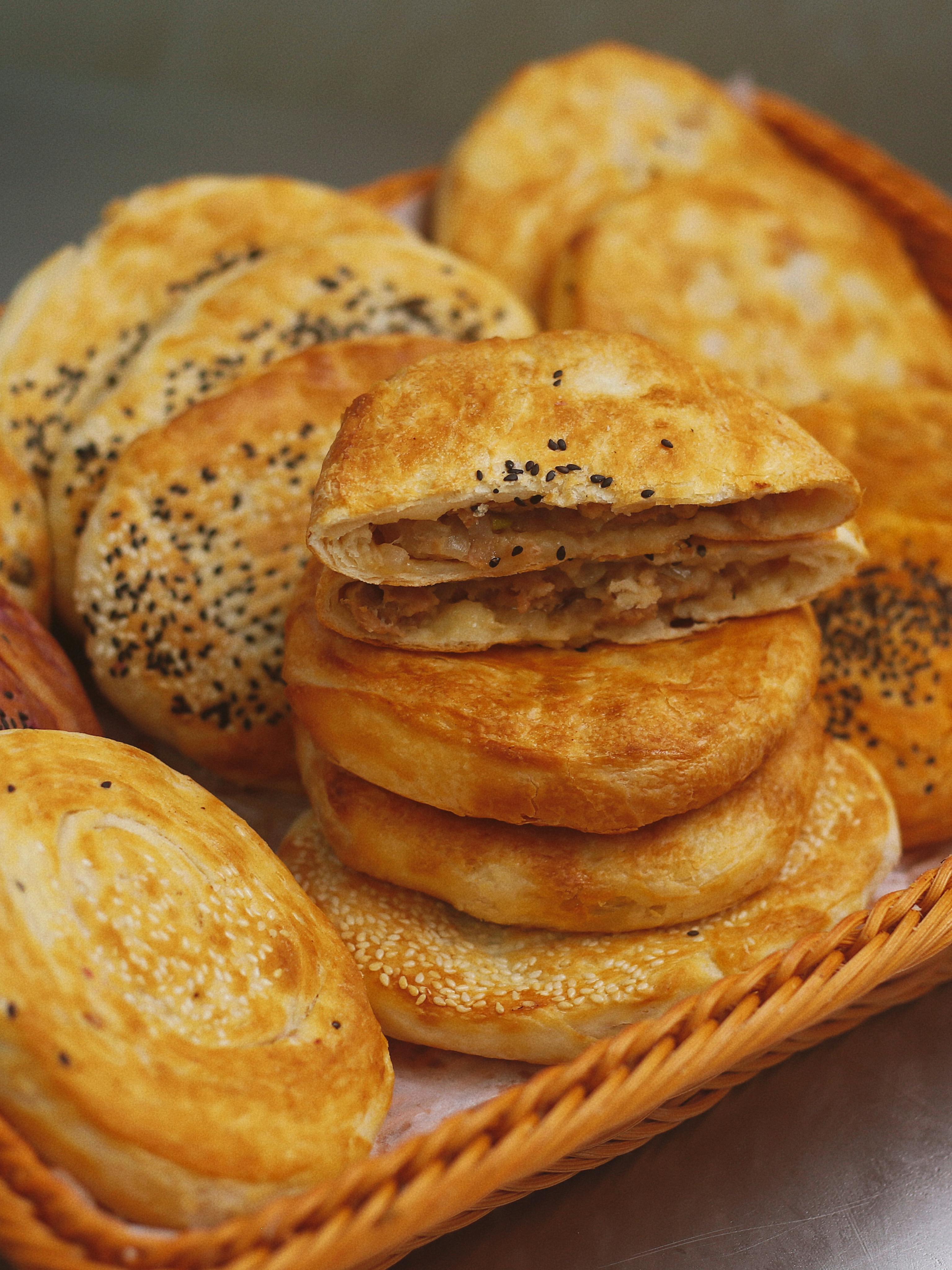
Local Bakeries
Grab a 'burek' or fresh bread from local bakeries for a quick and affordable breakfast while you head to work.
Dining
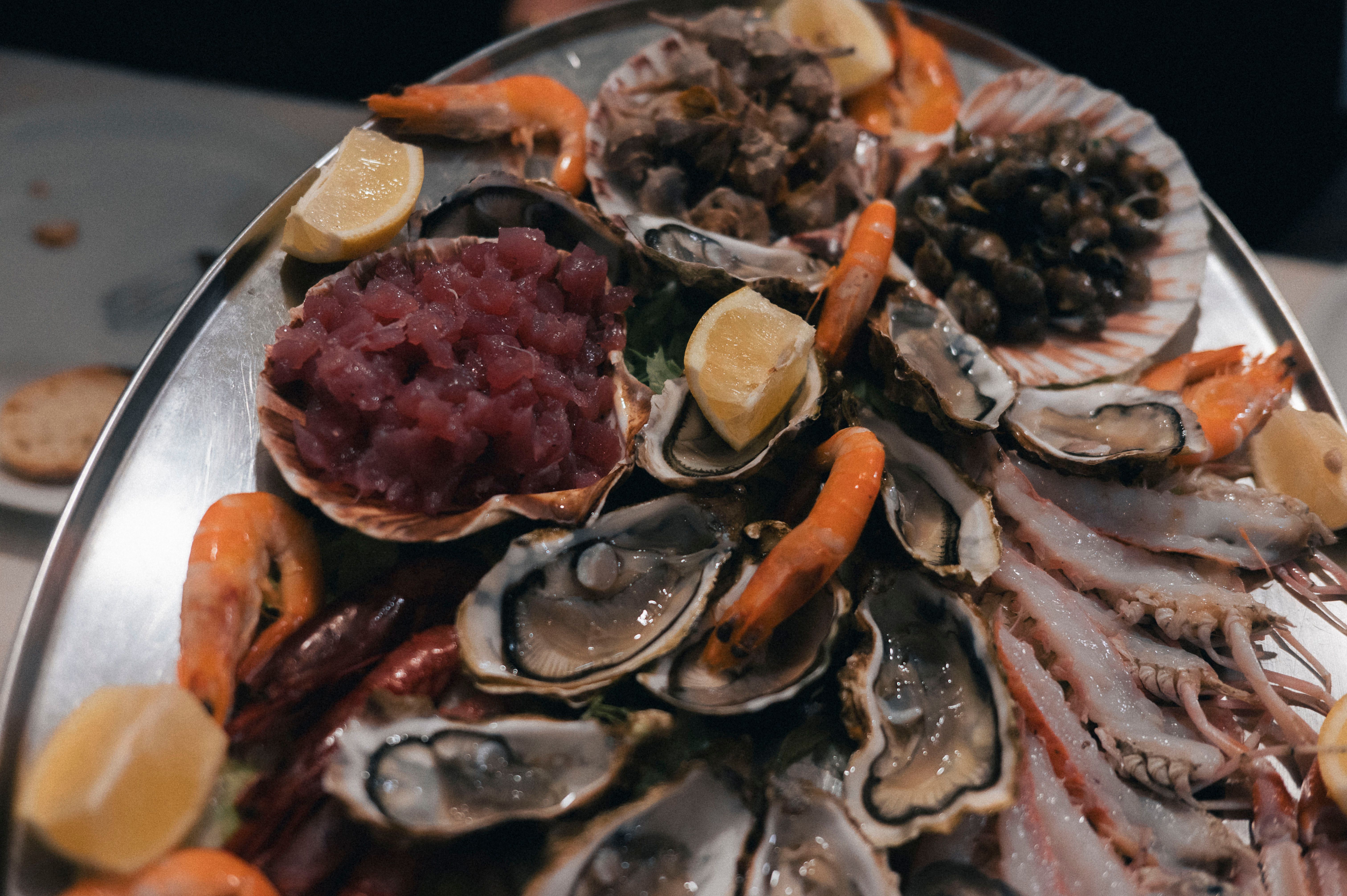
Konobas
Visit traditional Istrian taverns (konobas) to enjoy authentic seafood, pasta with truffles, and local wines.
Climate
Best months: Apr, May, Jun, Jul, Aug, Sep, Oct
Avg humidity71%
Avg AQI35
The best time to experience Pula is from April through October. During these months, the city comes alive with outdoor activities, and the Adriatic Sea is warm enough for swimming, making it ideal for those who want to balance work with leisure. The spring months of April and May are particularly pleasant with blooming flora, while the shoulder months of September and October offer a quieter vibe with milder temperatures perfect for exploring historical sites without the summer crowds.
Monthly temperatures °C
BestAvoidShoulder
Practical Info
Everything you need to know
🏥
Healthcare
Pula has a well-equipped general hospital and numerous clinics. Ensure you have travel insurance, as standard European health cards may apply but private coverage provides faster access.
💱
Money
The currency is the Euro. Credit cards are widely accepted in cafes and shops, but keeping some cash for smaller markets and local bakeries is always useful.
🌐
Language & Etiquette
Croatian is the official language, but English is spoken fluently by most younger locals and service providers. A simple 'Dobar dan' goes a long way in local interactions.
Tips
Quick tips
- Rent a bike to explore the coastal trails outside the city.
- Visit the local farmers' market for fresh produce.
- Download the local bus schedule app to manage your transit.
- Try the local Istrian truffle dishes, as they are a regional delicacy.
- Carry a reusable water bottle, though note that tap water quality is good.
- Book accommodation early if arriving in the peak month of July.
- Look for 'konobas' in side streets for more authentic and cheaper meals.
Further Reading