Mérida Spain · Spain
Overview
Walking through Mérida is like wandering through an open-air museum where the ancient world seamlessly blends with the rhythm of modern Spanish daily life.
Mérida is arguably one of Spain's most historically significant cities, boasting an incredible concentration of Roman ruins that have earned it UNESCO World Heritage status. For the modern nomad, it offers a laid-back, authentically Spanish pace of life where the "menú del día" culture still reigns supreme and the streets are blissfully walkable. While it remains off the typical nomad circuit, those who find their way here are rewarded with a welcoming local community and a quiet atmosphere perfect for deep work.
Beyond the ancient stones, Mérida functions as a comfortable base for exploring the wilder landscapes of the Extremadura region. The city’s infrastructure is surprisingly robust for remote workers, featuring widespread high-speed fiber optics that ensure you stay connected without the noise and high overhead of major hubs like Madrid or Barcelona. Whether you are living on a budget or looking for a comfortable home base, it is easy to settle into a daily routine punctuated by afternoon strolls past amphitheaters and evening tapas under the Mediterranean sun.
History
Founded as Augusta Emerita in 25 BC by Augustus Caesar, Mérida was designed to serve as a retirement…
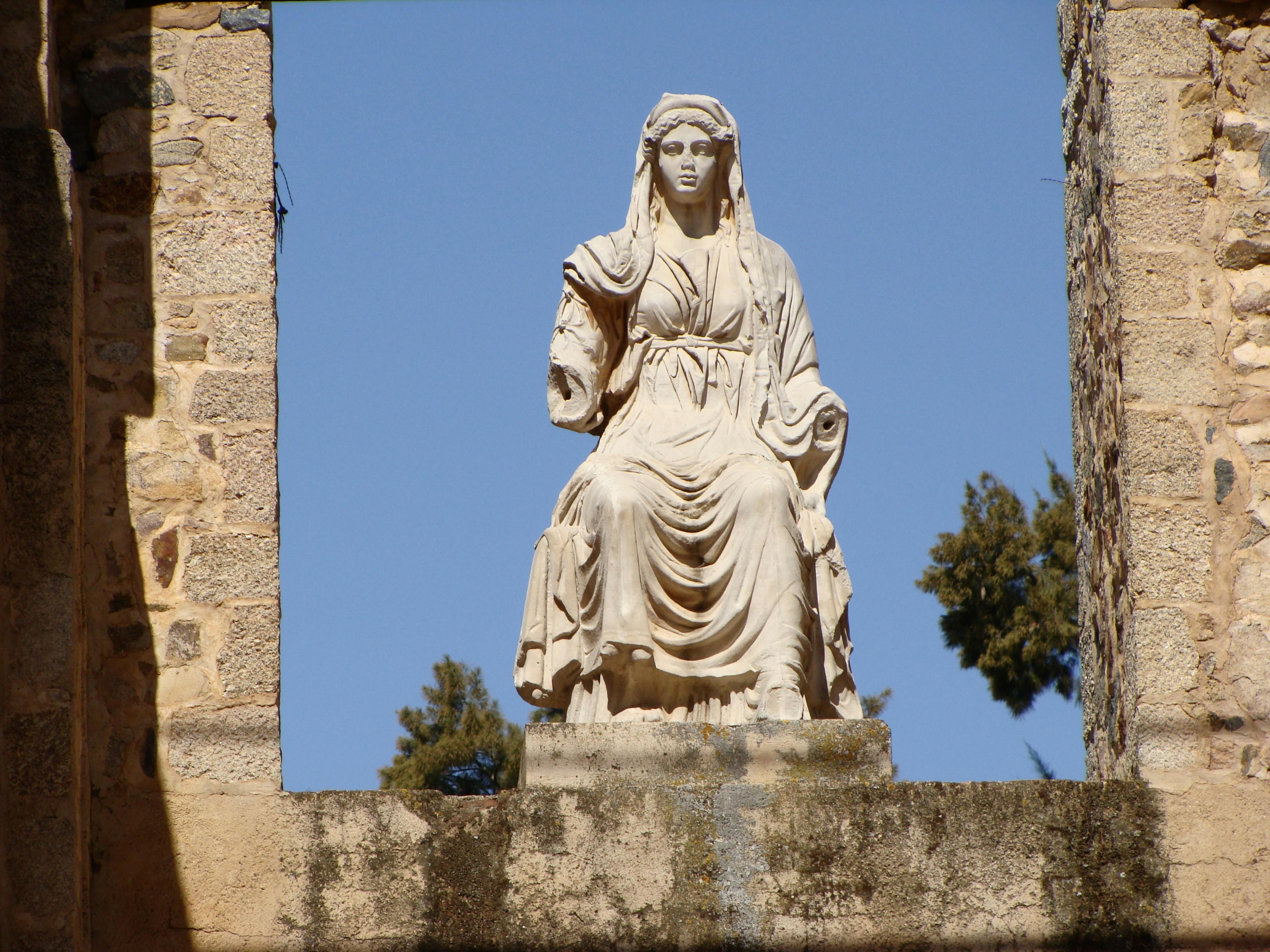
Founded as Augusta Emerita in 25 BC by Augustus Caesar, Mérida was designed to serve as a retirement hub for veteran soldiers of the Roman legions. It quickly became the capital of the Roman province of Lusitania, growing into one of the most prominent cities in the Iberian Peninsula. The city's wealth and strategic importance allowed for the construction of grand infrastructure, much of which remains incredibly well-preserved today.
Following the fall of the Roman Empire, the city saw periods of rule by the Visigoths and later the Moors, each leaving behind layers of architectural heritage that define the urban landscape. Today, these diverse influences combine to create a uniquely storied environment, where medieval churches frequently sit adjacent to massive, two-millennium-old Roman structures. The city continues to celebrate its identity as a living bridge between antiquity and the contemporary Spanish region of Extremadura.
25 BC
Foundation of Augusta EmeritaThe Roman city was established by Emperor Augustus to house discharged soldiers of the Cantabrian Wars.
713 AD
Moorish ConquestMérida fell under the control of the Umayyad Caliphate, starting a period of significant cultural and architectural transformation.
1230
ReconquistaThe city was captured by the forces of Alfonso IX of Leon, returning it to Christian control.
1993
UNESCO RecognitionThe Archaeological Ensemble of Mérida was officially inscribed as a UNESCO World Heritage site, cementing its status as an international historic treasure.
Where to Stay
Choose your base camp
Distinct neighbourhoods, different rhythms. Pick the one that fits your work-life balance.
Budget Favourite
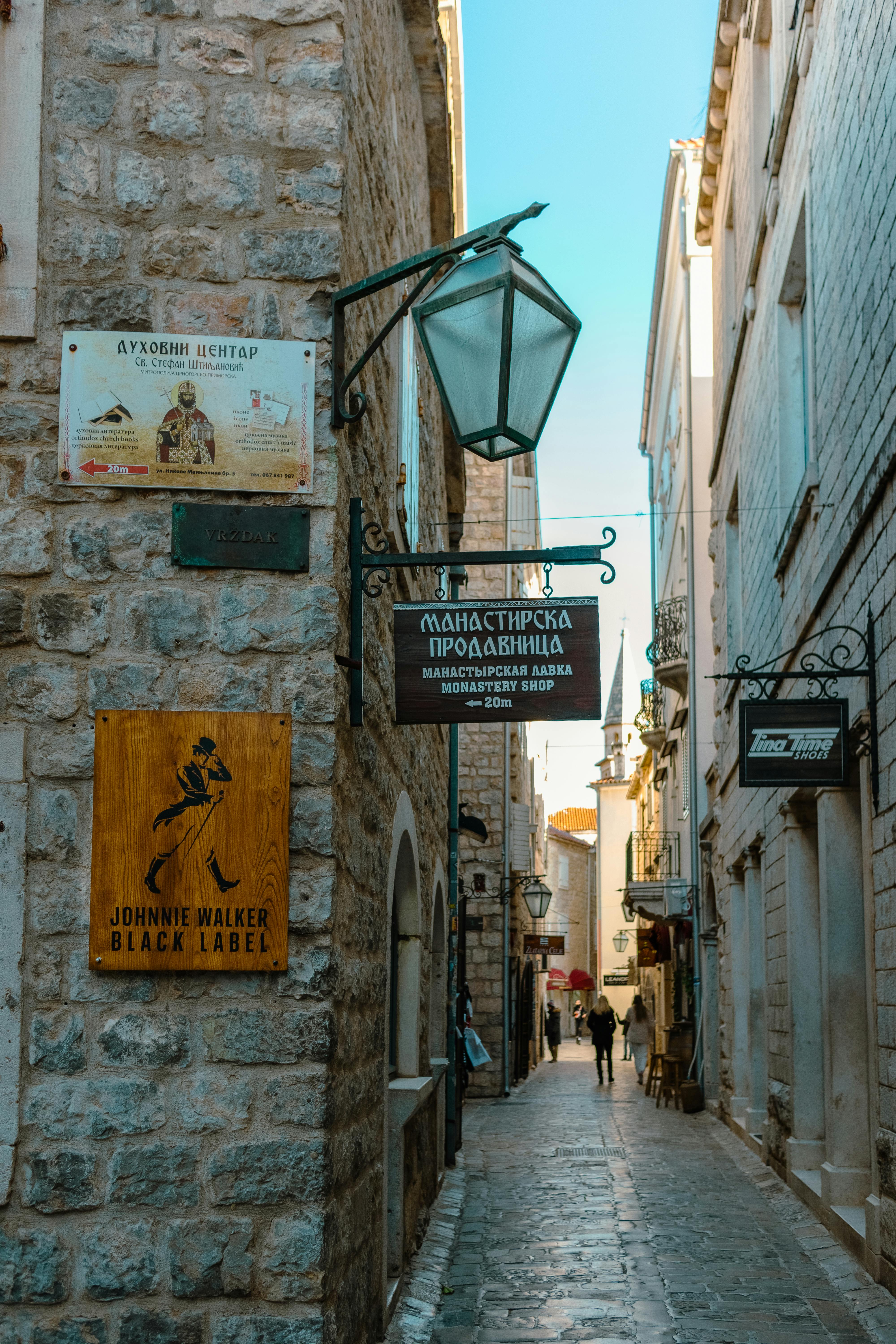
Casco Antiguo
The heart of the city, perfect for those who want to live amongst history. Rent here is affordable and you are steps away from all major sites and local tapas bars.
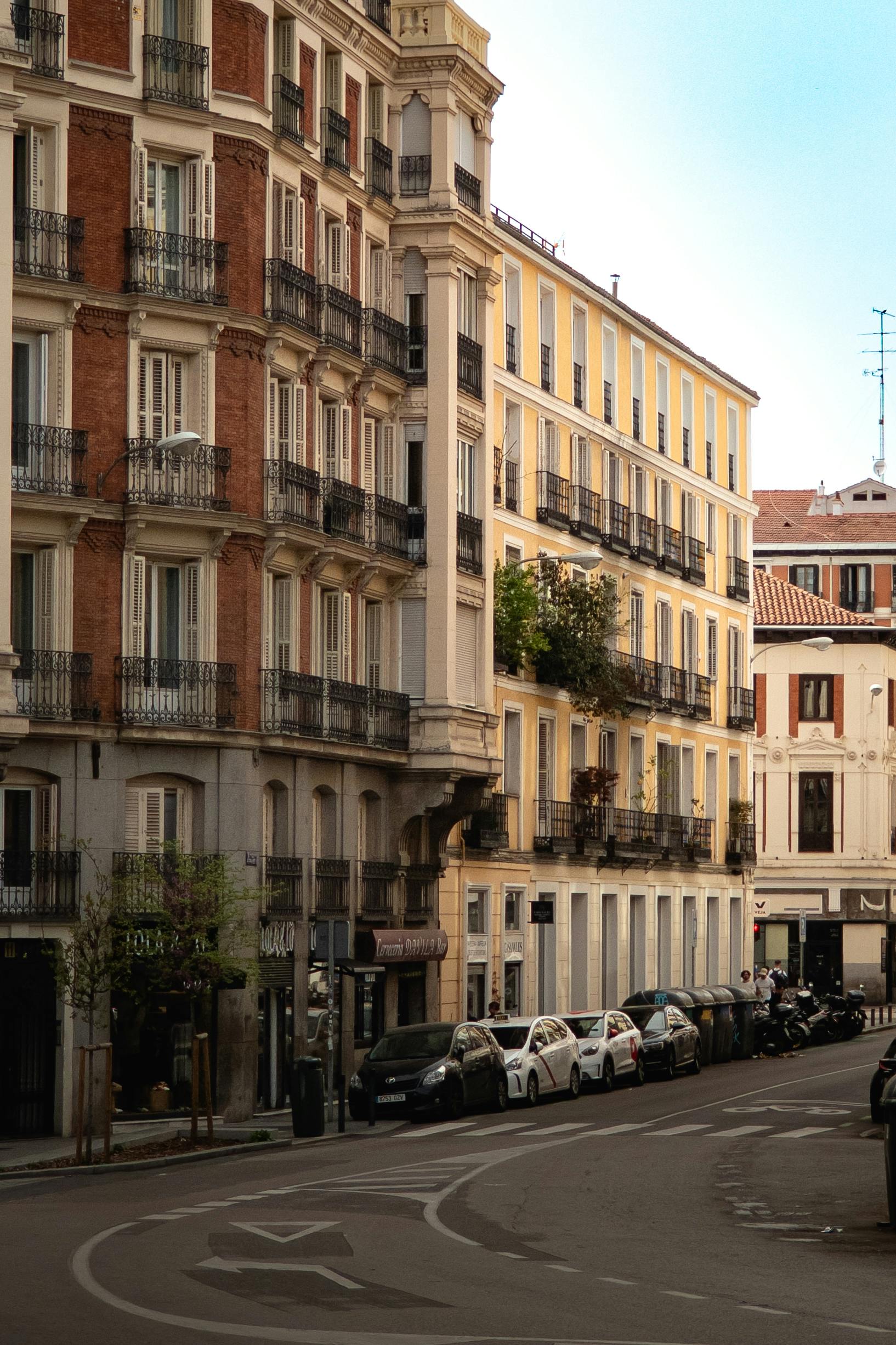
Comfortable Living
San Juan
A residential area that offers a more local feel while still being close to the center. It's ideal for nomads looking for a quiet home environment and easy access to local amenities.

Modern Living
Newer Districts
These areas feature more spacious, modern apartment buildings and are often preferred by those with cars. The lifestyle is slightly more private and quiet compared to the dense center.
Places to Go
The experiences that will make you never leave
These aren't tourist checkboxes — they're the experiences that reset your sense of what's normal.
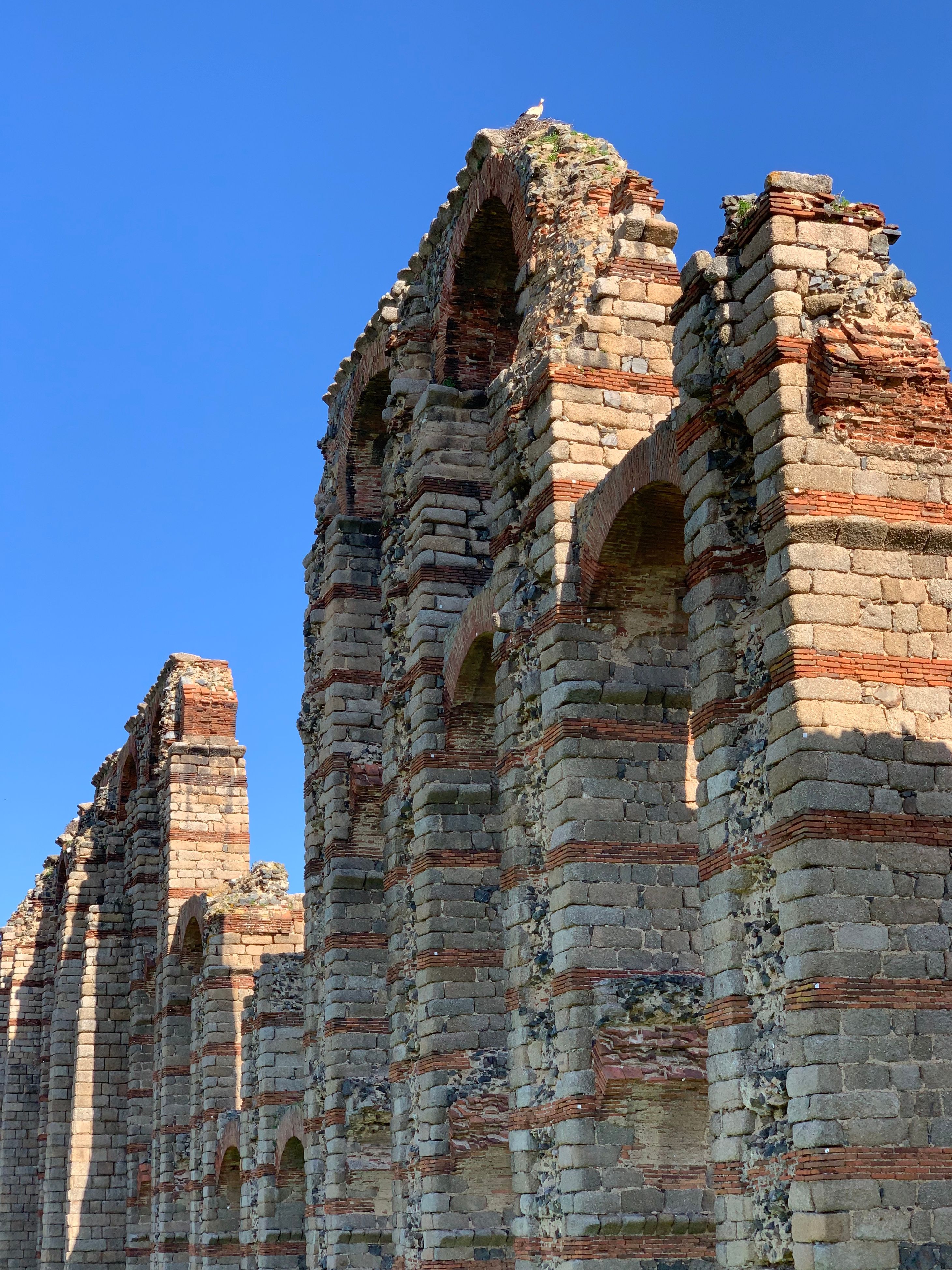
Top Pick
Roman Theatre of Mérida
This is one of the best-preserved ancient theatres in the world, still used today for performances and festivals. It is a stunning example of Roman engineering and architecture from the Augustan period.
Wikipedia
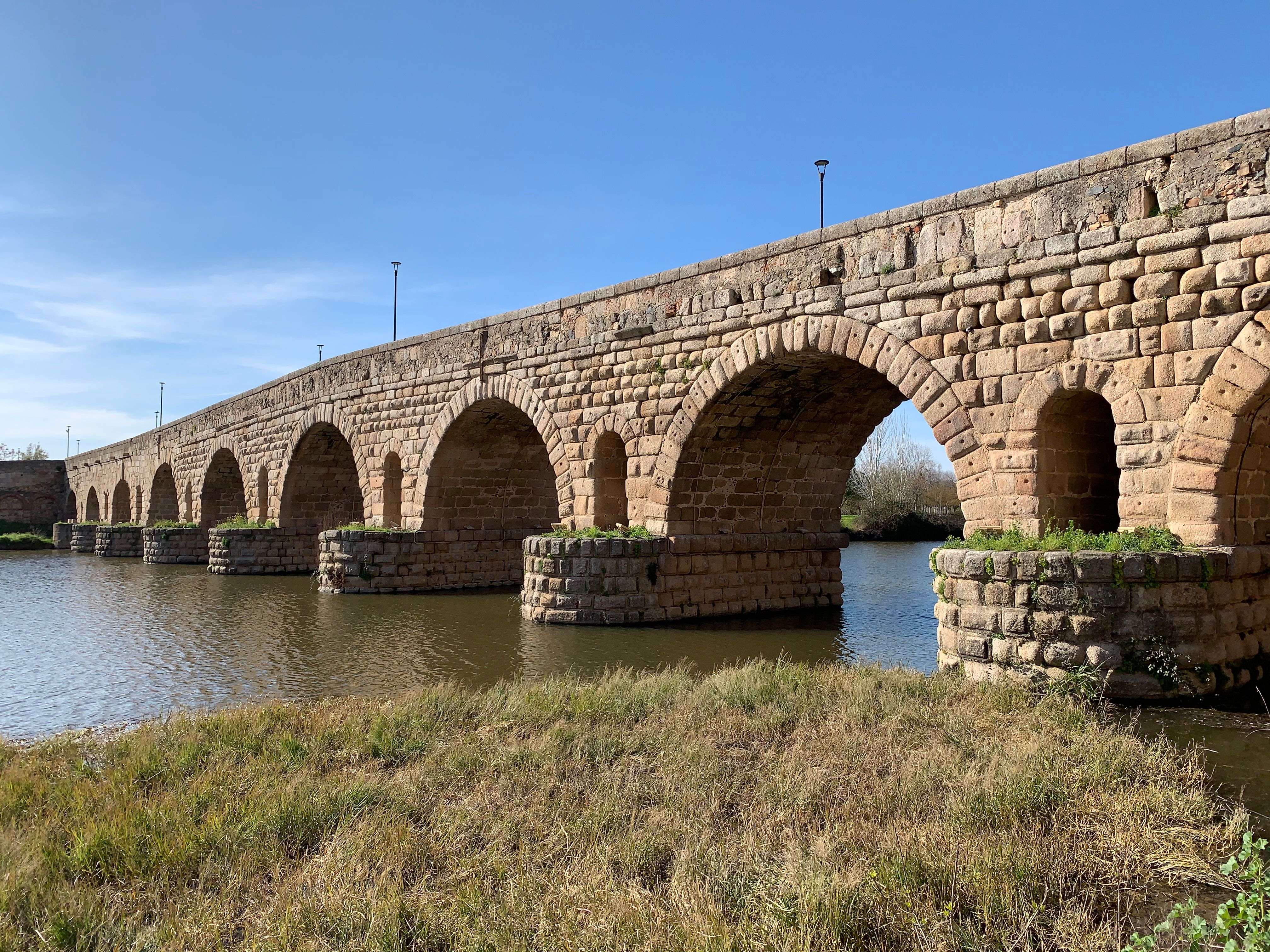
Puente Romano
The Roman bridge spanning the Guadiana River is one of the longest surviving Roman bridges in the world. It offers a spectacular walking path between the modern city and the historic ruins.
Work & Connectivity
Stay connected wherever you work
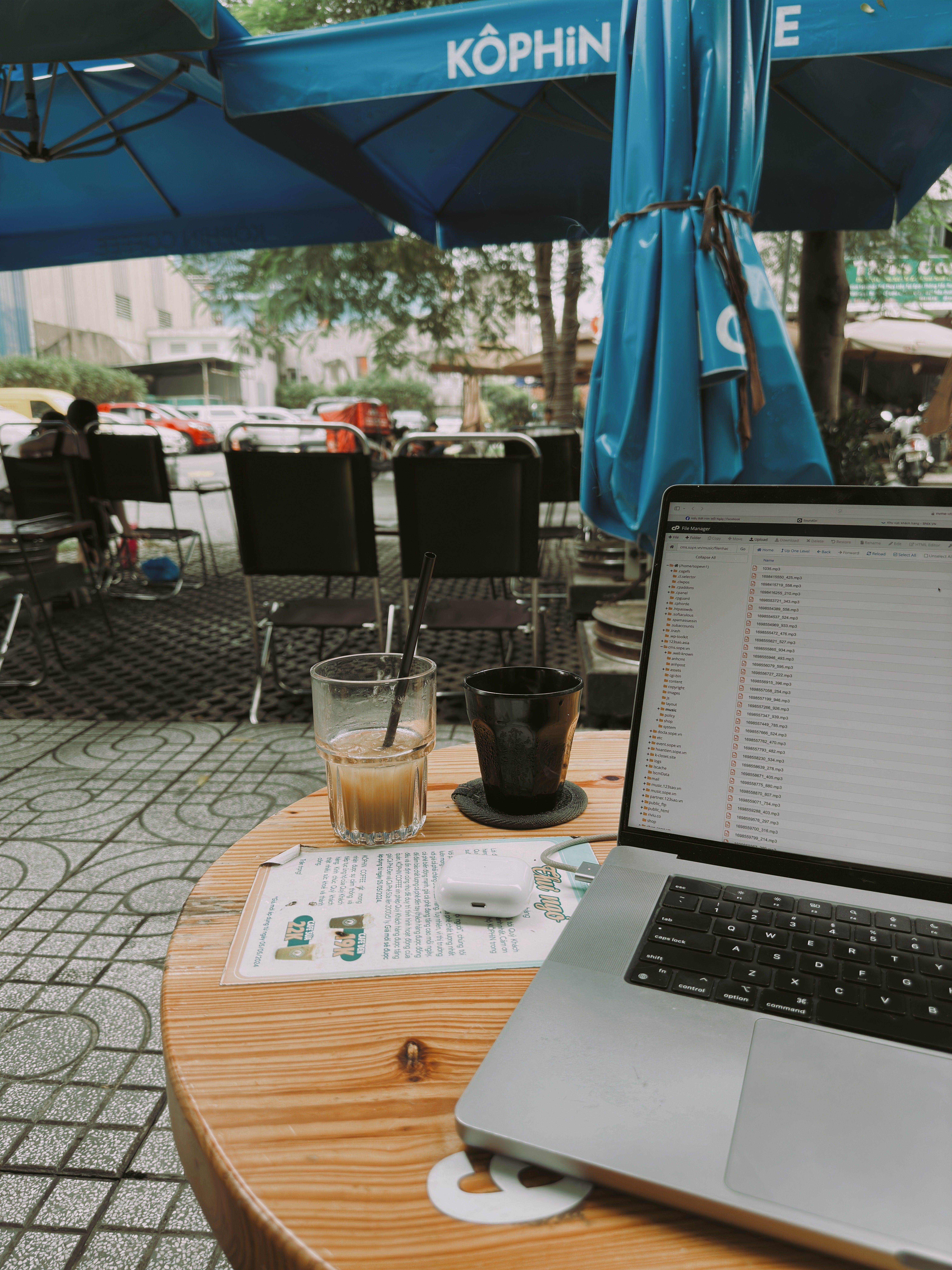
The nomad community here is real — cafés and coworking spaces where you can work and meet others.
Coworking Mérida
A professional space designed for focus and productivity, offering high-speed internet and a quiet environment away from home distractions.
Espacio CLA
A community-driven workspace that provides a great atmosphere for connecting with other local professionals and remote workers.
Budget & Costs
What it costs to live in Mérida Spain
Choose your lifestyle tier. Comfortable = furnished accommodation, local + occasional Western food, transport, leisure.
$1351
per month · USD · comfortable lifestyle
ModerateFurnished studio, local restaurants, transport, and weekend trips.
Exchange rates
Check xe.com or your bank for current USD to local currency.
Check xe.com or your bank for current USD to local currency.
🏠 Rent 43%$584/mo
🍽️ Food 24%$329/mo
🚌 Transport 5%$73/mo
💡 Utilities 8%$110/mo
🎭 Leisure 11%$146/mo
🏥 Health 8%$110/mo
Connectivity
Well connected to the world
Internet and transport options for remote workers.
📶
Internet
Good — fibre common
Check local providers.
🏢
Coworking
From ~$80/mo
Dedicated spaces available.
🚌
Local Transit
5 / 10
Scooter and taxi common.
20 km from centre
Safety & Visa
Safe, welcoming, and easy to enter
Safety Score6 / 10
✗ Tap Water✓ Night Safe📞 112 or local emergency number
Visa
Check your entry options
Many nationalities get visa-free or visa-on-arrival. Check official government sources for your citizenship before travel.
Culture & Festivals
Local soul, nomad-friendly
Multiculturalism5/10
Foodie Scene5/10
Remote work
Jul
International Classical Theatre Festival
The Roman Theatre comes alive with world-class performances, drawing actors and spectators from across the globe.
Extremadura is a region with a strong agricultural identity; don't miss out on local cheeses, cured meats, and regional wines which are often far more affordable and higher quality than in tourist hotspots.
Food & Nightlife
A feast for every mood
From street food to cafés and nightlife — every meal is an event.
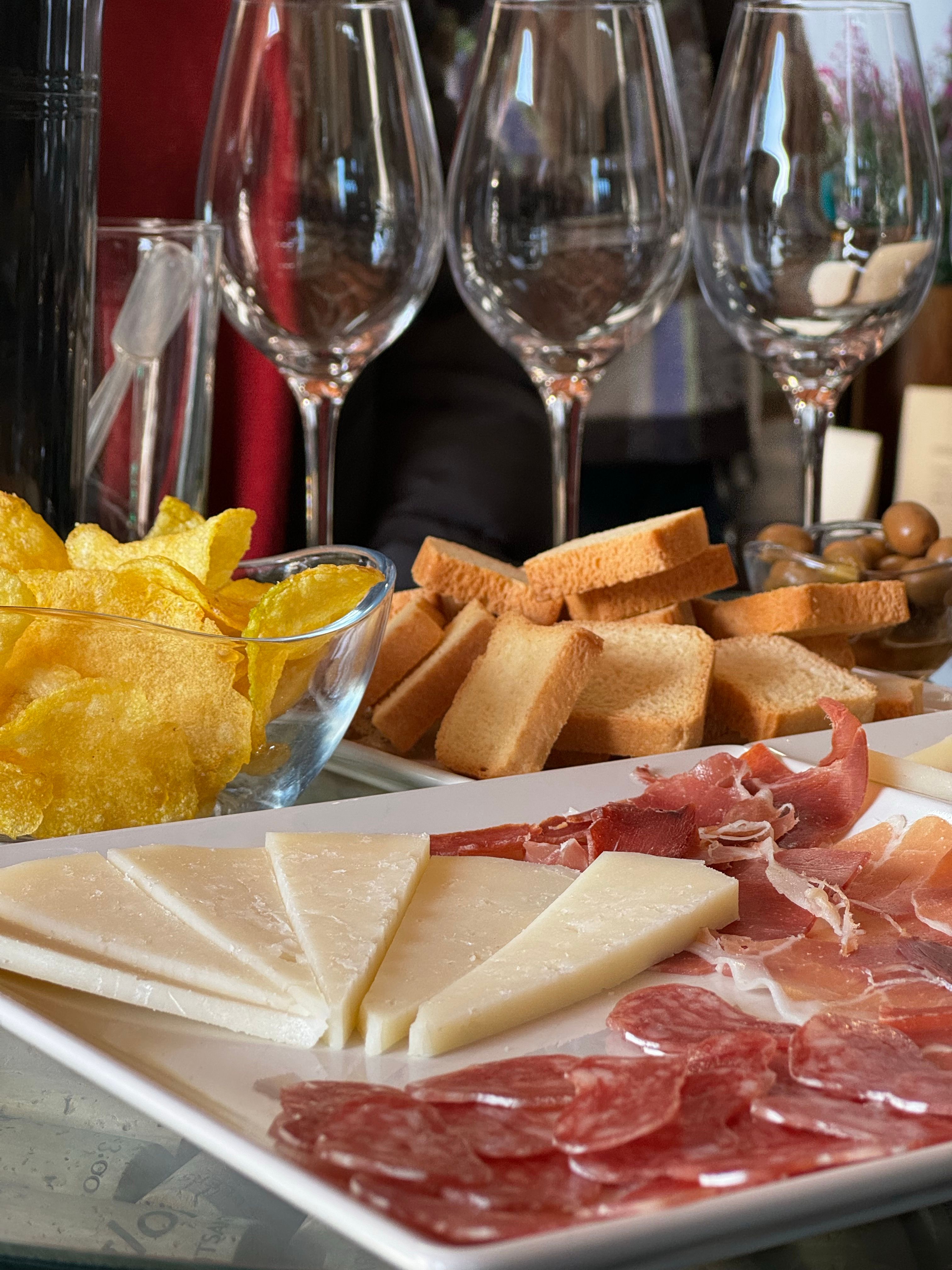
Street Food & Tapas
Local Tapas Bars
Mérida’s food culture revolves around high-quality, simple ingredients served in vibrant local bars. The 'menú del día' is the best way to enjoy a hearty, affordable lunch.

Café Culture
City Center Cafés
You will find many historic cafés scattered near the main plazas that serve excellent coffee and local pastries, serving as perfect spots for a morning work session.
Climate
Best months: Feb, Mar, Apr, May, Jun, Jul, Aug, Sep, Oct, Nov, Dec
Avg humidity62%
Avg AQI45
Mérida enjoys a temperate climate, making it a viable destination for most of the year. Spring and autumn are undoubtedly the most pleasant times to visit, as temperatures are mild enough to comfortably explore the outdoor Roman sites and enjoy long evening walks through the historic center. During these seasons, the city feels alive with locals enjoying outdoor café seating and public squares.
While summers can reach significant heat levels, it is a great time for those who enjoy a slower, indoor-focused routine during the afternoon hours. Winter in Mérida is generally mild compared to Northern Europe, providing a quiet, contemplative atmosphere for nomads who prefer to avoid the peak tourist crowds and enjoy lower accommodation rates.
Monthly temperatures °C
BestAvoidShoulder
Practical Info
Everything you need to know
🏥
Healthcare
Mérida is equipped with reliable medical facilities. It is highly recommended to have travel insurance that covers international medical visits during your stay.
💱
Money
The Euro is the standard currency in Spain. While card payments are accepted in almost all establishments, carrying a small amount of cash is useful for small local tapas bars.
🌐
Language & Etiquette
Spanish is the primary language. Learning basic phrases will be greatly appreciated by the locals and will help you navigate the city more effectively.
Tips
Quick tips
- Prioritize walking to get to know the hidden architectural details of the city.
- Always carry a reusable water bottle, though tap water quality is best checked locally.
- Try the local 'menú del día' to save significantly on food costs.
- Take advantage of the quiet afternoons to explore the Roman ruins when they are less crowded.
- Join local social groups to find out about informal community gatherings.
- Utilize professional coworking spaces to meet other nomads and build a professional network.
- Keep your work schedule flexible to accommodate the traditional Spanish siesta timing.
Further Reading