

Burgos · Spain
Overview
Burgos captures the soul of Castile with its quiet cobblestone streets, majestic architecture, and a pace of life that invites you to stay just a little longer.
Nestled in the heart of northern Spain, Burgos is best known for its stunning Gothic cathedral and its role as a key stop on the Camino de Santiago. For digital nomads, it offers a refreshing alternative to the saturated markets of Barcelona or Madrid. The city maintains a slow, deliberate pace of life that is perfect for those who value focus and culture over the frantic buzz of a metropolis.
Navigating the city is a joy, thanks to its high walkability and efficient local bus system. While the atmosphere is deeply traditional, the infrastructure—including reliable high-speed fibre optic internet—is fully prepared for modern work demands. You can check the details on the local cost of living to understand why it remains an attractive destination for long-term stays, while keeping an eye on the climate to plan your visits during the most comfortable months.
History
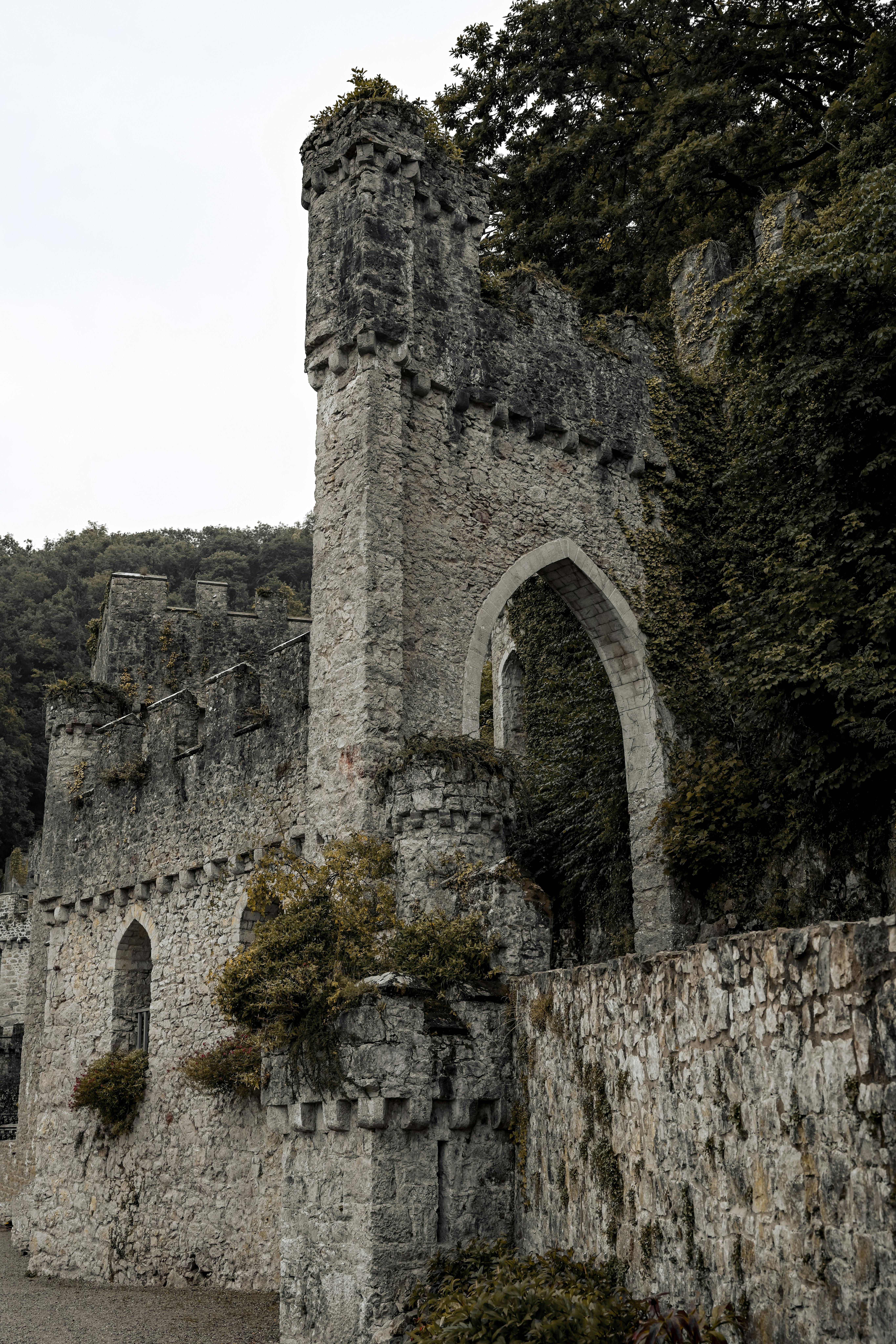
Founded in the 9th century, Burgos has served as a central pillar of Spanish history for over a millennium.
Founded in the 9th century, Burgos has served as a central pillar of Spanish history for over a millennium. As the former capital of the Kingdom of Castile, it played a pivotal role in the Reconquista and the unification of Spain. The city's strategic importance on the Camino de Santiago transformed it into a bustling center of commerce, culture, and religious art, attracting pilgrims from all over the world for centuries.
Today, Burgos stands as a testament to this grand past, with the Cathedral of Burgos—a UNESCO World Heritage site—anchoring the city's skyline. Beyond its medieval walls, the city has evolved into a modern industrial and administrative hub that continues to preserve its distinct Castilian identity while embracing the advancements of the 21st century.
884 AD
City FoundationBurgos was established by Count Diego Rodríguez Porcelos to serve as a defensive outpost for the Kingdom of Asturias.
1035
Castilian CapitalThe city became the capital of the newly formed Kingdom of Castile, cementing its status as a political power in the Iberian Peninsula.
1221
Cathedral ConstructionKing Ferdinand III and Bishop Maurice laid the first stone for the Cathedral of Santa Maria, which would become a masterpiece of Gothic architecture.
1984
UNESCO RecognitionThe Cathedral of Burgos was declared a UNESCO World Heritage site, bringing international acclaim and preservation efforts.
Where to Stay
Choose your base camp
Distinct neighbourhoods, different rhythms. Pick the one that fits your work-life balance.
Historic Hub
City Center
Stay here if you want to be steps away from the Cathedral and the best nightlife. It is the most convenient area, though prices are slightly higher.
Budget Friendly
San Cristóbal
A residential district favored by locals and students. It offers more affordable rent options and a quiet, authentic environment for long-term stays.
Places to Go
The experiences that will make you never leave
These aren't tourist checkboxes — they're the experiences that reset your sense of what's normal.
Top Pick
Burgos Cathedral
This iconic Gothic cathedral is a masterpiece of art and architecture, known for its intricate spires and rich history. It is a must-visit for anyone interested in medieval heritage.
Official Tourism Site
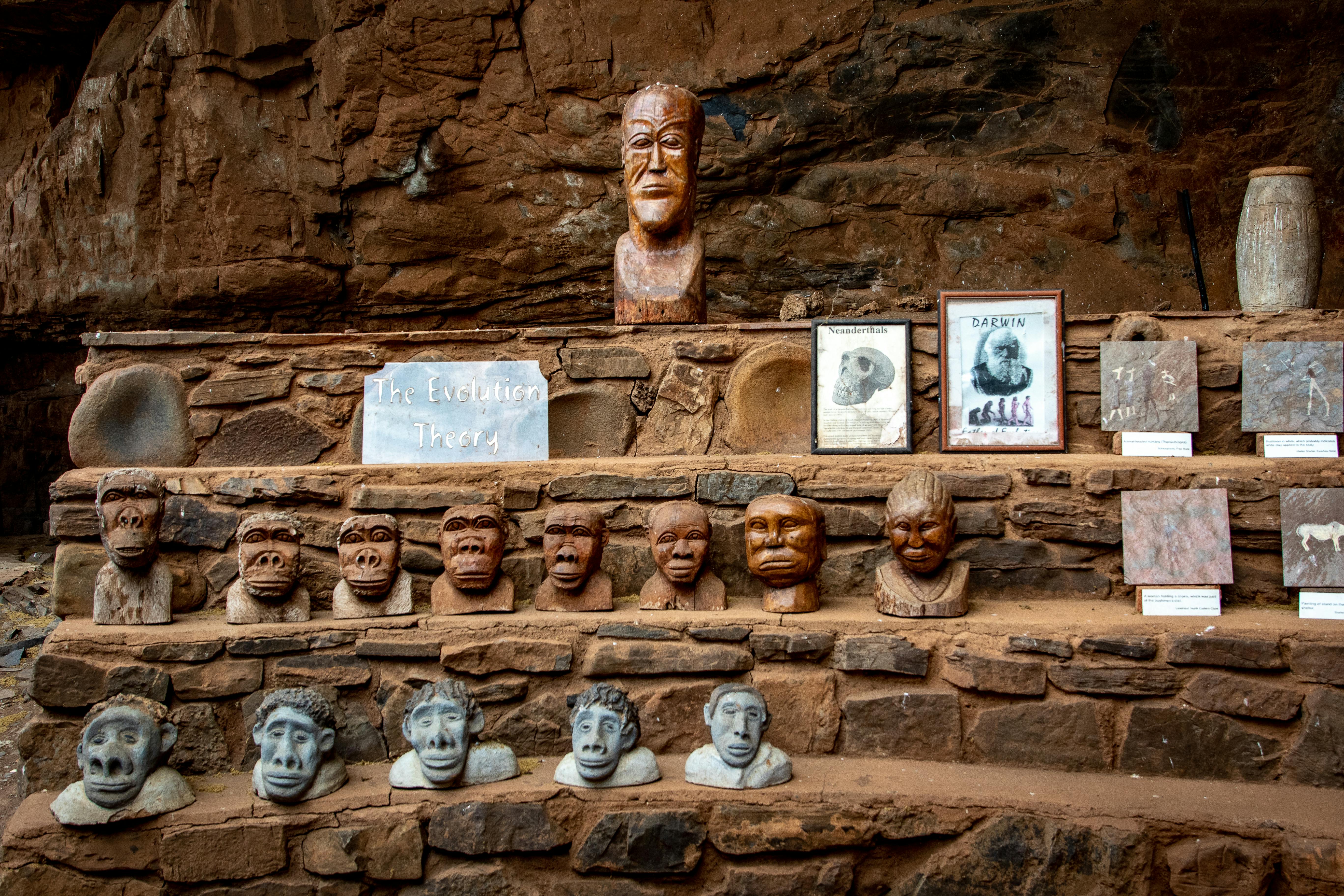
Museum of Human Evolution
A world-class museum dedicated to the evolutionary history of humans, featuring findings from the nearby Atapuerca archaeological site.

Work & Connectivity
Stay connected wherever you work
The nomad community here is real — cafés and coworking spaces where you can work and meet others.
Espacio Coworking Burgos
The premier choice for remote workers looking for a professional environment and a community of like-minded individuals.
Budget & Costs
What it costs to live in Burgos
Choose your lifestyle tier. Comfortable = furnished accommodation, local + occasional Western food, transport, leisure.
$1059
per month · USD · comfortable lifestyle
ModerateFurnished studio, local restaurants, transport, and weekend trips.
Exchange rates
Check xe.com or your bank for current USD to local currency.
Check xe.com or your bank for current USD to local currency.
🏠 Rent 41%$438/mo
🍽️ Food 26%$274/mo
🚌 Transport 5%$55/mo
💡 Utilities 7%$73/mo
🎭 Leisure 14%$146/mo
🏥 Health 7%$73/mo
Connectivity
Well connected to the world
Internet and transport options for remote workers.
📶
Internet
Good — fibre common
Check local providers.
🏢
Coworking
From ~$80/mo
Dedicated spaces available.
🚌
Local Transit
5 / 10
Scooter and taxi common.
RGS
Burgos Airport
20 km from centre
barcelona
Safety & Visa
Safe, welcoming, and easy to enter
Safety Score6 / 10
✗ Tap Water✓ Night Safe📞 112 or local emergency number
Visa
Check your entry options
Many nationalities get visa-free or visa-on-arrival. Check official government sources for your citizenship before travel.
Culture & Festivals
Local soul, nomad-friendly
Multiculturalism5/10
Foodie Scene5/10
Remote work
Jun
Fiestas de San Pedro y San Pablo
The city's major summer festival featuring music, parades, and traditional events that fill the streets with life.
Burgos is uniquely positioned as a gateway to the Camino de Santiago, offering great opportunities to meet international travelers who are walking the pilgrimage route.
Food & Nightlife
A feast for every mood
From street food to cafés and nightlife — every meal is an event.
Traditional
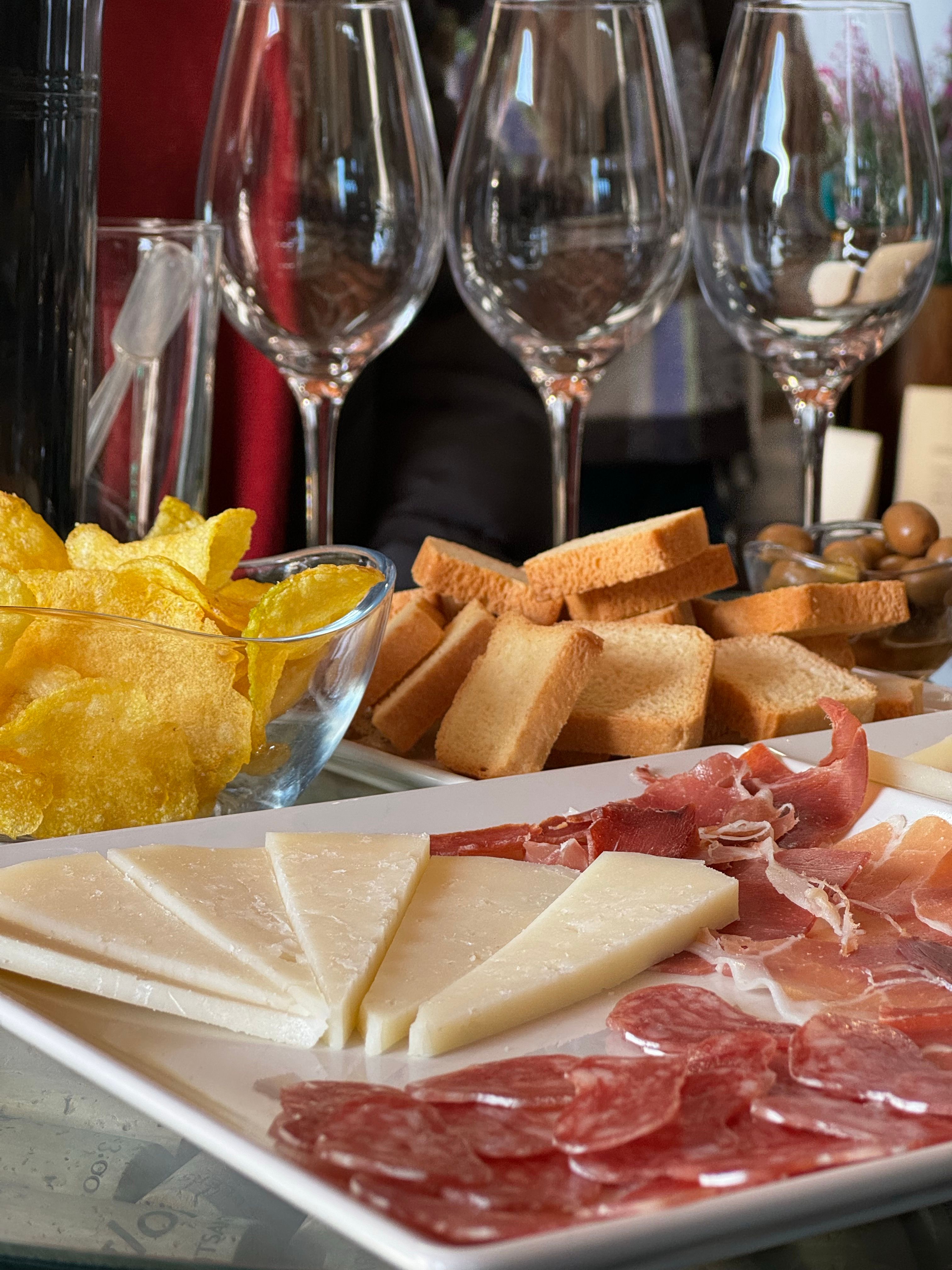
Tapas Bars
The tapas culture here is legendary. Spend your evenings hopping between bars in the city center sampling local morcilla and regional wines.
Café Culture
Plaza Mayor Cafes
Enjoy a morning coffee with a view in the heart of the city. The central plaza is perfect for people-watching and soaking in the Spanish lifestyle.
Climate
Best months: May, Jun, Jul, Aug, Sep
Avg humidity72%
Avg AQI25
The best time to visit Burgos is from May through September, when the weather is warm and conducive to exploring the city's parks and outdoor cafes. During these months, the temperatures are ideal for walking tours of the cathedral and the historical old town.
While winters can be quite brisk due to the city's inland location, they bring a cozy atmosphere that is perfect for settling into a local workspace. Avoid extreme mid-winter if you are sensitive to cold, but otherwise, the city remains functional and welcoming throughout the year.
Monthly temperatures °C
BestAvoidShoulder
Practical Info
Everything you need to know
🌐
Internet
High-speed fibre optic internet is standard in most apartments and workspaces. Mobile connectivity is consistent across the city.
💱
Money
Spain uses the Euro. Most businesses accept cards, but keeping some cash on hand for small tapas bars is always a good idea.
🏥
Healthcare
Public healthcare is accessible and high quality. Always carry your travel insurance details and know that 112 is the universal emergency number.
Tips
Quick tips
- Learn basic Spanish phrases as English is not spoken as widely as in tourist hubs.
- Try the local morcilla de Burgos for an authentic culinary experience.
- Walk everywhere; the city is designed for pedestrians.
- Take advantage of the Menú del Día at lunch for a cheap, high-quality meal.
- Check the bus schedule for regional day trips to nearby villages.
- Embrace the siesta schedule, as some shops close in the mid-afternoon.
Further Reading