

Santiago de Compostela · Spain
Overview
Santiago is not just a place to visit; it is a city that breathes history and patience, perfect for those looking to sharpen their focus while surrounded by timeless beauty.
As the final destination of the Camino de Santiago pilgrimage, the city possesses a spiritual, vibrant energy that is palpable in its narrow stone streets. Nomads often find the pace here slower and more intentional than in major hubs like Madrid or Barcelona, making it a perfect spot for deep work and cultural immersion. The combination of ancient stone architecture and a bustling student population from the University of Santiago de Compostela ensures a steady stream of cafes, bars, and networking opportunities.
Remote workers will find the city surprisingly well-equipped for a medieval setting. While you navigate your stay, you can keep track of expenses via the Cost of living in Santiago de Compostela guide. The regional Climate section will help you prepare for the lush, often drizzly, but temperate weather characteristic of Northwestern Spain.
History
Santiago de Compostela is inextricably linked to the legend of Saint James the Apostle, whose remain…
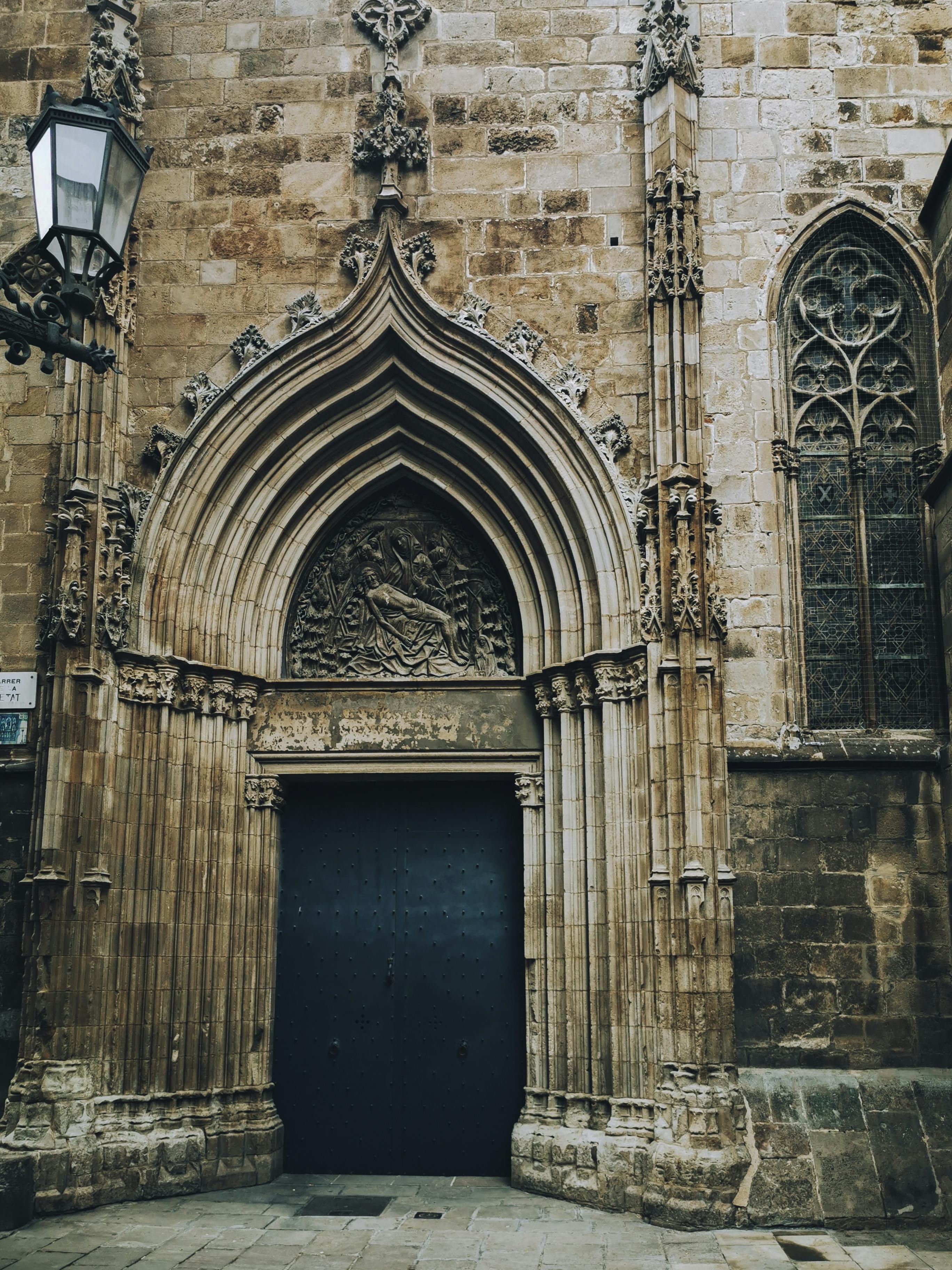
Santiago de Compostela is inextricably linked to the legend of Saint James the Apostle, whose remains were reportedly discovered here in the 9th century. This event transformed the small settlement into one of Christendom's most significant pilgrimage sites, leading to the construction of its world-famous Cathedral and the surrounding network of medieval streets. Throughout the Middle Ages, the city flourished as a hub of religion, trade, and learning.
In more recent times, Santiago has evolved into the administrative capital of Galicia. The university, founded in the 15th century, has long served as a intellectual center for the region. Today, the city successfully balances its identity as a UNESCO World Heritage site with its status as a modern, progressive city that embraces digital-age workers and students alike.
9th Century
Discovery of the RemainsAccording to tradition, the tomb of the Apostle Saint James was discovered, sparking the creation of the pilgrimage site.
1075
Cathedral Construction BeginsConstruction started on the Romanesque cathedral that continues to dominate the skyline and attract pilgrims today.
1495
University FoundationThe University of Santiago de Compostela was established, cementing the city's role as a center for education and culture.
1985
UNESCO RecognitionThe Old Town was declared a UNESCO World Heritage site, helping to preserve its unique architecture for future generations.
Where to Stay
Choose your base camp
Distinct neighbourhoods, different rhythms. Pick the one that fits your work-life balance.
Historic Heart
Casco Histórico
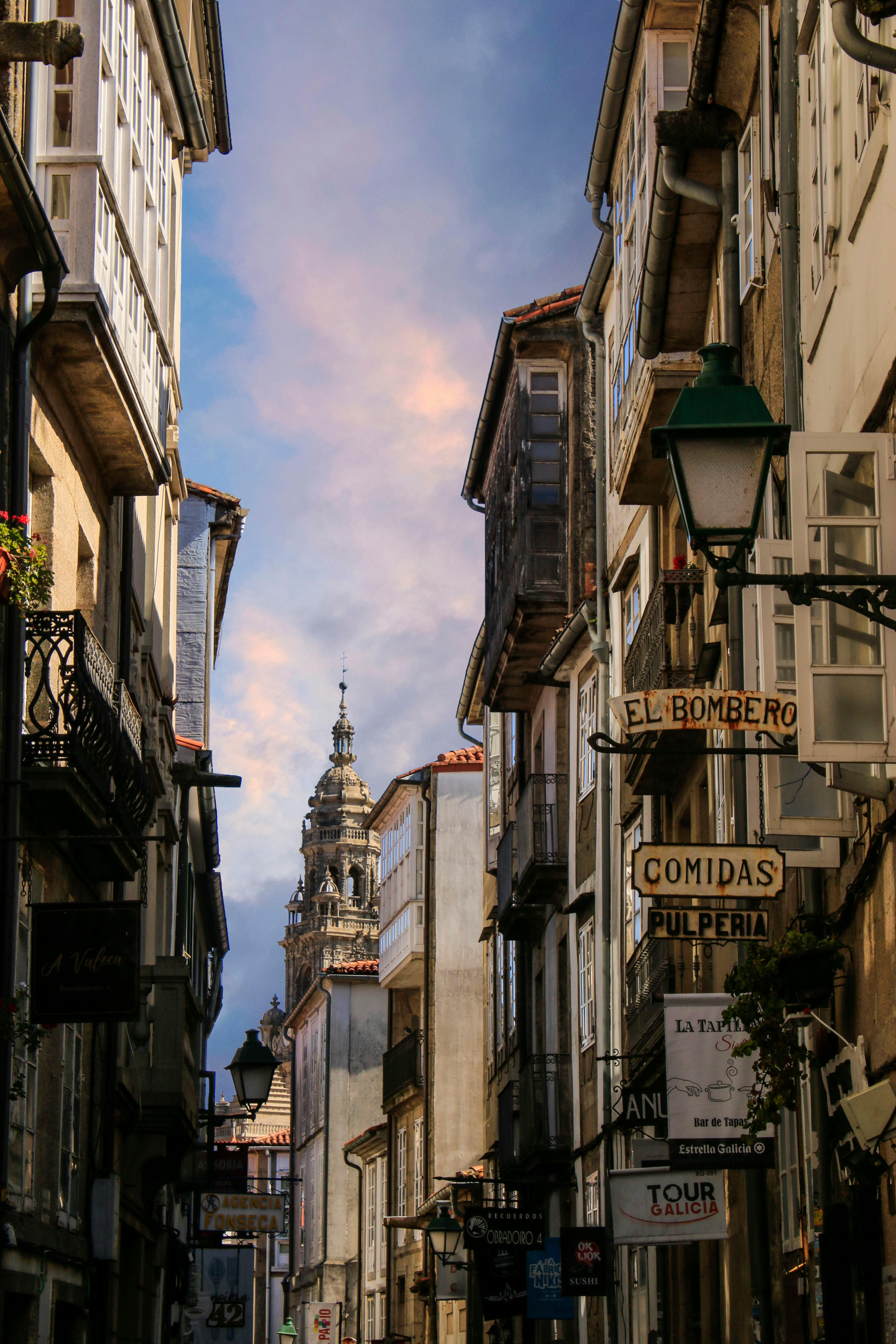
Staying here puts you right in the center of the action with medieval architecture right outside your window. It is ideal for those who want to be steps away from the main landmarks and nightlife.

Modern Living
Ensanche
This is the newer, expanded part of the city where most locals and digital nomads reside. It offers more functional, modern apartments and is closer to contemporary cafes and supermarkets.
Places to Go
The experiences that will make you never leave
These aren't tourist checkboxes — they're the experiences that reset your sense of what's normal.

Top Pick
Santiago de Compostela Cathedral
This massive, iconic cathedral is the culmination point for pilgrims on the Camino de Santiago. Its stunning architecture features Romanesque, Gothic, and Baroque elements that are best appreciated by spending time in the Plaza del Obradoiro.

Official Tourism
Parque de la Alameda
Offering the best views of the cathedral, this historic public park is perfect for a sunset walk. It features extensive gardens, sculptures, and quiet paths that provide a refreshing escape from the bustle of the city center.
Work & Connectivity
Stay connected wherever you work
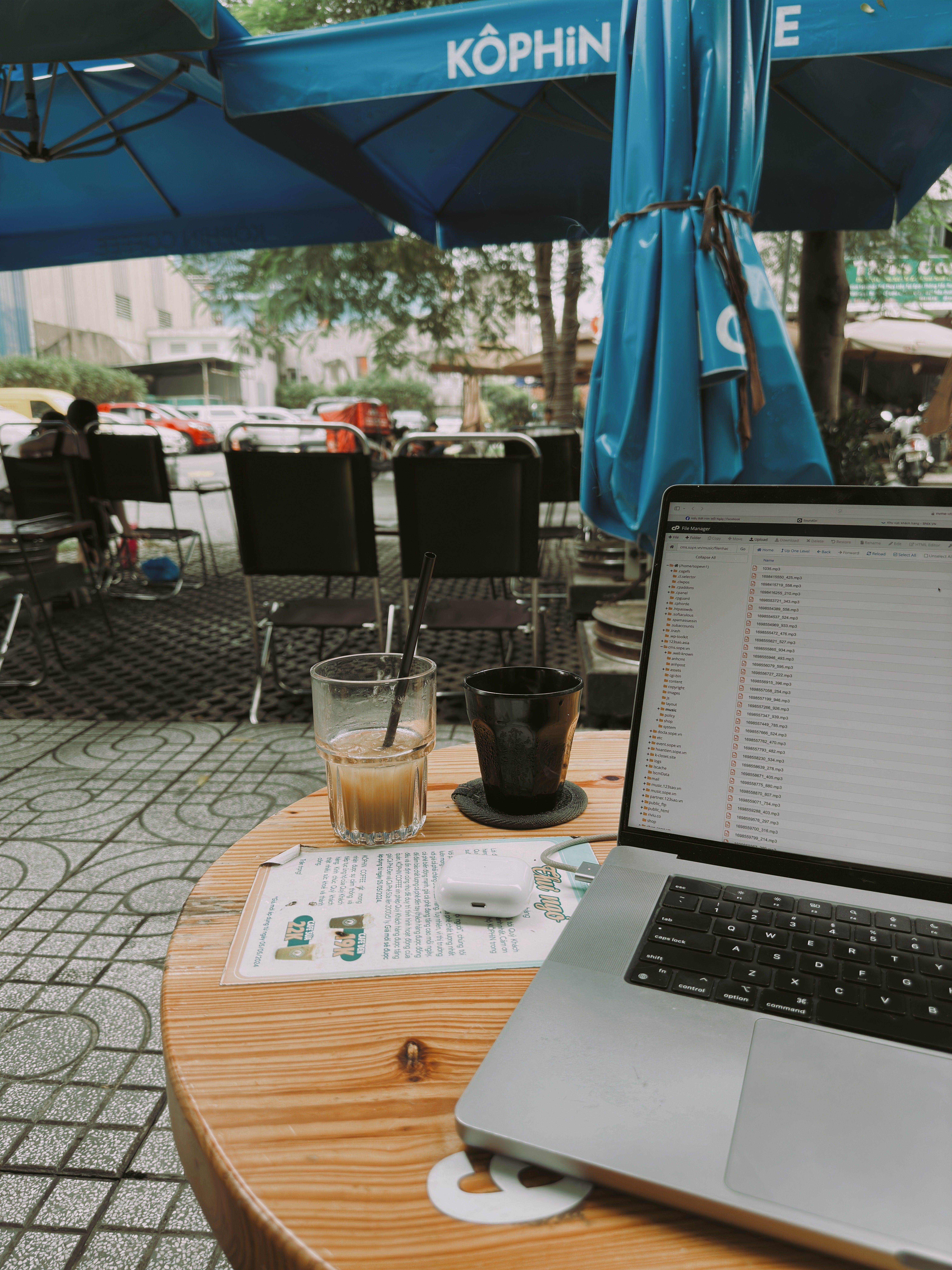
The nomad community here is real — cafés and coworking spaces where you can work and meet others.
Coworking Compostela
A popular spot for local professionals and nomads to connect. It offers a professional environment with ergonomic seating and high-speed fiber internet.
Espazo Colaborativo
A smaller, community-focused space that is perfect for those who prefer a quiet and intimate setting to focus on their projects.
Budget & Costs
What it costs to live in Santiago de Compostela
Choose your lifestyle tier. Comfortable = furnished accommodation, local + occasional Western food, transport, leisure.
$1132
per month · USD · comfortable lifestyle
ModerateFurnished studio, local restaurants, transport, and weekend trips.
Exchange rates
Check xe.com or your bank for current USD to local currency.
Check xe.com or your bank for current USD to local currency.
🏠 Rent 45%$511/mo
🍽️ Food 23%$256/mo
🚌 Transport 4%$44/mo
💡 Utilities 6%$73/mo
🎭 Leisure 15%$175/mo
🏥 Health 6%$73/mo
Connectivity
Well connected to the world
Internet and transport options for remote workers.
📶
Internet
Good — fibre common
Check local providers.
🏢
Coworking
From ~$80/mo
Dedicated spaces available.
🚌
Local Transit
5 / 10
Scooter and taxi common.
20 km from centre
Safety & Visa
Safe, welcoming, and easy to enter
Safety Score6 / 10
✗ Tap Water✓ Night Safe📞 112 or local emergency number
Visa
Check your entry options
Many nationalities get visa-free or visa-on-arrival. Check official government sources for your citizenship before travel.
Culture & Festivals
Local soul, nomad-friendly
Multiculturalism5/10
Foodie Scene5/10
Remote work
Jul
Festival of St. James
A massive celebration featuring fireworks, concerts, and traditional performances honoring the city's patron saint.
Sep
Magosto
A traditional Galician autumn festival focusing on the harvest, specifically roasting chestnuts over open fires.
Santiago serves as an excellent base for exploring the wilder parts of Galicia, including the Rías Baixas coastline and local vineyards producing Albariño wine.
Food & Nightlife
A feast for every mood
From street food to cafés and nightlife — every meal is an event.

Galician Cuisine
Traditional Pulperias
You cannot leave without trying Pulpo a la gallega, which is fresh octopus prepared with paprika and olive oil. These traditional eateries offer an authentic taste of the region.

Café Culture
Rúa do Vilar Cafes
The cafes along this historic street offer great people-watching opportunities and excellent espresso. They are ideal for informal meetings or catching up on emails.
Climate
Best months: May, Jun, Jul, Aug, Sep, Oct
Avg humidity80%
Avg AQI30
The best time to visit is during the warmer months from May through October. During this period, you will enjoy longer daylight hours and the most pleasant temperatures for exploring the Old Town and the surrounding Galician countryside on foot.
While the city remains active throughout the year, the shoulder months of late autumn and early spring can bring significant rainfall. Travelers who don't mind a bit of cozy, rainy weather might find these times quiet and contemplative, though most outdoor activities are best scheduled for the peak summer season.
Monthly temperatures °C
BestAvoidShoulder
Practical Info
Everything you need to know
🏥
Healthcare
Spain offers high-quality public healthcare. EU citizens should bring their European Health Insurance Card, while others should ensure they have robust travel insurance covering medical visits.
💱
Money
The Euro is the local currency. While credit cards are widely accepted, it is helpful to carry a bit of cash for small purchases or when visiting smaller local markets.
🌐
Connectivity
Digital infrastructure in Santiago is excellent. Most accommodations provide reliable Wi-Fi, and public spaces often have city-provided access points.
Tips
Quick tips
- Learn a few basic phrases in Galician; locals truly appreciate the effort.
- Pack a high-quality rain jacket regardless of the season.
- Walk as much as possible; the city's charm is found in its hidden alleyways.
- Check the Cathedral's official site for free visiting hours to avoid queues.
- Eat your main meal during lunch hours for better value and variety.
- Join a local Facebook group to find events and co-working meetups.
- Use the local bus network to visit the scenic outskirts for a weekend break.
Further Reading