
Addis Ababa · Ethiopia
Overview
Addis Ababa is not just a destination; it is an encounter with the oldest living cultures on earth, served with the world's best coffee.
Addis Ababa is a city of sharp contrasts, where ancient traditions blend seamlessly with rapid modernization. As the diplomatic center of the African Union, it hosts a vibrant international community, yet the soul of the city remains resolutely Ethiopian. Nomads are drawn here for the unique coffee culture, the rich history, and the high-altitude mountain air. Understanding the Cost of living in Addis Ababa is essential for planning a stay, as the city offers everything from budget guesthouses to luxury serviced apartments.
While the infrastructure is still catching up to Western standards, the growing presence of coworking spaces makes it an increasingly viable base for digital nomads. The city experiences a unique Climate in Addis Ababa that keeps temperatures cool year-round despite its proximity to the equator, making it a comfortable destination for those looking to escape the heat of other African regions.
History
Founded in 1886 by Emperor Menelik II, Addis Ababa, which means 'New Flower' in Amharic, quickly bec…
Founded in 1886 by Emperor Menelik II, Addis Ababa, which means 'New Flower' in Amharic, quickly became the symbol of Ethiopian unity and modernization. Its location was chosen by Empress Taytu Betul, who noticed the hot springs and the strategic geography of the Entoto Mountains. Unlike many other African cities, Addis Ababa grew around the royal palace and the evolving needs of an independent nation that successfully resisted colonization.
Throughout the 20th century, the city underwent significant transformations, becoming the headquarters of the Organisation of African Unity—now the African Union—in 1963. This cemented its role as a pivotal diplomatic hub on the continent. Today, the city reflects this complex past through a mix of historic Orthodox cathedrals, modern brutalist architecture, and bustling, chaotic markets that have served the region for generations.
1886
Foundation of the CityEmperor Menelik II and Empress Taytu Betul established Addis Ababa as the new capital of the Ethiopian Empire.
1936
Italian OccupationThe city was occupied by Fascist Italy for five years during the Second Italo-Ethiopian War, leaving an architectural mark on the city center.
1963
Formation of the OAUThe Organization of African Unity was founded in Addis Ababa, establishing the city as a major diplomatic headquarters.
1974
End of the MonarchyThe Derg military junta overthrew Emperor Haile Selassie, leading to a period of radical political and social transformation.
2002
African Union EstablishmentThe African Union was formed, succeeding the OAU and further reinforcing the city's role as the political center of Africa.
Where to Stay
Choose your base camp
Distinct neighbourhoods, different rhythms. Pick the one that fits your work-life balance.
Expats & Luxury
Bole
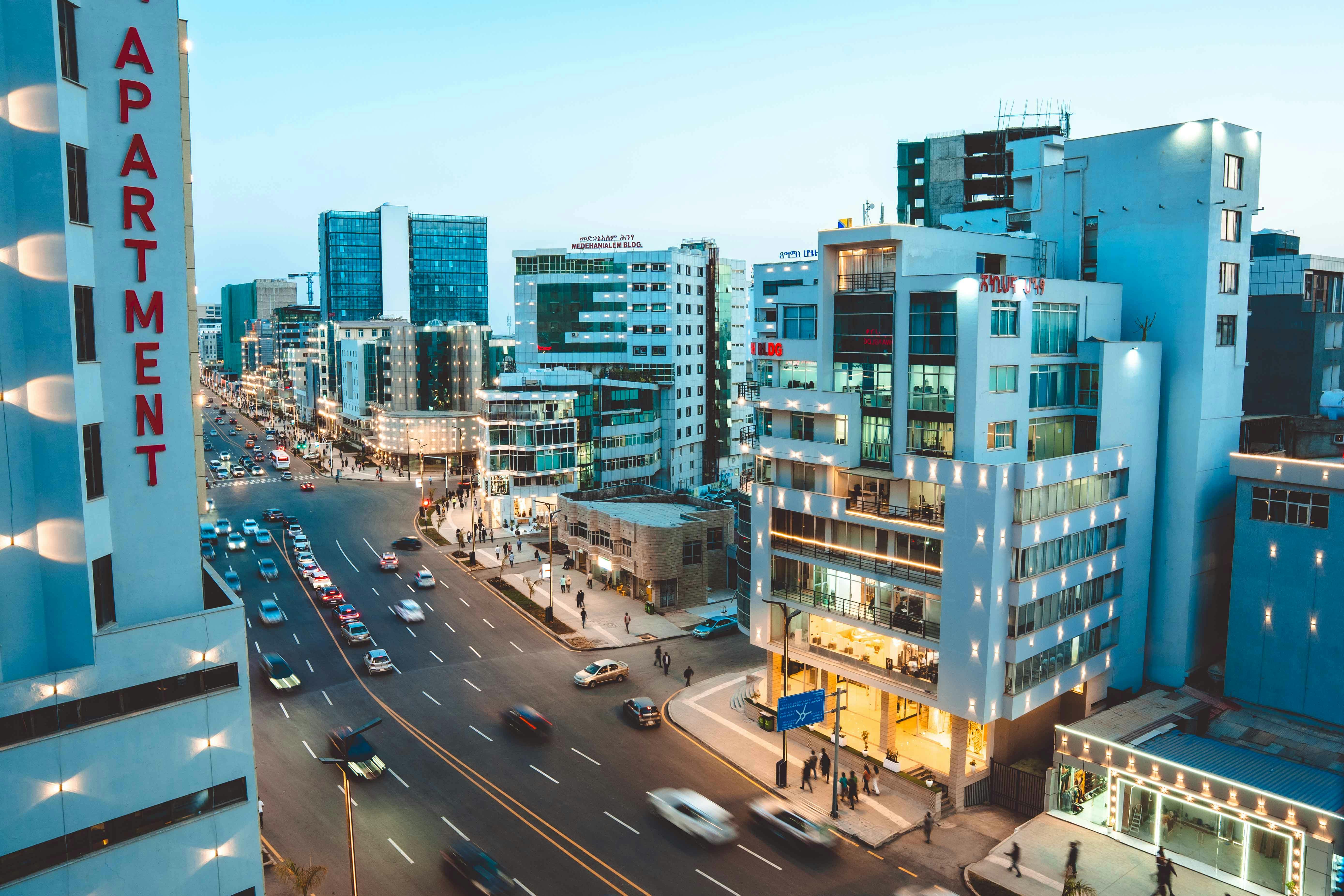
Bole is the modern, upscale heart of the city, packed with hotels, cafes, and restaurants. It is the most convenient area for digital nomads due to its proximity to the airport and high-end amenities.
Budget Favourite
Kazanchis
Known for its affordable guesthouses and central location, this area is a great base for those looking to stay under budget. It is well-connected and offers a more authentic, local feel.
Quiet Living
CMC
CMC is a quieter, residential suburb that is becoming increasingly popular for long-term stays. It offers larger apartments and a calmer atmosphere away from the downtown chaos.
Places to Go
The experiences that will make you never leave
These aren't tourist checkboxes — they're the experiences that reset your sense of what's normal.
Top Pick
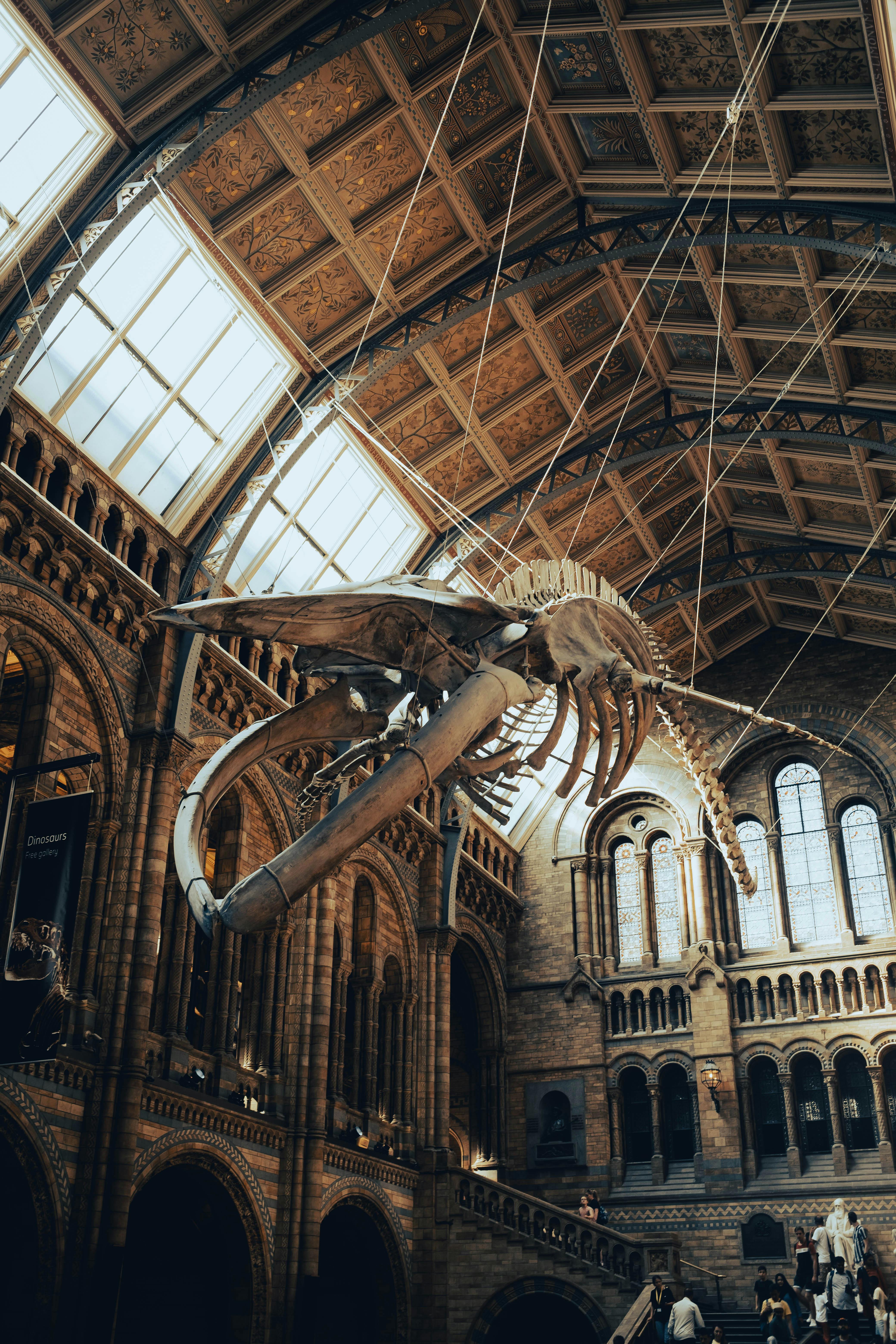
National Museum
Home to the famous fossilized skeleton of Lucy, the National Museum provides an essential overview of Ethiopian history and paleoanthropology. It is a must-visit for anyone interested in human origins and regional culture. The collection is well-curated and accessible.
Holy Trinity Cathedral
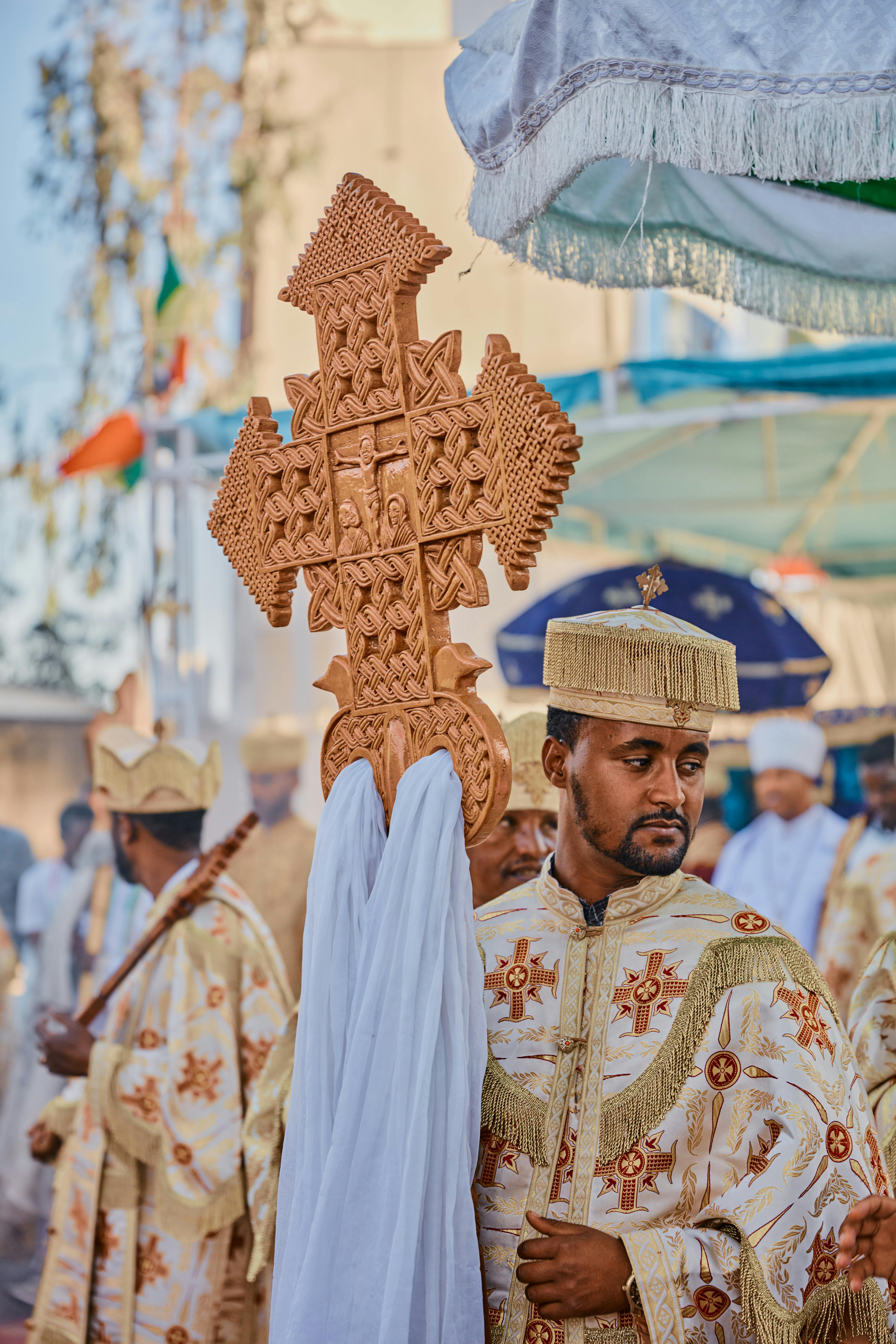
Holy Trinity Cathedral
This stunning cathedral is one of the most important places of worship in the city, serving as the resting place for Emperor Haile Selassie. The architecture and the stained glass are breathtaking examples of local religious artistry. It provides a peaceful respite from the urban noise.
Visit
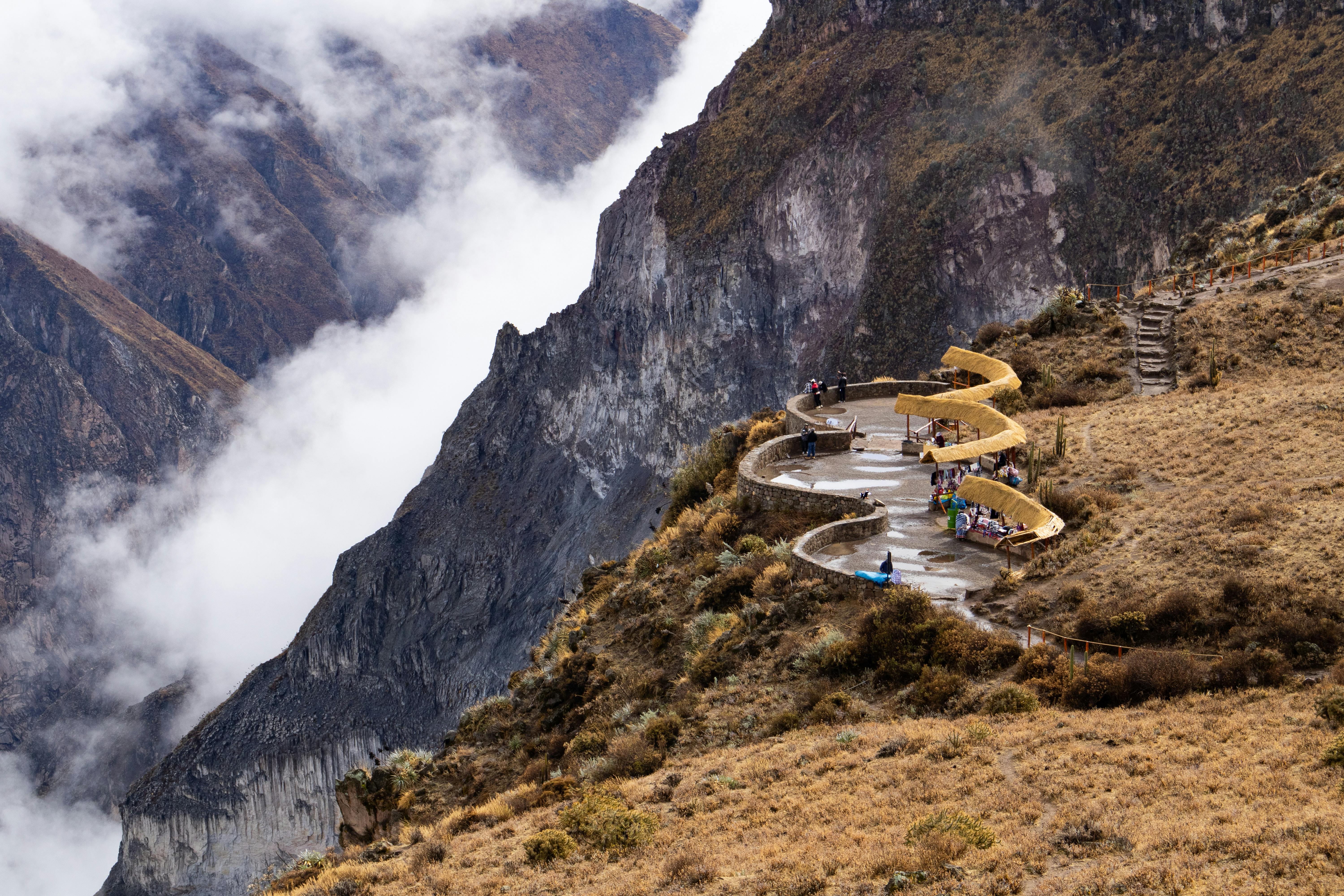
Entoto Mountains
Rising high above the city, the Entoto Mountains offer incredible panoramic views and a chance to experience the cooler, forested side of Ethiopia. You can visit the historic church of St. Mary and explore the ancient palace ruins. It is the perfect escape for a half-day hike.

Visit
Merkato
Claiming the title of Africa's largest open-air market, Merkato is a sensory explosion. You can find everything here from traditional coffee beans and spices to handmade crafts and industrial goods. It is best to visit with a local guide to navigate the maze-like alleys effectively.
Visit
Coffee Ceremony Experience
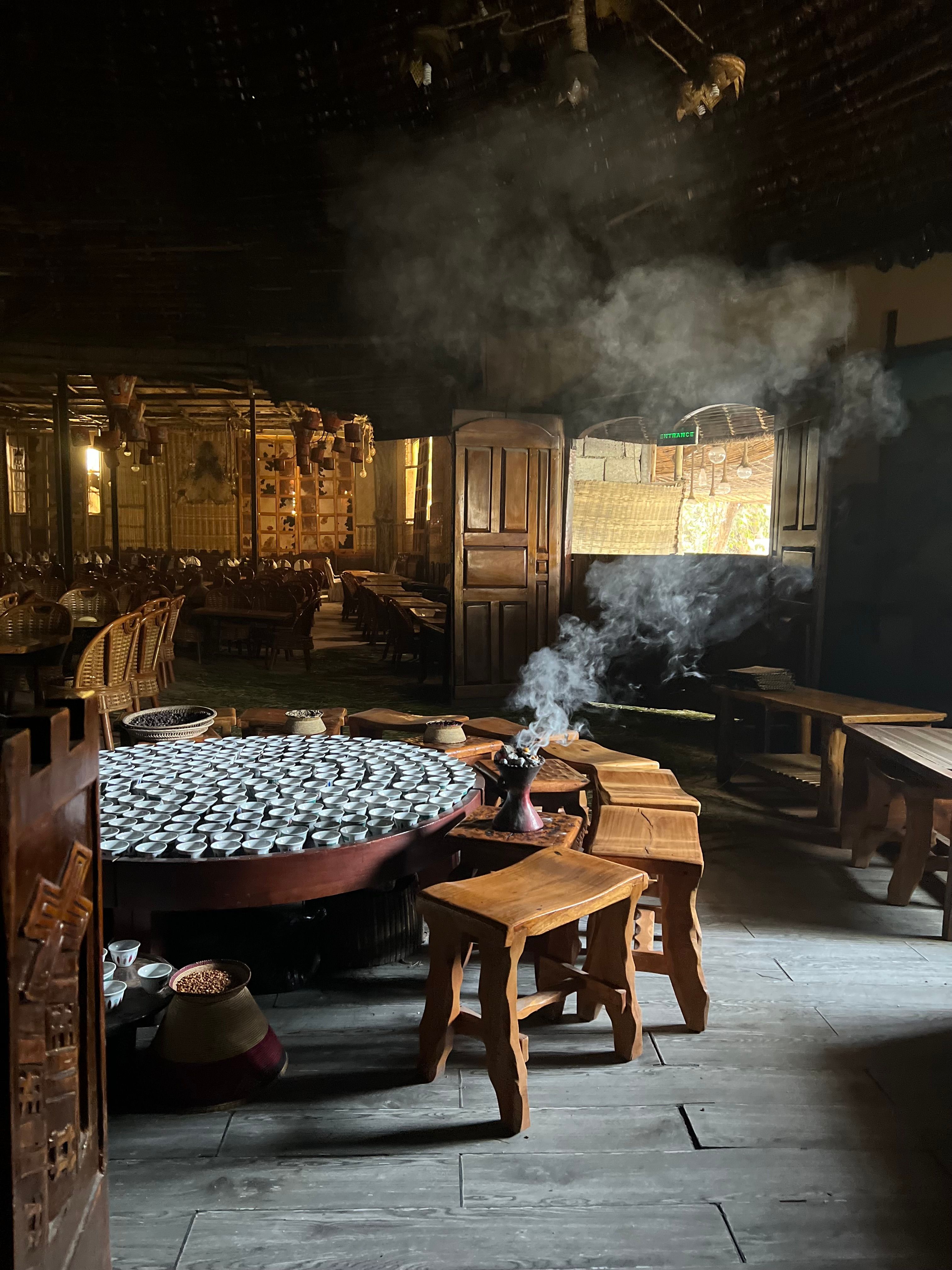
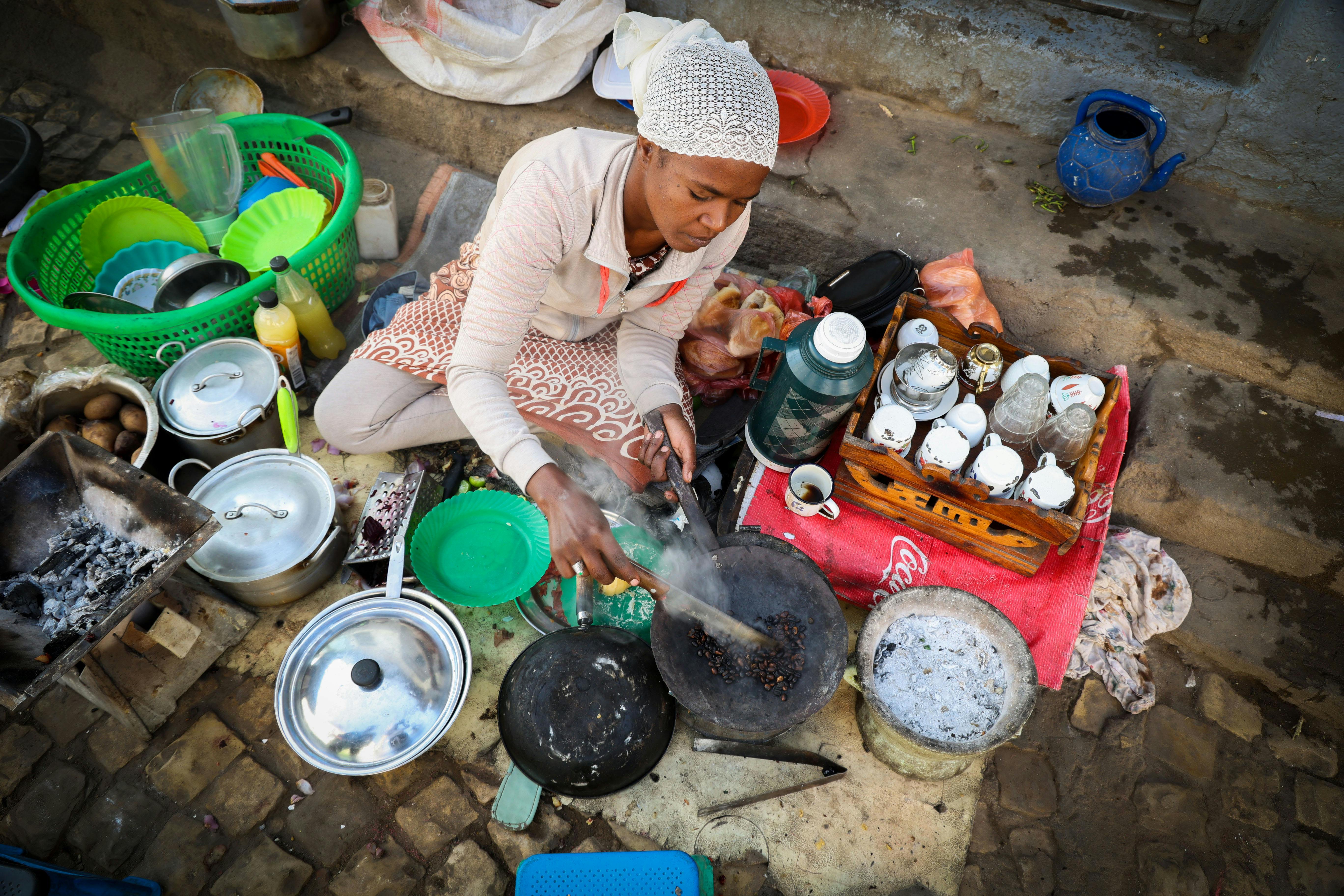
Ethiopia is the birthplace of coffee, and the traditional ceremony is a vital social ritual. You will watch the beans being roasted, ground, and brewed in a clay pot called a jebena. It is a slow, meditative process that perfectly reflects the local pace of life.

African Union
African Union Headquarters
This massive, state-of-the-art complex is the administrative center for the African Union. The architecture is a marvel of modern design, symbolizing the unity of the continent. Guided tours offer insight into the diplomatic efforts happening behind these closed doors.
Work & Connectivity
Stay connected wherever you work
The nomad community here is real — cafés and coworking spaces where you can work and meet others.
MoonHub
A popular choice for creative professionals and tech nomads, offering reliable internet and a great community vibe. The space is well-designed for focused work.
iHub
Focused on the local startup ecosystem, iHub provides a great environment for networking and collaborative projects. It features strong infrastructure for digital work.
Budget & Costs
What it costs to live in Addis Ababa
Choose your lifestyle tier. Comfortable = furnished accommodation, local + occasional Western food, transport, leisure.
$511
per month · USD · comfortable lifestyle
ModerateFurnished studio, local restaurants, transport, and weekend trips.
Exchange rates
Check xe.com or your bank for current USD to local currency.
Check xe.com or your bank for current USD to local currency.
🏠 Rent 43%$219/mo
🍽️ Food 24%$124/mo
🚌 Transport 6%$29/mo
💡 Utilities 7%$37/mo
🎭 Leisure 11%$58/mo
🏥 Health 9%$44/mo
Connectivity
Well connected to the world
Internet and transport options for remote workers.
📶
Internet
Good — fibre common
Check local providers.
🏢
Coworking
From ~$80/mo
Dedicated spaces available.
🚌
Local Transit
5 / 10
Addis Ababa Light Rail covers main corridors; Ride app (local Uber); Piazza area walkable
ADD
Bole International Airport
8 km from centre
abujaaccraarushabangkokbeijingbeirutcairocotonou
Safety & Visa
Safe, welcoming, and easy to enter
Safety Score5 / 10
✗ Tap Water📞 991
Visa
Check your entry options
Many nationalities get visa-free or visa-on-arrival. Check official government sources for your citizenship before travel.
Culture & Festivals
Local soul, nomad-friendly
Multiculturalism7/10
Foodie Scene6/10
☕ Coffee Origin⛰️ Mountain City🎭 Rich Culture🏔️ High Altitude🏛️ Historic💚 Very Affordable
Sep
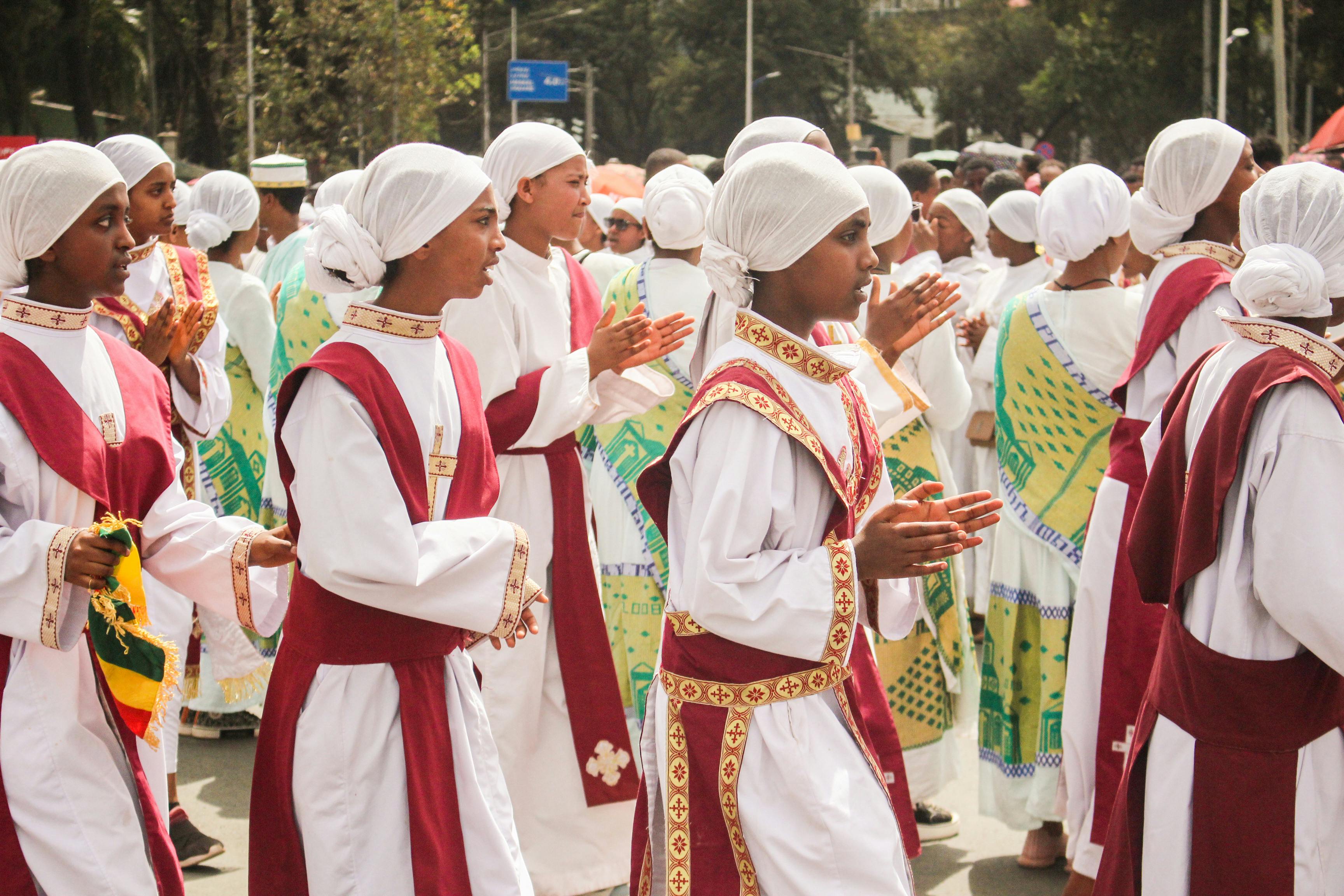
Meskel Festival
A massive celebration featuring vibrant processions and the lighting of a giant bonfire to mark the finding of the True Cross.
Jan
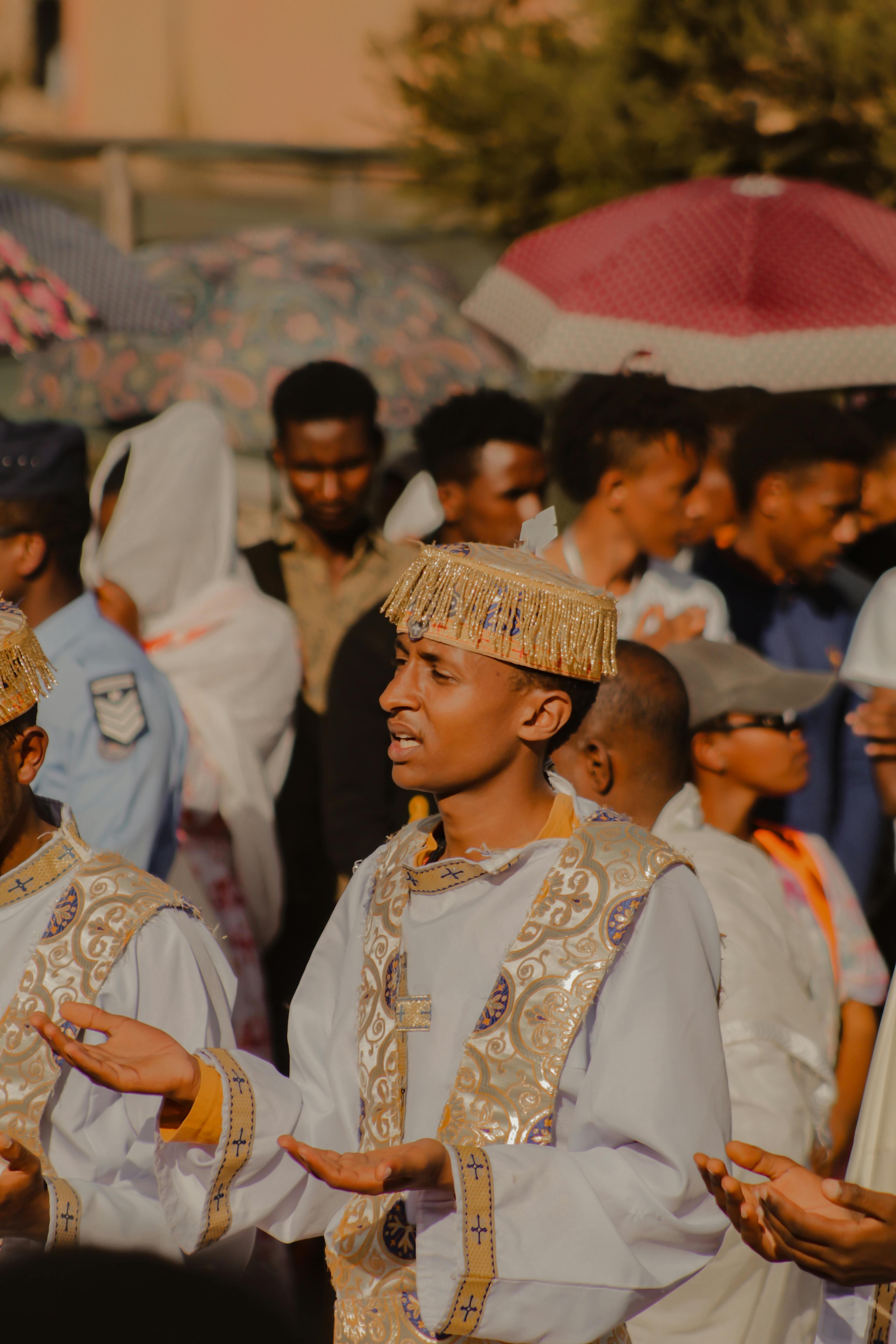
Timkat
The Ethiopian Epiphany, characterized by colorful religious processions and holy water celebrations throughout the city.
Addis Ababa's proximity to historic northern cities makes it a perfect jumping-off point for longer Ethiopian adventures once you have established your remote work rhythm in the capital.
Food & Nightlife
A feast for every mood
From street food to cafés and nightlife — every meal is an event.
Street Food
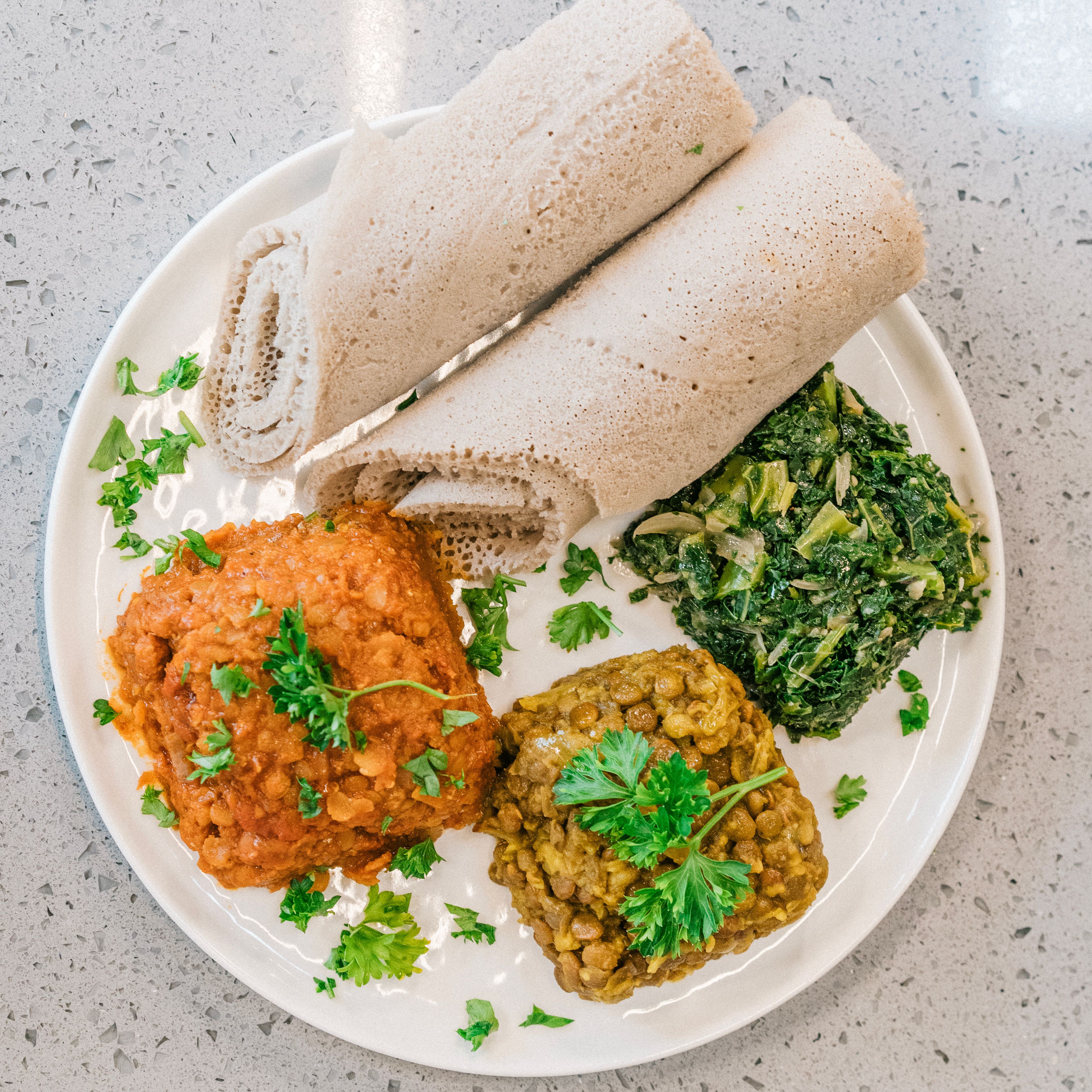
Traditional Injera
You cannot leave without eating injera at a local eatery. It is a sourdough flatbread served with various spiced stews called wats, and it is usually shared communally.
Café Culture
Coffee Houses
The coffee house culture is legendary. Visit the cafes along the main streets for a freshly roasted cup that beats anything you have had before.
Climate
Best months: Jan, Feb, Mar, Apr, May, Jun, Jul, Aug, Sep, Oct, Nov, Dec
Avg humidity55%
Avg AQI65
Addis Ababa is accessible year-round, though the experience changes drastically with the seasons. The dry and sunny period from October to May is generally considered the best time for sightseeing, as the weather is consistently pleasant for exploring outdoor markets and hiking the nearby Entoto Mountains. During these months, the city remains vibrant, and the skies are clear.
From June to September, the city experiences the 'kiremt' rainy season. While this period is less ideal for outdoor excursions, the city remains functional and lush. Visitors should keep an eye on major cultural events like Timkat in January or the Meskel Festival in September, which bring the city to life with spectacular processions and celebrations.
Monthly temperatures °C
BestAvoidShoulder
Practical Info
Everything you need to know
🏥
Healthcare
Medical facilities in the capital are decent for basic care, but major treatments usually require evacuation. Ensure you have comprehensive travel health insurance.
💱
Money
The local currency is the Ethiopian Birr. Cash is still king in most places, especially for street food and markets, so always carry small denominations.
🌐
Language & Etiquette
Amharic is the primary language, but English is widely spoken in professional and tourism sectors. Respect local traditions, especially regarding religious sites.
Tips
Quick tips
- Always carry a portable power bank for those inevitable electricity hiccups.
- Learn a few basic phrases in Amharic to gain respect from locals.
- Use RIDE or Feres apps to avoid overpaying for transport.
- Drink bottled water only, regardless of local claims.
- Acclimatize to the altitude for the first 48 hours to avoid headaches.
- Try to visit Merkato in the morning to beat the afternoon rush.
- Keep your passport safe at all times, preferably in a hotel safe.
Further Reading