Siem Reap · Cambodia
Overview
Siem Reap isn't just a travel destination; it's a place where time slows down, allowing you to build a productive life against the backdrop of one of history's greatest empires.
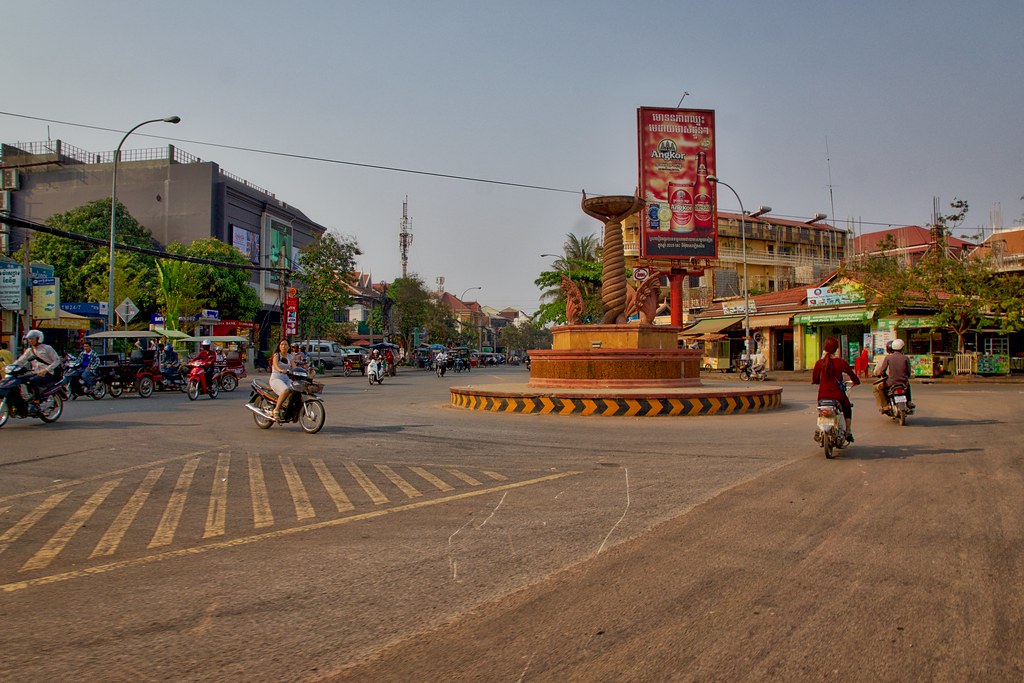
Siem Reap has transformed from a sleepy town into a vibrant nomad base, largely due to its proximity to the Angkor Archaeological Park. The vibe is a mix of quiet, reflective mornings spent near ancient stones and high-energy evenings on the bustling Pub Street. Nomads are drawn here for the affordability and the growing community of creatives and remote workers who enjoy the tropical climate.
While the city retains a deeply spiritual atmosphere, it is fully equipped for the digital age. You will find high-speed internet in most cafes, and the local transport scene—dominated by inexpensive tuk-tuks—makes navigating the city simple and cheap. It is a place where you can comfortably balance deep work sessions with bucket-list adventures.
History
Siem Reap’s history is inextricably linked to the Khmer Empire, which dominated the region from the…
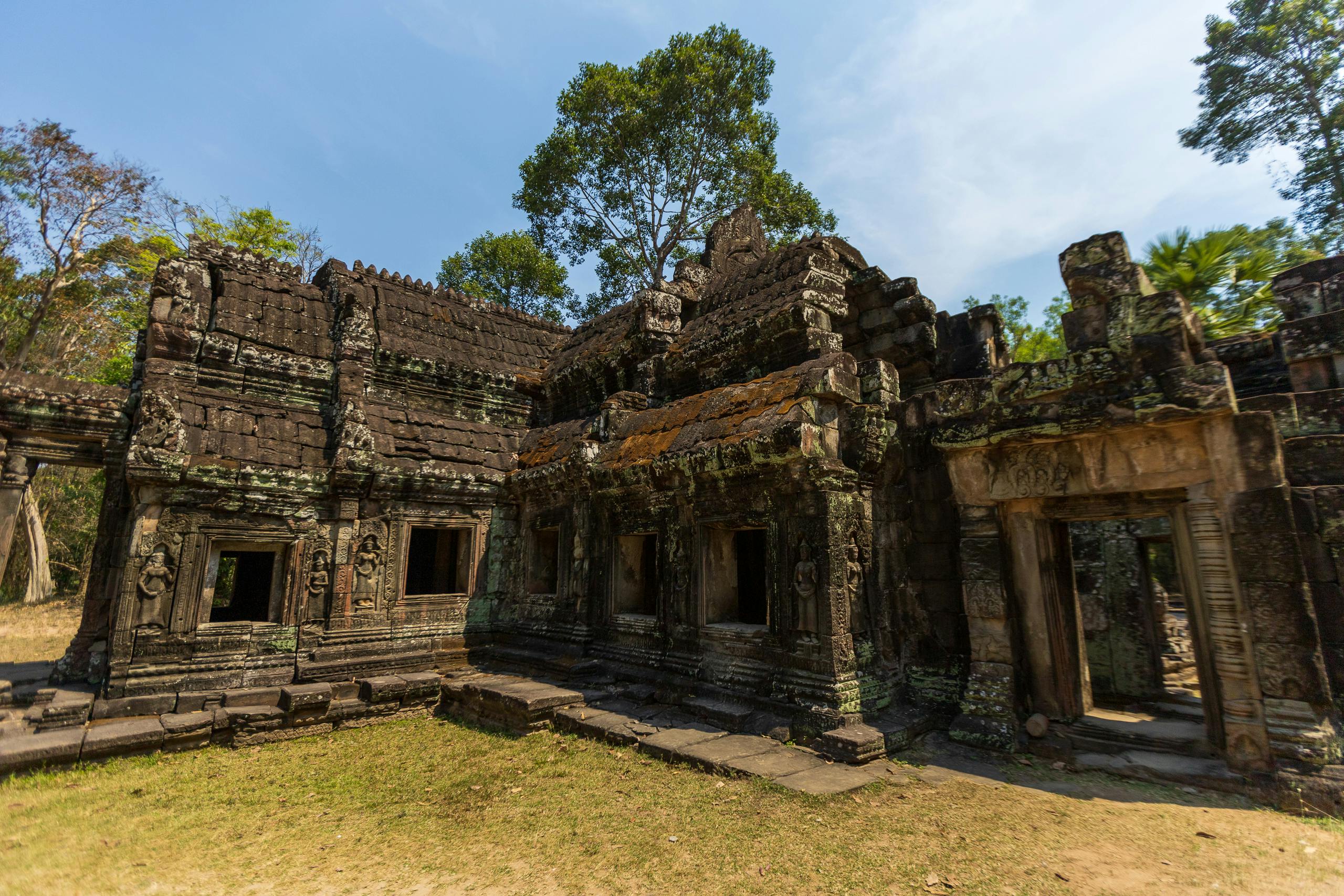
Siem Reap’s history is inextricably linked to the Khmer Empire, which dominated the region from the 9th to the 15th centuries. The town itself remained a quiet provincial center for centuries until the rediscovery of the Angkor ruins in the late 19th century by French explorers, which brought global attention to the area.
During the 20th century, the city weathered the tragic turmoil of the Khmer Rouge era, which left deep scars on the nation. Since the 1990s, Siem Reap has experienced a massive resurgence, reclaiming its status as a premier tourist destination while preserving the architectural and cultural legacy of its imperial past.
9th Century
Rise of the Khmer EmpireThe Angkorian period begins, establishing a massive power base that would produce incredible stone architecture.
1113 AD
Construction of Angkor WatKing Suryavarman II begins construction on the massive temple complex that is now a UNESCO World Heritage site.
1860s
French RediscoveryFrench explorer Henri Mouhot brings international attention to the overgrown Angkor ruins after visiting the site.
1975
Khmer Rouge EraThe city and the country suffer under the brutal regime, leading to a period of total isolation from the world.
1992
UNESCO RecognitionAngkor is inscribed as a UNESCO World Heritage site, catalyzing a tourism boom and restoration efforts.
Where to Stay
Choose your base camp
Distinct neighbourhoods, different rhythms. Pick the one that fits your work-life balance.
Budget Favourite
Wat Bo Area
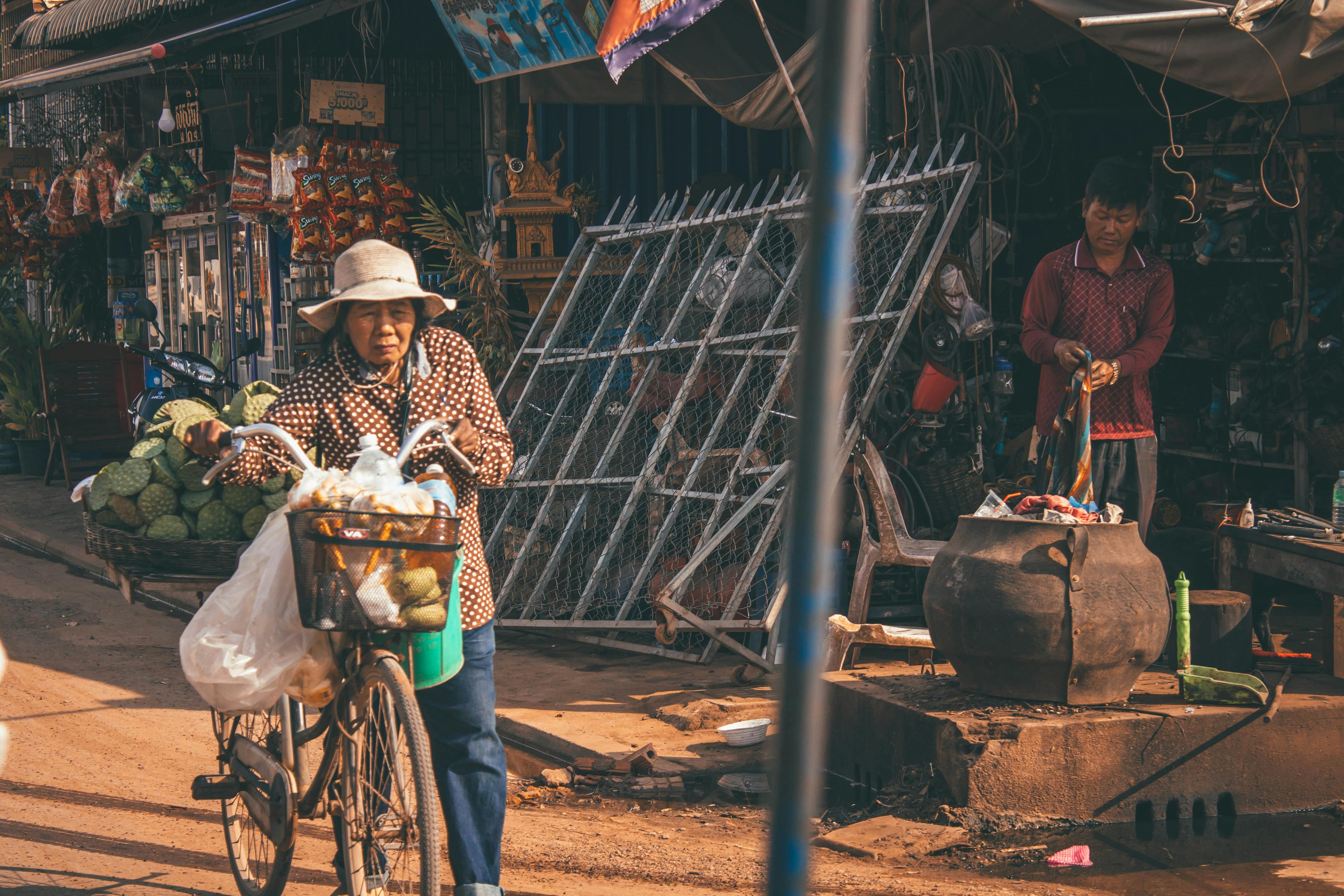
A quieter, local-feeling neighborhood perfect for budget-conscious nomads. You'll find many affordable guesthouses and local eateries here.
Central & Social
Old Market Area
Located near the river and the main markets, this is the hub of activity. It is ideal if you want to be within walking distance of everything.

Slow Living
Wat Damnak
A slightly more upscale, boutique-heavy area that offers a tranquil escape. It features beautiful garden cafes and quiet spots for focused work.
Places to Go
The experiences that will make you never leave
These aren't tourist checkboxes — they're the experiences that reset your sense of what's normal.
Top Pick
Angkor Wat
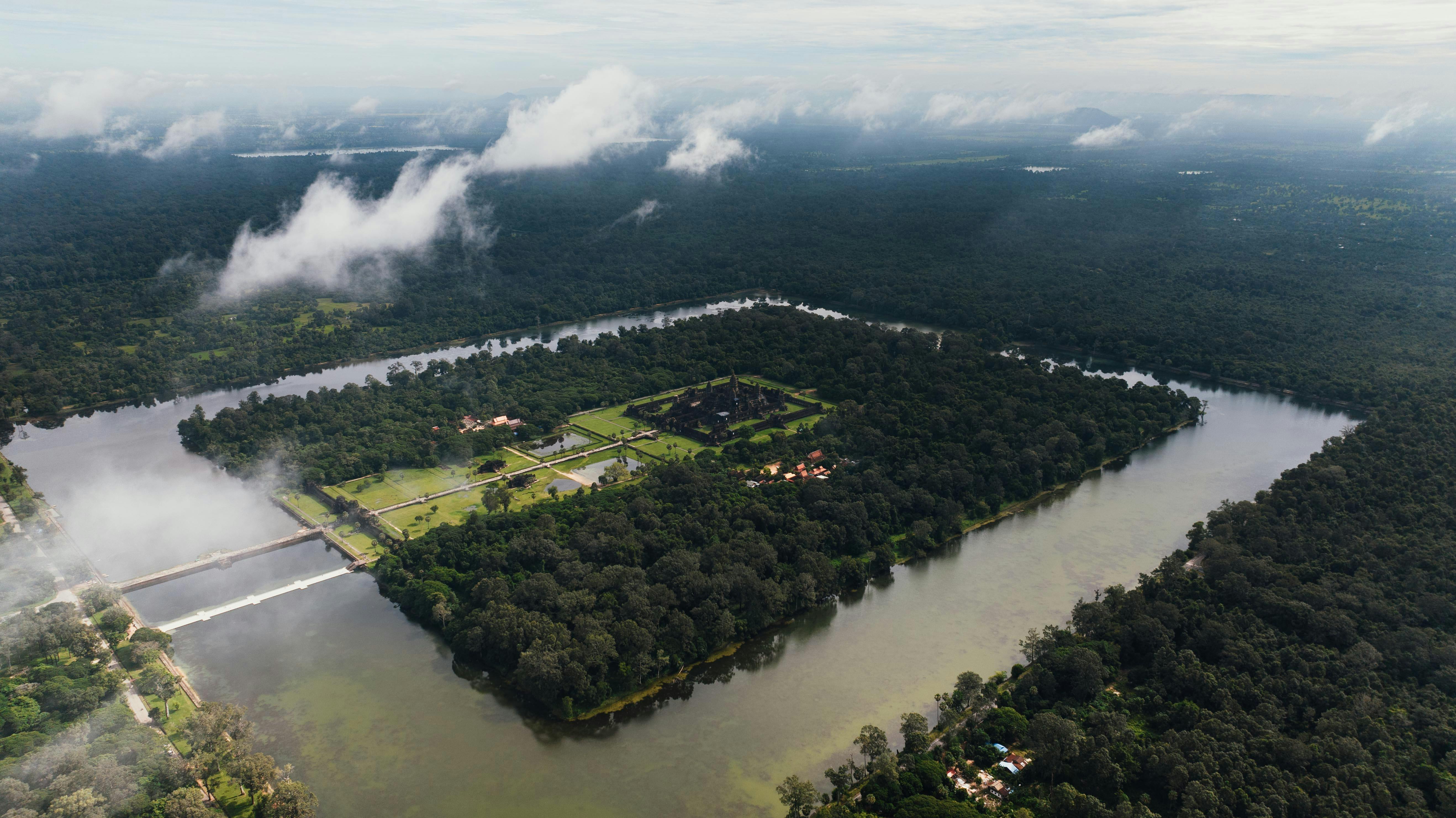
The crown jewel of Cambodia, this massive temple complex is best visited at sunrise for an unforgettable experience. It is the largest religious monument in the world and remains an iconic symbol of Khmer architecture.
Wikipedia
Bayon Temple
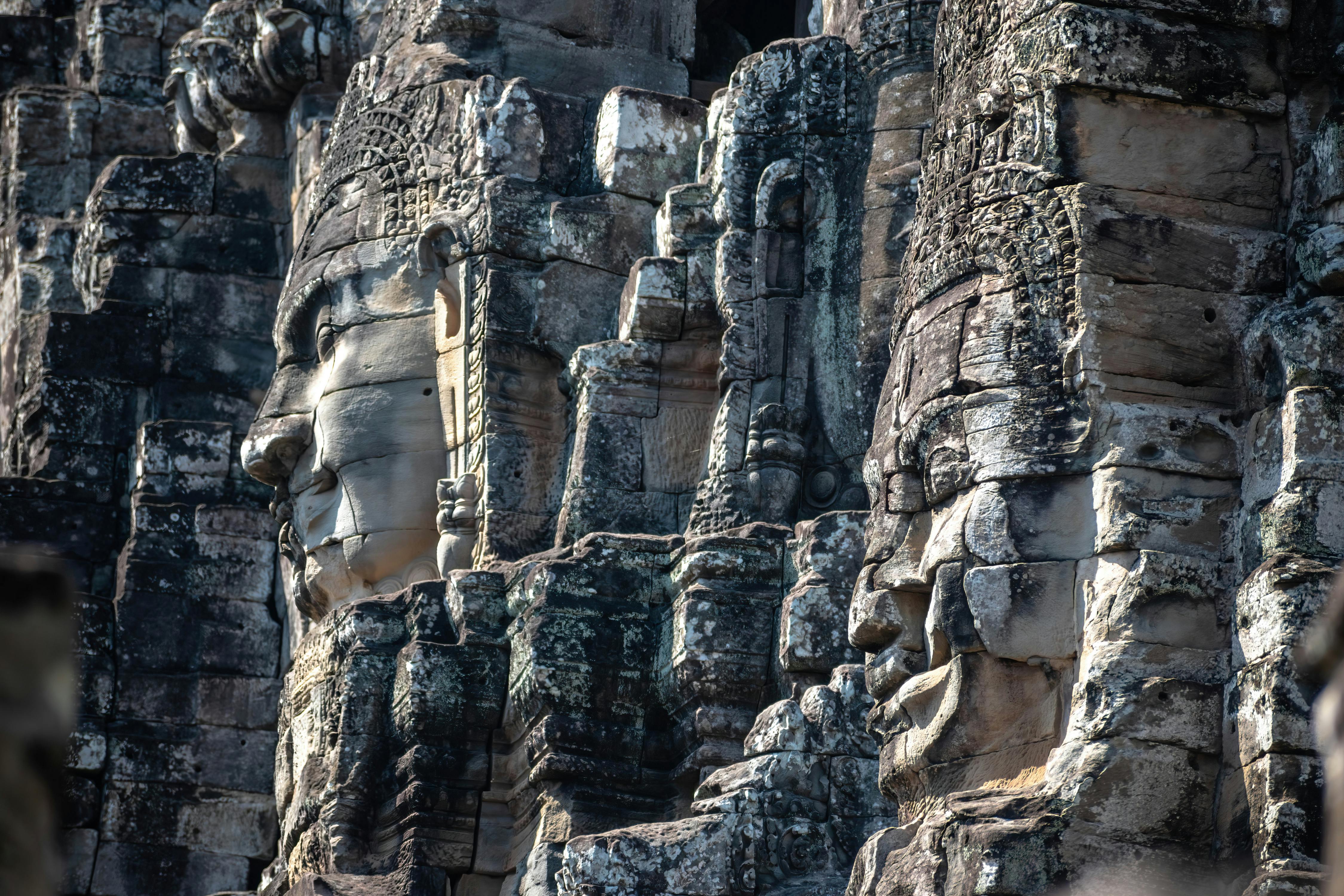
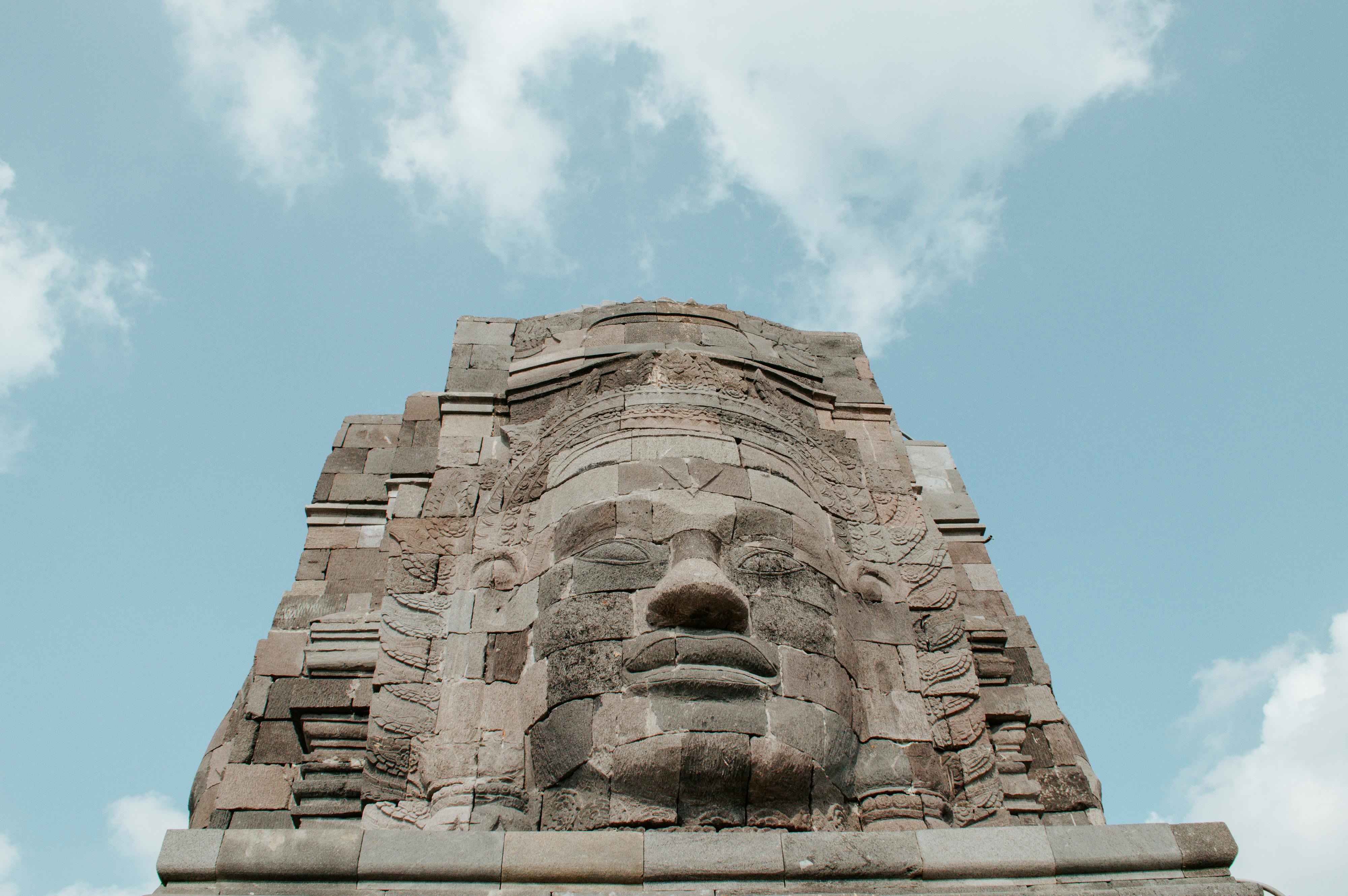
Famous for its hundreds of serene stone faces carved into the towers, Bayon offers a more intricate experience than other temples. It is located at the center of the ancient city of Angkor Thom.
Wikipedia
Ta Prohm
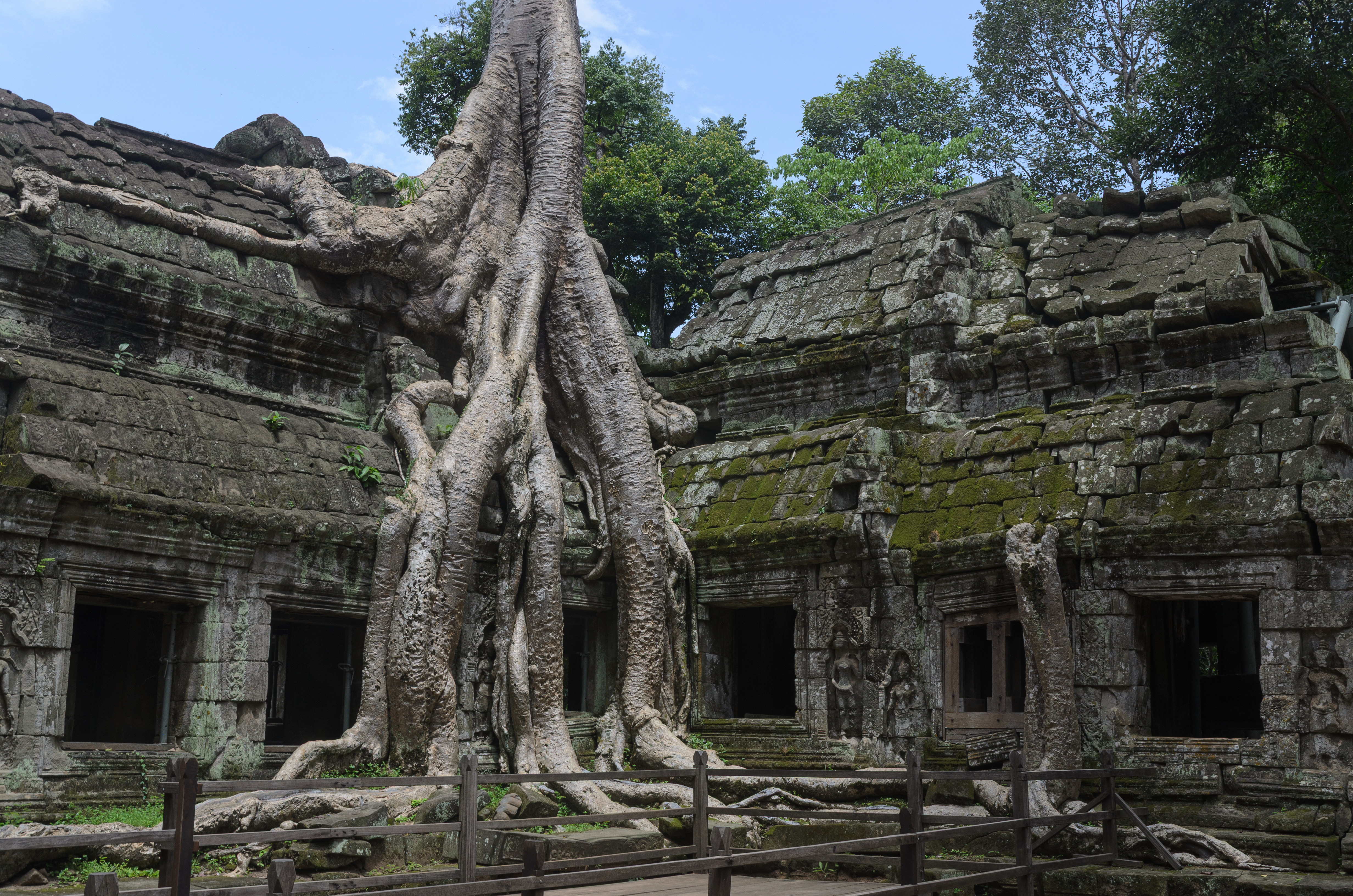
Renowned for its appearance in Tomb Raider, this temple is unique because it has been left partially in its natural state. Massive trees grow through the ruins, creating a stunning intersection of nature and architecture.
Official Tourism
Tonle Sap Lake
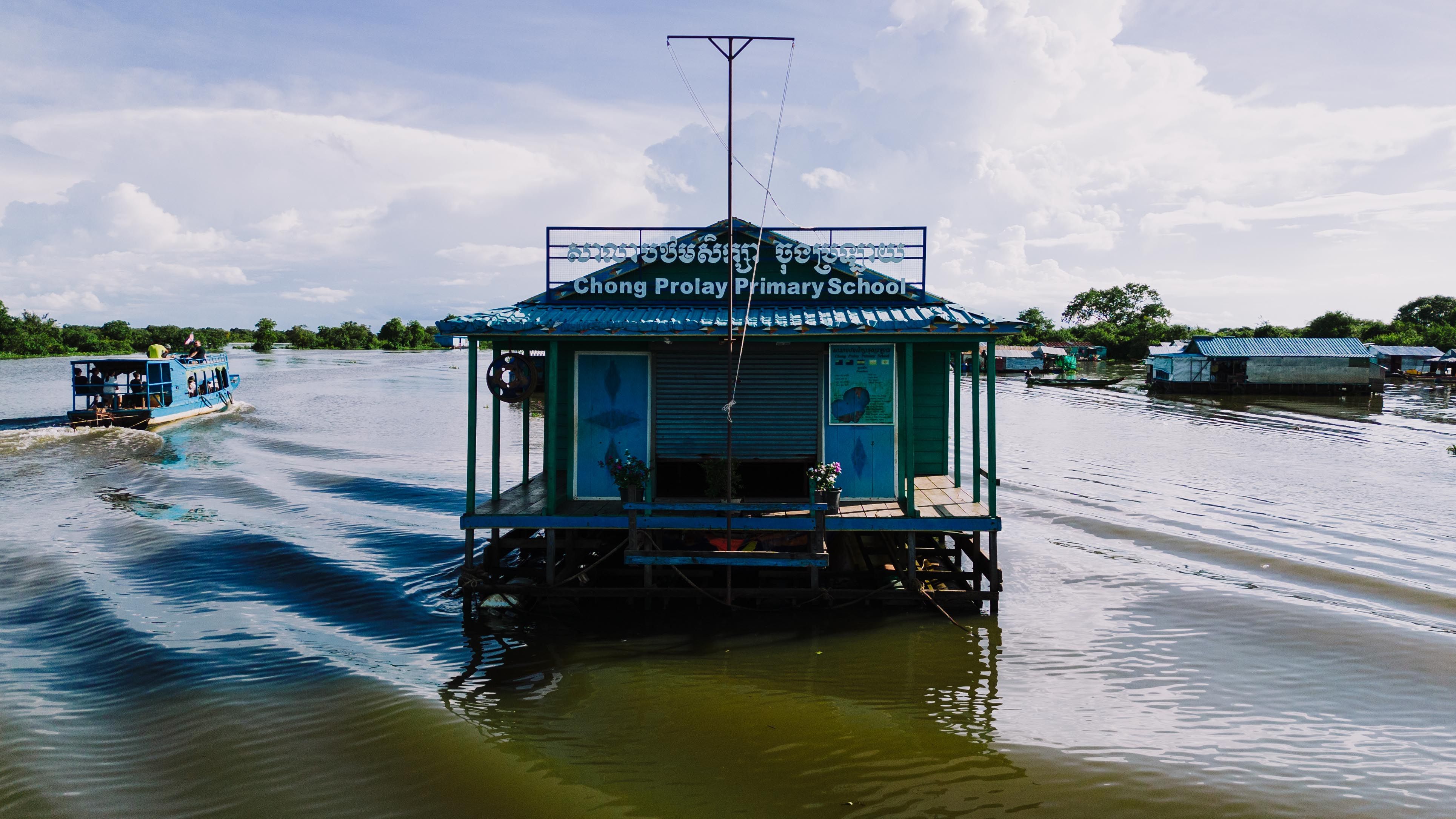
This massive freshwater lake is home to several floating villages that provide a fascinating glimpse into a unique way of life. Boat tours are easily accessible from town and offer a different perspective on the region.

Visit
Pub Street & Night Market
When you need a break from history, head to Pub Street for vibrant nightlife, cheap drinks, and a wide variety of dining options. The nearby night markets are excellent for picking up local handicrafts.
Wikipedia
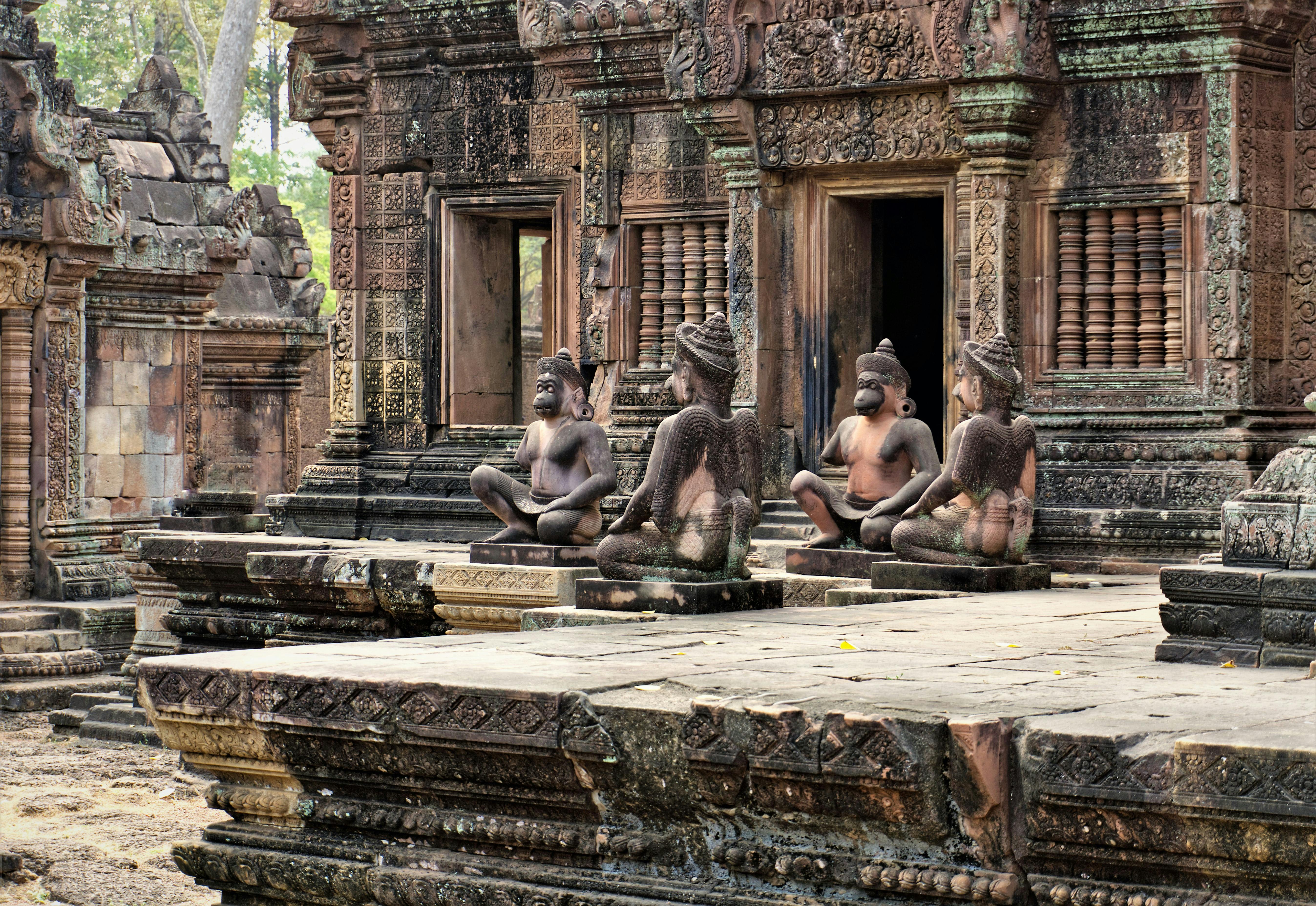
Banteay Srei
Known as the 'Citadel of Women,' this temple is famous for its remarkably intricate and delicate carvings in pink sandstone. It sits a bit further out than the main circuit but is well worth the drive.

Work & Connectivity
Stay connected wherever you work
The nomad community here is real — cafés and coworking spaces where you can work and meet others.
The Hidden Gem Coworking
A popular spot for the international community with reliable internet and ergonomic seating.
Molekul Co-working Space
Offers a professional environment with private meeting rooms and community events.
Budget & Costs
What it costs to live in Siem Reap
Choose your lifestyle tier. Comfortable = furnished accommodation, local + occasional Western food, transport, leisure.
$511
per month · USD · comfortable lifestyle
ModerateFurnished studio, local restaurants, transport, and weekend trips.
Exchange rates
Check xe.com or your bank for current USD to local currency.
Check xe.com or your bank for current USD to local currency.
🏠 Rent 43%$219/mo
🍽️ Food 21%$110/mo
🚌 Transport 6%$29/mo
💡 Utilities 7%$37/mo
🎭 Leisure 14%$73/mo
🏥 Health 9%$44/mo
Connectivity
Well connected to the world
Internet and transport options for remote workers.
📶
Internet
Good — fibre common
Check local providers.
🏢
Coworking
From ~$80/mo
Dedicated spaces available.
🚌
Local Transit
4 / 10
Tuk-tuks everywhere; rent a bicycle for temples; Grab available; $1 remork rides
REP
Siem Reap-Angkor International
8 km from centre
bangkokbeijingbusandanangguangzhouhanoihochiminhcityhongkong
Safety & Visa
Safe, welcoming, and easy to enter
Safety Score6 / 10
✗ Tap Water✓ Night Safe📞 117
Visa
Check your entry options
Many nationalities get visa-free or visa-on-arrival. Check official government sources for your citizenship before travel.
Culture & Festivals
Local soul, nomad-friendly
Multiculturalism6/10
Foodie Scene7/10
🌴 Tropical🍜 Street Food🎭 Rich Culture🏛️ Temples💚 Very Affordable💻 Nomad Hub
Nov
Water Festival (Bon Om Touk)
Spectacular boat races are held on the Tonle Sap to mark the reversal of the river's flow.
Dec
Angkor Photo Festival
An international event showcasing incredible visual storytelling from across the globe.
Siem Reap is the gateway to the rest of Cambodia. If you are staying longer than a month, consider taking short bus trips to Battambang or the southern islands to get a complete view of the country's diverse landscapes.
Food & Nightlife
A feast for every mood
From street food to cafés and nightlife — every meal is an event.
Street Food
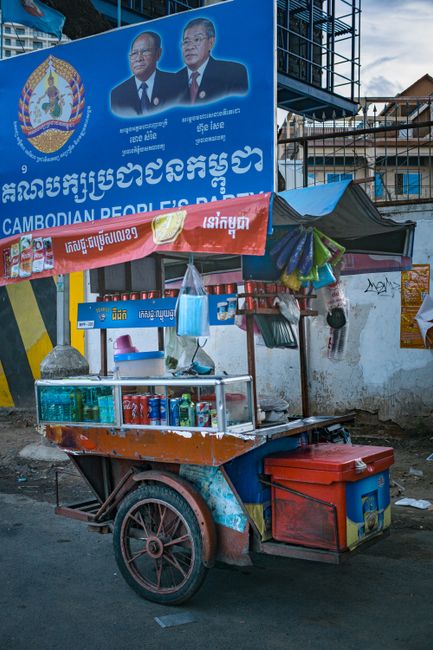
Night Market Stalls
Try fresh spring rolls and traditional Khmer skewers at the various outdoor stalls.

Café Culture
Local Garden Cafes
The city has a thriving coffee culture with many cafes set in lush tropical gardens.
Khmer Cuisine
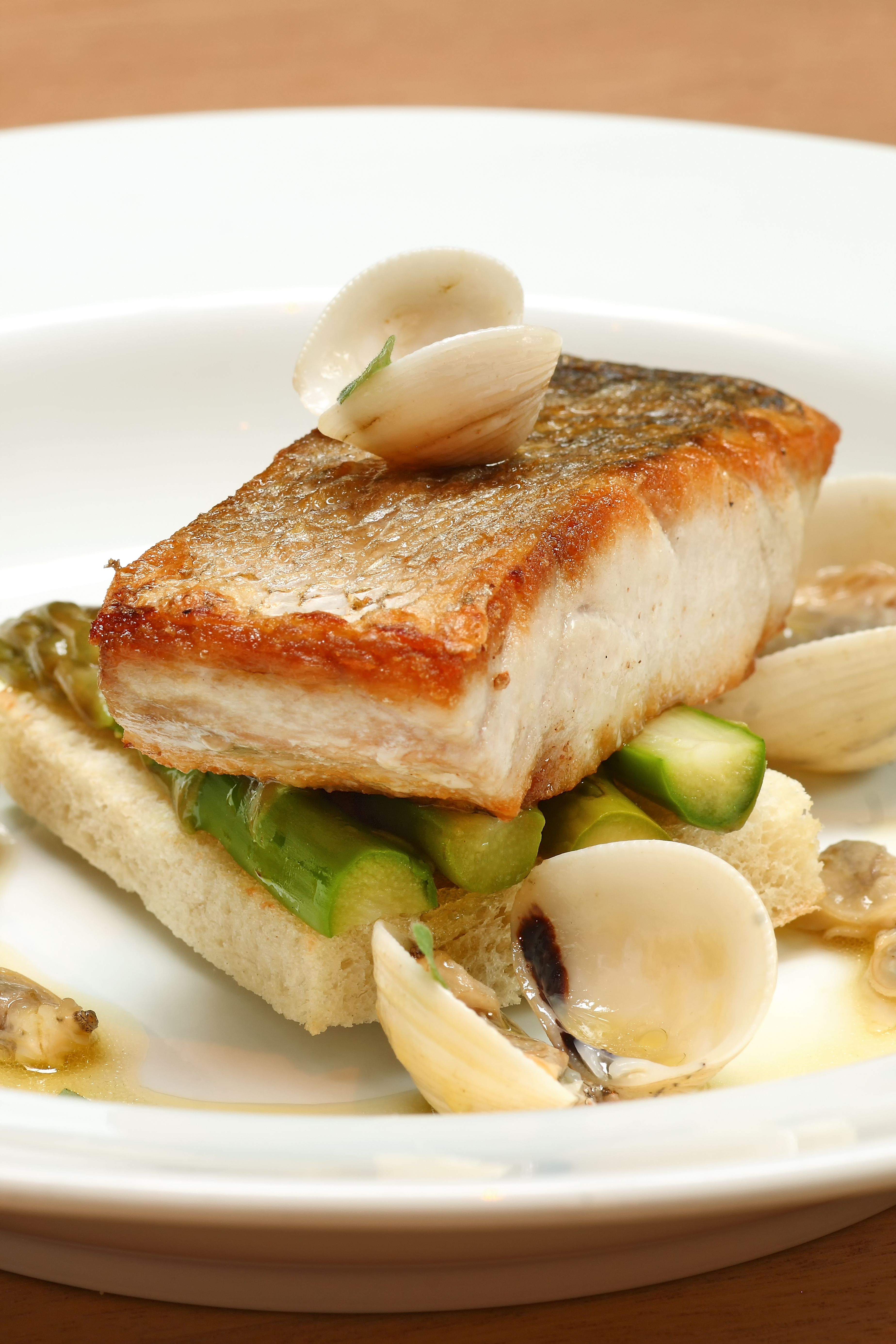
Traditional Khmer Restaurants
Sample authentic Fish Amok, the signature Cambodian curry cooked in banana leaves.
Climate
Best months: Jan, Oct, Nov, Dec
Avg humidity73%
Avg AQI70
The most comfortable time to visit is during the cool, dry season, which lasts from November through February. During these months, temperatures are pleasant, usually ranging between 25°C and 30°C, making it the perfect time for long days of temple hopping.
From March to May, the heat intensifies significantly, and the humidity can become quite oppressive, which might impact your productivity if you aren't accustomed to tropical climates. The wet season spans June through October, bringing heavy, intermittent rain, but also lush green landscapes and fewer crowds at the major archaeological sites.
Monthly temperatures °C
BestAvoidShoulder
Practical Info
Everything you need to know
🏥
Healthcare
Medical facilities in Siem Reap have improved, but for serious emergencies, travelers often head to Bangkok. Ensure you have comprehensive travel insurance that covers medical evacuation.
💱
Money
The US Dollar is widely used and accepted alongside the local Cambodian Riel. ATMs are common but dispense USD, so plan your withdrawals to avoid excess transaction fees.
🌐
Connectivity
Public Wi-Fi is hit-or-miss, so it is highly recommended to purchase a local SIM card with a data plan immediately upon arrival. Most major networks offer very affordable packages for long-term nomads.
Tips
Quick tips
- Always carry a sarong to cover your shoulders/knees when entering temples.
- Download the Grab app before you arrive for easy tuk-tuk bookings.
- Avoid giving money to begging children; donate to reputable local NGOs instead.
- Stay on marked paths when walking through temple ruins to avoid landmine hazards.
- Drink only bottled or filtered water; never use tap water for drinking.
- Visit temples early (around 5:30 AM) to beat the heat and tour buses.
- Keep your passport and important documents in a secure digital cloud.
Further Reading