
Arusha · Tanzania
Overview
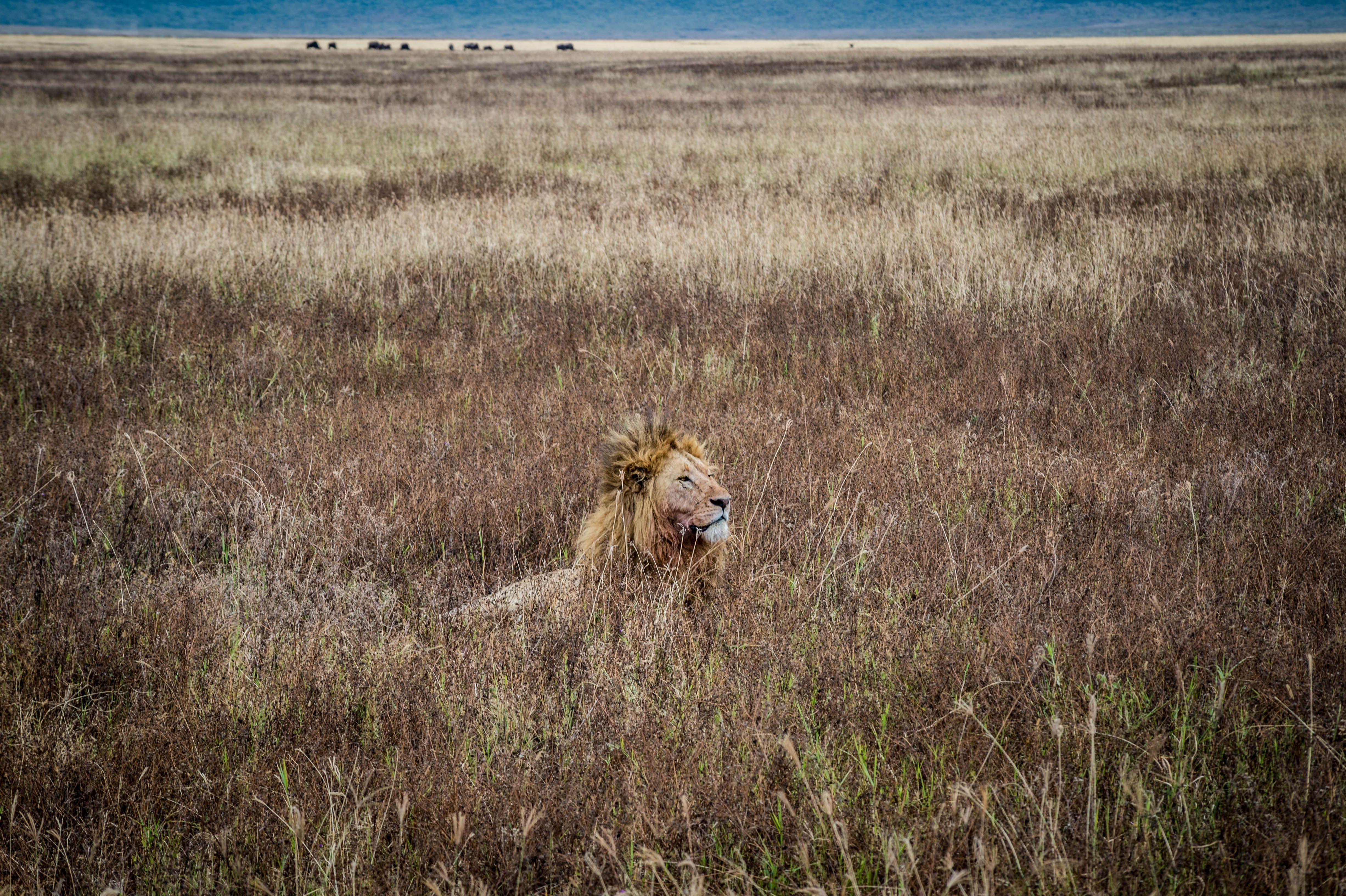
Arusha is where your daily coffee view shifts from a laptop screen to the majesty of Mount Meru.
Arusha is more than just a transit point for safari-goers; it is a bustling hub where culture, trade, and the great outdoors collide. Perched at 1,400 meters, the city enjoys a refreshing climate, providing a temperate base for those working remotely who need a break from the intense heat found in lower-lying East African regions. While the city retains a gritty, authentic charm, it offers enough infrastructure to support a remote workflow for the determined nomad.
Nomads choosing Arusha typically prioritize outdoor access, as the city sits in the shadows of Mount Meru and provides immediate proximity to world-class national parks. The cost of living is notably low, allowing for a comfortable lifestyle if you allocate your budget wisely towards private transport and reliable accommodation. For those needing a deeper breakdown of your finances, see our Cost of living in Arusha.
History
Arusha was originally a small agricultural village inhabited by the Waarusha people, but it underwen…
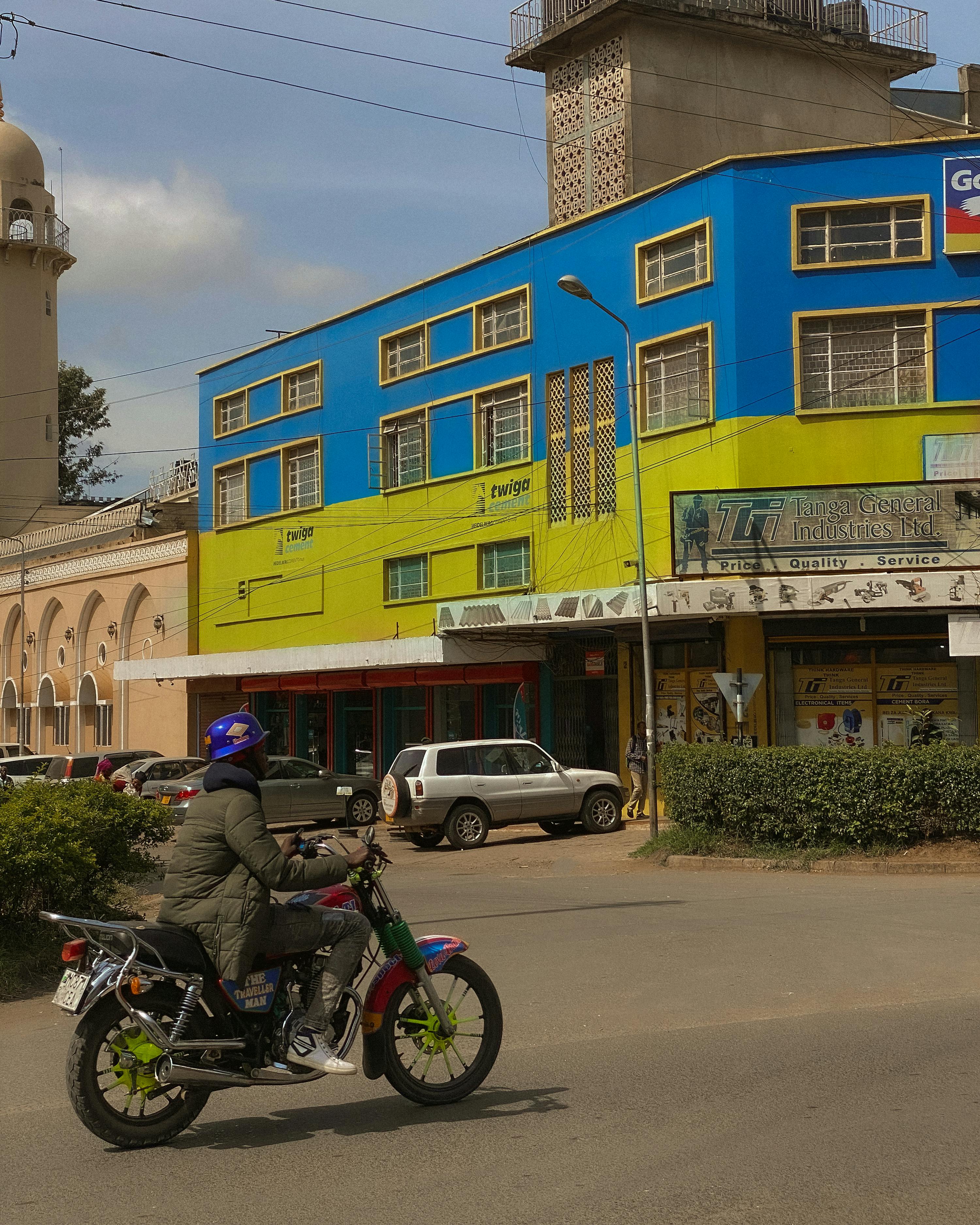
Arusha was originally a small agricultural village inhabited by the Waarusha people, but it underwent a significant transformation during the German colonial period in the early 20th century. Strategically located between major mountain ranges, the settlement grew into a colonial administrative center due to its temperate climate and fertile volcanic soil.
Following the transition to British rule after World War I, the town expanded its role as a regional hub. In the post-independence era, Arusha gained international significance as the headquarters of the East African Community and a crucial diplomatic center for peace negotiations. Today, it stands as the 'Geneva of Africa,' maintaining its status as a vital link for international diplomacy and the global tourism industry.
1900
German Administrative CenterThe German colonial government established a military outpost, setting the foundation for the modern city.
1916
British ControlFollowing the defeat of German forces in East Africa during WWI, Arusha fell under British administrative control.
1961
Tanzanian IndependenceTanzania gained independence from Britain, with Arusha becoming a pivotal city in the new nation's development.
1967
The Arusha DeclarationThe city became the site of the formal adoption of Ujamaa, the core socialist philosophy of Tanzania.
1994
ICTR EstablishmentArusha was chosen to host the International Criminal Tribunal for Rwanda, boosting its international profile.
Where to Stay
Choose your base camp
Distinct neighbourhoods, different rhythms. Pick the one that fits your work-life balance.
Residential Comfort
Njiro
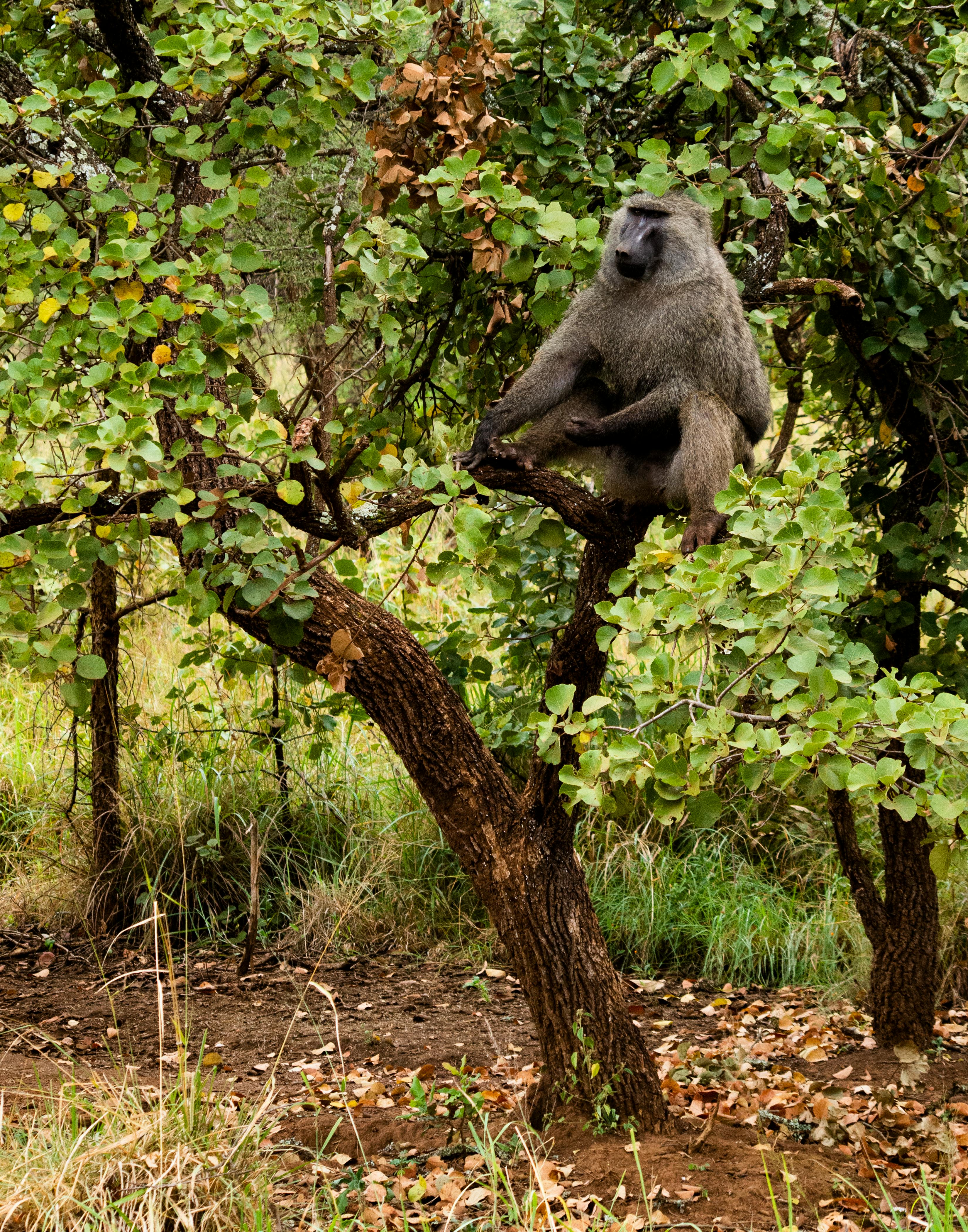
Njiro is a popular, leafy residential area often preferred by expats and long-term visitors. It offers quieter streets and larger homes with modern amenities.

Heart of the Action
Arusha City Centre
Staying in the centre puts you within walking distance of local markets, banks, and the main bus terminals. It is loud and busy but undeniably central.
Budget Friendly
Sakina
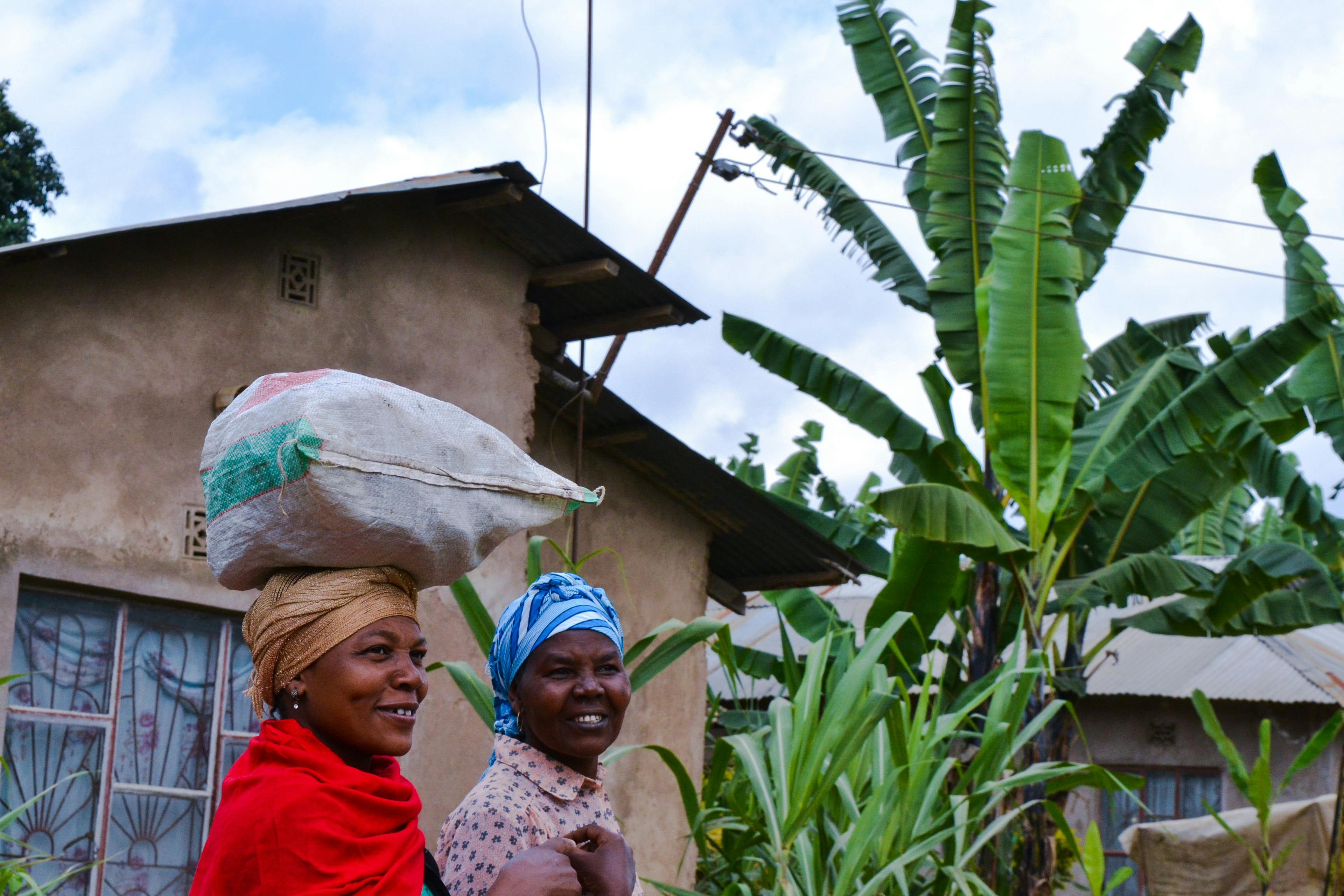
Sakina provides more affordable housing options while remaining well-connected to the city hub via local transport. Ideal for nomads on a tighter budget.
Places to Go
The experiences that will make you never leave
These aren't tourist checkboxes — they're the experiences that reset your sense of what's normal.
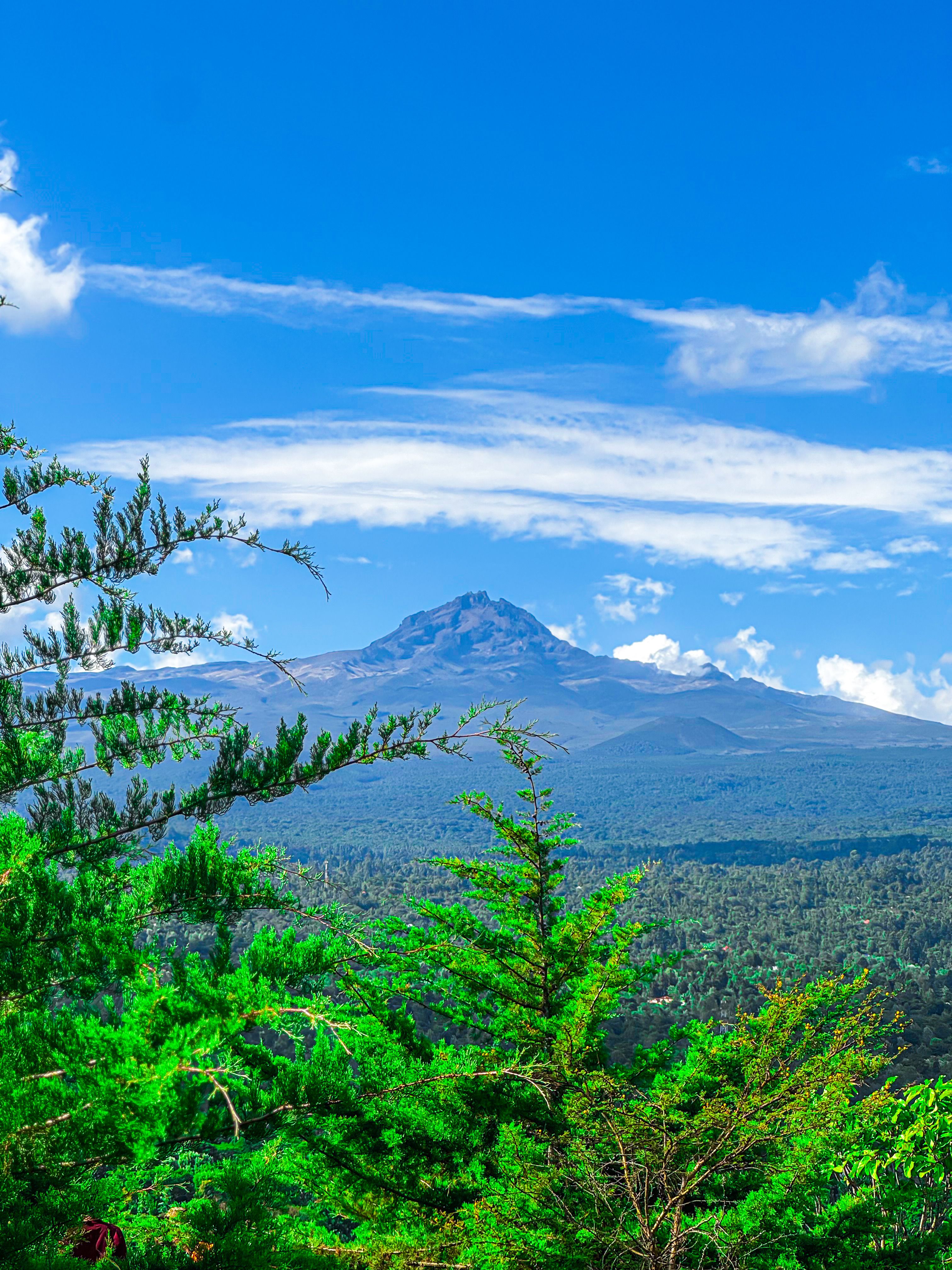
Top Pick
Mount Kilimanjaro
The iconic snow-capped peak of Africa is accessible from Arusha via guided treks that typically take several days. It is a bucket-list destination for hikers and adventurers globally.
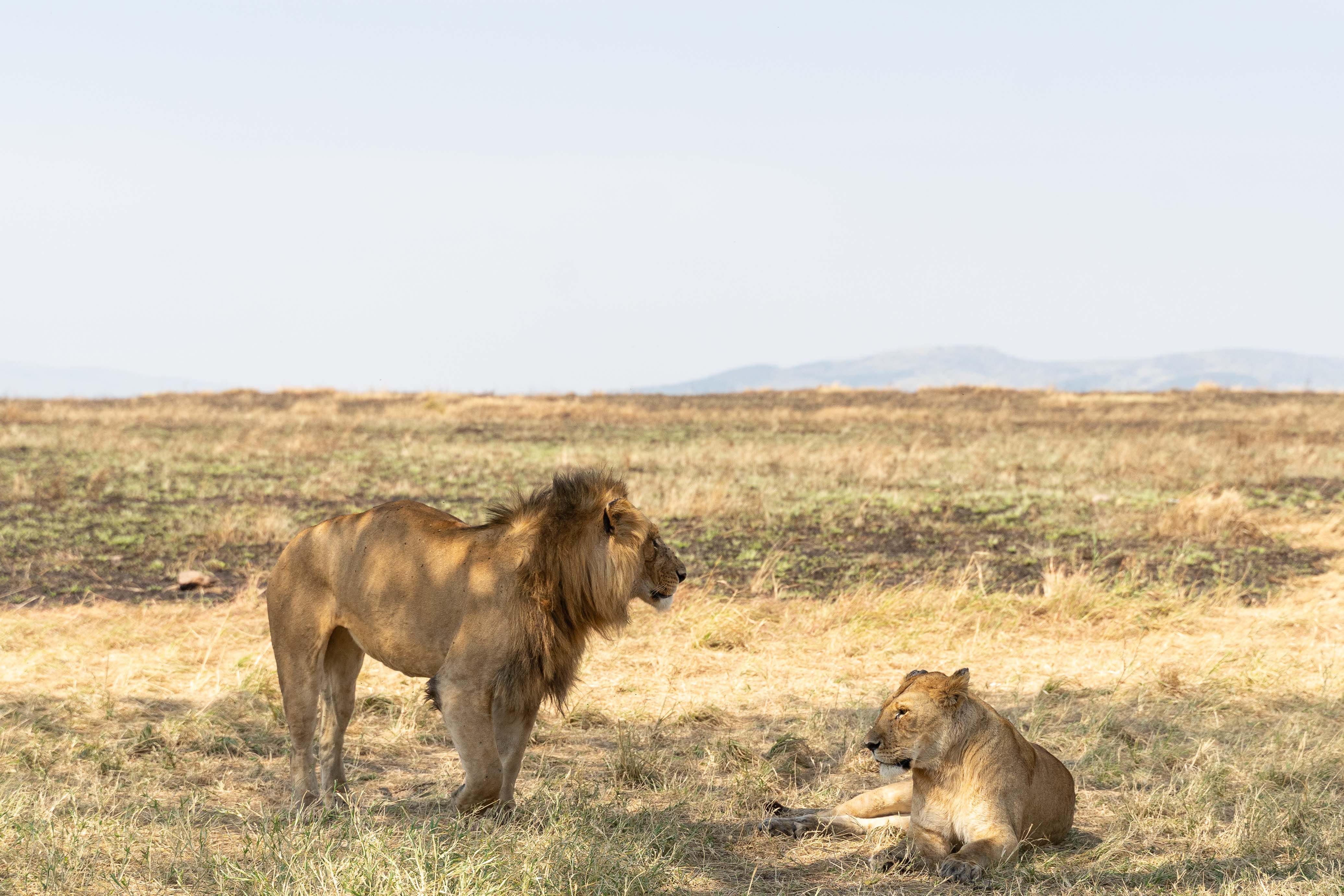
Official Tourism
Serengeti National Park
Famous for its massive annual wildebeest migration, the Serengeti is the crown jewel of Tanzanian wildlife. It offers unparalleled opportunities to see the Big Five in their natural habitat.
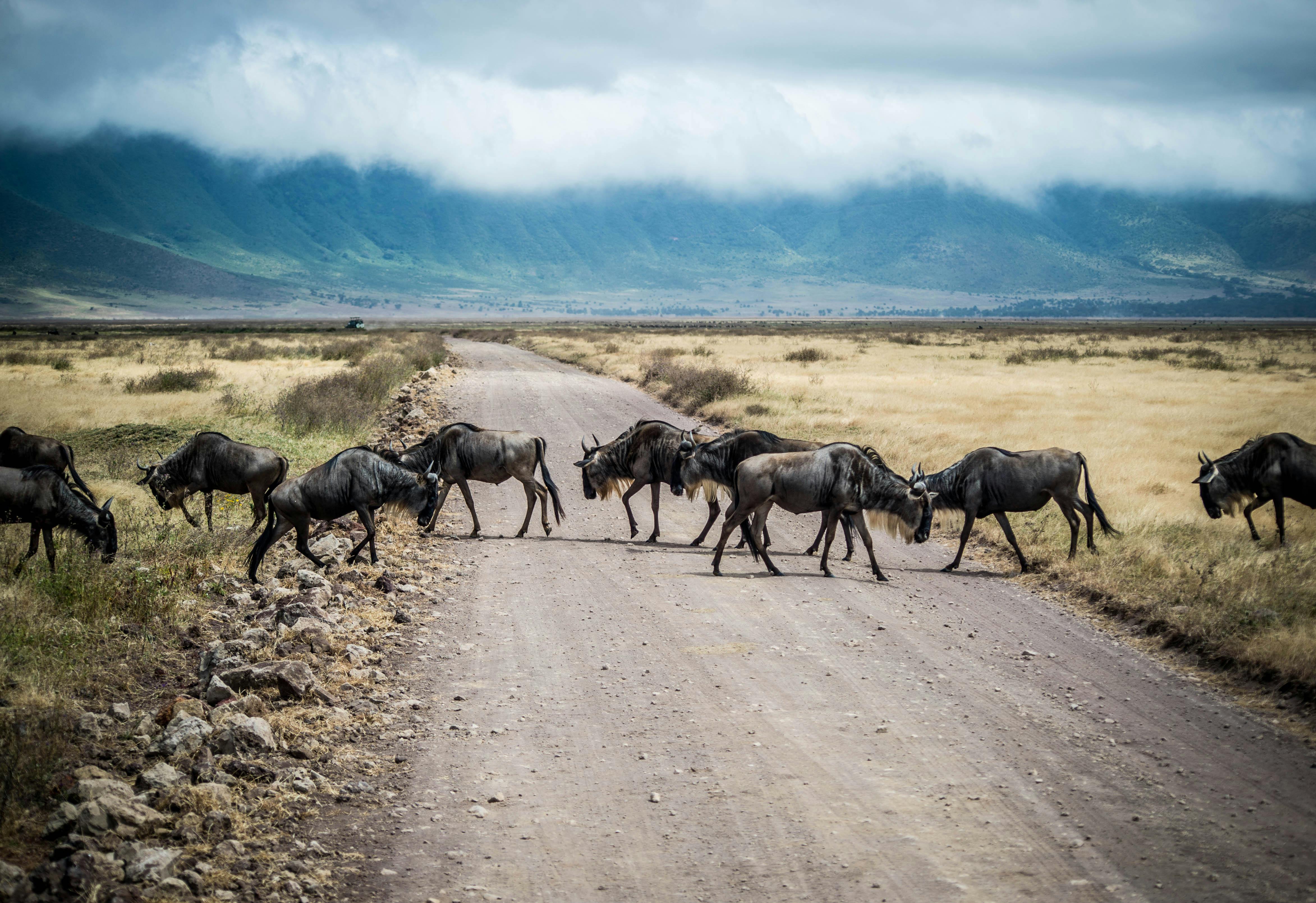
Wikipedia
Ngorongoro Crater
This massive volcanic caldera acts as a natural enclosure for a vast array of wildlife, creating one of the densest game-viewing areas in the world. It is a UNESCO World Heritage site.
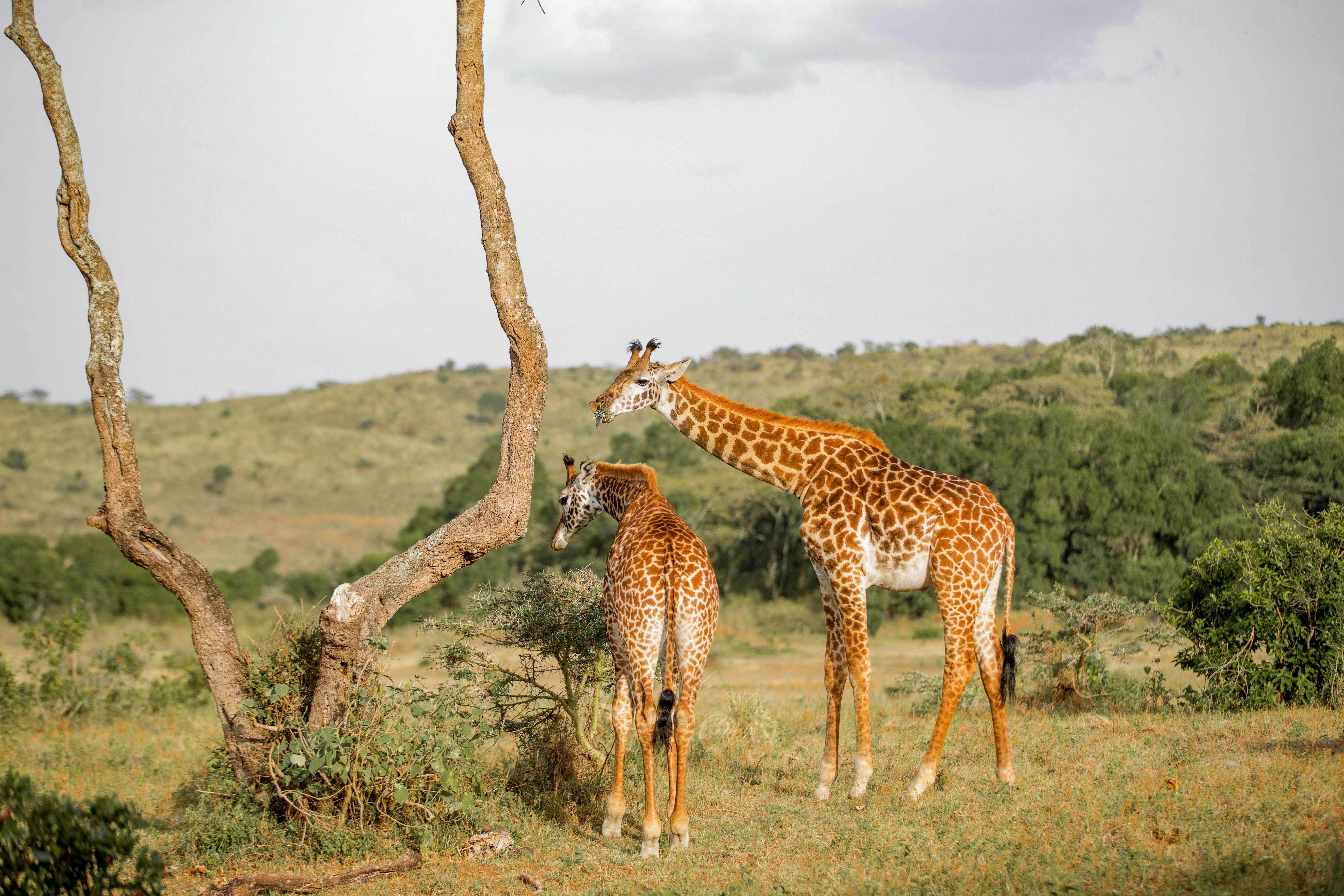
Visit
Arusha National Park
Located just a short drive from the city, this park offers beautiful hikes and canoeing on Momella lakes. It is perfect for those who want a quick nature fix without a long safari drive.
Visit
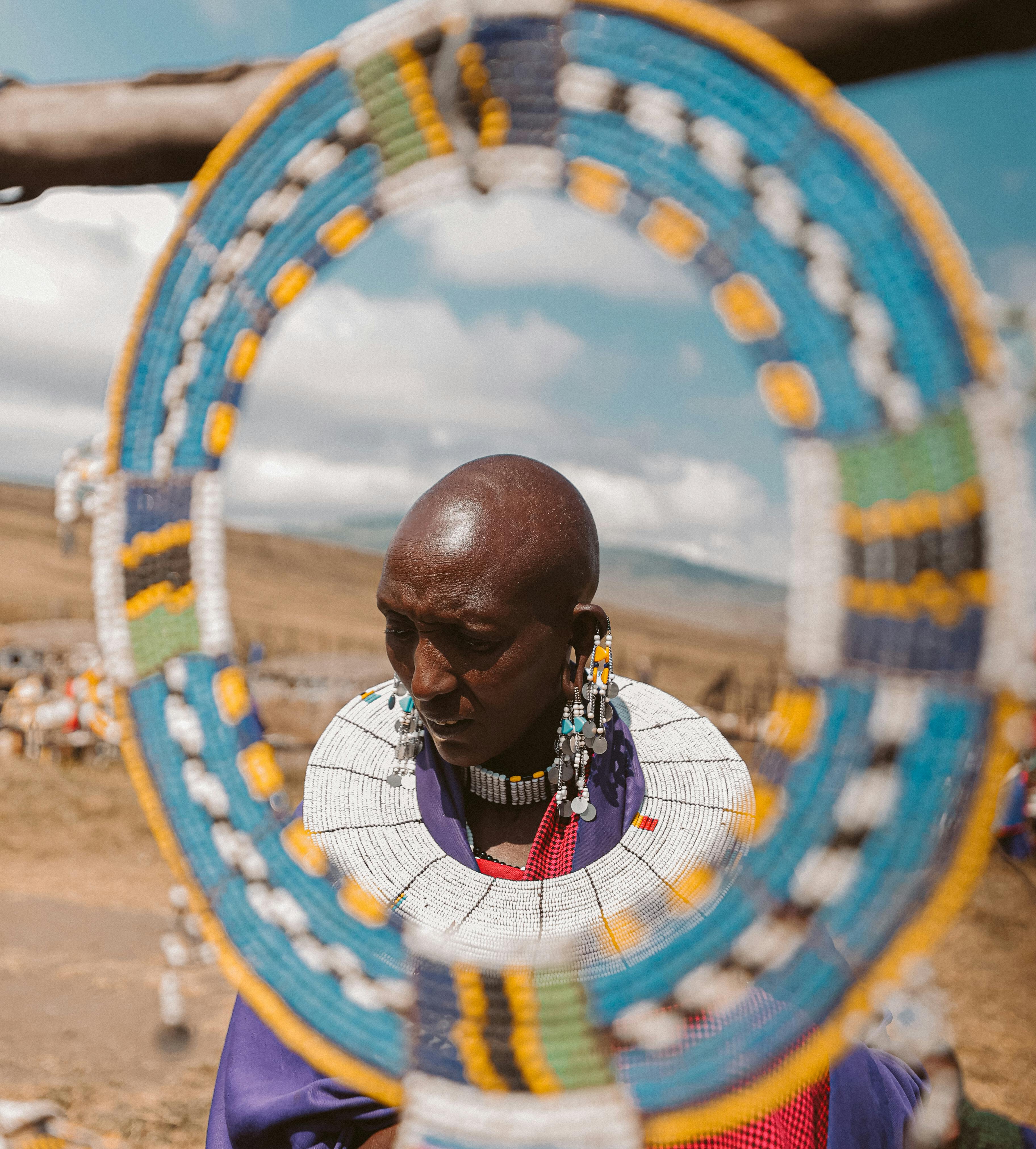
Maasai Markets
A vibrant center for culture where local artisans sell traditional beadwork, wood carvings, and paintings. It is the best place to find unique, handmade souvenirs while supporting local craftspeople.

Visit
Mount Meru
Often overlooked for Kilimanjaro, Mount Meru is a stunning volcanic peak that provides a challenging trek and incredible views of the Arusha region. It is the second-highest mountain in Tanzania.
Visit
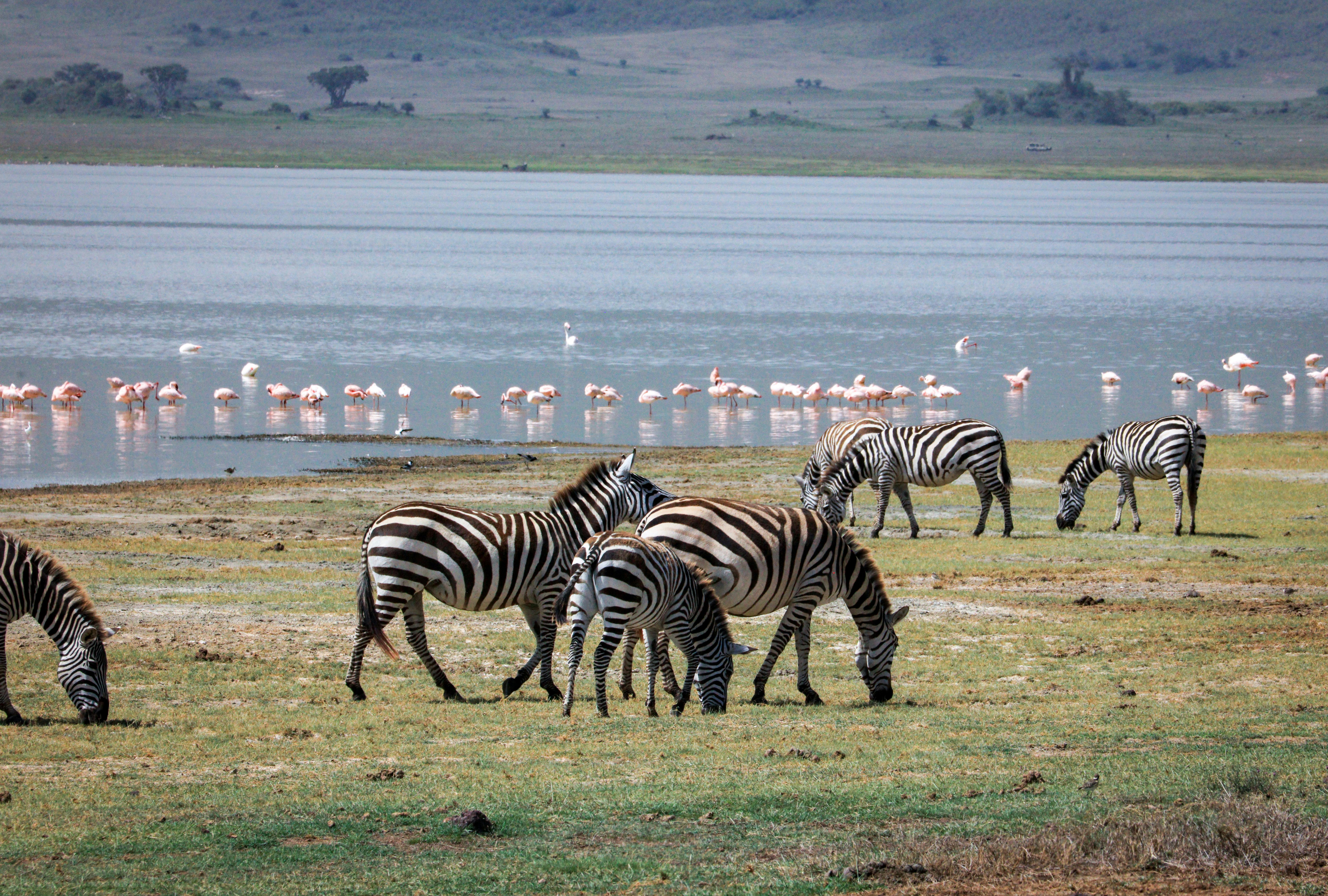
Lake Manyara
Known for its unique tree-climbing lions and massive flocks of flamingos, Lake Manyara is a beautiful and diverse park. The lake shore provides a refreshing contrast to the drier areas of the country.

Work & Connectivity
Stay connected wherever you work
The nomad community here is real — cafés and coworking spaces where you can work and meet others.
Cafe Bamboo
A popular spot among locals and visitors with a relaxed atmosphere and decent coffee. It offers a good environment for light laptop work during morning hours.
Arusha Coffee Lodge
For a more upscale, peaceful work environment, this location offers lush surroundings and excellent Wi-Fi. It is perfect for meetings or deep work sessions.
Cultural Heritage Centre Cafe
A quiet place to sit with a laptop surrounded by art and history. The spacious seating makes it easy to find a corner for remote tasks.
Budget & Costs
What it costs to live in Arusha
Choose your lifestyle tier. Comfortable = furnished accommodation, local + occasional Western food, transport, leisure.
$657
per month · USD · comfortable lifestyle
ModerateFurnished studio, local restaurants, transport, and weekend trips.
Exchange rates
Check xe.com or your bank for current USD to local currency.
Check xe.com or your bank for current USD to local currency.
🏠 Rent 39%$256/mo
🍽️ Food 22%$146/mo
🚌 Transport 9%$58/mo
💡 Utilities 6%$37/mo
🎭 Leisure 17%$110/mo
🏥 Health 8%$51/mo
Connectivity
Well connected to the world
Internet and transport options for remote workers.
📶
Internet
Good — fibre common
Check local providers.
🏢
Coworking
From ~$80/mo
Dedicated spaces available.
🚌
Local Transit
4 / 10
Use bajaj (three-wheelers) or private drivers; town centre is walkable; dala dala minibuses for locals
JRO
Kilimanjaro International
46 km from centre
addisababadaressalaamkigalimombasanairobizanzibar
Safety & Visa
Safe, welcoming, and easy to enter
Safety Score6 / 10
✗ Tap Water📞 112
Visa
Check your entry options
Many nationalities get visa-free or visa-on-arrival. Check official government sources for your citizenship before travel.
Culture & Festivals
Local soul, nomad-friendly
Multiculturalism7/10
Foodie Scene6/10
⛰️ Kilimanjaro🎒 Adventure🏔️ Highlands💵 Budget🦁 Serengeti🦒 Safari
Mar
Kilimanjaro Marathon
An annual sporting event that draws athletes from all over the world to run at the base of the highest peak in Africa.
Jul
Great Migration Peak
The peak season for observing the wildebeest river crossings in the Serengeti, attracting wildlife enthusiasts.
Arusha serves as an incredible base for those interested in social impact work, with many volunteer organizations operating in the surrounding highlands and community schools.
Food & Nightlife
A feast for every mood
From street food to cafés and nightlife — every meal is an event.

Street Food
Vibanda Eateries
Experience authentic local flavor at 'vibanda' spots, where you can find affordable ugali, grilled meats, and fresh greens. It's the most budget-friendly way to eat.

International
Tourist-Oriented Restaurants
Arusha hosts a variety of restaurants serving international cuisine, from Italian pasta to Indian curries. These are great for when you need a familiar comfort meal.

Market Culture
Central Market Fresh Produce
Stock up on incredible local fruits and vegetables at the central market. It's a sensory experience and essential for those cooking their own meals.
Climate
Best months: Jan, Feb, Mar, Apr, May, Jun, Jul, Aug, Sep, Oct, Nov, Dec
Avg humidity65%
Avg AQI40
Arusha enjoys a tropical highland climate that remains mild throughout the year thanks to its high elevation. The city experiences two distinct rainy seasons, with the 'long rains' occurring from March through May, and shorter, lighter rains arriving in November and December. While these periods bring lush greenery, they can make unpaved roads in safari parks more challenging to navigate.
For those visiting for wildlife, the dry season from June to October is widely considered the best time, offering clear skies and prime game-viewing conditions. The Great Migration peaks in July, making it an ideal time to combine remote work with legendary Tanzanian adventures. Because of the consistent elevation, you can comfortably work in Arusha during any month of the year, provided you check local weather forecasts for short-term disruptions.
Monthly temperatures °C
BestAvoidShoulder
Practical Info
Everything you need to know
🏥
Healthcare
Medical facilities in Arusha are basic; ensure you have comprehensive travel insurance that includes emergency evacuation. For serious issues, private clinics in the city are the first point of contact.
💱
Money
The Tanzanian Shilling is the local currency. While larger hotels accept cards, you should keep cash on hand for markets, transport, and smaller vendors in the city.
🌐
Language & Etiquette
Swahili is the national language, and learning a few basic phrases will go a long way in connecting with locals. English is also widely spoken in business and tourism contexts.
Tips
Quick tips
- Always carry a portable power bank for your devices.
- Learn basic Swahili greetings to show respect to locals.
- Use a reputable local driver for all long-distance travel.
- Keep a copy of your passport and visa documents digital and physical.
- Dress modestly when visiting non-tourist residential areas.
- Stick to bottled water to avoid digestive issues.
- Negotiate prices politely but firmly at local markets.
Further Reading