Zanzibar · Tanzania
Overview
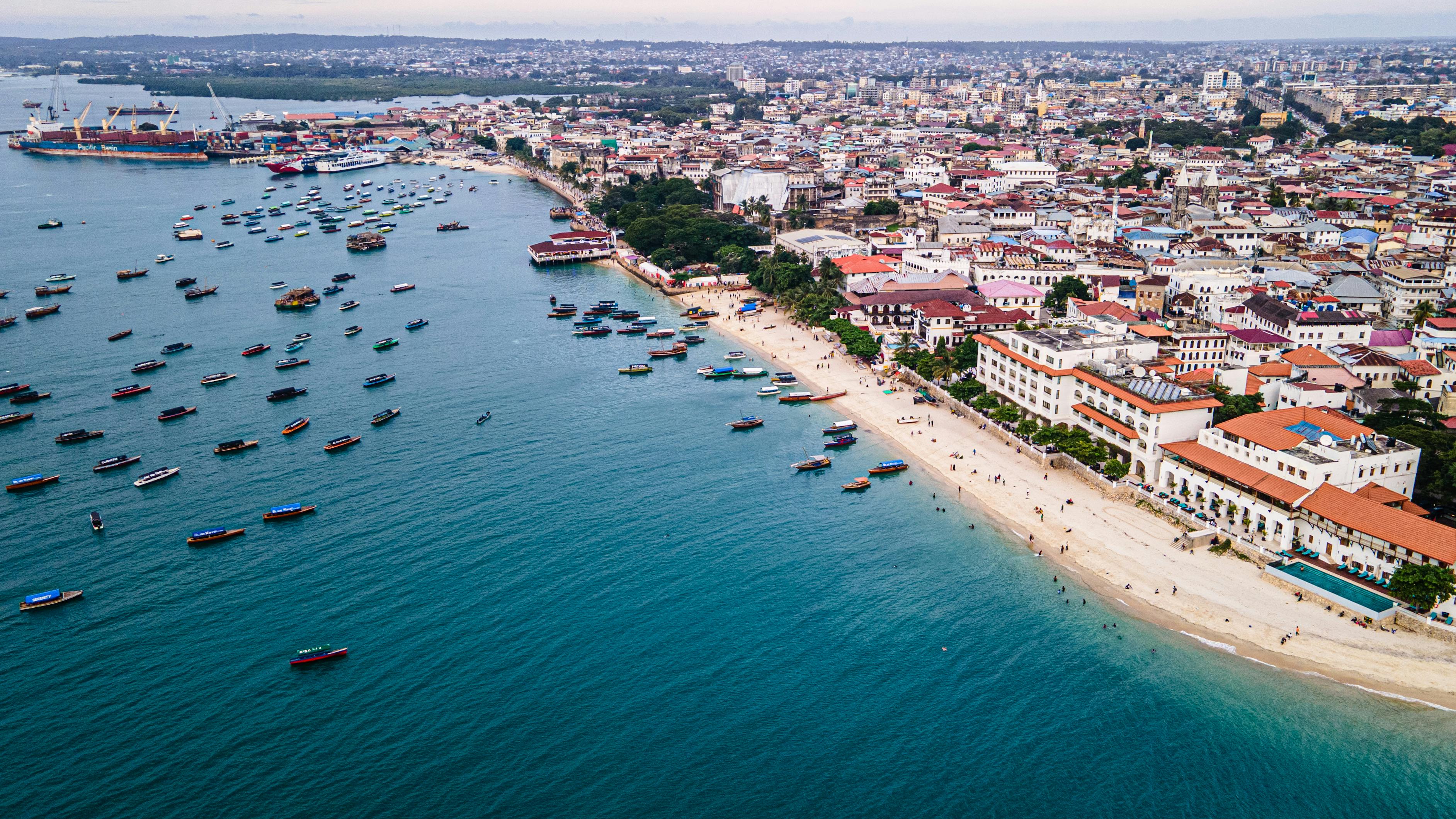
Zanzibar is not just a destination; it's a sensory experience where the scent of cloves follows you from the ancient alleys of Stone Town to the turquoise waters of the Indian Ocean.
Zanzibar offers a slow-paced, tropical lifestyle that is perfect for those looking to balance high-intensity work with deep relaxation. Known as the 'Spice Island,' the culture is a fascinating fusion of African, Arab, and Indian influences, visible in everything from the architecture of Stone Town to the aromatic cuisine served in night markets. While the infrastructure is still developing, the island provides an accessible entry point to East Africa for nomads seeking an authentic experience without the high price tag found in major global hubs.
Nomads often gravitate towards the vibrant social scene in Paje or the historical density of Stone Town. Because internet connectivity can be unpredictable, the community is accustomed to using mobile hotspots and seeking out reliable hubs for coworking. For those ready to step outside their comfort zone, the island provides a peaceful backdrop for creative work. Always check the latest Climate data to prepare for the humidity and seasonal rains that define island life.
History
Zanzibar has served as a crossroads of trade for centuries, with its strategic position in the India…
Zanzibar has served as a crossroads of trade for centuries, with its strategic position in the Indian Ocean making it a focal point for merchant vessels traveling between Africa, Asia, and Europe. Initially settled by Bantu speakers, the island's history was profoundly shaped by the Omani Sultanate, which established the island as a center for the spice trade and unfortunately, a major hub for the slave trade during the 18th and 19th centuries.
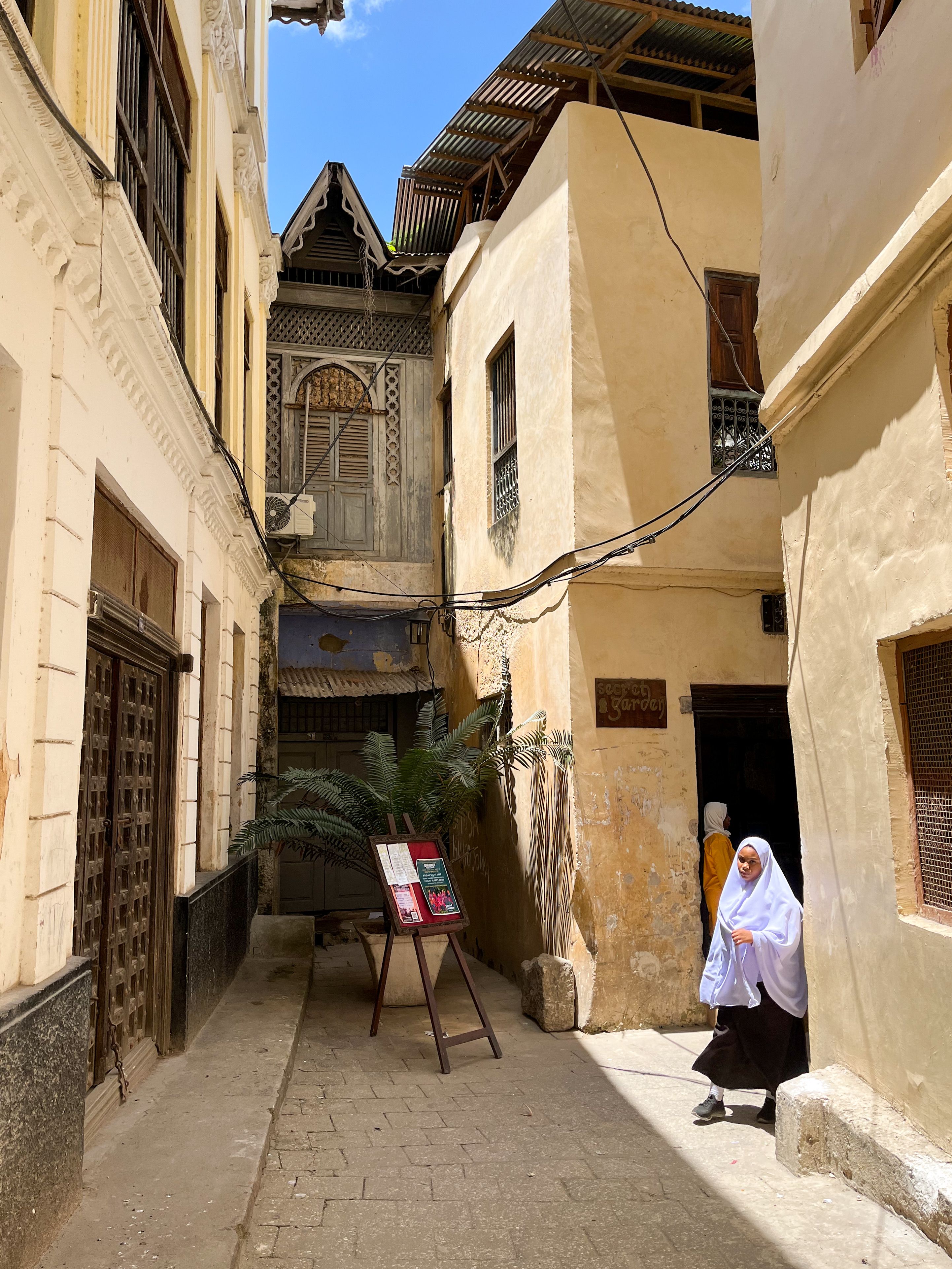
In the late 19th century, Zanzibar became a British protectorate, a status that lasted until it gained independence in 1963. Shortly thereafter, the Zanzibar Revolution took place, leading to the merger with Tanganyika to form modern-day Tanzania in 1964. Today, visitors can still see the remnants of this complex past in the unique architecture of Stone Town, where traditional Swahili, Arab, and colonial influences merge in a labyrinth of narrow, winding streets.
1698
Omani RuleZanzibar fell under the control of the Sultanate of Oman, which significantly expanded the trade of spices and ivory.
1840
Capital ShiftSultan Said bin Sultan moved his capital from Muscat to Zanzibar, cementing its status as a major regional power.
1890
British ProtectorateThe island became a British protectorate, significantly altering its political structure and administrative systems.
1963
IndependenceZanzibar gained independence from the United Kingdom as a constitutional monarchy.
1964
Union with TanzaniaFollowing a revolution, Zanzibar merged with Tanganyika to form the United Republic of Tanzania.
Where to Stay
Choose your base camp
Distinct neighbourhoods, different rhythms. Pick the one that fits your work-life balance.
Historical Hub
Stone Town
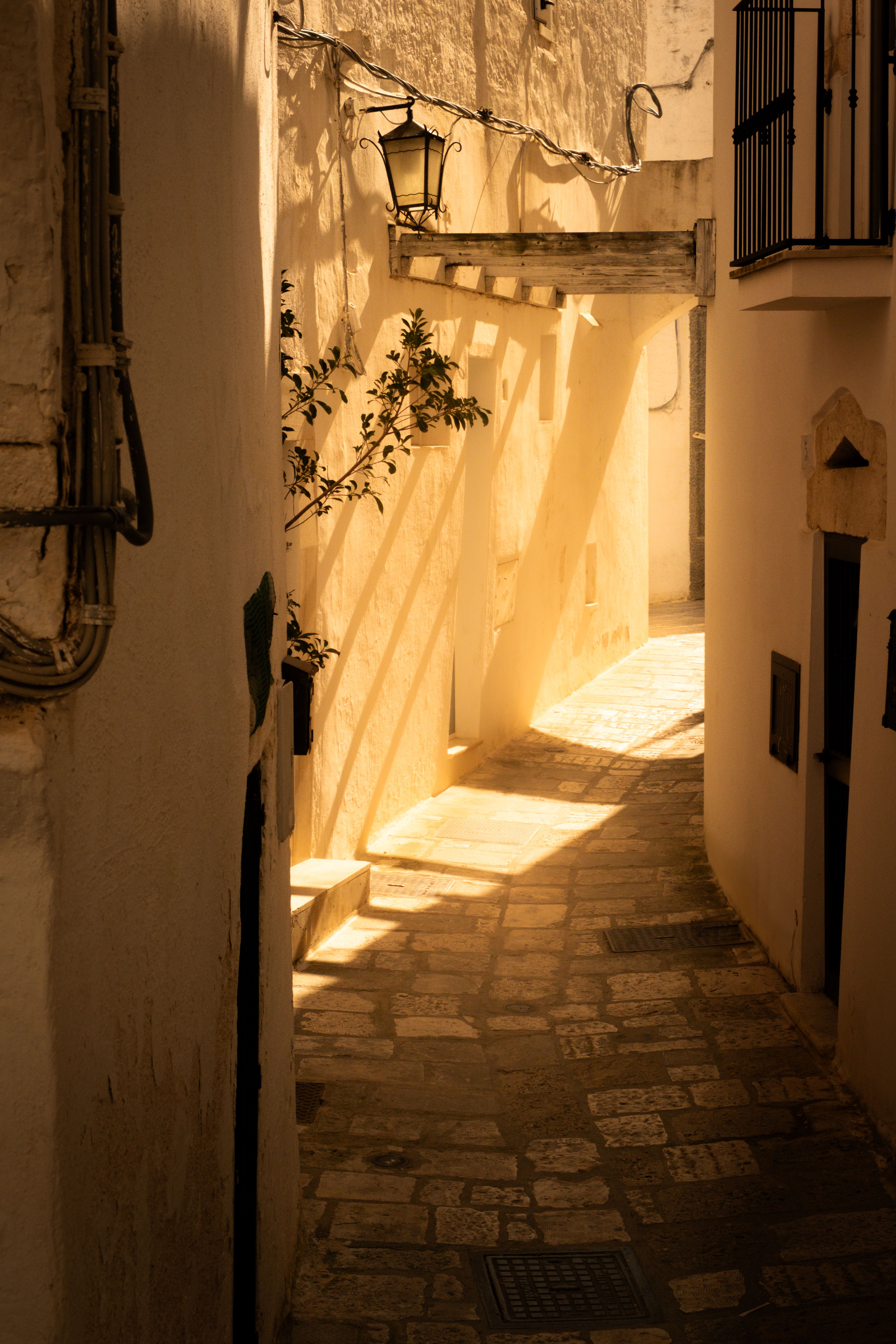
The center of action with plenty of cafes and shops. Best for those who enjoy being in the middle of culture and history, with rent ranging from budget to mid-range.
Nomad Favourite
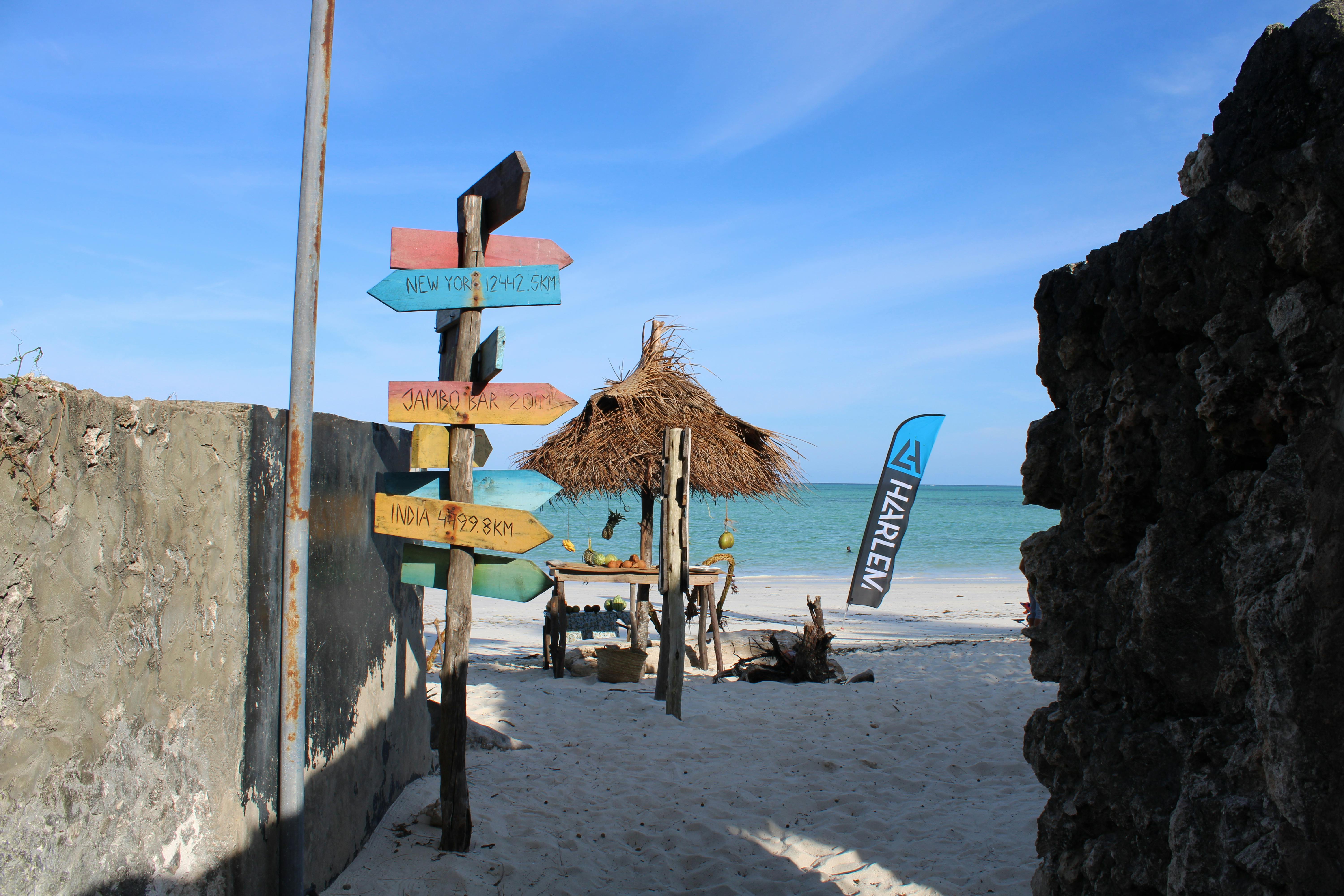
Paje
Famous for kite-surfing and a growing community of remote workers. It offers a relaxed beach lifestyle with plenty of bungalows and apartments to rent.
Beach Life
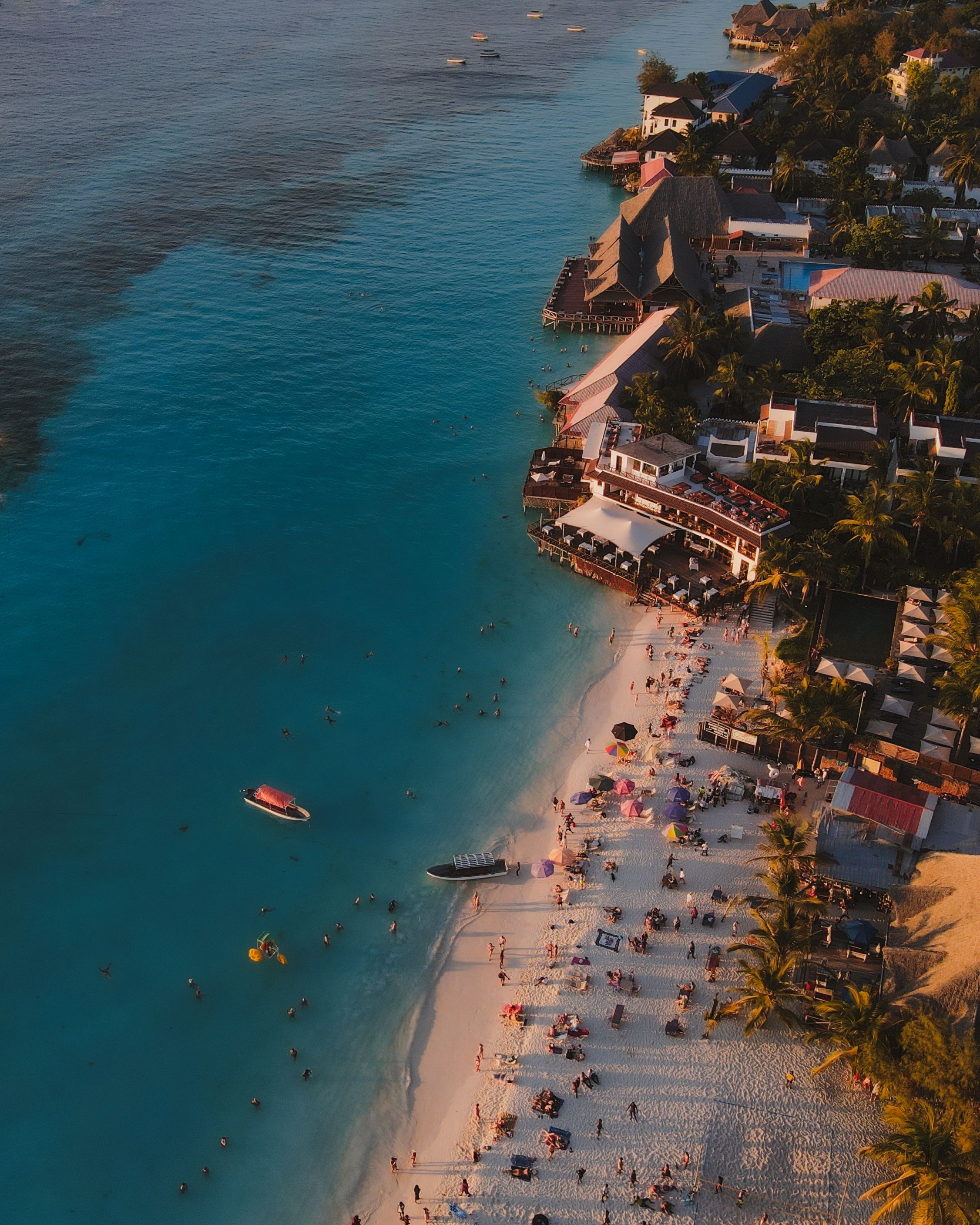
Nungwi
Ideal for those seeking clear water and nightlife. It is more tourist-heavy but offers excellent infrastructure for short-term stays.
Places to Go
The experiences that will make you never leave
These aren't tourist checkboxes — they're the experiences that reset your sense of what's normal.
Top Pick
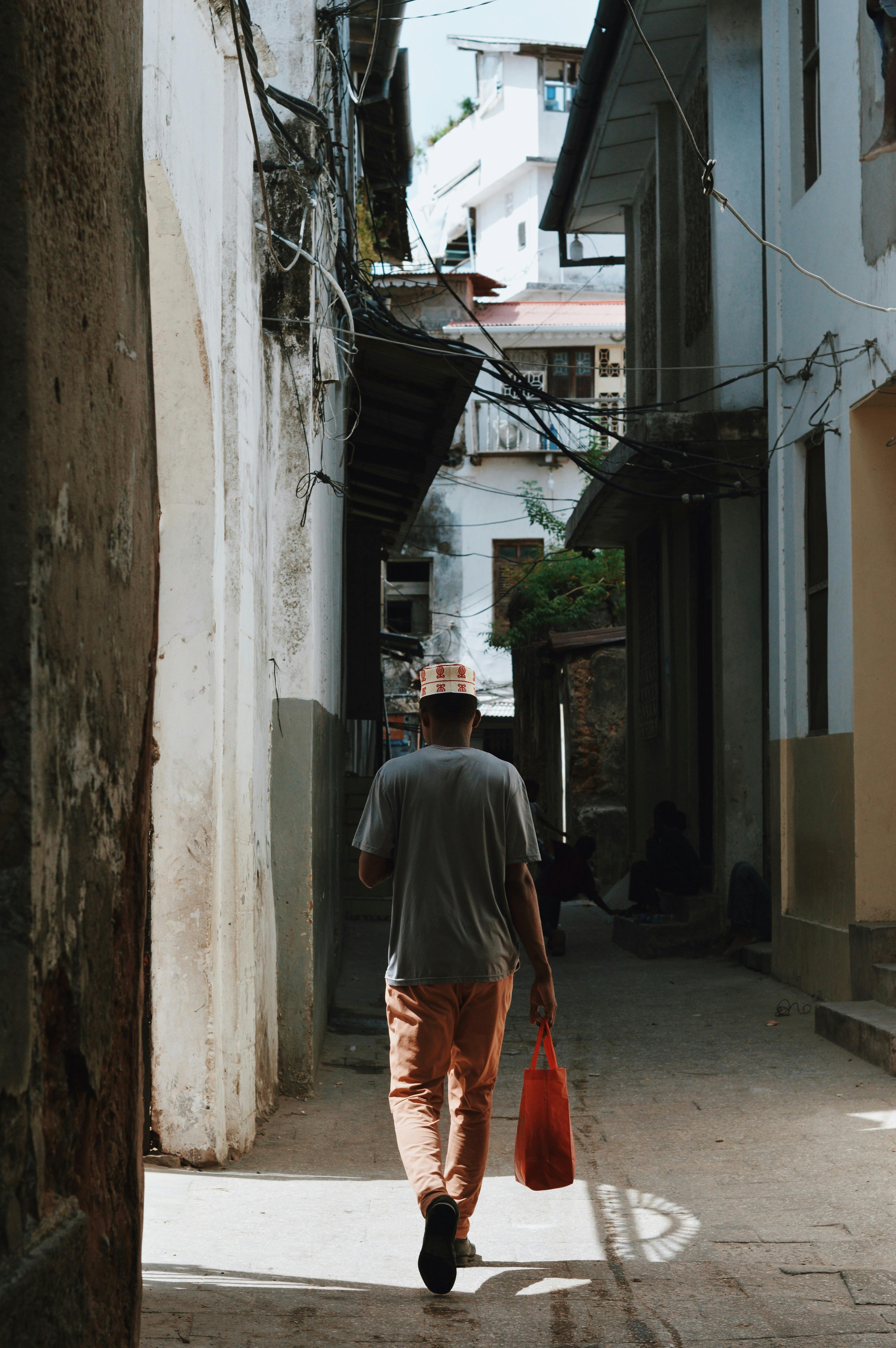
Stone Town (UNESCO)
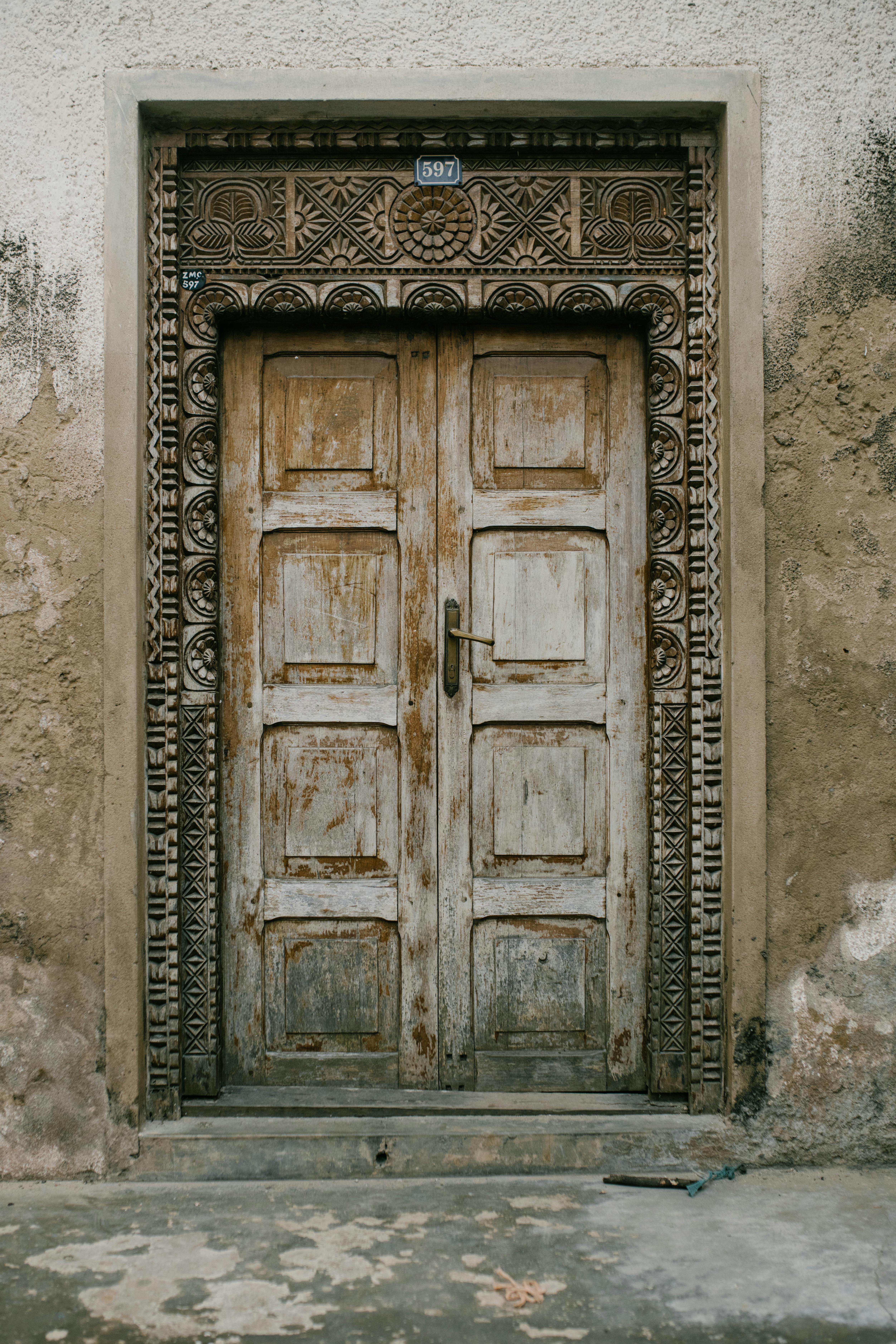
This historic center is a labyrinth of winding alleys, bustling bazaars, and ornate wooden doors. It is the cultural heart of the island and perfect for photography and history enthusiasts.
Visit Zanzibar
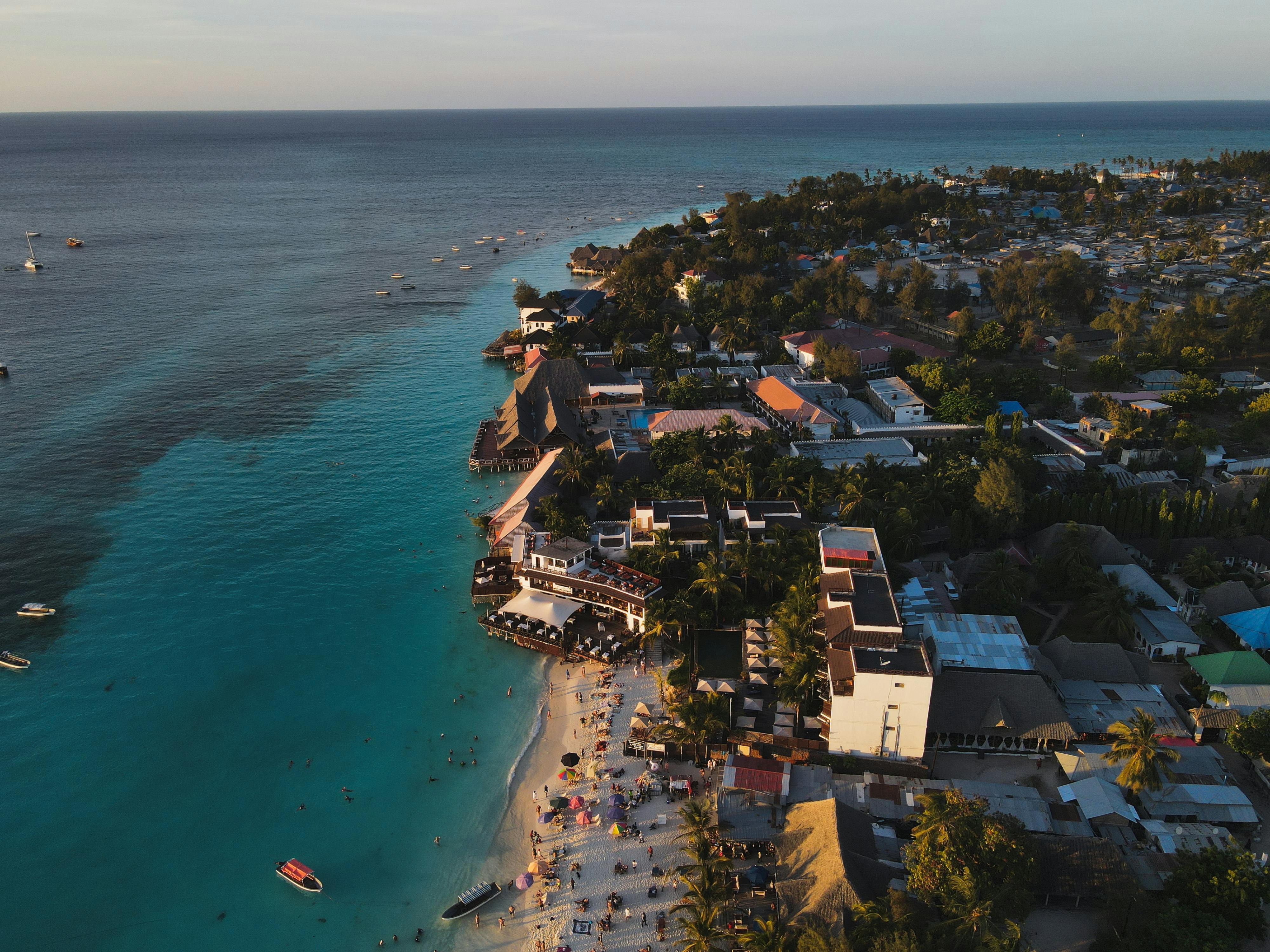
Nungwi Beach
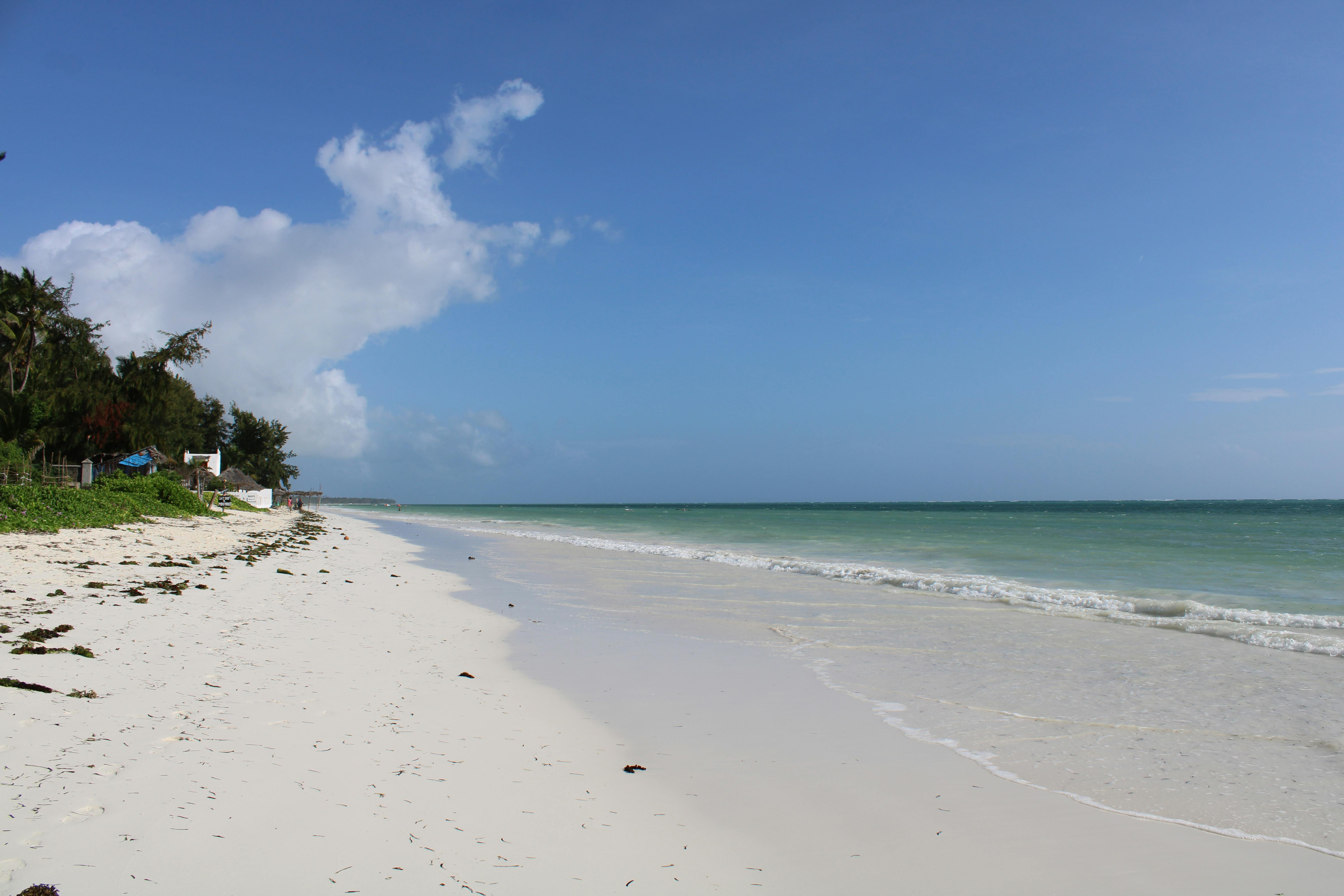
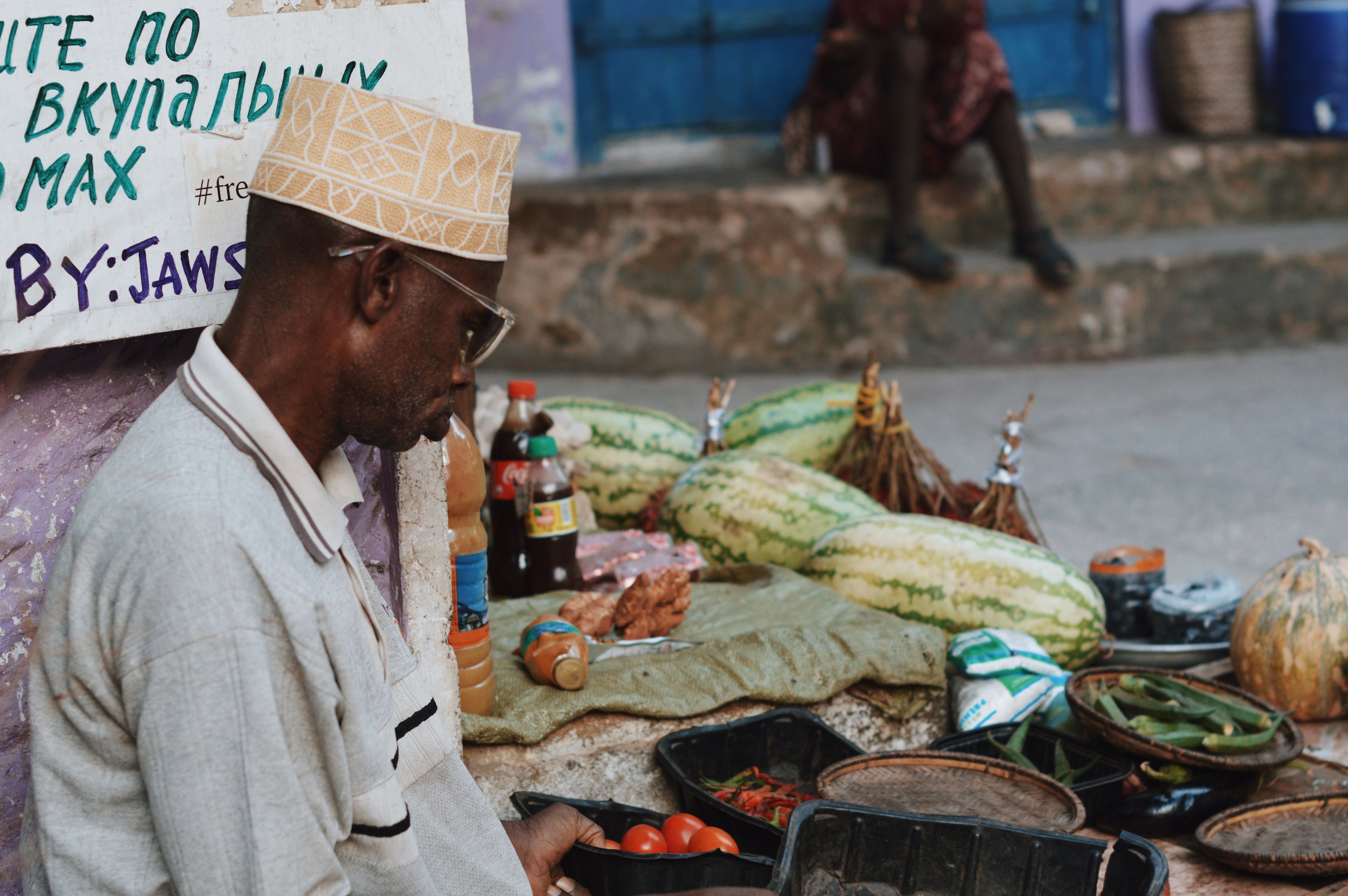
Known for its stunning sunsets and vibrant social life, Nungwi is one of the most popular beaches on the island. The turquoise water and white sand provide a classic island escape.
Visit
Spice Farm Tour
Zanzibar is famous for its cloves, nutmeg, and cinnamon. A tour of a working spice farm offers an immersive look at how these ingredients are grown and processed.

Visit
Prison Island
Once used as a place to detain recalcitrant slaves, this island is now a sanctuary for giant Aldabra tortoises. It offers a unique mix of dark history and nature conservation.

Visit
Mnemba Atoll Snorkeling
This protected marine reserve is the top spot for snorkeling and diving. The crystal-clear waters are home to a massive variety of coral and tropical fish.

Wikipedia
House of Wonders
One of the most iconic landmarks in Stone Town, this palace represents the grandeur of the island's sultanate era. It is an essential stop for architecture lovers.
Work & Connectivity
Stay connected wherever you work
The nomad community here is real — cafés and coworking spaces where you can work and meet others.
B40 Creative Hub
A popular spot for nomads, providing a dedicated space to work with reliable internet and a community-driven atmosphere.
Stone Town Cafés
Several local cafés offer decent Wi-Fi and quiet corners for a few hours of work, though always carry a battery bank.
Budget & Costs
What it costs to live in Zanzibar
Choose your lifestyle tier. Comfortable = furnished accommodation, local + occasional Western food, transport, leisure.
$730
per month · USD · comfortable lifestyle
ModerateFurnished studio, local restaurants, transport, and weekend trips.
Exchange rates
Check xe.com or your bank for current USD to local currency.
Check xe.com or your bank for current USD to local currency.
🏠 Rent 45%$329/mo
🍽️ Food 22%$161/mo
🚌 Transport 5%$37/mo
💡 Utilities 7%$51/mo
🎭 Leisure 13%$95/mo
🏥 Health 8%$58/mo
Connectivity
Well connected to the world
Internet and transport options for remote workers.
📶
Internet
Good — fibre common
Check local providers.
🏢
Coworking
From ~$80/mo
Dedicated spaces available.
🚌
Local Transit
2 / 10
Stone Town walkable; dala-dala minibuses to beaches; negotiate taxi prices upfront
ZNZ
Abeid Amani Karume International
8 km from centre
addisababaarushadaressalaamfrankfurtjohannesburgmombasanairobi
Safety & Visa
Safe, welcoming, and easy to enter
Safety Score5 / 10
✗ Tap Water📞 112
Visa
Check your entry options
Many nationalities get visa-free or visa-on-arrival. Check official government sources for your citizenship before travel.
Culture & Festivals
Local soul, nomad-friendly
Multiculturalism6/10
Foodie Scene7/10
🌴 Tropical🌶️ Spice Island🏖️ Beach🏛️ Historic💚 Very Affordable🤿 Diving
Jul
Zanzibar International Film Festival
A premier arts and cultural event showcasing films and music from across Africa.
Jun
Dry Season Start
Celebrates the start of the perfect weather months, ideal for outdoor events.
If you are looking for a more quiet experience, consider renting a bungalow in Matemwe, where you can focus on deep work while being steps away from the Indian Ocean.
Food & Nightlife
A feast for every mood
From street food to cafés and nightlife — every meal is an event.

Street Food
Forodhani Gardens
The night market at Forodhani is the place to try Zanzibar pizza, grilled seafood, and fresh sugar cane juice.
Local Eateries
Vibandas
Small, local restaurants serving authentic Swahili food. They are incredibly affordable and perfect for a daily lunch.
Café Culture
Coffee Houses
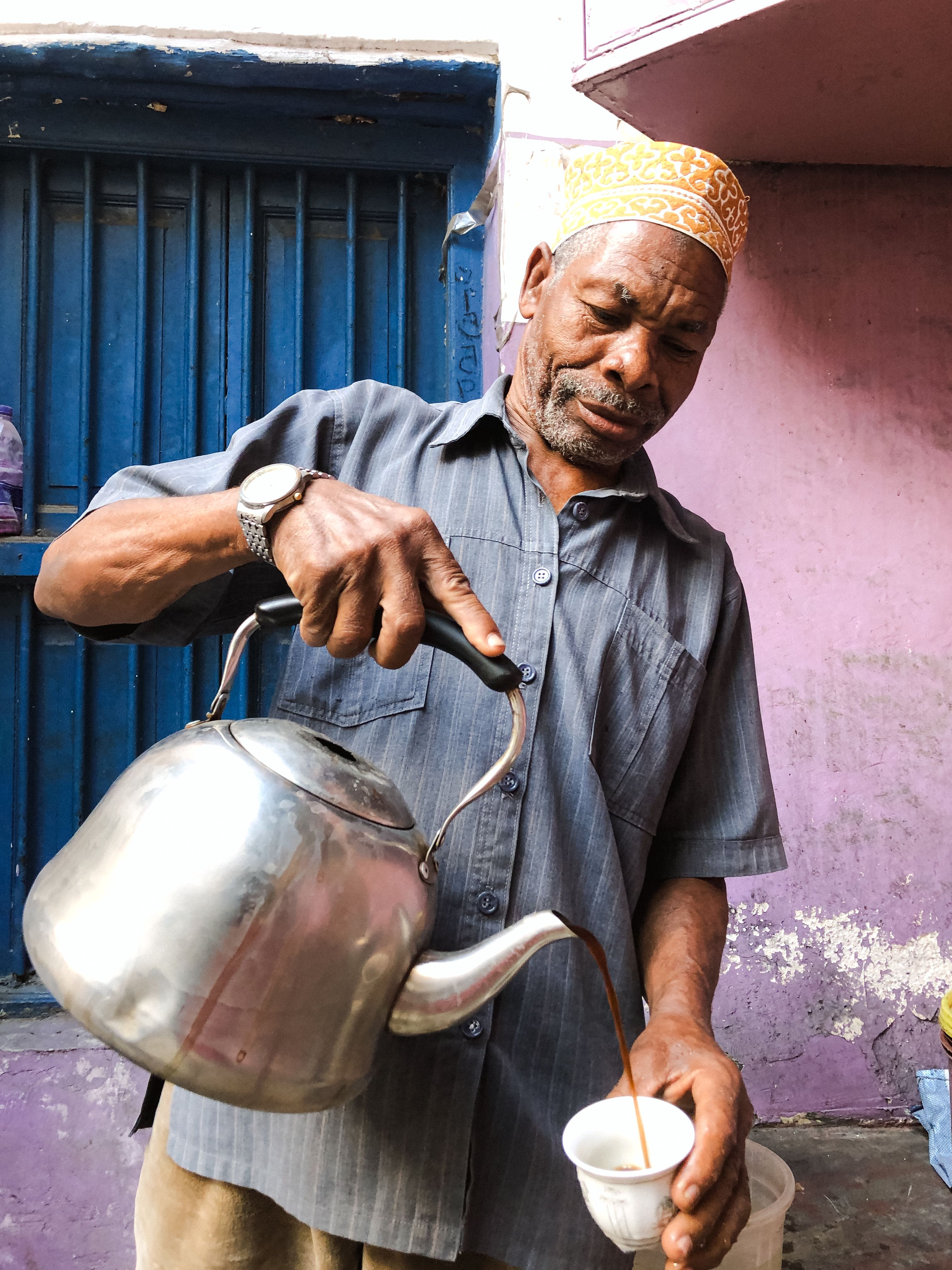
Stone Town is filled with hidden coffee shops serving traditional spiced tea and locally roasted beans.
Climate
Best months: Jan, Feb, Mar, Apr, May, Jun, Jul, Aug, Sep, Oct, Nov, Dec
Avg humidity76%
Avg AQI40
Zanzibar is a year-round destination, but timing your visit depends on how much rain you are willing to tolerate. The dry season runs from June to October, providing the most sunshine and ideal conditions for beach activities and water sports. This is generally considered the best time for nomads who want to maximize their time outdoors between work sessions.
The island experiences two rainy seasons: the 'long rains' from March to May and the 'short rains' in November and December. During these periods, humidity levels rise and transportation can become more challenging, but the island is significantly quieter and more affordable. Festivals like the Zanzibar International Film Festival in July provide great cultural opportunities, so plan accordingly if you prefer a social atmosphere.
Monthly temperatures °C
BestAvoidShoulder
Practical Info
Everything you need to know
🏥
Healthcare
Medical facilities in Zanzibar are limited. Ensure you have comprehensive travel insurance and bring a well-stocked medical kit for minor issues.
💱
Money
The Tanzanian Shilling is the local currency. While some tourist spots take cards, cash is essential for markets and local transport.
🌐
Connectivity
Always have a backup data plan. Internet speeds vary by location, so research your specific accommodation's Wi-Fi speed before booking.
Tips
Quick tips
- Always carry a portable power bank.
- Dress modestly outside of beach areas to respect Muslim culture.
- Learn basic Swahili phrases; it goes a long way.
- Negotiate your taxi fare before getting in.
- Bring plenty of sunscreen as the sun is very strong.
- Use a VPN to secure your internet connection.
- Don't drink tap water; use filtered water bottles.
Further Reading