

Dar es Salaam · Tanzania
Overview
Dar es Salaam isn't just a gateway to Zanzibar; it's a dynamic, grit-and-glamour hub where the future of East Africa is being built in real-time.
As the commercial heart of Tanzania, Dar es Salaam offers a unique blend of urban intensity and coastal serenity. Nomads flock here for the opportunity to tap into one of the continent's most exciting growth markets while enjoying access to the stunning Indian Ocean coastline. The city is a melting pot of cultures, resulting in a vibrant culinary scene and a social atmosphere that is welcoming to both locals and international professionals.
Navigating the city requires patience, but the rewards are significant for those willing to embrace the pace of East African life. From bustling markets to quiet beach retreats, the city caters to diverse lifestyles. Whether you are balancing a high-output remote workload or seeking a slower pace of life near the water, understanding the practicalities regarding the Cost of living and the equatorial Climate will ensure a successful residency.
History
Originally founded as a small fishing village named Mzizima, the city was transformed in the mid-19t…
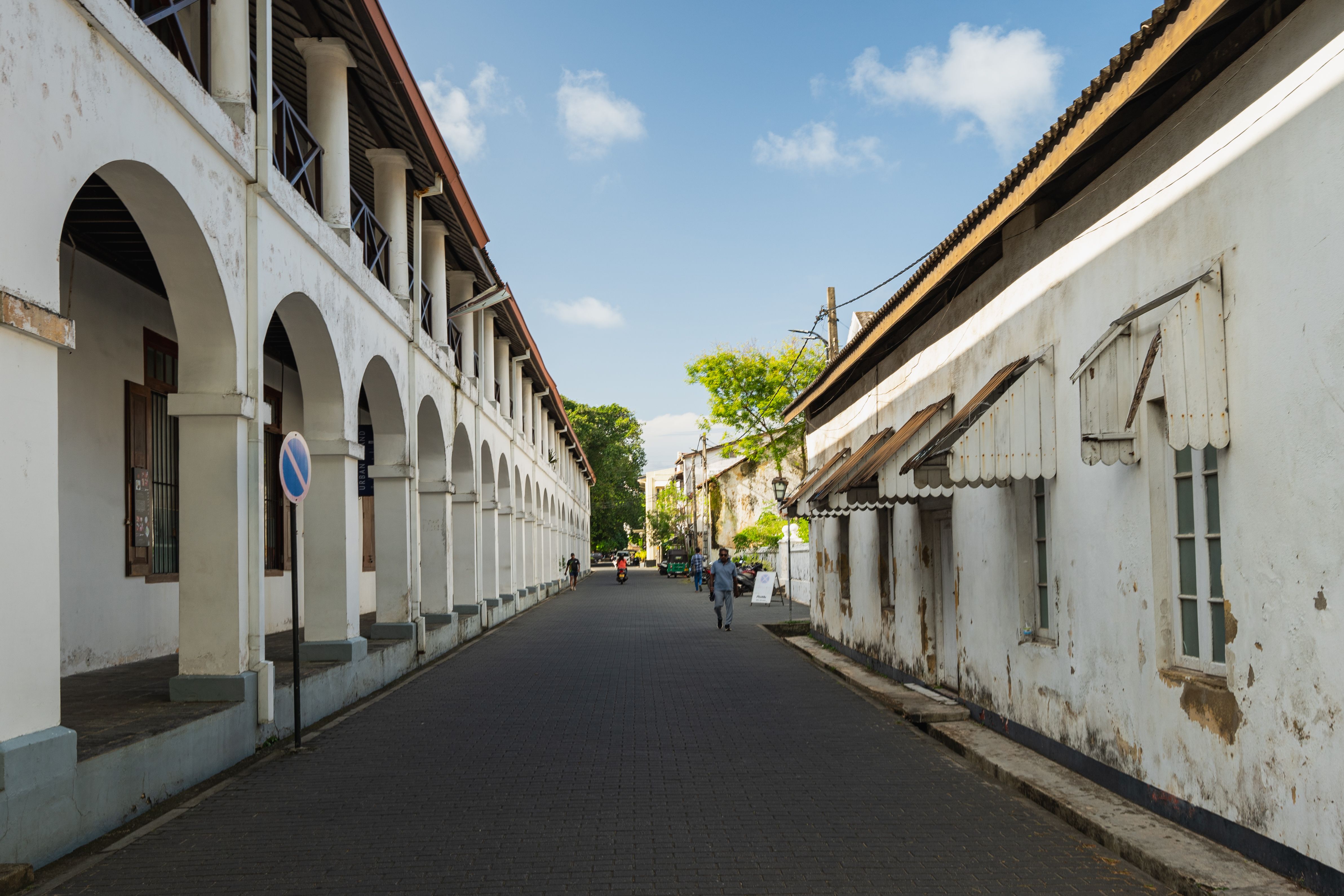
Originally founded as a small fishing village named Mzizima, the city was transformed in the mid-19th century by Sultan Majid bin Said of Zanzibar, who renamed it Dar es Salaam, meaning 'Abode of Peace' in Arabic. It served as an important port for the German East Africa Company and later became the capital under the British mandate following World War I.
After Tanzania achieved independence in 1961, Dar es Salaam continued to serve as the nation's political and commercial center until the government moved its administrative functions to Dodoma. Despite this shift, the city remains the primary gateway for commerce, industry, and culture in Tanzania, continuously expanding its influence in the East African region.
1862
FoundationSultan Majid bin Said of Zanzibar began the development of the city, transitioning it from a village to a port.
1891
German Colonial EraThe city became the administrative capital of German East Africa, leading to significant infrastructure development.
1916
British MandateThe city was captured by British forces during World War I, remaining under British control until independence.
1961
IndependenceTanganyika gained independence from Britain, and Dar es Salaam became the capital of the new nation.
1974
Capital ShiftThe Tanzanian government decided to move the capital to Dodoma, though Dar es Salaam remains the commercial hub.
Where to Stay
Choose your base camp
Distinct neighbourhoods, different rhythms. Pick the one that fits your work-life balance.
Expat Favourite
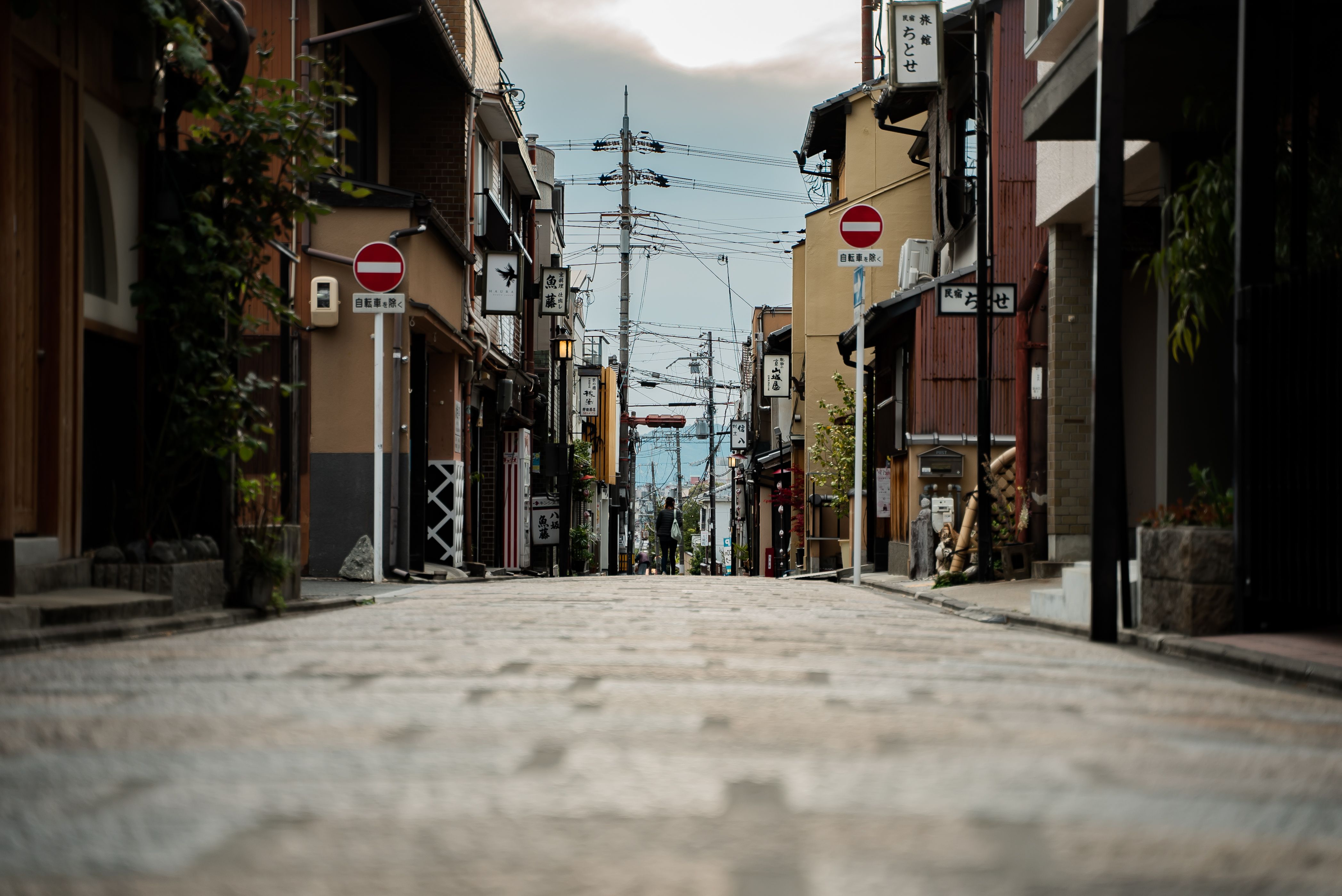
Masaki
Known as the most affluent area, it features secure compounds and high-end dining. Rent is higher here, reflecting the premium amenities and proximity to the coast.
Central & Accessible
Kinondoni
A vibrant neighborhood that offers a mix of residential and commercial spaces. It is a great middle ground for those wanting a local feel with convenient access to the city center.
Budget Hub
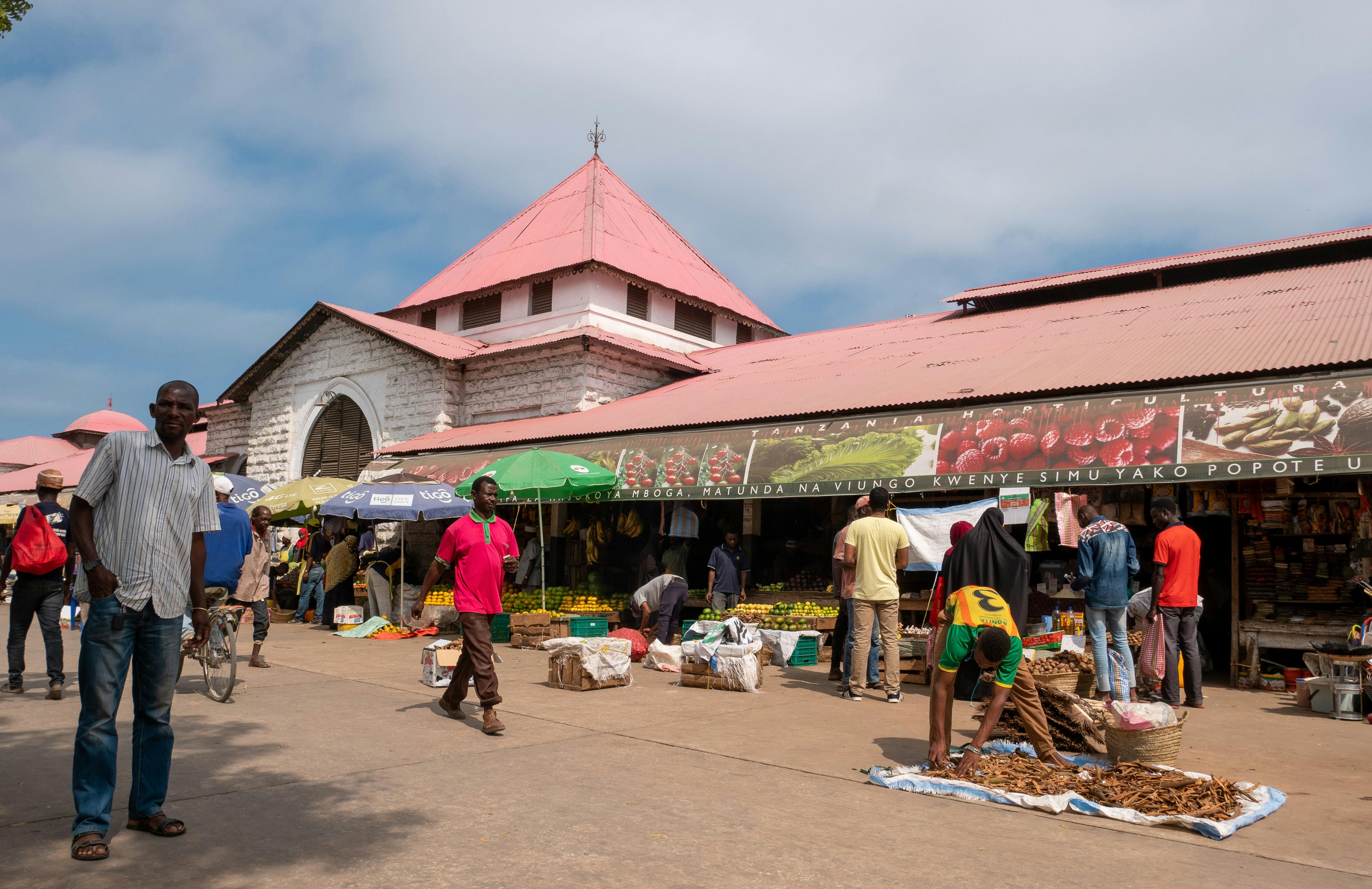
Kariakoo
The bustling commercial heart where you will find the most affordable goods and housing. It is high-energy, crowded, and perfect for those on a tight budget.
Places to Go
The experiences that will make you never leave
These aren't tourist checkboxes — they're the experiences that reset your sense of what's normal.

Top Pick
National Museum of Tanzania
This museum offers an excellent overview of the history of the country, including exhibits on the fossil discoveries at Olduvai Gorge. It is the perfect place to begin your cultural orientation in the city.
Wikipedia
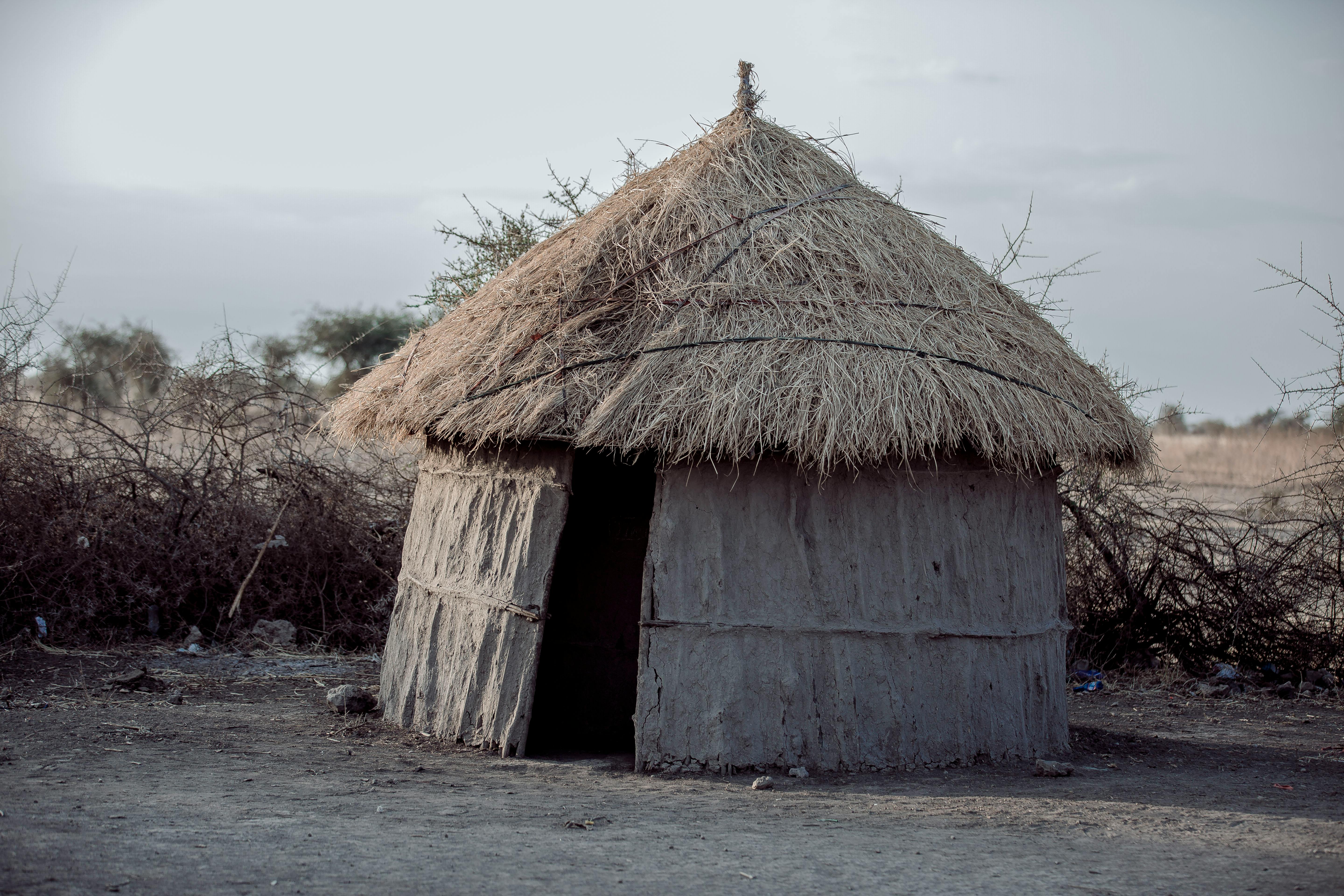
Village Museum
An open-air museum that showcases the traditional housing styles of various Tanzanian tribes. It provides a rare glimpse into the rural architectural heritage of the country within an urban setting.
Official Tourism
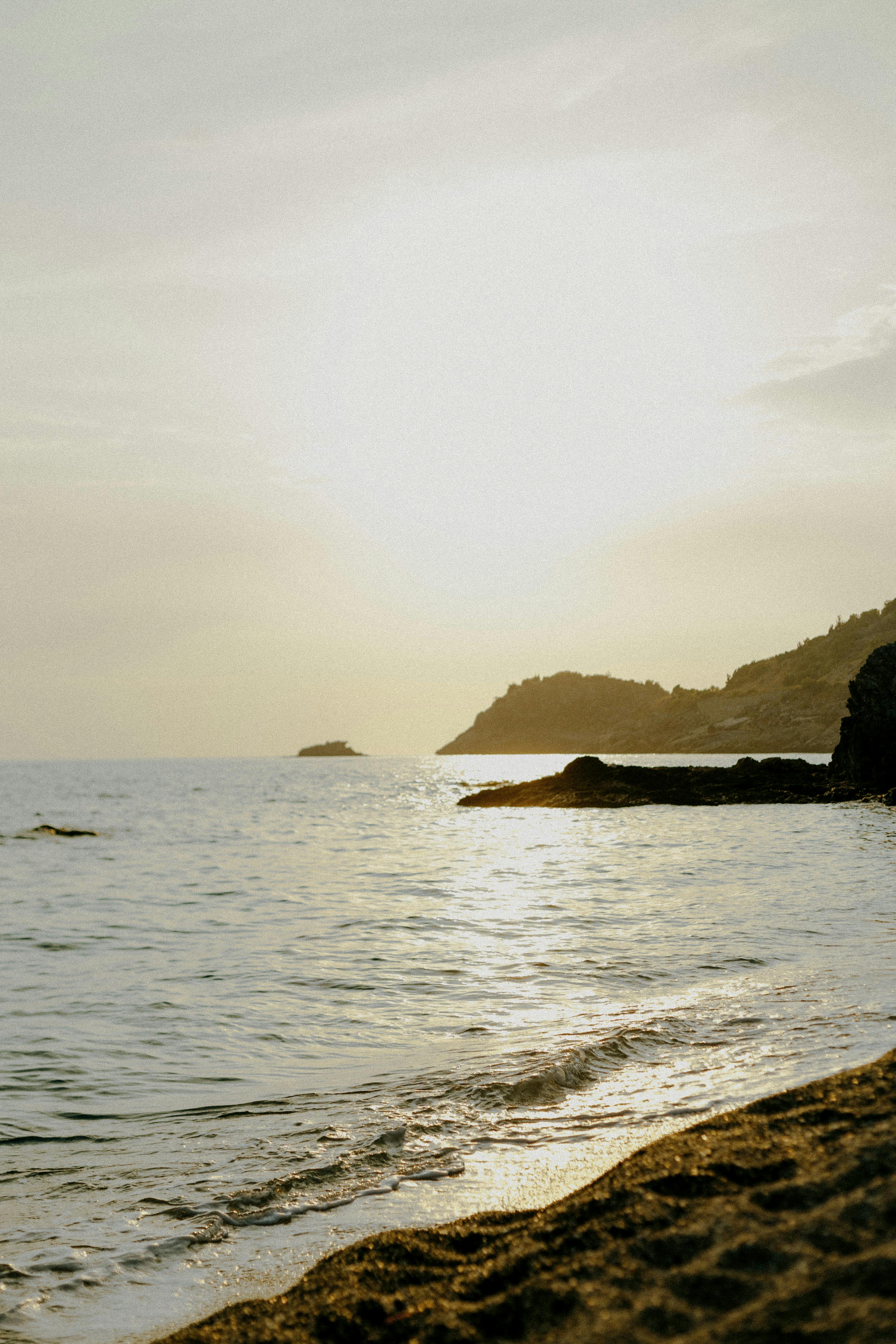
Bongoyo Island
A short boat ride from the city, this uninhabited island is part of a marine reserve. It features pristine beaches and crystal-clear waters, making it an ideal weekend escape from the urban noise.

Work & Connectivity
Stay connected wherever you work
The nomad community here is real — cafés and coworking spaces where you can work and meet others.
Co-Space Dar
A dedicated space for professionals looking for a reliable environment to work. It offers a professional atmosphere and essential office amenities.
Nafasi Art Space
While primarily an arts venue, it provides creative spaces that are excellent for remote workers who appreciate a more artistic, non-corporate environment.
Budget & Costs
What it costs to live in Dar es Salaam
Choose your lifestyle tier. Comfortable = furnished accommodation, local + occasional Western food, transport, leisure.
$1387
per month · USD · comfortable lifestyle
ModerateFurnished studio, local restaurants, transport, and weekend trips.
Exchange rates
Check xe.com or your bank for current USD to local currency.
Check xe.com or your bank for current USD to local currency.
🏠 Rent 37%$511/mo
🍽️ Food 26%$365/mo
🚌 Transport 8%$110/mo
💡 Utilities 5%$73/mo
🎭 Leisure 16%$219/mo
🏥 Health 8%$110/mo
Connectivity
Well connected to the world
Internet and transport options for remote workers.
📶
Internet
Good — fibre common
Check local providers.
🏢
Coworking
From ~$80/mo
Dedicated spaces available.
🚌
Local Transit
5 / 10
Scooter and taxi common.
DAR
Julius Nyerere International Airport
20 km from centre
addisababaamsterdamarushacairodubaiistanbuljohannesburgkigali
Safety & Visa
Safe, welcoming, and easy to enter
Safety Score6 / 10
✗ Tap Water✓ Night Safe📞 112 or local emergency number
Visa
Check your entry options
Many nationalities get visa-free or visa-on-arrival. Check official government sources for your citizenship before travel.
Culture & Festivals
Local soul, nomad-friendly
Multiculturalism5/10
Foodie Scene5/10
Remote work
Jul
Saba Saba Day
A major trade fair held in Dar es Salaam celebrating the founding of the ruling party; it involves massive crowds and exhibitions.
Oct
Bagamoyo Arts Festival
Held annually near the city, this festival celebrates Tanzanian music, dance, and culture with performances from around the region.
For those seeking a weekend getaway, the ferry to Zanzibar is incredibly convenient and offers a completely different, historic island experience just a few hours from the mainland.
Food & Nightlife
A feast for every mood
From street food to cafés and nightlife — every meal is an event.
Street Food
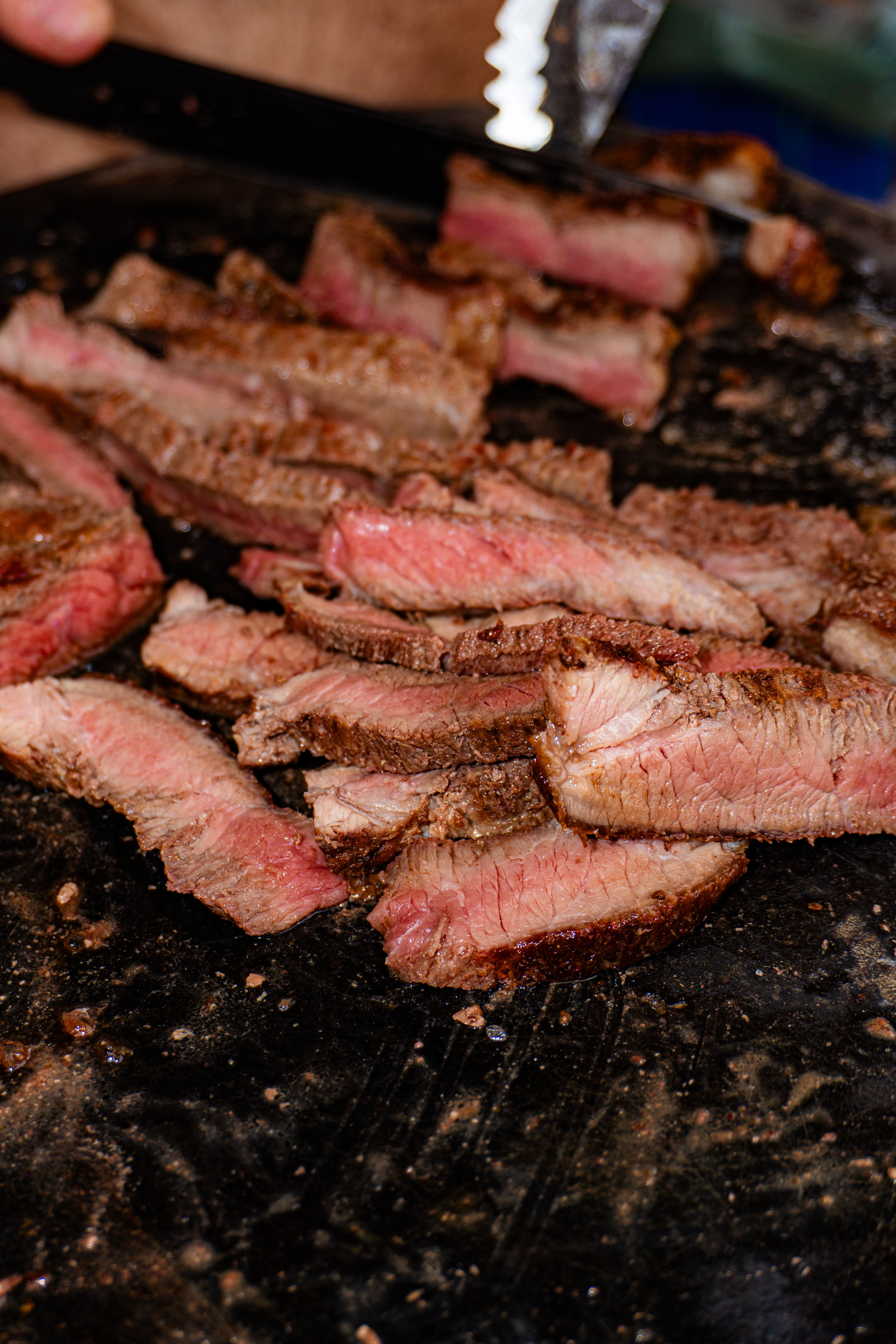
Vibandas
Small, local food stalls known as 'vibandas' offer authentic Swahili dishes like ugali and nyama choma. They are the most affordable way to eat in the city.

Café Culture
Masaki Coffee Shops
The Masaki area hosts several upscale cafes that serve excellent Tanzanian coffee. They are popular spots for local meetings and digital nomads working on their laptops.
Climate
Best months: Jan, May, Jun, Jul, Aug, Sep, Oct, Nov, Dec
Avg humidity75%
Avg AQI70
Dar es Salaam is generally pleasant year-round, though planning around rainfall is key. The best months for your visit are January and the dry periods spanning May through December. These months offer the most comfortable conditions for exploring the city's outdoor spaces and commuting between neighborhoods.
While there is no single month to strictly avoid, be mindful of the peak rainy seasons which can occasionally impact travel plans. By staying flexible during the transition months, you can enjoy the city’s steady rhythm and moderate temperatures throughout your stay.
Monthly temperatures °C
BestAvoidShoulder
Practical Info
Everything you need to know
🏥
Healthcare
There are several private clinics in Dar es Salaam that provide quality care for minor issues. For serious emergencies, ensure you have comprehensive international health insurance.
💱
Money
The Tanzanian Shilling (TZS) is the local currency. While credit cards are accepted in high-end venues, cash remains essential for daily transactions and local markets.
🌐
Language & Etiquette
Swahili and English are the official languages. Learning basic Swahili phrases will significantly improve your interactions with locals and is highly appreciated.
Tips
Quick tips
- Always carry a power bank for your devices.
- Use ride-hailing apps for safer and fixed-price transport.
- Learn basic Swahili greetings; it changes the tone of every interaction.
- Avoid tap water; stick to bottled or filtered options.
- Keep your passport and important documents in a secure, fireproof safe.
- Visit the fish market at the port early in the morning for a cultural highlight.
- Join local expat and nomad groups on Facebook for up-to-date events.
Further Reading