
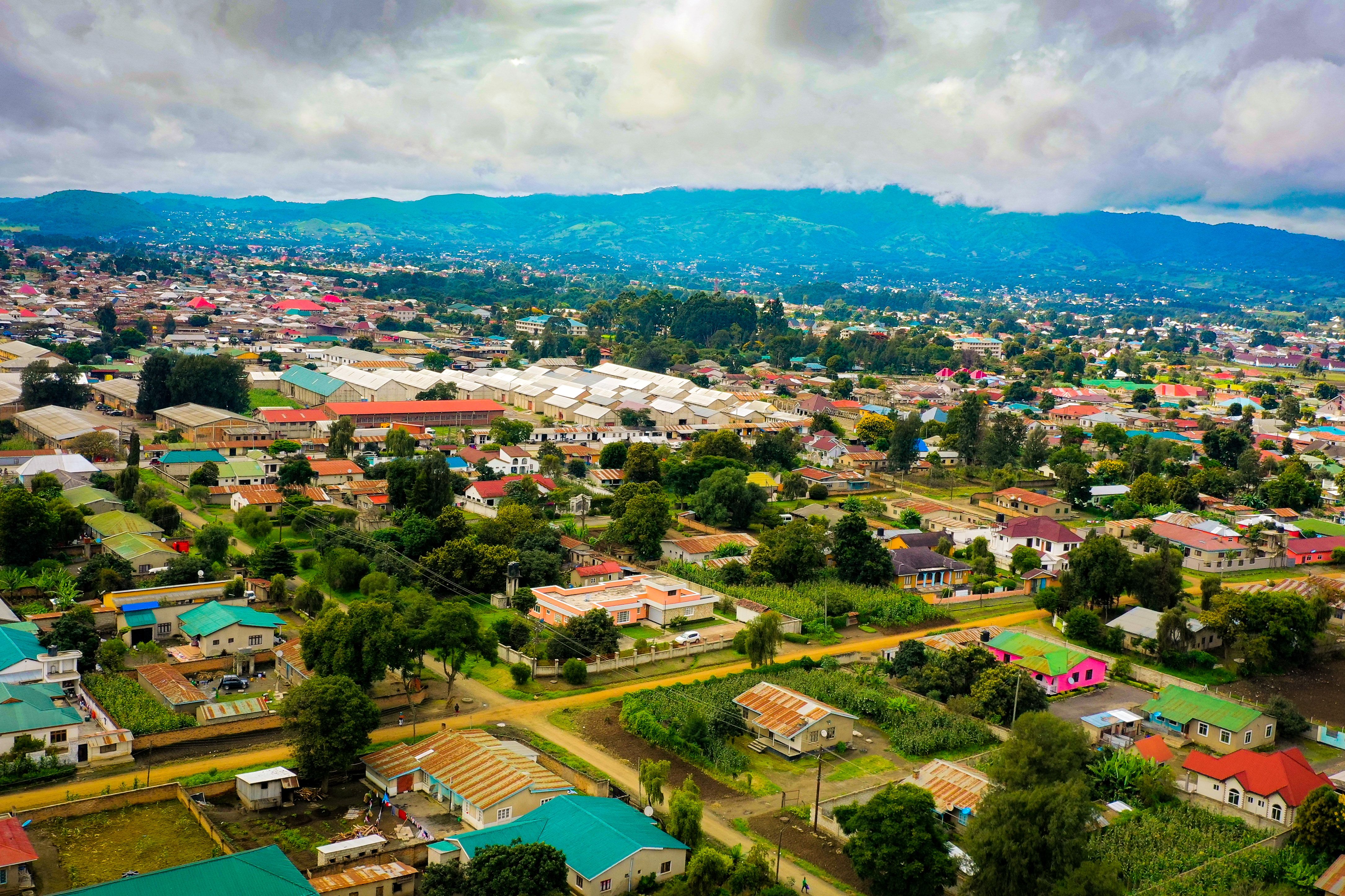
Stone Town · Tanzania
Overview
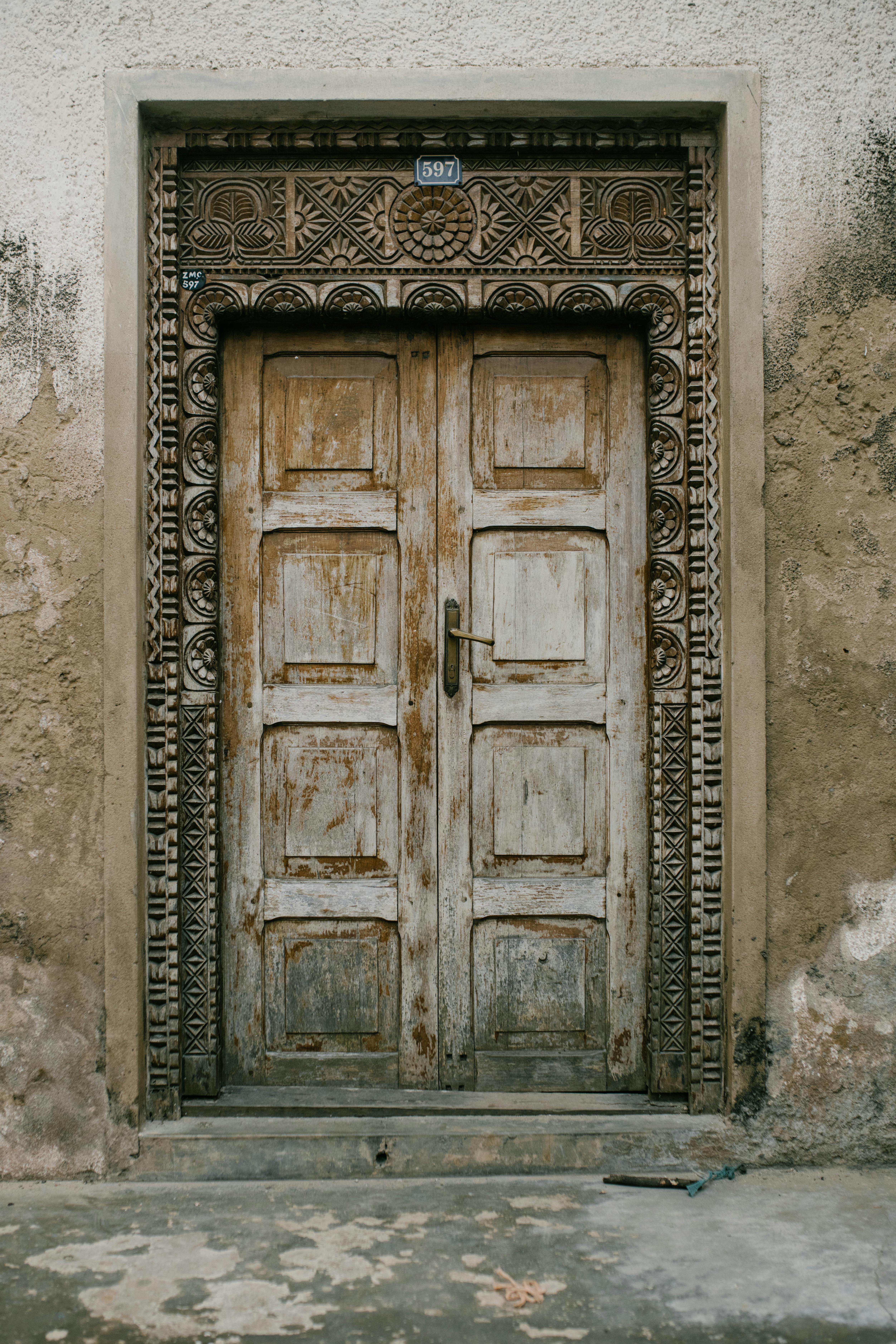
Stone Town is a labyrinth of history where every carved wooden door tells a story of the Indian Ocean trade.
Stone Town is more than just a transit hub; it is a UNESCO World Heritage site where narrow, winding alleys open into vibrant markets and historic courtyards. For remote workers, the city offers a unique atmosphere that balances high-intensity cultural immersion with the relaxed pace of an East African island. The digital nomad community here is growing, supported by a few dedicated spaces and a lifestyle that prioritizes work-life balance.
While infrastructure like internet connectivity can be challenging compared to major tech hubs, the trade-off is a cost of living that remains accessible for many. Navigating the cost of living in Stone Town effectively involves mixing local experiences with imported comforts. Make sure to check the climate patterns before you arrive to ensure you land during the most pleasant months for your outdoor work sessions.
History
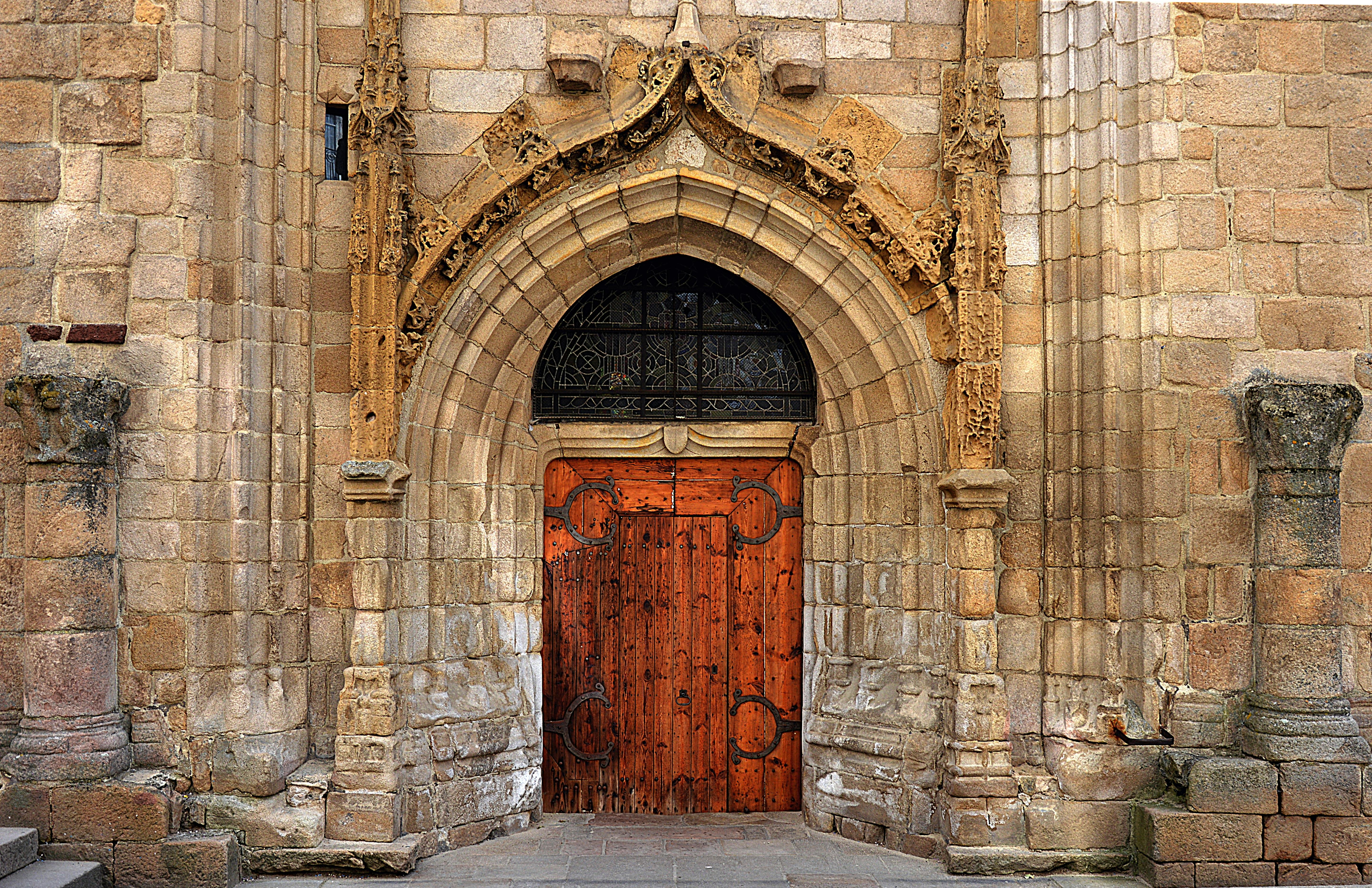
Stone Town's history is deeply rooted in its position as a major trading post in the Indian Ocean.
Stone Town's history is deeply rooted in its position as a major trading post in the Indian Ocean. Over the centuries, it became a crossroads for African, Arab, Indian, and European influences, resulting in the unique architectural character it retains today. The town rose to prominence as a center for the spice trade and served as a base for various explorers and merchants.
During the 19th century, Stone Town functioned as the capital of the Zanzibar Sultanate and became a vital, albeit complex, hub for maritime trade. The city's architecture reflects this era, featuring iconic carved wooden doors and coral-stone construction. Today, as a UNESCO site, it continues to preserve its historical identity while modernizing to accommodate visitors and a new wave of digital residents.
1830s
Rise of the SultanateSultan Seyyid Said moved his capital from Muscat to Zanzibar, cementing the city's importance as a regional power.
1890
British ProtectorateZanzibar officially became a British protectorate, influencing the legal and social structure of the island.
1964
Zanzibar RevolutionThe overthrow of the Sultan led to the formation of the People's Republic of Zanzibar and eventually the union with Tanganyika.
2000
UNESCO RecognitionStone Town was designated a UNESCO World Heritage site, focusing global attention on its architectural preservation.
Where to Stay
Choose your base camp
Distinct neighbourhoods, different rhythms. Pick the one that fits your work-life balance.
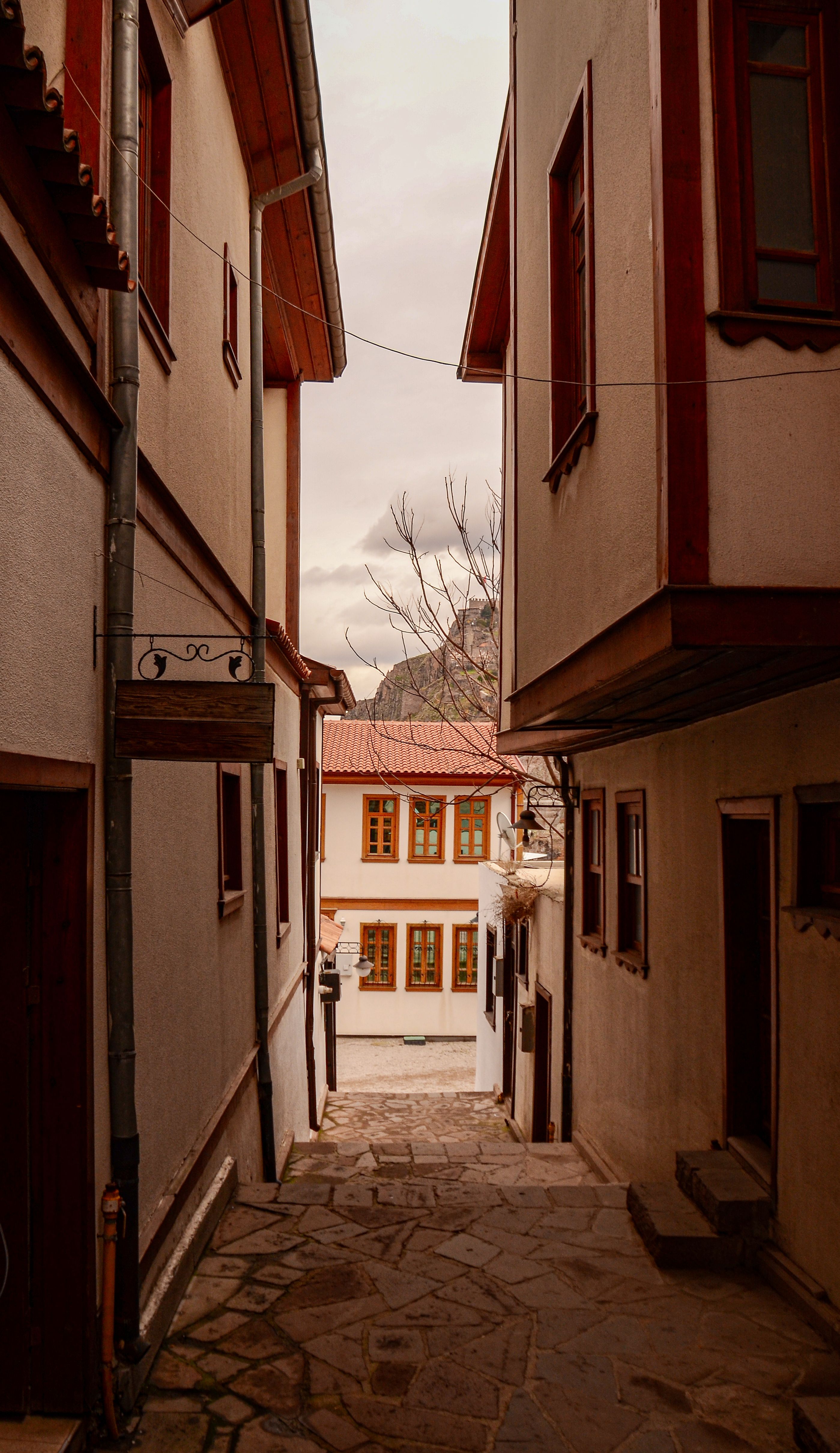
Historic Heart
Central Stone Town
The most atmospheric area to stay, surrounded by historic buildings and narrow alleys. Expect a mix of boutique hotels and hostels.
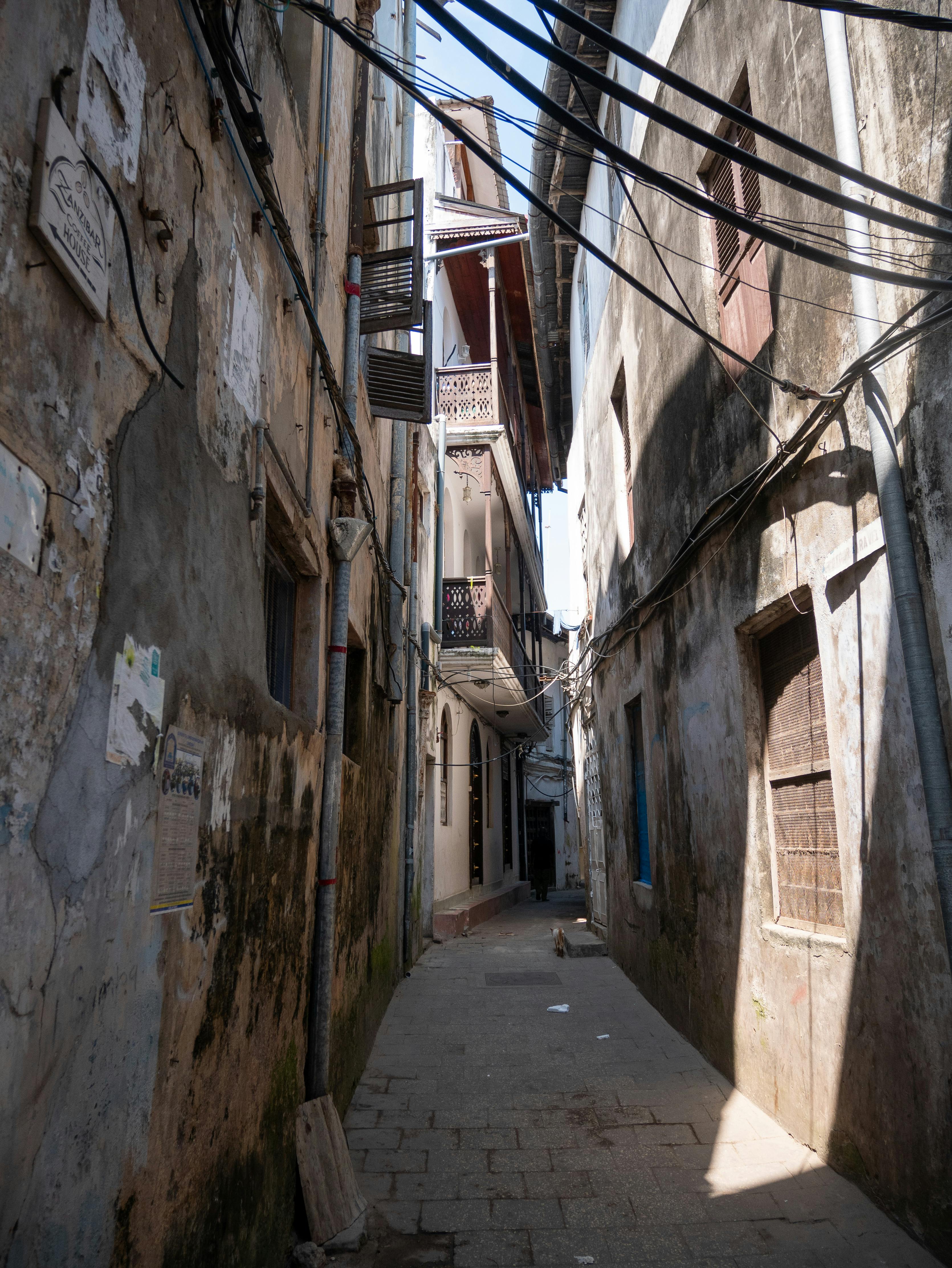
Local Vibe
Malindi
A more residential area that offers a deeper look into local life. It is slightly quieter than the main tourist center.
Coastal Living
Shangani
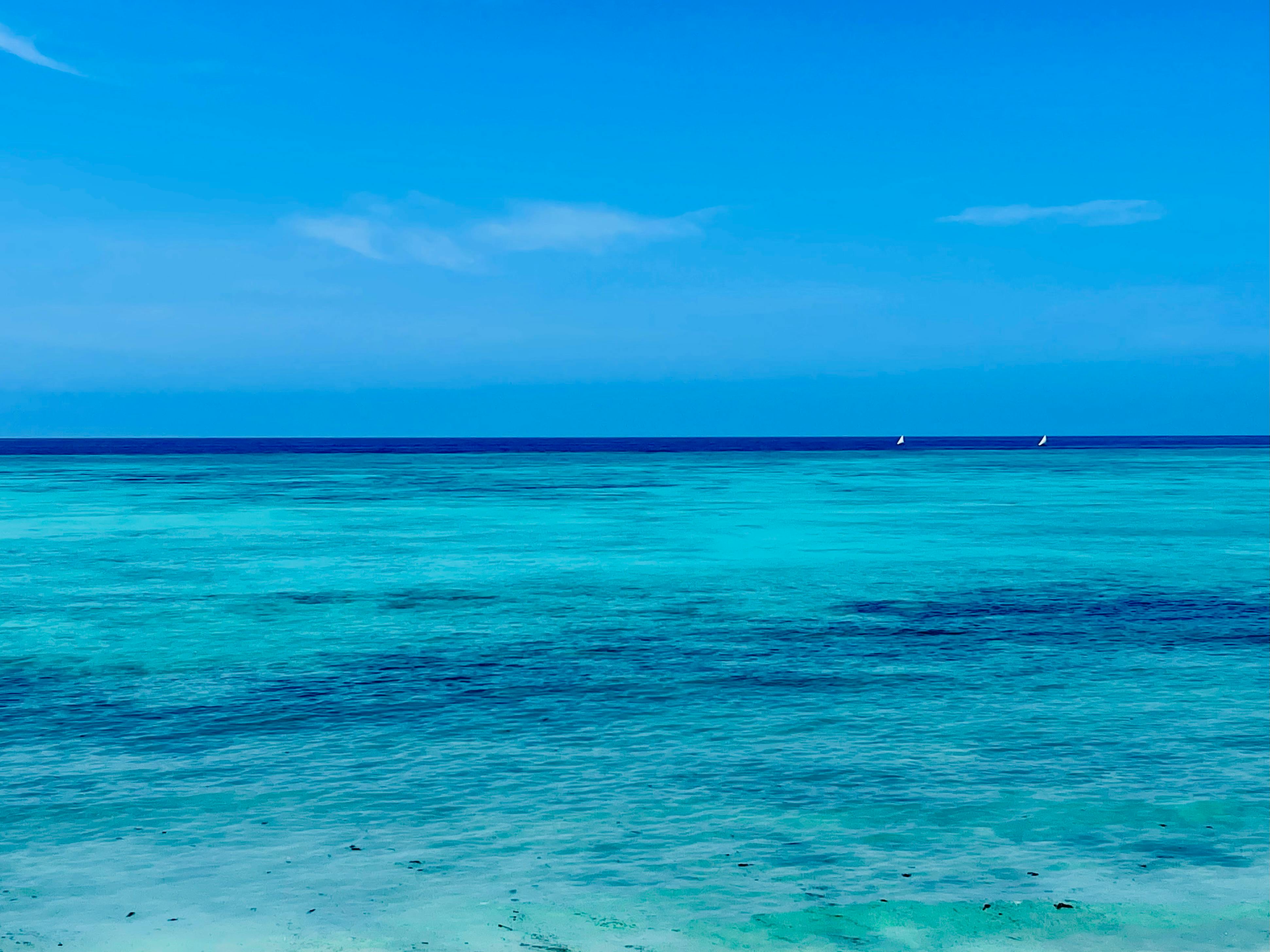
Located near the coastline, this area offers easier access to the beach and numerous cafes. It is a preferred spot for long-term visitors.
Places to Go
The experiences that will make you never leave
These aren't tourist checkboxes — they're the experiences that reset your sense of what's normal.
Top Pick
The Old Fort (Ngome Kongwe)
Built by the Omani Arabs in the 17th century, this is the oldest building in Stone Town. It now serves as a cultural center and an open-air amphitheater for evening events.

Zanzibar Tourism
Forodhani Gardens
This waterfront park comes alive at night with a famous street food market. It is the best place to sample local Zanzibar pizza and fresh seafood skewers.

Wikipedia
House of Wonders
Once the tallest building in East Africa, this historic landmark showcases the grandeur of the Sultanate era. It is currently under restoration, but remains a vital site for photography.

Work & Connectivity
Stay connected wherever you work
The nomad community here is real — cafés and coworking spaces where you can work and meet others.
Zanzibar Hub 📍
The primary coworking space in the city offering desks, community, and reliable internet for digital nomads.
Budget & Costs
What it costs to live in Stone Town
Choose your lifestyle tier. Comfortable = furnished accommodation, local + occasional Western food, transport, leisure.
$1278
per month · USD · comfortable lifestyle
ModerateFurnished studio, local restaurants, transport, and weekend trips.
Exchange rates
Check xe.com or your bank for current USD to local currency.
Check xe.com or your bank for current USD to local currency.
🏠 Rent 40%$511/mo
🍽️ Food 26%$329/mo
🚌 Transport 6%$73/mo
💡 Utilities 5%$66/mo
🎭 Leisure 14%$183/mo
🏥 Health 9%$117/mo
Connectivity
Well connected to the world
Internet and transport options for remote workers.
📶
Internet
Good — fibre common
Check local providers.
🏢
Coworking
From ~$80/mo
Dedicated spaces available.
🚌
Local Transit
5 / 10
Scooter and taxi common.
20 km from centre
Safety & Visa
Safe, welcoming, and easy to enter
Safety Score6 / 10
✗ Tap Water✓ Night Safe📞 112 or local emergency number
Visa
Check your entry options
Many nationalities get visa-free or visa-on-arrival. Check official government sources for your citizenship before travel.
Culture & Festivals
Local soul, nomad-friendly
Multiculturalism5/10
Foodie Scene5/10
Remote work
Feb
Sauti za Busara
A massive celebration of African music held annually, attracting artists and fans from across the continent.
Jul
Zanzibar International Film Festival
The largest cultural event in East Africa, featuring films from all over the world.
Take a short boat trip to Prison Island to see the giant tortoises; it is a perfect half-day escape from your laptop.
Food & Nightlife
A feast for every mood
From street food to cafés and nightlife — every meal is an event.

Street Food
Forodhani Night Market
The go-to spot for cheap, authentic Tanzanian street food. Try the Zanzibar pizza and sugarcane juice.
Café Culture
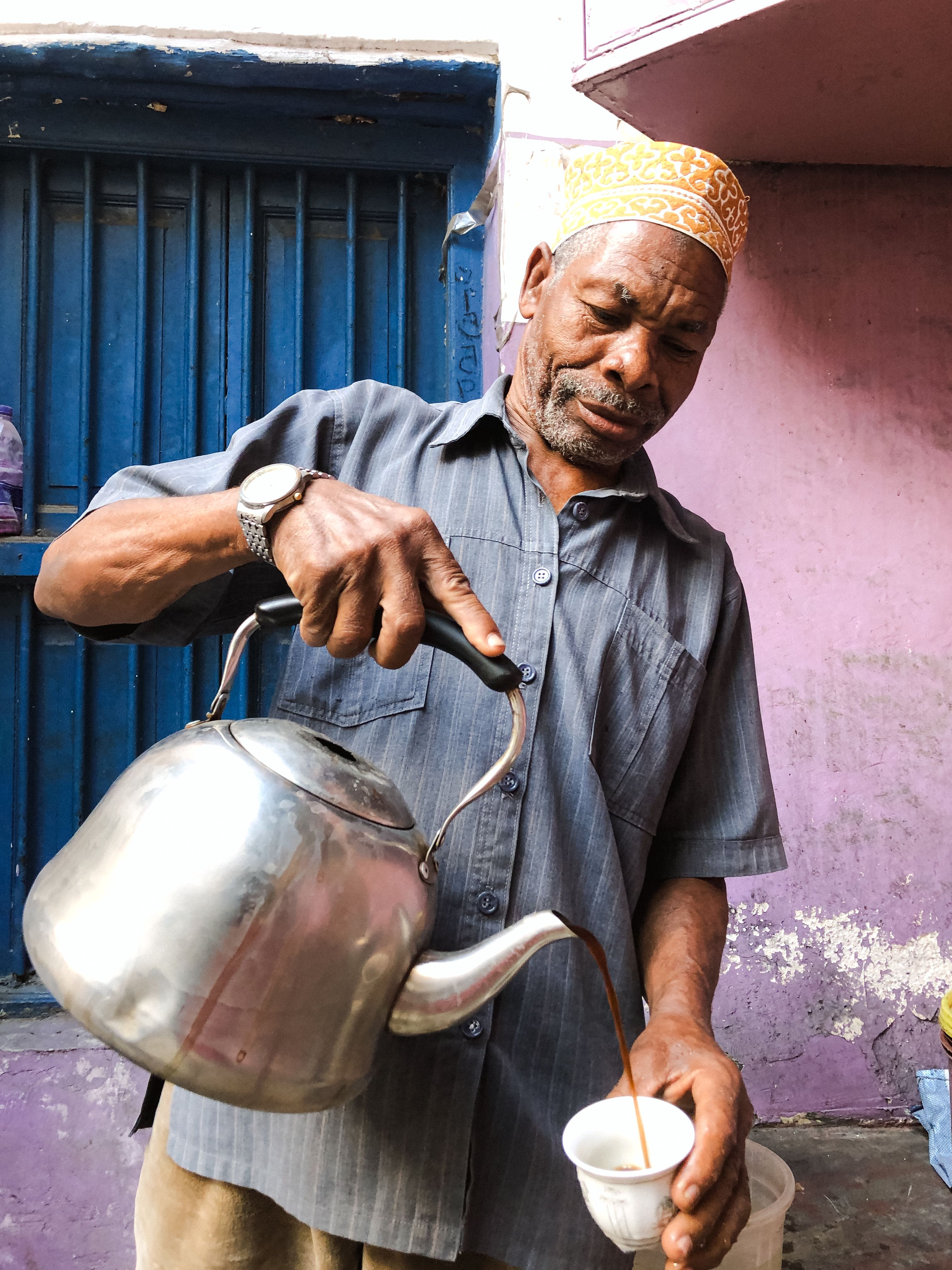
Stone Town Coffee Houses
Several hidden courtyards offer excellent coffee and quiet corners to work on your laptop during the day.
Climate
Best months: Jan, Feb, May, Jun, Jul, Aug, Sep, Dec
Avg humidity77%
Avg AQI45
Stone Town enjoys a tropical climate, with the best windows for visiting falling between January to February and June to September. These months generally offer the driest conditions, making them ideal for exploring the narrow streets and spending time at the beach. December is also a popular time, as the weather remains warm and inviting for those escaping colder northern climates.
While the city is accessible year-round, travelers should be mindful of the rainy seasons, which can sometimes impact travel plans and internet stability. The dry months are consistently better for outdoor activities, while the slightly wetter periods offer lush scenery but may require more flexible planning for remote work sessions.
Monthly temperatures °C
BestAvoidShoulder
Practical Info
Everything you need to know
🏥
Healthcare
Medical facilities are basic. Always ensure you have comprehensive travel insurance that covers emergency medical evacuation.
💱
Money
Cash is king in Stone Town. While some hotels accept cards, you will need Tanzanian Shillings for markets and small shops.
🌐
Language & Etiquette
Swahili and English are the main languages. Modest dress is respectful, especially in the historic Stone Town area.
Tips
Quick tips
- Always carry a portable power bank for long days out.
- Negotiate your taxi fares before getting into the car.
- Learn a few basic words in Swahili to connect with locals.
- Use a VPN to keep your work traffic secure.
- Try the local Zanzibar spice tea in the mornings.
- Walkable streets are tight; watch out for motorbikes.
- Always ask for permission before taking photos of people.
Further Reading