Caye Caulker · Belize
Overview
Go slow, it is not just a motto here, it is the only speed the island knows.
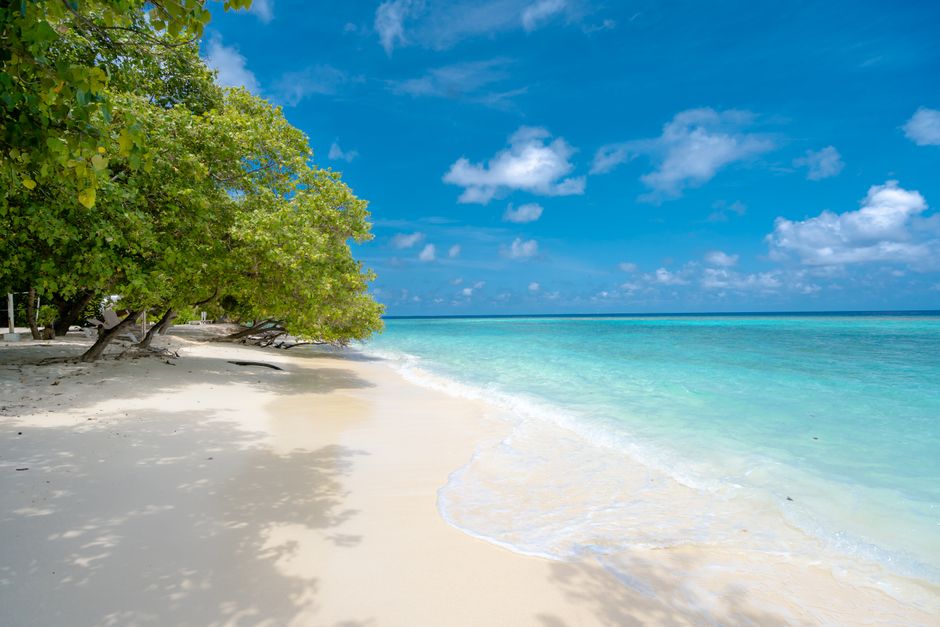
Caye Caulker is a small, sandy coral island that embodies the quintessential laid-back Caribbean spirit. The island's unofficial motto, 'Go Slow,' is not just a suggestion but a way of life that permeates every interaction on the island. For remote workers, this creates an environment where stress evaporates, though it requires a bit of planning regarding connectivity and logistics. Understanding the Cost of living in Caye Caulker is essential for long-term stays, as the island's isolation means prices for imported goods can fluctuate.
While the infrastructure is more rustic than a major metropolis, the island offers an unmatched proximity to the Belize Barrier Reef, making it a world-class destination for snorkeling and diving enthusiasts. The climate remains pleasant year-round, making it a reliable spot for those wanting to work near the turquoise water. For digital nomads, the challenge of finding high-speed fiber internet is balanced by the joy of working from a balcony overlooking the sea, provided you have a reliable mobile data backup.
History
Caye Caulker has a rich history tied to both the indigenous Maya people and the colonial influences…
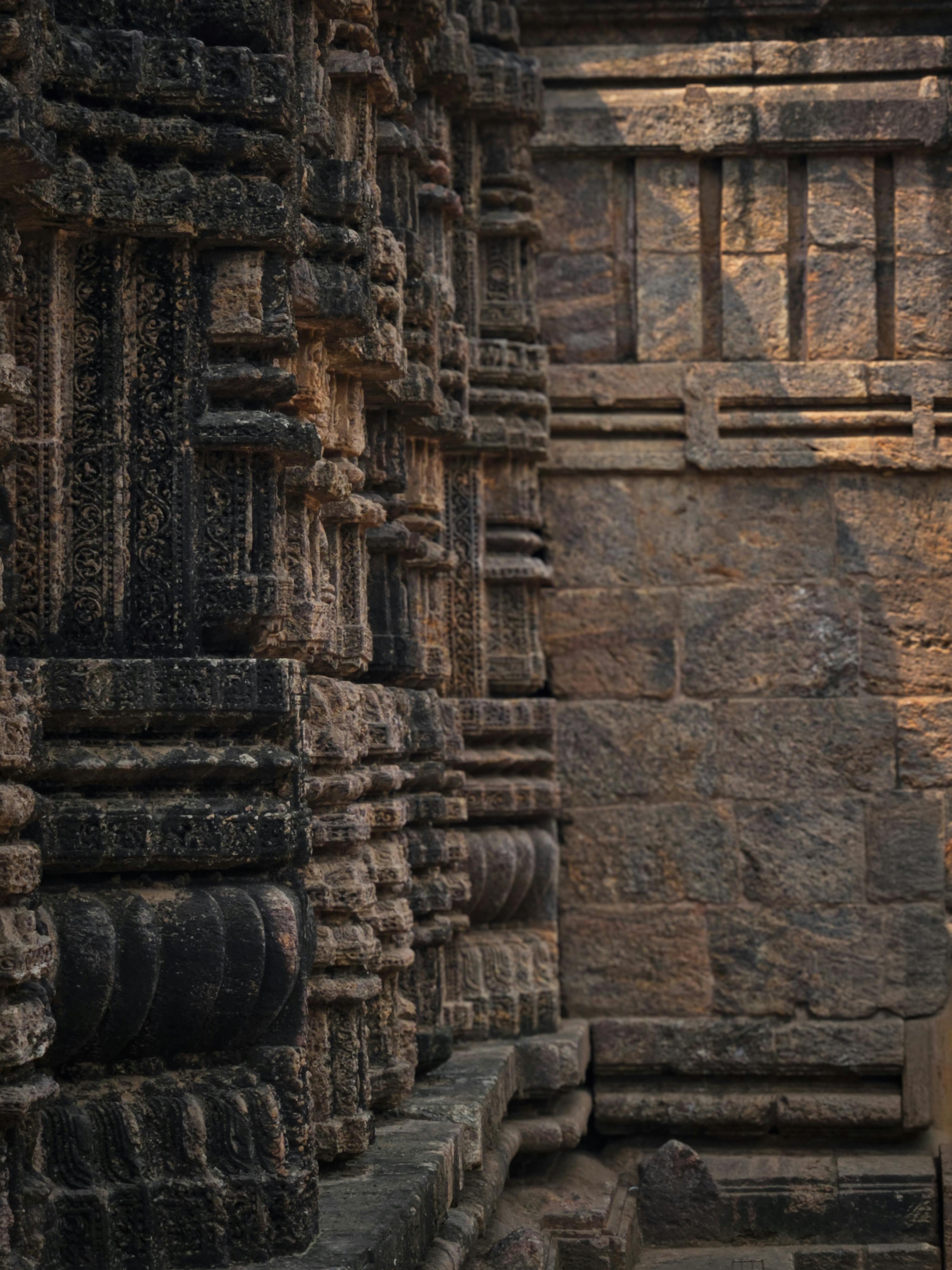
Caye Caulker has a rich history tied to both the indigenous Maya people and the colonial influences of the British Empire. Originally used by the Maya as a trading post, the island was later settled by refugees fleeing the Caste War in the Yucatan Peninsula during the 19th century. These settlers introduced fishing and coconut farming, which became the economic backbone of the island for over a century.
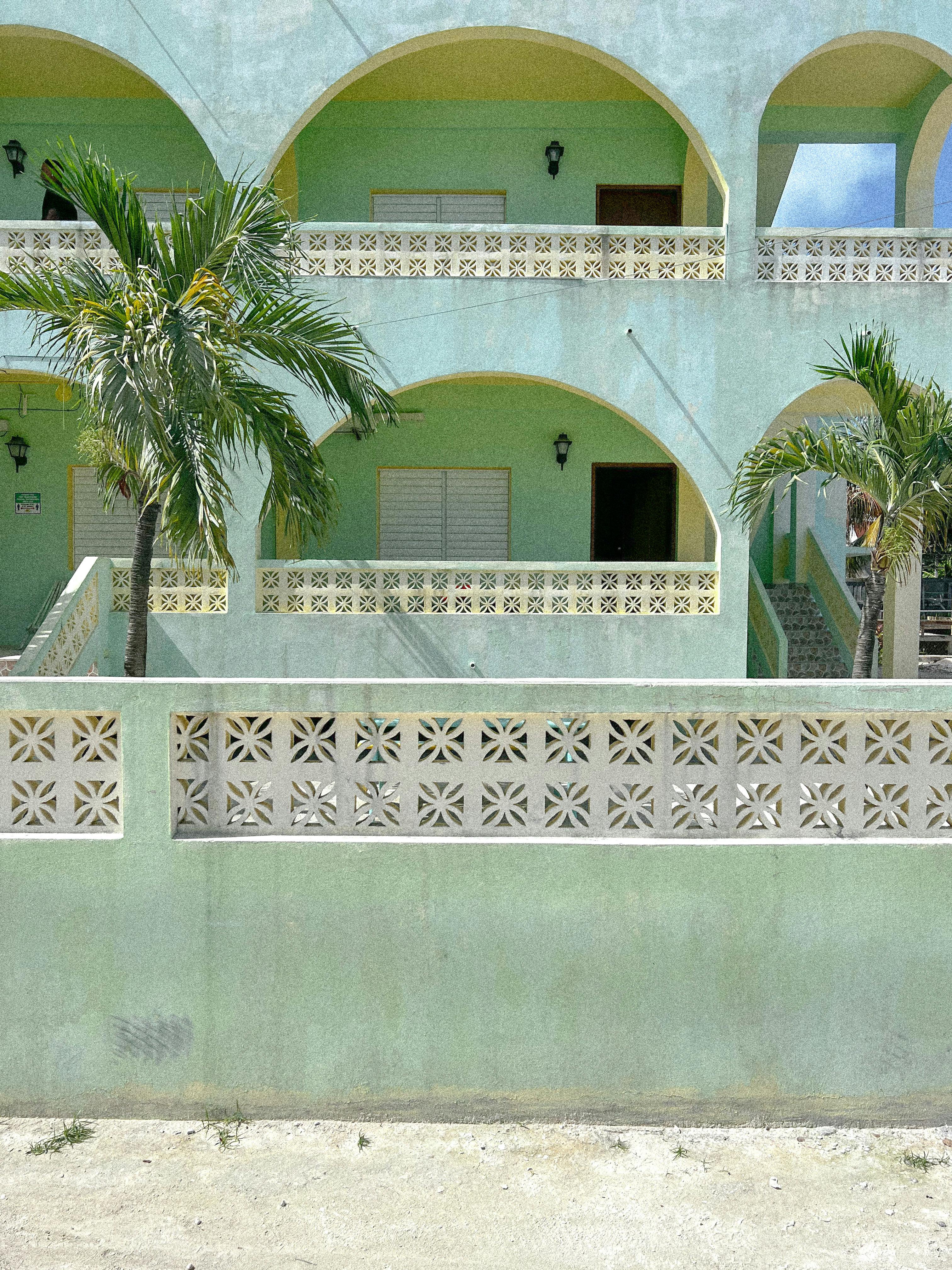
In the modern era, Caye Caulker transitioned from a sleepy fishing village to a popular destination for backpackers and, more recently, digital nomads. Despite this transformation, the community has worked hard to preserve the island's unique architecture and the distinct, relaxed atmosphere that defines its heritage as a sanctuary for those looking to disconnect from the frantic pace of the outside world.
Pre-Columbian
Maya Trading PostThe island served as a stopover for Maya maritime traders traversing the barrier reef.
1840s
Migration of SettlersFamilies fleeing the Caste War in Yucatan settled the island, establishing a permanent residential community.
1961
Hurricane HattieThe devastating hurricane significantly damaged the island, famously splitting it at 'The Split' into two parts.
1990s
Tourism GrowthThe island began its transformation into a major eco-tourism hub, prioritizing snorkeling and reef preservation.
Where to Stay
Choose your base camp
Distinct neighbourhoods, different rhythms. Pick the one that fits your work-life balance.
Central Hub
The Village Center
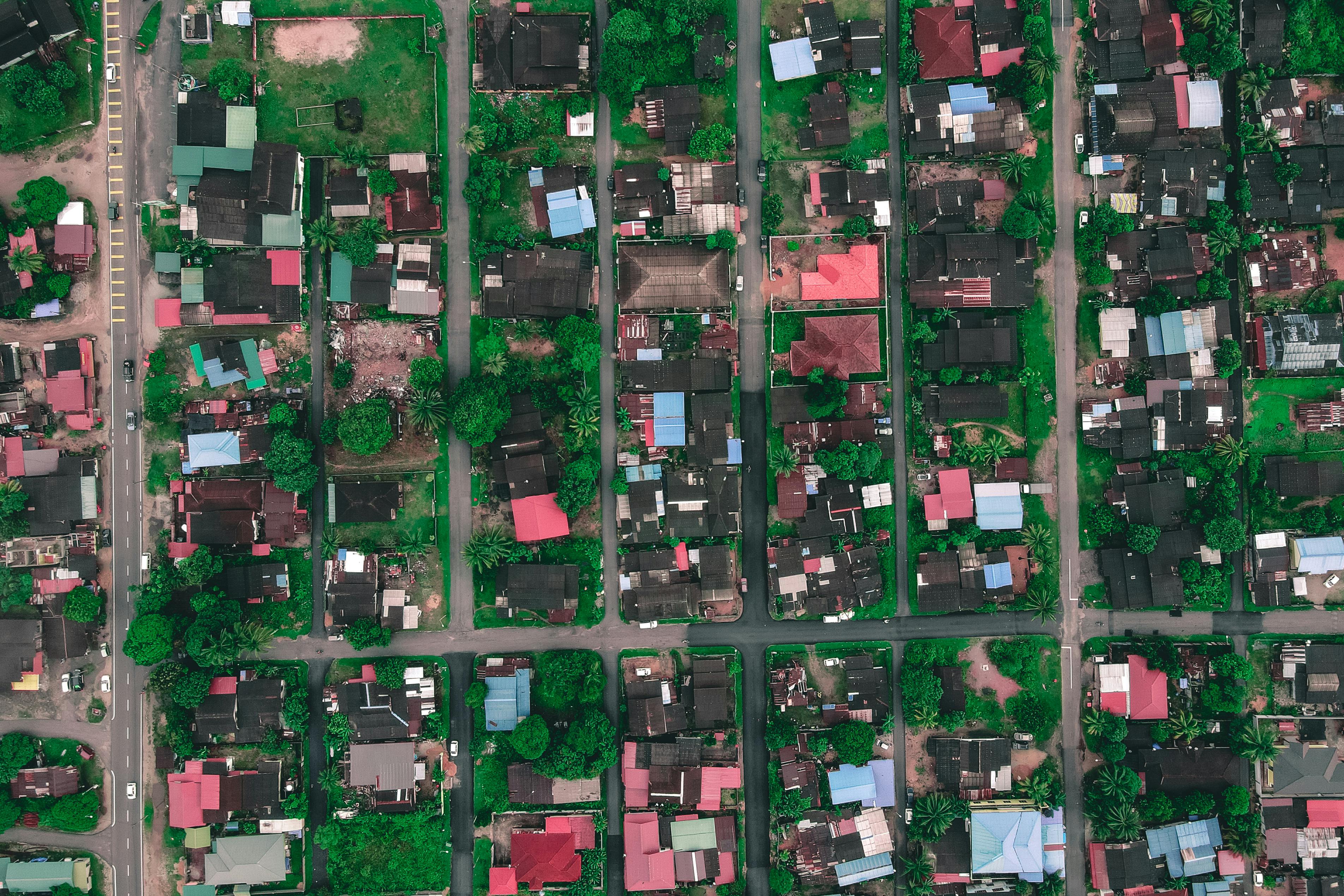
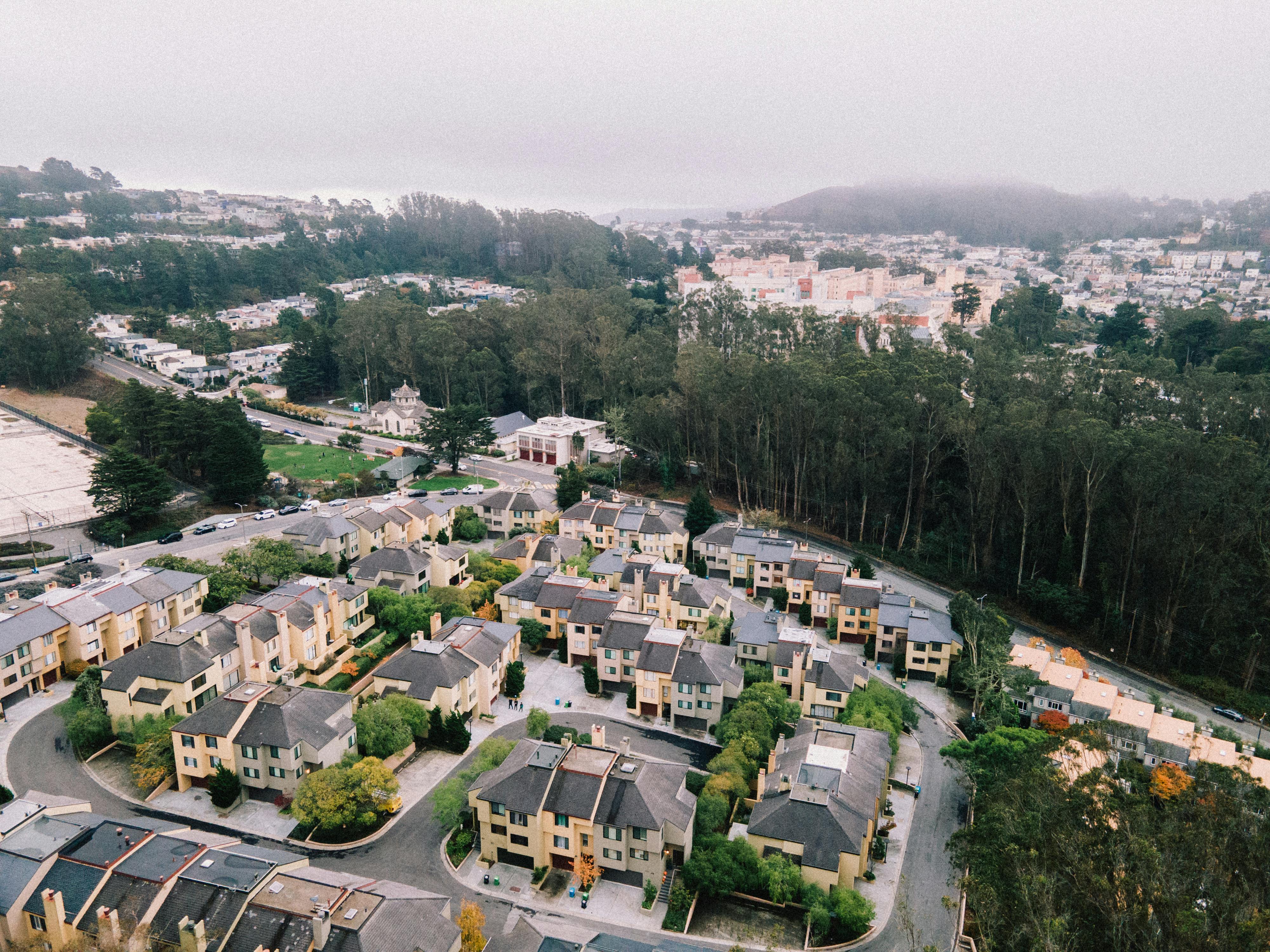
Close to the docks, this area is home to most of the shops, restaurants, and grocery stores. It is perfect if you want to be in the middle of the action.
Quiet Retreat
North Side
Accessed by a short ferry, the north side is much quieter and offers more space. It is ideal for nomads who want to focus without the daily tourist foot traffic.
Places to Go
The experiences that will make you never leave
These aren't tourist checkboxes — they're the experiences that reset your sense of what's normal.
Top Pick
The Split
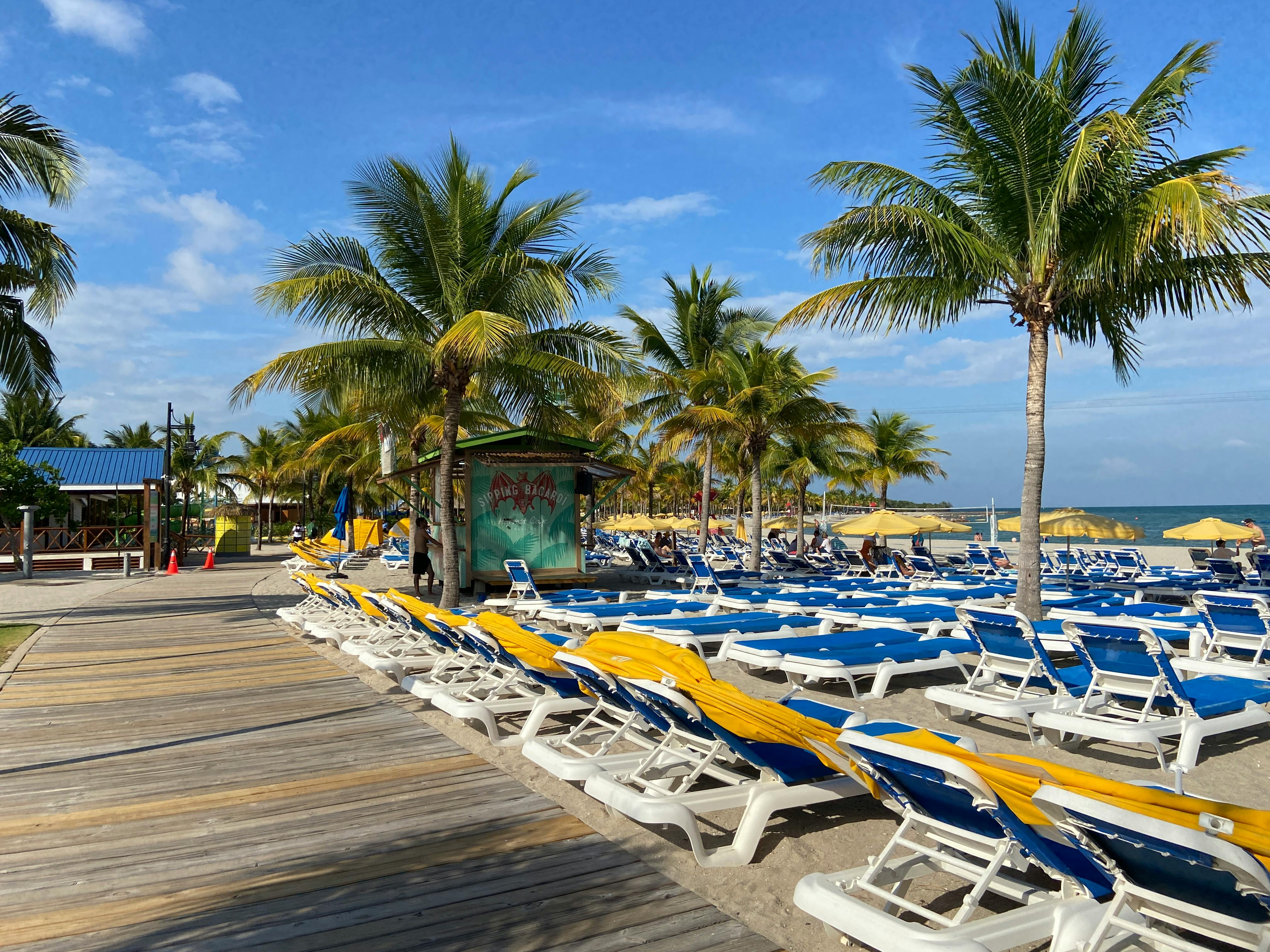
This famous swimming spot was created by a hurricane and is the most popular place to hang out, grab a drink, and enjoy the deep, clear water. It is the heart of the island's social life.
Belize Barrier Reef UNESCO
Belize Barrier Reef
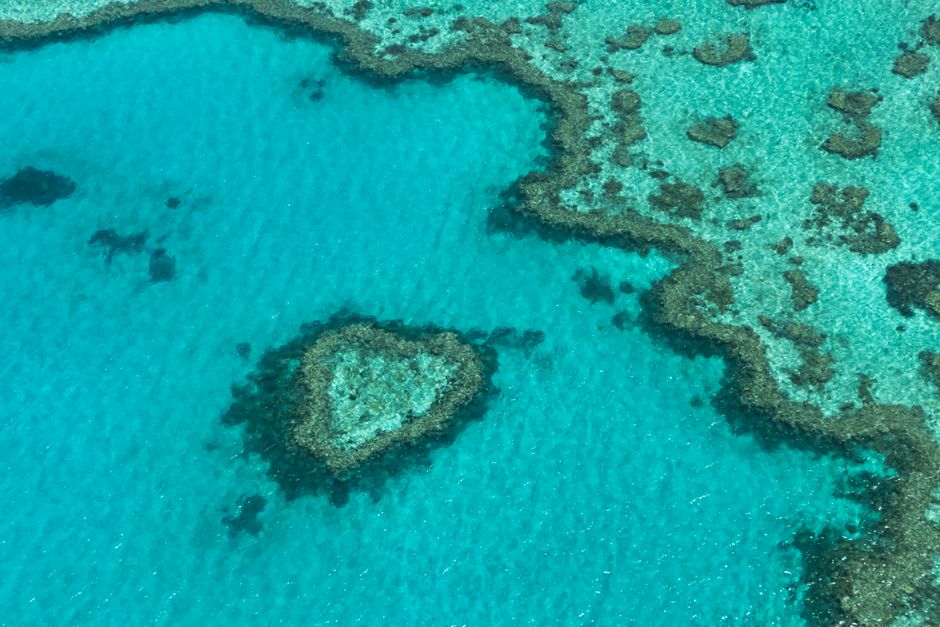
As the second-largest barrier reef in the world, it offers incredible snorkeling and diving opportunities. You can swim with nurse sharks and stingrays just a short boat ride from the shore.

Work & Connectivity
Stay connected wherever you work
The nomad community here is real — cafés and coworking spaces where you can work and meet others.
Beachfront Café Work
Many local cafes offer tables with ocean views and decent Wi-Fi for those who buy coffee and lunch. Be prepared to move if the connection drops.
Guesthouse Workspaces
Many long-term rentals are now equipped with desks specifically for digital nomads. Always ask about the specific router speed before booking.
Budget & Costs
What it costs to live in Caye Caulker
Choose your lifestyle tier. Comfortable = furnished accommodation, local + occasional Western food, transport, leisure.
$1132
per month · USD · comfortable lifestyle
ModerateFurnished studio, local restaurants, transport, and weekend trips.
Exchange rates
Check xe.com or your bank for current USD to local currency.
Check xe.com or your bank for current USD to local currency.
🏠 Rent 45%$511/mo
🍽️ Food 29%$329/mo
🚌 Transport 6%$73/mo
💡 Utilities 6%$73/mo
🎭 Leisure 10%$110/mo
🏥 Health 3%$37/mo
Connectivity
Well connected to the world
Internet and transport options for remote workers.
📶
Internet
Good — fibre common
Check local providers.
🏢
Coworking
From ~$80/mo
Dedicated spaces available.
🚌
Local Transit
5 / 10
Scooter and taxi common.
20 km from centre
Safety & Visa
Safe, welcoming, and easy to enter
Safety Score6 / 10
✗ Tap Water✓ Night Safe📞 112 or local emergency number
Visa
Check your entry options
Many nationalities get visa-free or visa-on-arrival. Check official government sources for your citizenship before travel.
Culture & Festivals
Local soul, nomad-friendly
Multiculturalism5/10
Foodie Scene5/10
Remote work
Jan
New Year's Celebrations
A vibrant time to be on the island with local parties and communal festivities.
Sep
Independence Day
Belizean pride is on full display with parades, music, and local food throughout September.
Caye Caulker is a small island, so social circles form very quickly. Make sure to attend community events to meet other long-term residents and nomads.
Food & Nightlife
A feast for every mood
From street food to cafés and nightlife — every meal is an event.
Street Food
Island Grills
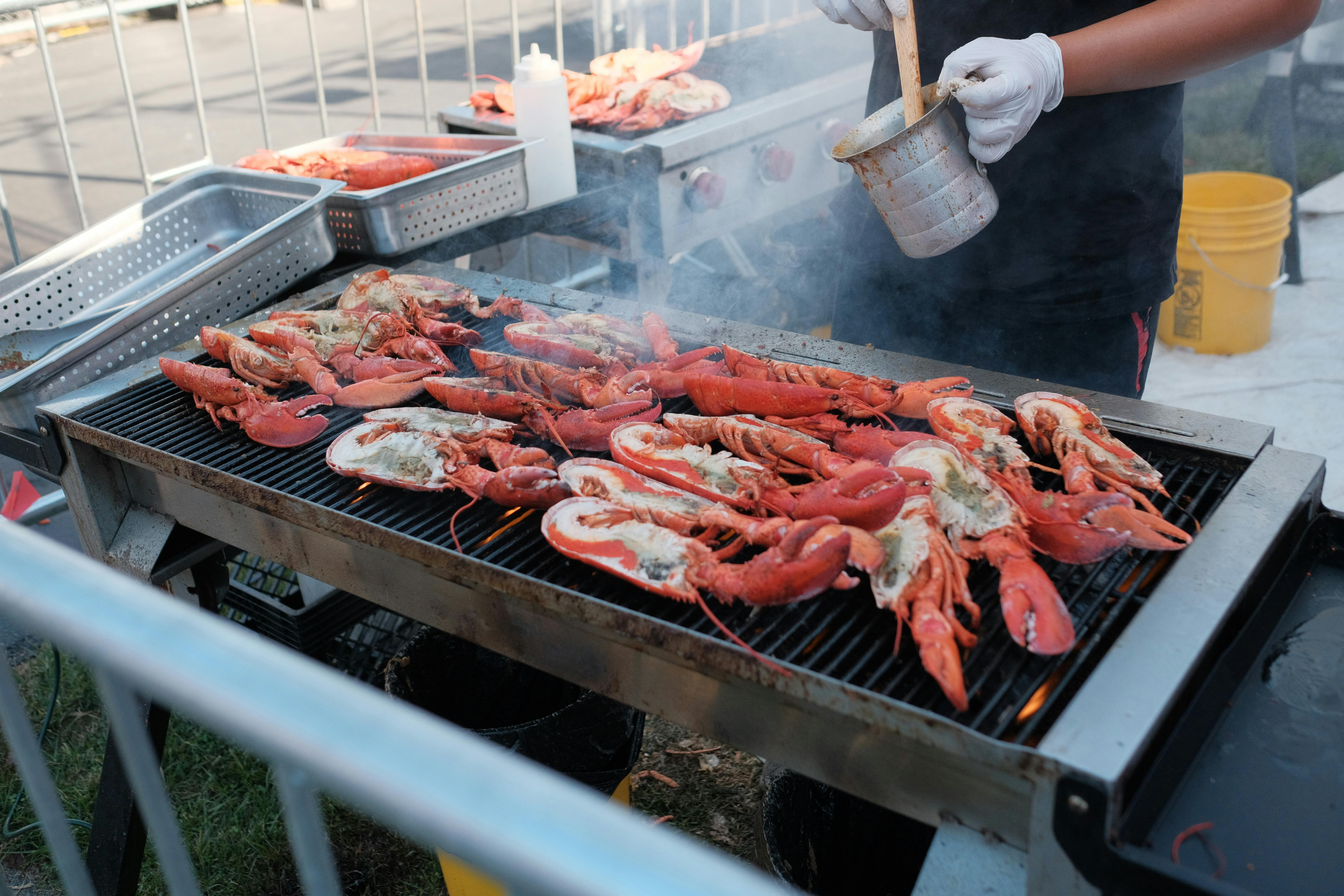
Don't miss the fresh lobster or fish grilled right on the street. It is the most affordable and authentic way to eat daily.
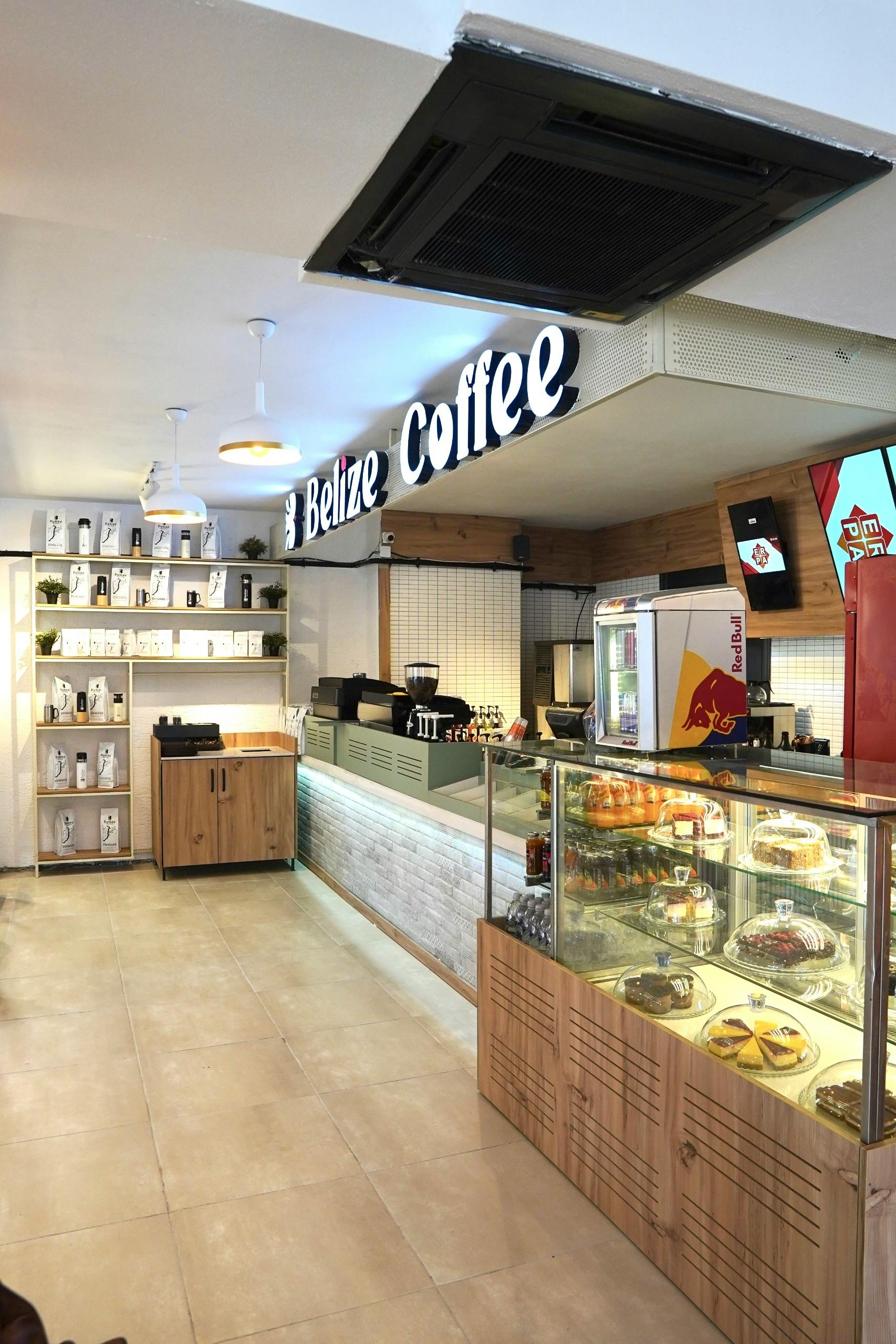
Café Culture
Local Coffee Roasters
Small, cozy spots serving locally grown Belizean coffee. They are perfect for a morning catch-up on emails.
Climate
Best months: Jan, Feb, Mar, Apr, May, Jun, Jul, Aug, Sep, Oct, Nov, Dec
Avg humidity78%
Avg AQI32
Caye Caulker is a year-round destination, but the dry season from January through May is generally considered the best time to visit for consistent sunshine and optimal diving conditions. This period sees the most travelers, creating a vibrant social scene for nomads.
From June to November, the weather can bring more humidity and the occasional tropical rain shower. While some travelers avoid these months due to hurricane season, it is also a time when the island is quieter and accommodation prices may be more flexible, perfect for nomads who prefer solitude over crowds.
Monthly temperatures °C
BestAvoidShoulder
Practical Info
Everything you need to know
🏥
Healthcare
Medical facilities on the island are limited. For serious health concerns, you will need to take a water taxi back to the mainland in Belize City.
💱
Money
The Belize Dollar is pegged to the US Dollar. You can use USD widely, but expect change in local currency. Carry cash as some smaller spots do not take cards.
🌐
Language & Etiquette
English is the official language, making it very easy for nomads. The culture is very relaxed; keep your swimwear for the beach and dress modestly in the village.
Tips
Quick tips
- Always carry a portable power bank for your devices.
- Book a golf cart in advance if you plan on exploring the North Side.
- Drink bottled water as tap water is not potable.
- Use reef-safe sunscreen to help preserve the barrier reef ecosystem.
- Learn to cycle; it is the most efficient way to navigate the island.
- Bring a waterproof bag for your laptop for water taxi transfers.
- Support local fishermen by buying directly from the docks.
Further Reading