La Paz · Bolivia
Overview
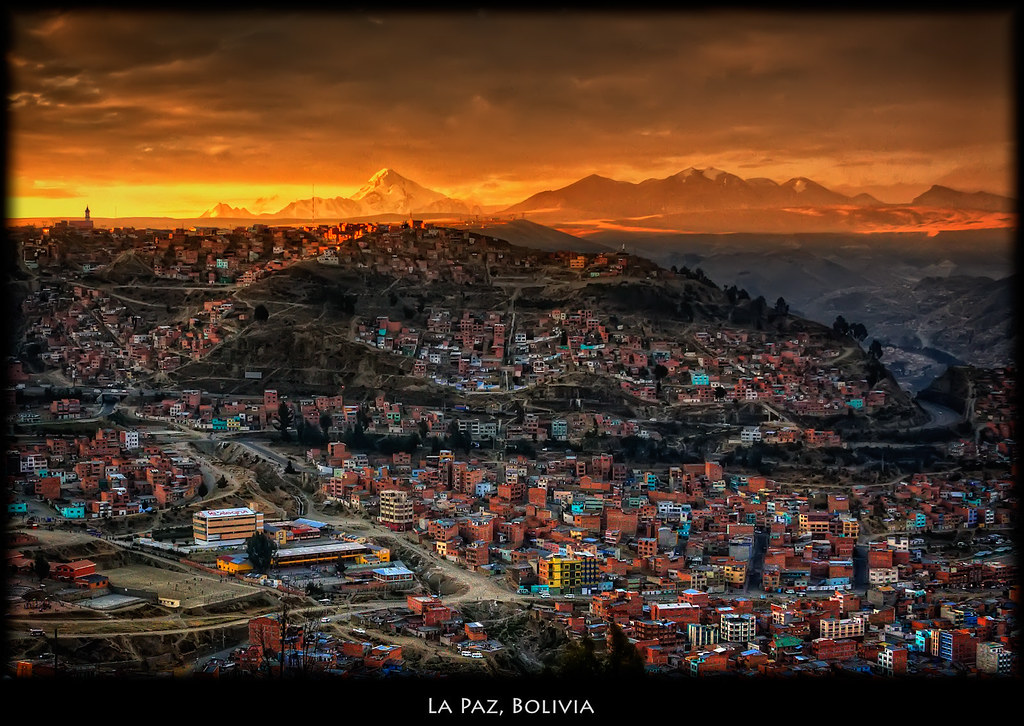
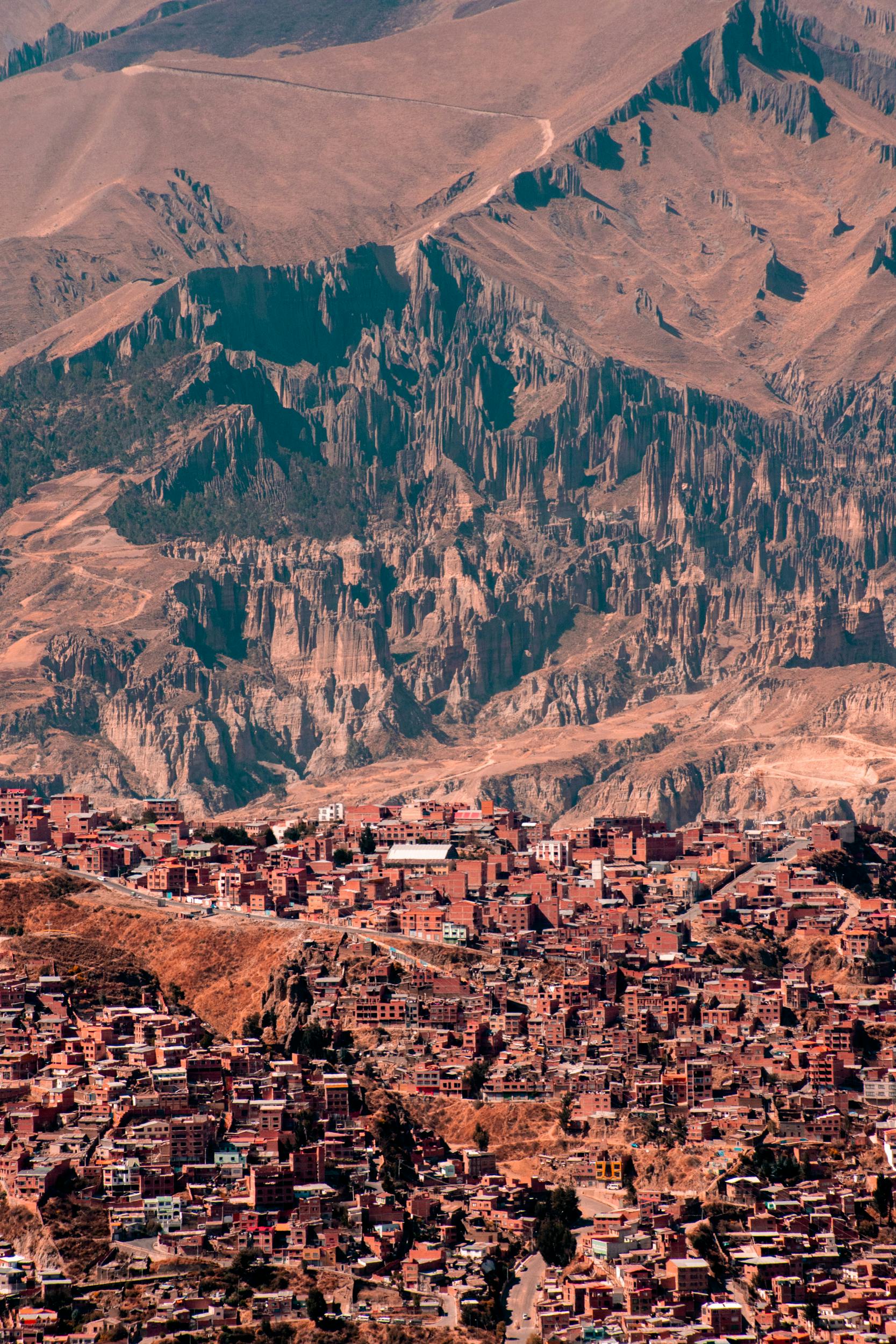
La Paz doesn't just sit in a valley; it climbs the walls of it, turning every commute into a panoramic journey across the clouds.
Nestled in a canyon at 3,640 meters, La Paz is a city that defies expectations. It is a place where modern cable cars soar over colonial plazas and traditional markets, blending the old-world charm of the Andes with a bustling urban energy. The Cost of living in La Paz is remarkably low, making it an attractive hub for those who want to stretch their budget without sacrificing access to culture, art, and adventure.
The city's Climate in La Paz requires some acclimatization, but the trade-off is unparalleled access to some of South America's most stunning landscapes. Nomads here typically find a community that is smaller but more adventurous, moving away from the typical expat trails to immerse themselves in a location that feels truly authentic.
History
Founded as 'Nuestra Señora de La Paz' in 1548 by the Spanish conquistador Alonso de Mendoza, the cit…
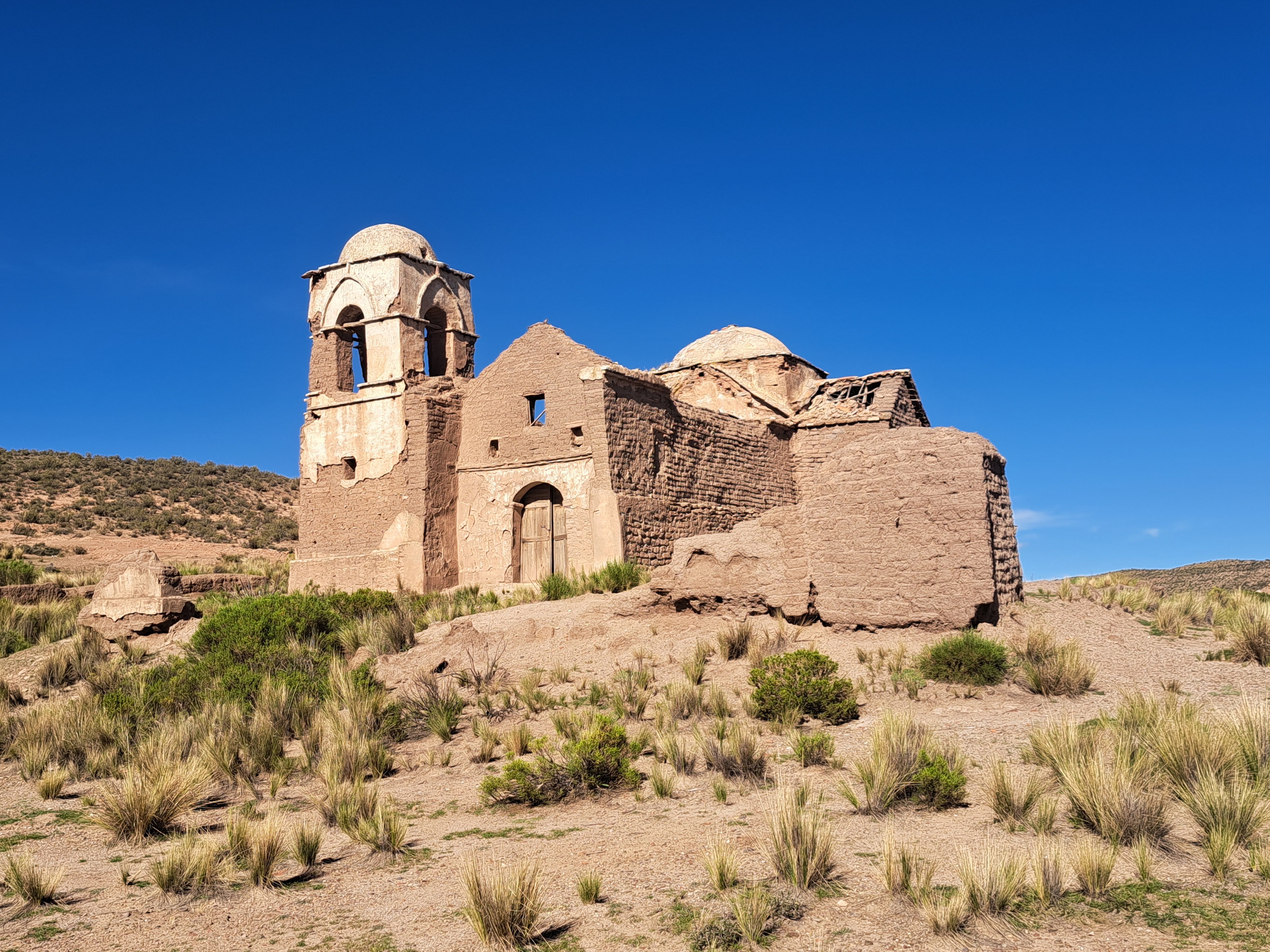
Founded as 'Nuestra Señora de La Paz' in 1548 by the Spanish conquistador Alonso de Mendoza, the city was established as a strategic stopover on the trade route between the silver mines of Potosí and the port of Lima. Over the centuries, La Paz evolved from a colonial outpost into the administrative heart of Bolivia, witnessing countless uprisings and political shifts that define its resilient national character.
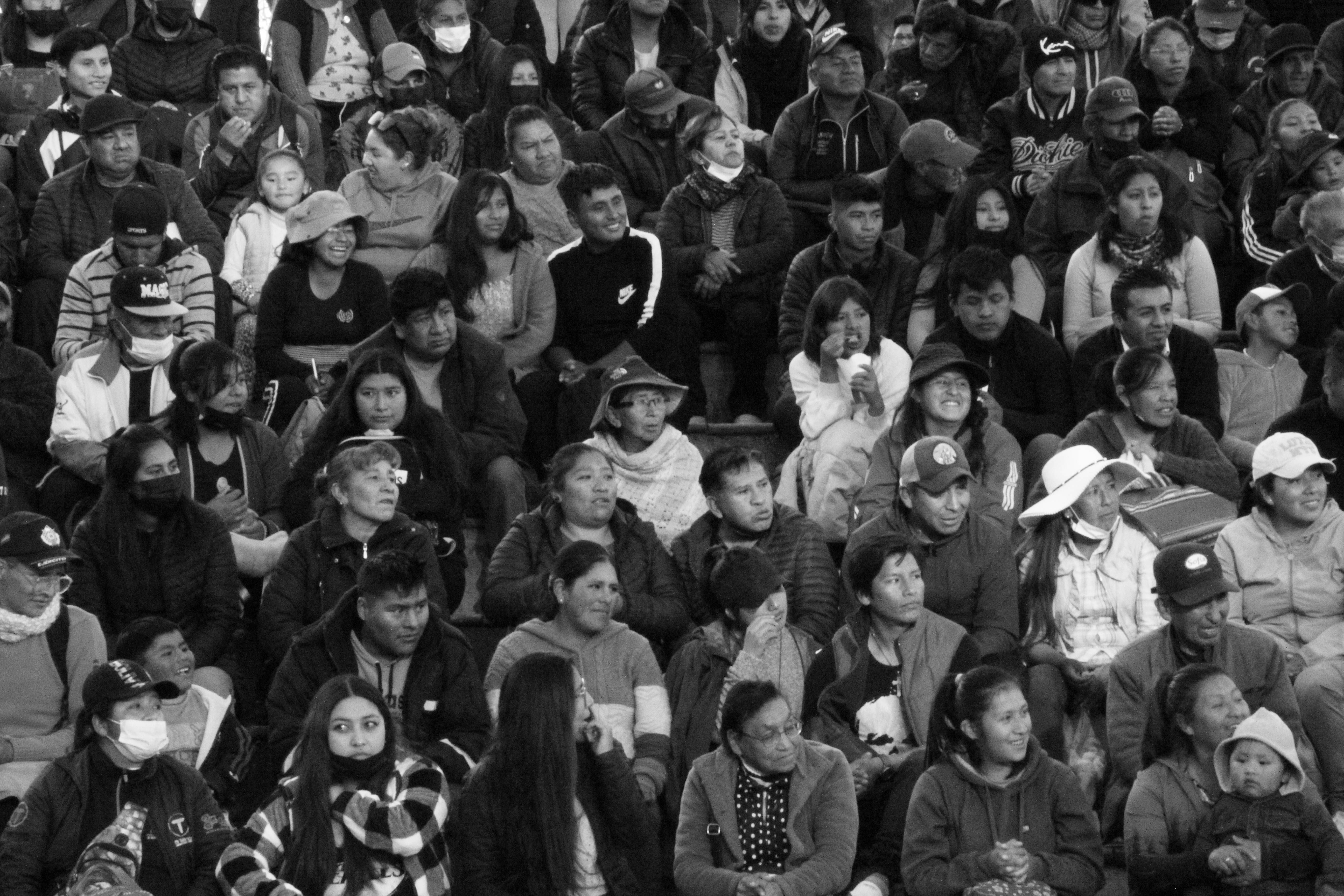
The city’s history is deeply intertwined with its indigenous roots, which remain vibrant today. Following the struggle for independence from Spain in the 19th century, La Paz emerged as a center for revolutionary activity. Today, the city is a living museum of colonial architecture, pre-Columbian traditions, and a modern identity shaped by a diverse population that celebrates its complex past.
1548
City FoundationAlonso de Mendoza founded the city to secure the trade route between Potosí and Lima.
1809
La Paz RevolutionPedro Domingo Murillo led a revolt, marking one of the first calls for independence from the Spanish crown.
1899
Capital StatusFollowing a civil war, La Paz became the de facto seat of the Bolivian government.
1952
National RevolutionA landmark event that led to universal suffrage and significant land reform in Bolivia.
2014
Teleférico LaunchThe inauguration of the world-class cable car system revolutionized urban transport in the city.
Where to Stay
Choose your base camp
Distinct neighbourhoods, different rhythms. Pick the one that fits your work-life balance.
Nomad Favourite
Sopocachi
Sopocachi is the bohemian heart of the city, filled with cafes, galleries, and a great mix of local and expat life. It is the most popular area for digital nomads due to its walkability and central location.
Upscale Living
Zona Sur
A more modern, warmer area located at a lower altitude than the city center. It features luxury apartments, shopping malls, and a more polished lifestyle for those with a higher budget.
Cultural Hub
Centro
The historic center is perfect for those who want to be in the middle of the action, close to markets and historic sites. It is noisy and chaotic but offers an unparalleled cultural immersion.
Places to Go
The experiences that will make you never leave
These aren't tourist checkboxes — they're the experiences that reset your sense of what's normal.
Top Pick
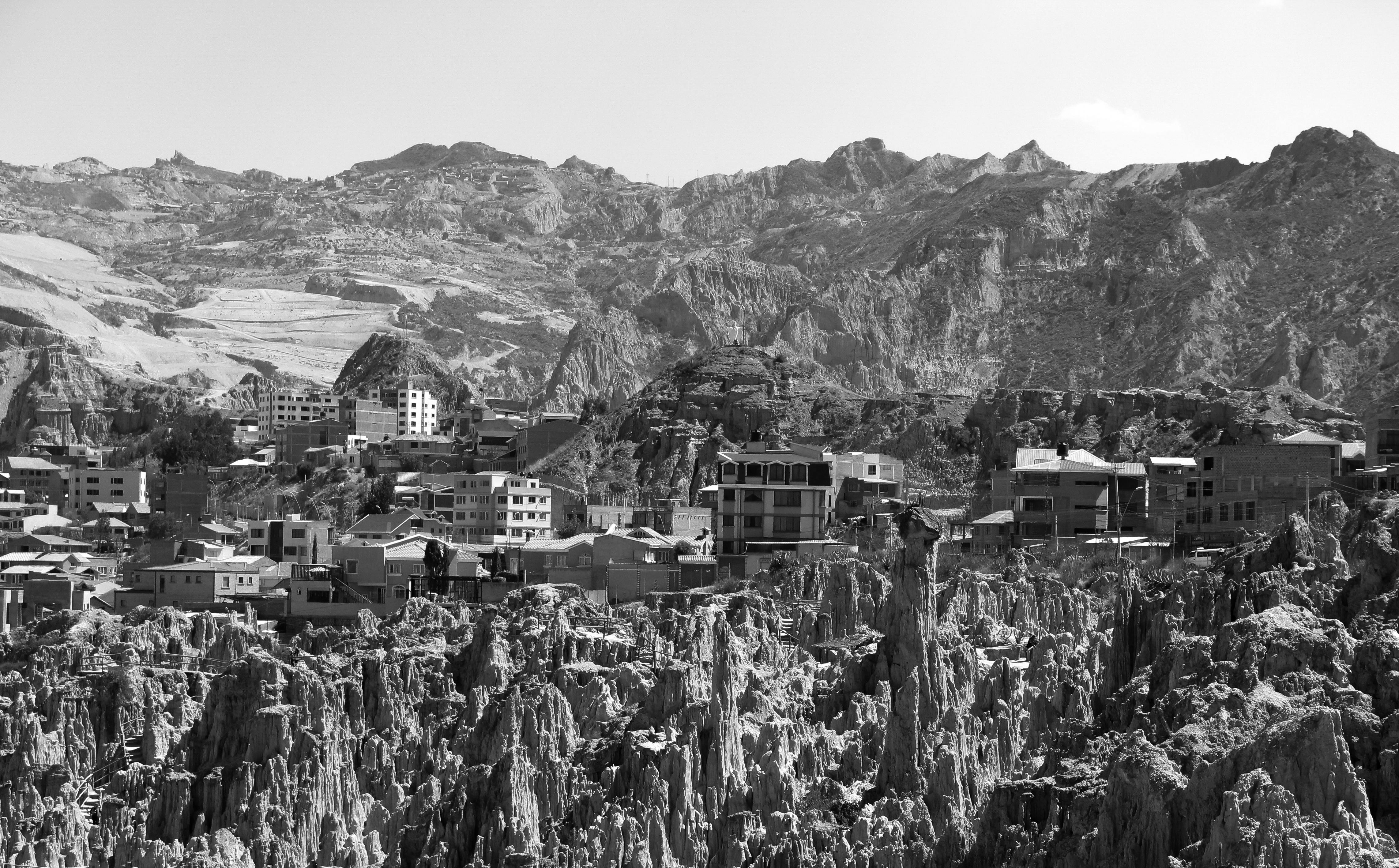
Valle de la Luna
This geological wonder features a landscape of canyons and giant spires caused by the erosion of clay and sandstone mountains. It is a short, otherworldly escape from the urban density of the city center.
Official Site
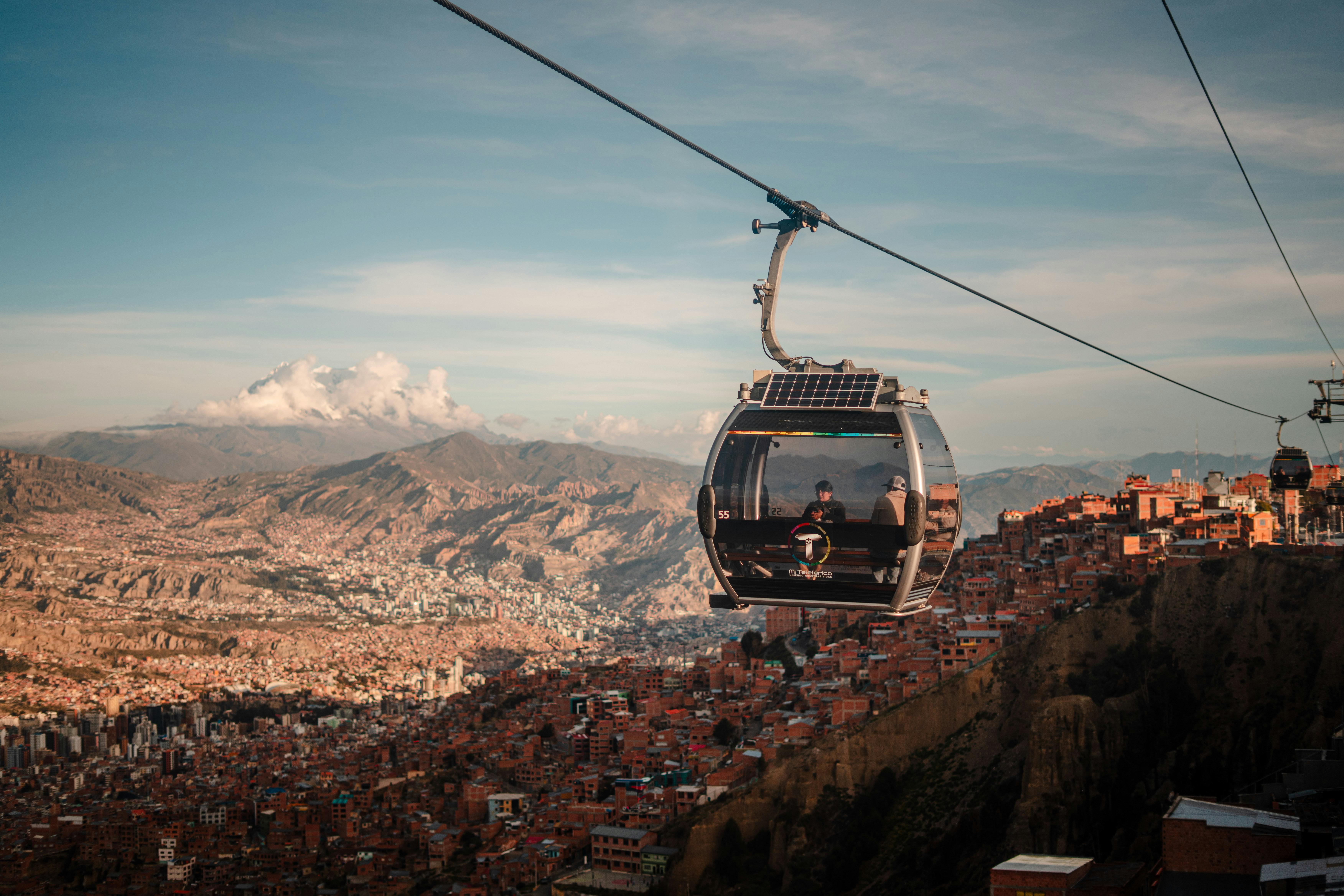
Mi Teleférico Cable Cars
More than just public transport, this massive cable car network provides the best views of the sprawling city and surrounding peaks. It is the most iconic way to traverse the city's steep geography.

Wikipedia
Plaza Murillo
The heart of Bolivian politics, this plaza is surrounded by the Presidential Palace and the National Congress. It is a hub of historical significance and a great spot for people-watching.
Wikipedia
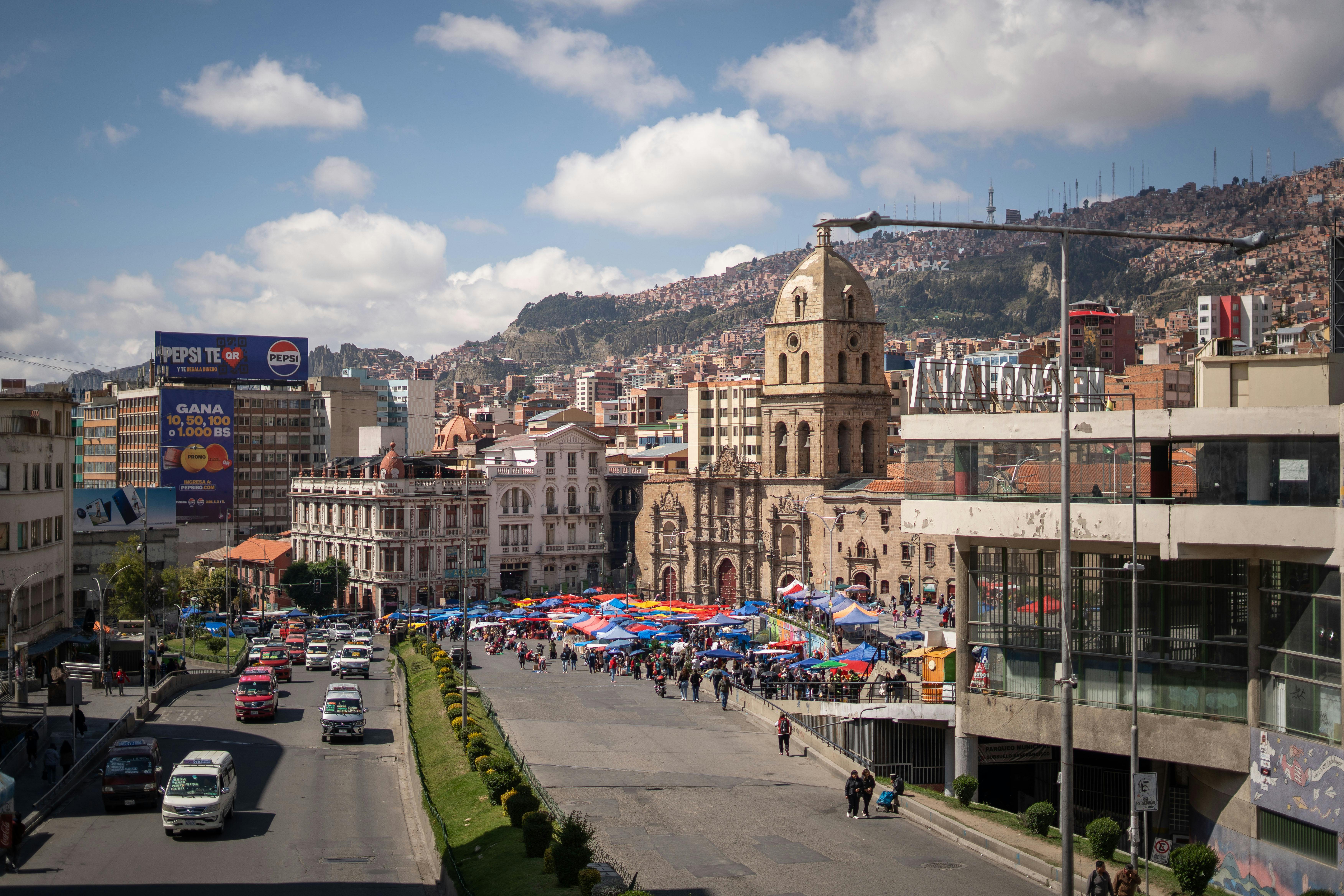
San Francisco Church
A stunning example of colonial architecture that blends Christian and indigenous artistic motifs. The facade is intricately carved and serves as a major landmark for locals and visitors alike.
Wikipedia
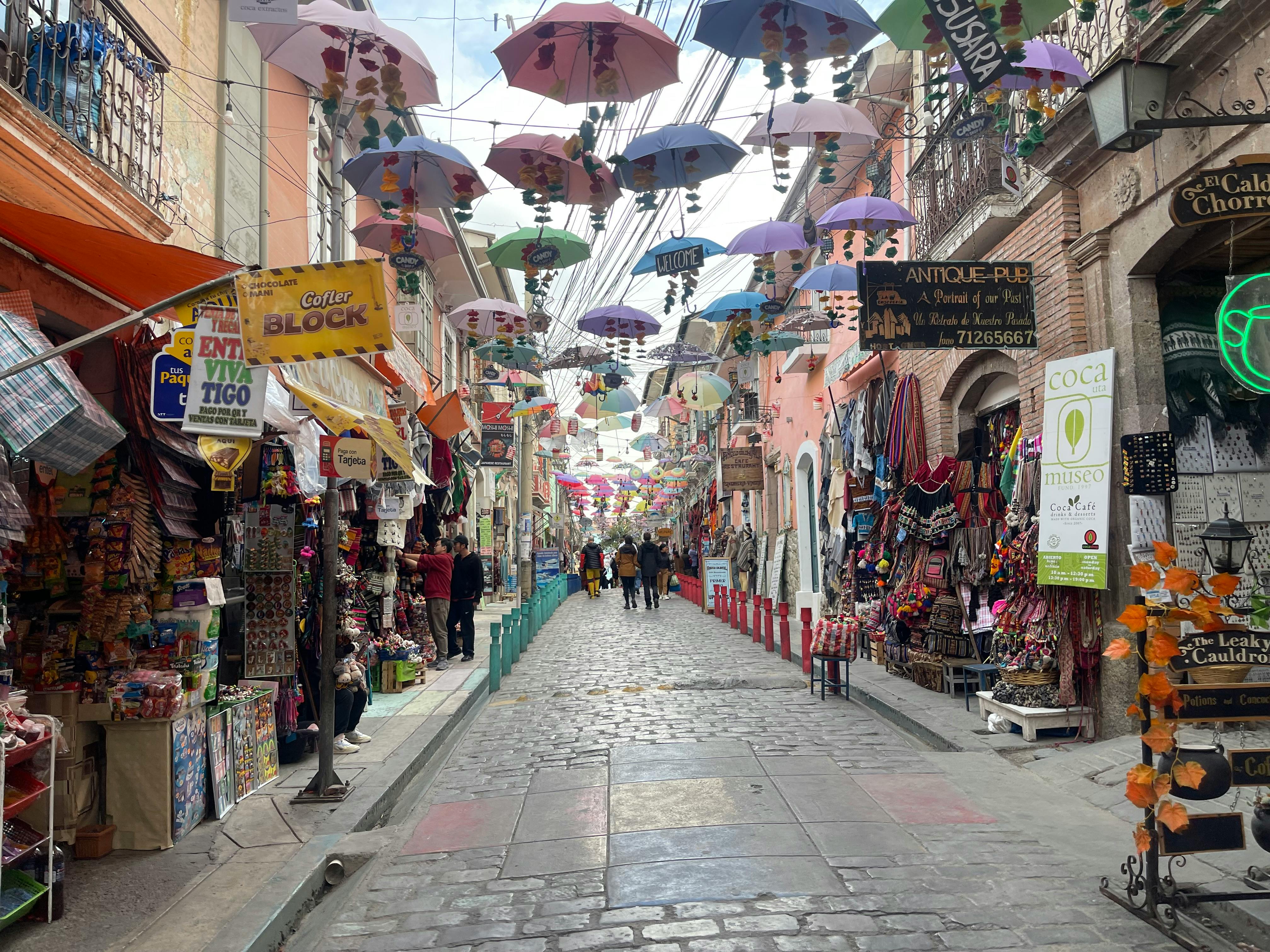
Witches' Market
Located in the center of the city, this market sells everything from medicinal herbs to dried llama fetuses used in traditional offerings. It is a fascinating glimpse into the deep-seated Aymara spiritual practices.
Visit
Museo Nacional de Etnografía
This museum provides deep context on the diverse ethnic groups of Bolivia, housing an impressive collection of masks, textiles, and pottery. It is essential for understanding the cultural fabric of the nation.
Wikipedia

Chacaltaya Glacier
Once a ski resort, this high-altitude destination offers breathtaking views of the surrounding mountain ranges. It is a challenging but rewarding trip for those looking to experience the raw beauty of the Andes.
Wikipedia
Death Road Mountain Biking
Famous for its steep drops and dramatic scenery, the Yungas Road is a world-renowned destination for mountain bikers. It is a thrilling way to descend from the cold highlands into the lush valley climate.

Visit
Calle Jaén Museums
This well-preserved colonial street houses a cluster of small, specialized museums focused on history, gold, and musical instruments. It is a quiet, cobblestoned respite in the middle of a chaotic city.
Wikipedia
Tiwanaku Ruins Day Trip
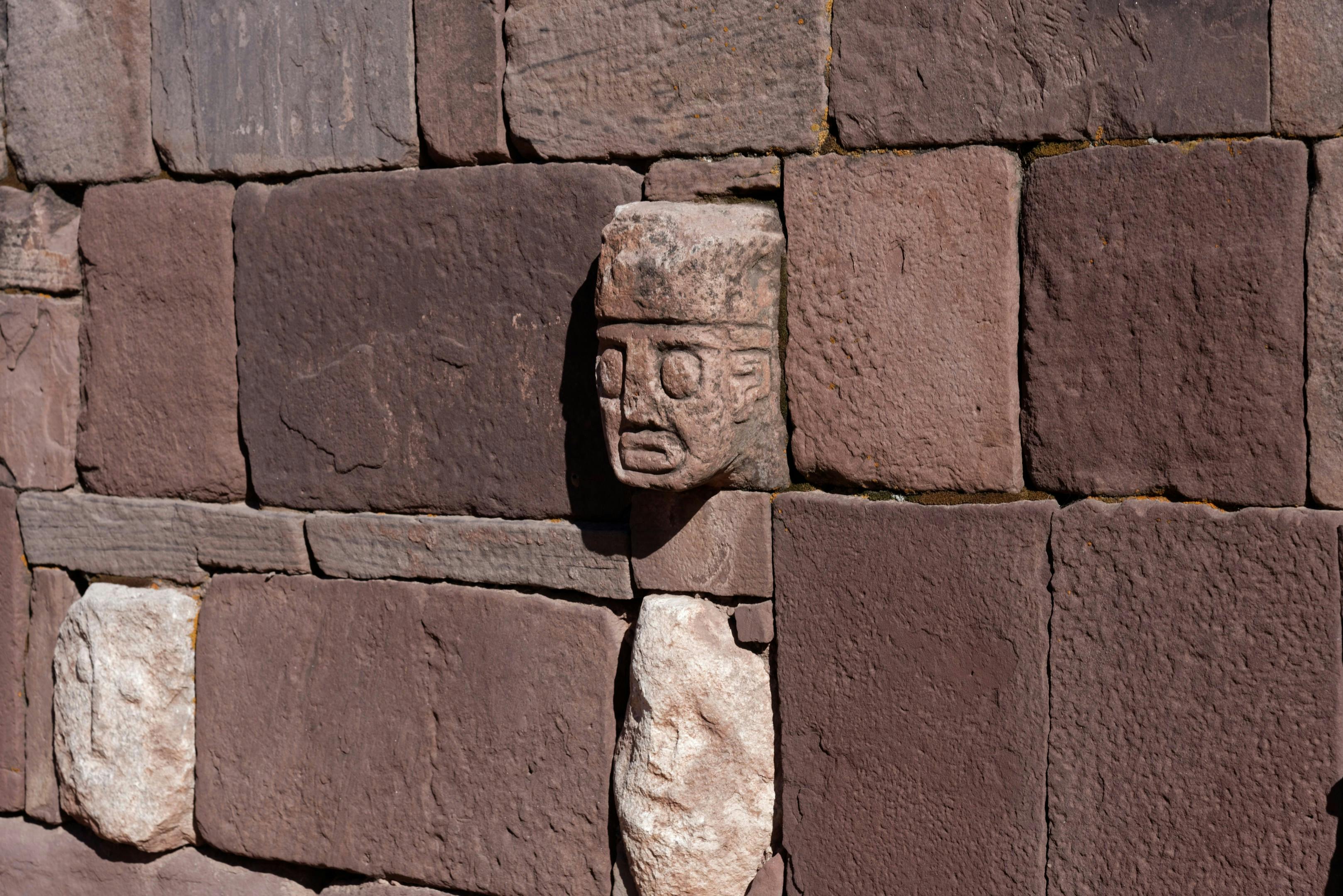
These pre-Columbian ruins represent one of the most important archaeological sites in South America. The stone monolithic structures are a testament to the advanced engineering of the Tiwanaku civilization.

Work & Connectivity
Stay connected wherever you work
The nomad community here is real — cafés and coworking spaces where you can work and meet others.
Impact Hub La Paz
The primary hub for digital nomads and local entrepreneurs, offering a reliable, professional environment. It is the go-to spot for networking and high-speed internet.
Local Cafes in Sopocachi
Numerous small cafes throughout the Sopocachi neighborhood cater to students and remote workers with decent Wi-Fi and relaxed seating.
Hotel Lobbies
Upscale hotels in the city often provide quiet, comfortable working spaces for guests and visitors during the day.
Budget & Costs
What it costs to live in La Paz
Choose your lifestyle tier. Comfortable = furnished accommodation, local + occasional Western food, transport, leisure.
$548
per month · USD · comfortable lifestyle
ModerateFurnished studio, local restaurants, transport, and weekend trips.
Exchange rates
Check xe.com or your bank for current USD to local currency.
Check xe.com or your bank for current USD to local currency.
🏠 Rent 45%$246/mo
🍽️ Food 25%$137/mo
🚌 Transport 5%$27/mo
💡 Utilities 7%$38/mo
🎭 Leisure 12%$66/mo
🏥 Health 6%$34/mo
Connectivity
Well connected to the world
Internet and transport options for remote workers.
📶
Internet
Good — fibre common
Check local providers.
🏢
Coworking
From ~$80/mo
Dedicated spaces available.
🚌
Local Transit
5 / 10
Mi Teleférico cable car network is world-class; minibuses everywhere
LPB
El Alto International
10 km from centre
arequipabogotacochabambacuscoiquiquelimasantacruzsucre
Safety & Visa
Safe, welcoming, and easy to enter
Safety Score5 / 10
✗ Tap Water📞 110
Visa
Check your entry options
Many nationalities get visa-free or visa-on-arrival. Check official government sources for your citizenship before travel.
Culture & Festivals
Local soul, nomad-friendly
Multiculturalism6/10
Foodie Scene6/10
❄️ Cool Climate🍽️ Cheap Eats🎯 Best Value🏔️ High Alt🏔️ High Altitude🏞️ Diverse Landscapes💃 Vibrant Culture💰 Ultra Budget🗣️ Spanish/Portuguese🚡 Cable Cars
Jan
Alasitas Fair
A miniature market where locals buy tiny versions of the things they want for the coming year, such as houses, cars, or money.
May
Gran Poder Festival
A massive, colorful parade featuring thousands of dancers in elaborate traditional costumes marching through the streets of La Paz.
For those interested in slow travel, consider taking a day trip to the ancient ruins of Tiwanaku or visiting the nearby Moon Valley for an unforgettable photography session.
Food & Nightlife
A feast for every mood
From street food to cafés and nightlife — every meal is an event.
Street Food
Salteñas
You cannot leave La Paz without trying a salteña, a juicy, savory pastry that is traditionally eaten as a mid-morning snack. Find the best ones at local kiosks before noon.

Market Food
Plato del Día
Local markets offer a 'plato del día'—a multi-course lunch that is incredibly affordable and filling. It is the most common way locals eat lunch in the city.

Café Culture
Sopocachi Coffee Shops
The cafe scene in Sopocachi serves excellent Bolivian-grown coffee. Spend your afternoons tucked away in these spots for a quiet break from the city.
Climate
What to expect through the year
Avg humidity55%
Avg AQI45
The best time to visit La Paz is generally during the dry season, which spans from May to October. These months offer clear, sunny days that are perfect for exploring the city's varied topography and taking day trips to the surrounding mountains. Even with clear skies, the high altitude ensures that temperatures remain cool, requiring layers for comfortable exploration throughout the year.
Travelers should be mindful of the rainy season, which runs from December through March. While rain can occasionally disrupt travel, the city remains functional and festivals like the Alasitas Fair in January provide a unique cultural window regardless of the weather. Regardless of when you arrive, plan for at least a few days of rest to allow your body to adjust to the altitude.
Monthly temperatures °C
Practical Info
Everything you need to know
🏥
Healthcare
Medical care is accessible in the main city, but major issues may require travel to larger specialized hospitals. Always carry travel insurance that covers altitude-related health issues.
💱
Money
The local currency is the Bolivian Boliviano. While cards are accepted in nicer establishments, cash is essential for street food and local transport. Always keep small denominations on hand.
🌐
Language & Etiquette
Spanish is the primary language, though Aymara is widely spoken as well. Learning basic phrases in Spanish is highly appreciated and will help you navigate local markets and social settings more effectively.
Tips
Quick tips
- Always drink plenty of water to combat the altitude.
- Try 'mate de coca' to help with the initial adjustment to high altitude.
- Use the cable cars as much as possible for the best views.
- Negotiate prices politely in markets, but be respectful.
- Carry an umbrella during the rainy season, as weather can shift quickly.
- Pack warm layers, as temperatures drop significantly at night.
- Avoid taking unofficial taxis late at night; use radio taxis instead.
Further Reading