
Uyuni · Bolivia
Overview
Uyuni is a place where you don't go for the Wi-Fi; you go to witness a landscape that makes the rest of the world feel like a dream.
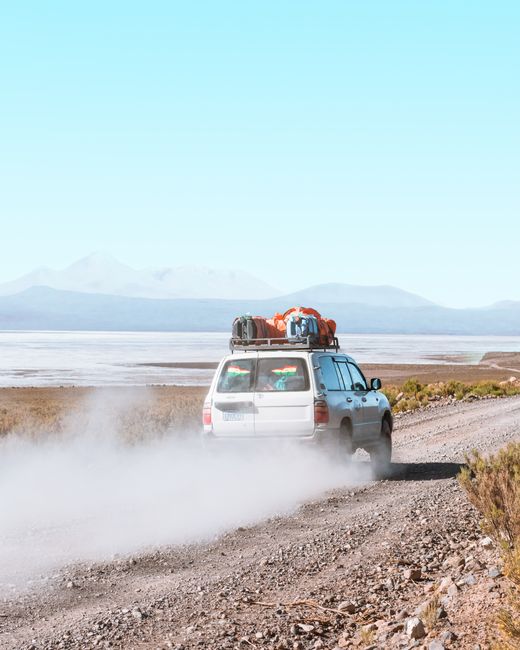
Uyuni is not a typical nomad hub; it is a frontier town defined by its proximity to the Salar de Uyuni. The vibe here is transient, focused on the steady stream of travelers preparing for 3-day expeditions across the salt desert. For nomads, the town provides a challenging environment where infrastructure is basic, and the digital experience requires patience and preparation.
Life here revolves around the main plaza and the tour offices that line the surrounding streets. While amenities are sparse, the cultural reward is immense. If you plan to settle here for a few weeks, prioritize researching your cost of living to manage your budget effectively, as well as the unique climate which experiences extreme temperature swings between day and night.
History
Founded in 1890 as a strategic railway junction, Uyuni was originally intended to serve as a hub for…
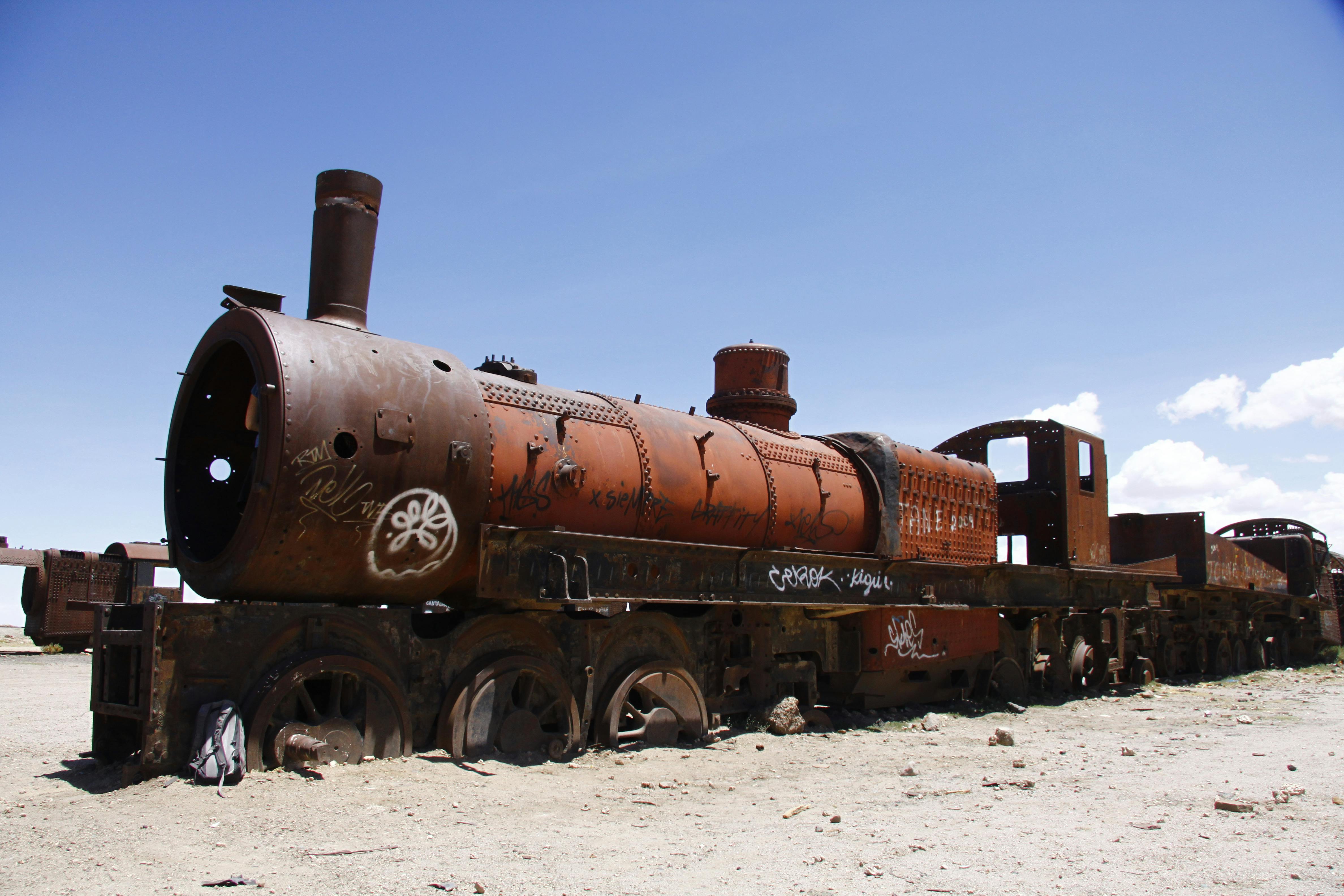
Founded in 1890 as a strategic railway junction, Uyuni was originally intended to serve as a hub for the mining industry. The town quickly grew as a nexus for trains transporting silver and tin from the nearby mountains to the ports of the Pacific. Its historical significance is still visible today through the decaying remains of the train cemetery on the outskirts of town.
In recent decades, Uyuni has pivoted from a sleepy mining outpost to a major tourism center. The discovery of the lithium deposits beneath the salt crust has also turned the region into a site of global economic interest, bringing a blend of industrial ambition and nomadic curiosity to this remote Andean plateau.
1890
FoundationUyuni was officially founded as a major railway hub for the mining industry.
1900s
Mining PeakThe town became the primary transit point for minerals extracted from the surrounding high Andes.
1980s
Economic DeclineWith the collapse of the local mining boom, the train routes were largely abandoned, creating the famous Train Cemetery.
2010s
Tourism BoomThe Salar de Uyuni became a global bucket-list destination, transforming the local economy towards hospitality.
Where to Stay
Choose your base camp
Distinct neighbourhoods, different rhythms. Pick the one that fits your work-life balance.

Convenience Hub
Central District
This is where all the tour agencies and restaurants are located. Expect basic guesthouses here with easy access to your daily needs.

Quiet Retreat
Outskirts
Stay here for a quieter experience with slightly more modern hotel options. It is peaceful but requires a longer walk to the center.
Places to Go
The experiences that will make you never leave
These aren't tourist checkboxes — they're the experiences that reset your sense of what's normal.
Top Pick
Salar de Uyuni
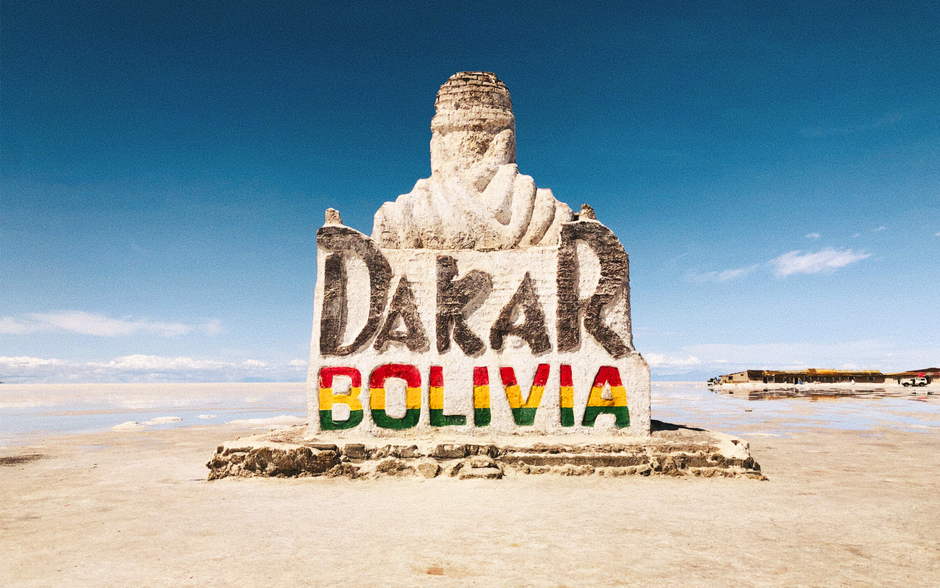
The world's largest salt flat, spanning over 10,000 square kilometers, offers a surreal white landscape that stretches to the horizon. Visitors typically explore this by 4x4, stopping at the salt hotels and the various islands covered in giant cacti.

Wikipedia
Train Cemetery (Cementerio de Trenes)
Located just outside town, this is a graveyard of steam locomotives from the early 20th century. It is a photographer's dream and a somber reminder of the town's industrial past.

Work & Connectivity
Stay connected wherever you work
The nomad community here is real — cafés and coworking spaces where you can work and meet others.
Local Hotel Lobby
Most travelers work from their hotel lobby or the few cafes around the main square. These spaces are social but often have noise.
Café Salar
A popular spot for tourists that offers a slightly more comfortable atmosphere and coffee, though speed remains a constraint.
Budget & Costs
What it costs to live in Uyuni
Choose your lifestyle tier. Comfortable = furnished accommodation, local + occasional Western food, transport, leisure.
$803
per month · USD · comfortable lifestyle
ModerateFurnished studio, local restaurants, transport, and weekend trips.
Exchange rates
Check xe.com or your bank for current USD to local currency.
Check xe.com or your bank for current USD to local currency.
🏠 Rent 45%$365/mo
🍽️ Food 27%$219/mo
🚌 Transport 9%$73/mo
💡 Utilities 7%$55/mo
🎭 Leisure 7%$55/mo
🏥 Health 5%$37/mo
Connectivity
Well connected to the world
Internet and transport options for remote workers.
📶
Internet
Good — fibre common
Check local providers.
🏢
Coworking
From ~$80/mo
Dedicated spaces available.
🚌
Local Transit
5 / 10
Scooter and taxi common.
UYU
Uyuni Airport
20 km from centre
lapaz
Safety & Visa
Safe, welcoming, and easy to enter
Safety Score6 / 10
✗ Tap Water✓ Night Safe📞 112 or local emergency number
Visa
Check your entry options
Many nationalities get visa-free or visa-on-arrival. Check official government sources for your citizenship before travel.
Culture & Festivals
Local soul, nomad-friendly
Multiculturalism5/10
Foodie Scene5/10
Remote work
Jul
Founding Anniversary
The city celebrates its anniversary with parades and local cultural displays in the central square.
Uyuni is primarily a staging ground for the Salar de Uyuni; don't expect a traditional city experience. Many nomads spend 3-4 days here before moving on to Potosí or Sucre.
Food & Nightlife
A feast for every mood
From street food to cafés and nightlife — every meal is an event.

Street Food
Mercado Central
Visit the central market for cheap, hearty, and authentic local meals. Expect to pay between BOB 20-30 for a meal.

Dinner
Tourist Plaza Restaurants
Restaurants around the main square cater to international travelers with a mix of pizza, pasta, and traditional grilled meats.
Climate
What to expect through the year
Avg humidity35%
Avg AQI40
The best time to visit depends on whether you want to witness the 'mirror effect' on the salt flats. The rainy season, from January to March, covers the Salar in a thin layer of water, creating a perfect reflection of the sky. This is visually stunning but can make some remote areas of the salt flats inaccessible due to flooding.
For drier conditions, the months of May through October are ideal for star-gazing and overland travel, though the temperatures at night drop significantly below freezing. Regardless of when you visit, pack layers and high-quality sun protection as the altitude and solar reflection are intense.
Monthly temperatures °C
Practical Info
Everything you need to know
🏥
Healthcare
Medical facilities in Uyuni are basic. For serious injuries, evacuation to Oruro or La Paz is often necessary. Ensure you have travel insurance.
💱
Money
Cash is king in Uyuni. ATMs are available but often run out of money or experience downtime; carry enough Bolivianos for your entire stay.
🌐
Language & Etiquette
Spanish is the primary language. Learning basic phrases will help you navigate local transport and services. Respect local customs and always ask permission before taking photos of people.
Tips
Quick tips
- Always carry a portable power bank as electricity can be unreliable.
- Drink plenty of water to combat altitude sickness.
- Pack thermal clothing; nights are freezing even in summer.
- Buy a local SIM card immediately upon arrival.
- Book your salt flat tour from a reputable operator in the town center.
- Use cash for small purchases.
- Bring high-SPF sunscreen; the reflection on the salt is intense.
Further Reading