Potosí · Bolivia
Overview
Potosí is a place where history feels heavy in the air, reminding you of the immense wealth that once flowed from the silver mines beneath your feet.
Potosí is not your typical digital nomad hub, but its immense historical significance and otherworldly landscapes make it a fascinating stop for those who prioritize culture over convenience. The city is defined by its colonial architecture and its proximity to the Cerro Rico mountain, which fundamentally altered global economics in the 16th century. For those seeking a slower pace and a deep dive into South American history, the Cost of living in Potosí is remarkably affordable, though you should be prepared for thinner air and a more basic infrastructure setup. Digital nomads here usually spend their time exploring the historical center or preparing for excursions into the surrounding Andean wilderness. While the climate is generally temperate, the high elevation means cold nights are standard, and you should always account for that when packing. It is a place that rewards those who enjoy history and authentic, rugged travel experiences rather than modern, polished amenities.
History
Founded in 1545, Potosí became one of the most significant cities in the world following the discove…
Founded in 1545, Potosí became one of the most significant cities in the world following the discovery of massive silver deposits in the Cerro Rico mountain. At its peak in the 17th century, it was the wealthiest city in the Americas and rivaled the size of cities like London and Paris. The wealth generated here funded the Spanish Empire, but this prosperity came at a massive human cost, with millions of indigenous and enslaved people forced to work in the dangerous conditions of the mines.
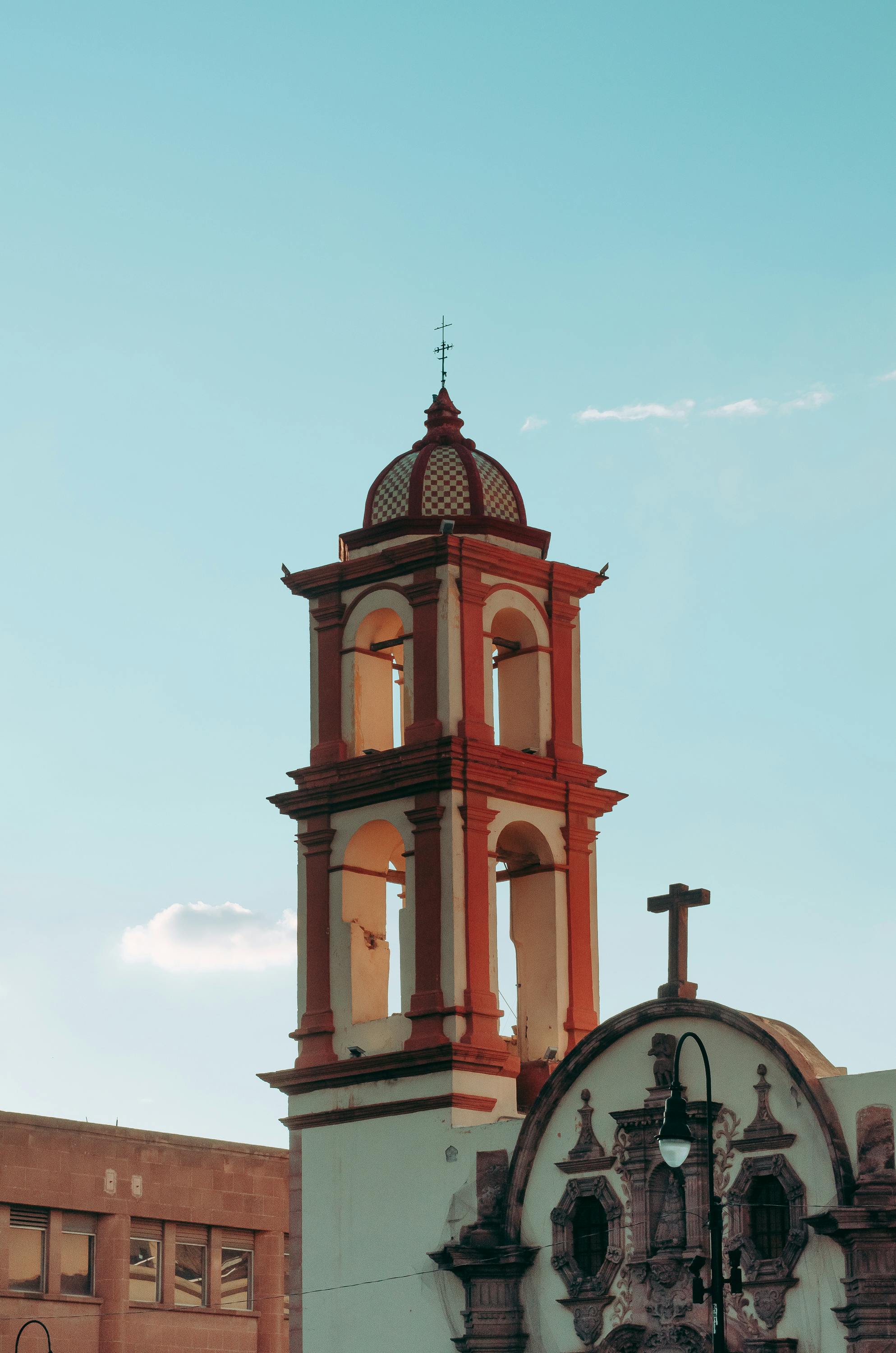
Today, the city retains its UNESCO World Heritage status, reflected in its impressive colonial churches and mansions. While the silver boom has long since faded, the city continues to operate as a mining town, and its streets serve as a haunting reminder of the global economic shifts initiated during the colonial era.
1545
Discovery of SilverThe Spanish officially founded Potosí after discovering massive silver deposits within the Cerro Rico mountain.
1672
Peak WealthPotosí became the most populous city in the Americas, with a population exceeding 160,000 people due to the massive silver production.
1825
Bolivian IndependenceFollowing the War of Independence, Potosí became part of the newly formed Republic of Bolivia.
1987
UNESCO RecognitionThe city and the Cerro Rico mine were designated a UNESCO World Heritage site due to their historical importance.
Where to Stay
Choose your base camp
Distinct neighbourhoods, different rhythms. Pick the one that fits your work-life balance.
Budget Favourite
Historic Center
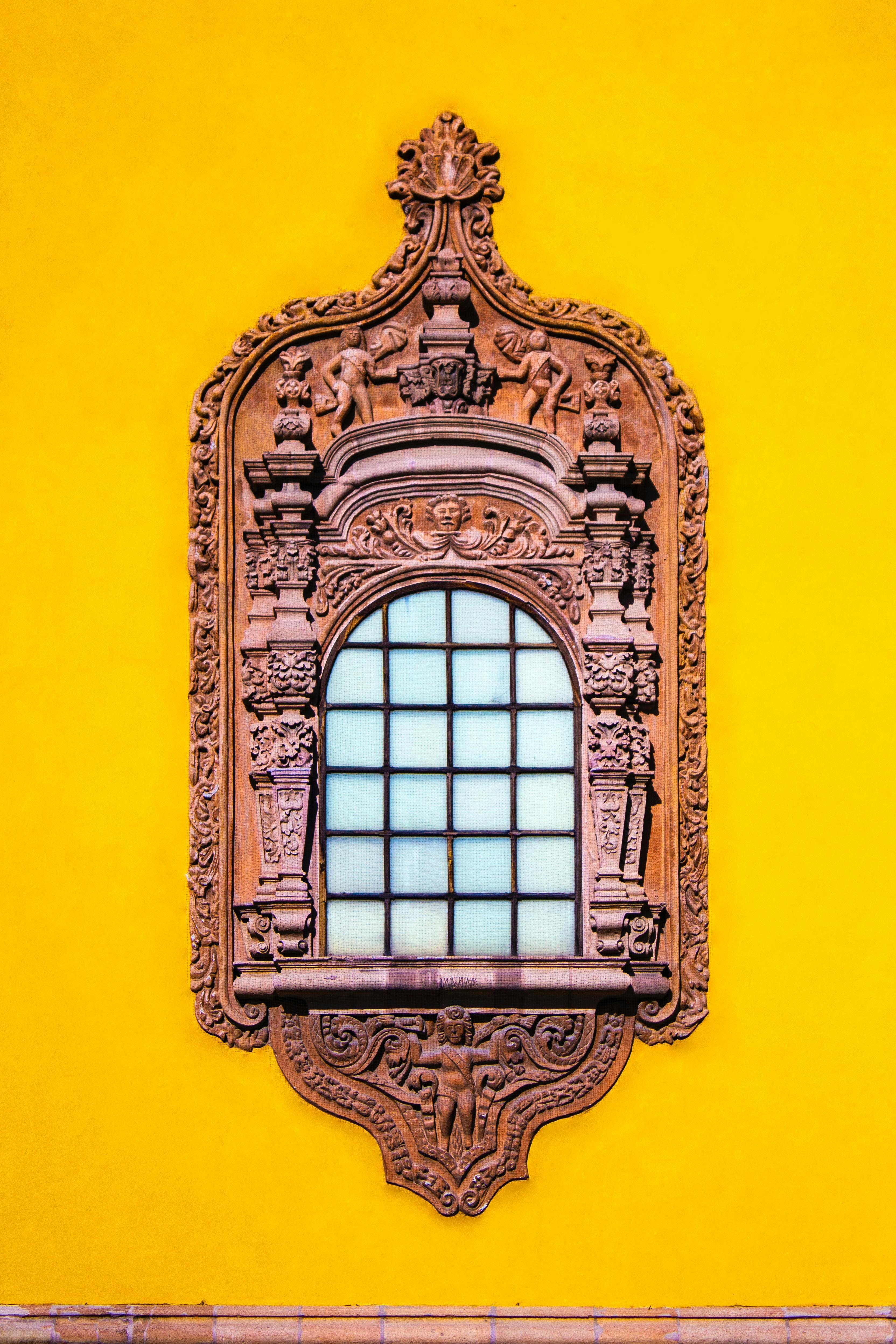
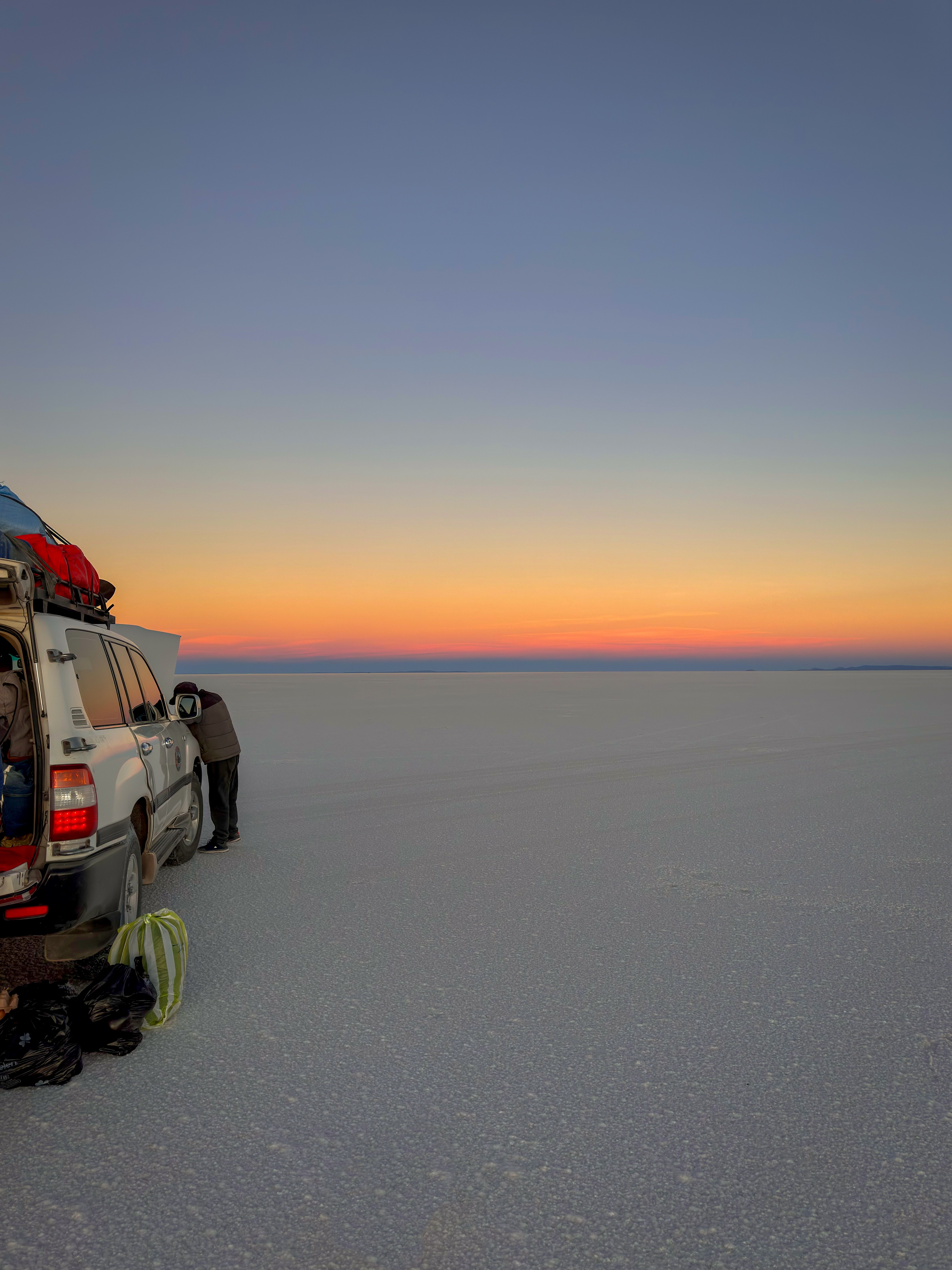
This is the heart of the city, home to colonial plazas and the most iconic architecture. You will find affordable hostels and small apartments perfect for long-term stays.
Local Vibe
San Pedro District
A more residential area that offers a quieter atmosphere away from the tourist hub. It is great for those who want to experience authentic daily life in Potosí.
Places to Go
The experiences that will make you never leave
These aren't tourist checkboxes — they're the experiences that reset your sense of what's normal.
Top Pick
Cerro Rico
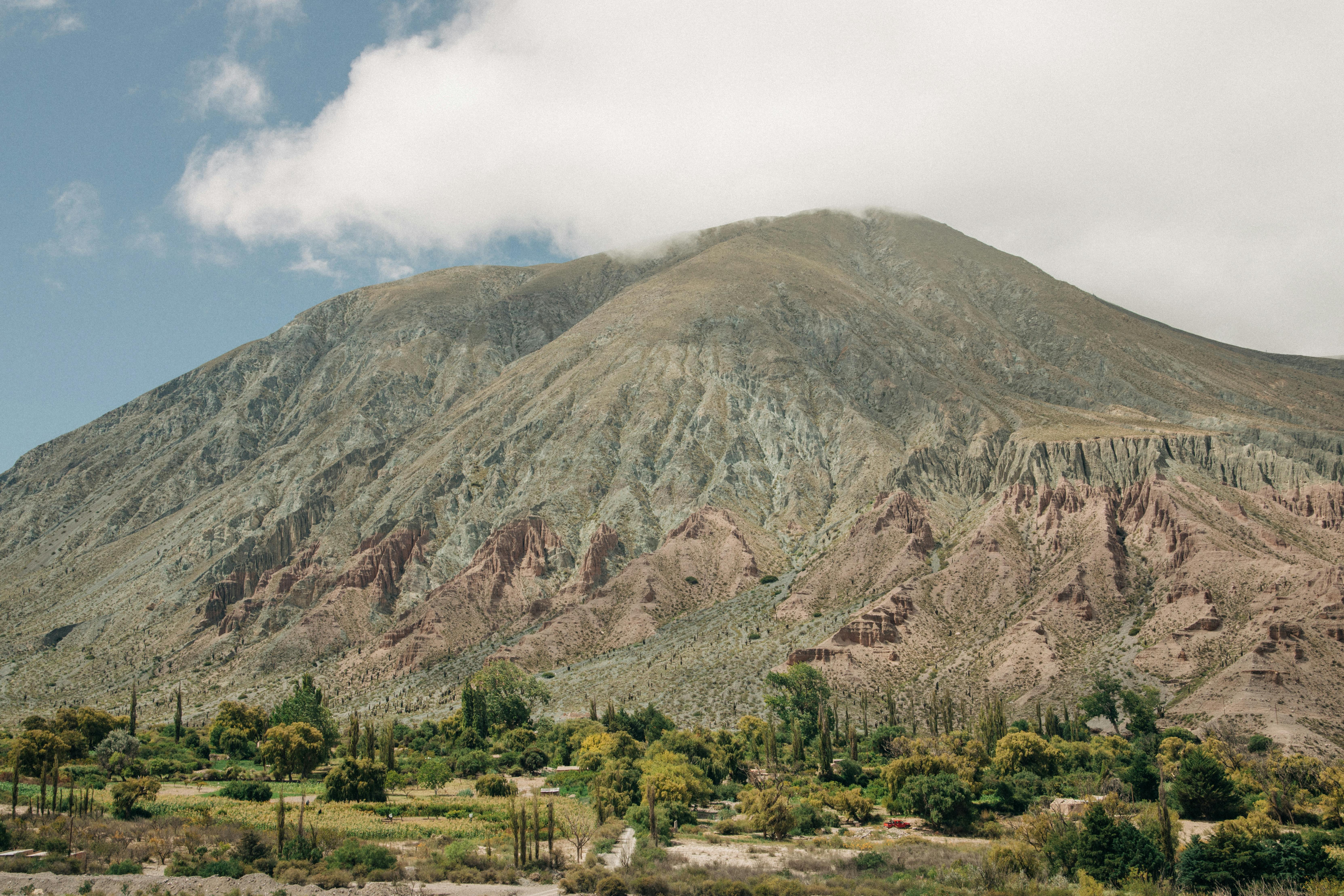
This legendary mountain is known as the 'Rich Hill' and defined the economy of colonial Spain. Visitors can book organized tours to learn about the history of the mines, though these tours are physically demanding.
Wikipedia
Casa Nacional de Moneda
This massive colonial mint is now a museum that displays the history of coin production and colonial art. It is one of the most important historical buildings in all of Bolivia.

Work & Connectivity
Stay connected wherever you work
The nomad community here is real — cafés and coworking spaces where you can work and meet others.
Local Cafés
Several small cafés in the Plaza 10 de Noviembre area offer quiet corners and decent coffee, though you should check the signal strength upon arrival.
Hostel Lobbies
Many hostels in the city cater to backpackers and digital nomads, offering communal spaces with tables and accessible Wi-Fi.
Budget & Costs
What it costs to live in Potosí
Choose your lifestyle tier. Comfortable = furnished accommodation, local + occasional Western food, transport, leisure.
$730
per month · USD · comfortable lifestyle
ModerateFurnished studio, local restaurants, transport, and weekend trips.
Exchange rates
Check xe.com or your bank for current USD to local currency.
Check xe.com or your bank for current USD to local currency.
🏠 Rent 45%$329/mo
🍽️ Food 35%$256/mo
🚌 Transport 5%$37/mo
💡 Utilities 8%$55/mo
🎭 Leisure 8%$55/mo
🏥 Health 0%$0/mo
Connectivity
Well connected to the world
Internet and transport options for remote workers.
📶
Internet
Good — fibre common
Check local providers.
🏢
Coworking
From ~$80/mo
Dedicated spaces available.
🚌
Local Transit
5 / 10
Scooter and taxi common.
20 km from centre
Safety & Visa
Safe, welcoming, and easy to enter
Safety Score6 / 10
✗ Tap Water✓ Night Safe📞 112 or local emergency number
Visa
Check your entry options
Many nationalities get visa-free or visa-on-arrival. Check official government sources for your citizenship before travel.
Culture & Festivals
Local soul, nomad-friendly
Multiculturalism5/10
Foodie Scene5/10
Remote work
Feb
Carnaval
A vibrant celebration featuring traditional music, dances, and local parades throughout the city.
Aug
Fiesta de San Bartolomé
Also known as the 'Ch'utillos' festival, it is a significant regional event featuring indigenous dances and religious processions.
Potosí is not a place for those looking for a fast-paced nightlife or high-speed fiber internet. It is a place for travelers who want to witness the remnants of a city that once moved the world's economy, surrounded by the stunning, barren beauty of the Andes mountains.
Food & Nightlife
A feast for every mood
From street food to cafés and nightlife — every meal is an event.

Street Food
Potosí Markets
The local markets serve hearty meals like 'calapurca', a soup served with a hot stone inside the bowl. It is the best place to eat cheaply and interact with locals.
Dining
Historic Center Restaurants
There are several mid-range restaurants in the center serving traditional Bolivian steak and potato dishes. They are perfect for an evening meal after a long day of working.
Climate
What to expect through the year
Avg humidity45%
Avg AQI55
The best time to visit Potosí is generally during the dry season, which runs from May through October. During these months, skies are typically clear and sunny, making it much more pleasant to explore the city's steep, cobblestone streets on foot. Temperatures during the day are comfortable, though evenings consistently drop to near or below freezing due to the extreme altitude of nearly 4,100 meters above sea level.
Monthly temperatures °C
Practical Info
Everything you need to know
🏥
Healthcare
Medical facilities in Potosí are basic. For serious health issues, it is often necessary to travel to larger cities like Sucre or La Paz, so ensure you have comprehensive travel insurance.
💱
Money
The local currency is the Boliviano (BOB). While credit cards are accepted in some hotels, cash remains king for most daily transactions, especially in smaller shops and markets.
🌐
Connectivity
Always carry a local SIM card with a data plan as a backup for when apartment Wi-Fi fails. The infrastructure is not designed for heavy digital nomad needs, so be prepared to adapt.
Tips
Quick tips
- Always carry plenty of warm layers for cold nights.
- Drink lots of coca tea to manage altitude sickness.
- Carry cash for small vendors who do not take cards.
- Learn basic Spanish to navigate local transport and markets.
- Verify your accommodation's internet speed before booking a long stay.
- Walk slowly and drink plenty of water to help with the elevation.
Further Reading