
Copacabana · Bolivia
Overview
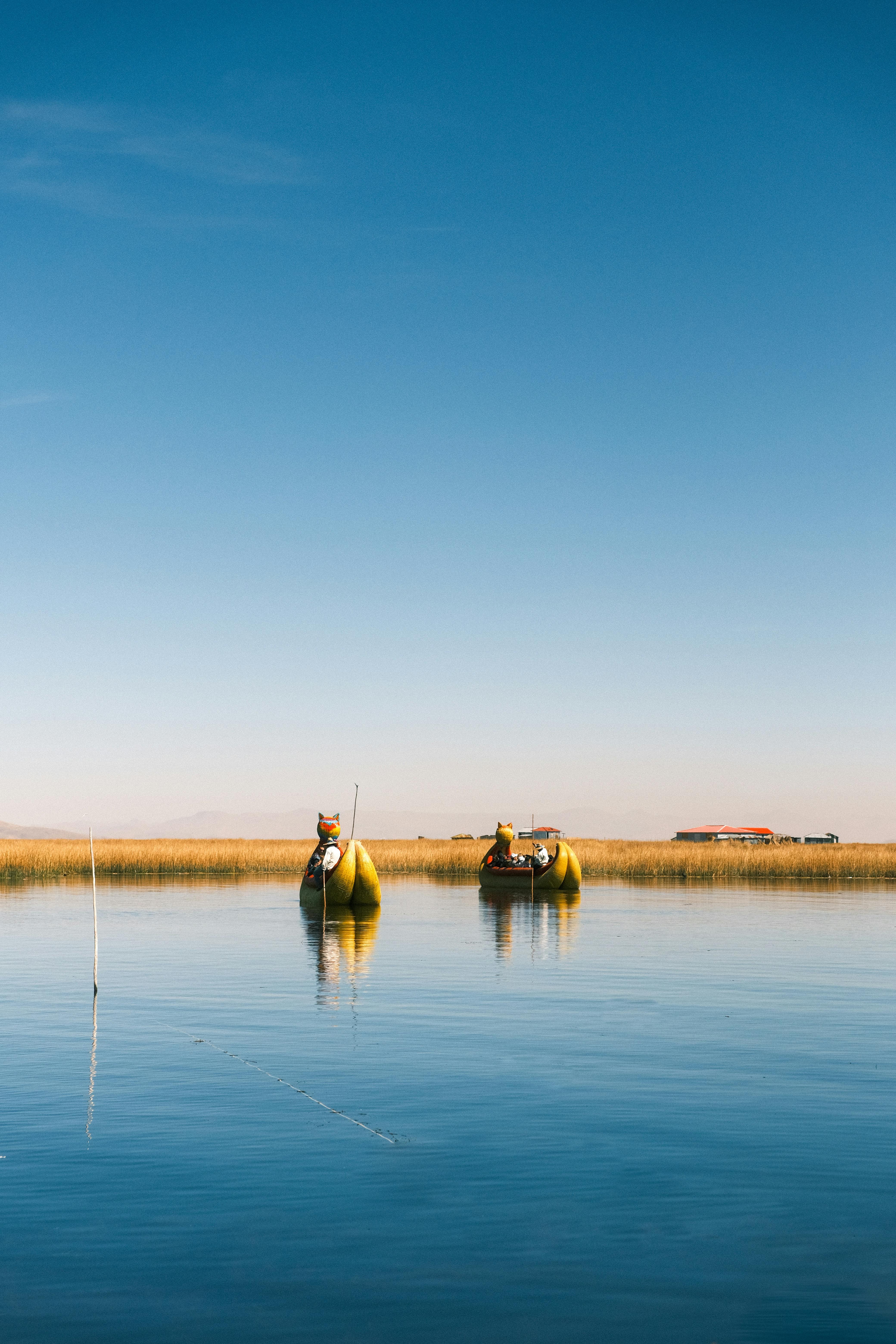
Copacabana is where the sky touches the earth, and time seems to slow down to the rhythm of the lake tides.
Nestled at 3,841 meters above sea level, Copacabana is the primary jumping-off point for visiting the sacred Isla del Sol. The town is defined by its strong spiritual presence, characterized by the iconic Moorish-style basilica and the mix of Aymara traditions with Catholic faith. It is a slow-paced destination that appeals to nomads seeking tranquility and a deep connection to Andean history rather than a bustling urban hub.
Digital nomads who gravitate here are usually self-starters who appreciate a quiet, reflective environment where the work-life balance leans heavily toward "life." Because the internet can be inconsistent, it is a place for those who do not require a constant, high-bandwidth connection for daily video conferences. To get a better handle on your budget, browse our Cost of living in Copacabana breakdown, and consult the Climate section to prepare for the chilly mountain evenings.
History
Copacabana holds a deep historical significance that predates the arrival of the Spanish.
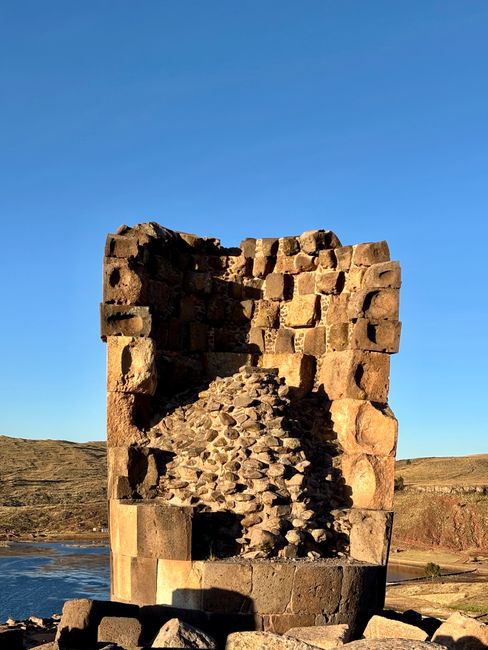
Copacabana holds a deep historical significance that predates the arrival of the Spanish. It was a site of immense religious importance to the Inca civilization, who viewed Lake Titicaca as the birthplace of the sun. Following the Spanish conquest, the area became a pivotal point for the forced conversion of indigenous populations to Catholicism, leading to the construction of the famous basilica.
Today, the town serves as a living museum of syncretism, where Aymara rituals are blended with colonial architecture. Visitors can still see the ancient sacrificial altars and footpaths that have been used by pilgrims for centuries, making the town feel like a bridge between the ancient Andean past and modern Bolivian life.
Pre-Inca Era
Aymara PresenceThe region was inhabited by Aymara-speaking peoples who established early civilizations around the southern shores of Lake Titicaca.
15th Century
Incan ConquestThe Inca Empire expanded into the region, incorporating Copacabana into their sacred geography due to its proximity to the Isla del Sol.
1583
Religious TransformationSpanish colonial authorities established the town as a Christian pilgrimage site, centered around the miracle-working Virgin of Copacabana.
1825
Bolivian IndependenceCopacabana officially became part of the newly formed Republic of Bolivia following the end of Spanish colonial rule.
Where to Stay
Choose your base camp
Distinct neighbourhoods, different rhythms. Pick the one that fits your work-life balance.
Budget Favourite
Town Center
The area around the plaza is the most convenient for short-term stays, offering easy access to shops, restaurants, and the main bus lines. Rents here are very affordable, often in simple, family-run guesthouses.
Scenic Views
Lakefront District
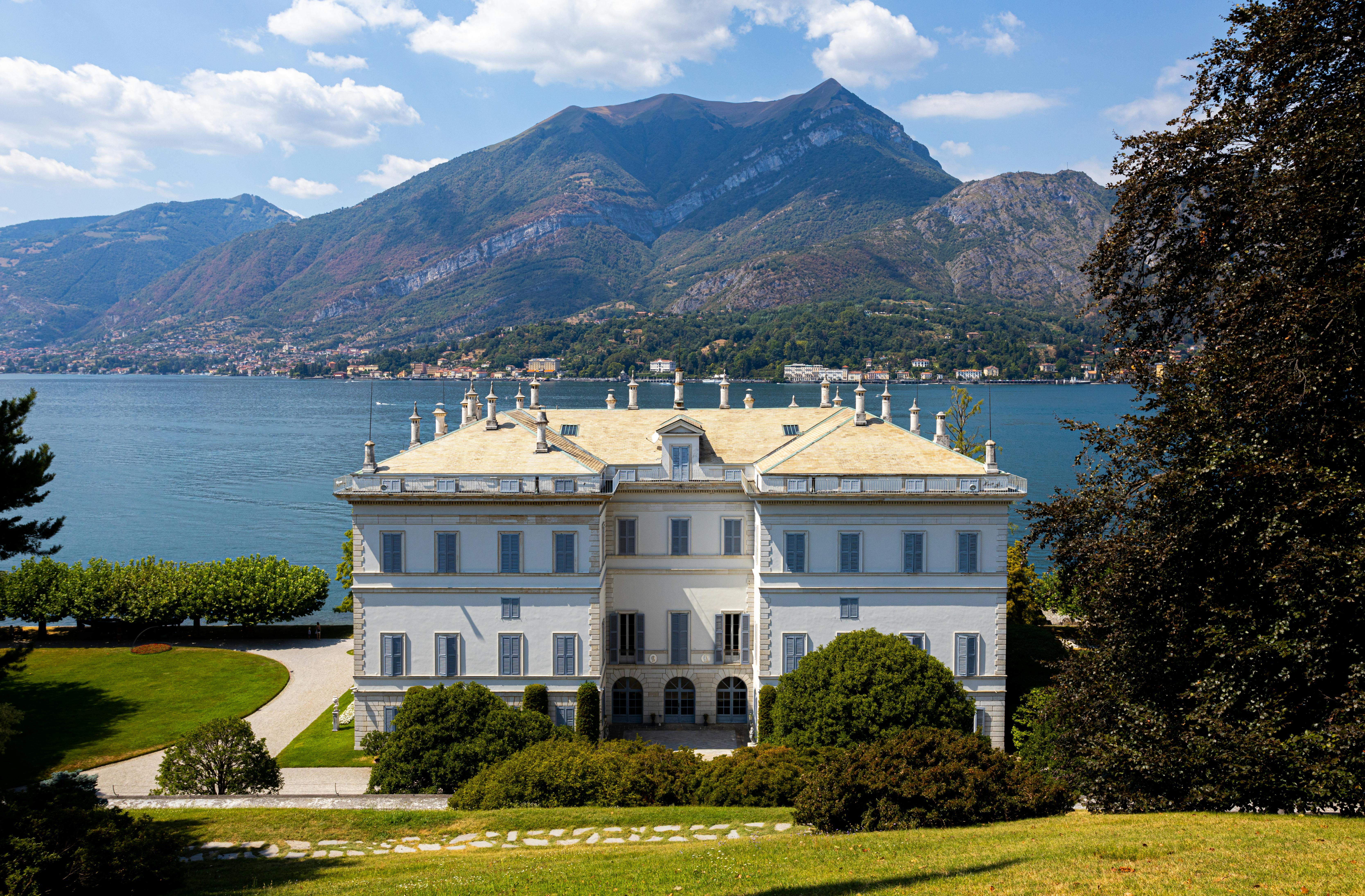
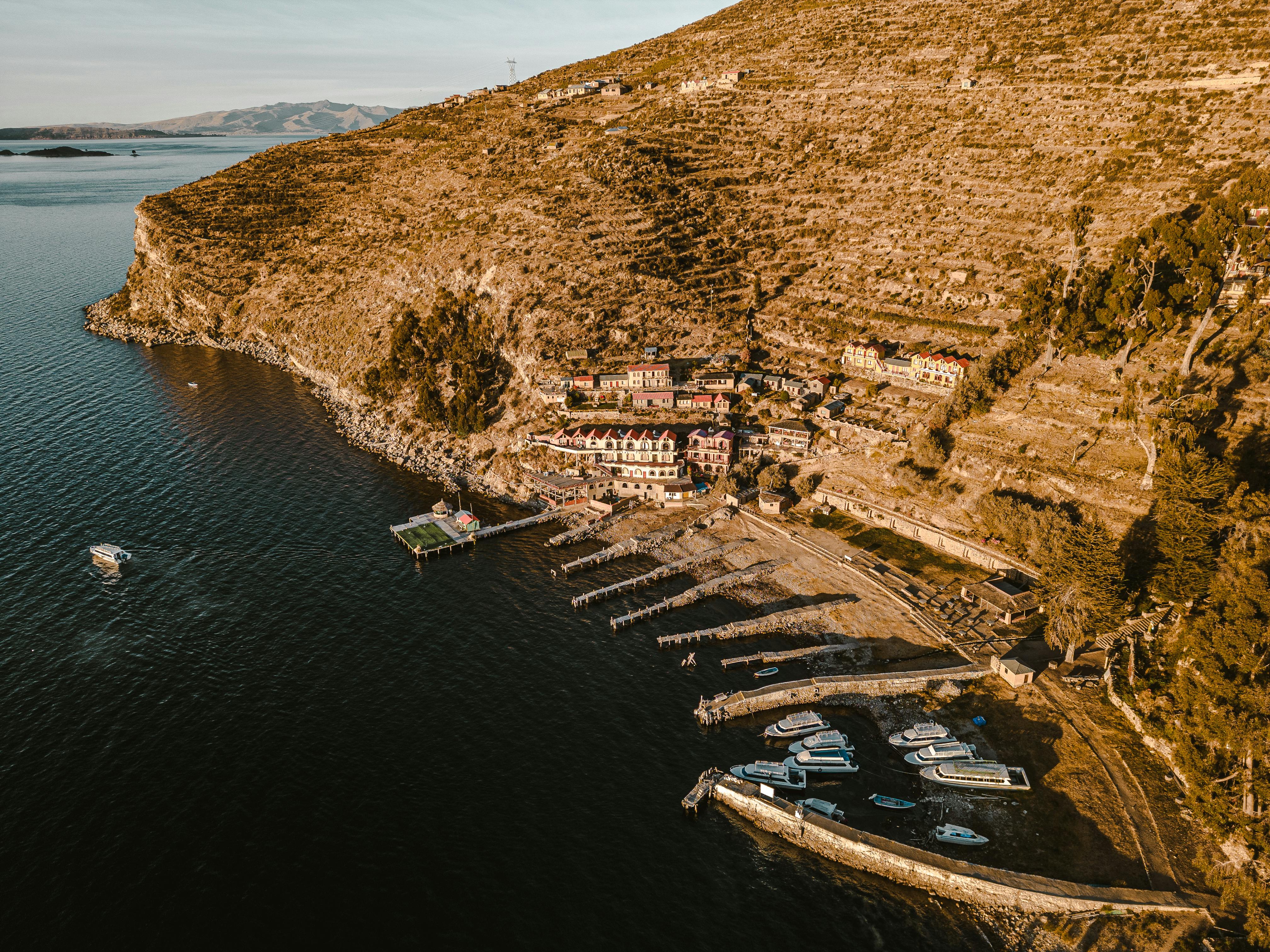
Staying closer to the docks provides direct access to the water and the boat traffic to Isla del Sol. It is slightly quieter than the center and perfect for those who want a view of the sunset from their window.
Slow Living
Hillside Foothills
If you want complete solitude and a chance to work away from the noise, the higher elevation slopes offer small rentals. You will need to walk a bit more, but the privacy is unmatched.
Places to Go
The experiences that will make you never leave
These aren't tourist checkboxes — they're the experiences that reset your sense of what's normal.
Top Pick
Basilica of Our Lady of Copacabana
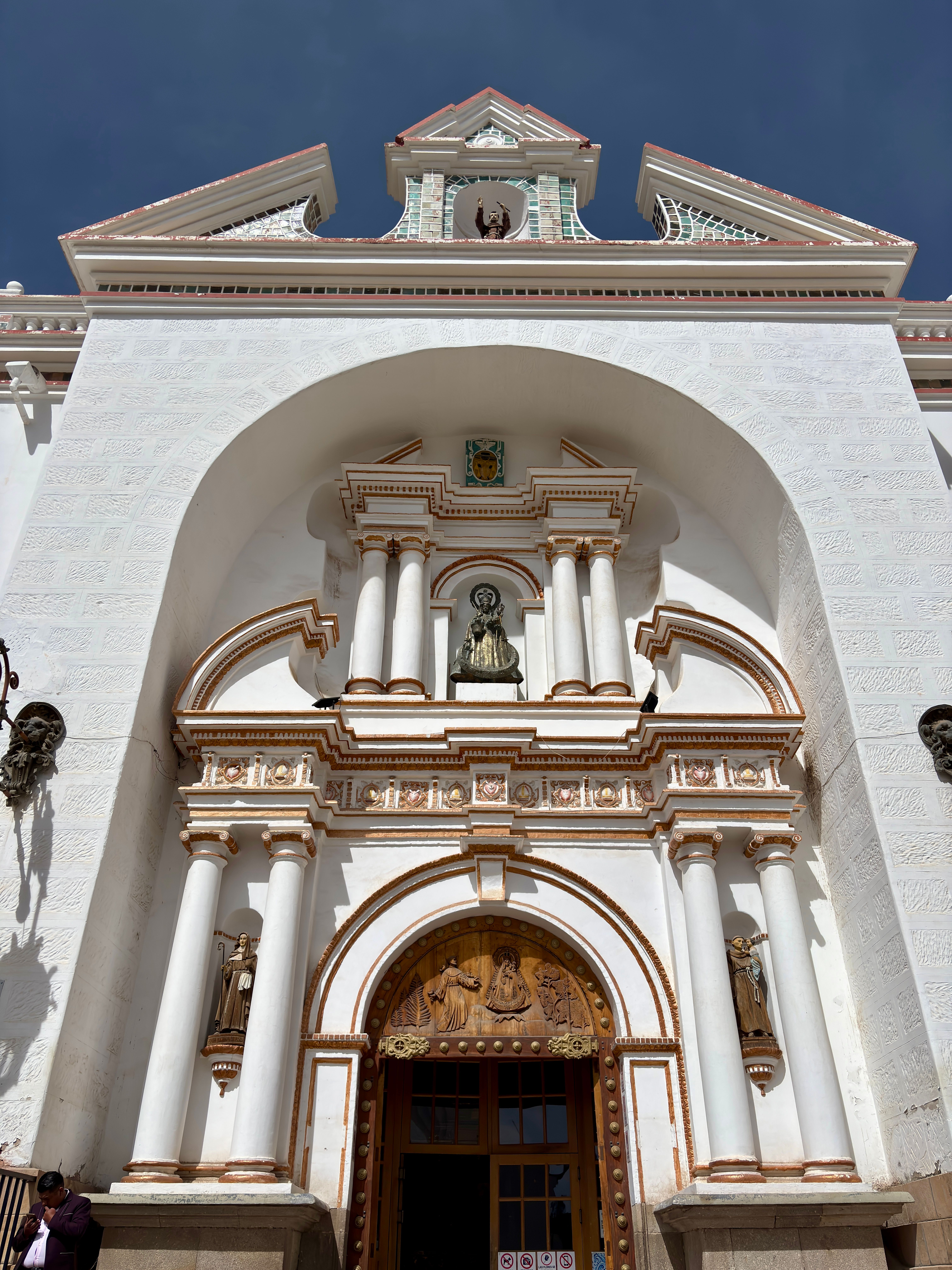
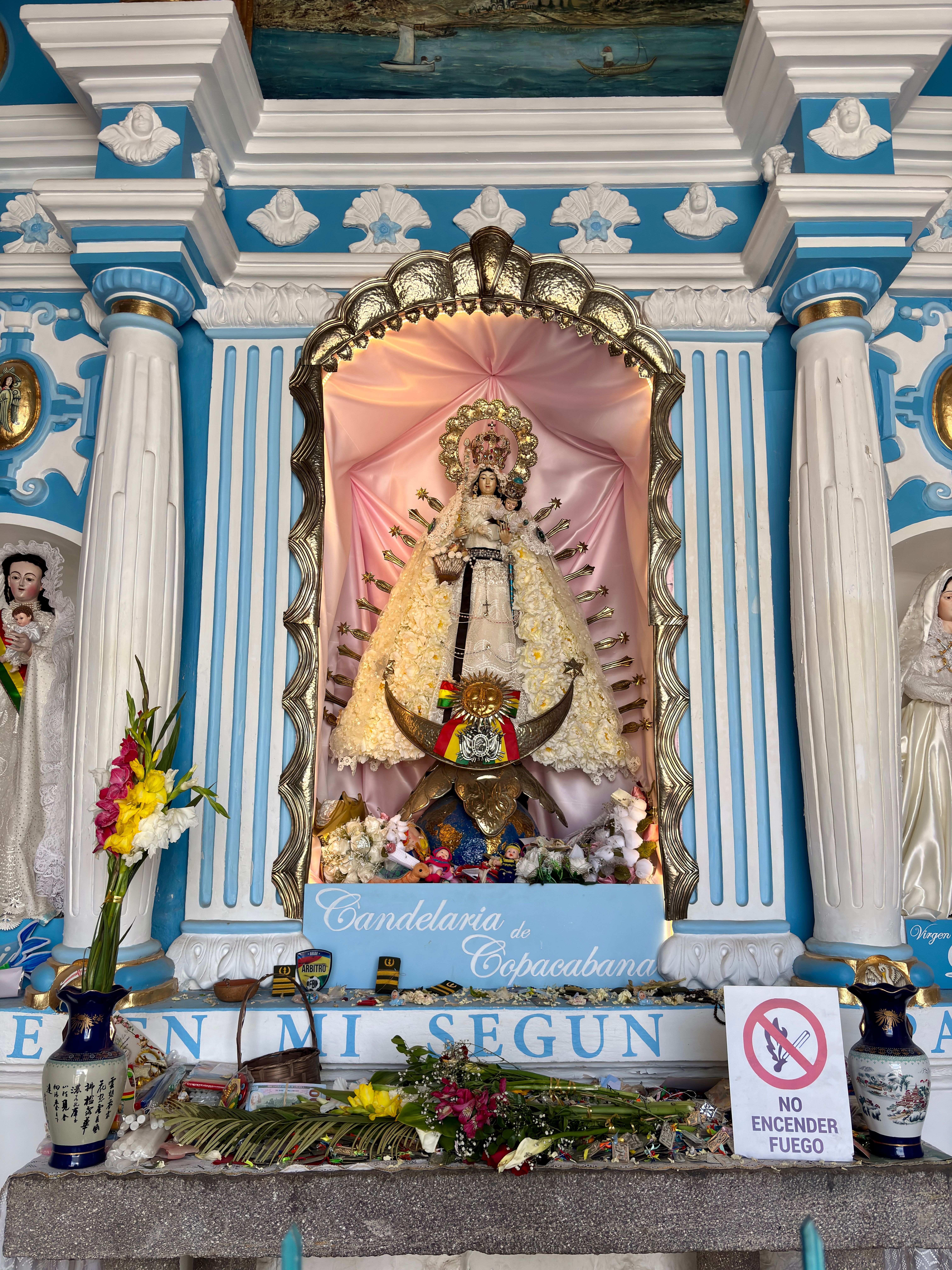
This stunning 17th-century basilica is the heart of the town, famous for its Moorish-style domes and its status as a major pilgrimage site. It houses the venerated image of the Virgin of Copacabana, which is celebrated by locals and visitors alike.
Wikipedia
Isla del Sol
Located a short boat ride away, this legendary island is considered the birthplace of the sun in Inca mythology. It offers incredible hiking trails, ancient ruins, and breathtaking views of the massive Lake Titicaca.

Visit Bolivia
Cerro El Calvario
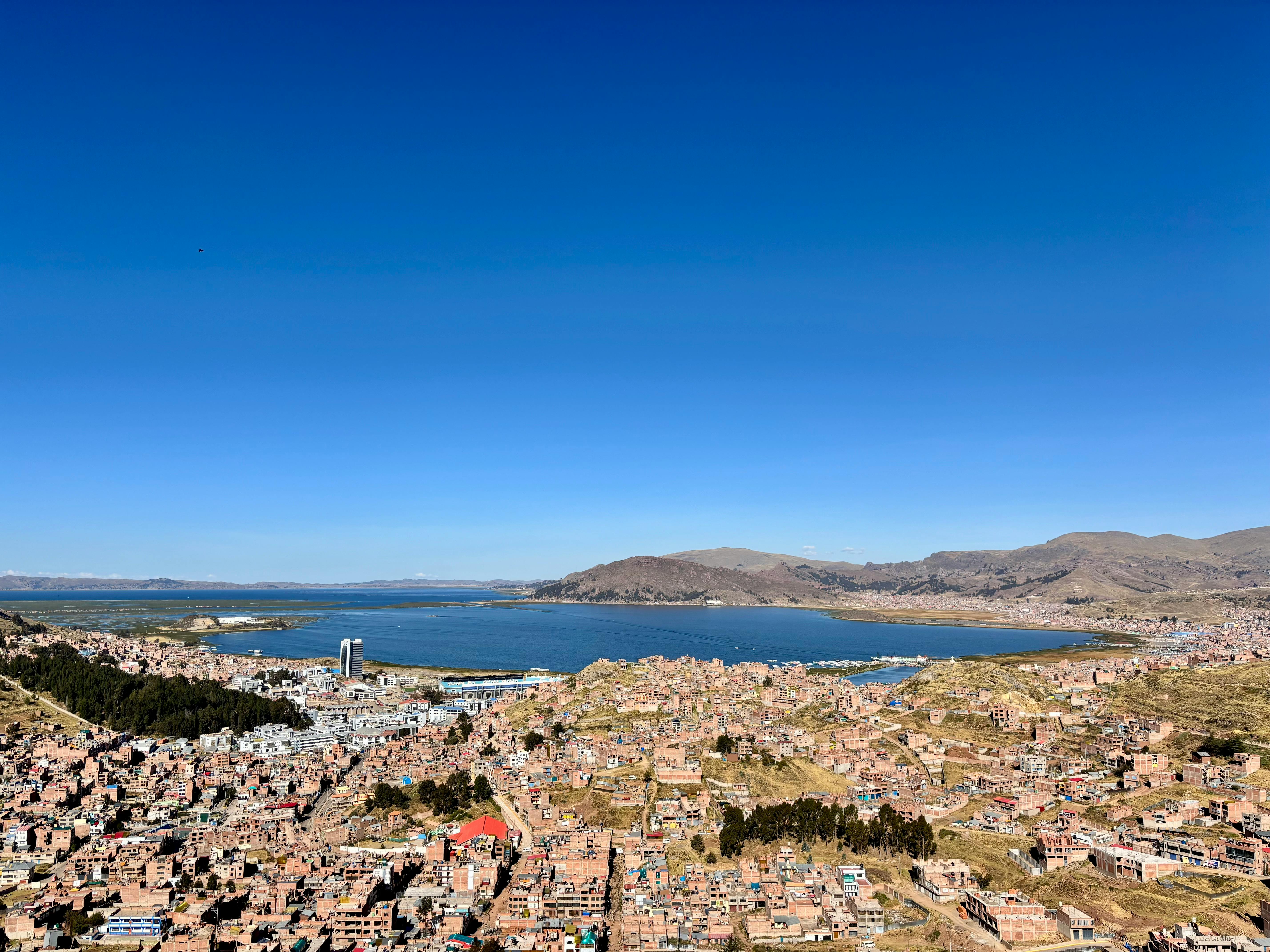
This steep hill provides the absolute best panoramic view of the town and the lake. It is a popular spot for sunset, and the hike up is marked by the Stations of the Cross, making it a sacred site for pilgrims.

Work & Connectivity
Stay connected wherever you work
The nomad community here is real — cafés and coworking spaces where you can work and meet others.
Local Cafes
There are no official coworking spaces in town, but several cafes near the Plaza Sucre allow travelers to work with a coffee. Expect basic speeds and intermittent power, so bring your laptop fully charged.
Guesthouse Common Areas
Many hostels have quiet common rooms that function as ad-hoc offices for digital nomads. This is often the best place to find a stable plug and a quiet atmosphere.
Budget & Costs
What it costs to live in Copacabana
Choose your lifestyle tier. Comfortable = furnished accommodation, local + occasional Western food, transport, leisure.
$730
per month · USD · comfortable lifestyle
ModerateFurnished studio, local restaurants, transport, and weekend trips.
Exchange rates
Check xe.com or your bank for current USD to local currency.
Check xe.com or your bank for current USD to local currency.
🏠 Rent 45%$329/mo
🍽️ Food 28%$201/mo
🚌 Transport 10%$73/mo
💡 Utilities 8%$55/mo
🎭 Leisure 8%$55/mo
🏥 Health 3%$18/mo
Connectivity
Well connected to the world
Internet and transport options for remote workers.
📶
Internet
Good — fibre common
Check local providers.
🏢
Coworking
From ~$80/mo
Dedicated spaces available.
🚌
Local Transit
5 / 10
Scooter and taxi common.
20 km from centre
Safety & Visa
Safe, welcoming, and easy to enter
Safety Score6 / 10
✗ Tap Water✓ Night Safe📞 112 or local emergency number
Visa
Check your entry options
Many nationalities get visa-free or visa-on-arrival. Check official government sources for your citizenship before travel.
Culture & Festivals
Local soul, nomad-friendly
Multiculturalism5/10
Foodie Scene5/10
Remote work
Feb
Fiesta de la Virgen de Candelaria
A major religious event involving music, elaborate traditional costumes, and processions through the town streets.
Aug
Festival of the Virgin of Copacabana
The most important local festival, drawing thousands of pilgrims from across Bolivia to honor the town's patron saint.
For those seeking more adventure, look into the multi-day hiking routes on the Isla del Sol which require carrying your own gear but offer the most pristine views in the region.
Food & Nightlife
A feast for every mood
From street food to cafés and nightlife — every meal is an event.

Street Food
Market Stalls
The local market is the best place to find affordable, fresh meals like trout caught straight from Lake Titicaca. It is a no-frills experience that gives you a genuine taste of Aymara cuisine.
Café Culture
Lake View Cafes
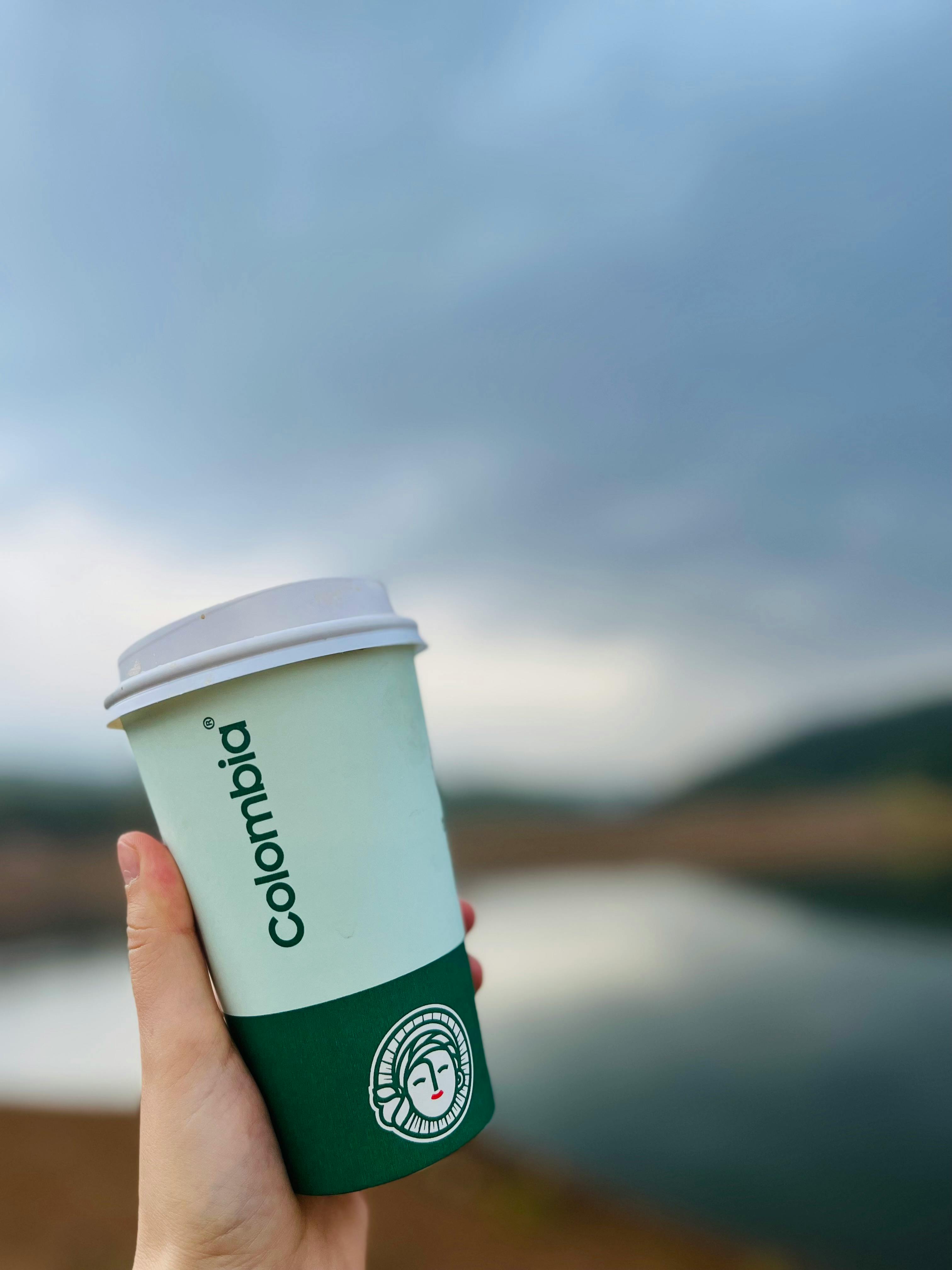
Several cafes along the waterfront serve good coffee and light snacks. They are excellent for a slow morning of reading or planning your next trek around the lake.
Climate
Best months: Jan, Feb, Mar, Apr, May, Jun, Jul, Aug, Sep, Oct, Nov, Dec
Avg humidity52%
Avg AQI20
Copacabana is technically accessible year-round, but your experience will depend heavily on the temperature. The dry season from May to October offers the clearest skies and most pleasant days for hiking, though nights are consistently cold due to the altitude.
If you prefer milder temperatures, the shoulder months are ideal, though you should always be prepared for sudden rain showers. Regardless of when you visit, ensure you have quality layers as the difference between daytime sun and nighttime chill is significant.
Monthly temperatures °C
BestAvoidShoulder
Practical Info
Everything you need to know
🏥
Healthcare
Medical facilities in Copacabana are basic. For serious issues, travelers often head to La Paz, so ensure you have travel insurance that covers emergency medical evacuation.
💱
Money
The local currency is the Boliviano. While there are some ATMs, they can be unreliable or out of cash, so always carry a sufficient amount of physical cash for your daily expenses.
🌐
Language & Etiquette
Spanish is the primary language, though many locals also speak Aymara. It is polite to learn a few basic Spanish phrases, and always ask permission before taking photographs of locals or religious ceremonies.
Tips
Quick tips
- Always carry a portable power bank as electricity can be unreliable.
- Drink plenty of water to combat the effects of high altitude.
- Pack thermal layers, even if you are visiting during the summer.
- Try the local trout—it is the town's signature dish.
- Carry small denominations of cash for local market purchases.
- Download offline maps to navigate the surrounding hillside trails.
- Use a high-SPF sunscreen as the mountain sun is very strong.
Further Reading