
San Andrés · Colombia
Overview
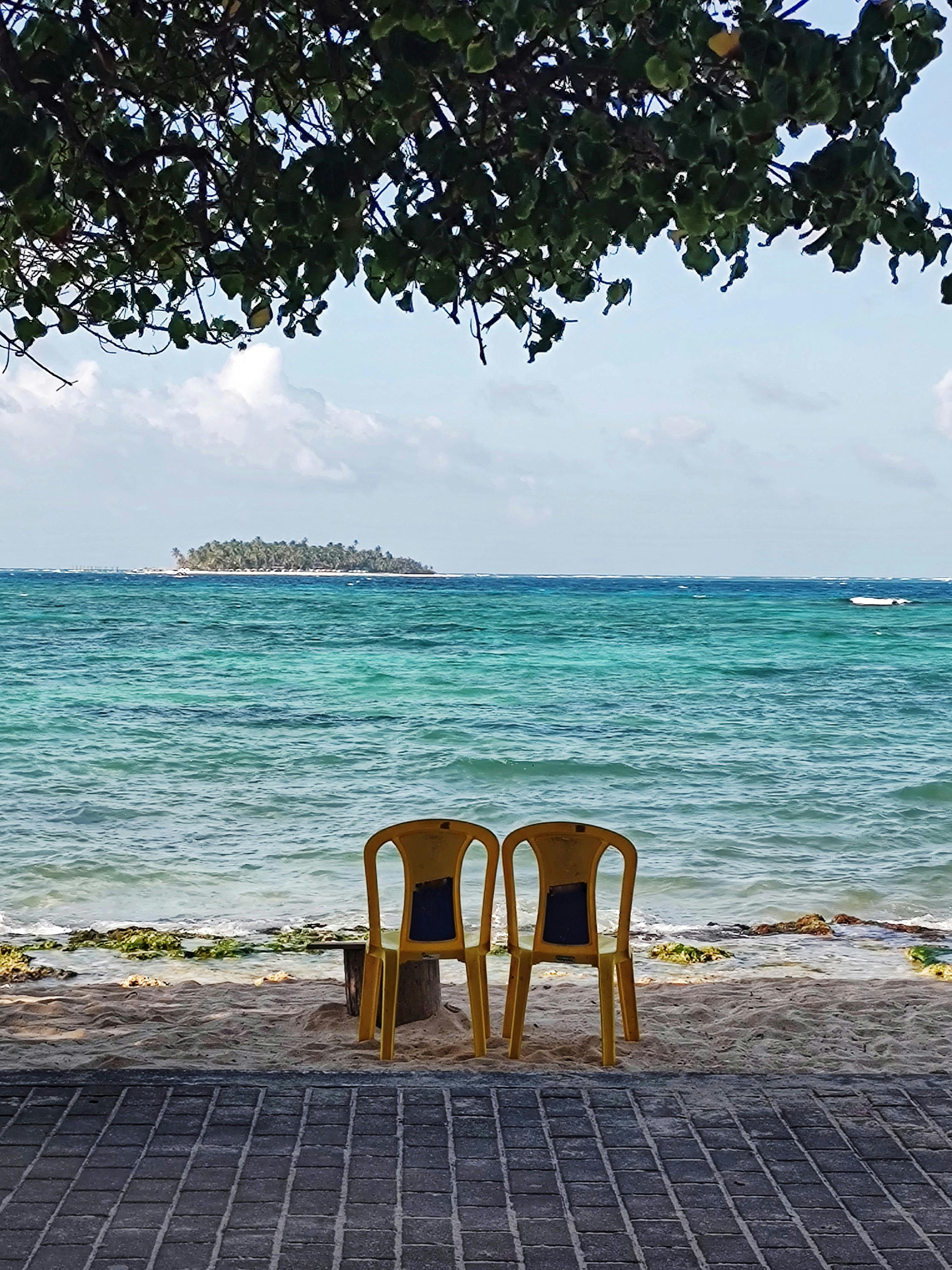
San Andrés is where the Caribbean Sea turns into your morning commute view.
San Andrés is the largest island in the San Andrés, Providencia and Santa Catalina archipelago, offering a unique blend of Colombian culture and Caribbean charm. Digital nomads are drawn here by the crystalline 'Sea of Seven Colors' and a relaxed pace of life that encourages a perfect balance between productivity and leisure. Whether you are working from a balcony overlooking the ocean or taking a midday swim, the island offers a distinct vibe that differs from the bustling mainland.
While the infrastructure is more laid back than major tech hubs, the island provides a peaceful environment for deep work. You can expect a reasonable Cost of living in San Andrés, allowing for a comfortable lifestyle without the high price tag of more developed global beach destinations. If you prioritize natural beauty and a slow-paced work environment, this island is a top-tier choice for your next remote work base.

History
San Andrés has a complex history shaped by various colonial powers and its unique position in the Caribbean.
San Andrés has a complex history shaped by various colonial powers and its unique position in the Caribbean. Originally inhabited by indigenous peoples, the island became a strategic point for English settlers and later, pirates like Henry Morgan who allegedly used the island as a base. This history has left behind a rich cultural tapestry that blends English, Spanish, and Afro-Caribbean influences.
In the 20th century, the island became a formal part of Colombia, though its cultural identity remains strongly tied to its Raizal heritage. Today, the island is a recognized UNESCO World Biosphere Reserve, celebrating the Seaflower Reserve which surrounds the islands and protecting its diverse marine ecosystem for future generations.
1510
Spanish SightingSpanish explorers first documented the island, officially claiming the archipelago for the Spanish Crown.
1630
English SettlementThe Providence Island Company established a permanent colony, bringing in English settlers and enslaved Africans.
1822
Colombian IncorporationSan Andrés officially became part of the Republic of Gran Colombia, cementing its political future with the mainland.
2000
UNESCO DesignationThe Seaflower Biosphere Reserve was established, preserving the vital marine ecosystem surrounding the island.
Where to Stay
Choose your base camp
Distinct neighbourhoods, different rhythms. Pick the one that fits your work-life balance.

Budget Favourite
El Centro
The heart of the island where most of the services, shops, and budget-friendly guesthouses are located. It is ideal for nomads who want to be within walking distance of everything.

Beach Life
Spratt Bight
This area features modern apartments and is best for those who want to be seconds away from the beach. It is the most active and tourist-friendly neighborhood on the island.

Slow Living
San Luis
Located on the quieter eastern side of the island, this area is perfect for those who want to escape the crowd. You will find charming houses and a very relaxed local atmosphere here.
Places to Go
The experiences that will make you never leave
These aren't tourist checkboxes — they're the experiences that reset your sense of what's normal.

Top Pick
Spratt Bight
This is the primary beach area in the main town, known for its pristine white sand and calm, turquoise waters. It is the perfect spot for a quick dip after a morning of remote work. The palm-lined promenade offers plenty of space for a sunset stroll.

Official Tourism Info
Johnny Cay
A small coral cay located a short boat ride from the main island, famous for its natural pools and coconut palm scenery. It is a popular day-trip destination for swimming and enjoying local seafood. Visitors should aim to arrive early to beat the main tour boat crowds.

Work & Connectivity
Stay connected wherever you work
The nomad community here is real — cafés and coworking spaces where you can work and meet others.
Café Mar y Sol
A popular local spot with reliable Wi-Fi and a view that keeps you inspired throughout the workday.
Hotel Commons
Several major hotels in the center offer business centers and comfortable lobby seating that functions well as an ad-hoc workspace.
Beachside Shacks
For a truly digital nomad experience, many small beach bars offer shaded seating and power outlets during the morning hours before the beach gets crowded.
Budget & Costs
What it costs to live in San Andrés
Choose your lifestyle tier. Comfortable = furnished accommodation, local + occasional Western food, transport, leisure.
$1059
per month · USD · comfortable lifestyle
ModerateFurnished studio, local restaurants, transport, and weekend trips.
Exchange rates
Check xe.com or your bank for current USD to local currency.
Check xe.com or your bank for current USD to local currency.
🏠 Rent 48%$511/mo
🍽️ Food 28%$292/mo
🚌 Transport 7%$73/mo
💡 Utilities 7%$73/mo
🎭 Leisure 7%$73/mo
🏥 Health 3%$37/mo
Connectivity
Well connected to the world
Internet and transport options for remote workers.
📶
Internet
Good — fibre common
Check local providers.
🏢
Coworking
From ~$80/mo
Dedicated spaces available.
🚌
Local Transit
5 / 10
Scooter and taxi common.
20 km from centre
Safety & Visa
Safe, welcoming, and easy to enter
Safety Score6 / 10
✗ Tap Water✓ Night Safe📞 112 or local emergency number
Visa
Check your entry options
Many nationalities get visa-free or visa-on-arrival. Check official government sources for your citizenship before travel.
Culture & Festivals
Local soul, nomad-friendly
Multiculturalism5/10
Foodie Scene5/10
Remote work
Sep
Green Moon Festival
A vibrant celebration of the archipelago's culture, featuring Caribbean music, dance, and traditional gastronomy.
Keep in mind that San Andrés is part of a protected biosphere, so avoid buying any souvenirs made from coral or protected species to help preserve the environment.
Food & Nightlife
A feast for every mood
From street food to cafés and nightlife — every meal is an event.

Street Food
Local Comedores
These small, family-run eateries offer the best value on the island. Try the 'bandeja paisa' for a hearty meal that will keep you full all day.
Dining
Seafood Grills
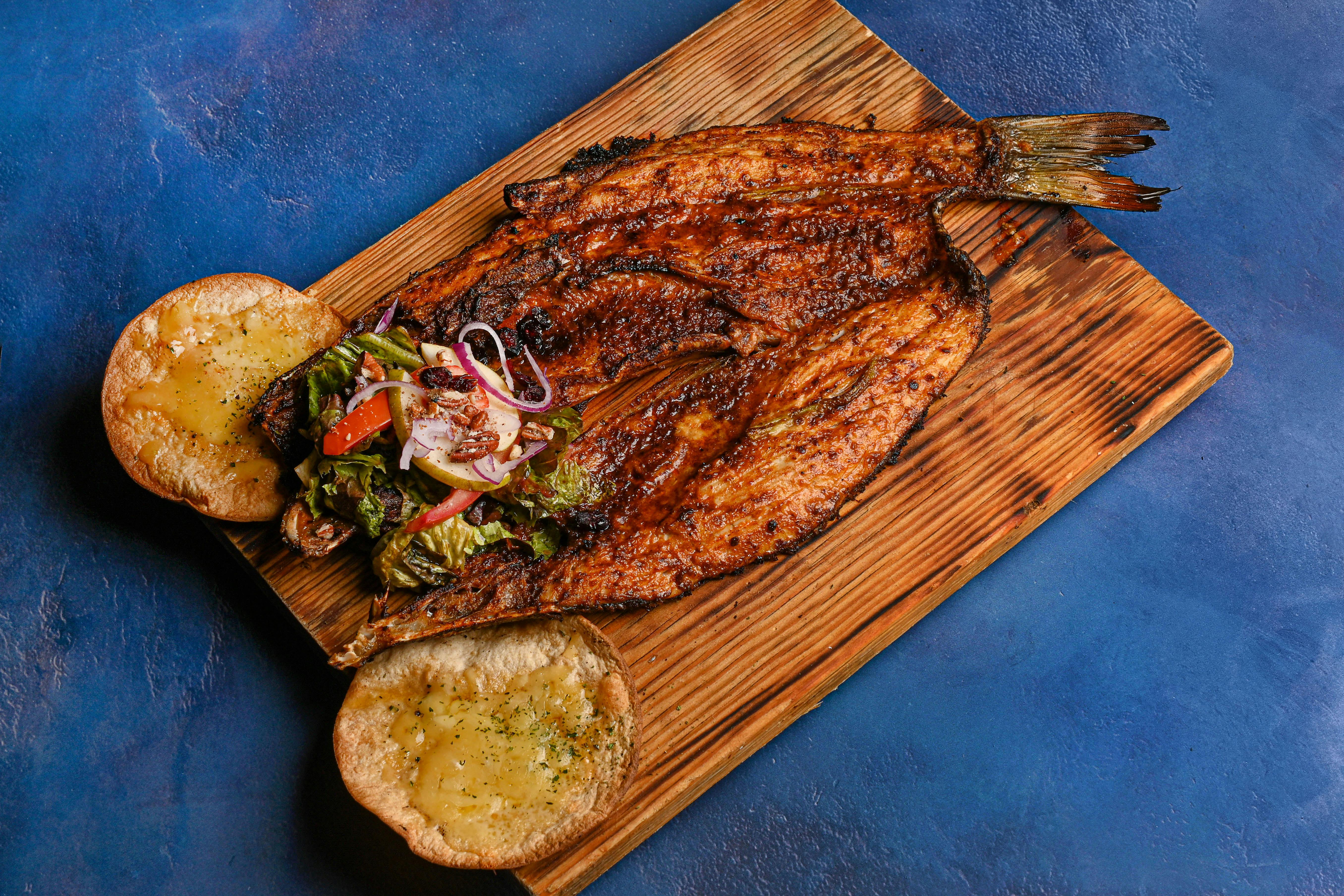
The island is famous for its fresh catches, including snapper and crab. Visit the restaurants along the coast for the best daily specials.
Climate
Best months: Jan, Feb, Mar, Apr, May, Jun, Jul, Aug, Sep, Oct, Nov, Dec
Avg humidity80%
Avg AQI25
The island experiences a tropical climate that remains warm throughout the year, making it a great destination for remote workers regardless of the calendar. While the weather is generally favorable across all months—including January through December—it is important to keep an eye on seasonal weather patterns, as the Caribbean can experience rainier spells during the later months of the year.
Because the island remains temperate, there isn't a single 'avoid' month, though visitors should plan their arrival with potential humidity shifts in mind. Travel during the shoulder seasons is often recommended for those looking to balance pleasant beach weather with fewer crowds and potentially lower accommodation rates.
Monthly temperatures °C
BestAvoidShoulder
Practical Info
Everything you need to know
🏥
Healthcare
Medical facilities exist on the island, but for specialized care, evacuation to the mainland is sometimes necessary. Ensure you have travel insurance that includes medical coverage.
💱
Money
The currency is the Colombian Peso. While many hotels and larger restaurants accept cards, keep cash on hand for small local shops and transport.
🌐
Language & Etiquette
Spanish is the official language, though English and Creole are widely spoken due to the island's unique history. Locals appreciate it when you learn a few basic phrases.
Tips
Quick tips
- Carry a portable power bank for those times when the power grid fluctuates.
- Use a VPN to keep your data secure on public Wi-Fi networks.
- Rent a scooter early in your stay to unlock the whole island.
- Always carry sunscreen; the Caribbean sun is much stronger than it looks.
- Buy a local SIM card at the airport upon arrival for better data coverage.
- Respect the island's quiet culture by keeping noise levels low at night.
Further Reading