Rijeka · Croatia
Overview
Rijeka doesn't try to be a postcard; it just offers a real slice of Croatian life at an unbeatable price.
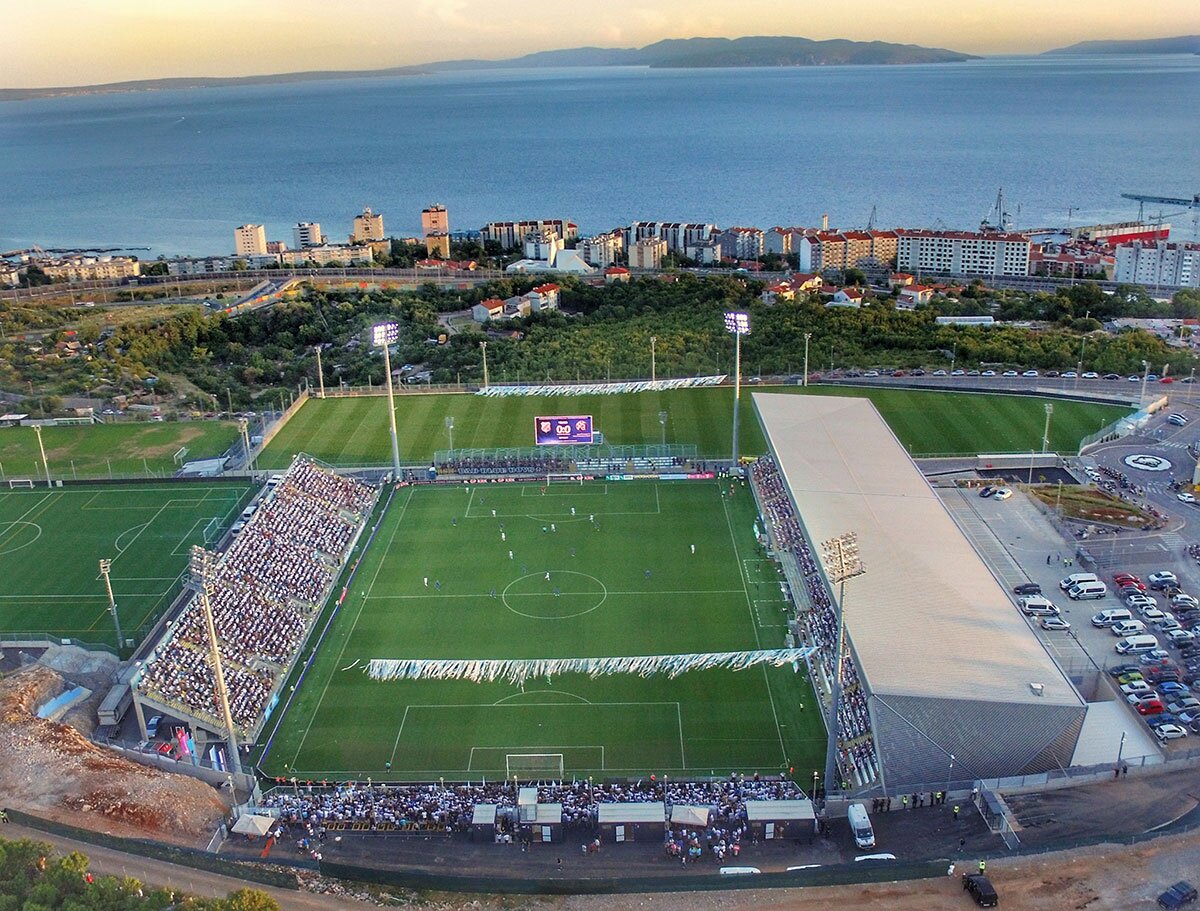
Rijeka stands apart from the typical Dalmatian coast aesthetic, embracing an industrial charm that feels both historic and lived-in. While tourists often pass through on their way to islands like Krk or Cres, digital nomads find a comfortable home here thanks to the walkability of the city center and the absence of massive crowds. The vibe is decidedly local, with a steady pace of life that makes it easy to settle into a routine.
Because the city serves as a hub for both shipping and commerce, the services and connectivity are generally reliable, making it a functional base for those with remote roles. If you are budget-conscious, you will find that your money stretches significantly further here than in Split or Dubrovnik, and by checking the cost of living in Rijeka, you can plan your stay accordingly. The climate in Rijeka remains mild throughout the year, allowing for pleasant outdoor time during the shoulder seasons.
History
Rijeka has a complex past shaped by its strategic position on the Adriatic.
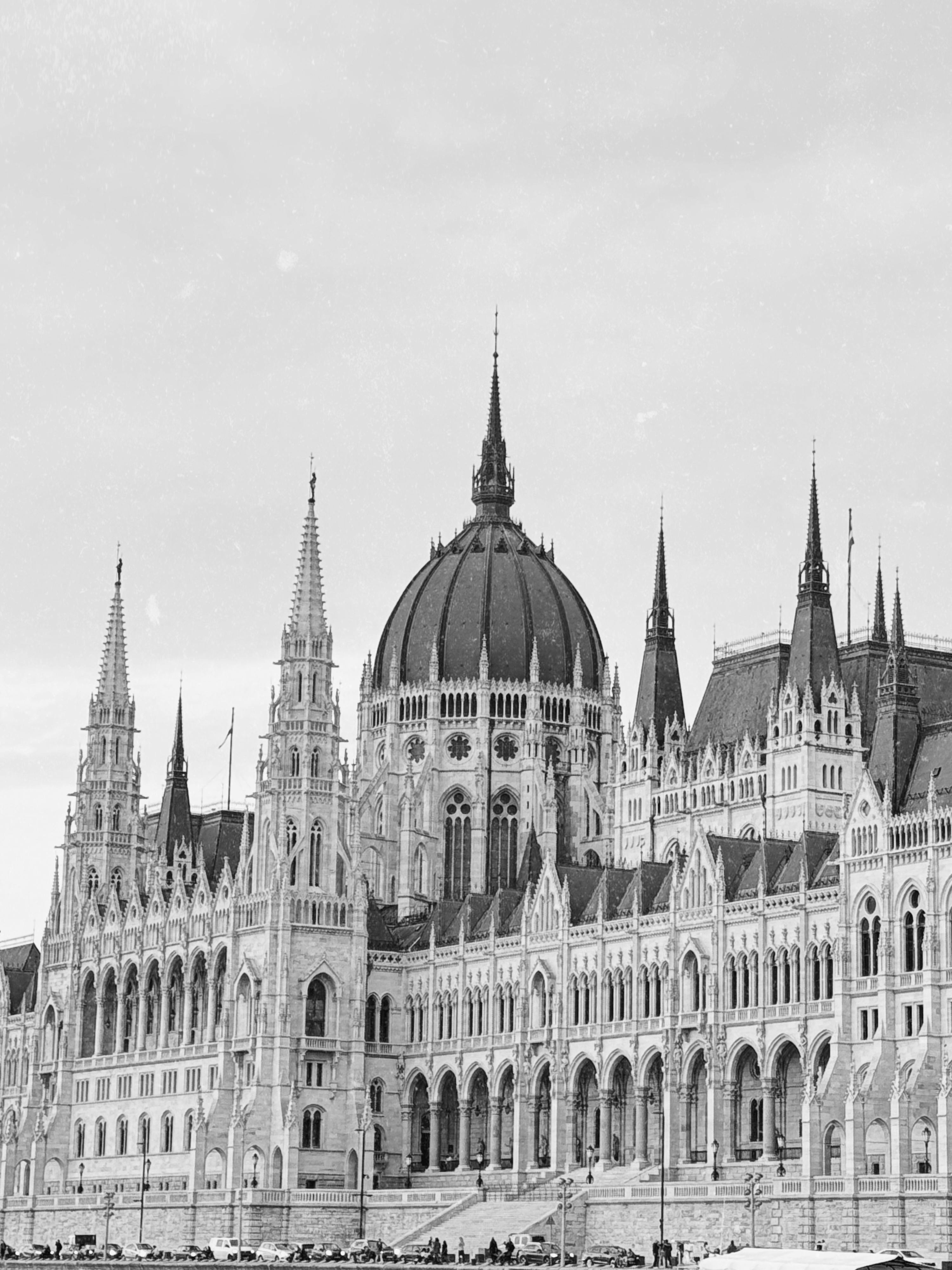
Rijeka has a complex past shaped by its strategic position on the Adriatic. Throughout history, it has changed hands frequently, having been part of the Roman Empire, the Venetian Republic, the Habsburg Monarchy, and the Kingdom of Italy, among others. This unique heritage is reflected in the city's diverse architecture, which features everything from Austro-Hungarian grandeur to later industrial structures.
In the 20th century, the city experienced dramatic political shifts, particularly during the period after World War I when it was a contested state. Following World War II, it became part of Yugoslavia and developed into a major industrial and maritime center. Today, it stands as the third-largest city in Croatia and continues to serve as the nation's primary gateway to the sea, balancing its industrial roots with a modern, outward-looking culture.
1st Century
Roman SettlementThe Roman town of Tarsatica was established at the current location of the old town.
1466
Habsburg ControlRijeka came under the dominion of the House of Habsburg, beginning centuries of influence from the Austrian empire.
1873
Railway ArrivalThe arrival of the railway connected Rijeka to Vienna and Budapest, triggering a massive boom in port activity.
1924
Annexation by ItalyAfter a period of being an independent state, Rijeka was formally annexed to the Kingdom of Italy.
1947
Inclusion in YugoslaviaFollowing the peace treaty after World War II, the city was transferred to the Yugoslav republic.
1991
Croatian IndependenceRijeka became a key economic center for the newly independent Republic of Croatia.
Where to Stay
Choose your base camp
Distinct neighbourhoods, different rhythms. Pick the one that fits your work-life balance.
Urban Convenience
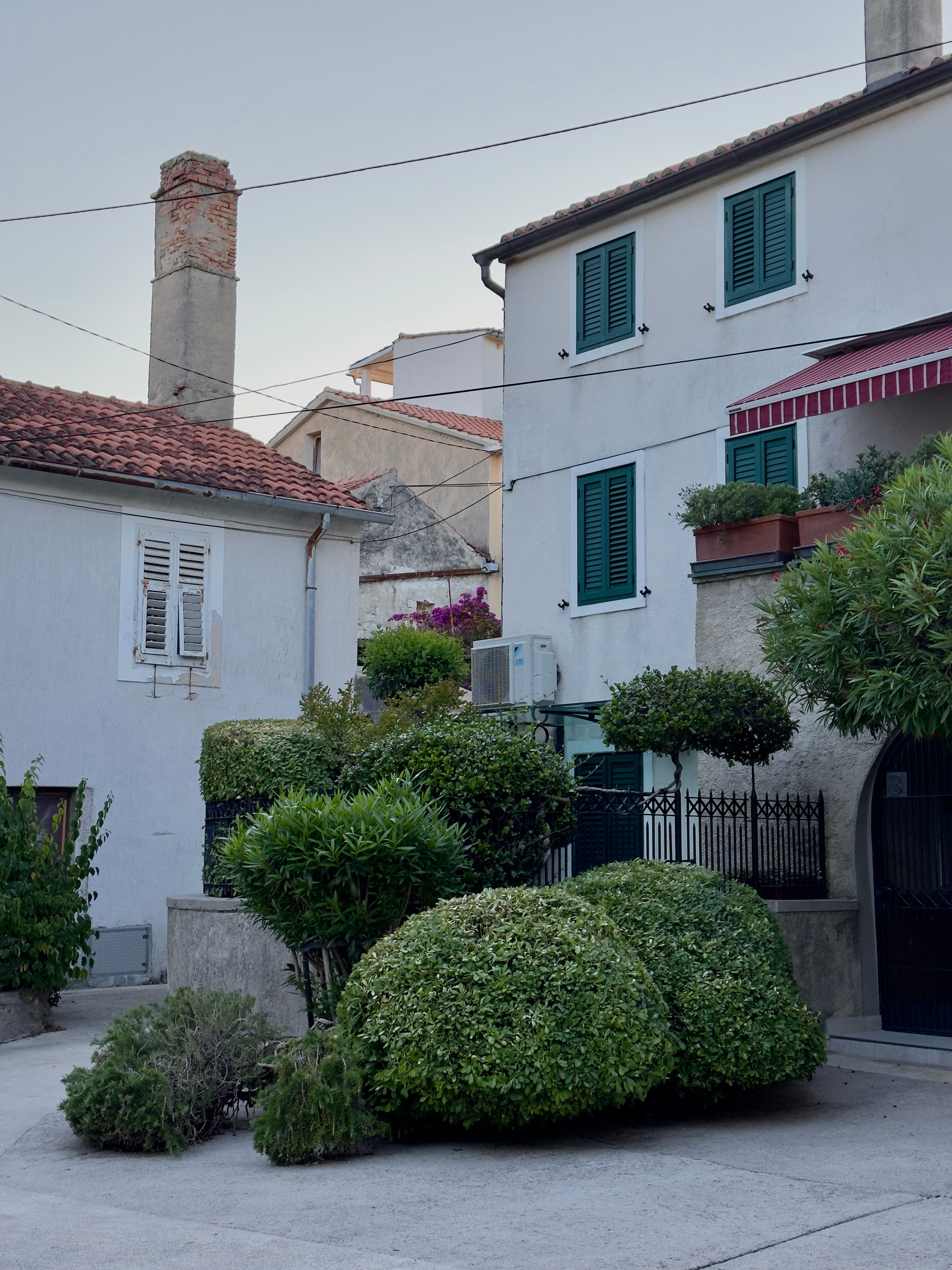
City Center
Staying here puts you right in the middle of the action, close to the best cafes and markets. Prices are higher, but the convenience of having everything on your doorstep is unbeatable.
Quiet Residential
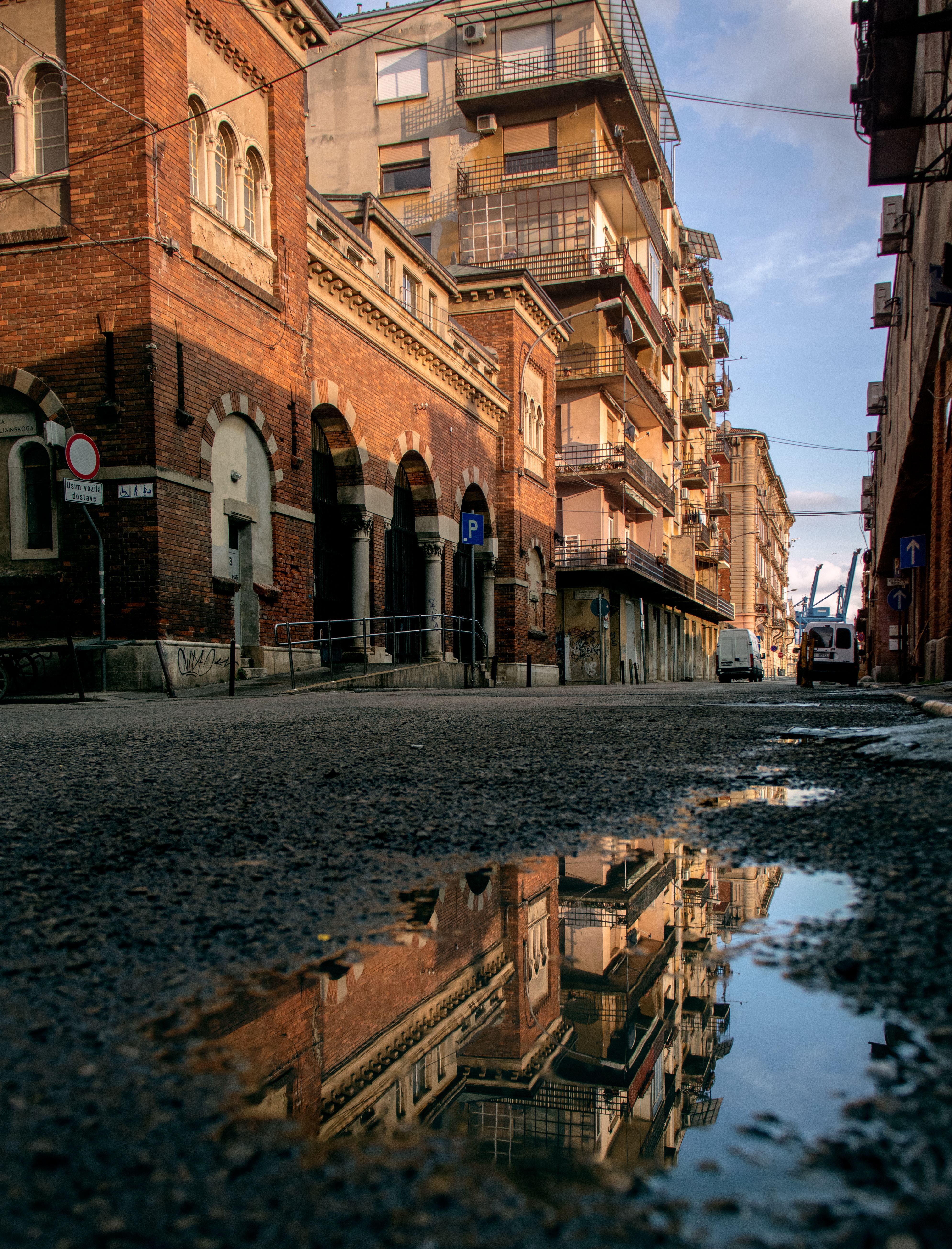
Belveder
A bit more elevated and residential, Belveder offers a peaceful environment while remaining within walking distance of the core. It is a favorite for those wanting a local, low-key experience.
Budget Friendly
Turnić
This area is perfect for those looking to stretch their budget further while still having excellent bus connectivity to the center. It feels very authentic and is home to many local families.
Places to Go
The experiences that will make you never leave
These aren't tourist checkboxes — they're the experiences that reset your sense of what's normal.
Top Pick
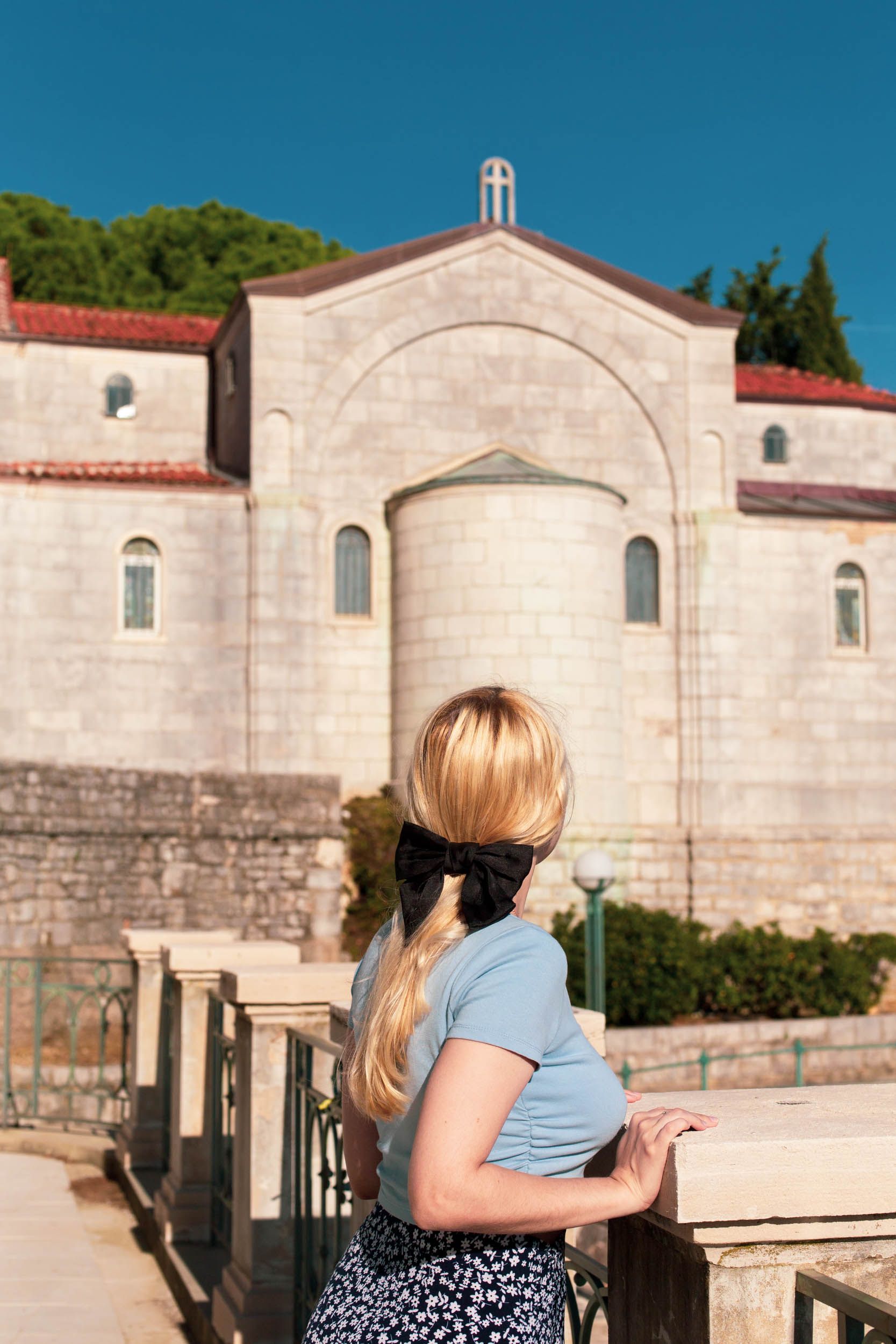
Trsat Castle
Perched on a hill overlooking the city, this historic fortress provides panoramic views of the entire Kvarner bay. It is a fantastic spot for a walk and a coffee with a view.
Rijeka Tourism Official Site
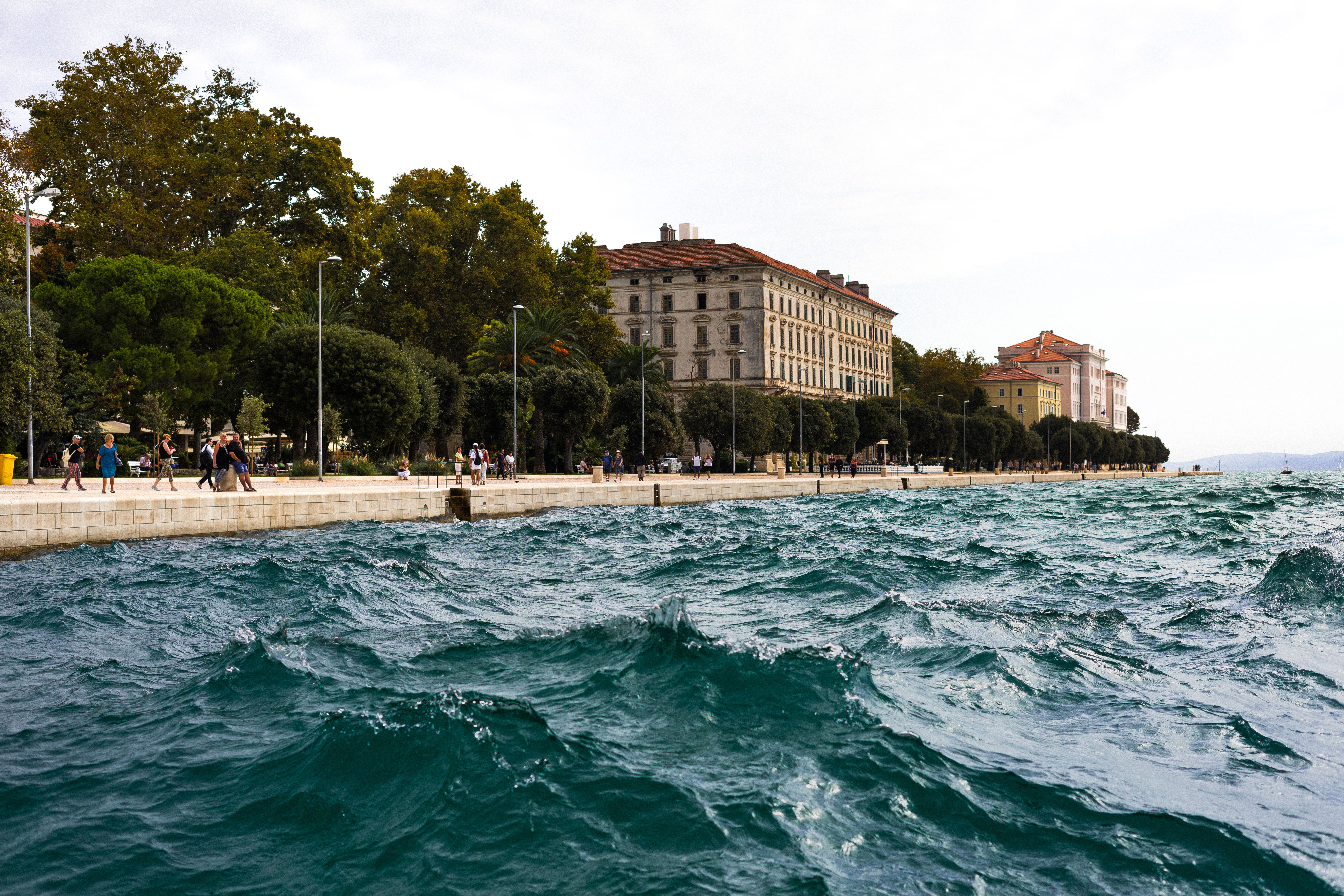
Korzo Promenade
The vibrant heart of Rijeka, the Korzo is where locals go for their daily coffee and social life. It is lined with shops, cafes, and historic architecture that perfectly captures the city's spirit.
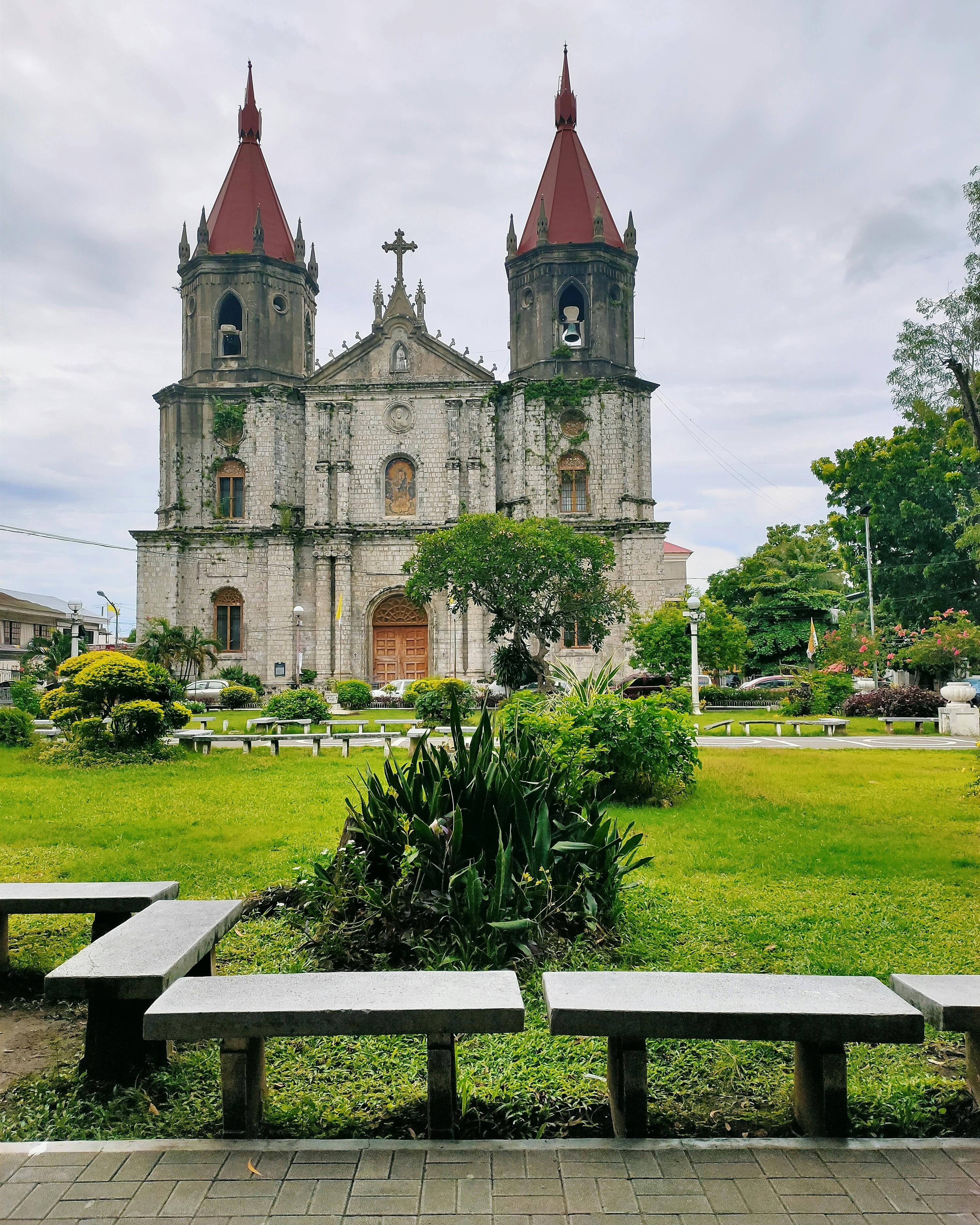
Port of Rijeka
Molo Longo
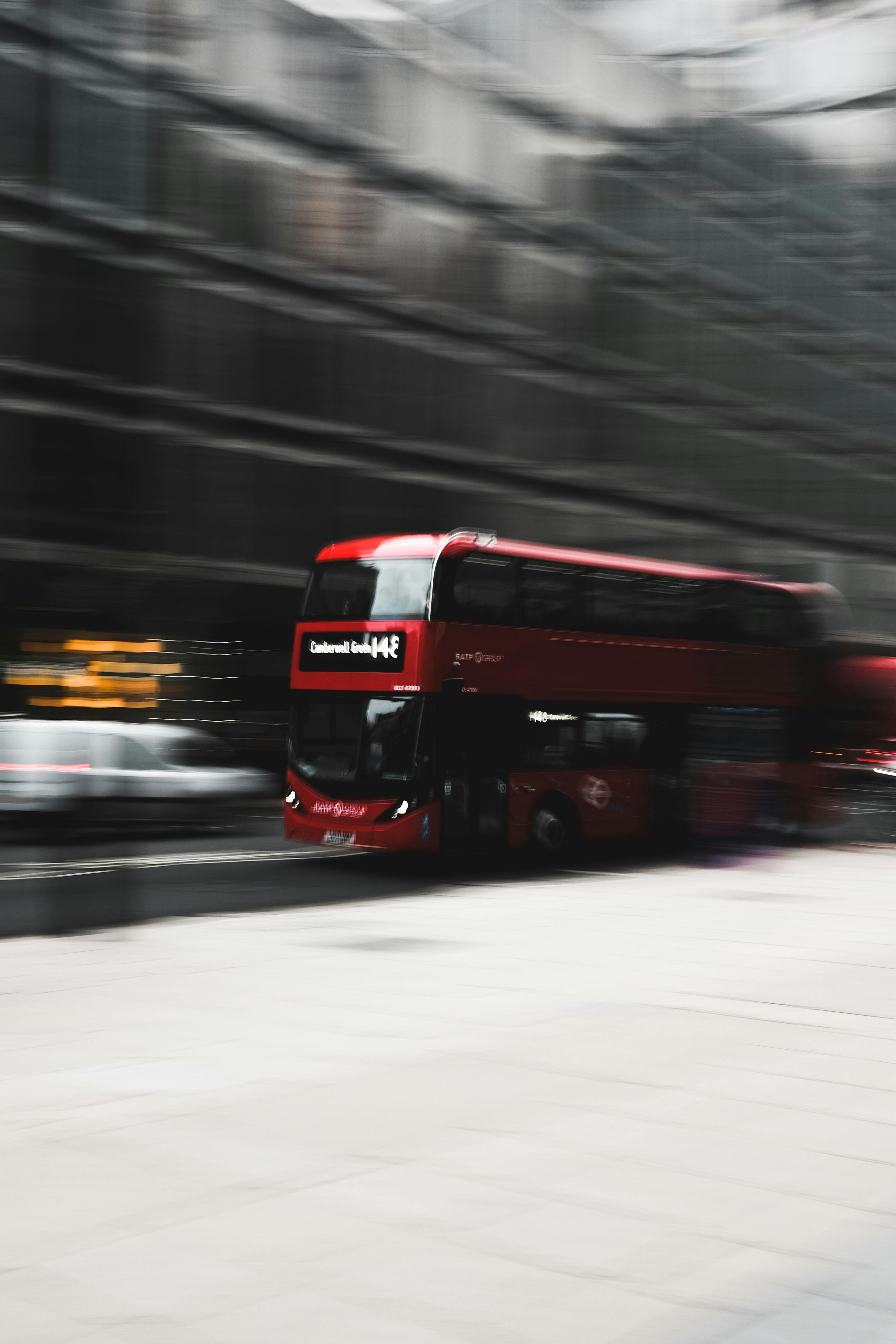
This long pier stretches out into the sea, offering a great walking route right alongside the massive port vessels. It is the perfect place to enjoy the sea breeze while watching the ships come and go.
Work & Connectivity
Stay connected wherever you work
The nomad community here is real — cafés and coworking spaces where you can work and meet others.
Rijeka Dock Coworking
A professional space specifically designed to host remote workers and freelancers. It is the go-to spot for reliable high-speed internet and networking opportunities.
Inovacijski centar
An innovative hub that serves the tech community in the city, offering a focused environment for productive work days.
Local Cafes
Many cafes along the Korzo are laptop-friendly during the mid-morning hours before the social crowd arrives.
Budget & Costs
What it costs to live in Rijeka
Choose your lifestyle tier. Comfortable = furnished accommodation, local + occasional Western food, transport, leisure.
$1168
per month · USD · comfortable lifestyle
ModerateFurnished studio, local restaurants, transport, and weekend trips.
Exchange rates
Check xe.com or your bank for current USD to local currency.
Check xe.com or your bank for current USD to local currency.
🏠 Rent 41%$475/mo
🍽️ Food 25%$292/mo
🚌 Transport 5%$58/mo
💡 Utilities 8%$88/mo
🎭 Leisure 16%$183/mo
🏥 Health 6%$73/mo
Connectivity
Well connected to the world
Internet and transport options for remote workers.
📶
Internet
Good — fibre common
Check local providers.
🏢
Coworking
From ~$80/mo
Dedicated spaces available.
🚌
Local Transit
5 / 10
Scooter and taxi common.
RJK
Rijeka Airport
20 km from centre
colognehamburglondonsplitzagreb
Safety & Visa
Safe, welcoming, and easy to enter
Safety Score6 / 10
✗ Tap Water✓ Night Safe📞 112 or local emergency number
Visa
Check your entry options
Many nationalities get visa-free or visa-on-arrival. Check official government sources for your citizenship before travel.
Culture & Festivals
Local soul, nomad-friendly
Multiculturalism5/10
Foodie Scene5/10
Remote work
Feb
Rijeka Carnival
One of the most famous and largest carnivals in Europe, featuring elaborate masks, parades, and city-wide festivities.
Jun
Rijeka Summer Nights
A series of open-air performances, concerts, and cultural events held across various unique urban locations.
Rijeka's strategic location makes it an ideal base for day trips to nearby Opatija for luxury seaside vibes or to the island of Krk for beautiful beaches, all reachable via local transport.
Food & Nightlife
A feast for every mood
From street food to cafés and nightlife — every meal is an event.

Street Food
Local Konobas
Eat like a local at traditional konobas where you can find fresh pasta, seafood, and hearty stews at very affordable prices.
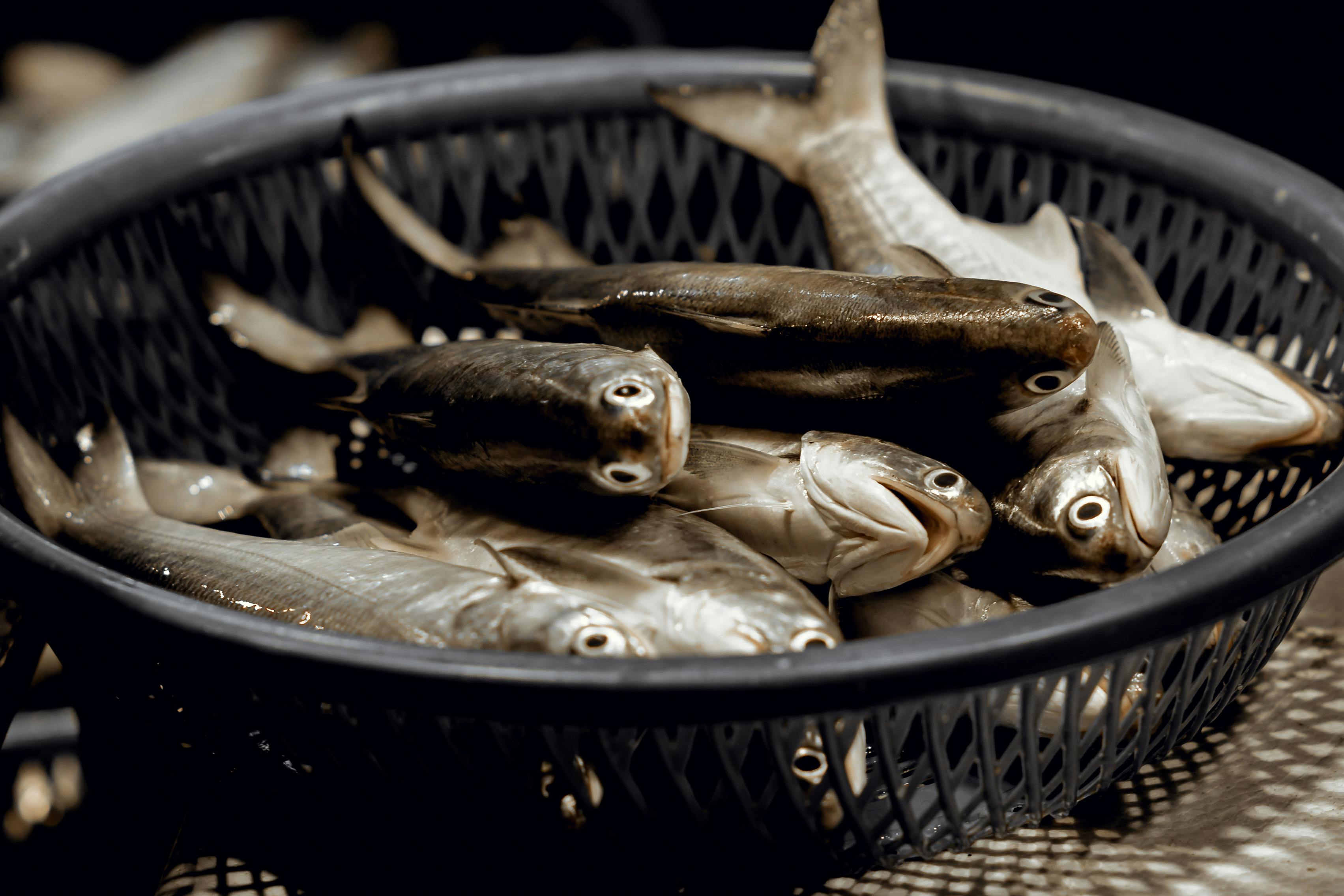
Market
Central Market (Placa)
The main market is an essential stop for fresh fish, seasonal vegetables, and locally produced cheeses. It is the best place to source ingredients for home cooking.
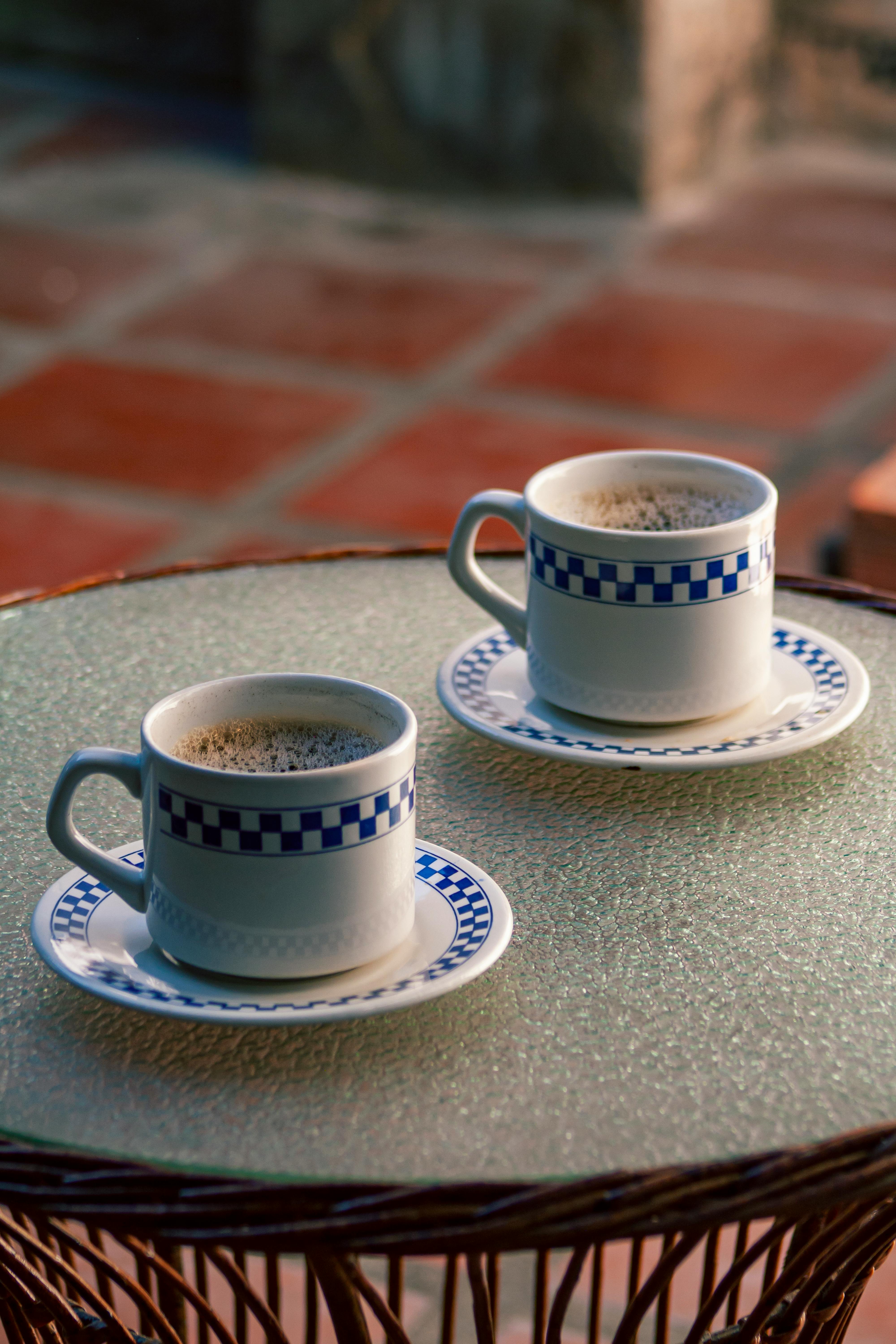
Café Culture
Korzo Coffee
Coffee is a religion here, and you can spend hours people-watching on the main street with a single espresso.
Climate
Best months: Apr, May, Jun, Jul, Aug, Sep, Oct
Avg humidity72%
Avg AQI40
The best time to visit Rijeka is from April through October, when the Mediterranean climate is at its most pleasant. Late spring and early autumn are particularly comfortable for working and exploring the nearby coastline without the intense peak heat of July and August.
While there isn't a specific 'avoid' month, winter can be damp and windy due to the local Bora wind, which is something to keep in mind if you prefer sunny days for your downtime. The city is active year-round, so you won't find the typical 'ghost town' feel that some island resorts experience in the low season.
Monthly temperatures °C
BestAvoidShoulder
Practical Info
Everything you need to know
🏥
Healthcare
Rijeka has a well-developed public healthcare system including a major hospital. Private clinics are also available for English-speaking patients.
💱
Money
The currency in Croatia is the Euro. While credit cards are widely accepted, it is always a good idea to carry some cash for small markets and local cafes.
🌐
Language & Etiquette
Croatian is the official language, but English is spoken by many young people and in professional circles. Learning a few simple phrases like 'hvala' (thank you) is always appreciated by locals.
Tips
Quick tips
- Always carry some cash for the local farmer's market.
- Walk the Molo Longo at sunset for the best photos.
- Get a monthly bus pass if you choose to live outside the center.
- Don't worry if you don't speak the language; the locals are generally helpful.
- The Bora wind can be strong, so keep a windbreaker in your bag.
- Visit the Trsat Castle early in the morning to beat the heat.
- Check out the local Facebook groups for apartment listings to save on agency fees.
Further Reading