
Rovinj · Croatia
Overview
Rovinj is not a place you rush through; it is a place you inhabit, where the sea meets the stone in a perfect, timeless dance.
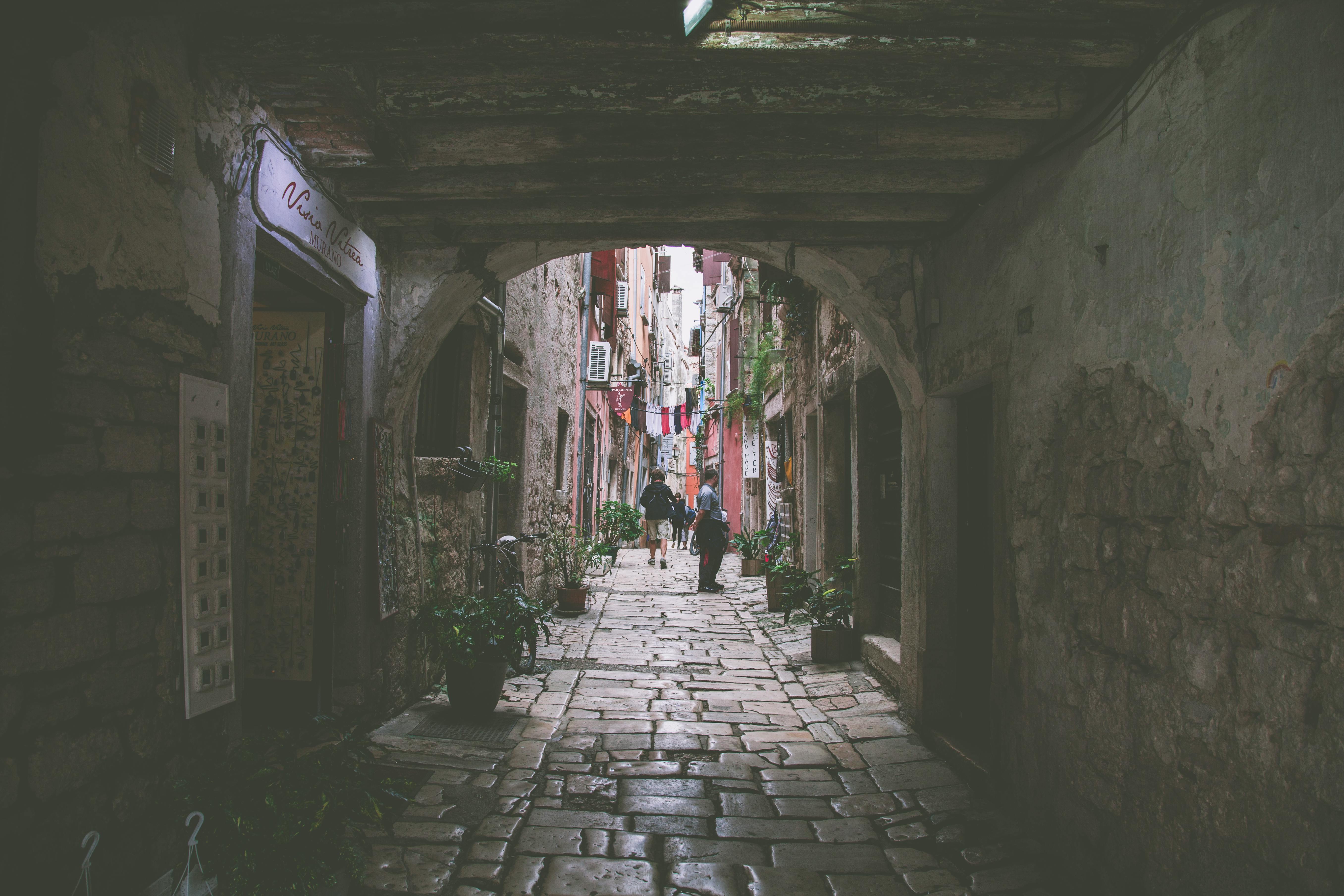
Rovinj feels like an open-air museum where pastel-colored houses climb toward the hilltop church of St. Euphemia. It is the ideal destination for nomads who want to trade screen fatigue for sunset strolls by the harbor and fresh seafood dinners. While the town is small, its creative spirit is immense, attracting artists, writers, and remote workers who value aesthetics and tranquility over the hustle of larger metropolitan hubs.
The town maintains a high quality of life with a relaxed pace that encourages long-term stays rather than quick visits. While modern amenities are abundant, visitors find the most joy in the simple pleasures of the Adriatic—swimming in crystal-clear bays, cycling through the nearby Zlatni Rt Forest Park, and enjoying the Mediterranean climate. Those conscious of their spending can find reliable cost of living options by looking slightly outside the historic old town center.
History
Rovinj, known in Italian as Rovigno, has a complex history shaped by its strategic position on the Adriatic Sea.
Rovinj, known in Italian as Rovigno, has a complex history shaped by its strategic position on the Adriatic Sea. Originally an island settlement, it was inhabited by the Illyrian tribe of Histri before being conquered by the Romans, who called it Ruvinium. The town was later under the control of the Byzantine Empire and the Frankish Empire, eventually becoming part of the Venetian Republic in 1283.
For nearly 500 years, Rovinj flourished under Venetian rule, which left an indelible mark on its language, architecture, and cuisine. After the fall of Venice, the town transitioned through brief periods of French and Austrian rule before becoming part of Yugoslavia. Today, Rovinj is a proud highlight of independent Croatia, having transformed from a thriving fishing port into one of the most beloved cultural and tourism centers on the Istrian peninsula.
3rd Century
Roman SettlementThe site was documented by Roman geographers as Ruvinium, serving as a modest port for trade.
1283
Venetian RuleRovinj officially joined the Venetian Republic, which ushered in a long period of prosperity and artistic growth.
1763
Island Becomes PeninsulaThe narrow channel separating the town from the mainland was filled in, physically connecting the old town to the coast.
1947
Post-War IntegrationFollowing World War II, the town was formally ceded to Yugoslavia, eventually becoming part of modern Croatia.
Where to Stay
Choose your base camp
Distinct neighbourhoods, different rhythms. Pick the one that fits your work-life balance.
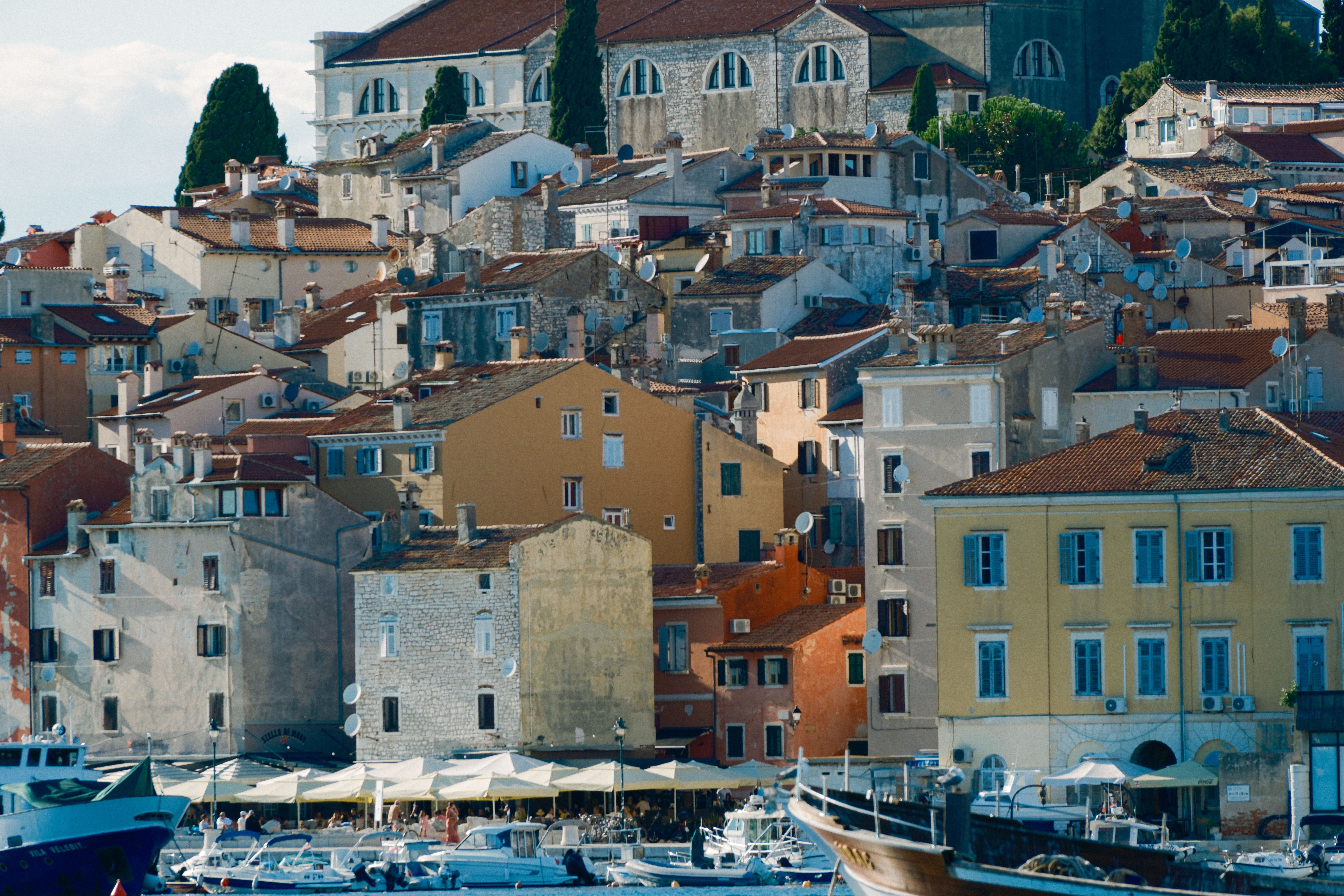
Atmospheric Living
Old Town
Staying here puts you in the heart of the winding alleys and historic charm. Apartments are cozy and often come with views of the sea, though they can be pricey during the peak season.
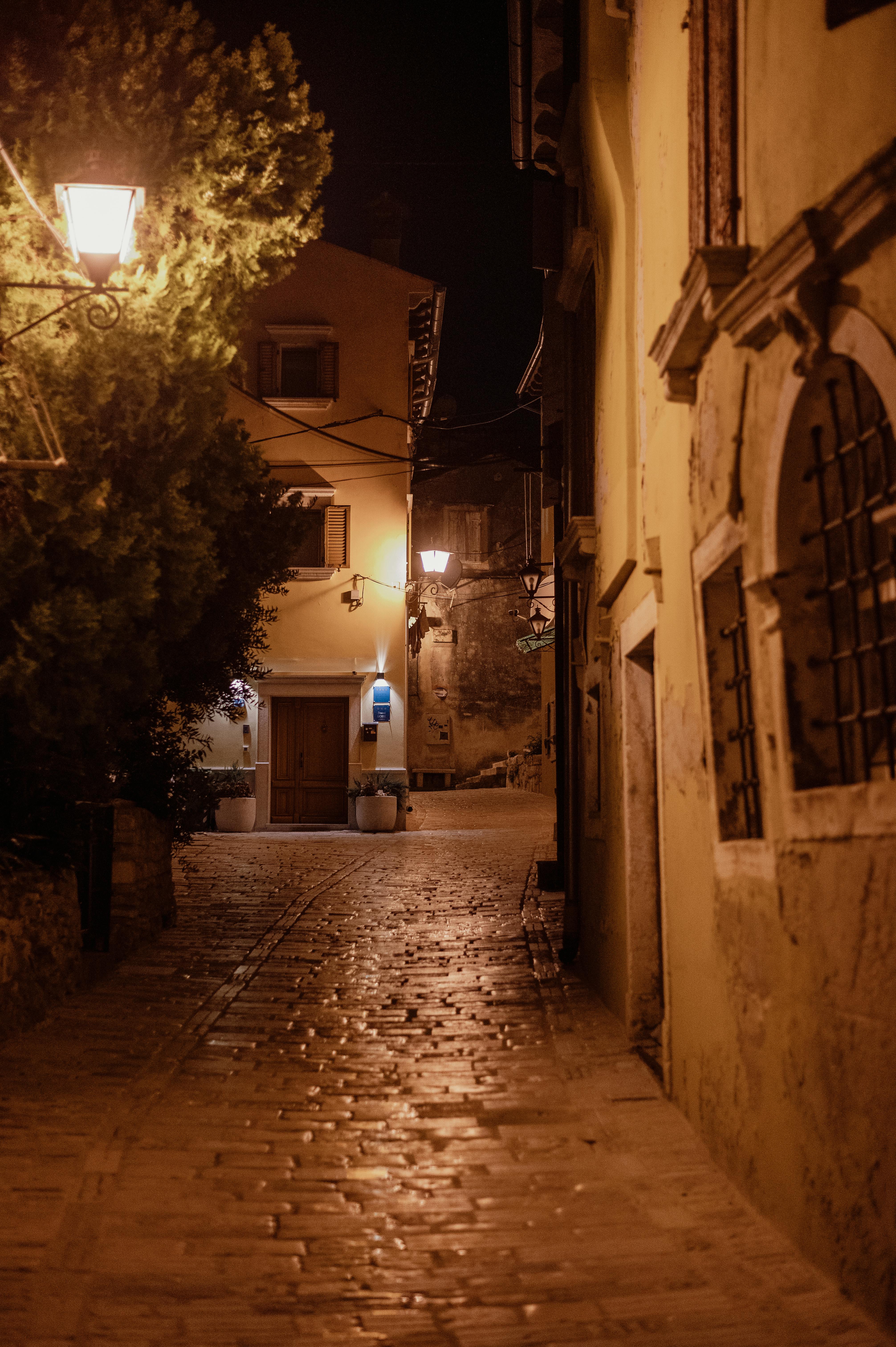
Quiet Residential
Borik
A more residential area that offers a peaceful environment while remaining within easy walking distance of the harbor. It's a great spot to find long-term rental apartments that feel more like a local home.
Places to Go
The experiences that will make you never leave
These aren't tourist checkboxes — they're the experiences that reset your sense of what's normal.
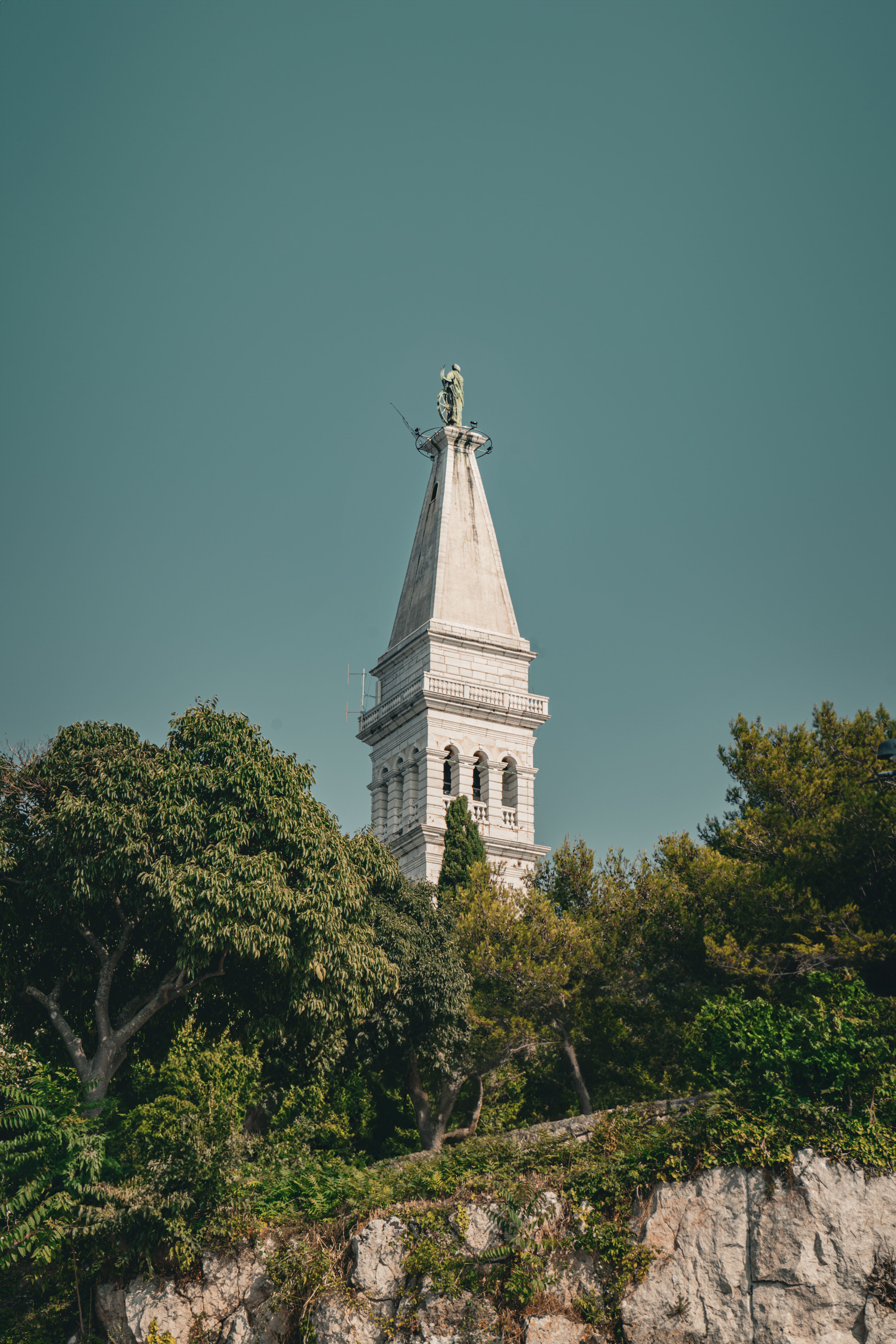
Top Pick
Church of St. Euphemia
Perched on the highest point of the old town, this Baroque church features a tall bell tower inspired by St. Mark's in Venice. It offers spectacular panoramic views of the Adriatic Sea and the town rooftops.
Official Tourism
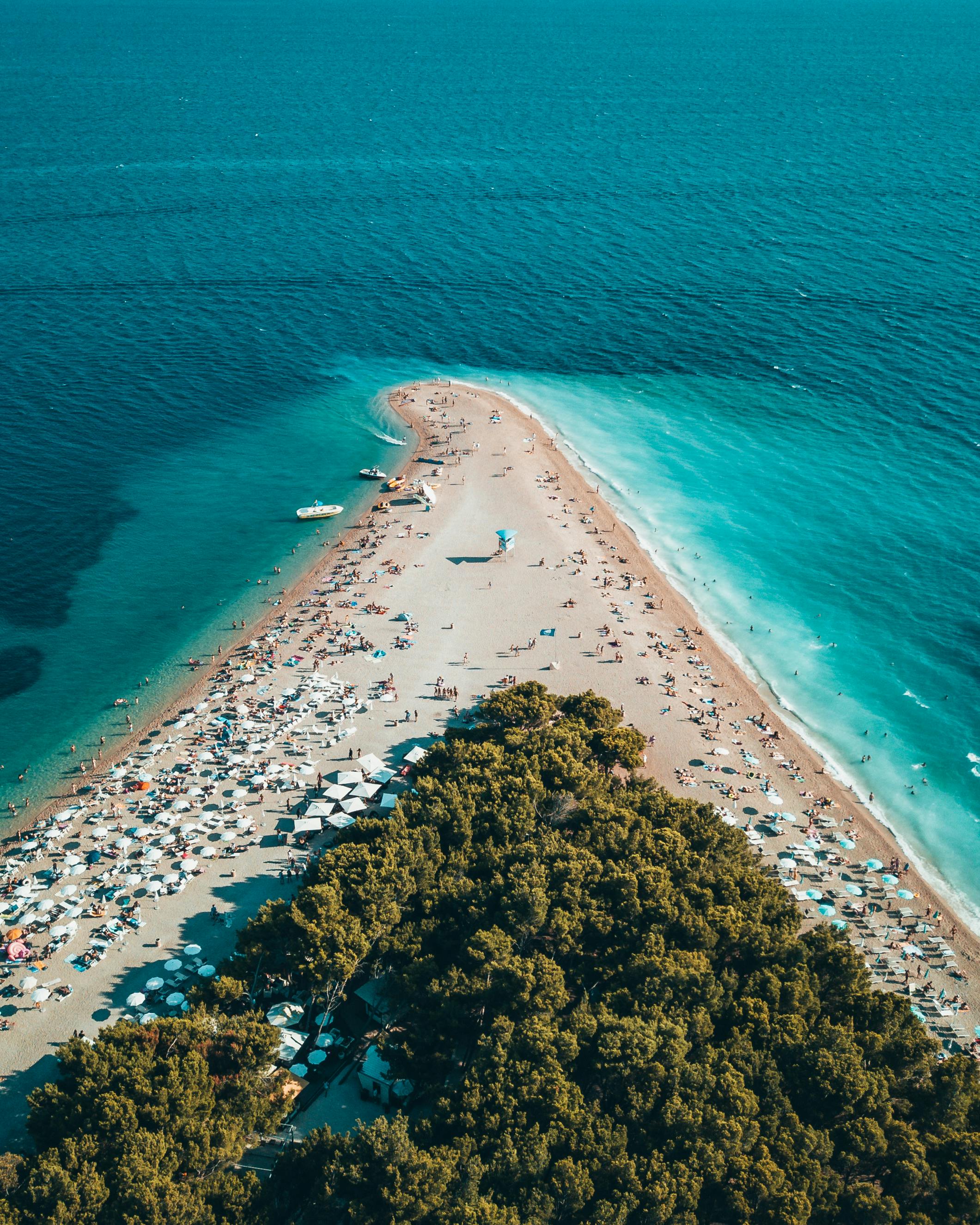
Zlatni Rt Forest Park
Also known as Golden Cape, this park is a lush green oasis just a short distance from the town center. It is perfect for morning runs, cycling, or finding a quiet spot to read under the shade of ancient trees.
Work & Connectivity
Stay connected wherever you work
The nomad community here is real — cafés and coworking spaces where you can work and meet others.
Local Cafes
Many cafes near the harbor offer a welcoming environment for digital nomads. Arrive early to claim a table with a power outlet and enjoy a coffee while you tackle your morning tasks.
Public Library Reading Room
The local library offers a quiet, air-conditioned space perfect for deep work. While not a traditional coworking space, it provides a stable environment when you need to avoid the noise of a cafe.
Budget & Costs
What it costs to live in Rovinj
Choose your lifestyle tier. Comfortable = furnished accommodation, local + occasional Western food, transport, leisure.
$1497
per month · USD · comfortable lifestyle
ModerateFurnished studio, local restaurants, transport, and weekend trips.
Exchange rates
Check xe.com or your bank for current USD to local currency.
Check xe.com or your bank for current USD to local currency.
🏠 Rent 44%$657/mo
🍽️ Food 24%$365/mo
🚌 Transport 5%$73/mo
💡 Utilities 7%$110/mo
🎭 Leisure 12%$183/mo
🏥 Health 7%$110/mo
Connectivity
Well connected to the world
Internet and transport options for remote workers.
📶
Internet
Good — fibre common
Check local providers.
🏢
Coworking
From ~$80/mo
Dedicated spaces available.
🚌
Local Transit
5 / 10
Scooter and taxi common.
20 km from centre
Safety & Visa
Safe, welcoming, and easy to enter
Safety Score6 / 10
✗ Tap Water✓ Night Safe📞 112 or local emergency number
Visa
Check your entry options
Many nationalities get visa-free or visa-on-arrival. Check official government sources for your citizenship before travel.
Culture & Festivals
Local soul, nomad-friendly
Multiculturalism5/10
Foodie Scene5/10
Remote work
If you enjoy art, visit the Grisia street exhibition in August, where the entire historic street transforms into a vibrant outdoor art gallery. It is a fantastic way to meet local creatives.
Food & Nightlife
A feast for every mood
From street food to cafés and nightlife — every meal is an event.
Seafood
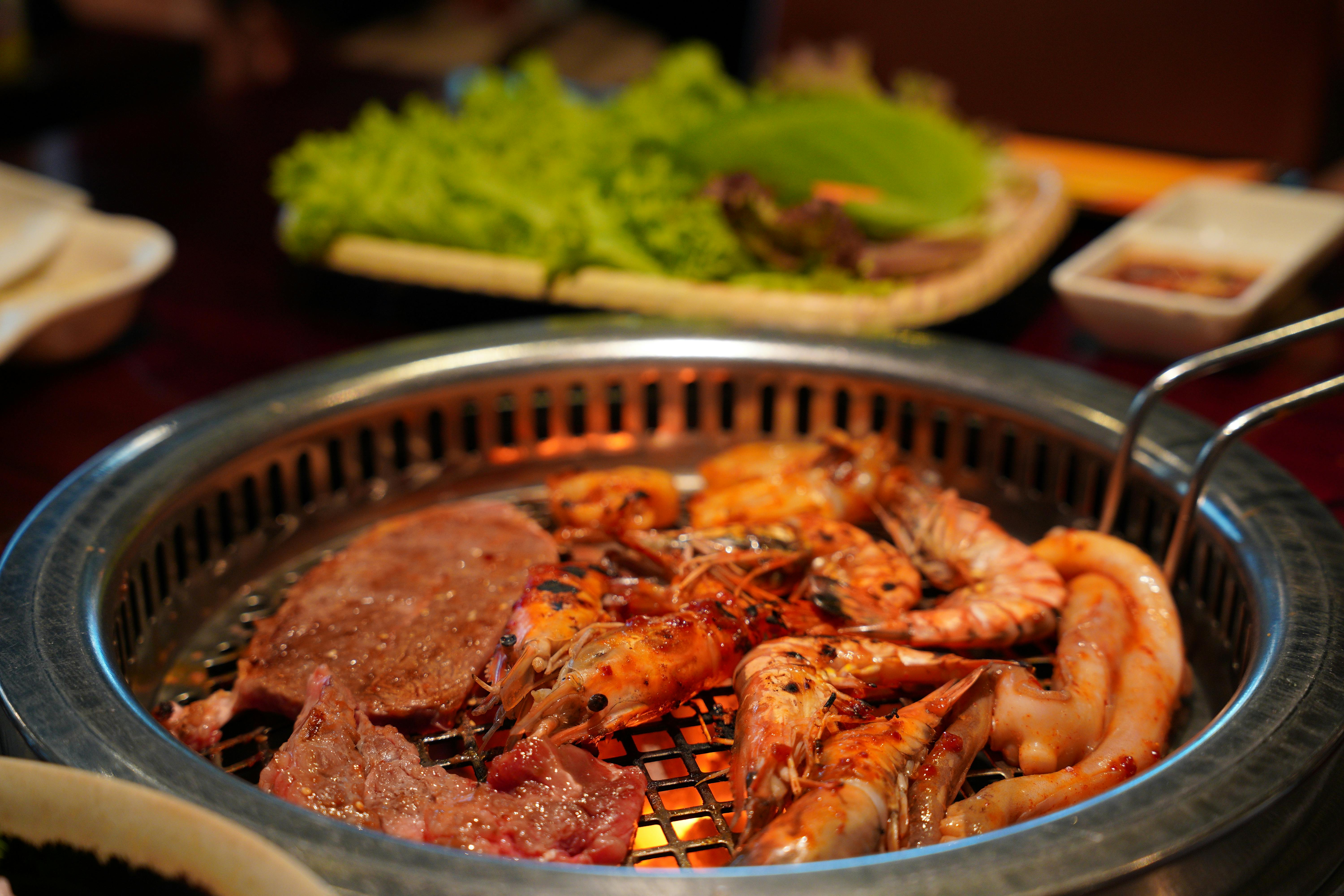
Fresh Adriatic Catch
Dining in Rovinj is all about the daily catch. Local konobas serve up grilled calamari, scampi, and sea bass drizzled in high-quality Istrian olive oil.
Street Food
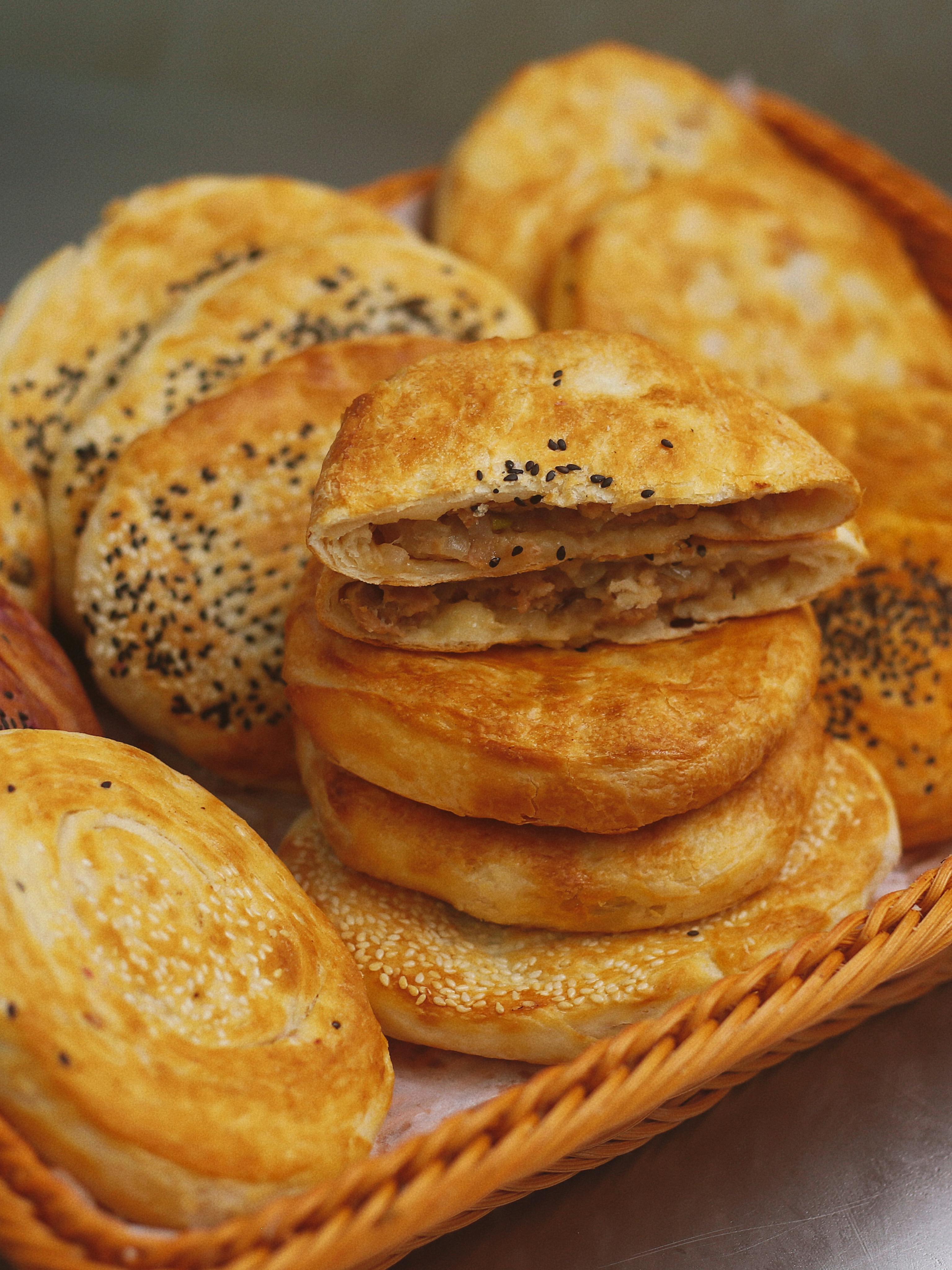
Burek and Pastries
For a quick working lunch, grab a burek from a local bakery. These flaky, savory pastries filled with meat or cheese are a staple of the Croatian diet.
Climate
Best months: Apr, May, Jun, Jul, Aug, Sep, Oct
Avg humidity70%
Avg AQI30
The best time to experience Rovinj as a digital nomad is between April and October. During these months, the weather is warm and inviting, perfect for working from terrace cafes and enjoying the Adriatic coastline. May, June, and September are particularly pleasant, as the peak summer crowds of July and August have not yet arrived or have already started to thin out.
While winter in Rovinj is mild compared to Northern Europe, the town becomes much quieter and many tourist-focused establishments close down. If you prefer solitude and lower prices, the shoulder season of October is an excellent window to enjoy the town's beauty without the heat or the congestion of the height of summer.
Monthly temperatures °C
BestAvoidShoulder
Practical Info
Everything you need to know
🏥
Healthcare
Rovinj has local medical centers for general care. For serious emergencies, larger hospitals are available in the nearby city of Pula, which is easily accessible.
💱
Money
Croatia uses the Euro. Most businesses in town accept cards, but keeping some cash on hand is helpful for smaller shops and local markets.
🌐
Connectivity
Wi-Fi is widely available in most rentals and cafes. For mobile data, local SIM cards offer reliable 4G speeds that are more than sufficient for most digital work tasks.
Tips
Quick tips
- Learn a few words of Croatian; locals appreciate the effort.
- Walk the Zlatni Rt park early in the morning to avoid the heat.
- Shop at local Konzum markets for groceries to keep costs down.
- Book your accommodation well in advance if you plan to visit in July or August.
- Bring a sturdy pair of walking shoes; the cobblestones are beautiful but uneven.
- Pack a reusable water bottle to reduce plastic waste.
- Ask your host about local bus schedules to nearby villages.
Further Reading