
Split · Croatia
Overview
Split doesn't feel like a city with a historic center; it feels like living inside a piece of history that never stopped evolving.
Split serves as the heartbeat of Dalmatia, perfectly balancing its role as a major transport hub with the laid-back pace of a seaside town. As a digital nomad, you will find a city that is alive with history, where the modern cafes of the Riva waterfront sit against the 1,700-year-old walls of a Roman emperor's palace. While the summer months bring a vibrant influx of travelers, the off-season reveals a quiet, authentic side to the city that is ideal for deep work and cultural immersion. The cost of living is moderate for Europe, and the climate ensures that even in the shoulder seasons, you can enjoy outdoor workspaces and evening strolls by the sea.
History
Split was founded as a Greek colony in the 3rd or 2nd century BC, but it truly gained global promine…
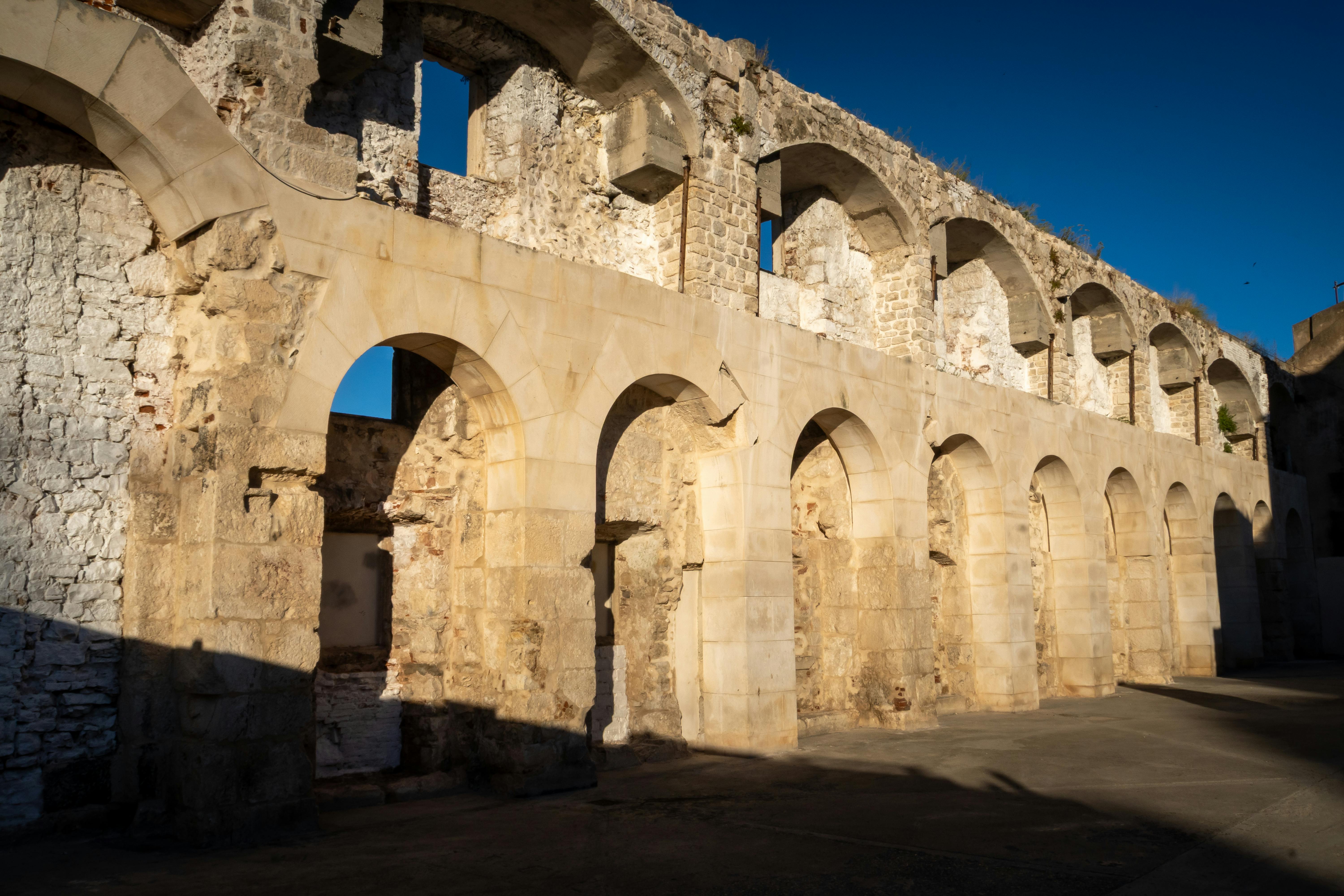
Split was founded as a Greek colony in the 3rd or 2nd century BC, but it truly gained global prominence when the Roman Emperor Diocletian chose the site for his retirement palace around 305 AD. This massive structure was not just a residence; it was a self-sustaining fortress that became the city's nucleus. After the fall of Rome, the palace was transformed by the local inhabitants into a living town, with homes and shops built directly into the ancient imperial walls.
Throughout the Middle Ages and into the modern era, Split survived waves of Byzantine, Venetian, and Austrian influence, each leaving a distinct layer on the city's architecture. Today, the Diocletian's Palace remains one of the best-preserved Roman ruins in the world and is designated as a UNESCO World Heritage site, acting as the living, breathing core of modern Split.
305 AD
Palace ConstructionEmperor Diocletian builds his retirement palace, forming the architectural foundation of the modern city.
600s
Medieval TransitionRefugees from Salona settle within the walls of the abandoned Roman palace, turning the imperial structure into a medieval town.
1420
Venetian RuleSplit comes under the control of the Venetian Republic, leading to a golden age of commerce and Renaissance architecture.
1918
Kingdom of YugoslaviaFollowing World War I, Split joins the Kingdom of Serbs, Croats, and Slovenes, eventually becoming part of Yugoslavia.
1991
Croatian IndependenceSplit becomes a major cultural and economic hub in the newly independent Republic of Croatia.
Where to Stay
Choose your base camp
Distinct neighbourhoods, different rhythms. Pick the one that fits your work-life balance.
Atmospheric
Old Town (Diocletian's Palace)
Living within the walls provides an unmatched experience, though it is usually louder and more expensive.

Traditional
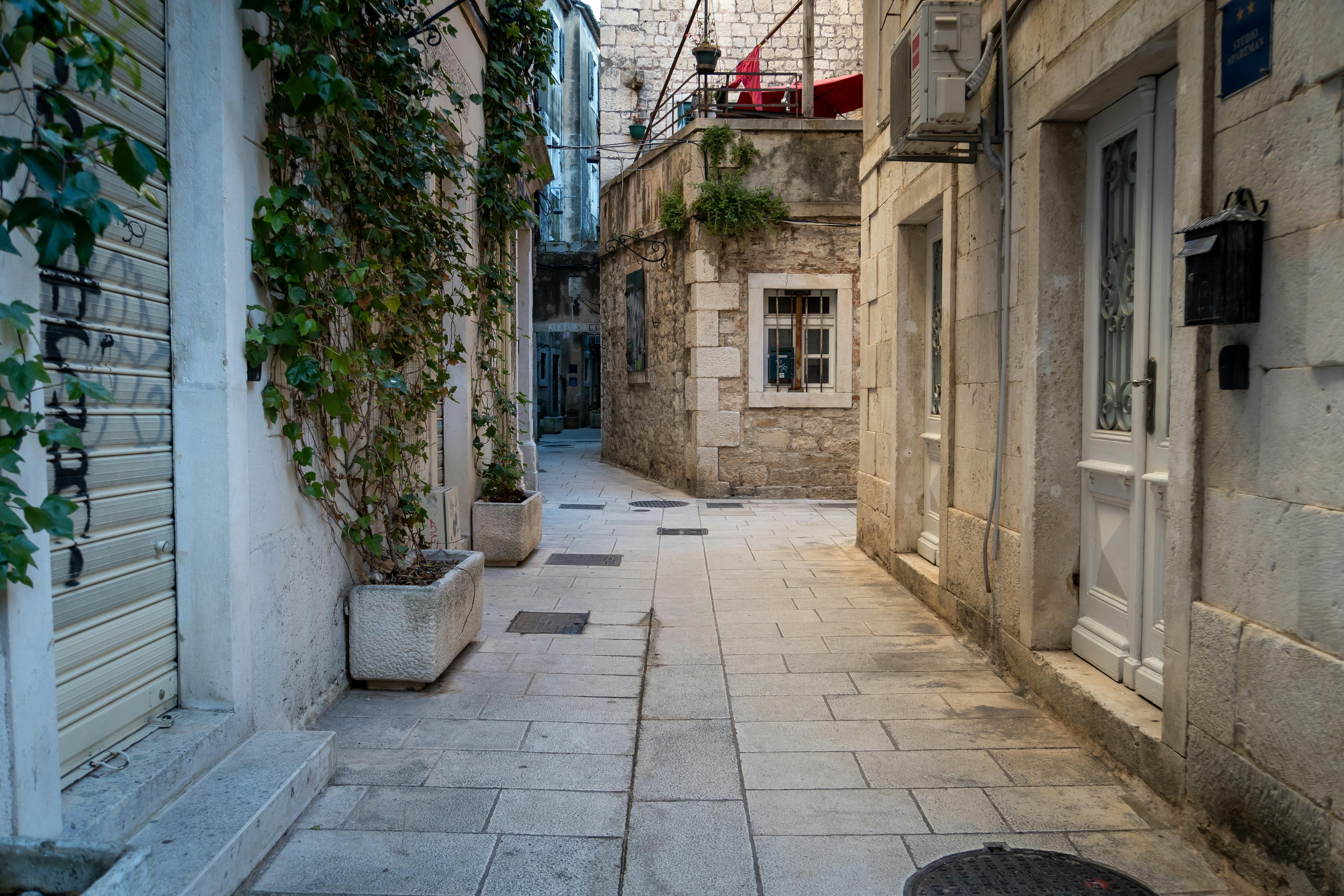
Varoš
A quiet, historic neighborhood located just steps from the palace. It features narrow winding alleys and traditional stone houses.
Beach Life
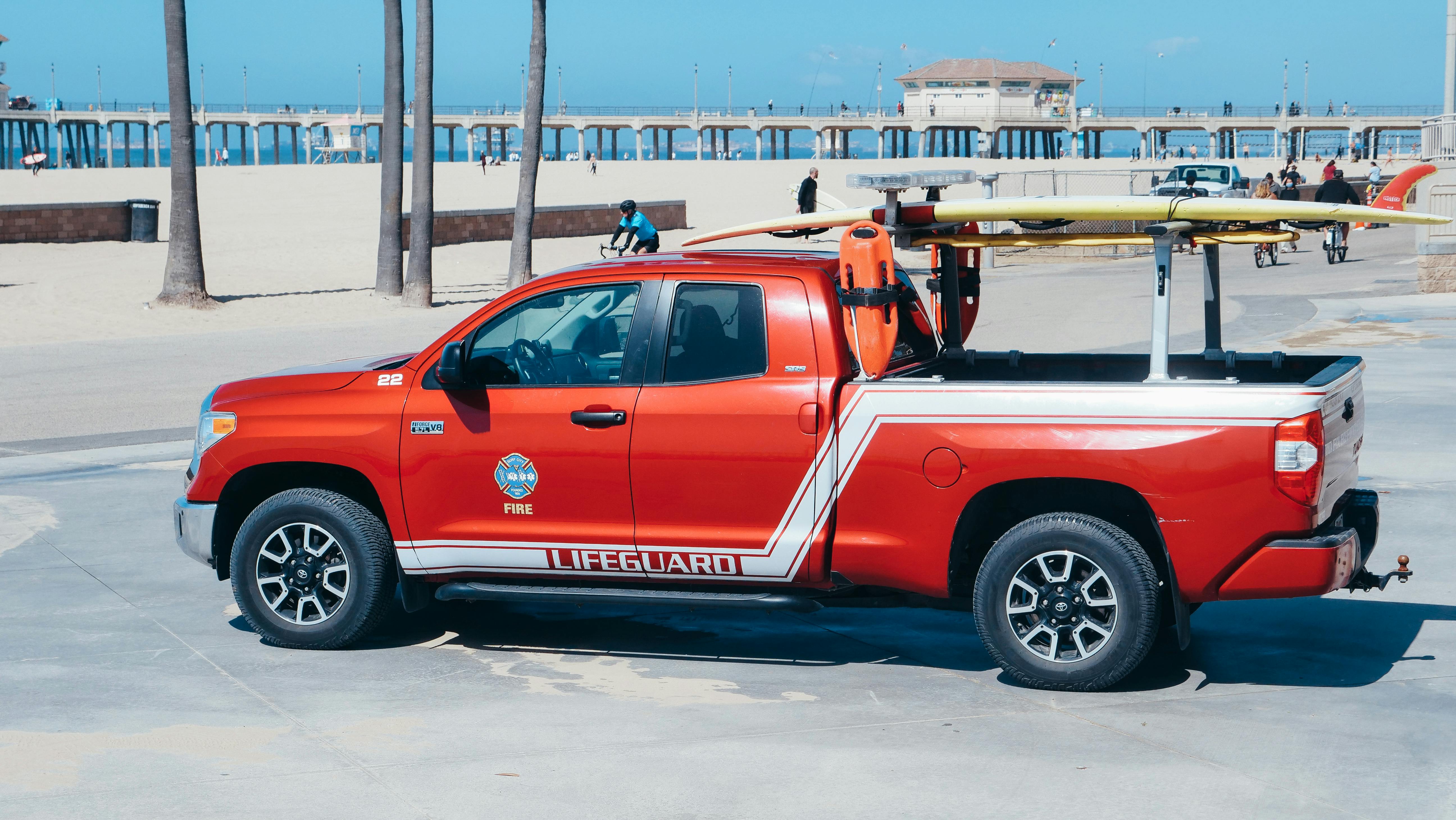
Bačvice
A favorite for those who want proximity to the beach and a more modern, residential feel.
Places to Go
The experiences that will make you never leave
These aren't tourist checkboxes — they're the experiences that reset your sense of what's normal.

Top Pick
Diocletian's Palace
This massive UNESCO site is the heart of the city. You can wander through its ancient tunnels and gates while grabbing a coffee inside the palace walls.
Official Tourism
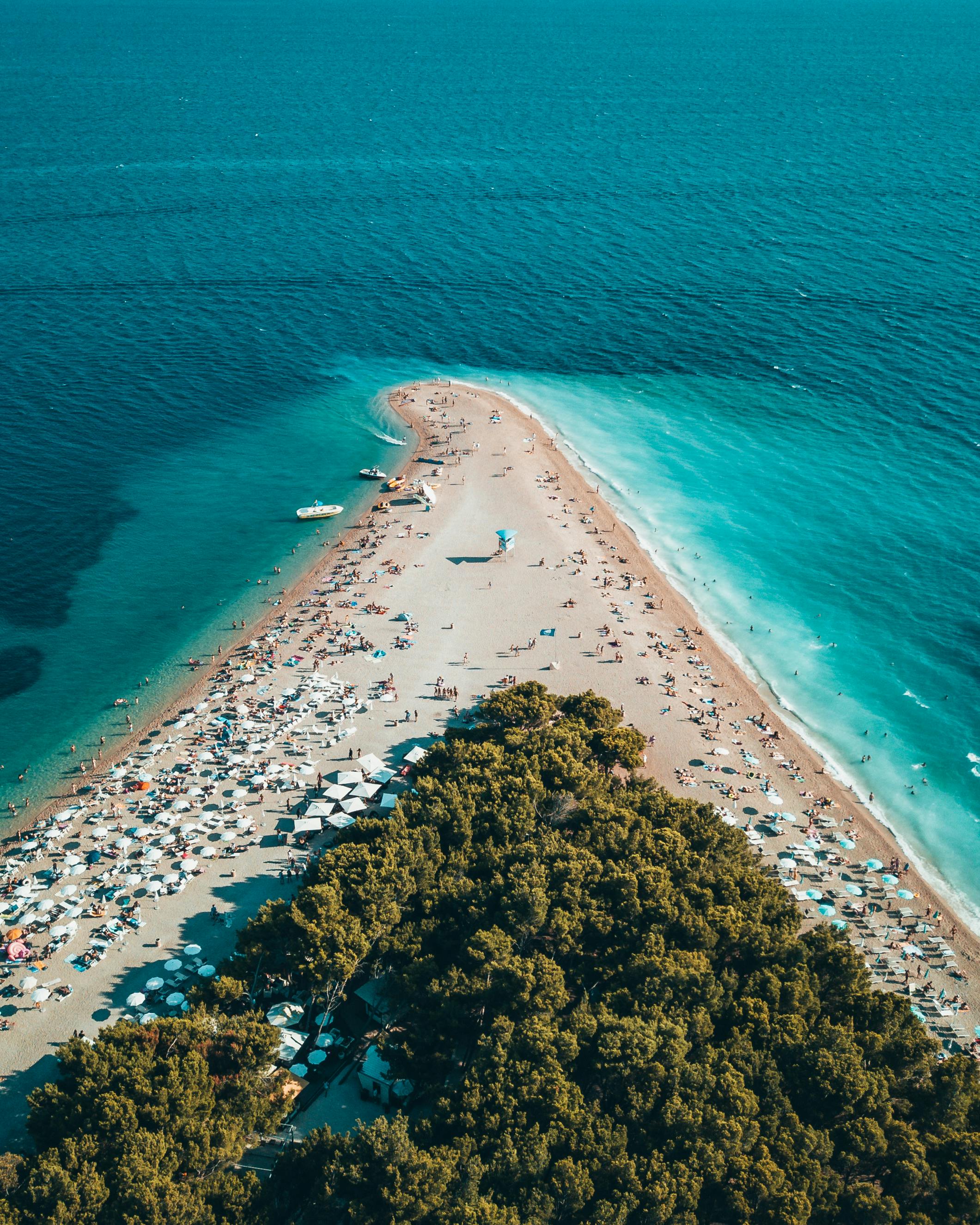
Bačvice Beach
A popular sandy beach located just a short walk from the city center. It is famous for the local game of picigin played in the shallow water.
Wikipedia
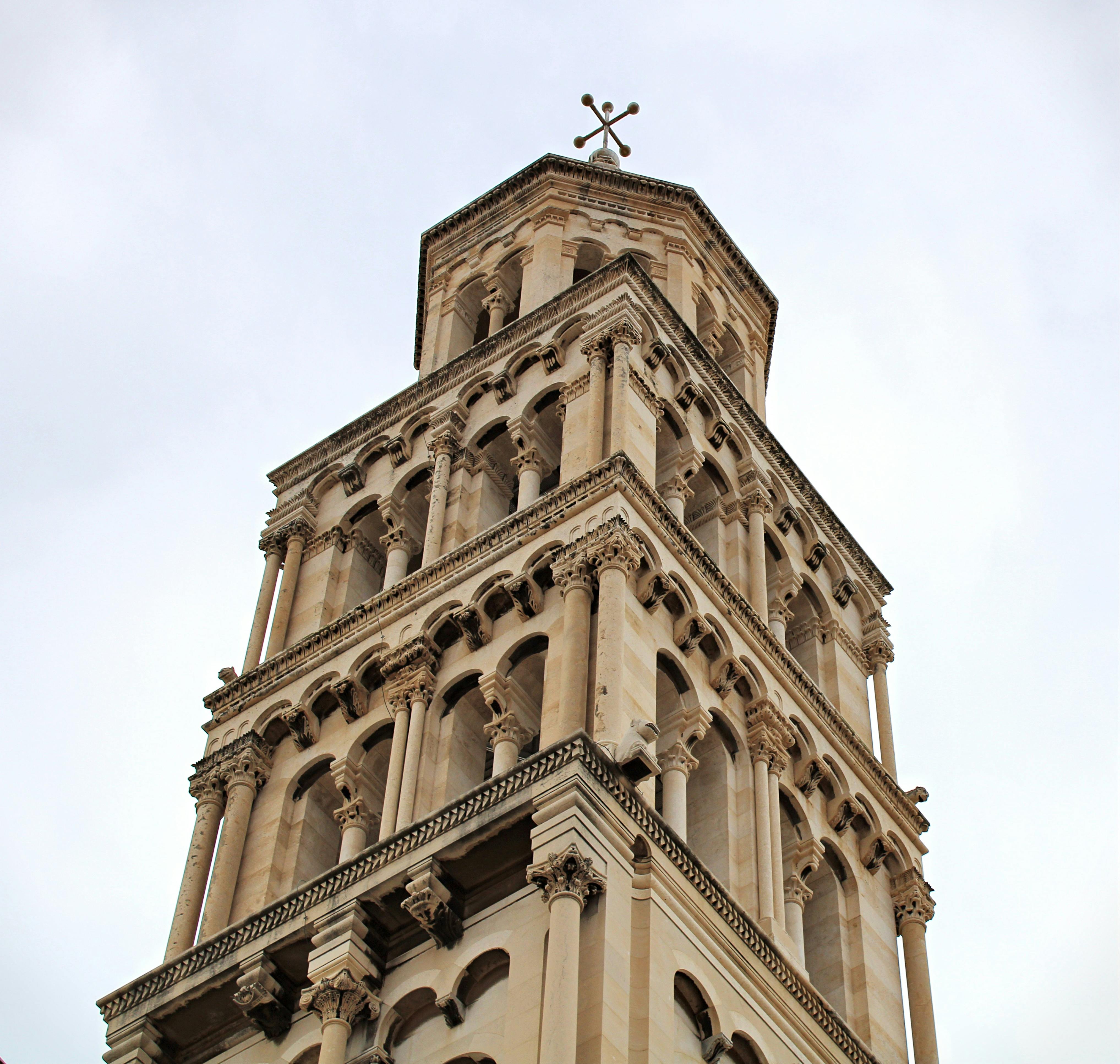
St. Domnius Cathedral
Located inside the ancient palace, this cathedral features a stunning bell tower you can climb for panoramic views of the coast.
Visit
Marjan Hill Park
The 'lungs of the city,' this forest park offers great hiking trails and viewpoints overlooking the Adriatic Sea.
Official Park Site
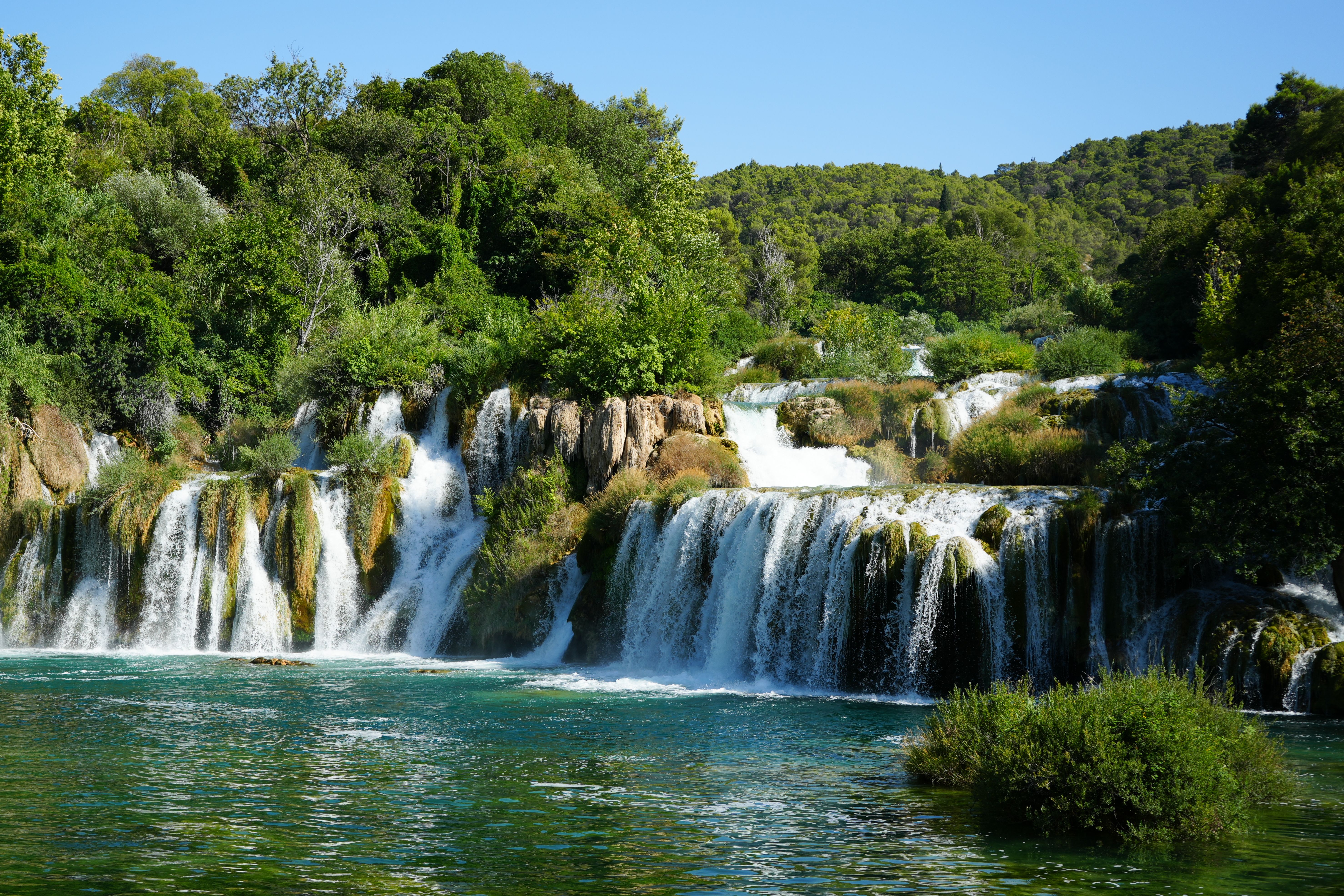
Krka Waterfalls Day Trip
A spectacular national park famous for its cascading limestone waterfalls. It is easily accessible by bus or organized day tours from Split.
Work & Connectivity
Stay connected wherever you work
The nomad community here is real — cafés and coworking spaces where you can work and meet others.
Impact Hub Split
A well-regarded space for remote workers offering a professional environment and a great local community.
Spinarska 1 Coworking
A solid choice for those needing a dedicated desk and high-speed internet in a quiet setting.
Budget & Costs
What it costs to live in Split
Choose your lifestyle tier. Comfortable = furnished accommodation, local + occasional Western food, transport, leisure.
$1533
per month · USD · comfortable lifestyle
ModerateFurnished studio, local restaurants, transport, and weekend trips.
Exchange rates
Check xe.com or your bank for current USD to local currency.
Check xe.com or your bank for current USD to local currency.
🏠 Rent 45%$690/mo
🍽️ Food 25%$383/mo
🚌 Transport 5%$77/mo
💡 Utilities 7%$107/mo
🎭 Leisure 12%$184/mo
🏥 Health 6%$92/mo
Connectivity
Well connected to the world
Internet and transport options for remote workers.
📶
Internet
Good — fibre common
Check local providers.
🏢
Coworking
From ~$80/mo
Dedicated spaces available.
🚌
Local Transit
5 / 10
Old Town walkable; Promet buses for Marjan and beaches
SPU
Split Airport
20 km from centre
athensbelgradeberlincolognecopenhagendubrovnikfrankfurtgeneva
Safety & Visa
Safe, welcoming, and easy to enter
Safety Score8 / 10
✓ Night Safe📞 112
Visa
Check your entry options
Many nationalities get visa-free or visa-on-arrival. Check official government sources for your citizenship before travel.
Culture & Festivals
Local soul, nomad-friendly
Multiculturalism7/10
Foodie Scene7/10
⭐ Highly Rated🌊 Adriatic🌿 Temperate🍷 Cafe Culture🏖️ Coastal🏛️ Diocletian🏛️ Historic💎 Premium🔄 Four Seasons🚆 Great Transit
Jul
Ultra Europe
A world-famous electronic music festival that brings thousands of visitors to the city.
Jul
Summer Peak
The height of the season when the city is in full swing with outdoor events and swimming.
For a truly authentic experience, take a ferry to the nearby islands of Brač or Šolta; they are less than an hour away and perfect for a weekend escape.
Food & Nightlife
A feast for every mood
From street food to cafés and nightlife — every meal is an event.
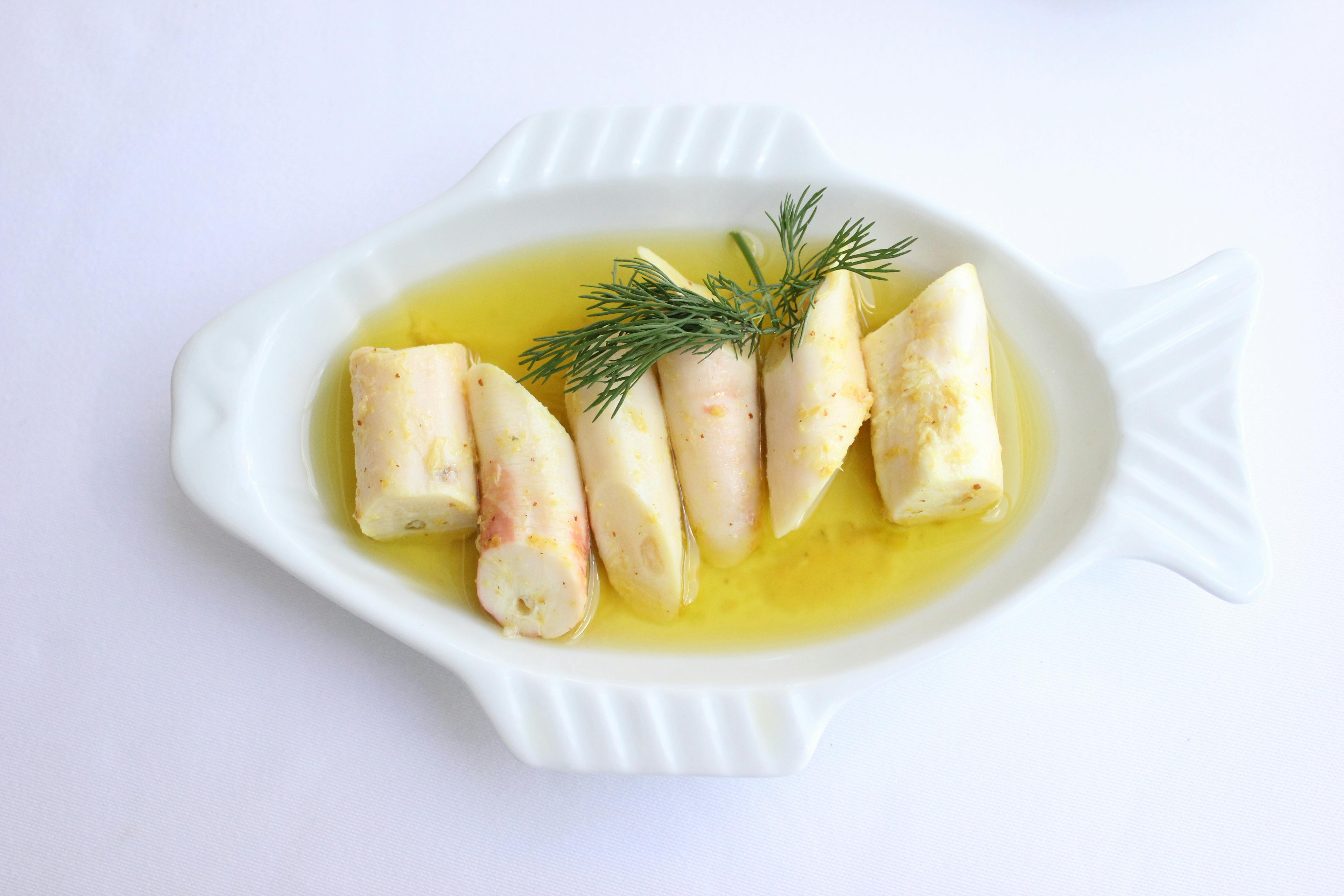
Dalmatian Classics
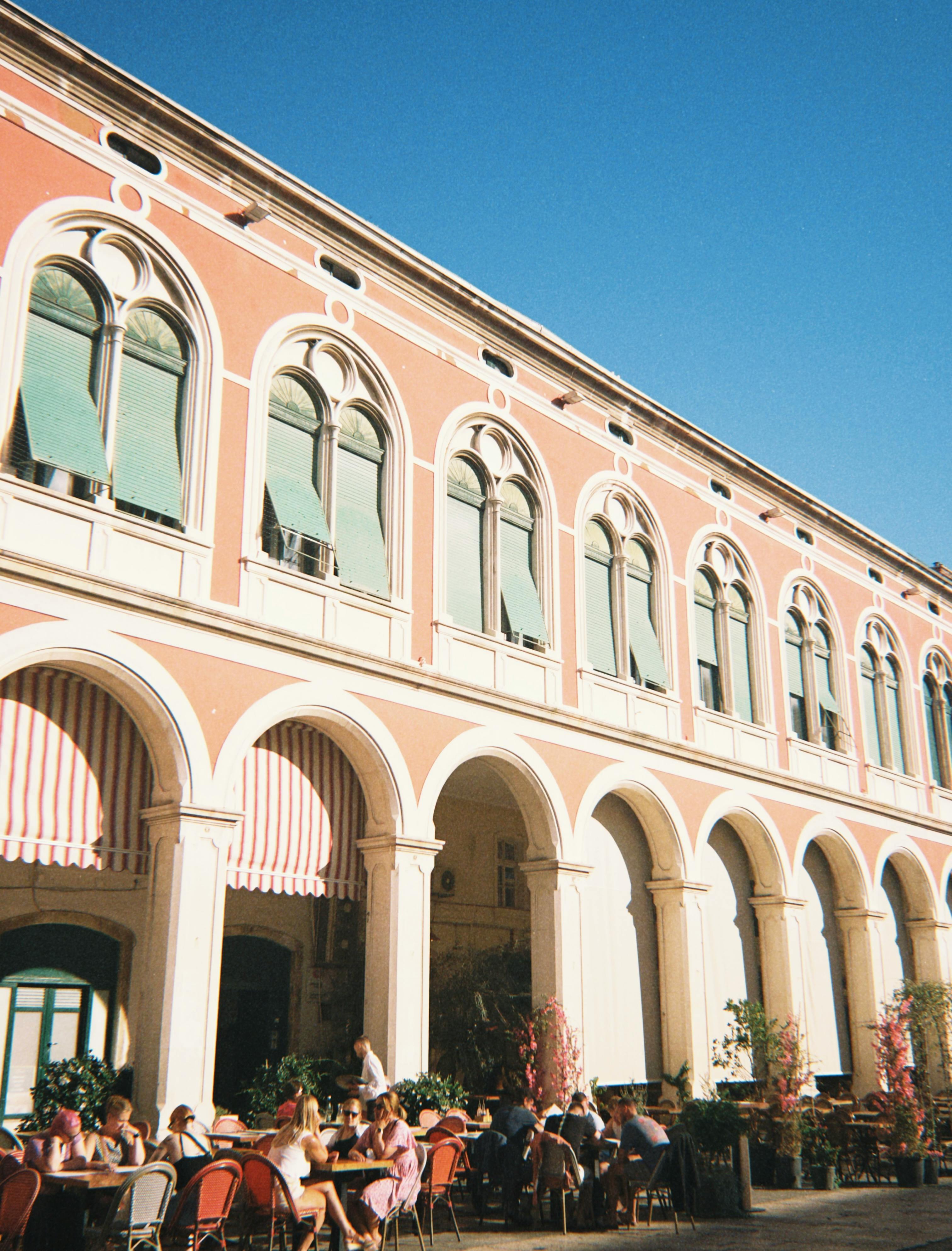
Konoba Trattorias
Local taverns serving fresh grilled fish, black risotto, and slow-cooked meat dishes.
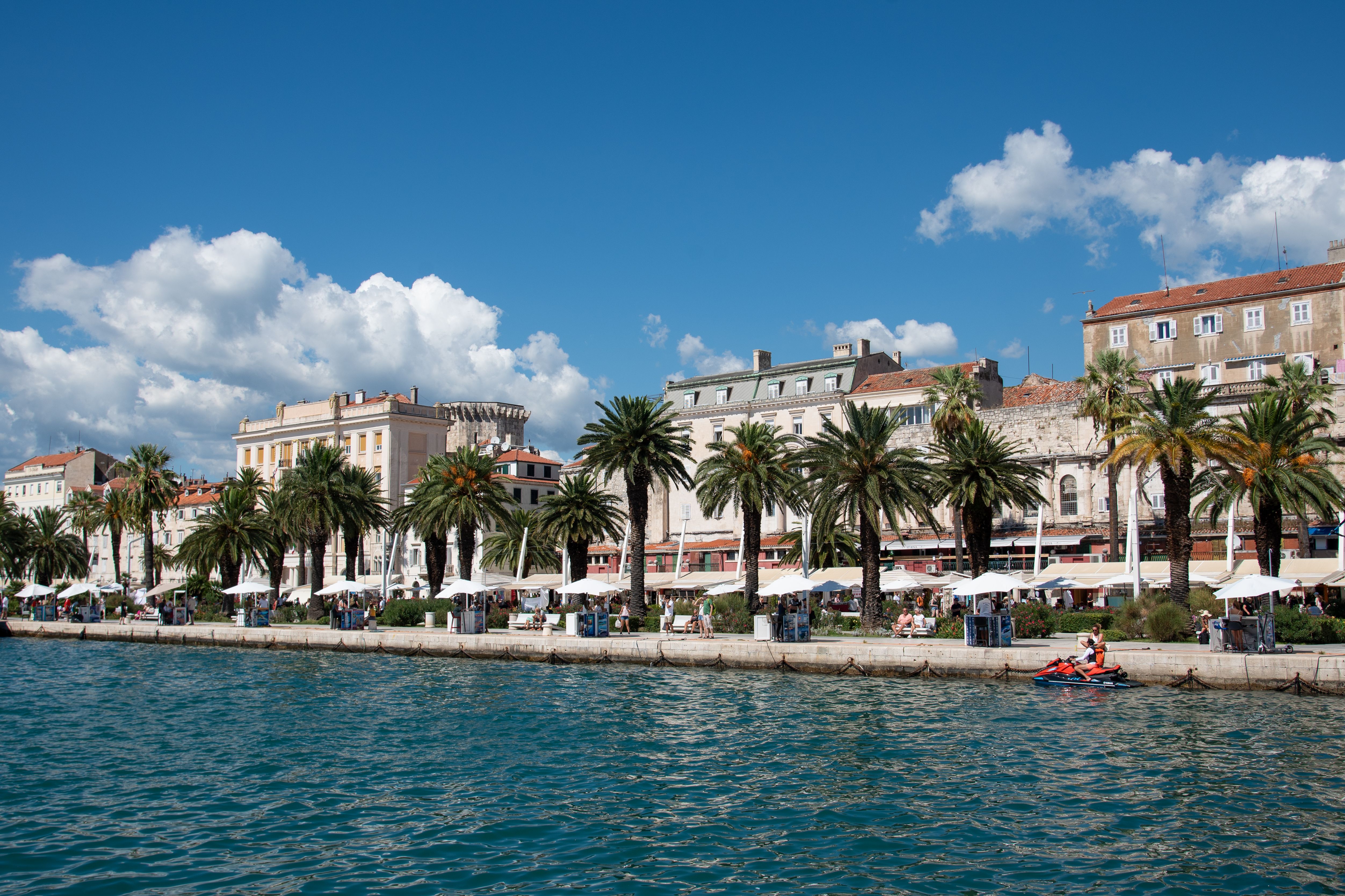
Café Culture
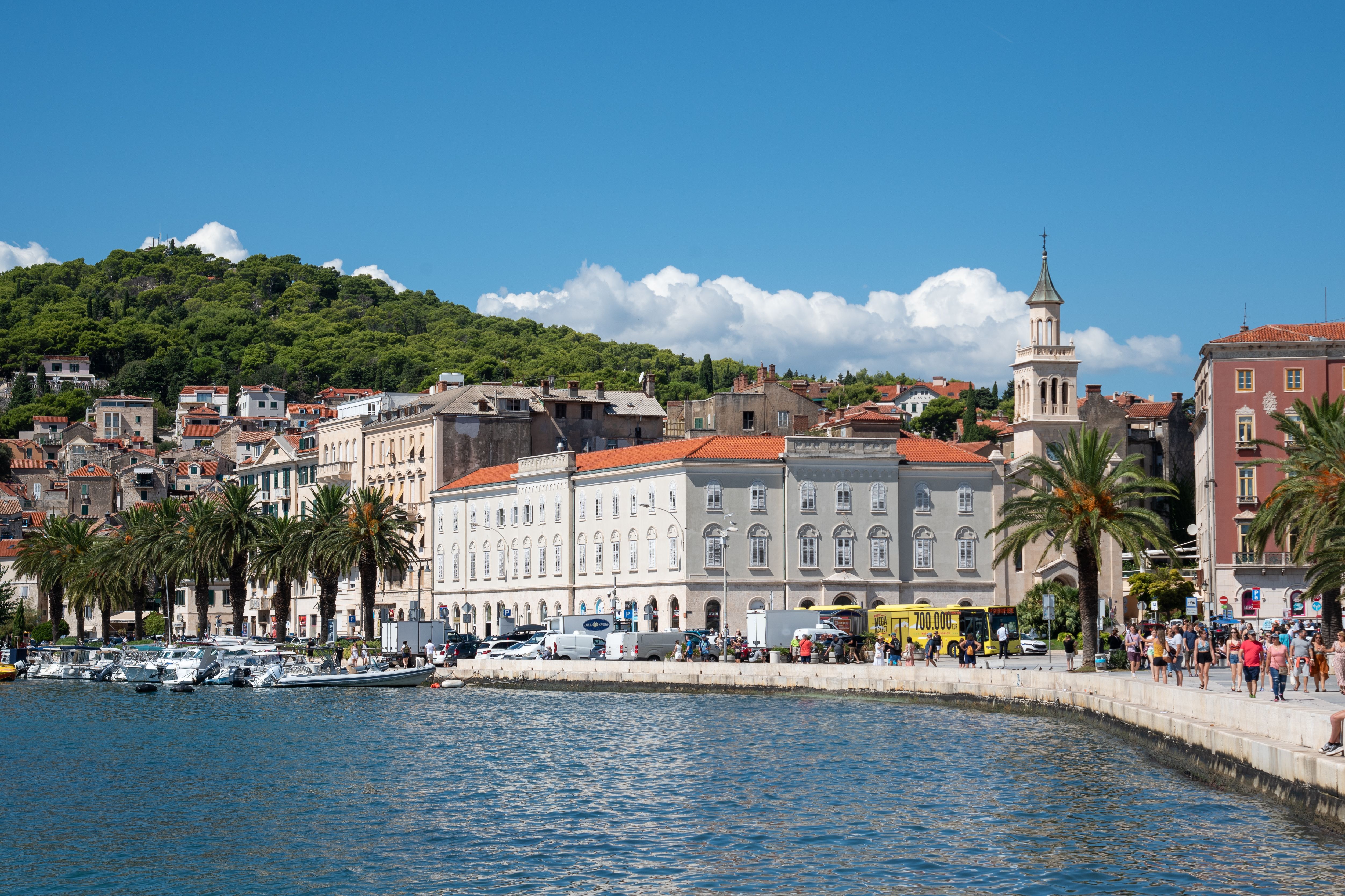
Riva Promenade
Spend your morning with an espresso watching the ferries come and go at the waterfront.
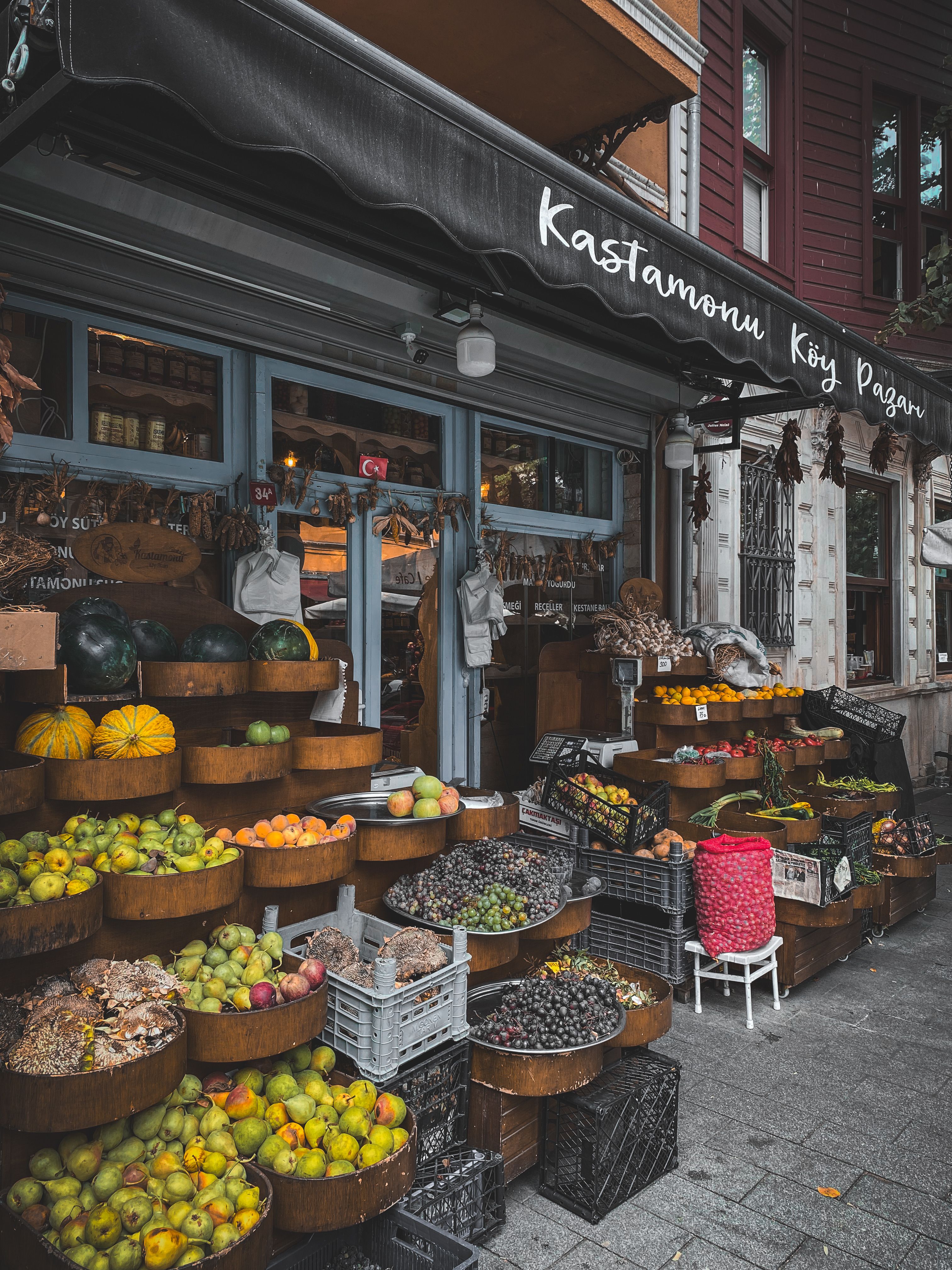
Fresh Markets
Pazar Green Market
The best place to buy local fruits, cheeses, and authentic snacks directly from regional farmers.
Climate
Best months: Apr, May, Jun, Aug, Sep, Oct
Avg humidity65%
Avg AQI35
The best time to visit Split is during the shoulder seasons of April to June and September to October, when the temperatures are mild and the crowds are manageable. During these months, the city is vibrant yet comfortable, making it perfect for long-term stays.
While July and August are peak tourist months, they are perfect for those who love high energy and island hopping, though you should be prepared for heat and higher prices. Note that the city hosts the Ultra Europe music festival in July, which transforms the area into a massive party hub.
Monthly temperatures °C
BestAvoidShoulder
Practical Info
Everything you need to know
🏥
Healthcare
Split has modern medical facilities available for travelers. In case of an emergency, call 112 for immediate assistance.
💱
Money
Croatia uses the Euro. While cards are widely accepted in cafes and shops, it is good to keep some cash for small bakeries and local markets.
🌐
Connectivity
Fiber optic internet is the standard here. You will find that most cafes have high-speed connections and are welcoming to digital nomads.
Tips
Quick tips
- Learn a few basic Croatian phrases to charm the locals.
- Avoid waterfront restaurants for meals, as they are often overpriced tourist traps.
- Visit the Pazar market early in the morning for the freshest local produce.
- Use the Promet bus system to reach beaches outside the main center.
- Pack comfortable walking shoes because the stone streets in the center are uneven.
- Don't worry about drinking tap water; it is of excellent quality.
- Try to visit in May or September for the perfect balance of weather and quiet.
- Always carry your passport or ID card for ferry travel.
Further Reading