

Nagoya · Japan
Overview
Nagoya is the unsung hero of the Chubu region; it is efficient, industrial, and surprisingly easy to call home.
Nagoya is Japan's fourth-largest city and serves as the primary hub for the nation's automotive and manufacturing sectors. Unlike the overwhelming pace of Tokyo or the heavy tourist crowds of Kyoto, Nagoya provides a grounded, authentic Japanese urban experience that is perfect for remote workers seeking focus and functionality. The city is clean, well-organized, and surprisingly affordable when considering the cost of living compared to its larger peers.
Culturally, Nagoya is home to deep-rooted traditions and a distinct culinary identity. The city offers excellent connectivity via high-speed Shinkansen trains, making it a strategic location for those who need to travel across the country. Whether you are working from a quiet cafe in Sakae or exploring local shrines, the city's temperate climate provides a comfortable backdrop for your daily routine.
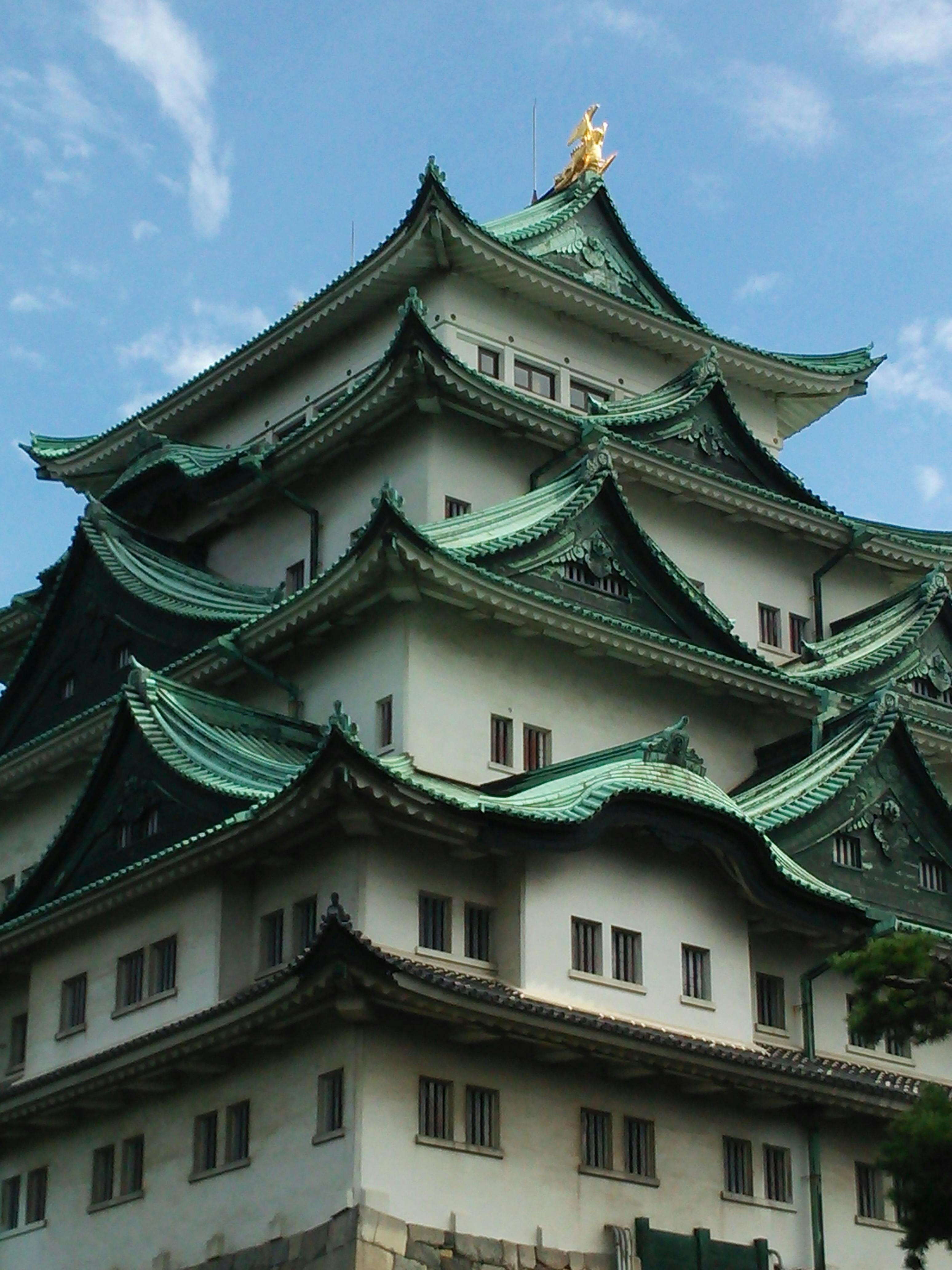
History
Nagoya has long been a pivotal location in Japanese history, specifically during the Edo period when…
Nagoya has long been a pivotal location in Japanese history, specifically during the Edo period when it was established as a major castle town. The construction of Nagoya Castle by the Tokugawa shogunate cemented the city's status as a seat of power and commerce. Throughout the centuries, the region developed a strong reputation for craftsmanship and pottery, which later laid the foundation for its modern industrial identity.
During World War II, Nagoya faced significant destruction due to its status as a major manufacturing center. However, the post-war era saw an incredible resurgence as the city transformed into the heart of the Japanese automotive industry. Today, it stands as a testament to industrial innovation while carefully preserving its historic landmarks and cultural festivals for future generations.
1610
Nagoya Castle ConstructionTokugawa Ieyasu ordered the construction of the castle, establishing the city as a major center of the Owari domain.
1889
Nagoya City IncorporationNagoya was officially designated as a city under the new municipal government system of the Meiji era.
1945
Post-War ReconstructionAfter extensive damage during WWII, the city began a rapid industrial recovery that focused on technology and manufacturing.
1964
Shinkansen OpeningThe Tokaido Shinkansen line opened, linking Nagoya to Tokyo and Osaka and boosting its economic importance.
2005
Expo 2005Nagoya hosted the World Expo, which showcased sustainable technologies and brought international attention to the region.
Where to Stay
Choose your base camp
Distinct neighbourhoods, different rhythms. Pick the one that fits your work-life balance.
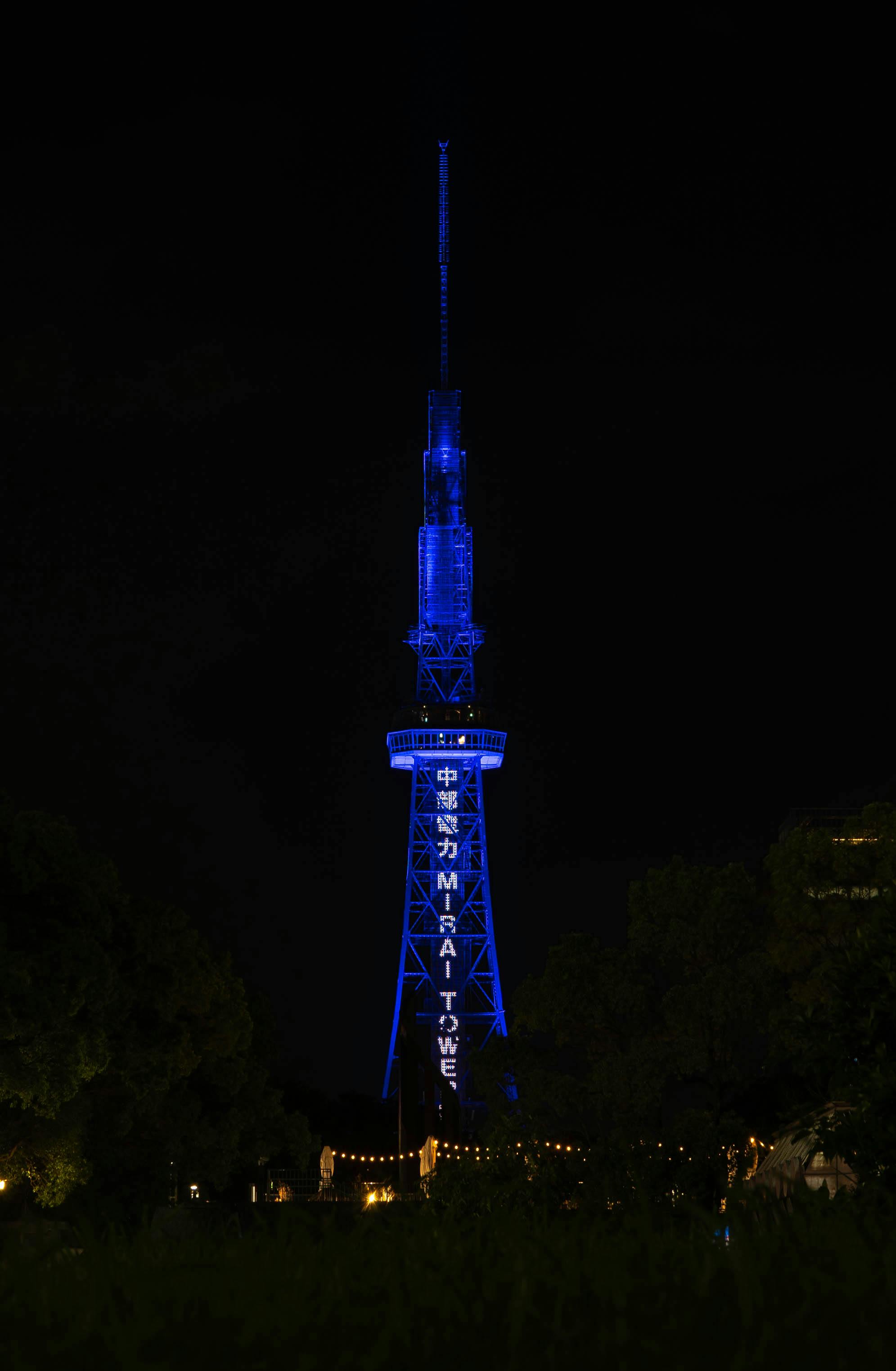
Central Hub
Sakae
The beating heart of downtown Nagoya with plenty of shopping, dining, and nightlife. It is perfect for those who want to be in the middle of all the action.
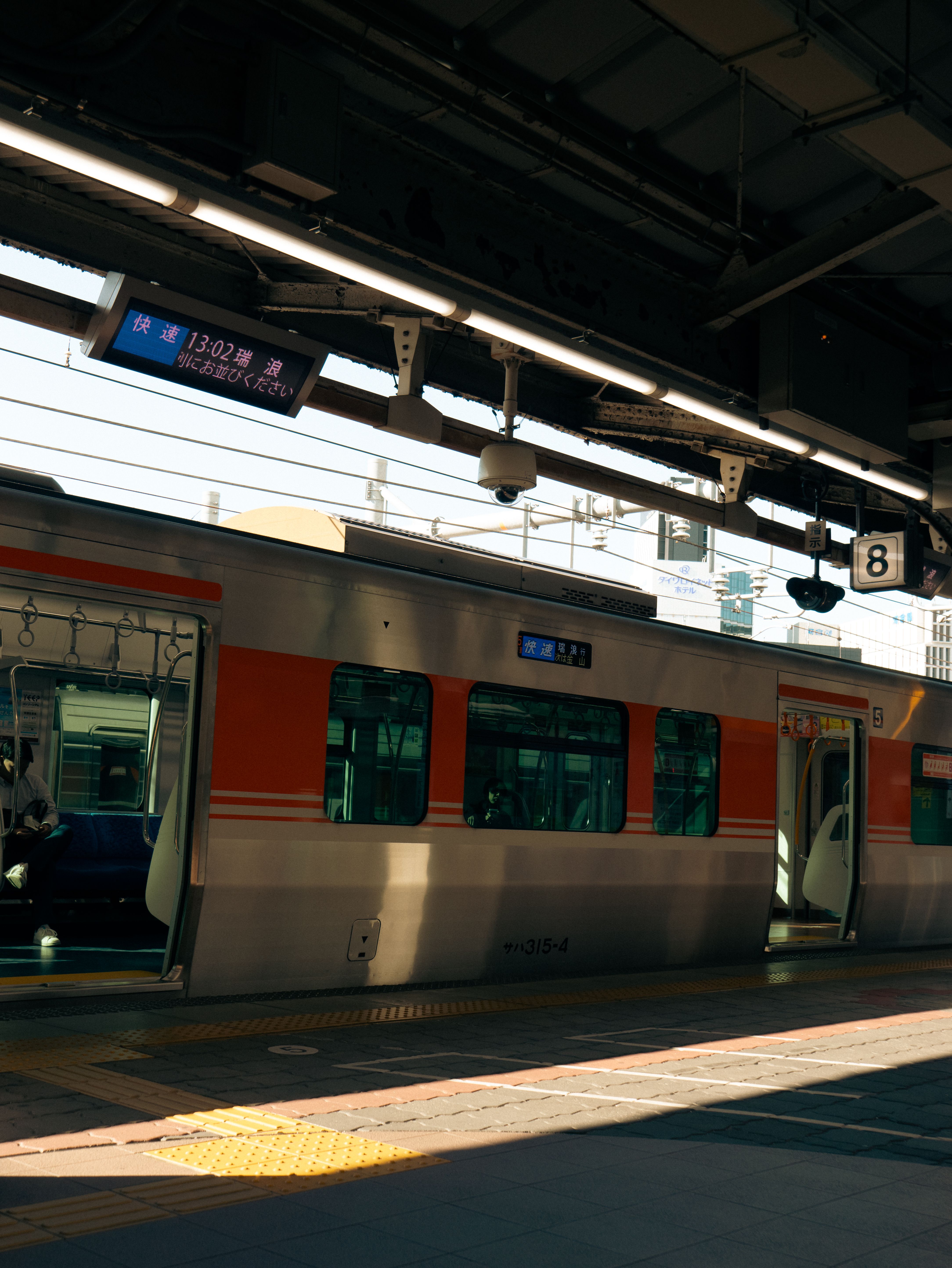
Modern Living
Meieki
The area surrounding Nagoya Station offers high-rise apartments and easy access to high-speed trains. It is the most convenient spot for frequent travelers.
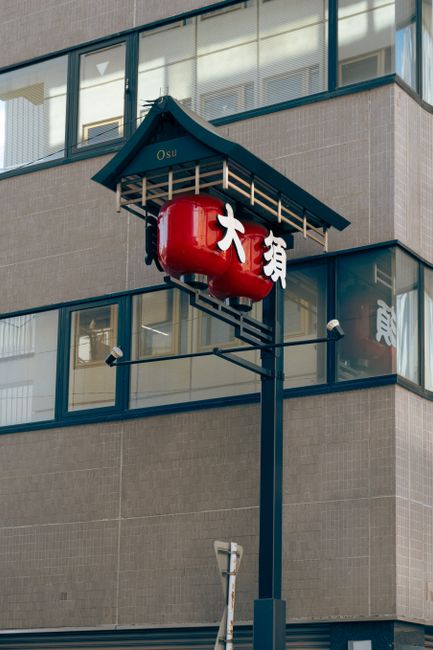
Cultural Quarter
Osu
Known for its historic shopping arcades and vibrant atmosphere, Osu is a local favorite. It offers a more authentic vibe with plenty of budget-friendly food options.
Places to Go
The experiences that will make you never leave
These aren't tourist checkboxes — they're the experiences that reset your sense of what's normal.
Top Pick
Nagoya Castle
This iconic landmark is known for the golden shachihoko statues on its roof. It is a symbol of the city's rich history and offers beautiful park grounds to explore.
Wikipedia Entry
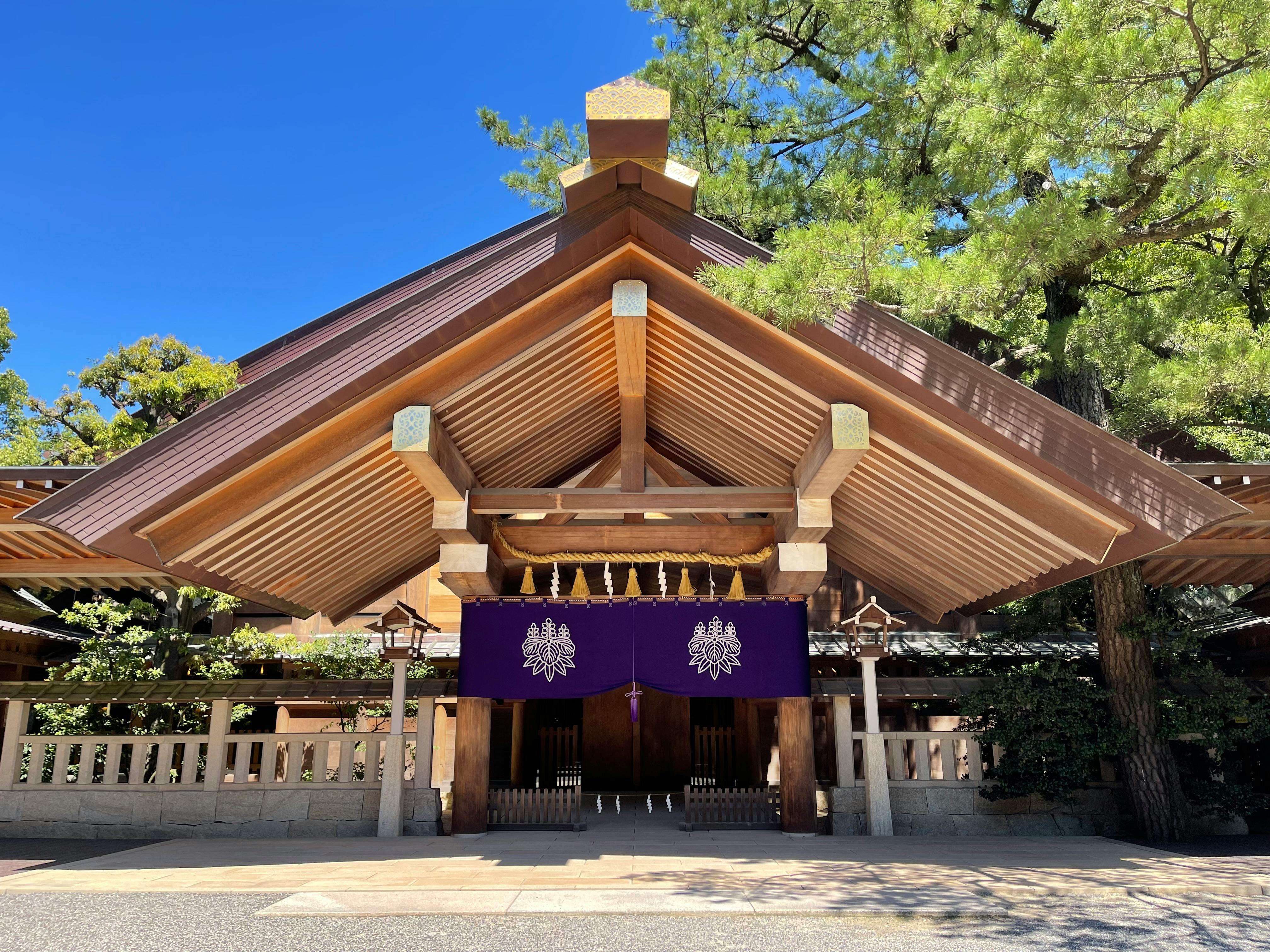
Atsuta Jingu
One of Japan's most significant Shinto shrines, it houses the legendary Kusanagi sword. The serene forested grounds provide a peaceful escape from the urban environment.

Museum Official Site
Toyota Commemorative Museum of Industry and Technology
Located in an old factory building, this museum offers a fascinating look at the evolution of the automotive industry in Japan. It is highly recommended for tech enthusiasts and history buffs alike.
Work & Connectivity
Stay connected wherever you work
The nomad community here is real — cafés and coworking spaces where you can work and meet others.
Regus Nagoya
Professional serviced office space providing high-speed internet and ergonomic workstations. Ideal for those requiring a dedicated desk environment.
The Common Ginza
A creative workspace environment that encourages networking among local professionals and digital nomads.
Local Cafes
Many independent cafes in the Sakae district offer friendly service and reliable Wi-Fi for light work sessions.
Budget & Costs
What it costs to live in Nagoya
Choose your lifestyle tier. Comfortable = furnished accommodation, local + occasional Western food, transport, leisure.
$1241
per month · USD · comfortable lifestyle
ModerateFurnished studio, local restaurants, transport, and weekend trips.
Exchange rates
Check xe.com or your bank for current USD to local currency.
Check xe.com or your bank for current USD to local currency.
🏠 Rent 41%$511/mo
🍽️ Food 24%$292/mo
🚌 Transport 9%$110/mo
💡 Utilities 6%$73/mo
🎭 Leisure 15%$183/mo
🏥 Health 6%$73/mo
Connectivity
Well connected to the world
Internet and transport options for remote workers.
📶
Internet
Good — fibre common
Check local providers.
🏢
Coworking
From ~$80/mo
Dedicated spaces available.
🚌
Local Transit
5 / 10
Scooter and taxi common.
NGO
Chubu Centrair International Airport
20 km from centre
bangkokbeijingbusandalianfrankfurtfukuokahanoihelsinki
Safety & Visa
Safe, welcoming, and easy to enter
Safety Score6 / 10
✗ Tap Water✓ Night Safe📞 112 or local emergency number
Visa
Check your entry options
Many nationalities get visa-free or visa-on-arrival. Check official government sources for your citizenship before travel.
Culture & Festivals
Local soul, nomad-friendly
Multiculturalism5/10
Foodie Scene5/10
Remote work
Oct
Nagoya Festival
A vibrant celebration featuring grand parades, traditional performances, and a display of Nagoya's history.
Jul
Nagoya Basho
An exciting professional sumo tournament that draws spectators from all over the country.
Nagoya acts as an excellent gateway to the Gifu and Mie prefectures, offering easy access to mountainous regions and traditional villages for those needing a nature break.
Food & Nightlife
A feast for every mood
From street food to cafés and nightlife — every meal is an event.
Regional Specialty
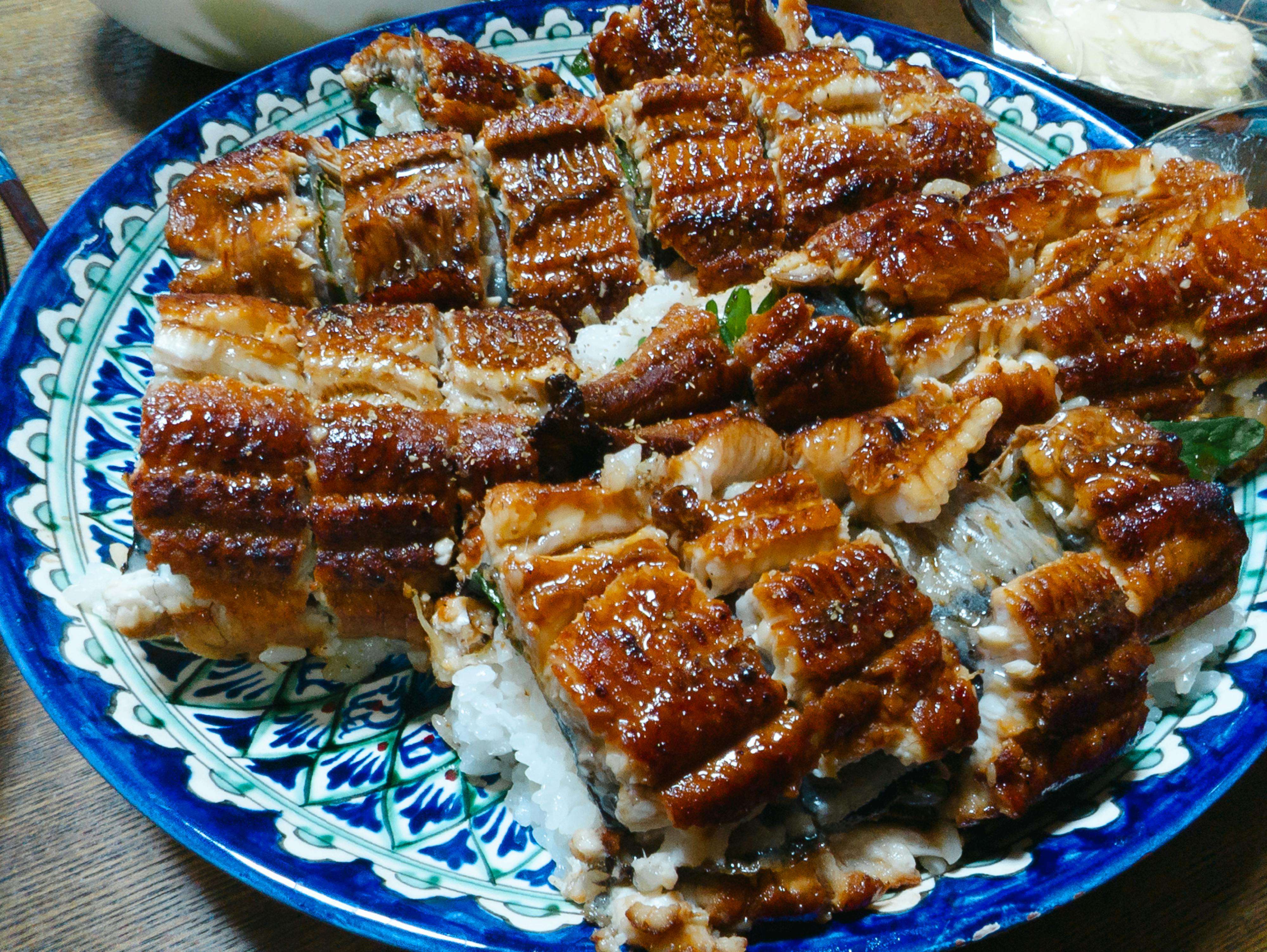
Hitsumabushi
A delicious local grilled eel dish served with rice, often enjoyed in multiple ways. It is a must-try culinary experience in Nagoya.
Street Food
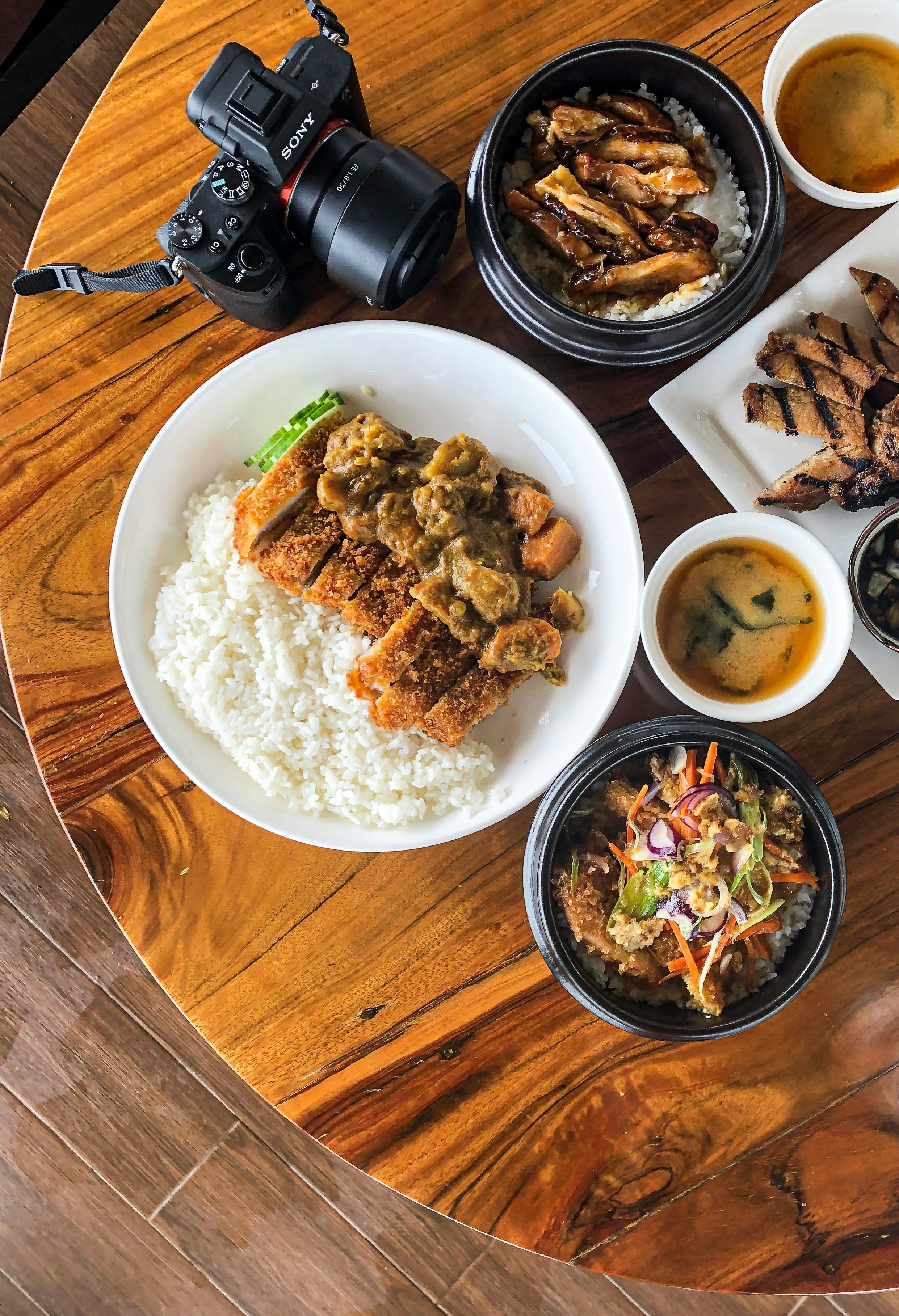
Miso Katsu
Deep-fried pork cutlet smothered in a rich, savory miso-based sauce. You can find this staple at many local restaurants and casual diners.

Cafe Culture
Morning Service
Nagoya is famous for its 'morning service' where coffee orders come with complimentary breakfast items like toast and eggs. It is a great way to start your day.
Climate
Best months: Apr, May, Jun, Jul, Aug, Sep, Oct, Nov
Avg humidity65%
Avg AQI45
Nagoya is most enjoyable during the spring months of April and May, when the cherry blossoms bloom and the temperatures are mild and pleasant. The summer months from June through August bring warmer weather, which is perfect for outdoor events and exploring the surrounding Chubu region. Autumn, from September to November, offers stunning foliage and crisp, clear days that are ideal for city walks and cultural excursions.
While the city can be visited year-round, the winter months are colder, requiring proper attire. However, indoor activities and the vibrant local food scene remain excellent throughout the season, making it a viable destination regardless of when you choose to arrive.
Monthly temperatures °C
BestAvoidShoulder
Practical Info
Everything you need to know
🏥
Healthcare
Japan has a world-class healthcare system. Ensure you have travel insurance, as medical services are of high quality but can be expensive for non-residents.
💱
Money
Cash is still widely used in many smaller shops and restaurants. Always carry some yen in your wallet, though credit cards are increasingly accepted in major areas.
🌐
Language & Etiquette
While Japanese is the primary language, English is understood in major hotels and stations. Learning basic phrases will be greatly appreciated by the locals.
Tips
Quick tips
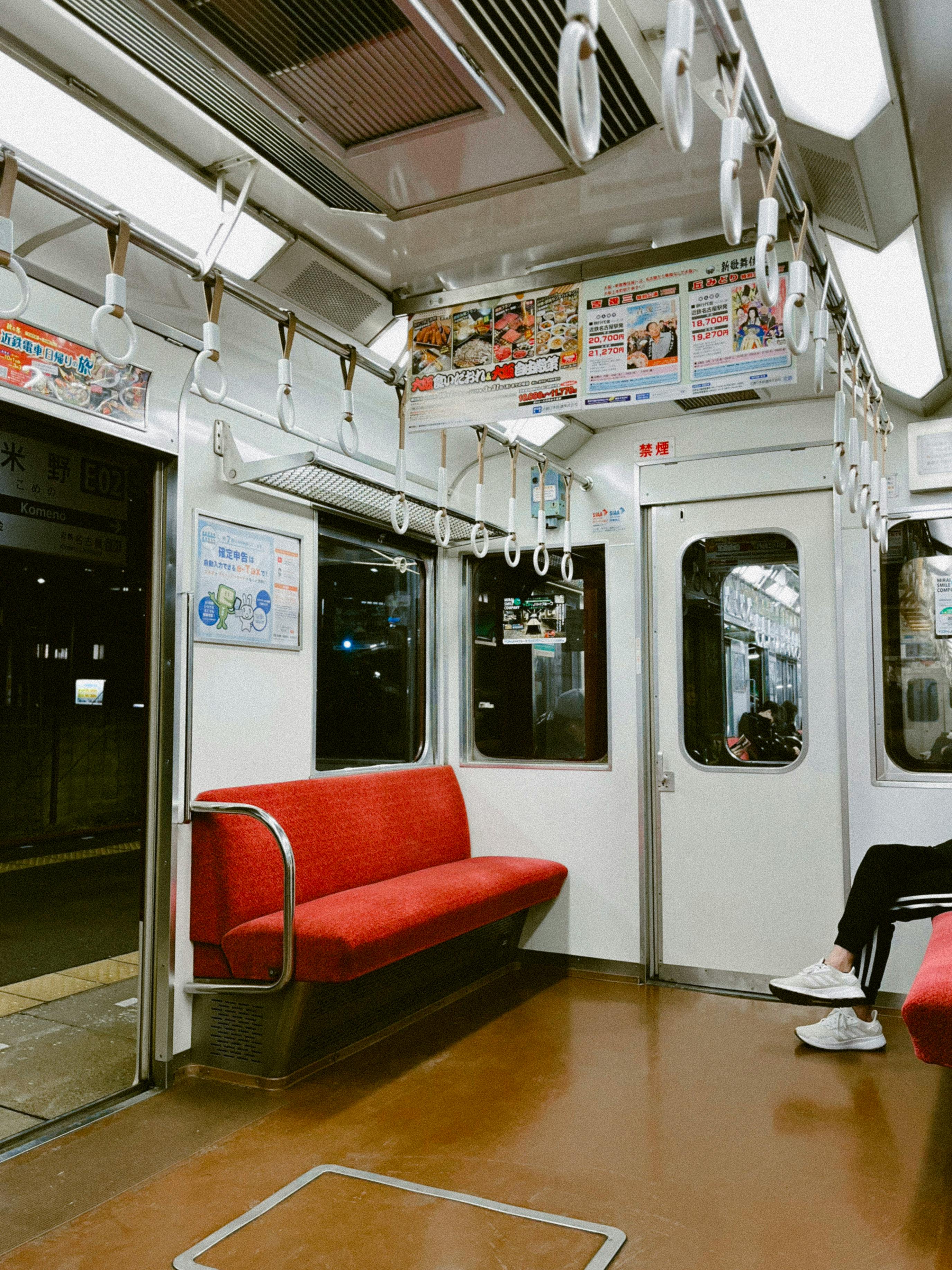
- Purchase a rechargeable transit card like Manaca for easy subway travel.
- Try the 'morning service' at local cafes to save on breakfast costs.
- Stay in Osu for a more affordable and culturally rich living experience.
- Use the Shinkansen for quick weekend trips to Kyoto or Tokyo.
- Respect quiet zones on public transport to maintain local etiquette.
- Always carry a small bag for your trash, as public bins are rare.
- Learn basic Japanese numbers to help with shopping and restaurant ordering.
Further Reading