Rarotonga · Cook Islands
Overview
Trade the office grind for island time where the lagoon is your boardroom and the pace is set by the tide.
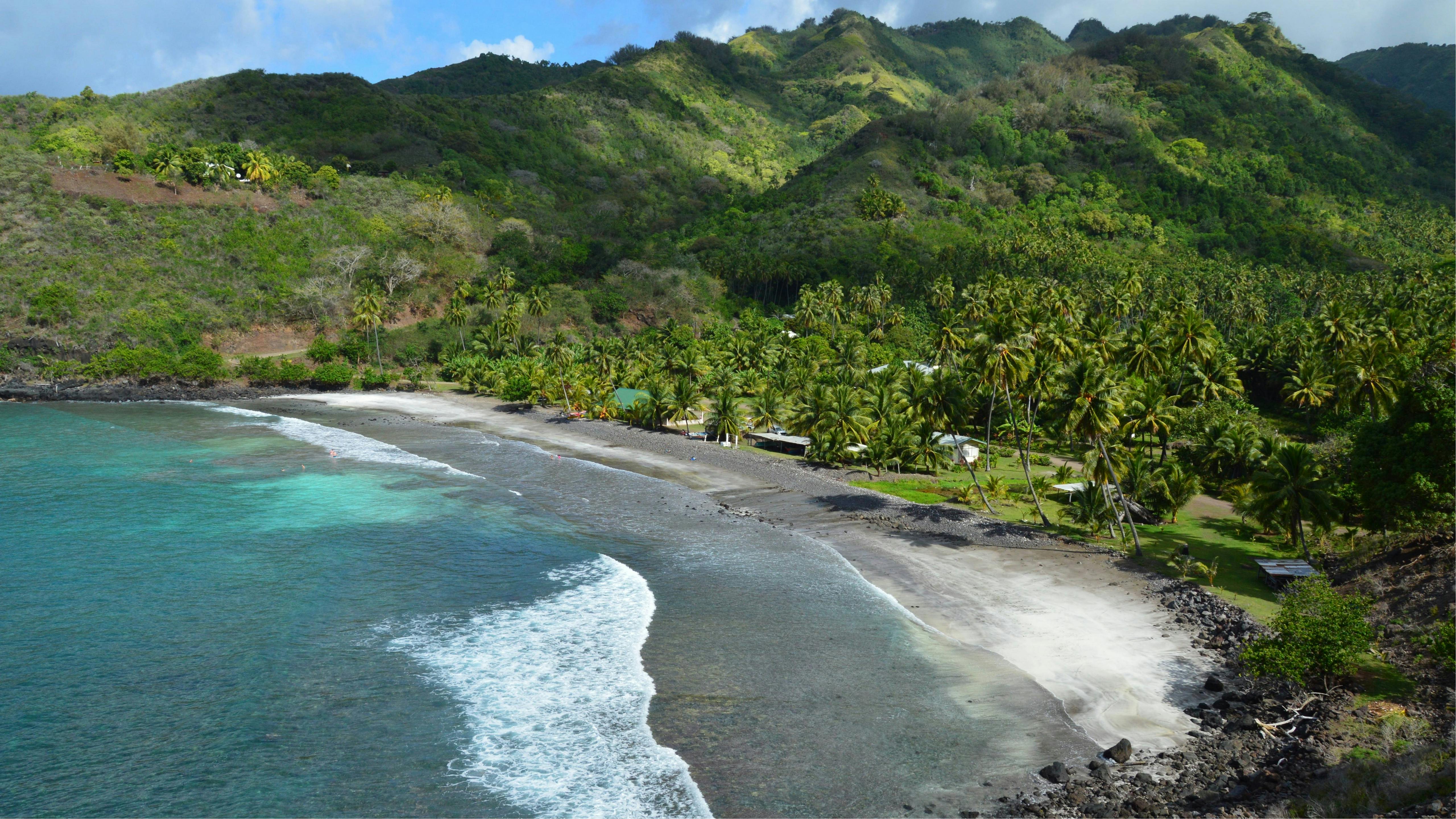
Rarotonga is the beating heart of the Cook Islands, where lush volcanic peaks meet crystal-clear turquoise lagoons. This is not a high-octane city destination; it is a place for those who prioritize peace, community, and the slow-paced rhythm of island life. Nomads here trade rush hour for sunrise beach walks and office cubicles for airy verandas overlooking the ocean.
While the Cost of living in Rarotonga can be managed with careful planning, it is important to remember that you are in a remote region. Infrastructure is reliable enough for core tasks, but you must be prepared for a slower pace than you might be used to in major tech hubs. The Climate remains tropical year-round, making it a viable option for those who want to escape the winter blues while remaining productive.
History
Rarotonga has a rich Polynesian heritage, with the island being settled by ancestors of the Maori people around 1000 AD.
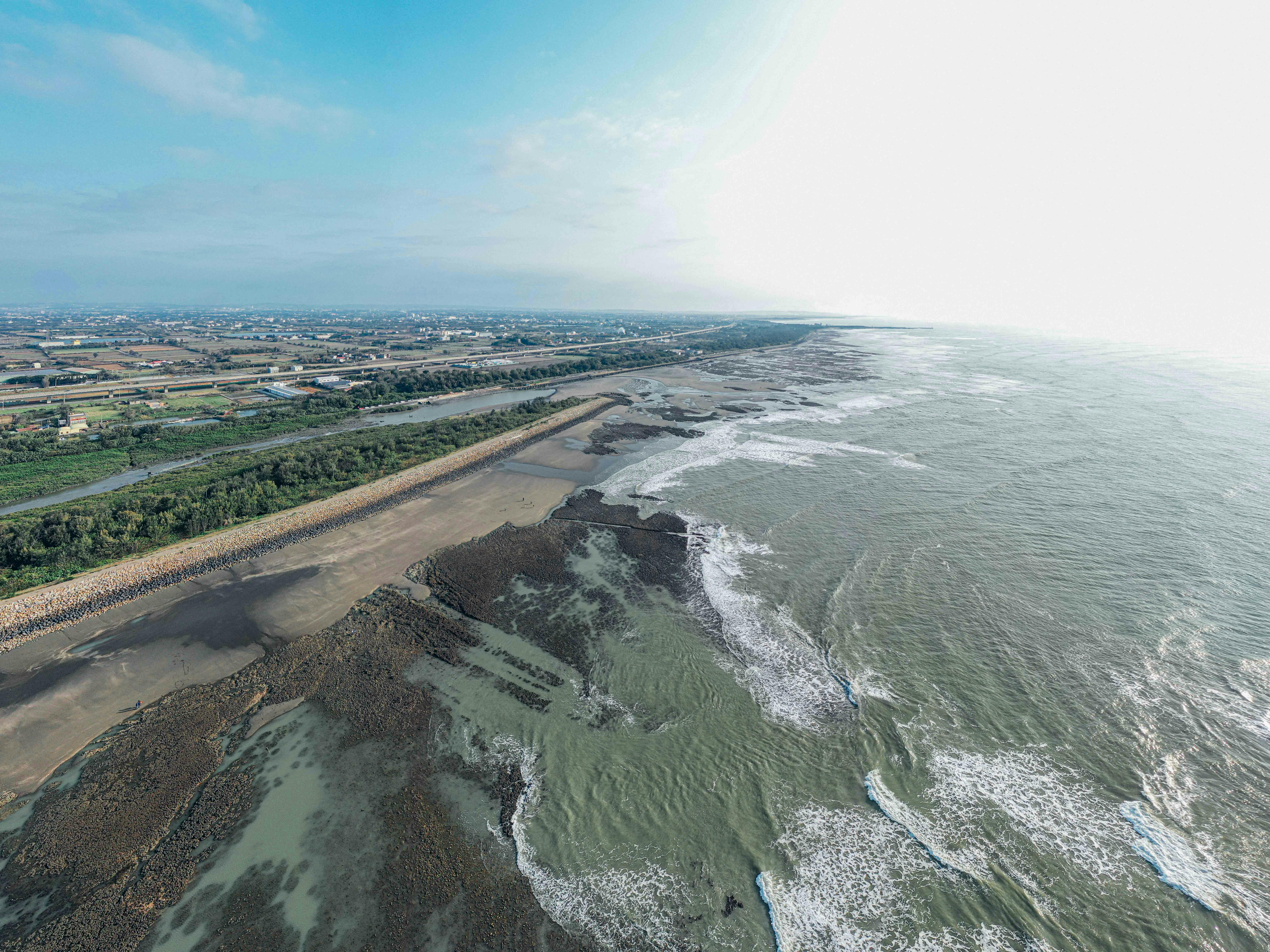
Rarotonga has a rich Polynesian heritage, with the island being settled by ancestors of the Maori people around 1000 AD. The local culture is deeply tied to the land and sea, with a history of voyaging, traditional navigation, and sophisticated agricultural practices that allowed for self-sufficiency over many centuries.
In the 19th century, the arrival of European missionaries and traders began to reshape the social and political structure of the Cook Islands. Today, Rarotonga serves as the administrative capital of the country, maintaining a unique balance between its traditional roots and the modern influences of tourism and global connectivity.
1000 AD
Polynesian SettlementAncestors of the Maori people arrive by voyaging canoes and settle the island.
1823
Missionary ArrivalThe London Missionary Society arrives, introducing Christianity to the islanders.
1901
New Zealand AdministrationThe Cook Islands become part of New Zealand's territory following a request from local leaders.
1965
Self-GovernmentThe Cook Islands become a self-governing state in free association with New Zealand.
Where to Stay
Choose your base camp
Distinct neighbourhoods, different rhythms. Pick the one that fits your work-life balance.
Beach Life
Muri
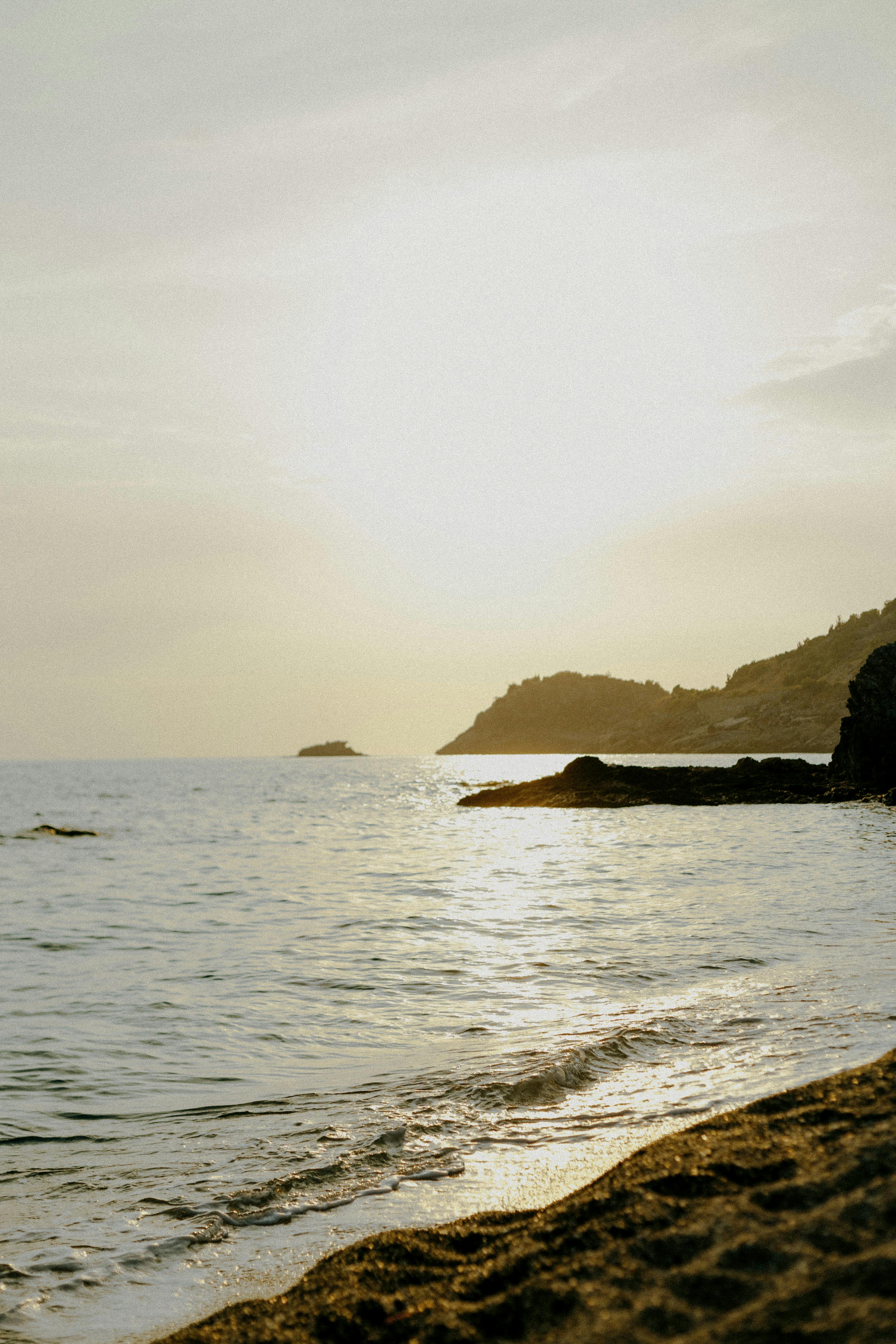
The most vibrant area with the best lagoon views and plenty of food options. Ideal for those who want to be in the heart of the action.
City Hub
Avarua
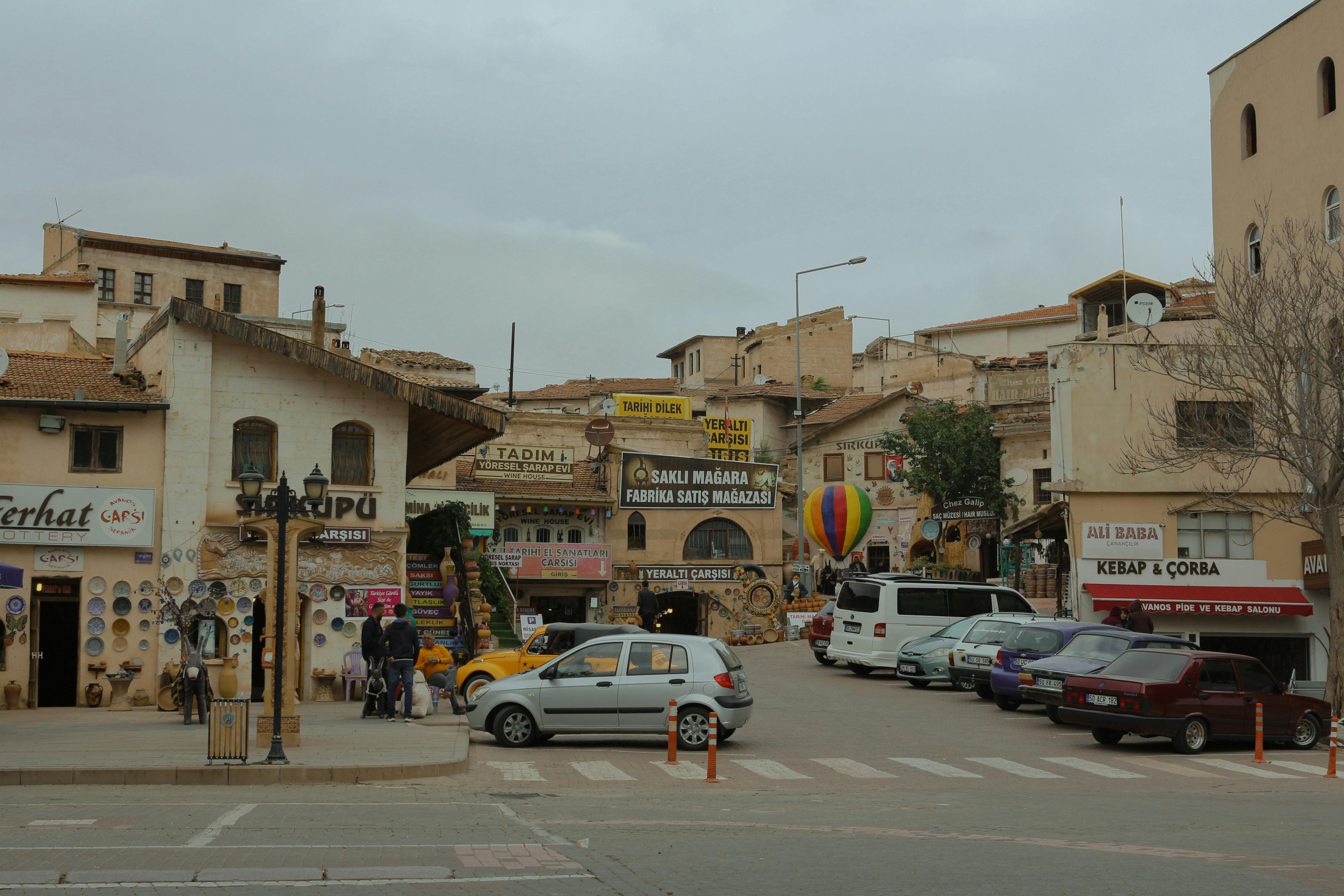
The capital of the island, offering better access to shops, services, and local administration. It is more functional than tropical but very convenient for long-term stays.
Places to Go
The experiences that will make you never leave
These aren't tourist checkboxes — they're the experiences that reset your sense of what's normal.
Top Pick
Muri Lagoon
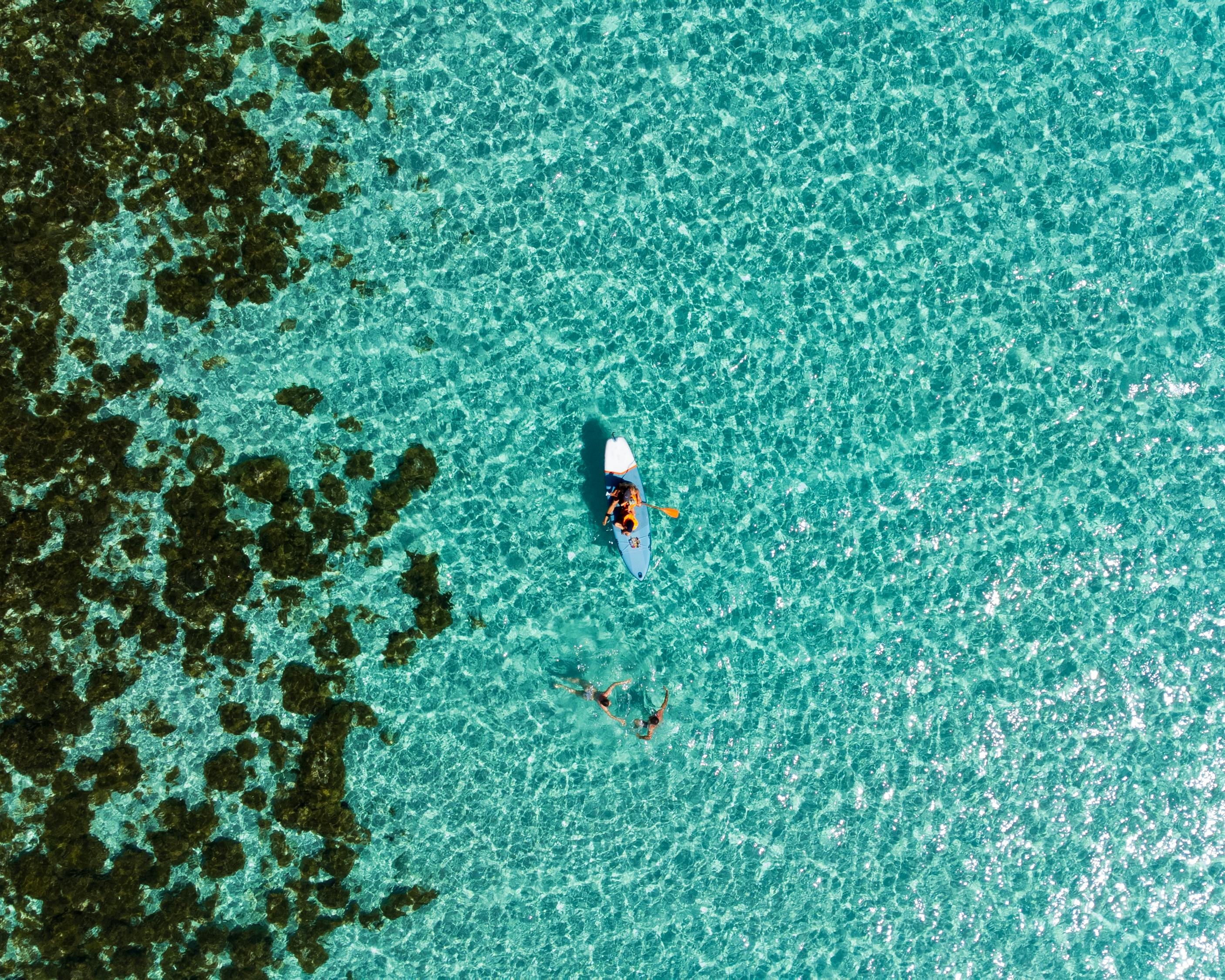
This is the most popular beach area, offering calm, shallow water perfect for swimming and snorkeling. It is surrounded by small motus that you can easily reach by kayak.
Official Tourism
Te Rua Manga (The Needle)
A prominent natural landmark, this needle-shaped rock peak offers challenging hiking trails for those looking for a view from the center of the island. It is the most iconic inland sight for adventure seekers.
Work & Connectivity
Stay connected wherever you work
The nomad community here is real — cafés and coworking spaces where you can work and meet others.
Café culture
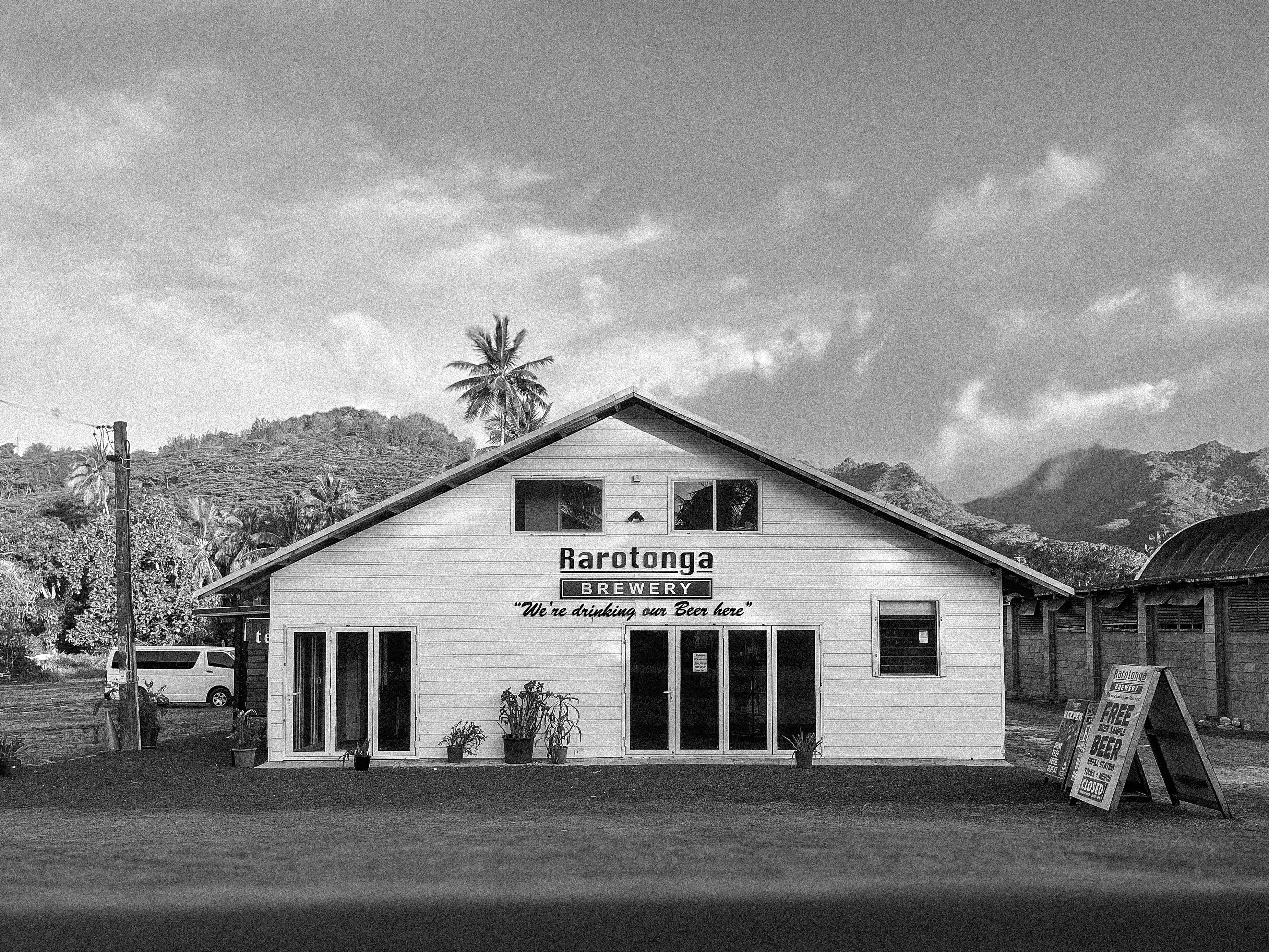
Several local cafes in Avarua and Muri provide decent coffee and workspace, though they are not traditional coworking spaces.
Budget & Costs
What it costs to live in Rarotonga
Choose your lifestyle tier. Comfortable = furnished accommodation, local + occasional Western food, transport, leisure.
$1241
per month · USD · comfortable lifestyle
ModerateFurnished studio, local restaurants, transport, and weekend trips.
Exchange rates
Check xe.com or your bank for current USD to local currency.
Check xe.com or your bank for current USD to local currency.
🏠 Rent 47%$584/mo
🍽️ Food 26%$329/mo
🚌 Transport 6%$73/mo
💡 Utilities 6%$73/mo
🎭 Leisure 9%$110/mo
🏥 Health 6%$73/mo
Connectivity
Well connected to the world
Internet and transport options for remote workers.
📶
Internet
Good — fibre common
Check local providers.
🏢
Coworking
From ~$80/mo
Dedicated spaces available.
🚌
Local Transit
5 / 10
Scooter and taxi common.
20 km from centre
Safety & Visa
Safe, welcoming, and easy to enter
Safety Score6 / 10
✗ Tap Water✓ Night Safe📞 112 or local emergency number
Visa
Check your entry options
Many nationalities get visa-free or visa-on-arrival. Check official government sources for your citizenship before travel.
Culture & Festivals
Local soul, nomad-friendly
Multiculturalism5/10
Foodie Scene5/10
Remote work
Aug
Constitution Day
A time for celebration with dance, music, and cultural displays marking the island's self-government.
For those who prefer a deeper connection to the culture, consider attending a church service; the singing is legendary and a true cultural experience.
Food & Nightlife
A feast for every mood
From street food to cafés and nightlife — every meal is an event.
Street Food
Muri Night Markets
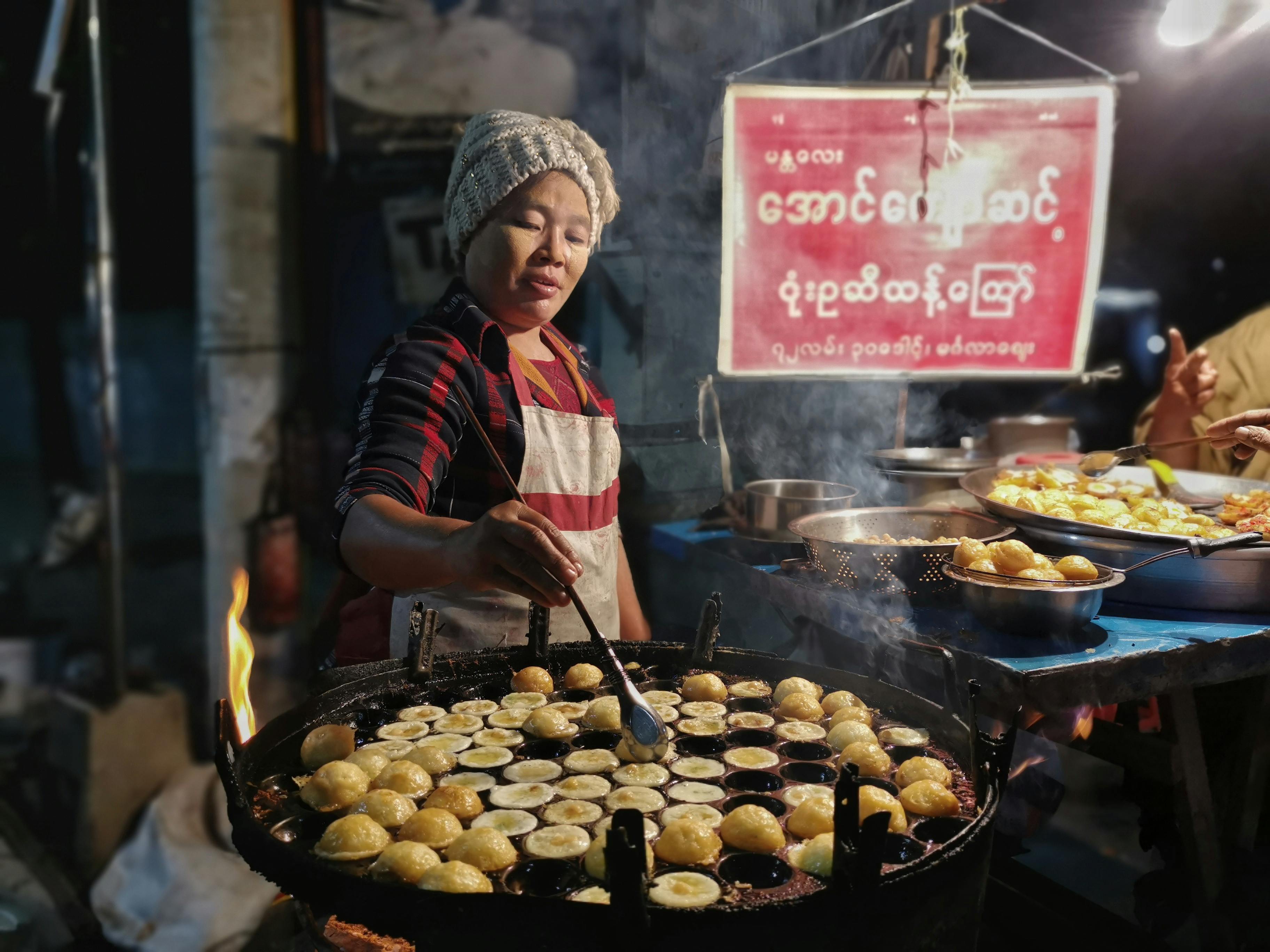
A weekly highlight where you can find affordable local dishes like Ika Mata. It is a social hub for both residents and visitors.
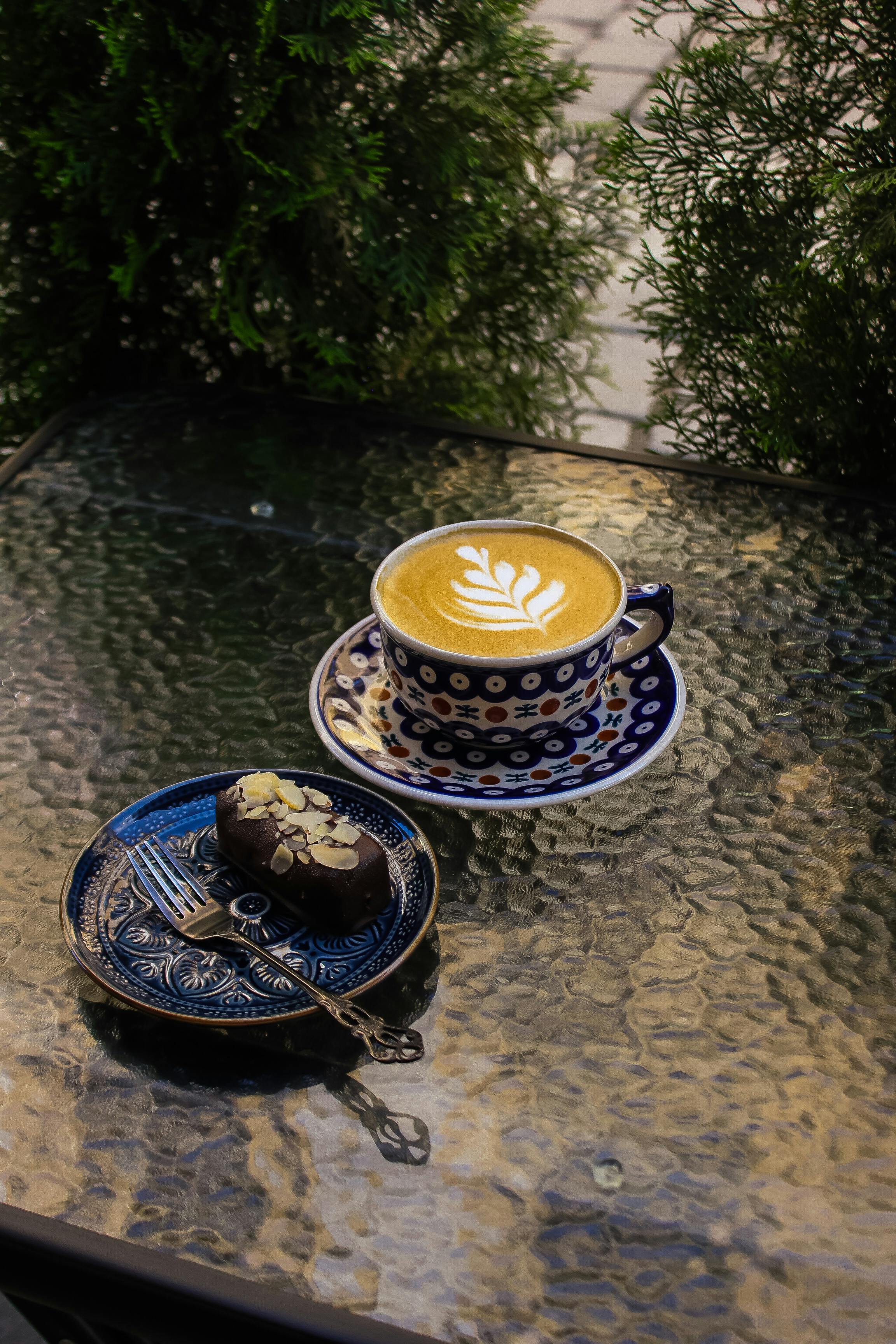
Café Culture
Local Coffee Roasters
Despite the remote location, there are surprisingly good spots to get a fresh cup of coffee and connect with other travelers.
Climate
Best months: Jan, Feb, Mar, Apr, May, Jun, Jul, Aug, Sep, Oct, Nov, Dec
Avg humidity77%
Avg AQI15
Rarotonga enjoys a tropical climate throughout the year, with temperatures remaining consistently warm. You can visit at any time, but many nomads prefer the drier season between May and October for outdoor activities and more predictable sunny days.
While tropical showers are possible at any time, they are usually short and refreshing. The humidity levels and rainfall increase slightly during the warmer months, but the island’s beauty remains constant regardless of the calendar month.
Monthly temperatures °C
BestAvoidShoulder
Practical Info
Everything you need to know
🏥
Healthcare
Medical facilities are basic. For serious conditions, evacuation to New Zealand may be necessary, so ensure your travel insurance is comprehensive.
💱
Money
The New Zealand dollar is the official currency used in the Cook Islands. Credit cards are accepted in many places, but keep cash on hand for markets and small vendors.
🌐
Language & Etiquette
English is widely spoken alongside Cook Islands Maori. Respect the local culture by dressing modestly away from the beach and showing consideration for community customs.
Tips
Quick tips
- Always carry reef-safe sunscreen to protect the fragile lagoon.
- Don't rush; the 'island time' concept is real and expected.
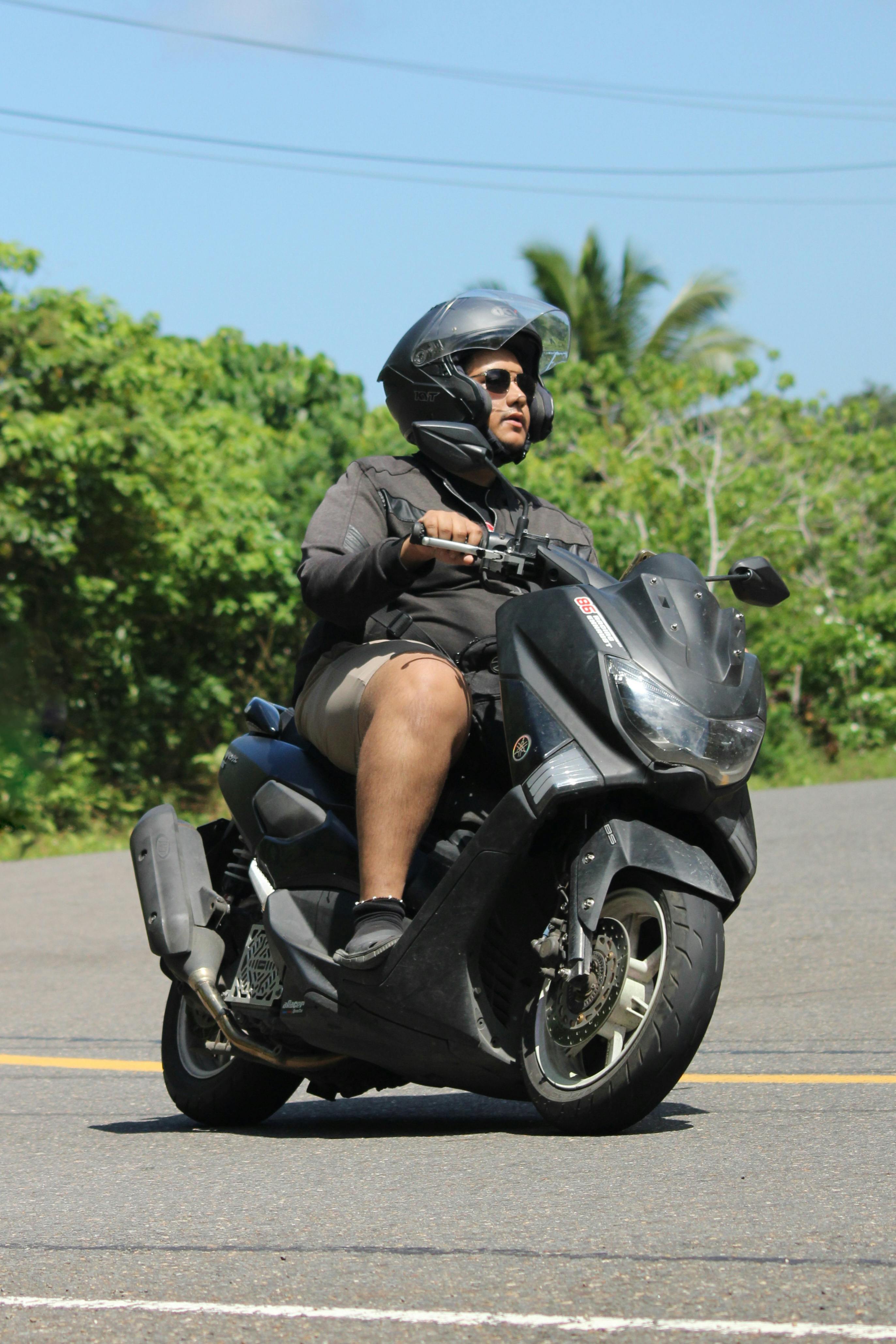
- Rent a scooter early as they are in high demand.
- Stock up on supplies when you arrive to avoid island prices.
- Participate in local village events if you get an invitation.
- Download offline maps to help with navigation.
Further Reading