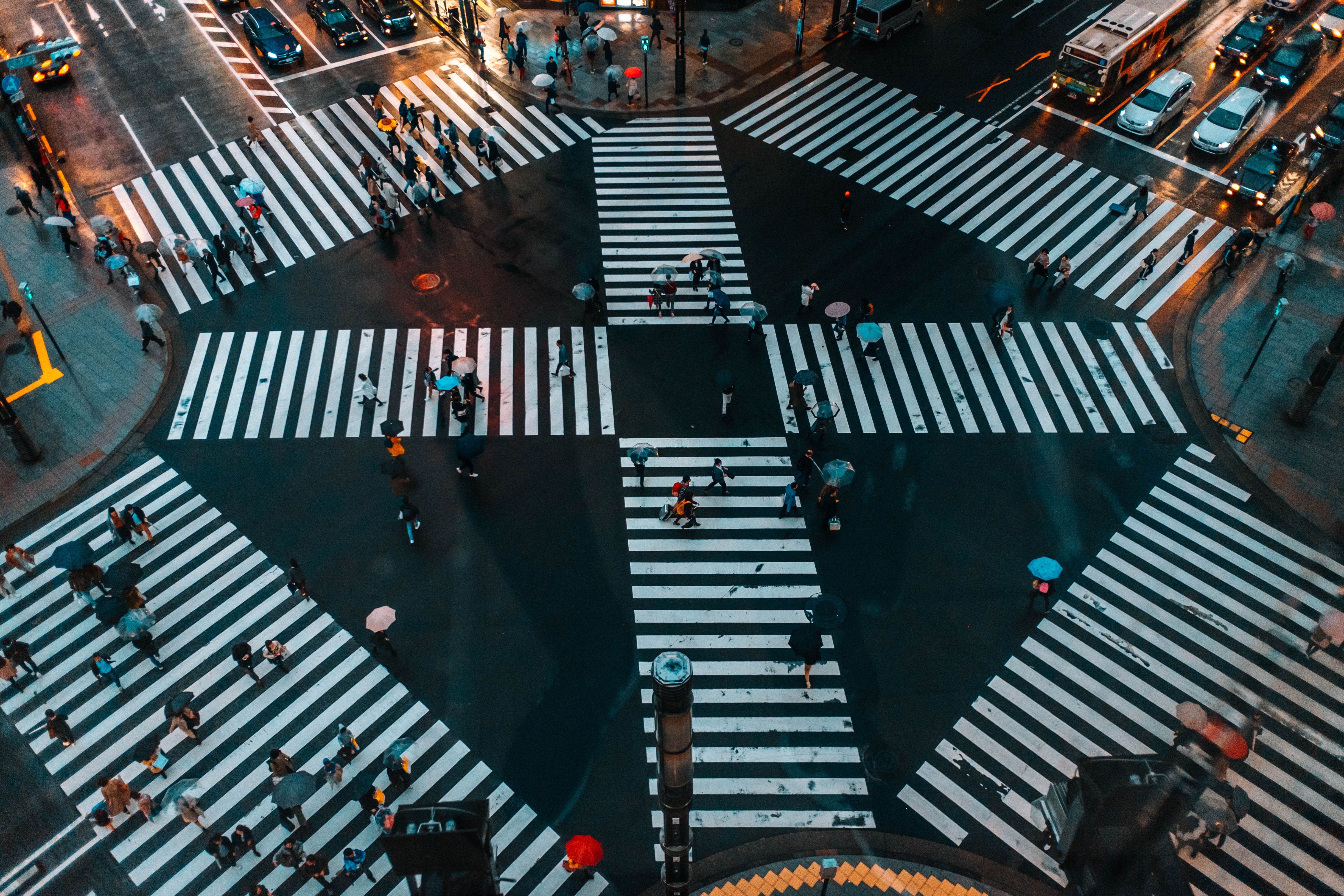

Tokyo · Japan
Overview
Tokyo isn't just a city; it's a living, breathing machine that somehow feels deeply human at every turn.
Tokyo is a sprawling, safe, and highly efficient metropolis that functions with the precision of a Swiss watch. For digital nomads, the city offers a seamless experience with ubiquitous high-speed internet and an unmatched public transit network. While the cost of living can be higher than other Asian hubs, the value provided in safety, infrastructure, and cultural depth is incomparable.
Culturally, Tokyo is a city of distinct neighbourhoods, each with its own micro-culture. From the neon-lit youth-centric streets of Harajuku to the business-heavy high-rises of Shinjuku and the quiet, traditional temples of Asakusa, there is a space here for every type of worker. Before arriving, it is wise to study the climate patterns to ensure you visit during the most comfortable seasons.
History
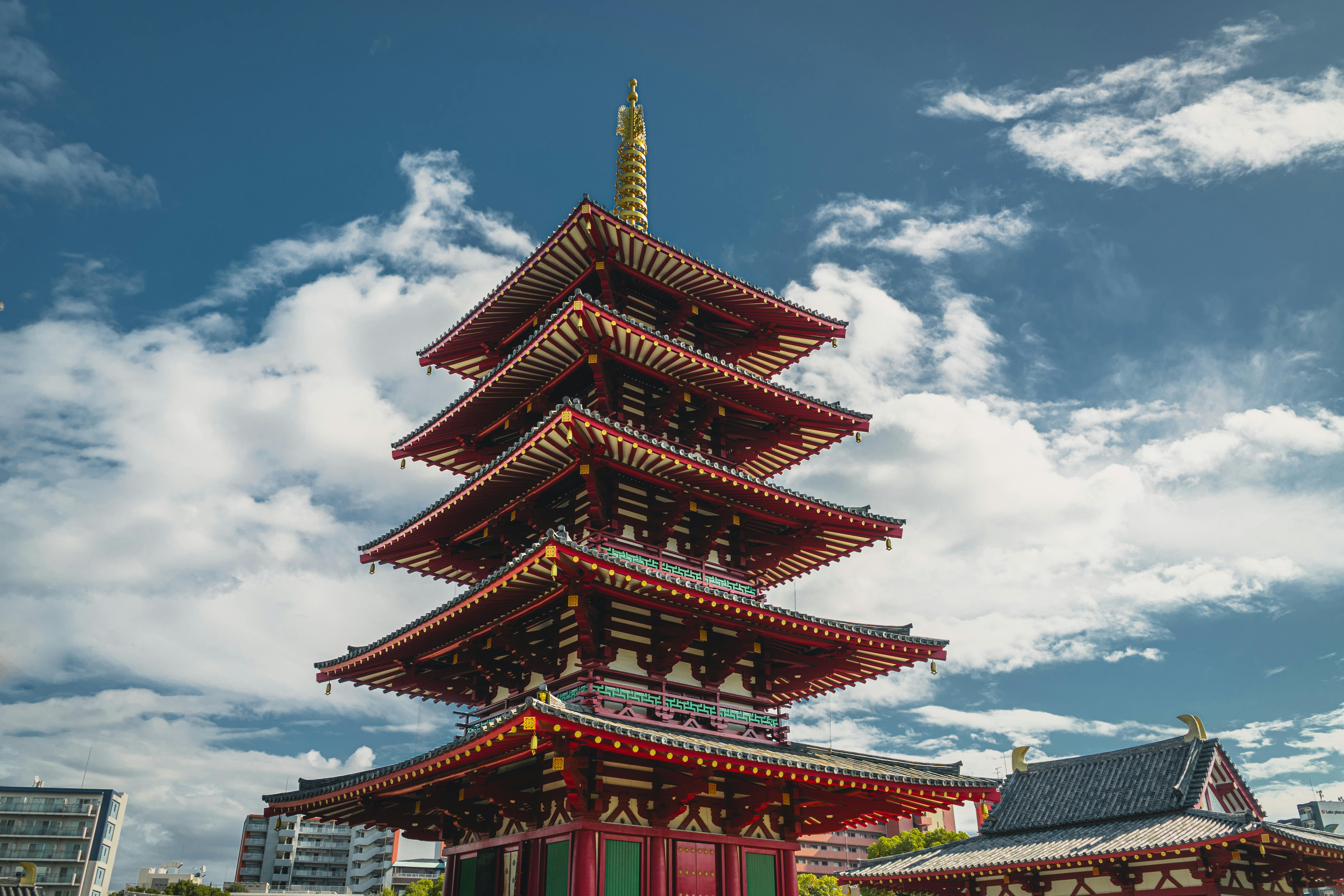
Formerly known as Edo, Tokyo was a small fishing village until it became the seat of the Tokugawa shogunate in 1603.
Formerly known as Edo, Tokyo was a small fishing village until it became the seat of the Tokugawa shogunate in 1603. Over the next two centuries, it grew into one of the world's largest cities, fostering a unique culture of art, theatre, and merchant prosperity. The Meiji Restoration in 1868 marked the end of feudal rule, and the city was renamed Tokyo, becoming the imperial capital.
The 20th century saw Tokyo suffer catastrophic destruction during the 1923 Great Kanto Earthquake and the air raids of World War II. However, the city exhibited remarkable resilience, rebuilding itself rapidly to host the 1964 Summer Olympics. Today, Tokyo stands as a global leader in technology, fashion, and culinary innovation, constantly evolving while maintaining deep respect for its historical roots.
1603
Rise of EdoTokugawa Ieyasu establishes his shogunate in Edo, turning the small fishing village into a massive administrative center.
1868
The Meiji RestorationFeudal rule ends, the Emperor moves to the city, and it is officially renamed Tokyo.
1923
Great Kanto EarthquakeA massive earthquake levels much of the city, leading to significant modernization in urban planning and architecture.
1964
First OlympicsTokyo hosts the Summer Olympics, symbolizing Japan's postwar recovery and entry into the modern global economy.
1990s
Digital BoomTokyo solidifies its status as a global hub for electronics, gaming, and cutting-edge internet infrastructure.
Where to Stay
Choose your base camp
Distinct neighbourhoods, different rhythms. Pick the one that fits your work-life balance.

Central Hub
Shinjuku
The bustling heart of the city with endless dining, nightlife, and transit connectivity. Perfect for those who want to be in the center of the action.
Tech & Trendy
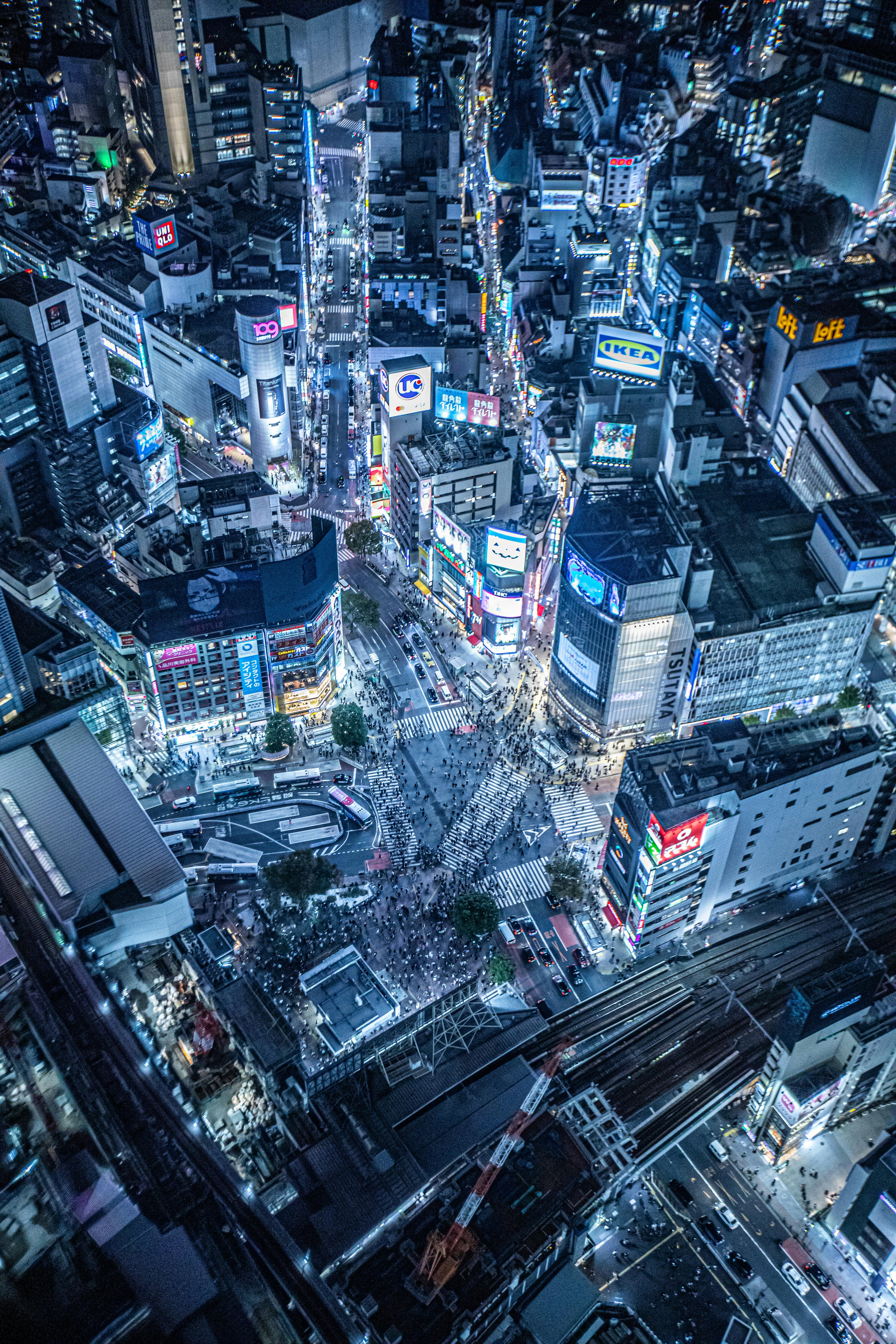
Shibuya
Youthful, energetic, and home to many startups and coworking spaces. It's ideal for nomads looking to network and experience Tokyo's trendiest scenes.
Affordable Convenience
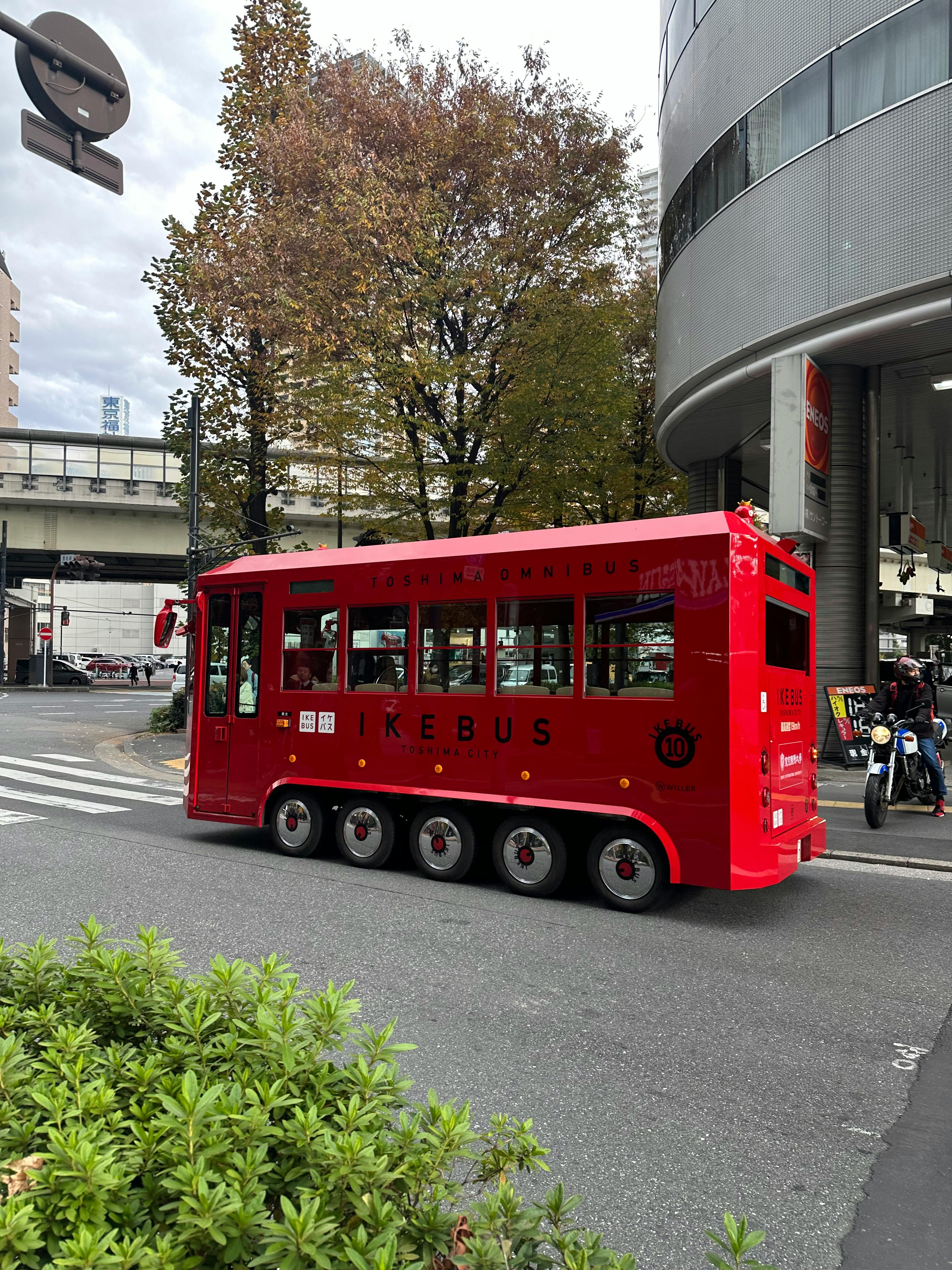
Ikebukuro
More residential and budget-friendly than central hubs but still extremely well-connected. Great for long-term stays where you want a quieter local feel.
Places to Go
The experiences that will make you never leave
These aren't tourist checkboxes — they're the experiences that reset your sense of what's normal.
Top Pick
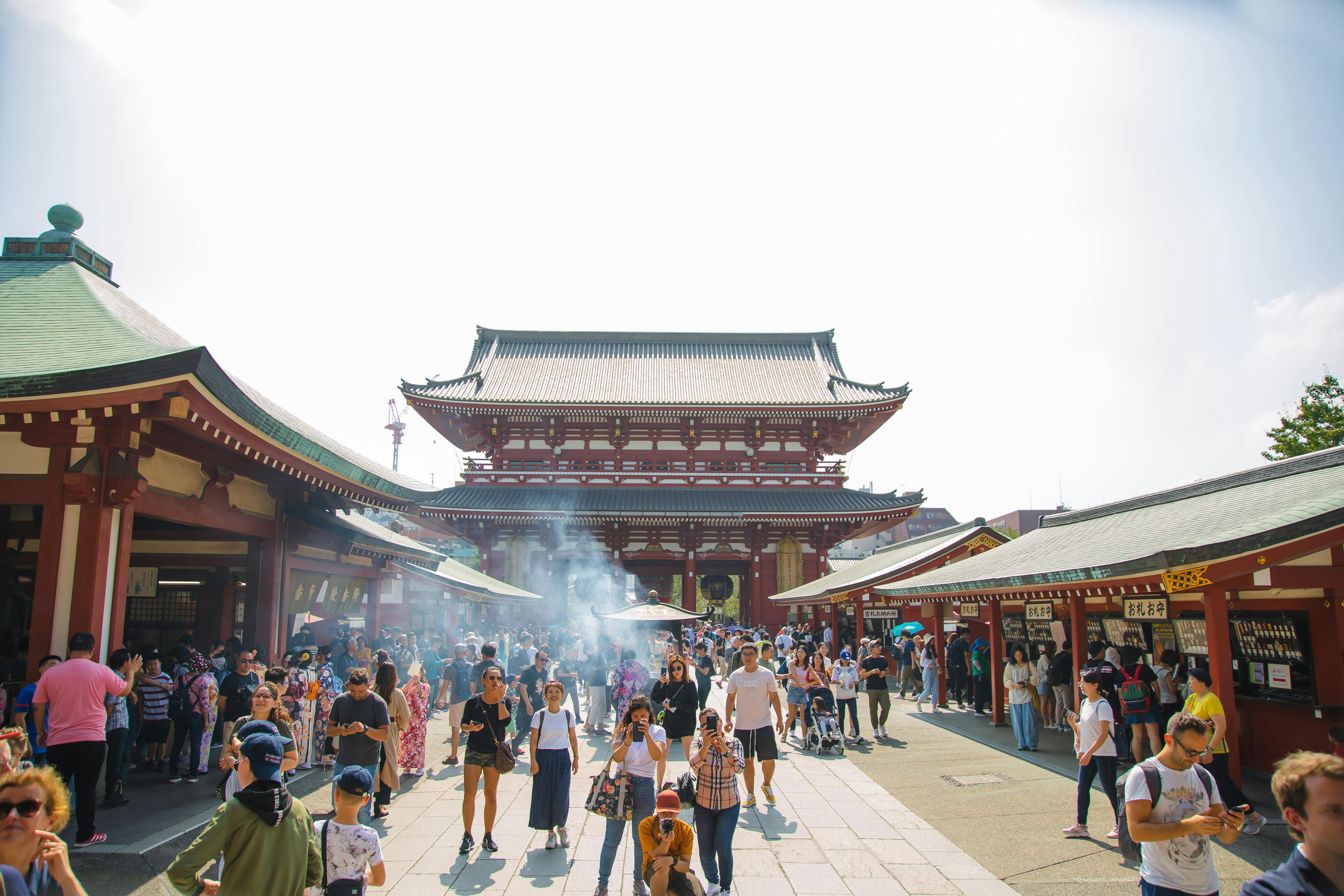
Senso-ji Temple
Tokyo's oldest temple, located in Asakusa, features a massive red gate and a bustling market street leading to the main hall. It is a stunning example of Buddhist architecture and a must-see for cultural enthusiasts.
Wikipedia
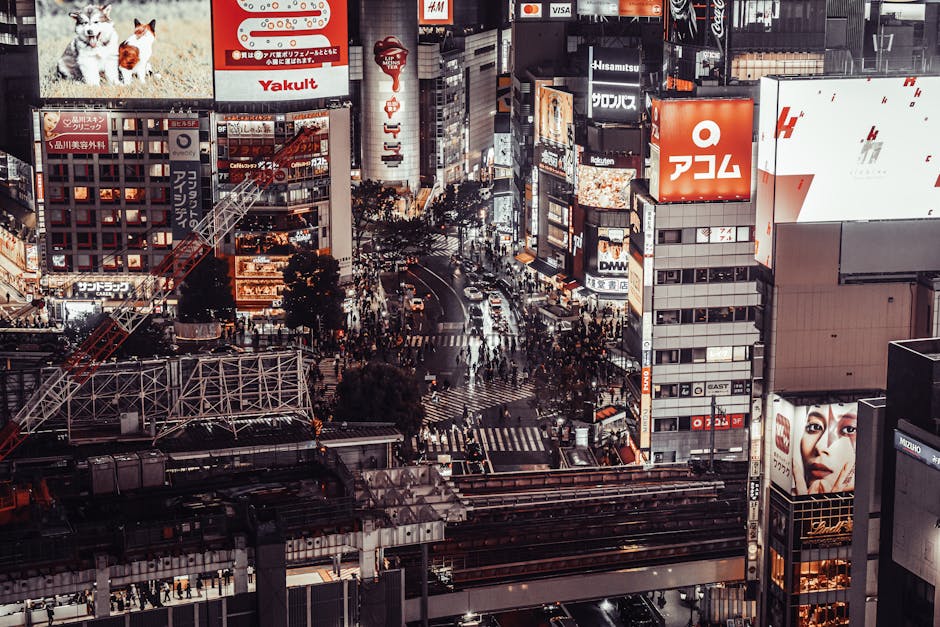
Shibuya Crossing
Often cited as the busiest pedestrian intersection in the world, this is the iconic heart of Tokyo's urban energy. Watching the waves of people cross simultaneously is a quintessential Tokyo experience.

Official Tourism
Shinjuku Gyoen Garden
A vast, beautiful park that blends French, English, and traditional Japanese garden styles. It is arguably the best spot in the city for viewing cherry blossoms or escaping the urban intensity.
Official Site
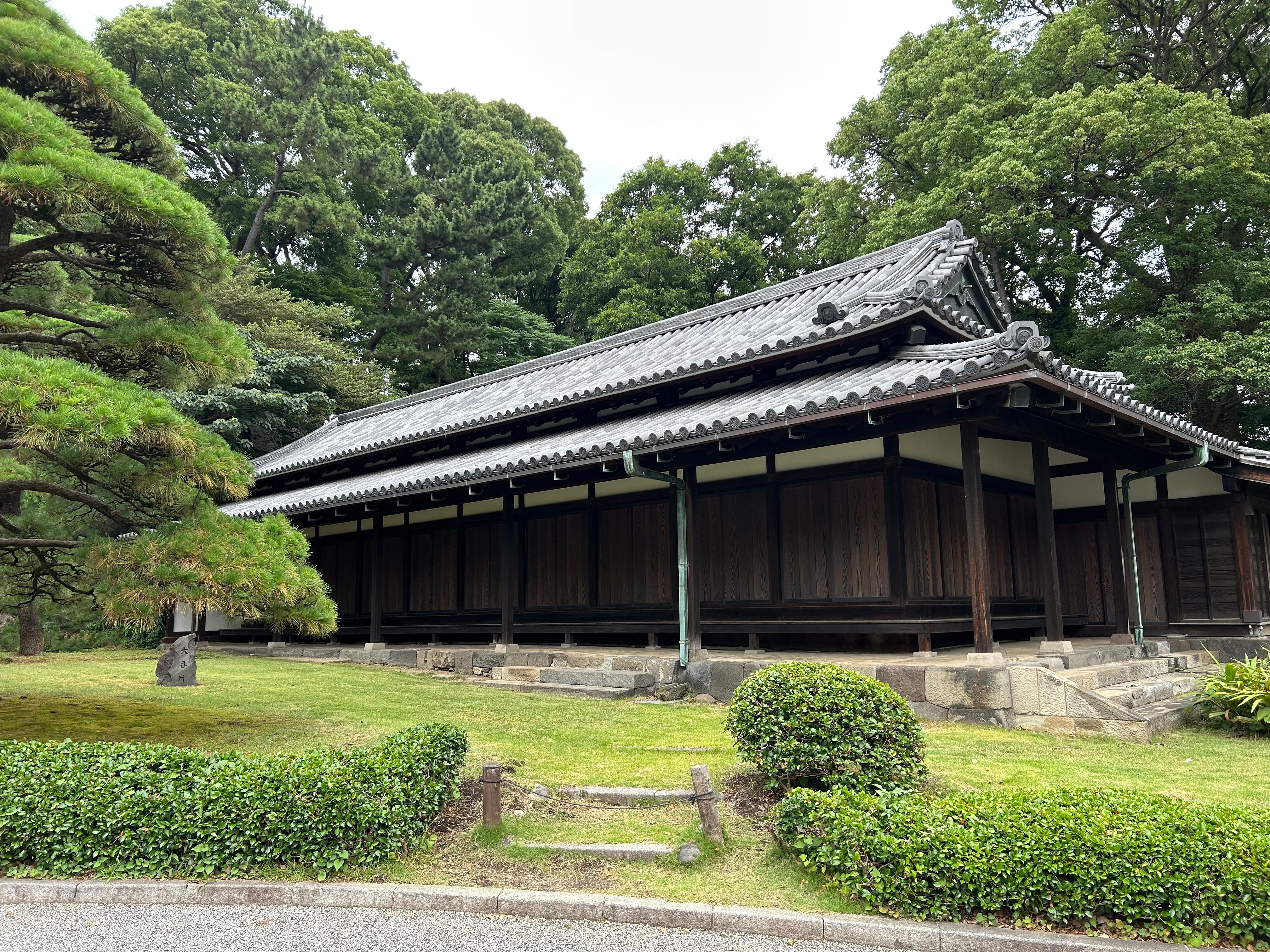
Imperial Palace
The primary residence of the Emperor of Japan, set within a massive park surrounded by moats and stone walls. The East Garden is open to the public and offers a peaceful retreat.
Wikipedia
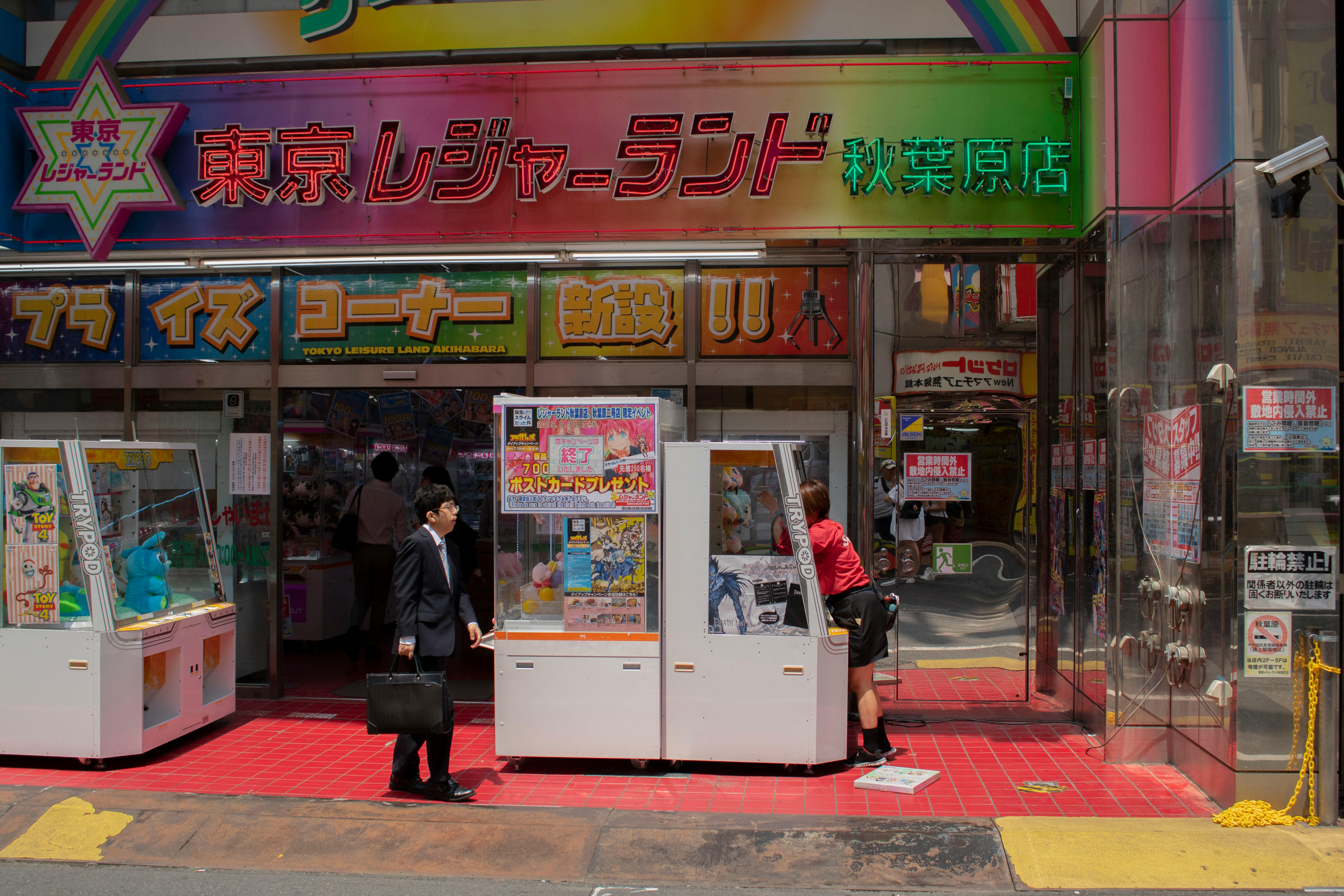
Akihabara Electric Town
The world center for gaming, anime, and electronics. Expect multi-story department stores packed with gadgets, figurines, and retro video games.

Official Site
Tokyo Tower
Inspired by the Eiffel Tower, this communications and observation tower offers panoramic views of the city. It remains an iconic symbol of Tokyo's post-war rise.

Official Site
teamLab Digital Art Museum
A borderless, immersive digital art installation where technology meets creativity. The exhibits move and change based on visitor interaction, making it highly Instagrammable.
Wikipedia
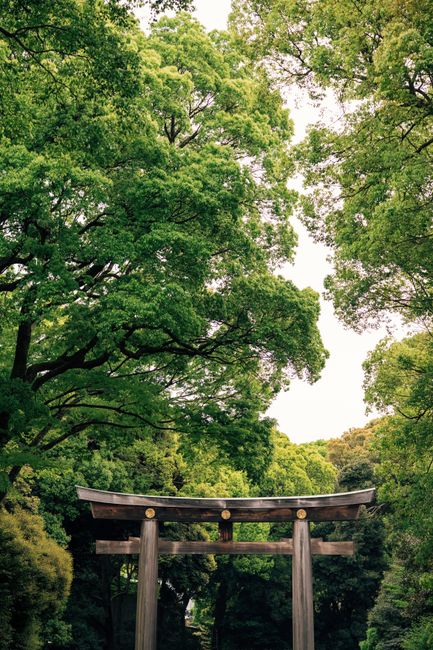
Meiji Shrine
Located in a lush, dense forest right in the center of the city, this Shinto shrine is dedicated to Emperor Meiji. It provides a profound sense of quiet and spiritual history.

Official Tourism
Tsukiji Outer Market
Although the inner wholesale market moved, the outer market remains a foodie paradise. It is the perfect place to sample fresh sushi and local Japanese street food.
Official Site
Tokyo Skytree
The tallest structure in Japan, offering observation decks with breathtaking views that stretch to Mount Fuji on a clear day. It is a masterpiece of modern engineering.
Work & Connectivity
Stay connected wherever you work
The nomad community here is real — cafés and coworking spaces where you can work and meet others.
WeWork Shibuya
Modern, professional facilities with high-speed internet and great networking potential. Located in a prime business district.
The Hive Jinnan
A stylish and community-focused space that attracts many international creatives and entrepreneurs. Great for socializing.
Co-ba Shibuya
A hub for designers and tech startups that feels authentic and deeply embedded in Tokyo's local creative industry.
CIC Tokyo
A large, high-capacity coworking space designed for serious innovation and scaling businesses.
Budget & Costs
What it costs to live in Tokyo
Choose your lifestyle tier. Comfortable = furnished accommodation, local + occasional Western food, transport, leisure.
$2336
per month · USD · comfortable lifestyle
ModerateFurnished studio, local restaurants, transport, and weekend trips.
Exchange rates
Check xe.com or your bank for current USD to local currency.
Check xe.com or your bank for current USD to local currency.
🏠 Rent 45%$1051/mo
🍽️ Food 25%$584/mo
🚌 Transport 5%$117/mo
💡 Utilities 7%$164/mo
🎭 Leisure 12%$280/mo
🏥 Health 6%$140/mo
Connectivity
Well connected to the world
Internet and transport options for remote workers.
📶
Internet
Good — fibre common
Check local providers.
🏢
Coworking
From ~$80/mo
Dedicated spaces available.
🚌
Local Transit
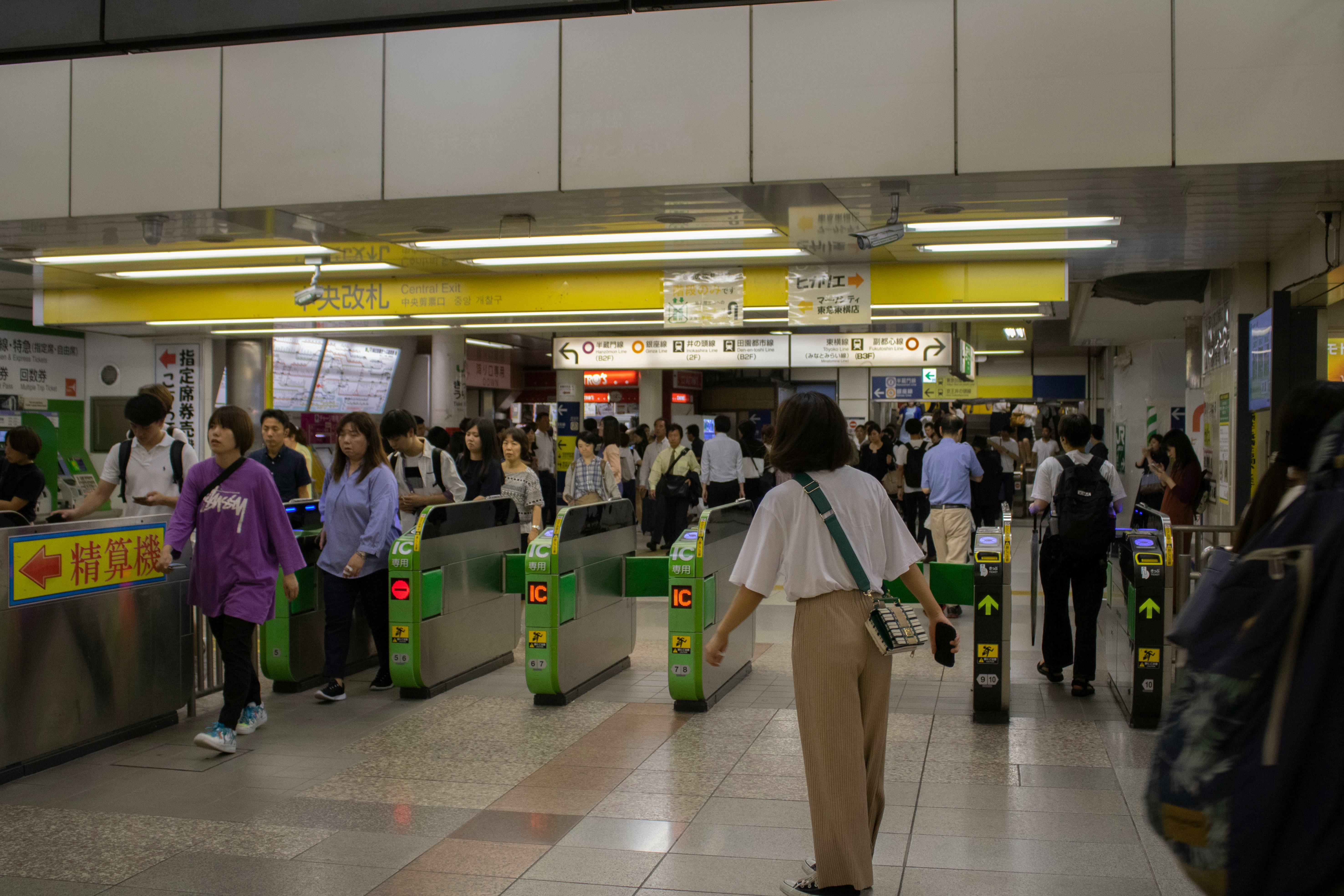
10 / 10
Suica/Pasmo IC card for everything; train system unmatched globally
NRT
Narita International Airport
60 km from centre
abudhabiamsterdamaucklandbali(canggu)bangkokbeijingbostonbusan
Safety & Visa
Safe, welcoming, and easy to enter
Safety Score10 / 10
✓ Night Safe📞 110
Visa
Check your entry options
Many nationalities get visa-free or visa-on-arrival. Check official government sources for your citizenship before travel.
Culture & Festivals
Local soul, nomad-friendly
Multiculturalism8/10
Foodie Scene10/10
⭐ Highly Rated🌸 Sakura🌿 Temperate🍜 Amazing Food🍣 Sushi🏖️ Coastal👑 Luxury💆 Wellness🔄 Four Seasons🛕 Cultural Depth
Mar
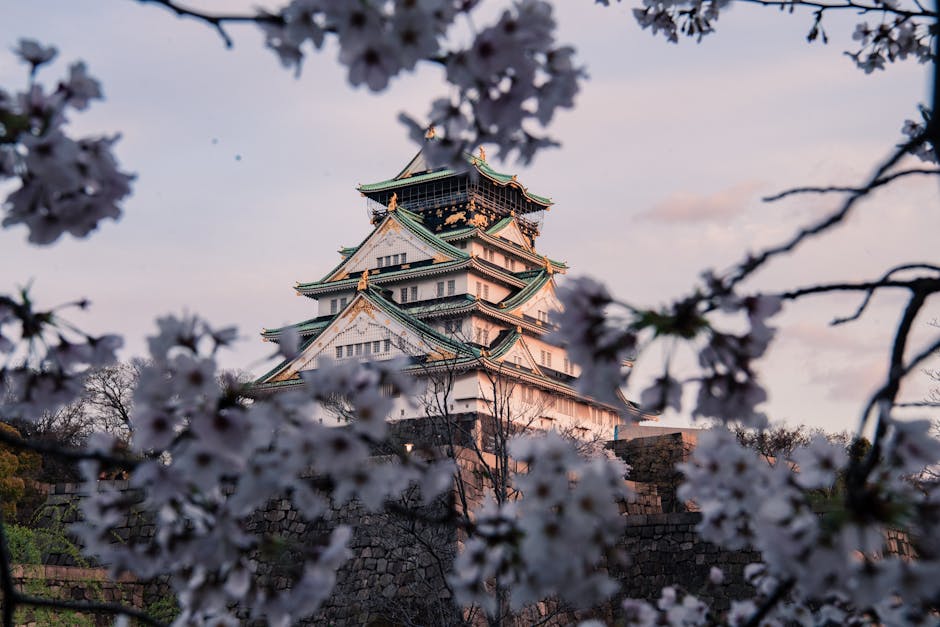
Cherry Blossom Season
The city turns into a sea of pink, with hanami parties happening in parks across every ward.
Jul
Sumida River Fireworks
An spectacular pyrotechnic display over the Sumida River, drawing massive crowds of people in yukata.
Sep
Tokyo Game Show
One of the most significant gaming events globally, held in the massive Makuhari Messe convention center.
Nov
Autumn Leaves
Parks and gardens turn stunning shades of red and orange, creating beautiful backdrops for temple visits.
If you have time, take a day trip to Kamakura to see the Great Buddha or head to Hakone for incredible views of Mount Fuji and hot springs.
Food & Nightlife
A feast for every mood
From street food to cafés and nightlife — every meal is an event.
Street Food
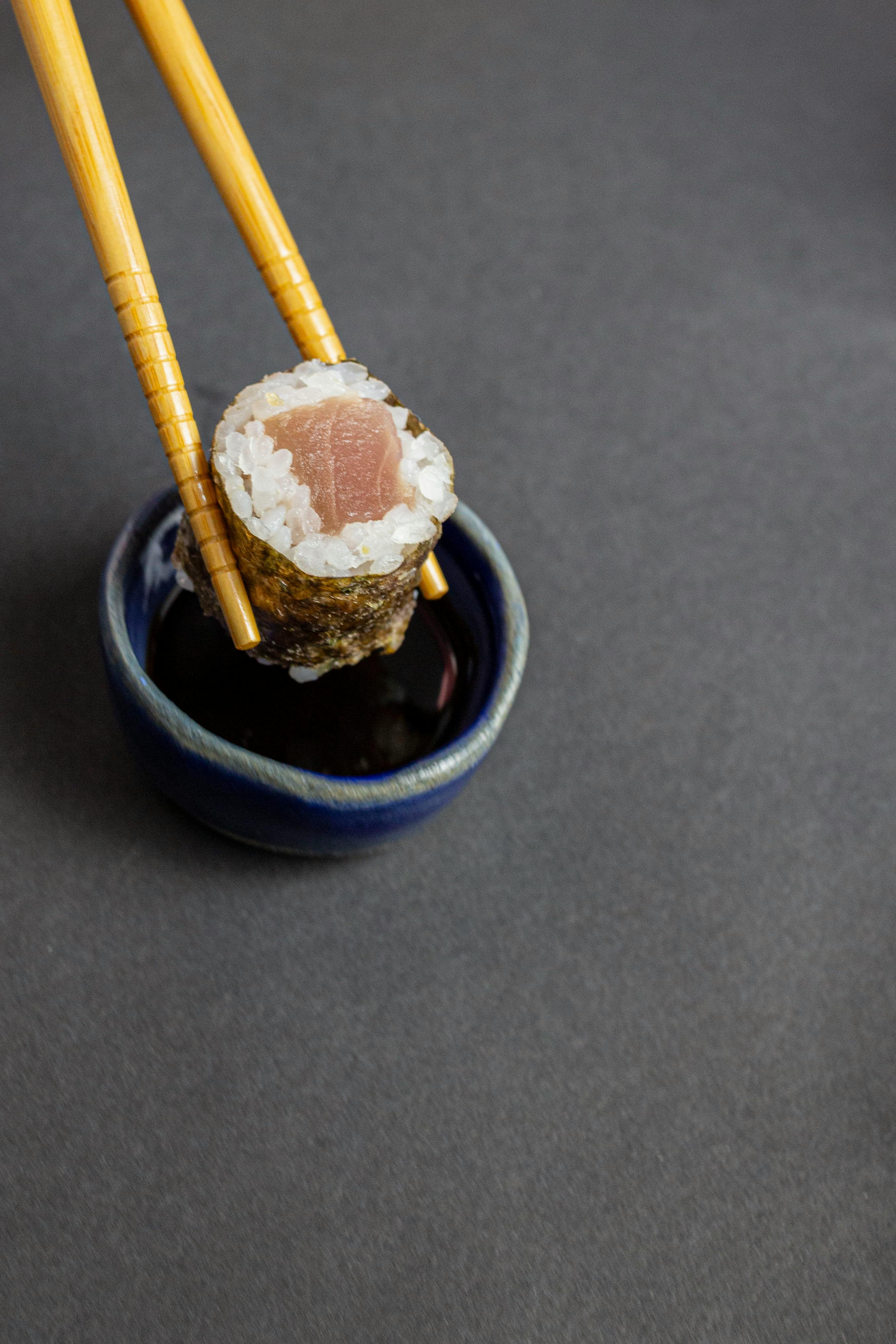
Tsukiji Outer Market
Experience the freshest sushi you'll ever have. Try tamagoyaki or grilled scallops right from the stalls.
Casual Dining
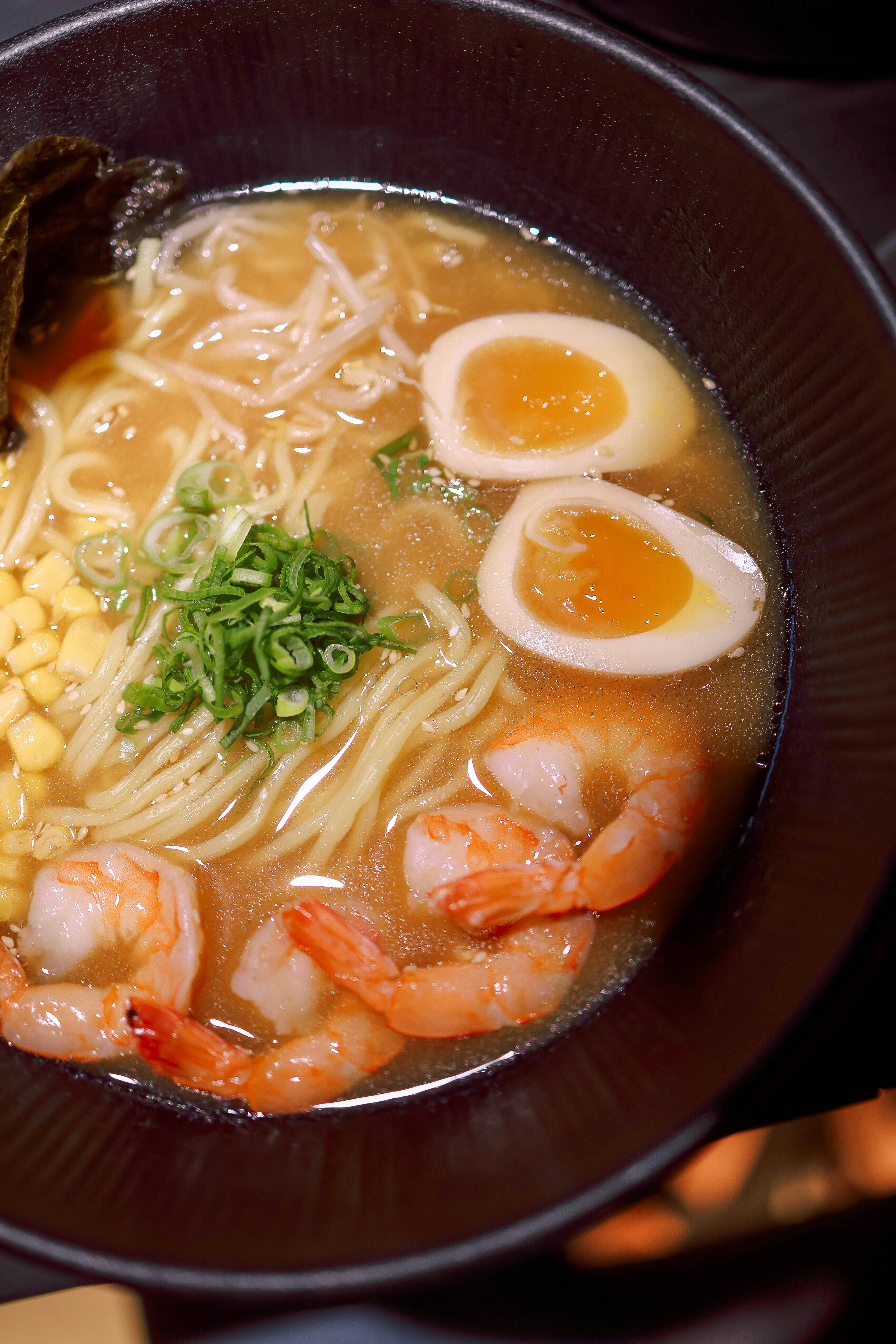
Ramen Shops
From quick ticket-vending machine spots to legendary tonkotsu institutions, you can find a life-changing bowl of ramen on every corner.
Convenience Culture
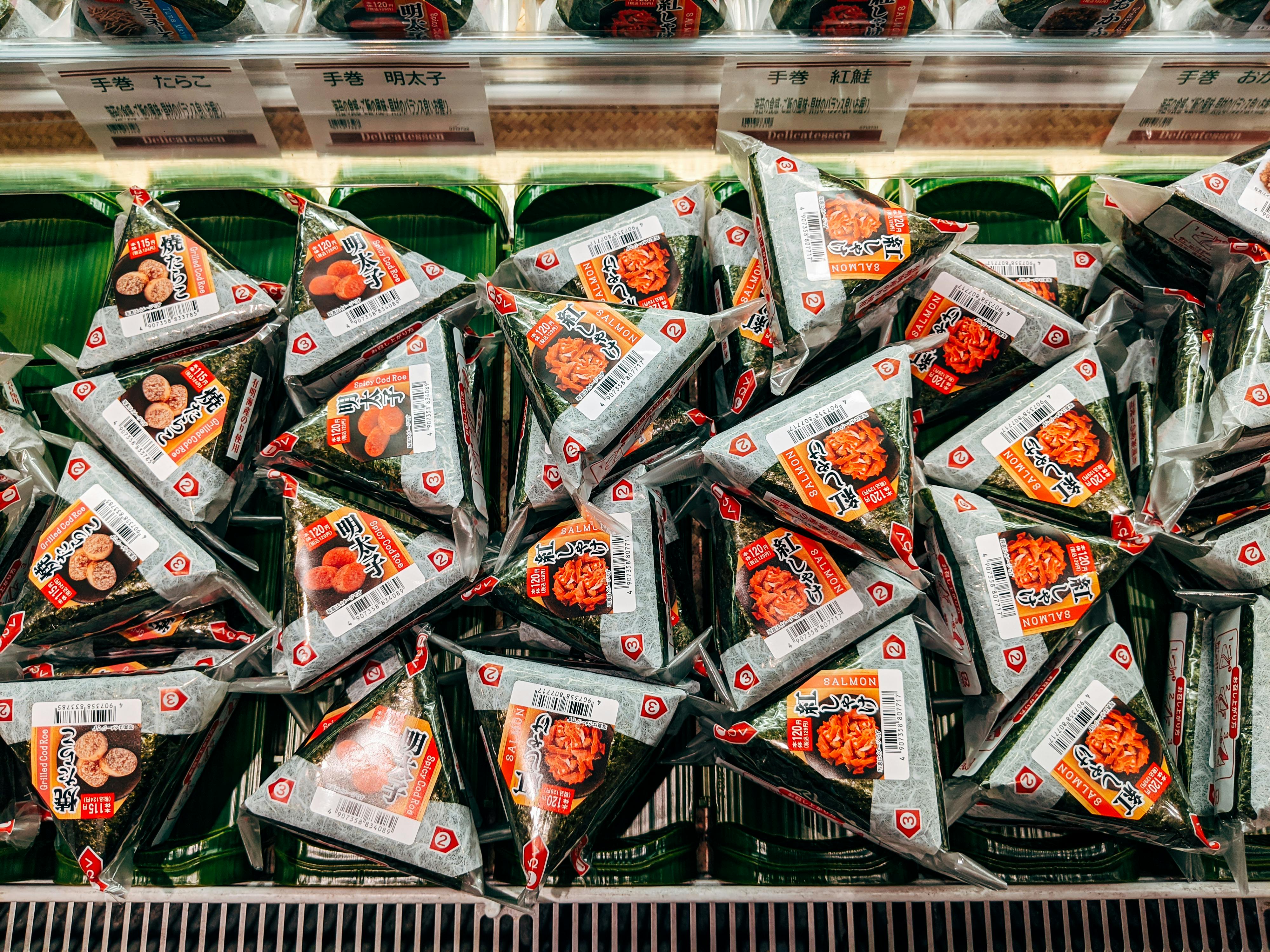
Konbini Meals
7-Eleven, Lawson, and FamilyMart offer surprisingly high-quality bento boxes, onigiri, and hot snacks that define the 'quick lunch' for busy nomads.
Climate
Best months: Mar, Apr, May, Jun, Aug, Sep, Oct, Nov
Avg humidity65%
Avg AQI55
The best time to visit Tokyo is during the pleasant spring months of March through May, or the crisp, clear autumn months of September through November. Spring brings the famous cherry blossoms (sakura), transforming the city into a scenic wonderland, while autumn offers vibrant red and gold foliage across the many temples and gardens.
Summers can be quite hot and humid, especially during the rainy season (tsuyu) in June and July, though these months offer unique cultural events like the Sumida River Fireworks. Winter is generally cold but sunny and dry, making it a great time for those who enjoy fewer crowds and vibrant, clear-sky views of Mount Fuji.
Monthly temperatures °C
BestAvoidShoulder
Practical Info
Everything you need to know
🏥
Healthcare
Japan has world-class medical facilities with many English-speaking doctors in the city center. Ensure you have comprehensive travel health insurance.
💱
Money
While credit cards are increasingly accepted, Japan remains a cash-heavy society. Always carry yen for local shops and machines.
🌐
Language & Etiquette
Learning basic Japanese phrases goes a long way. Respect silence on public transport and follow local recycling rules strictly.
Tips
Quick tips
- Always carry your passport, as it is a legal requirement for foreigners.
- Use Google Maps for precise public transport routes and times.
- Rent a pocket Wi-Fi at the airport upon arrival for seamless internet.
- Learn the basics of using a Japanese bidet toilet—it is a life upgrade.
- Use the 'Lost & Found' at train stations if you lose something; it is very effective.
- Download the 'Japan Transit by Jorudan' app for accurate train fares.
- Carry a small bag for your trash, as public bins can be hard to find.
Further Reading