Kyoto · Japan
Overview
Kyoto is a city that breathes slowly, demanding that you align your own rhythm with its timeless traditions while still offering the high-speed connectivity needed for the modern professional.
Kyoto offers a unique atmosphere where history is not just preserved in museums, but lived in daily. Digital nomads are attracted to the city's quiet discipline, exceptional public transport, and the unparalleled opportunity to balance high-focus work with morning visits to centuries-old temples. While it is a premium destination, the cost of living in Kyoto can be managed by choosing long-term rentals over hotels.
Beyond the aesthetic beauty, the city functions perfectly for remote work. The climate supports a year-round outdoor lifestyle, with mild winters and vibrant, lush springs. You will find that the local pace encourages a healthier work-life integration compared to the frantic speed of Tokyo.
History
Kyoto served as the imperial capital of Japan for over a thousand years, from 794 until the Meiji Restoration in 1868.
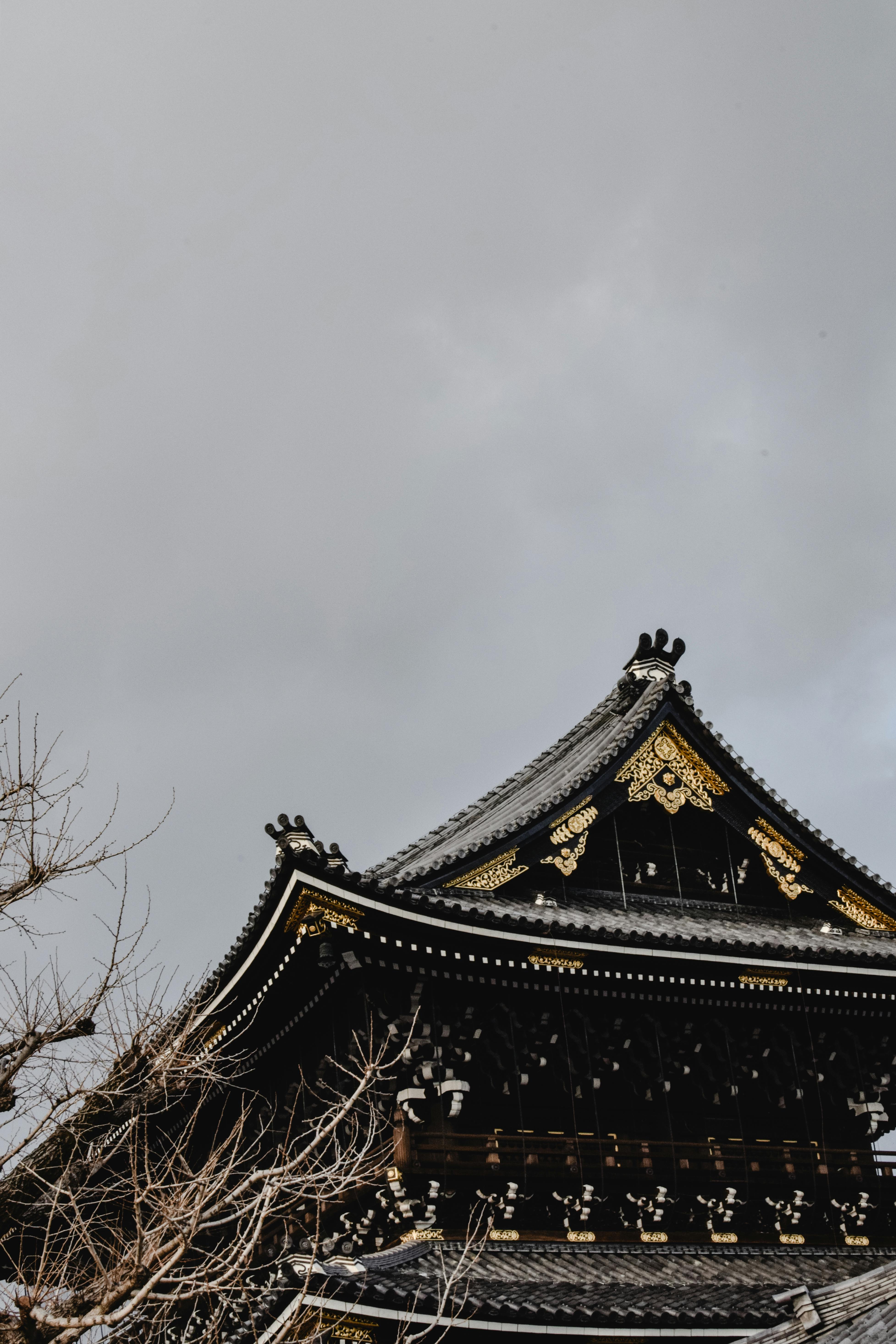
Kyoto served as the imperial capital of Japan for over a thousand years, from 794 until the Meiji Restoration in 1868. Originally modeled after the Chinese Tang dynasty capital, the city was designed with a grid layout that survives to this day. Throughout its long history, it survived the destructive Onin War and various other conflicts, allowing it to retain an incredible concentration of UNESCO World Heritage sites.
Following the move of the capital to Tokyo in the 19th century, Kyoto transitioned into a center for education, traditional arts, and technology. It remains the custodian of Japanese culture, hosting thousands of temples, shrines, and traditional wooden machiya townhouses that provide a window into the Japan of the past.
794
Establishment as CapitalEmperor Kanmu moved the capital to Heian-kyo, modern-day Kyoto, marking the start of the Heian period.
1467
The Onin WarA decade-long civil war devastated much of the city, leading to the collapse of central shogunal authority.
1868
Capital RelocationThe capital was moved to Tokyo, signaling the beginning of the Meiji Restoration and the modernization era.
1945
WWII PreservationKyoto was largely spared from the systematic aerial bombings of World War II, preserving its historic architecture.
1994
UNESCO StatusSeventeen locations in Kyoto were inscribed as UNESCO World Heritage sites collectively.
Where to Stay
Choose your base camp
Distinct neighbourhoods, different rhythms. Pick the one that fits your work-life balance.
Central Hub
Nakagyo
The commercial heart of Kyoto, offering easy access to transport and modern apartments. It is ideal for those who want to be near shopping and transit hubs.
Traditional Vibe
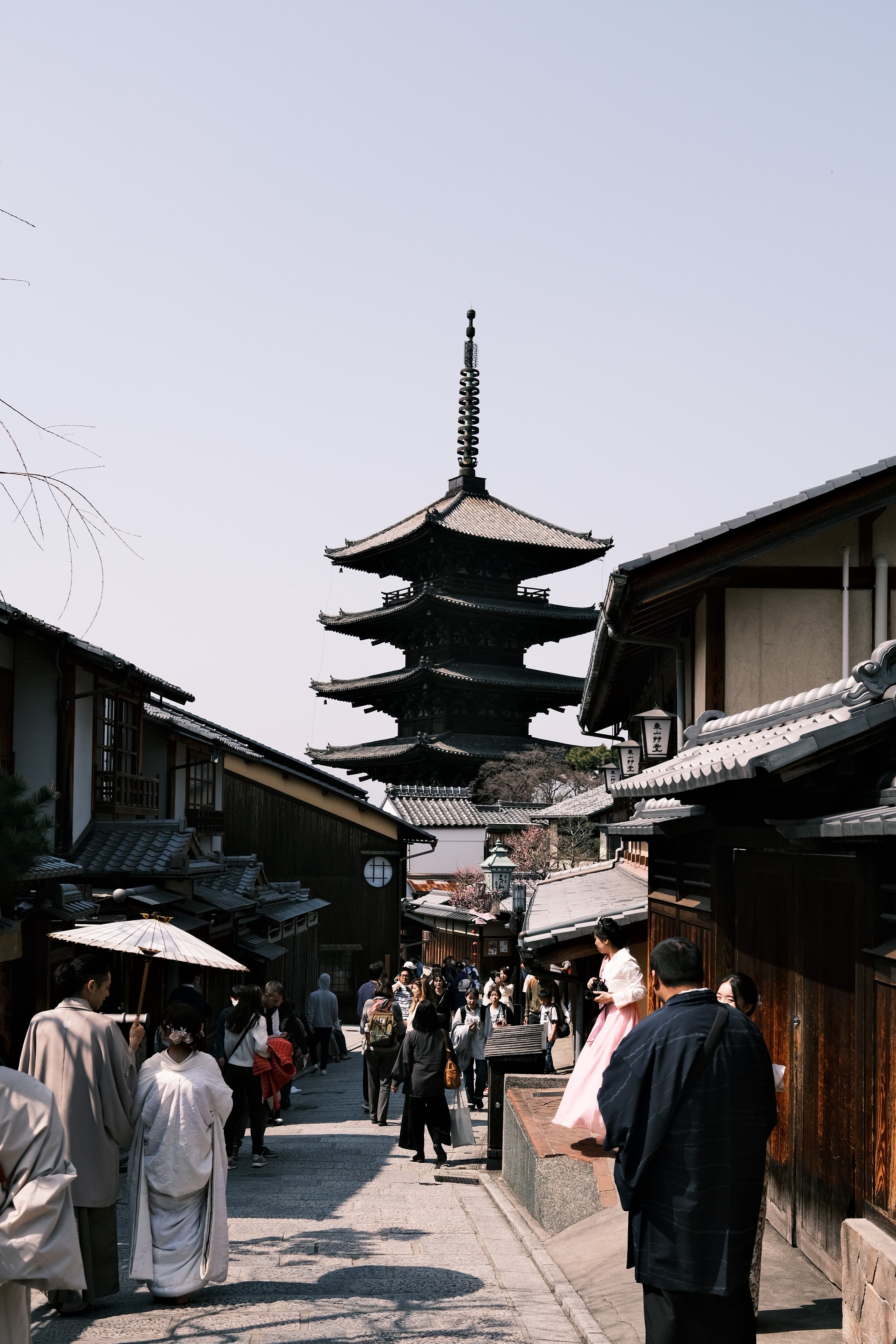
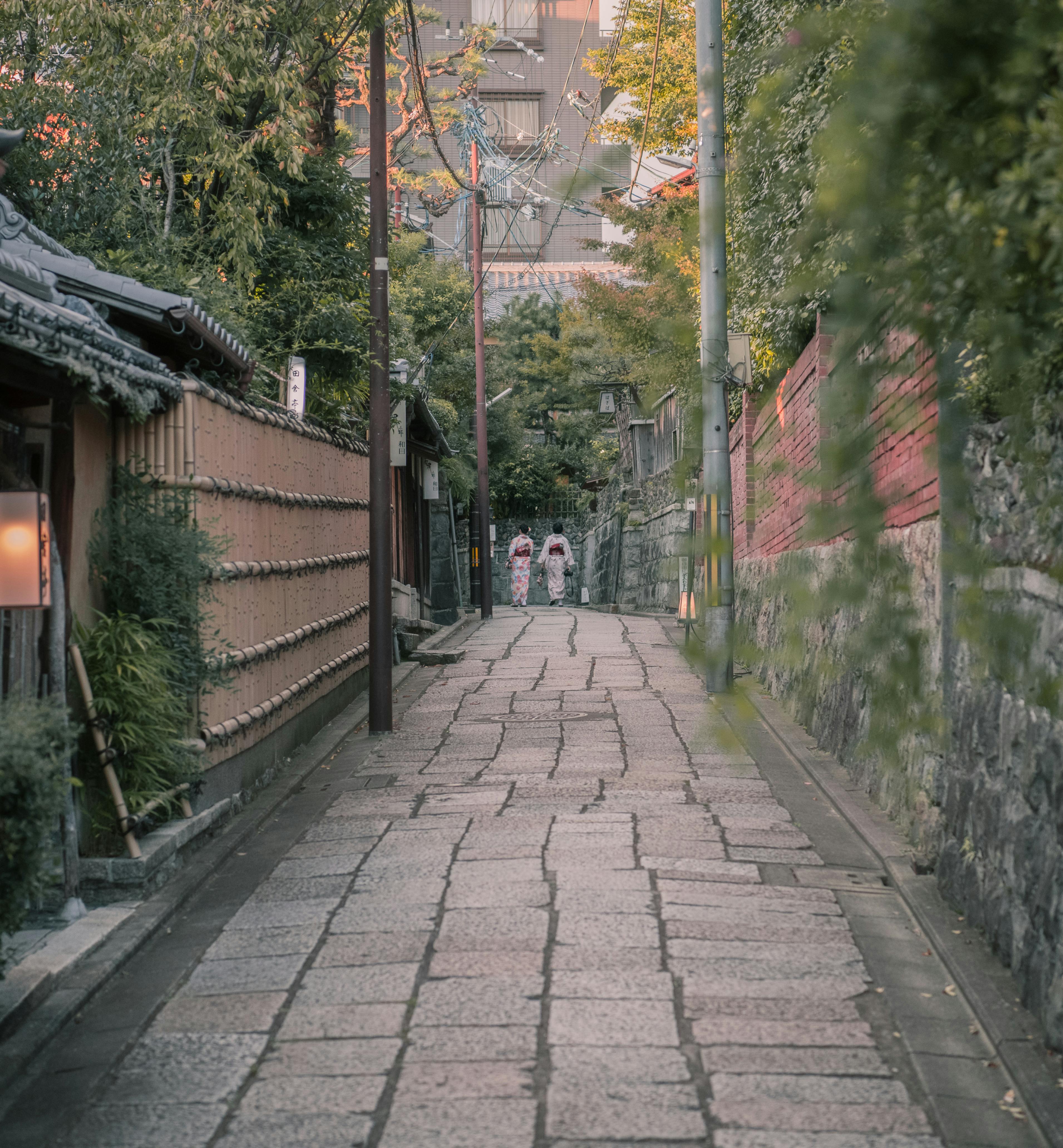
Higashiyama
Preserved historic streets filled with wooden buildings, temples, and tea houses. Living here provides a deeply immersive, slow-living experience.
Nature Escape
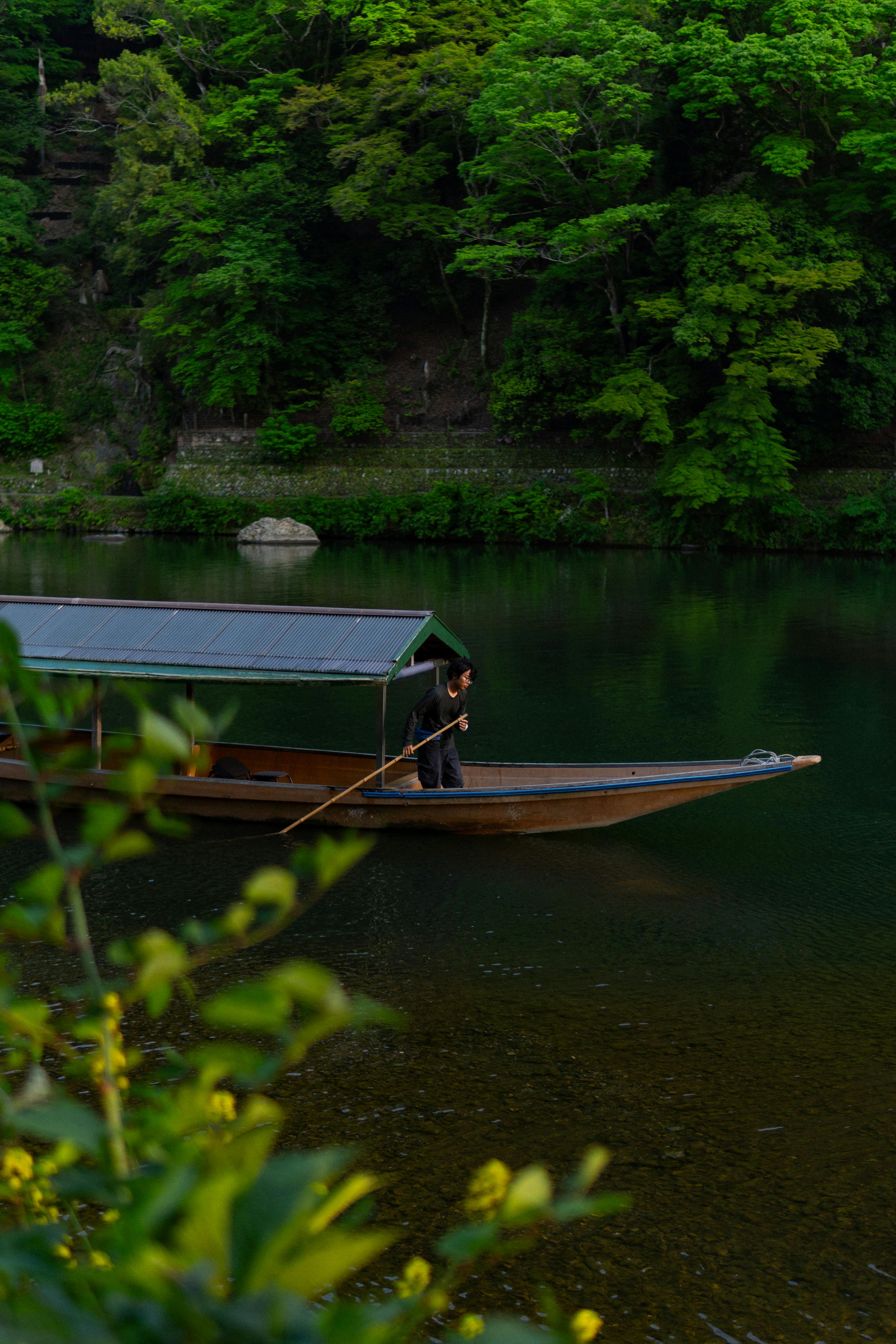
Arashiyama
Located on the western outskirts, this area is perfect for those seeking nature and a quieter environment. It offers a peaceful contrast to the city center.
Places to Go
The experiences that will make you never leave
These aren't tourist checkboxes — they're the experiences that reset your sense of what's normal.

Top Pick
Fushimi Inari Shrine
Famous for its thousands of vermilion torii gates, this shrine winds up a forested mountain. It is a stunning site for a morning hike and offers a peaceful escape from the city center.

Wikipedia
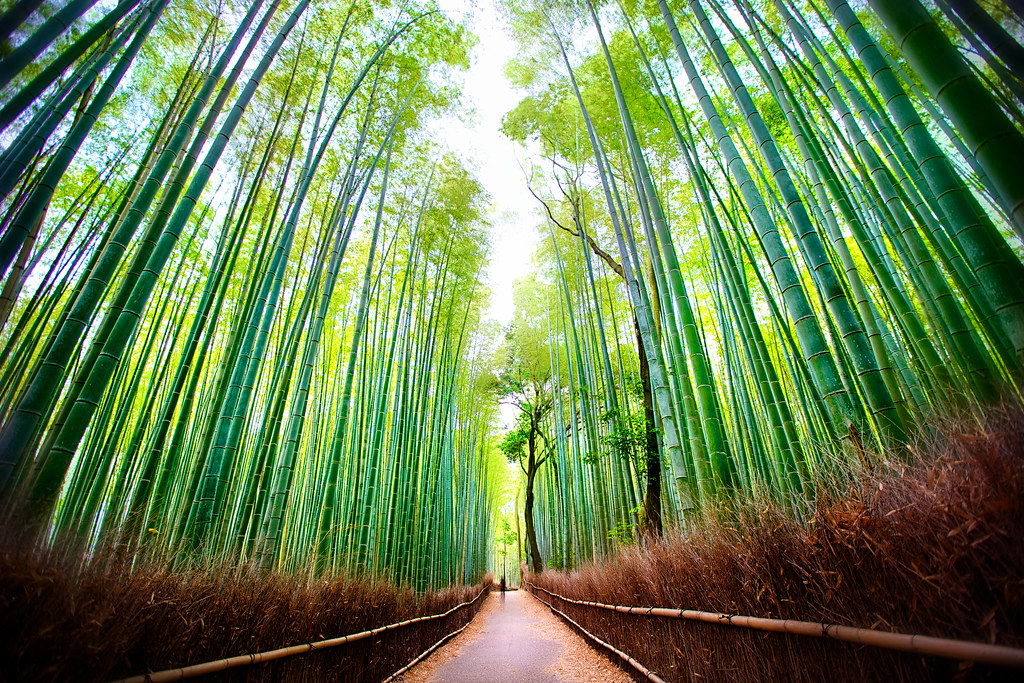
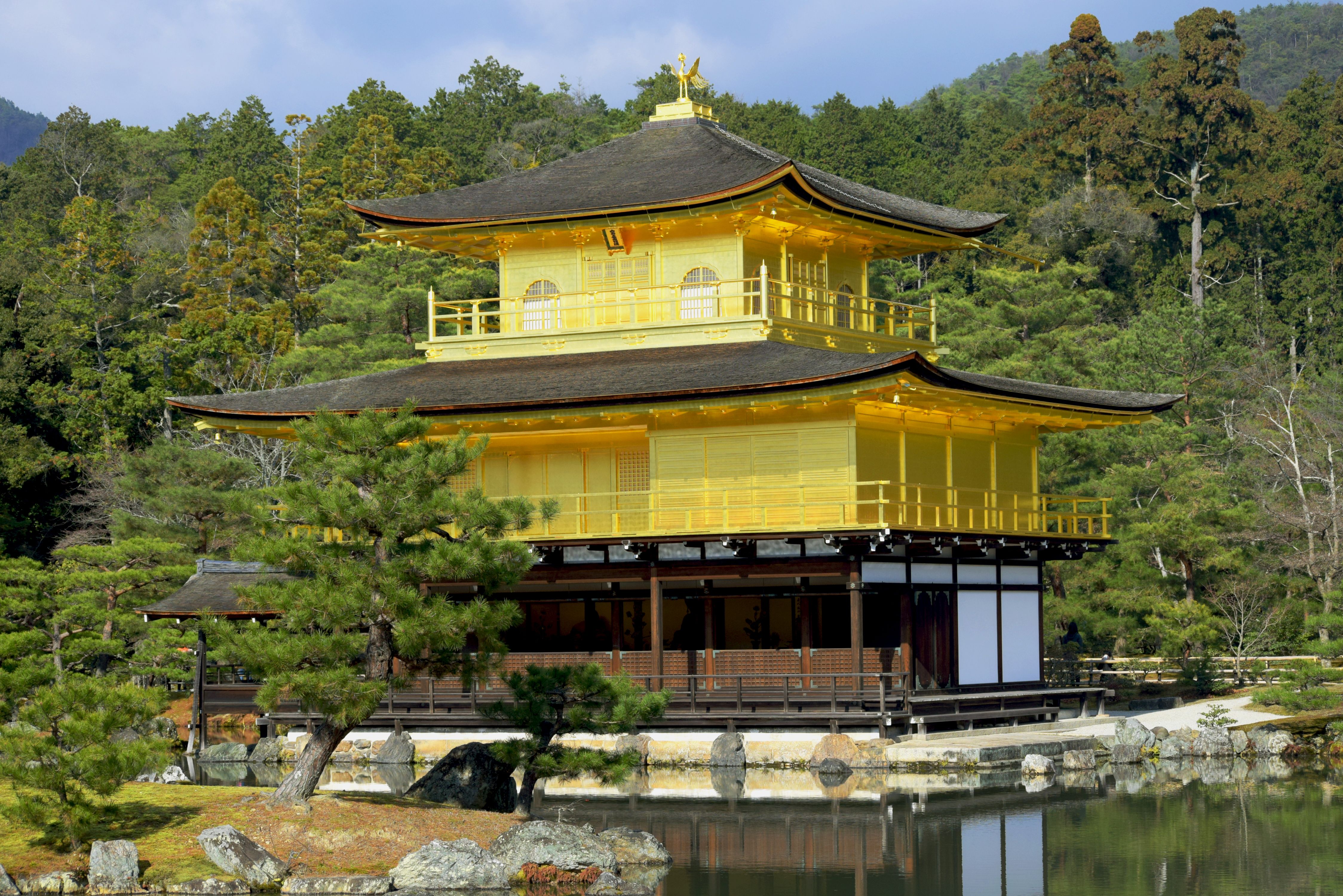
Arashiyama Bamboo Grove
A towering forest of bamboo that creates an otherworldly light and sound experience. Walking through the paths here is a quintessential Kyoto experience.
Official Website
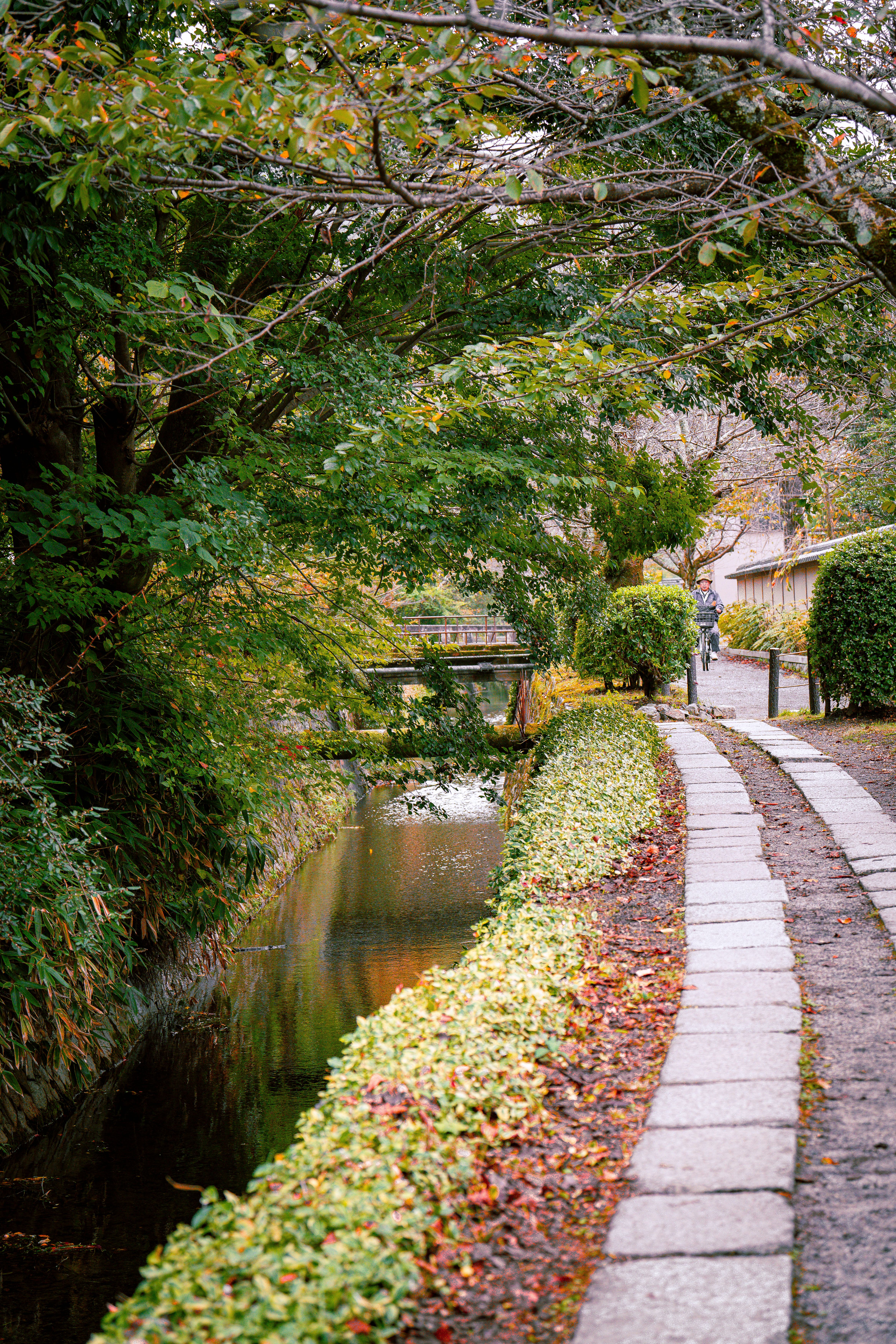
Kinkaku-ji
The Zen temple of the Golden Pavilion is covered in gold leaf and reflects beautifully in the surrounding pond. It is one of the most iconic structures in all of Japan.
Wikipedia
Philosopher's Path
A stone path following a canal lined with hundreds of cherry trees. It offers a meditative walk connecting several significant temples.
Official Website
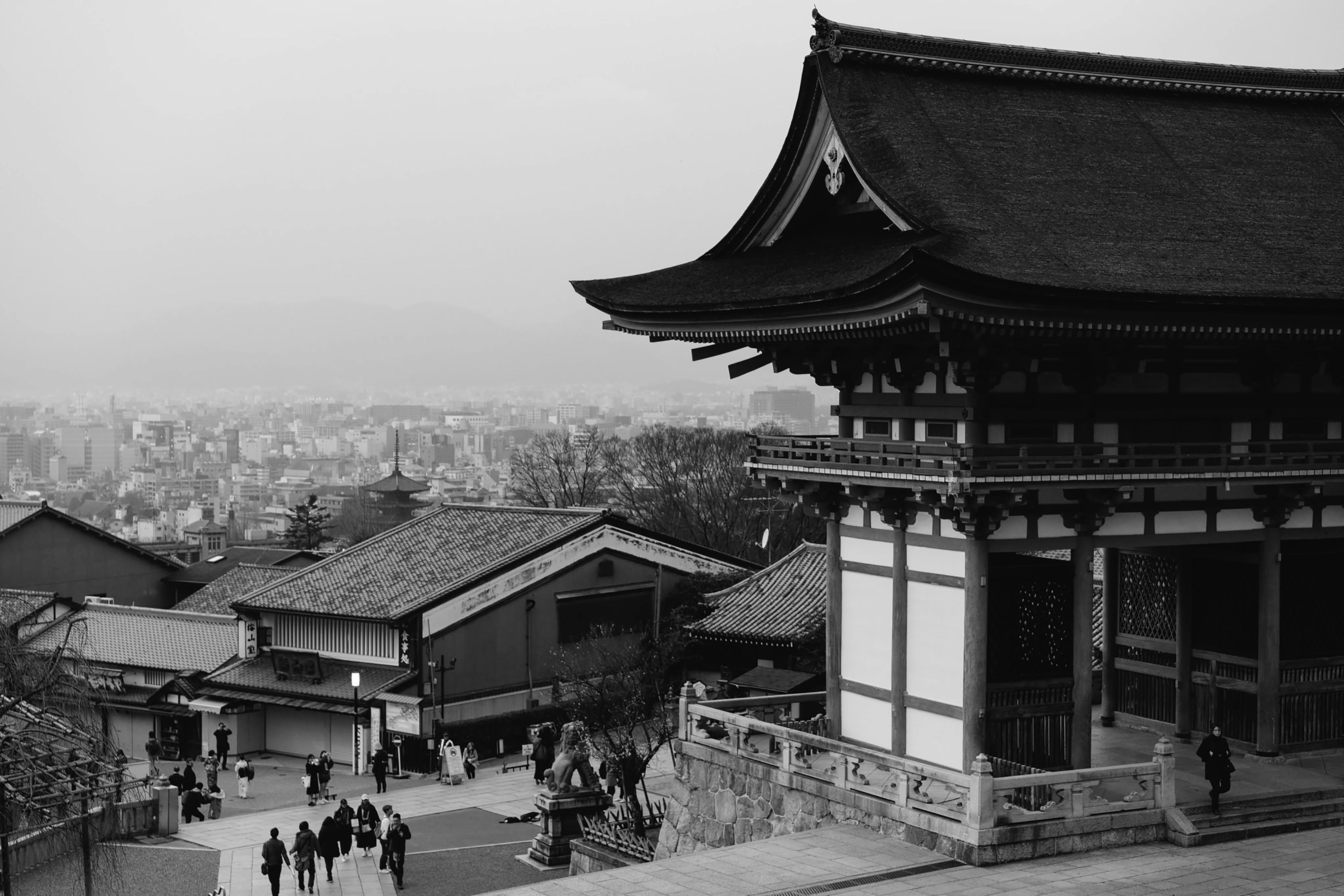
Kiyomizu-dera Temple
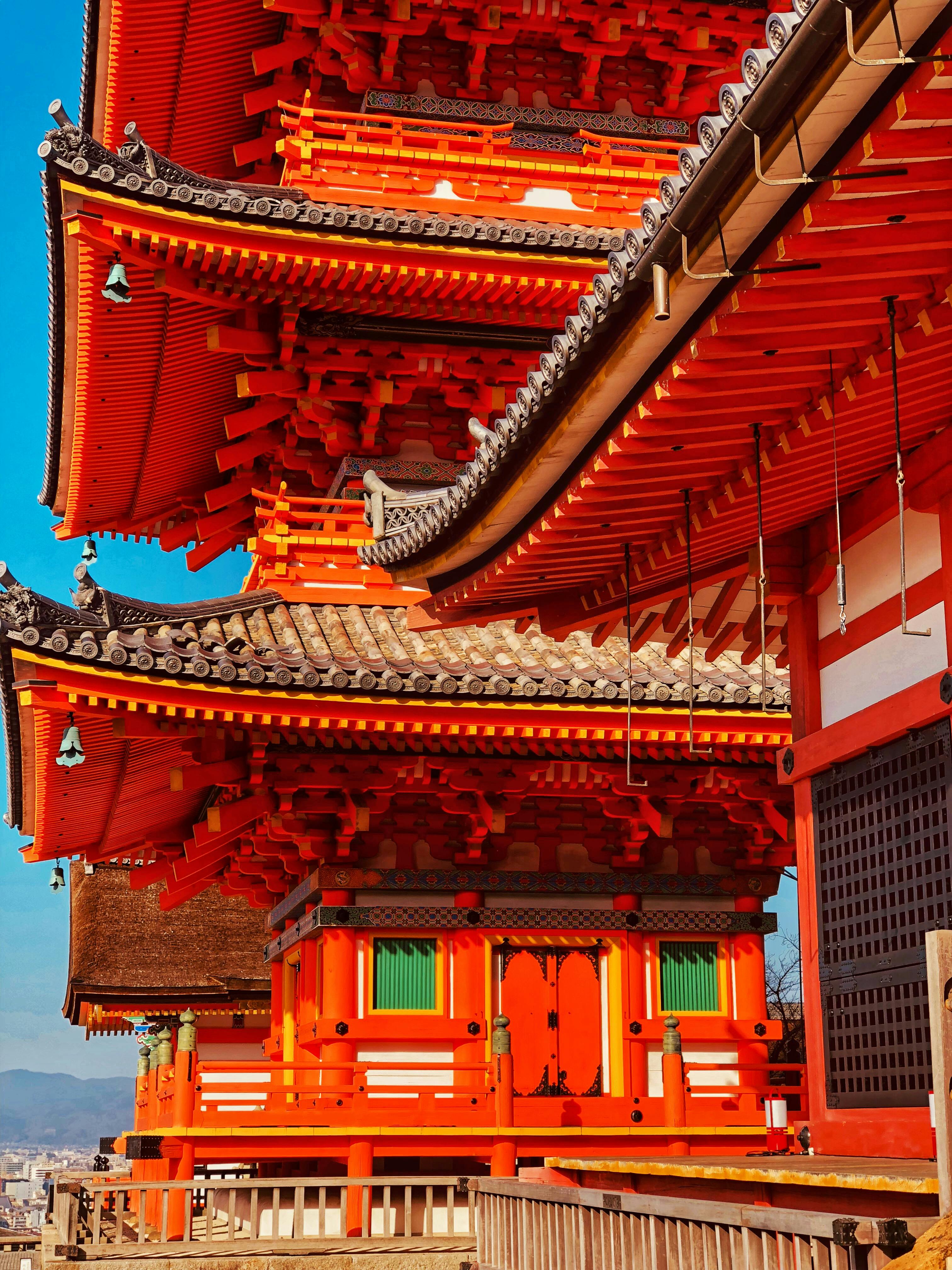
This historic wooden temple is famous for its large veranda that offers panoramic views of Kyoto. It is a masterpiece of ancient wooden construction without the use of nails.
Work & Connectivity
Stay connected wherever you work
The nomad community here is real — cafés and coworking spaces where you can work and meet others.
The Terminal 💻
A popular choice for international nomads, offering stable internet and a productive environment.
Grand Central 🏢
Provides professional meeting rooms and a quiet space for focused deep work.
Local Kissaten Cafes ☕
Many independent cafes offer excellent Wi-Fi and the quiet atmosphere Kyoto is known for.
Budget & Costs
What it costs to live in Kyoto
Choose your lifestyle tier. Comfortable = furnished accommodation, local + occasional Western food, transport, leisure.
$2044
per month · USD · comfortable lifestyle
ModerateFurnished studio, local restaurants, transport, and weekend trips.
Exchange rates
Check xe.com or your bank for current USD to local currency.
Check xe.com or your bank for current USD to local currency.
🏠 Rent 45%$920/mo
🍽️ Food 25%$511/mo
🚌 Transport 5%$102/mo
💡 Utilities 7%$143/mo
🎭 Leisure 12%$245/mo
🏥 Health 6%$123/mo
Connectivity
Well connected to the world
Internet and transport options for remote workers.
📶
Internet
Good — fibre common
Check local providers.
🏢
Coworking
From ~$80/mo
Dedicated spaces available.
🚌
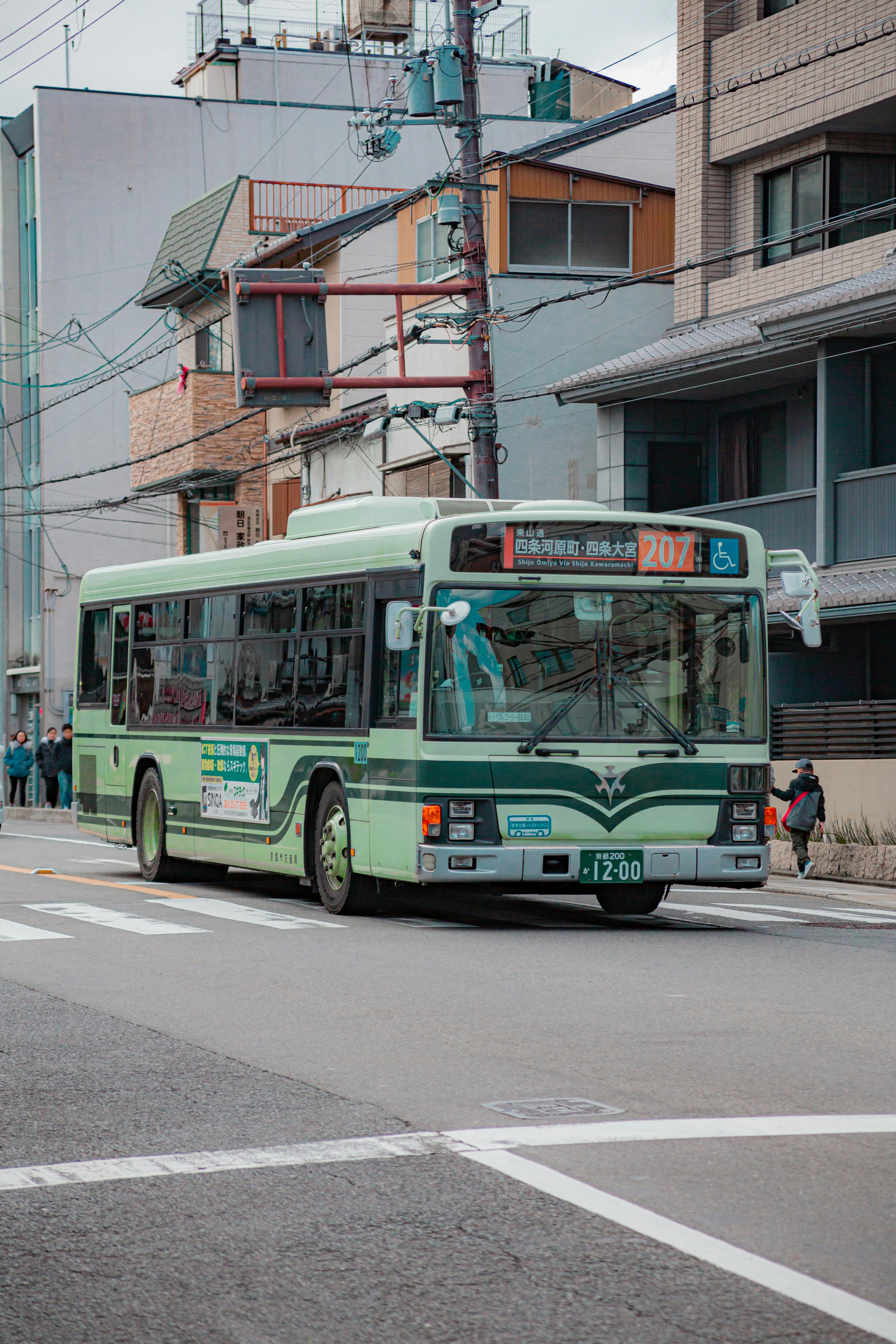
Local Transit
8 / 10
Bus day pass best value; rent a bicycle for temple-hopping
KIX
Kansai International Airport
80 km from centre
Safety & Visa
Safe, welcoming, and easy to enter
Safety Score9 / 10
✓ Night Safe📞 110
Visa
Check your entry options
Many nationalities get visa-free or visa-on-arrival. Check official government sources for your citizenship before travel.
Culture & Festivals
Local soul, nomad-friendly
Multiculturalism6/10
Foodie Scene8/10
⛩️ Temples🌿 Temperate🍜 Amazing Food🍴 Foodie City🍵 Geisha👍 Recommended💆 Wellness💎 Premium🔄 Four Seasons🛕 Cultural Depth
Jul
Gion Matsuri
A month-long festival featuring massive float processions, dating back to 869 AD.
Apr
Cherry Blossom Season
The city transforms into a pink wonderland with hanami parties in parks and along canals.
Nov
Autumn Foliage
Peak season for visiting temples, as the maples turn vibrant shades of red and orange.
Kyoto's unique 'Machiya' culture—the traditional wooden townhouses—offers a distinct way to live. Many of these have been renovated into modern, high-end vacation rentals that offer a unique blend of heritage architecture and modern luxury for those on a higher budget.
Food & Nightlife
A feast for every mood
From street food to cafés and nightlife — every meal is an event.

Street Food
Nishiki Market
Known as Kyoto's Kitchen, this market offers endless stalls selling fresh seafood, pickles, and traditional snacks.
Casual Dining
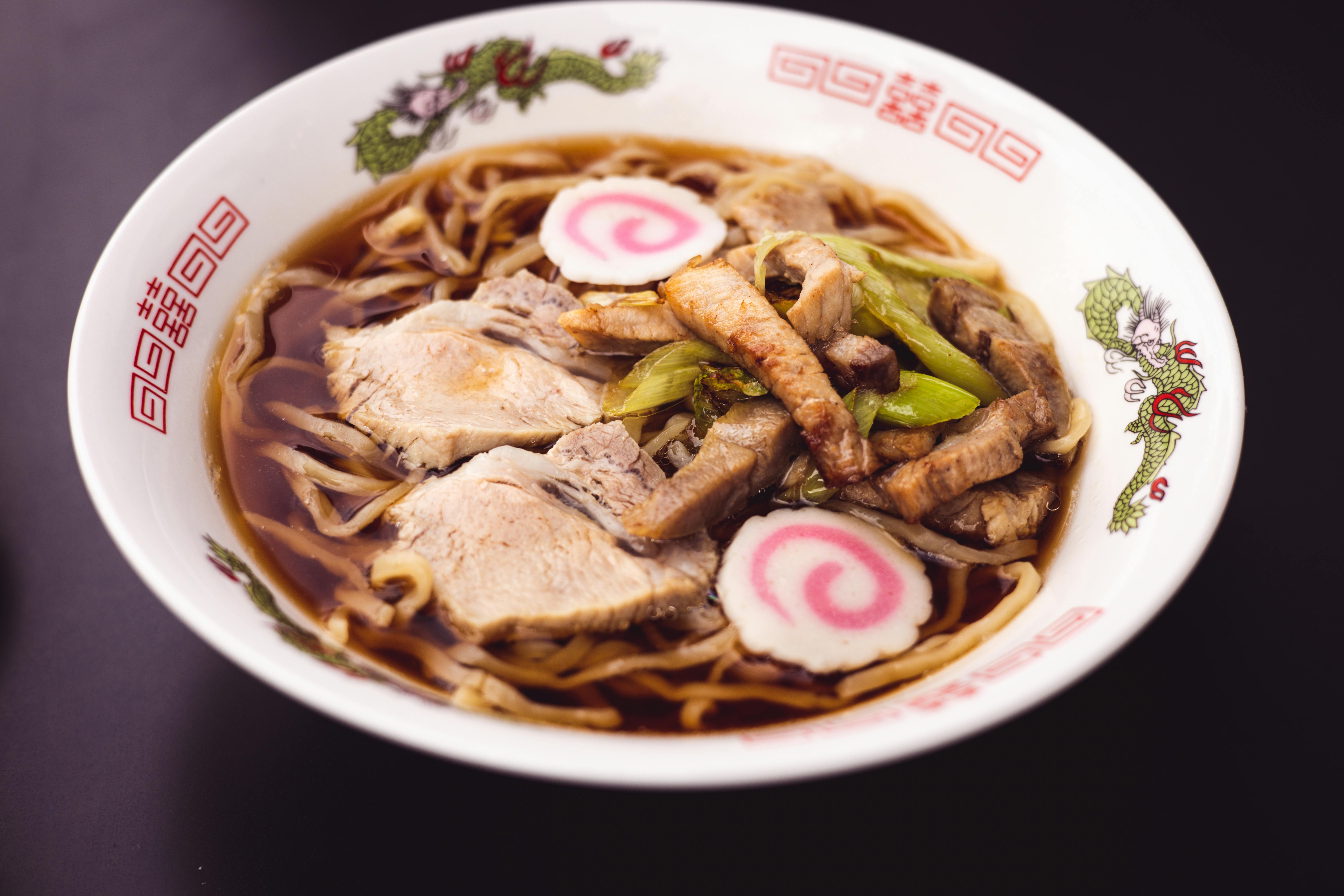
Ramen Alleys
Hidden alleys in the downtown core serve some of the best ramen in the country, from rich tonkotsu to lighter soy-based broths.
Fine Dining
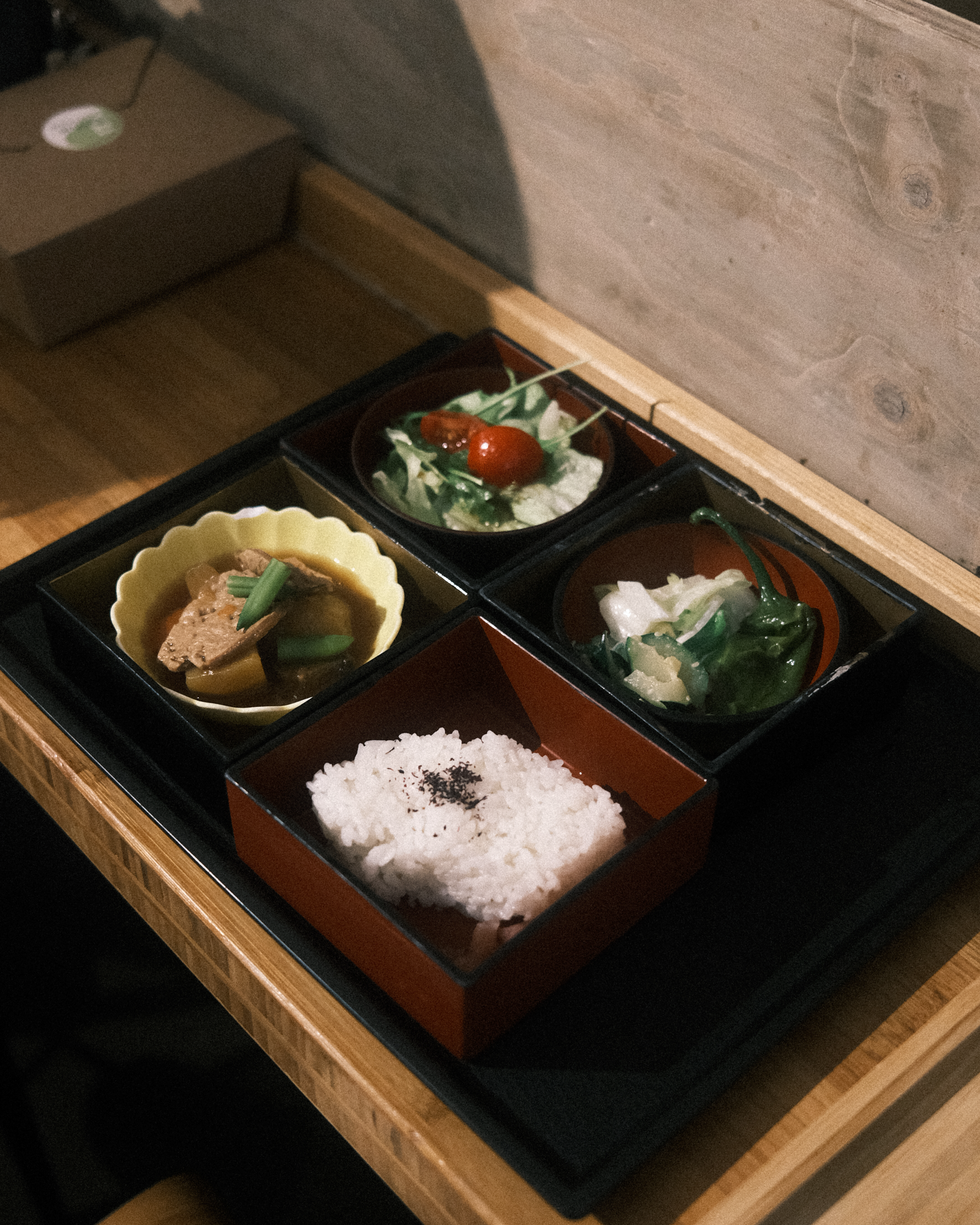
Kaiseki Experience
Kyoto is famous for Kaiseki, a traditional multi-course dinner that emphasizes seasonal ingredients and artistic presentation.
Climate
Best months: Mar, Apr, May, Jun, Aug, Sep, Oct, Nov
Avg humidity68%
Avg AQI50
Kyoto is beautiful year-round, but spring (March to May) and autumn (September to November) are the undisputed highlights. During these months, the city is painted in cherry blossoms or fiery maple leaves, providing perfect conditions for city exploration. While June and August can bring humid, warm weather, they are still considered active months for visitors who enjoy vibrant summer festivals.
Avoidance of specific months is not necessary, as Kyoto maintains its charm throughout the colder winters and warmer summers. Seasonal events like the Gion Matsuri in July or the autumn foliage peak in November are major draws, though be prepared for higher tourist traffic during these peak cultural windows.
Monthly temperatures °C
BestAvoidShoulder
Practical Info
Everything you need to know
🏥
Healthcare
Japan has world-class medical facilities. As a visitor, ensure you have travel insurance, as costs for non-residents can be high. Major hospitals usually have English-speaking staff.
💱
Money
While credit cards are increasingly accepted, Japan remains a cash-heavy society. Keep Japanese yen on hand for small shops and temple entrance fees.
🌐
Connectivity
Public Wi-Fi is widely available, but for heavy work needs, rent a pocket Wi-Fi device upon arrival. Mobile data coverage across the city is extremely reliable.
Tips
Quick tips
- Always carry a small coin purse for the inevitable influx of yen coins.
- Rent a bicycle to see the city like a local and save on transport.
- Learn basic Japanese phrases; it is greatly appreciated by locals.
- Book accommodation months in advance if visiting during cherry blossom or autumn seasons.
- Use a subway card (like ICOCA or Suica) for seamless travel on all transit.
- Respect the silence; Kyoto is a city of contemplation, even in public spaces.
- Pack a portable battery for long days of temple hopping.
Further Reading