
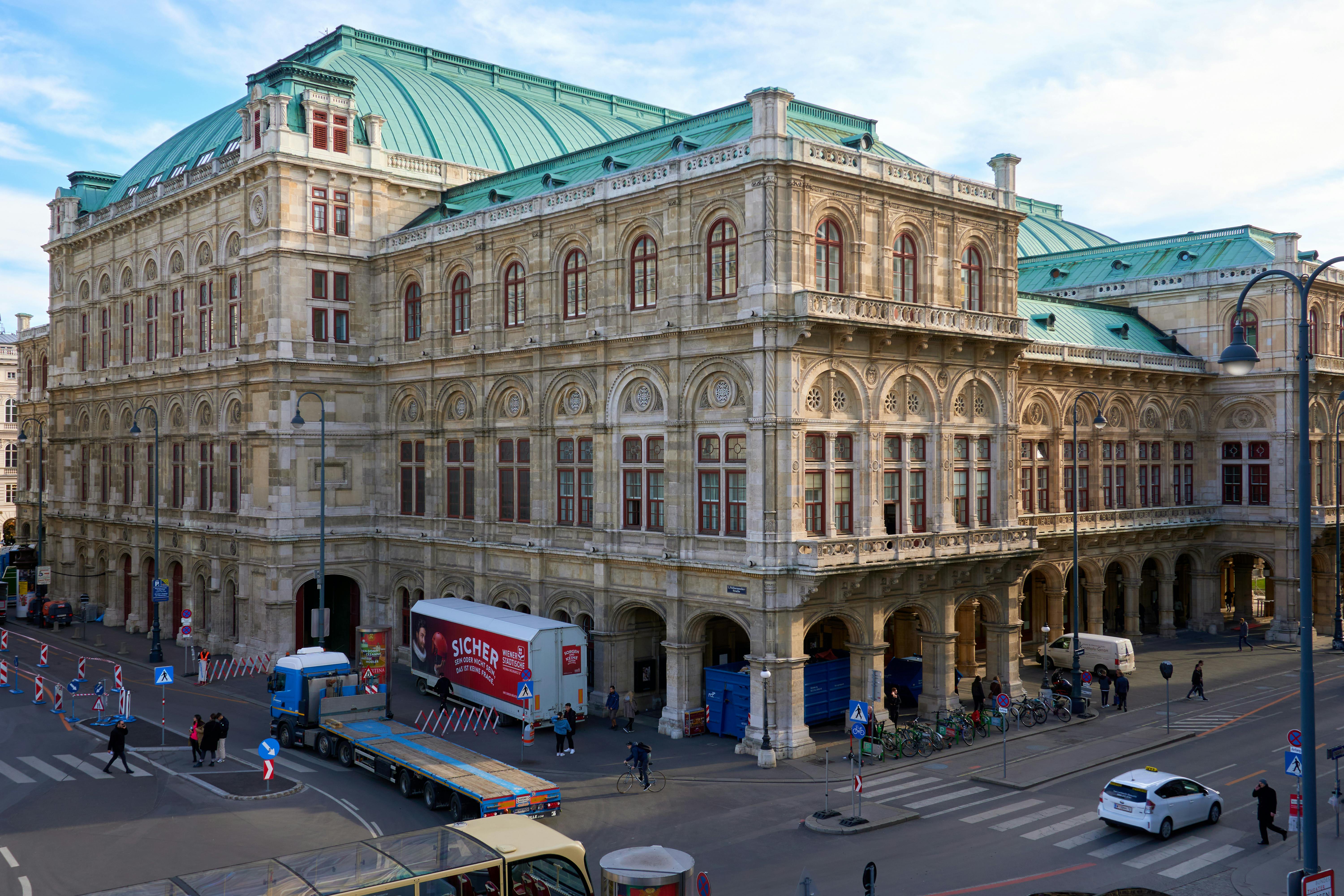
Vienna · Austria
Overview
Vienna is a city where history isn't just in the buildings—it's woven into the daily rhythm of life, from the morning espresso to the evening opera.
As the capital of Austria, Vienna is consistently ranked as one of the most livable cities in the world. For digital nomads, this means unparalleled safety, an efficient public transit system, and a stable environment that fosters deep work. The city is defined by its deep-rooted coffeehouse culture, where you can spend hours working in historic surroundings, alongside a modern, tech-forward co-working scene.
While the Cost of living in Vienna is higher than in some Eastern European hubs, the quality of life, infrastructure, and access to European culture are unmatched. Whether you are exploring the classical music scene or utilizing high-speed internet in a local cafe, you will find a city that respects both work and play. Before planning your trip, take a look at the Climate to decide if you prefer the snowy, romantic winter or the vibrant, warm summer.

History
Vienna’s history is a sprawling narrative of imperial power, architectural grandeur, and intellectual revolution.
Vienna’s history is a sprawling narrative of imperial power, architectural grandeur, and intellectual revolution. Originating as a Roman military camp known as Vindobona, the city evolved into the center of the Habsburg Empire, which ruled much of Europe for centuries. This legacy is visible in the monumental palaces, grand boulevards, and the meticulous urban planning that defines the city center to this day.
In the 19th and early 20th centuries, Vienna became the intellectual capital of the world, serving as the home to figures like Sigmund Freud, Gustav Klimt, and Ludwig van Beethoven. It was a nexus of modernism and political change, enduring the collapse of the empire after World War I and the subsequent challenges of the 20th century. Today, Vienna has successfully transitioned into a modern, democratic hub that celebrates its imperial roots while embracing a forward-looking, cosmopolitan future.
1st Century
Roman VindobonaThe site was established as a Roman legionary camp to guard the Danube frontier.
1278
Habsburg RiseRudolf I took control, marking the beginning of the Habsburg dynasty’s long reign over the city.
1683
Siege of ViennaThe city successfully defended itself against Ottoman forces, ending Ottoman expansion in Europe.
1867
Austro-Hungarian EmpireThe city became the capital of the Austro-Hungarian Empire, undergoing massive expansion and the creation of the Ringstraße.
1918
Republic DeclaredFollowing World War I, the empire collapsed and the Republic of Austria was declared.
1955
State TreatyAustria regained its sovereignty after the post-WWII occupation period.
Where to Stay
Choose your base camp
Distinct neighbourhoods, different rhythms. Pick the one that fits your work-life balance.
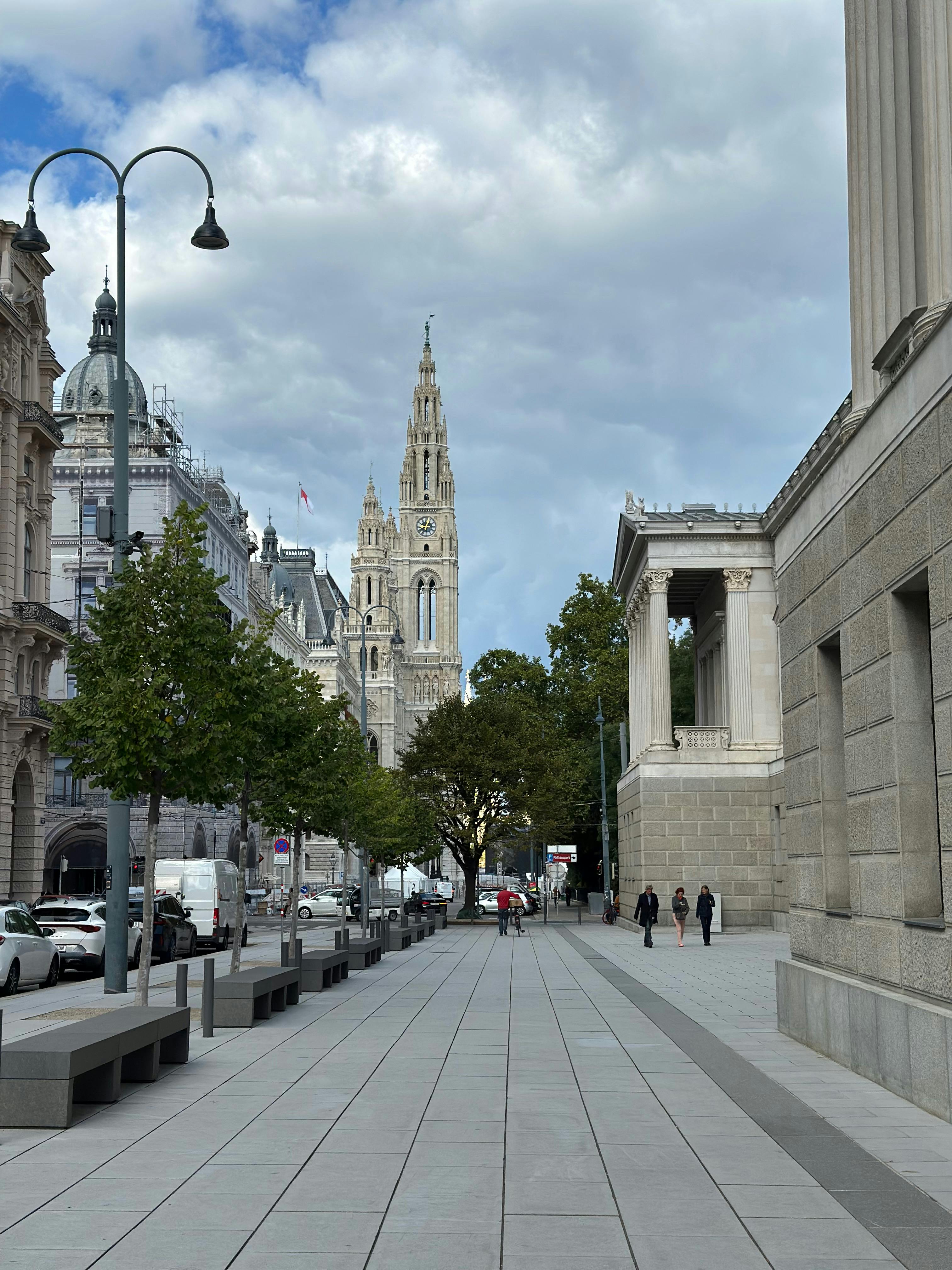
Creative Hub
Neubau
Known as the 7th district, it is a hotspot for creative freelancers, independent boutiques, and trendy cafes. Rent here is moderate to high, but the vibe is perfect for digital nomads.
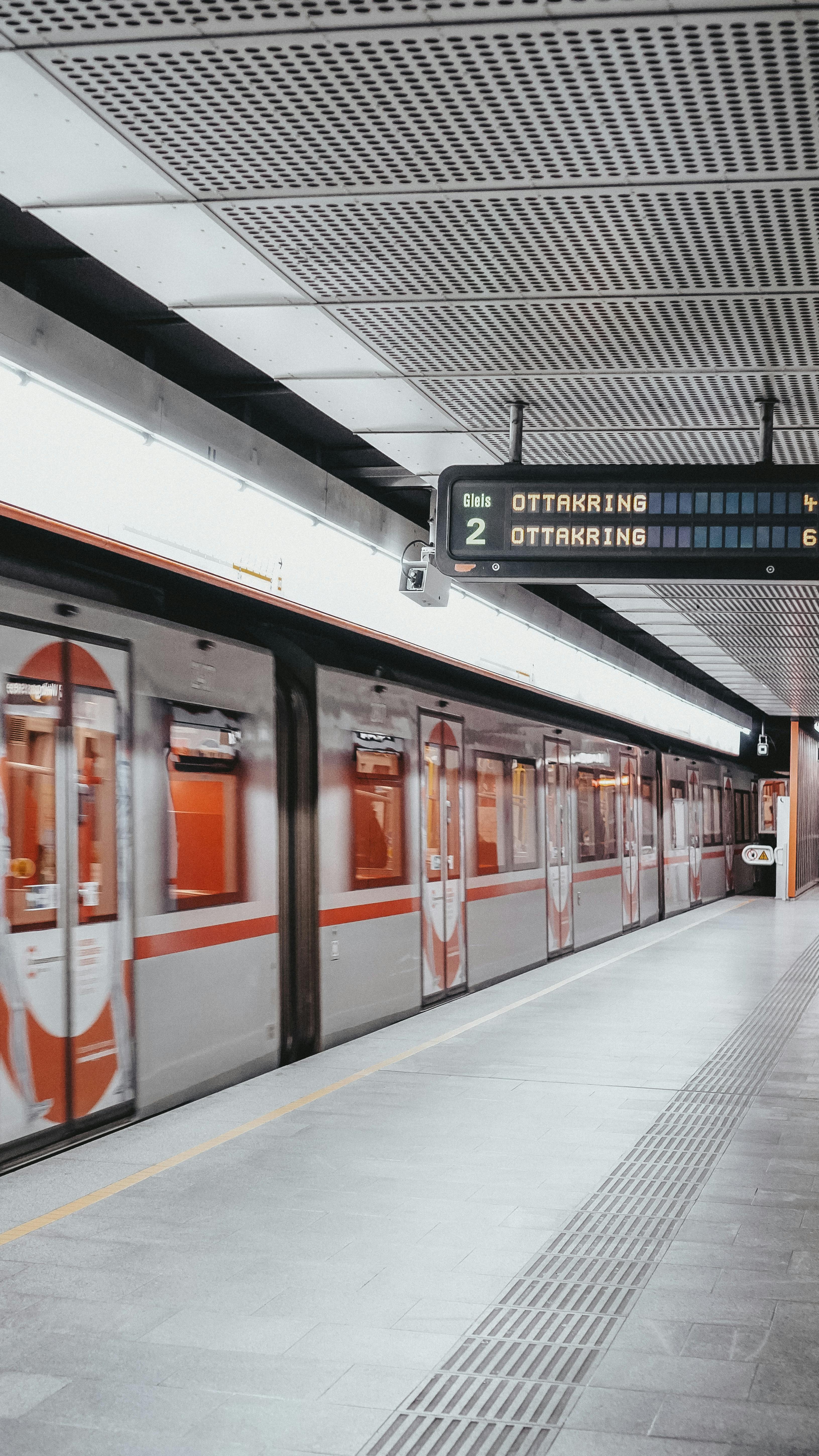
Budget Friendly
Ottakring
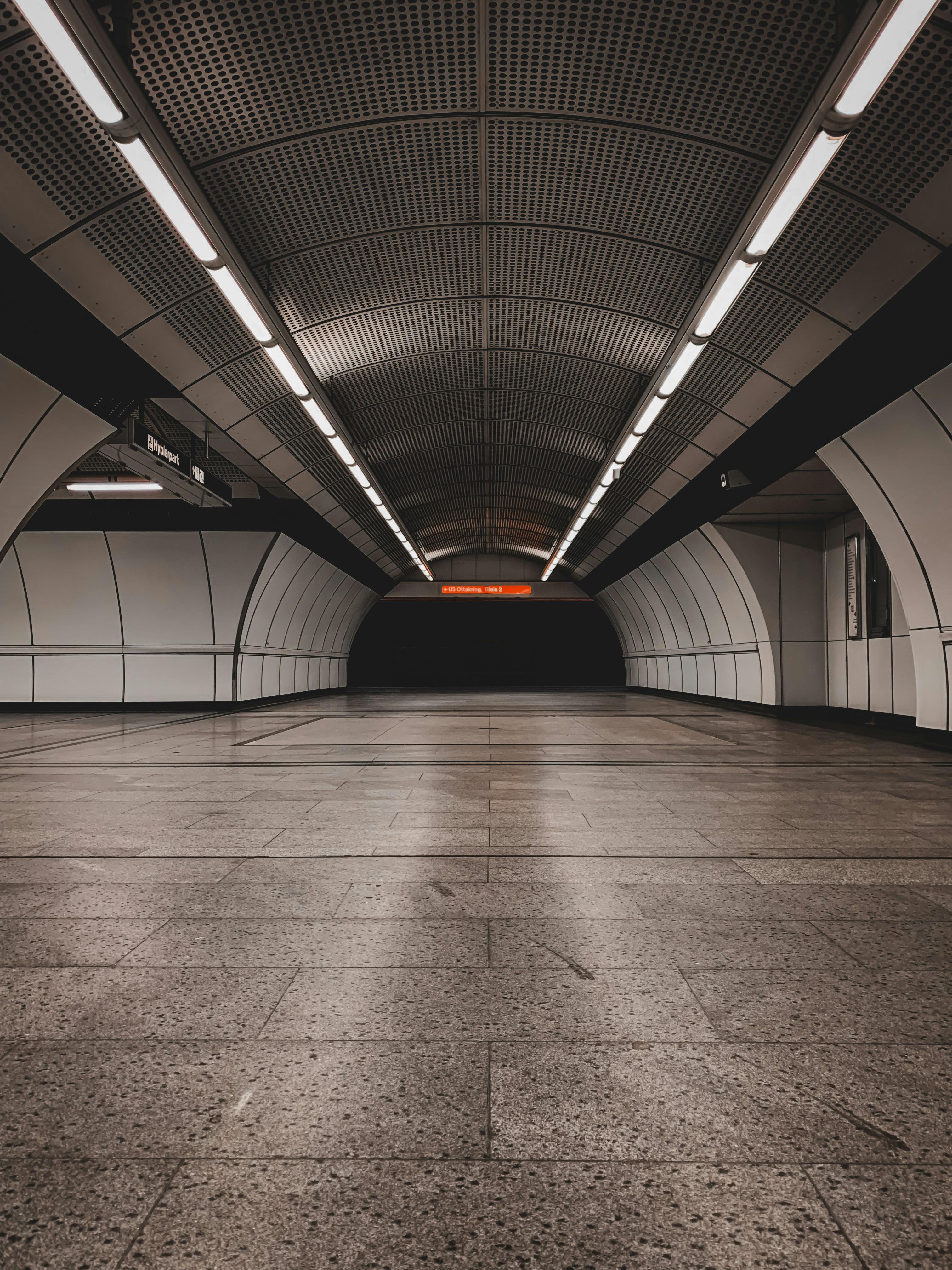
Located slightly further out, this neighborhood offers more affordable housing options and a multicultural feel. It is well-connected by the U-Bahn, making it great for long-term stays.
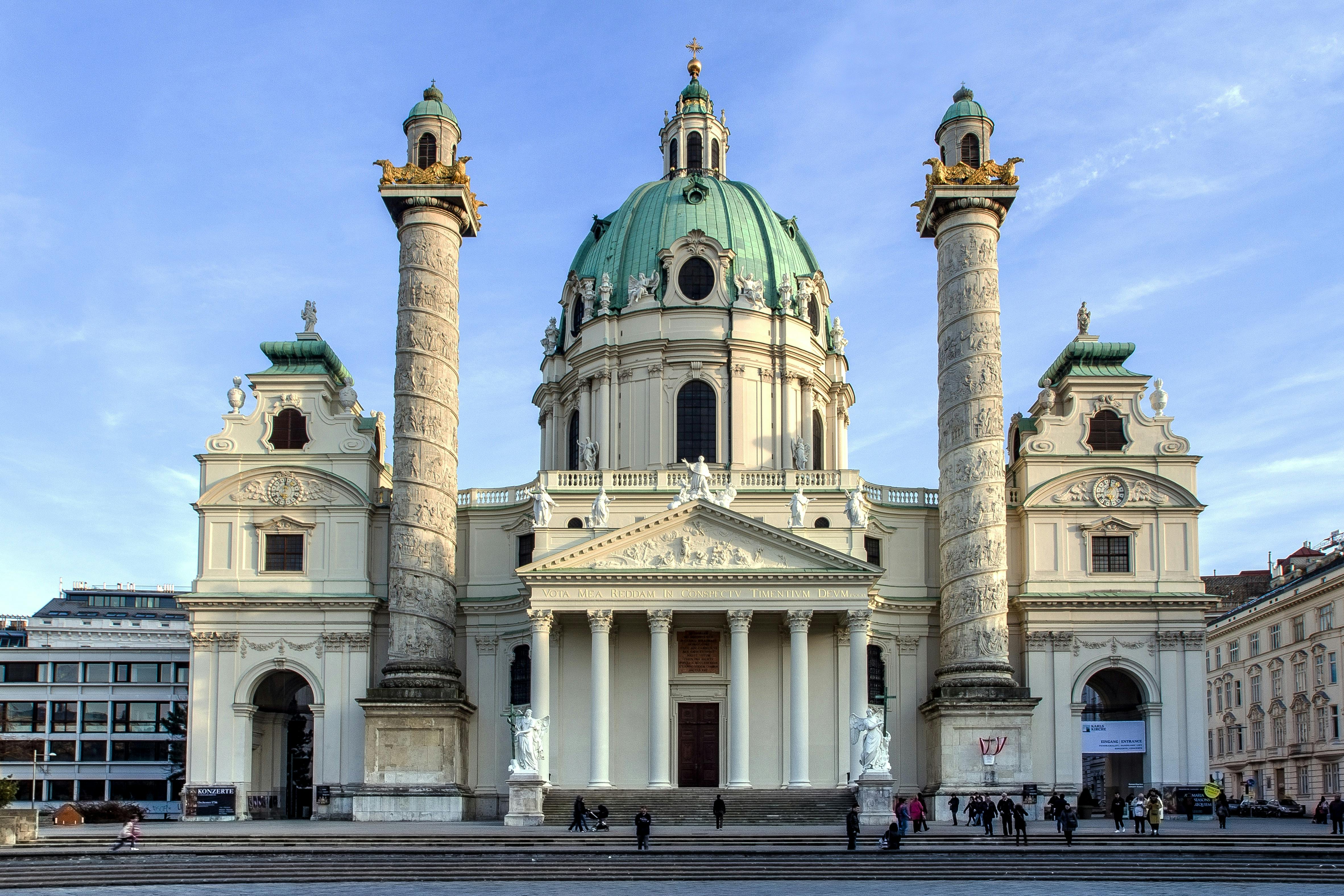
Intellectual Quiet
Josefstadt
The 8th district is elegant, quiet, and full of historical charm. It is home to many academics and offers a peaceful environment for focused work.
Places to Go
The experiences that will make you never leave
These aren't tourist checkboxes — they're the experiences that reset your sense of what's normal.
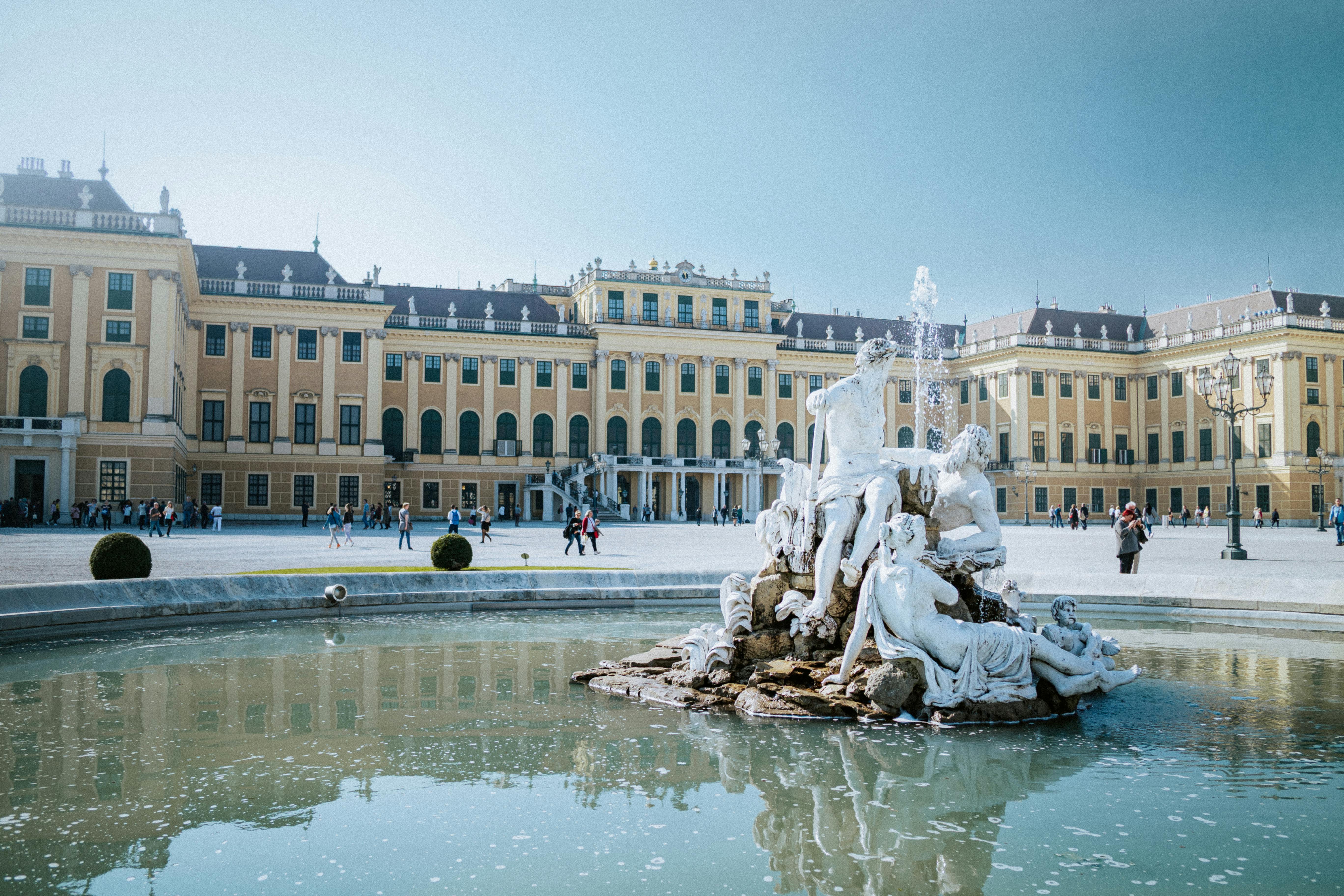
Top Pick
Schönbrunn Palace
The former imperial summer residence features stunning gardens and historic architecture. It is a must-visit for its Baroque beauty and historical significance.
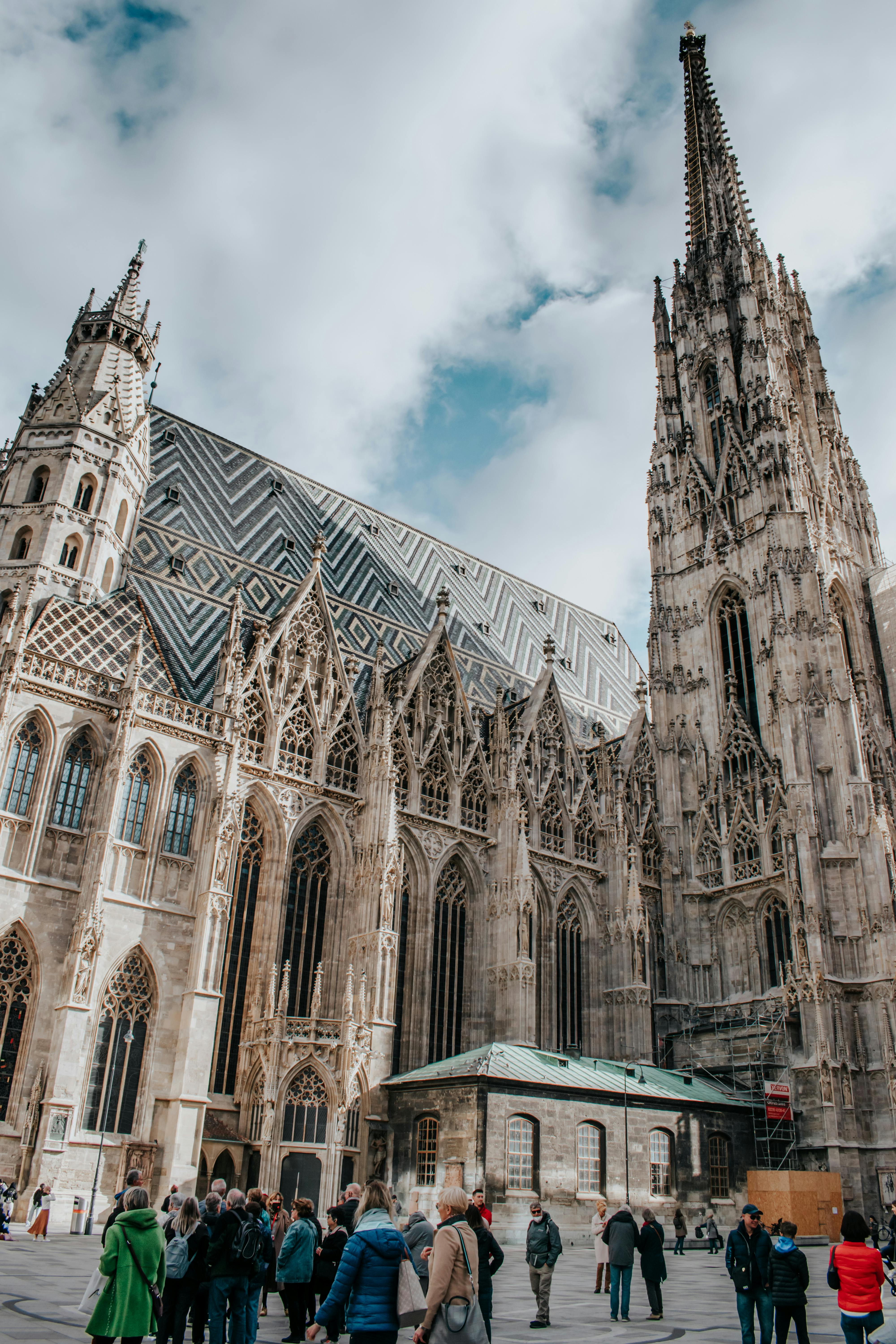
Wikipedia
St. Stephen's Cathedral
An iconic symbol of Vienna, this Gothic cathedral dominates the city skyline. You can explore the catacombs or climb the tower for sweeping city views.
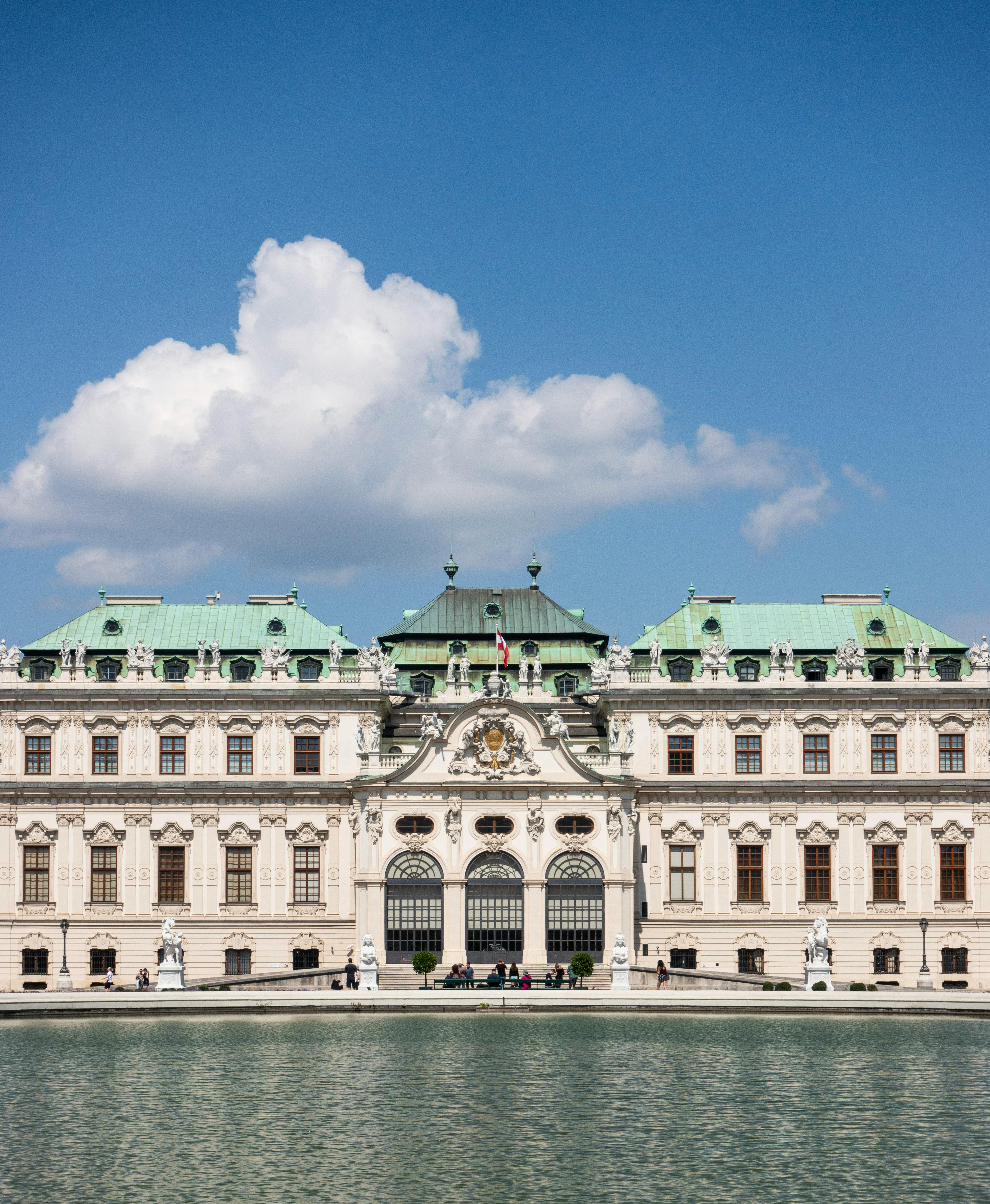
Official Site
Belvedere Palace
Famous for housing Gustav Klimt's 'The Kiss', this palace complex is a masterpiece of Baroque art. It offers both historic charm and a world-class gallery experience.

Official Tourism
Naschmarkt
Vienna's most popular market, offering a variety of international foods and local delicacies. It's the perfect spot for grabbing a quick lunch while working remotely.
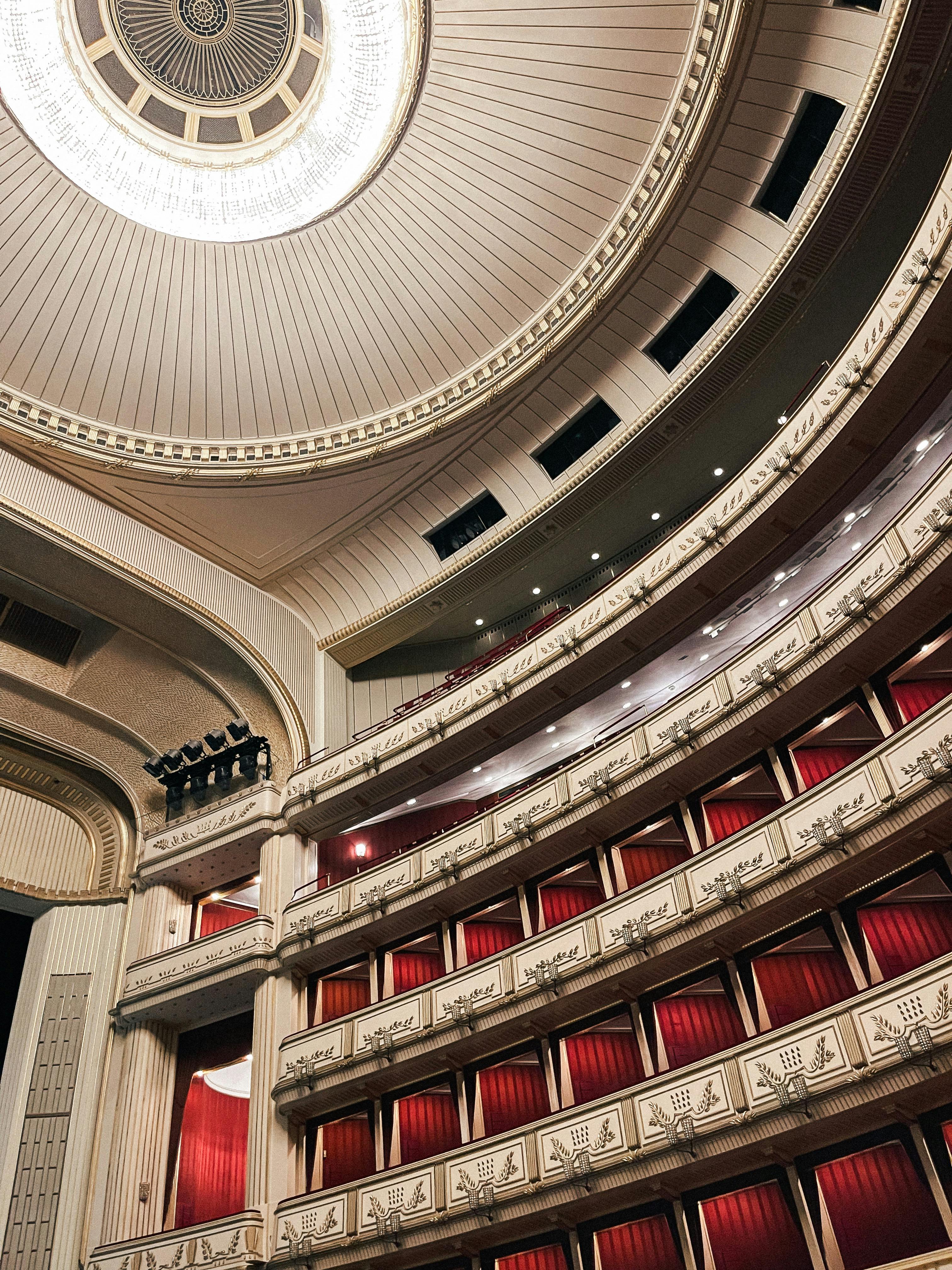
Official Site
Staatsoper
The Vienna State Opera is one of the world's leading opera houses. It hosts world-class performances in a stunningly opulent setting.
Official Tourism
Prater Park
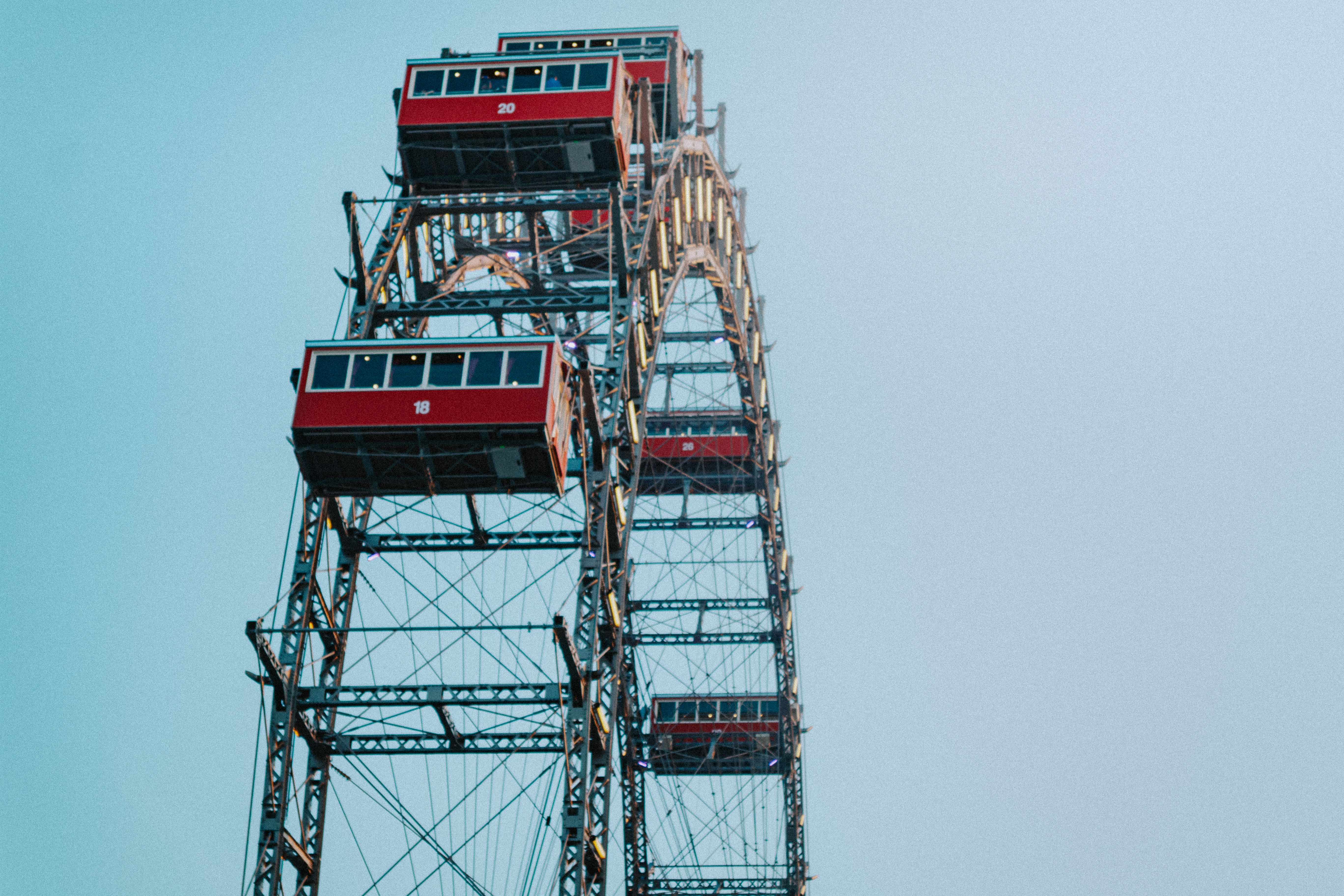
Home to the famous Giant Ferris Wheel, this massive public park is perfect for cycling, jogging, or relaxing away from the urban center. It remains one of the best green spaces in the city.
Work & Connectivity
Stay connected wherever you work
The nomad community here is real — cafés and coworking spaces where you can work and meet others.
Talent Garden Vienna
A vibrant community space designed for innovation and networking, perfect for tech-focused digital nomads.
Impact Hub Vienna
A fantastic space for social entrepreneurs and those looking for a collaborative community.
WeWork Mariahilfer Straße
Located on Vienna's most famous shopping street, it offers a reliable and professional environment.
Budget & Costs
What it costs to live in Vienna
Choose your lifestyle tier. Comfortable = furnished accommodation, local + occasional Western food, transport, leisure.
$2044
per month · USD · comfortable lifestyle
ModerateFurnished studio, local restaurants, transport, and weekend trips.
Exchange rates
Check xe.com or your bank for current USD to local currency.
Check xe.com or your bank for current USD to local currency.
🏠 Rent 43%$876/mo
🍽️ Food 20%$402/mo
🚌 Transport 5%$102/mo
💡 Utilities 4%$80/mo
🎭 Leisure 18%$365/mo
🏥 Health 11%$219/mo
Connectivity
Well connected to the world
Internet and transport options for remote workers.
📶
Internet
Good — fibre common
Check local providers.
🏢
Coworking
From ~$80/mo
Dedicated spaces available.
🚌
Local Transit
9 / 10
Excellent U-Bahn system; city centre is very walkable; get a Wiener Linien pass
VIE
Vienna International
18 km from centre
ammanamsterdamantalyaathensbakubangkokbarcelonabeijing
Safety & Visa
Safe, welcoming, and easy to enter
Safety Score9 / 10
✓ Night Safe📞 112
Visa
Check your entry options
Many nationalities get visa-free or visa-on-arrival. Check official government sources for your citizenship before travel.
Culture & Festivals
Local soul, nomad-friendly
Multiculturalism7/10
Foodie Scene8/10
☕ Coffeehouse Culture✨ Most Livable🎭 Rich Culture🎻 Classical Music🏛️ Imperial💰 Pricey🛡️ Safe
Feb
Vienna Opera Ball
The most prestigious social event of the year, held in the historic Staatsoper.
May
Vienna Festival
A celebration of international music, arts, and theater across various city venues.
Dec
Christkindlmarkt
City-wide Christmas markets offering local crafts, mulled wine, and festive food.
Vienna is also known for its stunning cycling network, allowing you to commute through parks and across the Danube with ease.
Food & Nightlife
A feast for every mood
From street food to cafés and nightlife — every meal is an event.
Coffeehouse Culture
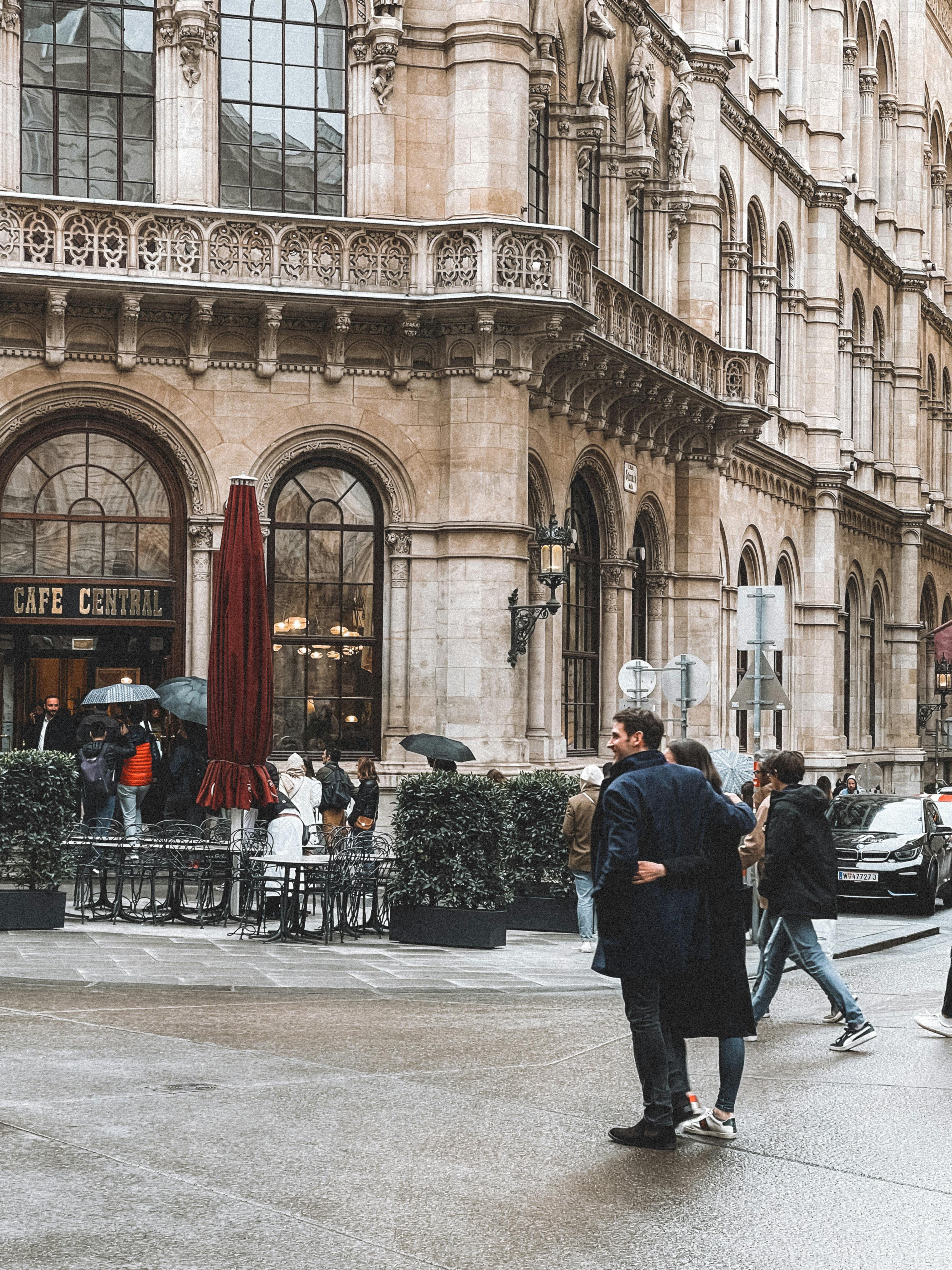
Cafe Central
A legendary historic cafe where you can enjoy traditional Viennese coffee and pastries in a stunning setting.
Traditional Beisl
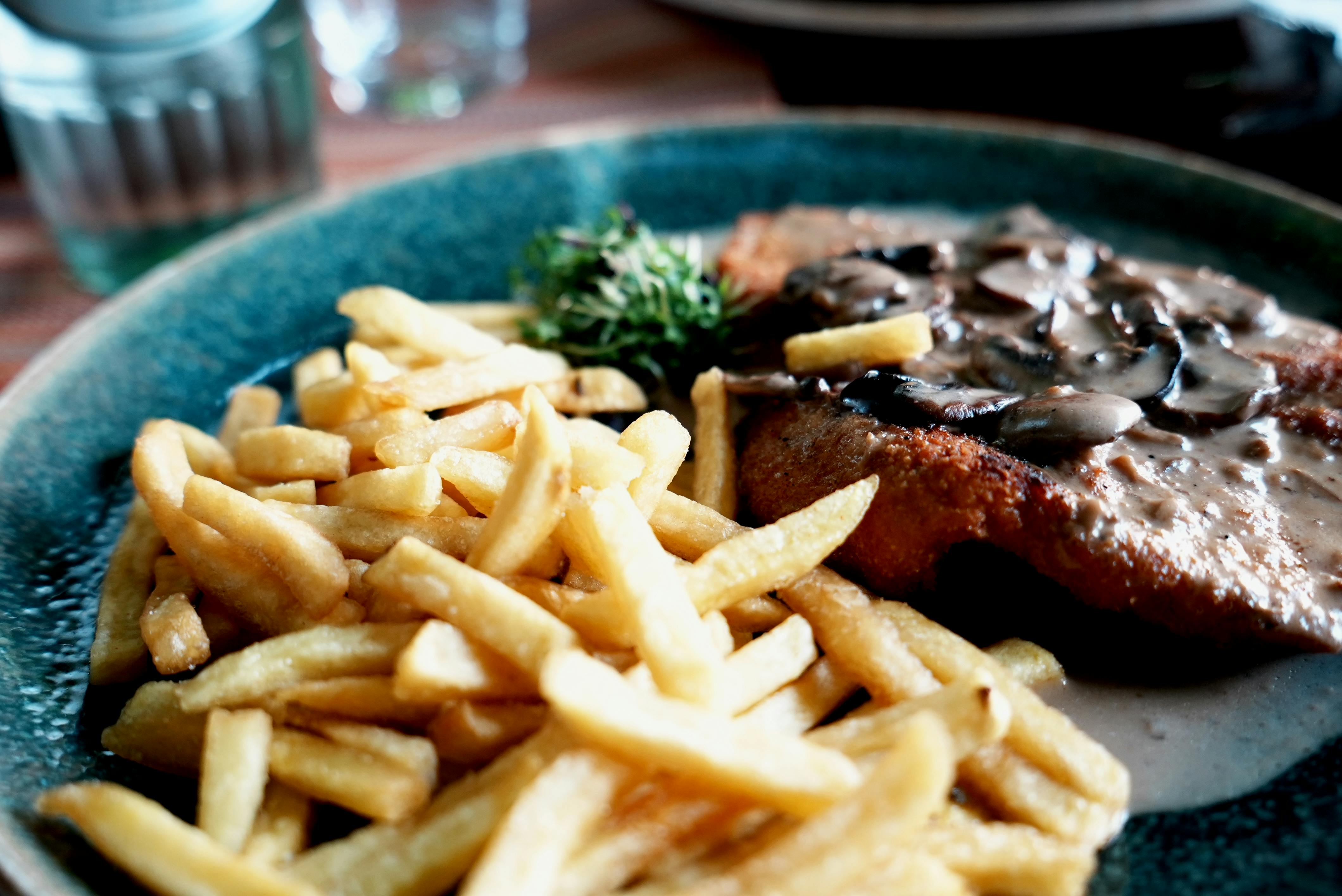
Gasthaus
Try authentic Schnitzel and Goulash at local traditional taverns known as Beisls.

Street Food
Würstelstand
Grab a quick and affordable hot sausage from one of the many iconic stands found across the city.
Climate
Best months: May, Jun, Jul, Aug, Sep
Avg humidity70%
Avg AQI55
The best time to visit Vienna is during the warmer months from May to September. During this period, the city comes alive with outdoor events, bustling parks, and a vibrant street culture that makes the most of the continental weather. May and June are particularly pleasant, offering mild temperatures perfect for walking between historic sights.
While winter in Vienna is famously beautiful, January, February, and December can be quite cold and dark, making them less ideal for those who prefer outdoor activities. However, if you enjoy the festive atmosphere of Christmas markets, December is a magical time despite the freezing temperatures. We recommend avoiding the deep winter months if you want to maximize your ability to explore the city's parks and outdoor cafes.
Monthly temperatures °C
BestAvoidShoulder
Practical Info
Everything you need to know
🏥
Healthcare
Vienna boasts world-class healthcare facilities. Ensure you have adequate travel insurance or a European Health Insurance Card (EHIC) for ease of access.
💱
Money
The currency is the Euro (EUR). While credit cards are widely accepted, it is always helpful to carry some cash for smaller cafes and markets.
🌐
Language & Etiquette
German is the official language, but English is widely spoken in the service industry. Viennese culture appreciates politeness and punctuality.
Tips
Quick tips
- Purchase a monthly transit pass to save on daily travel costs.
- Tap water in Vienna is sourced from mountain springs and is excellent to drink.
- Learn basic German phrases to help bridge the cultural gap.
- Enjoy long afternoon coffee sessions; it is a vital part of local work culture.
- Always check the opening hours as many shops remain closed on Sundays.
- Use Billa or Hofer supermarkets to save on food costs.
- Book opera tickets in advance if you plan on attending popular shows.
Further Reading