Fukuoka · Japan
Overview
Fukuoka is Japan’s best-kept secret for nomads—the perfect mix of ramen, startup energy, and coastal living.
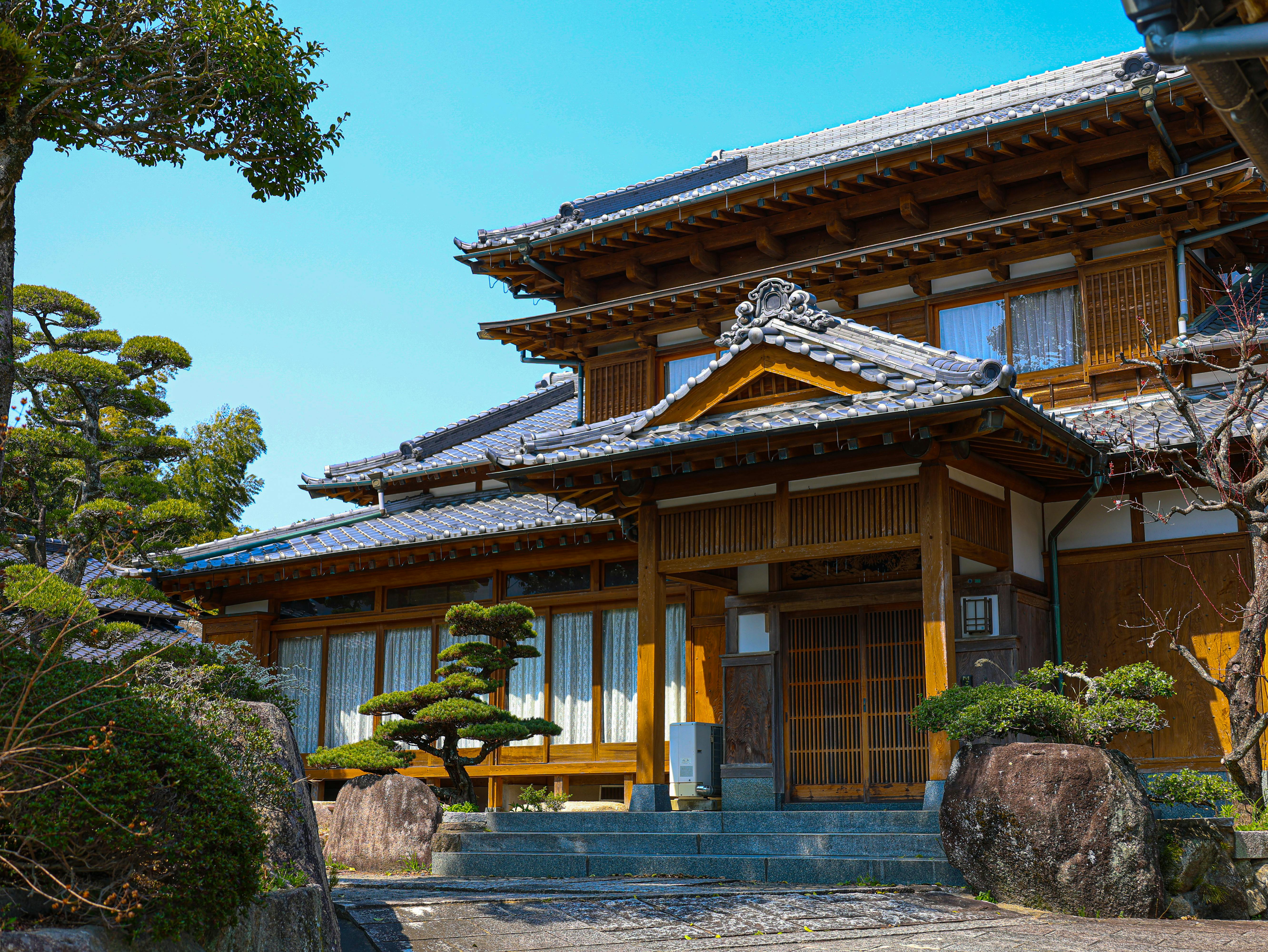
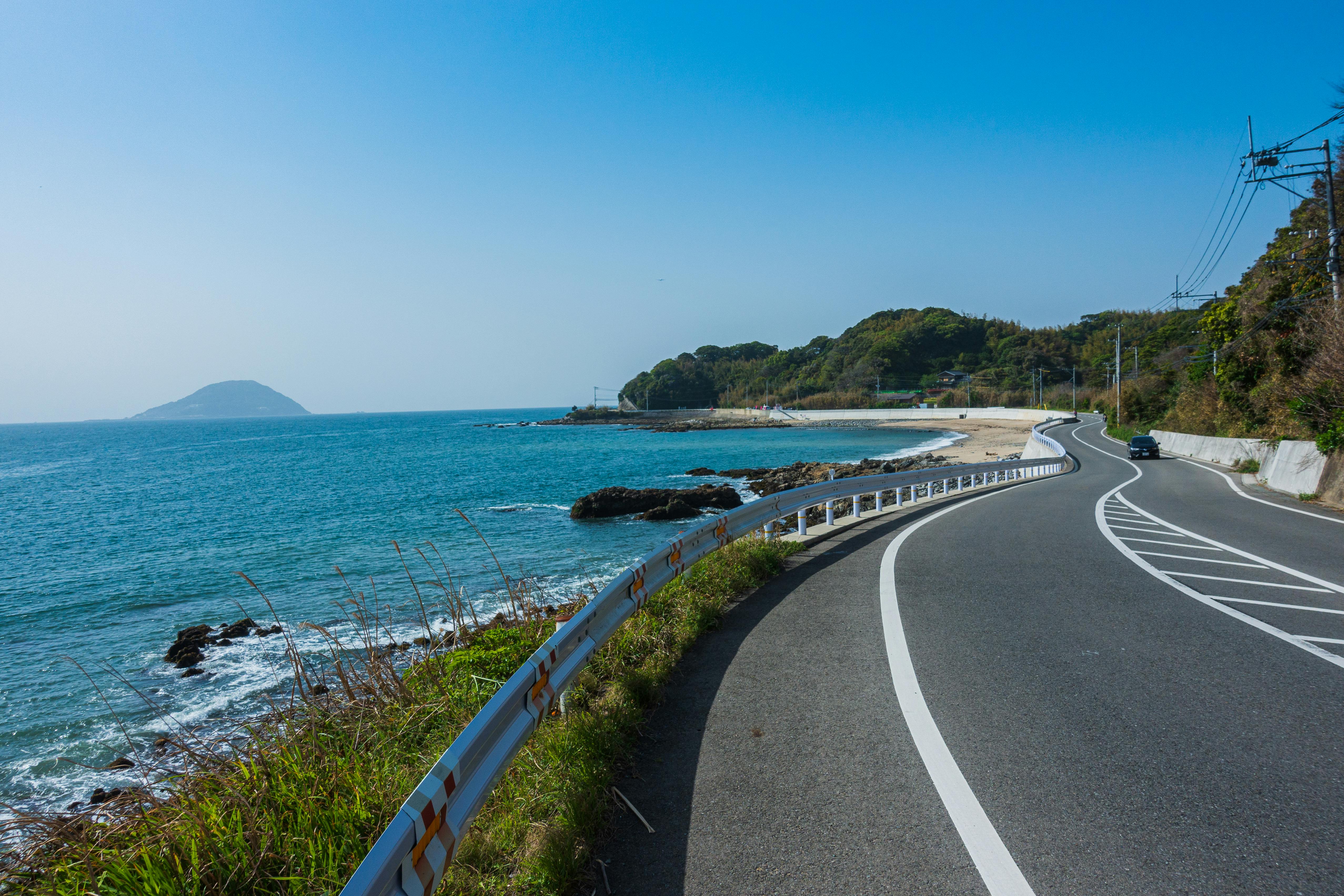
Often referred to as the gateway to Asia, Fukuoka is a compact city that packs a punch with its unique culinary scene and burgeoning startup ecosystem. Unlike the overwhelming pace of Tokyo or Osaka, Fukuoka offers a more laid-back vibe where balance is prioritized. Residents enjoy the proximity of beaches, parks, and world-class street food, making it an ideal base for remote workers seeking a high quality of life without the stress of a massive megalopolis.
Fukuoka's tech-forward approach is evidenced by its dedicated startup visa program and numerous coworking spaces, yet it remains deeply rooted in history. Whether you are navigating the Cost of living in Fukuoka for long-term stays or simply enjoying the Climate in Fukuoka while working remotely, the city provides all the amenities a modern nomad requires within a clean, efficient, and exceptionally safe environment.
History
Fukuoka has long been one of Japan’s most important port cities, serving as the primary point of con…
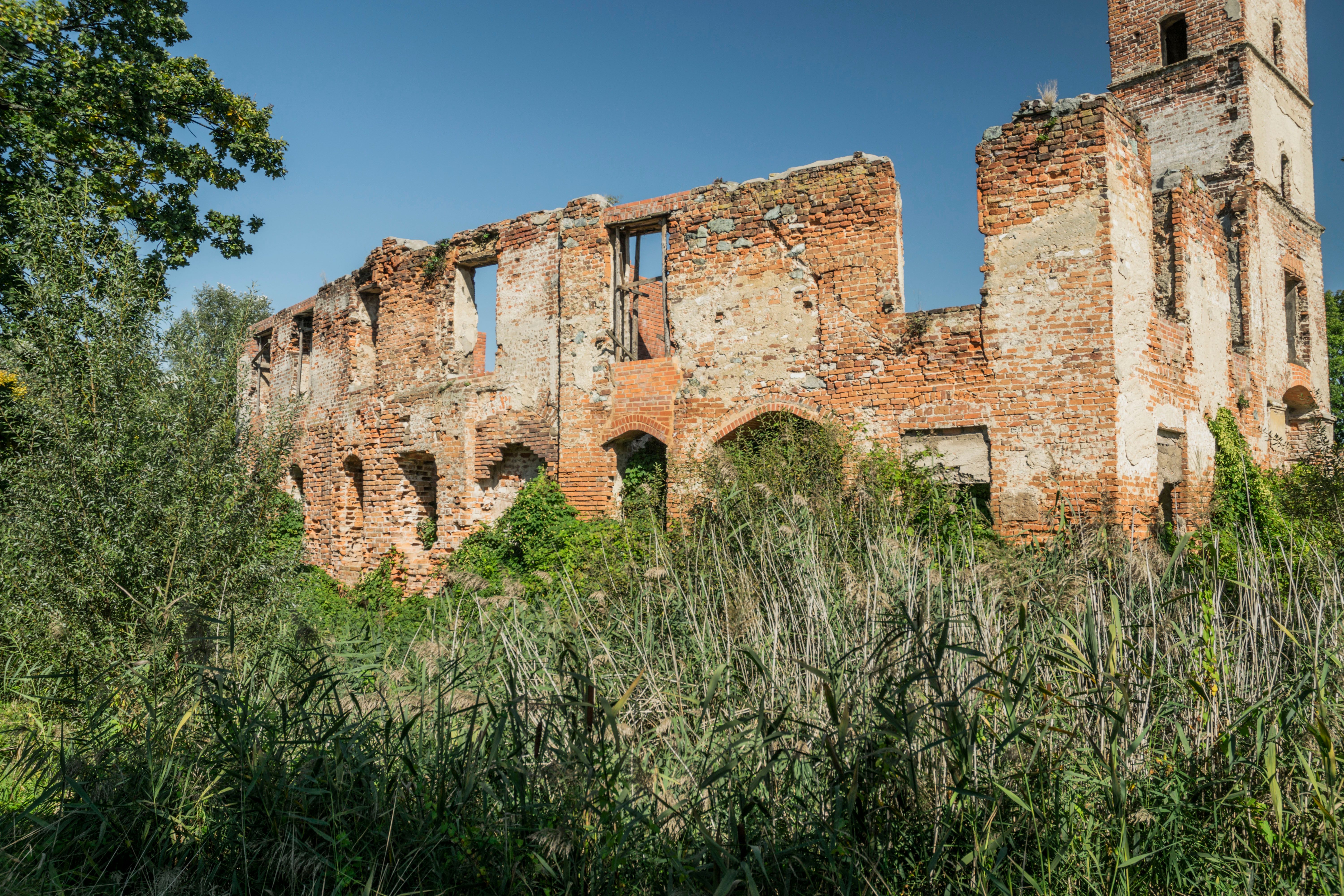
Fukuoka has long been one of Japan’s most important port cities, serving as the primary point of contact between Japan, China, and Korea for centuries. Historically, the area was known as Hakata, a bustling merchant hub that grew prosperous through its status as a trading gateway. The current city was formed by the merging of the castle town of Fukuoka with the merchant town of Hakata in 1889, blending the administrative legacy of the samurai lords with the commercial energy of the harbor district.
Throughout the 20th century, the city underwent rapid modernization while successfully preserving its cultural heritage, including its many temples and traditional festival customs. Today, Fukuoka stands as a testament to balanced urban development, leveraging its historical foundations to fuel a modern identity as a regional leader in business and technology.
1274
First Mongol InvasionHakata Bay was the site of the first major Mongol attempt to invade Japan, which was successfully repelled.
1601
Fukuoka Castle ConstructionFollowing the Battle of Sekigahara, the Kuroda clan began constructing Fukuoka Castle, establishing the city's administrative core.
1889
City MergerThe administrative district of Fukuoka and the commercial district of Hakata merged to form the modern city of Fukuoka.
1945
Post-War ReconstructionFukuoka underwent significant urban planning and reconstruction following the damage of the second world war, prioritizing modern infrastructure.
2012
Startup City DeclarationFukuoka launched its ambitious plan to become a global hub for startups and digital entrepreneurs, attracting international talent.
Where to Stay
Choose your base camp
Distinct neighbourhoods, different rhythms. Pick the one that fits your work-life balance.
Central Hub
Tenjin
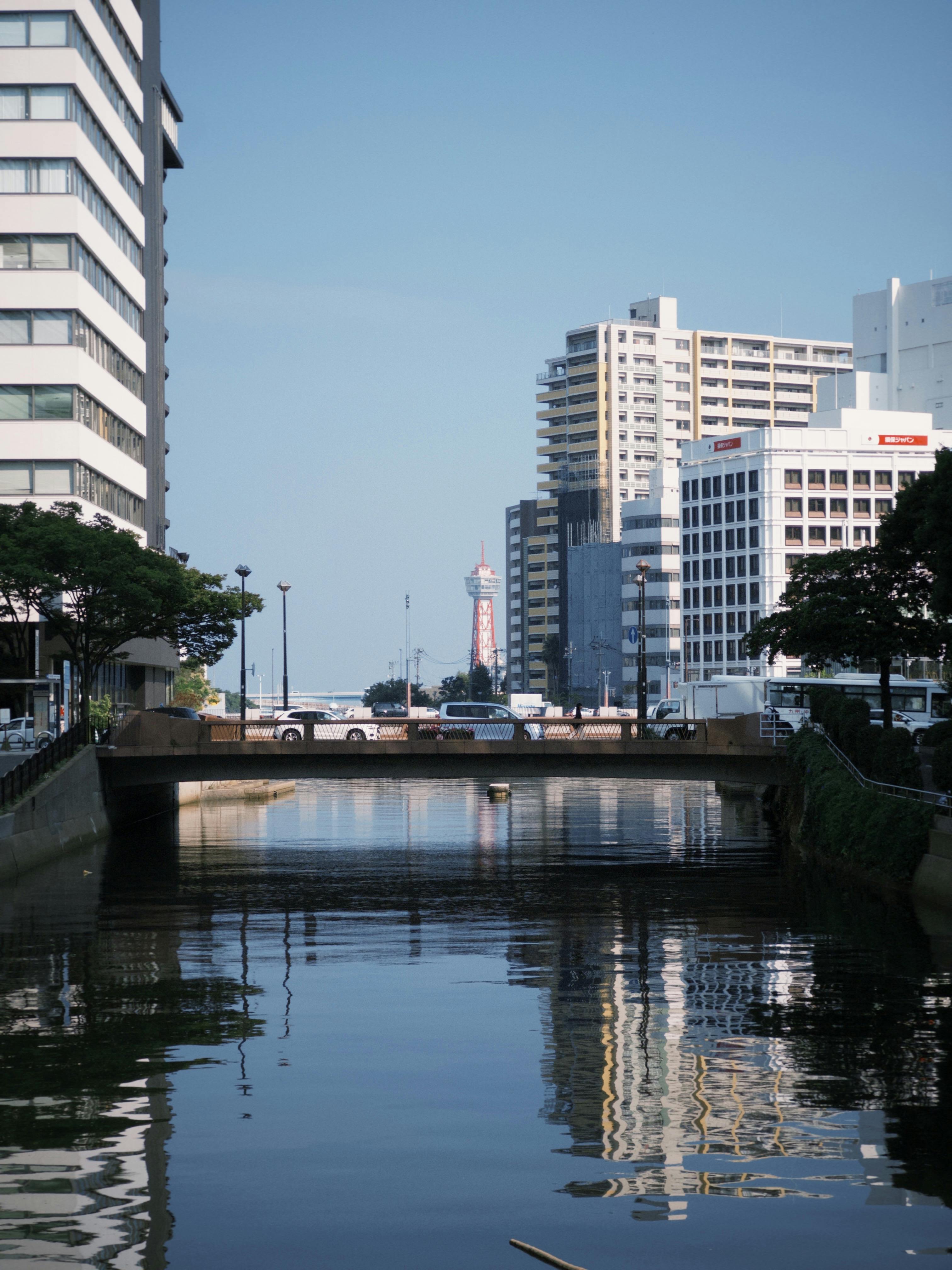
The commercial heart of Fukuoka, filled with shopping malls, restaurants, and endless entertainment. It is the most convenient area for first-timers and those who want to be in the center of the action.

Trendsetter
Daimyo
Known for its youthful energy, independent boutiques, and stylish coffee shops. This area is perfect for those who want a hip, creative vibe and proximity to the city's best cafes.
Slow Living
Ohori Park
A tranquil residential neighborhood surrounding the massive city park. It is ideal for nomads who prefer a quieter environment and access to green space.
Places to Go
The experiences that will make you never leave
These aren't tourist checkboxes — they're the experiences that reset your sense of what's normal.
Top Pick
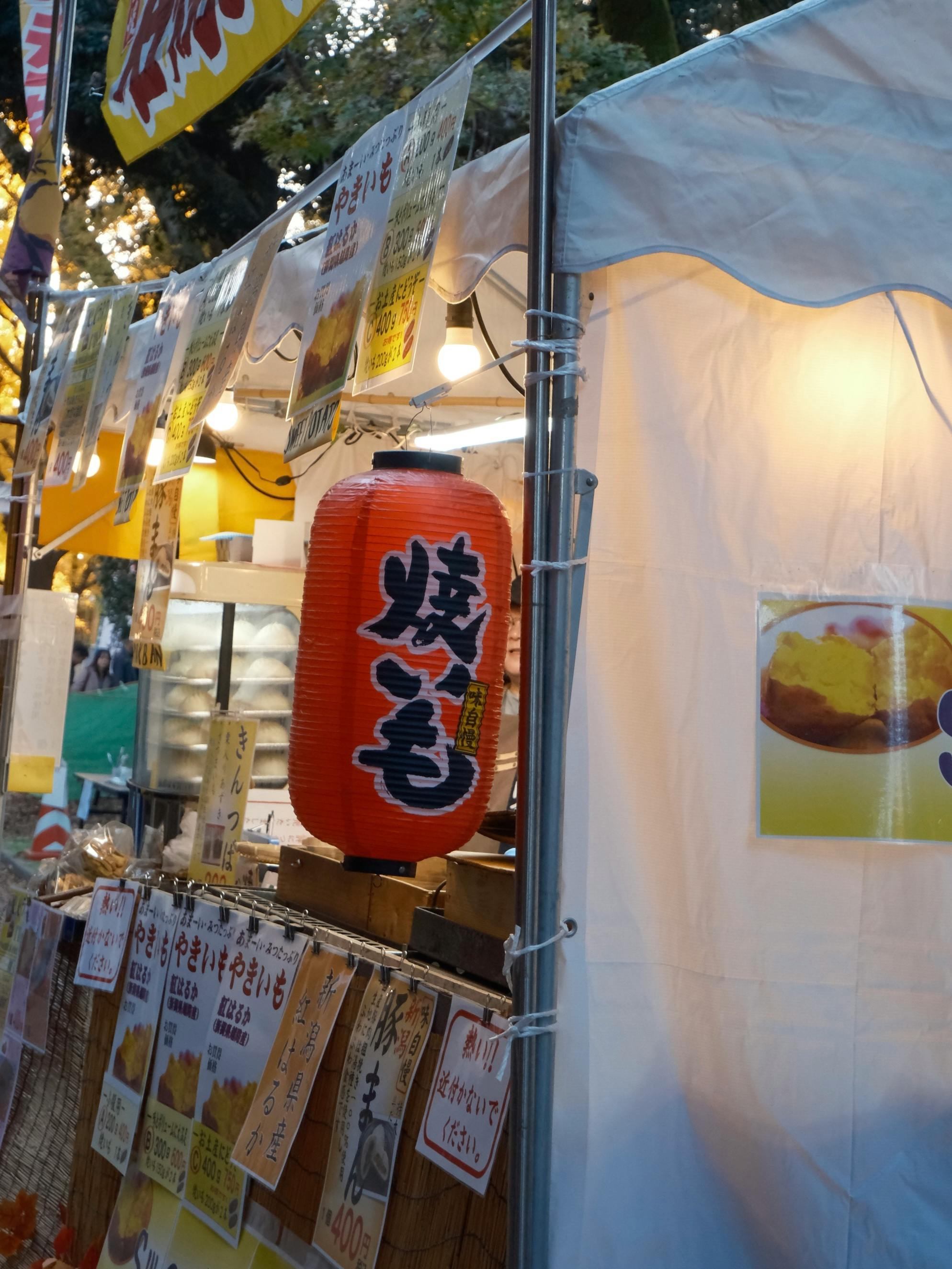
Yatai (Street Food Stalls)
These mobile stalls are an iconic part of Fukuoka's nightlife, serving delicious ramen, grilled skewers, and local sake. You can find them lining the river in Nakasu or near the Tenjin subway station. Sitting on a stool at a Yatai is the best way to meet locals.
Official Dazaifu Shrine
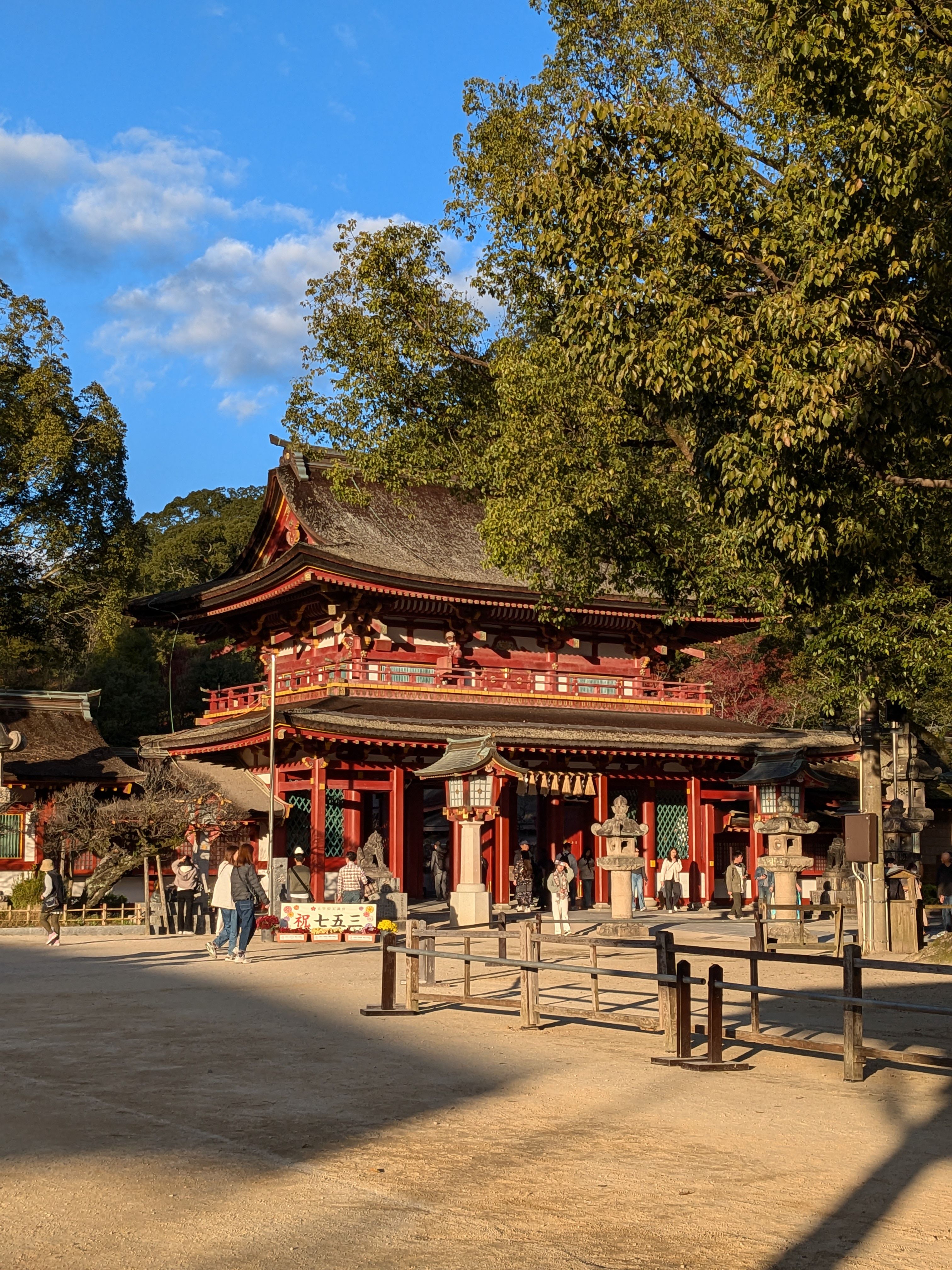
Dazaifu Tenmangu Shrine
A stunning, historically significant shrine dedicated to the spirit of Sugawara Michizane, the deity of learning. The surrounding grounds are filled with plum trees and traditional architecture, making it a peaceful escape from the city. It is easily accessible by the Nishitetsu train line.
Ohori Park - Wikipedia
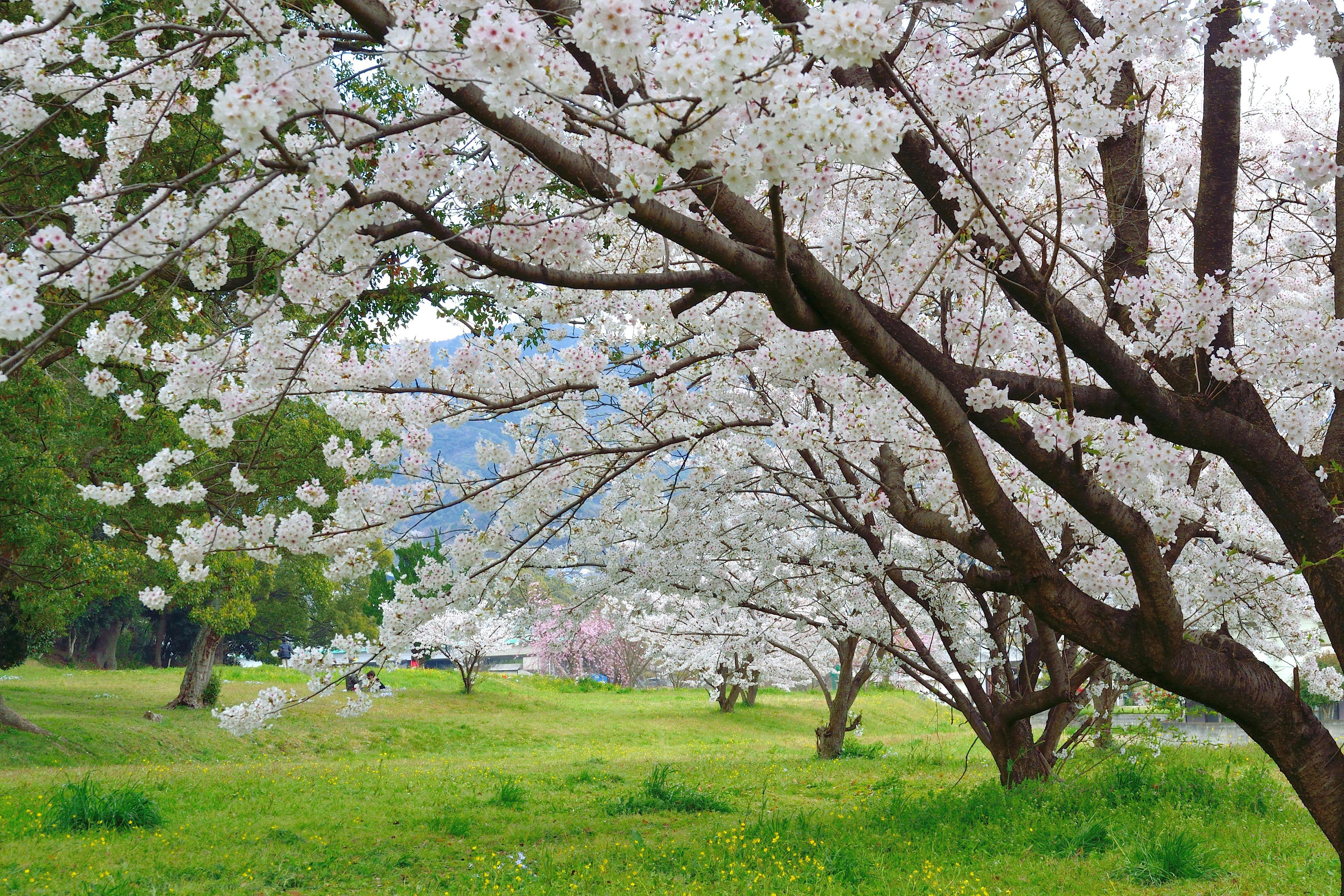
Ohori Park
Built around the ruins of the Fukuoka Castle moat, this large city park is a popular spot for jogging, picnicking, and casual strolls. It features a central pond with islands connected by arched bridges. It is the perfect place to unwind after a productive day of work.

Work & Connectivity
Stay connected wherever you work
The nomad community here is real — cafés and coworking spaces where you can work and meet others.
The Company
A popular coworking chain that focuses on building community through shared workspace and social events. It offers high-speed internet and ergonomic seating perfect for remote teams.
Fukuoka Growth Next
Located in a former school building, this space is dedicated to startups and entrepreneurs. It is one of the most vibrant hubs in the city for networking and growth.
Qbiz
A professional coworking space located right near Hakata station, making it perfect for those who travel frequently by Shinkansen. The facilities are modern and quiet.
Budget & Costs
What it costs to live in Fukuoka
Choose your lifestyle tier. Comfortable = furnished accommodation, local + occasional Western food, transport, leisure.
$1679
per month · USD · comfortable lifestyle
ModerateFurnished studio, local restaurants, transport, and weekend trips.
Exchange rates
Check xe.com or your bank for current USD to local currency.
Check xe.com or your bank for current USD to local currency.
🏠 Rent 45%$756/mo
🍽️ Food 25%$420/mo
🚌 Transport 5%$84/mo
💡 Utilities 7%$118/mo
🎭 Leisure 12%$201/mo
🏥 Health 6%$101/mo
Connectivity
Well connected to the world
Internet and transport options for remote workers.
📶
Internet
Good — fibre common
Check local providers.
🏢
Coworking
From ~$80/mo
Dedicated spaces available.
🚌
Local Transit
8 / 10
Subway + Nishitetsu railway; Tenjin area compact and walkable
FUK
Fukuoka Airport
5 km from centre
amsterdambangkokbusandalianguangzhouhanoihochiminhcityhongkong
Safety & Visa
Safe, welcoming, and easy to enter
Safety Score9 / 10
✓ Night Safe📞 110
Visa
Check your entry options
Many nationalities get visa-free or visa-on-arrival. Check official government sources for your citizenship before travel.
Culture & Festivals
Local soul, nomad-friendly
Multiculturalism6/10
Foodie Scene8/10
⭐ Highly Rated🌤️ Warm Climate🍜 Amazing Food🍜 Ramen🏖️ Coastal💆 Wellness💎 Premium💻 Startup City🔄 Four Seasons🛕 Cultural Depth
Jul
Hakata Gion Yamakasa
A historic festival featuring teams racing through the streets with massive, elaborate floats.
Sep
Startup Go! Conference
A major summit gathering the city's tech talent and international investors for networking.
Nov
Yatai Ramen Season
The start of the prime season to enjoy piping hot street-side ramen as the weather turns cool.
Fukuoka's proximity to other Kyushu destinations makes it an ideal hub for weekend trips to places like Beppu for hot springs or Kumamoto for its historic castle. The city effectively serves as the anchor for the entire southern region of Japan.
Food & Nightlife
A feast for every mood
From street food to cafés and nightlife — every meal is an event.

Street Food
Nakasu Yatai
Experience the classic Fukuoka night scene by eating ramen at a sidewalk stall along the Nakasu river. The atmosphere is bustling and the food is authentic.
Local Specialty
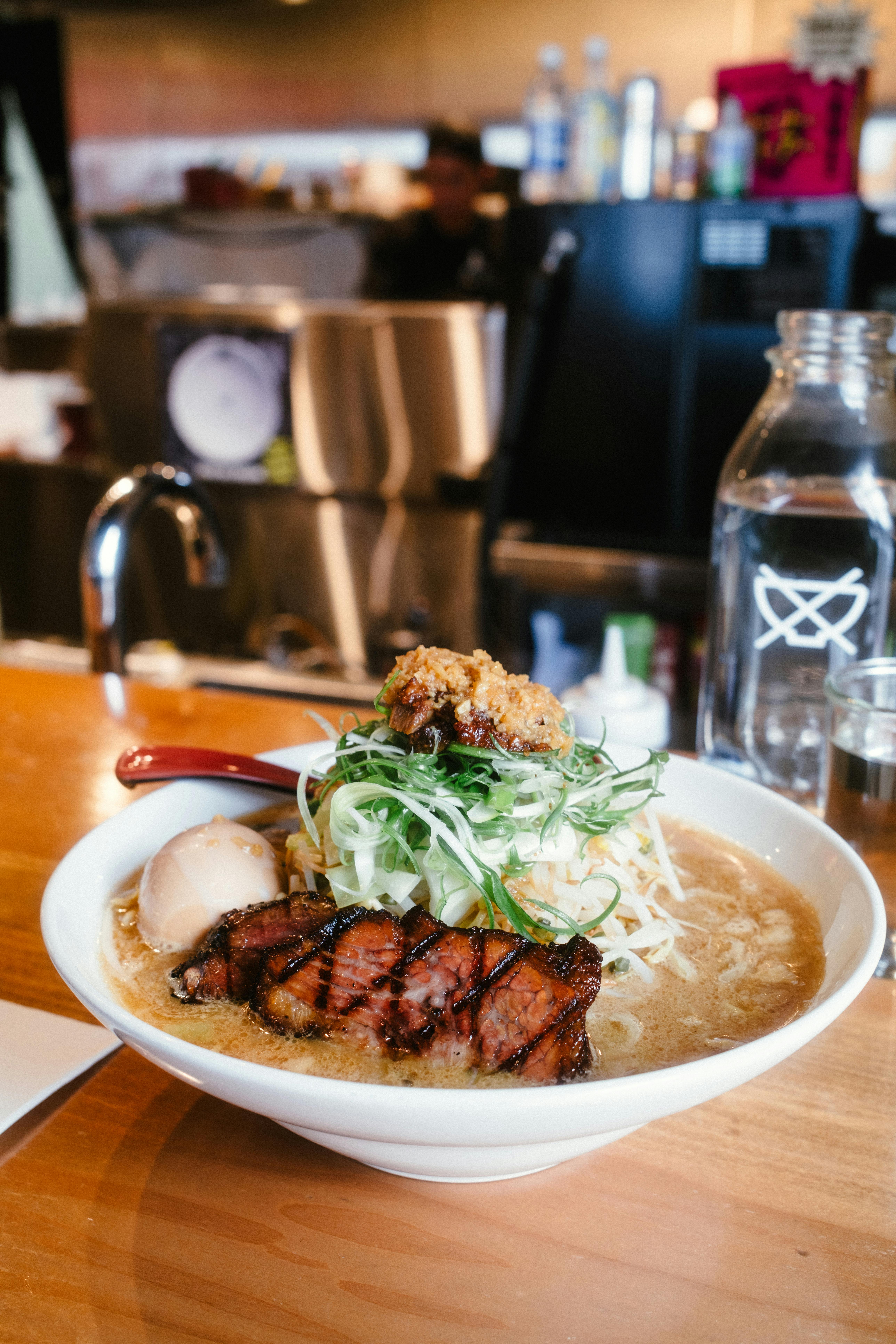
Hakata Ramen
Don't miss the creamy, rich Tonkotsu pork broth ramen that defines Fukuoka's food identity. There are hundreds of shops throughout the city serving their own unique take on this dish.

Café Culture
Daimyo Coffee Scene
The streets of Daimyo are packed with artisanal coffee roasters and quiet, aesthetic cafes. It is the best neighborhood in the city for finding a comfortable spot to work or read.
Climate
Best months: Mar, Apr, May, Jun, Aug, Sep, Oct, Nov
Avg humidity68%
Avg AQI52
The best time to visit Fukuoka is during the temperate months of spring (March to May) and autumn (September to November), when the weather is mild and perfect for walking tours. Spring brings the iconic cherry blossom season, while autumn offers cool, comfortable temperatures.
Summer (June and August) can be hot and humid, though the city's coastal breeze provides some relief. If you visit in July, you can witness the energetic Hakata Gion Yamakasa festival. Winter is generally cool but rarely freezing, making it the prime time to enjoy the city's legendary Yatai street food culture, which feels particularly cozy during the colder evenings.
Monthly temperatures °C
BestAvoidShoulder
Practical Info
Everything you need to know
🏥
Healthcare
Japan has a world-class healthcare system. Fukuoka has several excellent hospitals with English-speaking staff, making it easy to handle any medical needs if they arise.
💱
Money
Cash is still widely used in Japan, particularly at small stalls and traditional shops. While credit cards are increasingly accepted, always carry enough yen for smaller transactions.
🌐
Language & Etiquette
While Japanese is the main language, you can get by with basic phrases in tourist areas. Being respectful, quiet on public transport, and polite in service settings is highly valued.
Tips
Quick tips
- Always carry a bit of cash for Yatai stalls.
- Purchase a rechargeable IC card like Suica or Nimoca for easy transit use.
- Learn a few simple Japanese phrases to show respect to locals.
- Try the local Hakata ramen at least once a day.
- Use the free city Wi-Fi, but rely on your mobile data for sensitive work.
- Visit the Ohori Park early in the morning for the best quiet experience.
- Check the startup event calendar at Fukuoka Growth Next.
Further Reading