
Tarapoto · Peru
Overview
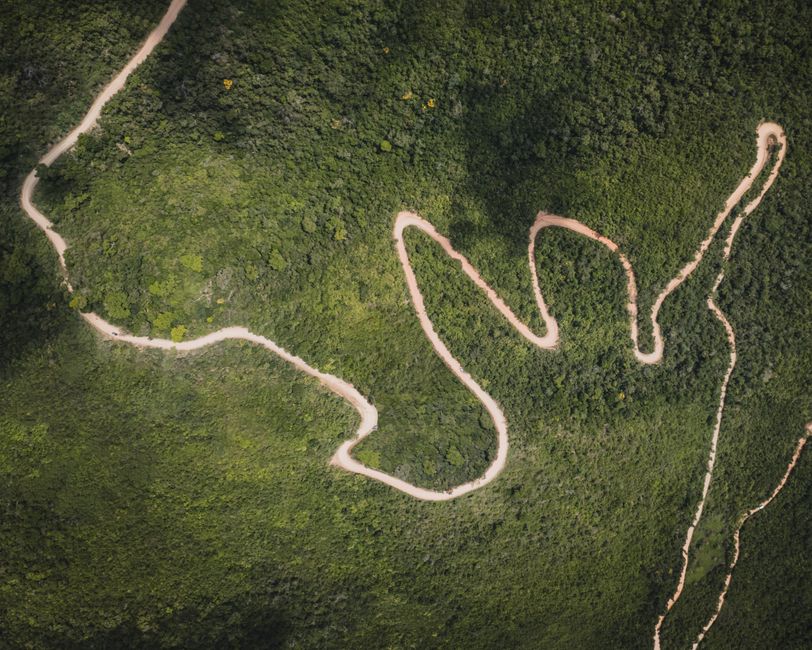
Tarapoto is the perfect intersection where the rugged spirit of the Andes meets the untamed soul of the Amazon.
Known as the 'City of Palms,' Tarapoto serves as the commercial hub of the San Martin region. It is a fantastic destination for nomads who want to escape the mountain chill of the Andes and dive into the tropical heat of the low jungle. The vibe is energetic and local, focusing heavily on trade, tourism, and nightlife.
For digital nomads, Tarapoto is more than just a transit point; it is a place to settle down for a few weeks to enjoy fresh jungle produce and low expenses. While connectivity requires some planning, the Cost of living in Tarapoto makes it highly accessible for those working remotely on a budget. You will find that life here revolves around the central plaza, where locals and visitors meet to share stories and plan their next trekking or waterfall adventure.

History
Tarapoto was founded in 1782 by Bishop Baltasar Jaime Martínez de Compañón.
Tarapoto was founded in 1782 by Bishop Baltasar Jaime Martínez de Compañón. Its strategic location at the confluence of the Shilcayo and Cumbaza rivers allowed it to flourish as a vital center for trade between the Amazonian lowlands and the Andean highlands. For much of its history, the town served as a remote outpost primarily accessible by river travel, which defined its resilient and self-sufficient character.
In the 20th century, the construction of roads, most notably the highway connecting it to the coast and the mountain regions, transformed Tarapoto into a modern hub. Today, it stands as the most important economic center in the San Martin region, balancing its historical roots as a colonial trading town with its modern role as the primary entry point for eco-tourism in the Peruvian Amazon.
1782
Official FoundationBishop Baltasar Jaime Martínez de Compañón founded the town, establishing it as a crucial settlement in the jungle region.
1940s
Infrastructure ExpansionThe construction of the Marginal de la Selva highway began, gradually ending the town's isolation from the rest of Peru.
1980s
Regional GrowthTarapoto experienced a major population boom and economic shift as road access made it a commercial nexus for the jungle.
2000s
Tourism DevelopmentThe city firmly established itself as a primary ecotourism hub, attracting international visitors and researchers to the Amazon.
Where to Stay
Choose your base camp
Distinct neighbourhoods, different rhythms. Pick the one that fits your work-life balance.
Convenience Hub
City Center
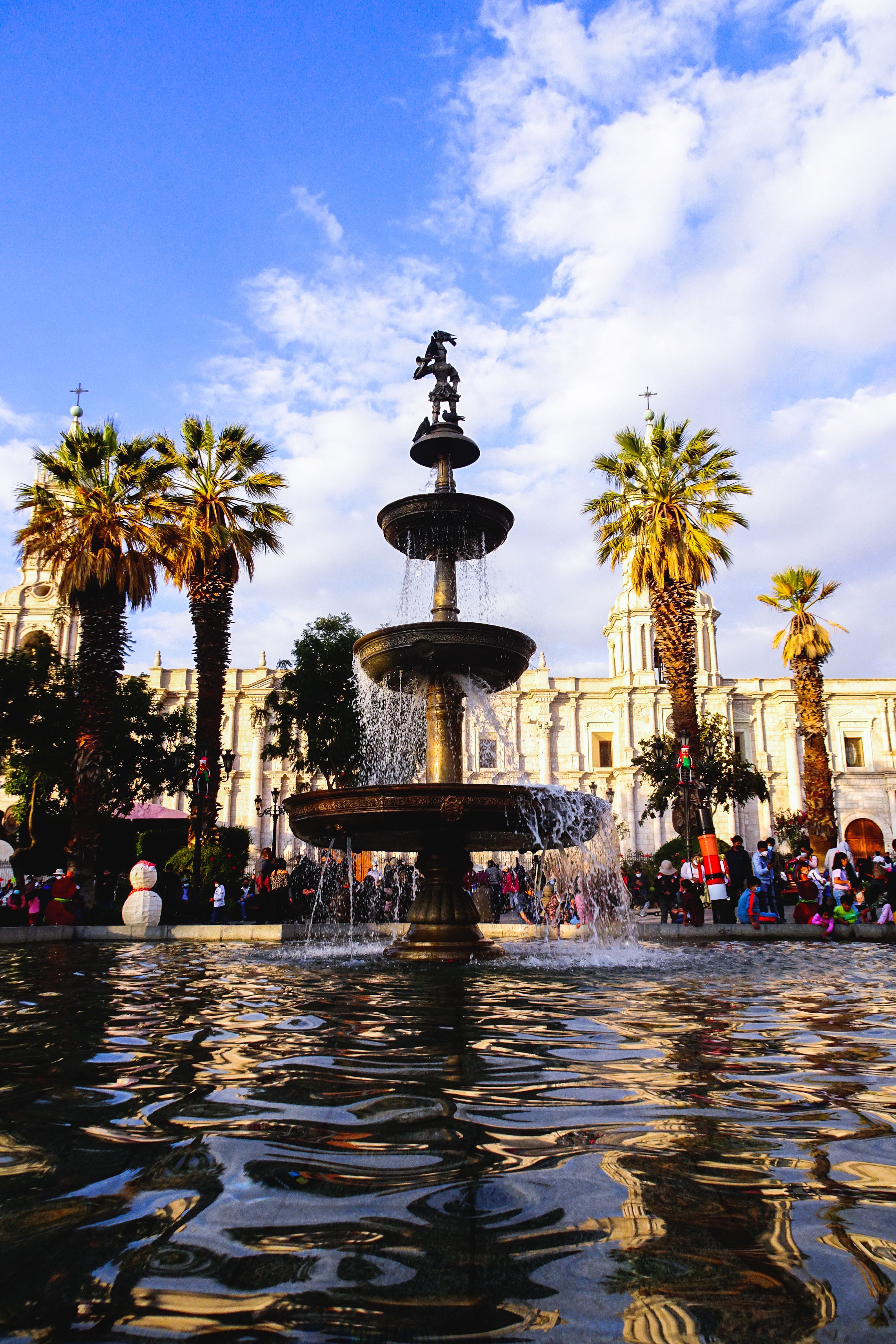
The heart of the city, home to most shops, banks, and local eateries. It is the best place to stay for those who want to be within walking distance of everything.

Quiet Retreat
Morales District
Located just outside the main center, this area offers a slightly quieter atmosphere. You can find more modern apartments and guesthouses here at competitive prices.
Places to Go
The experiences that will make you never leave
These aren't tourist checkboxes — they're the experiences that reset your sense of what's normal.
Top Pick
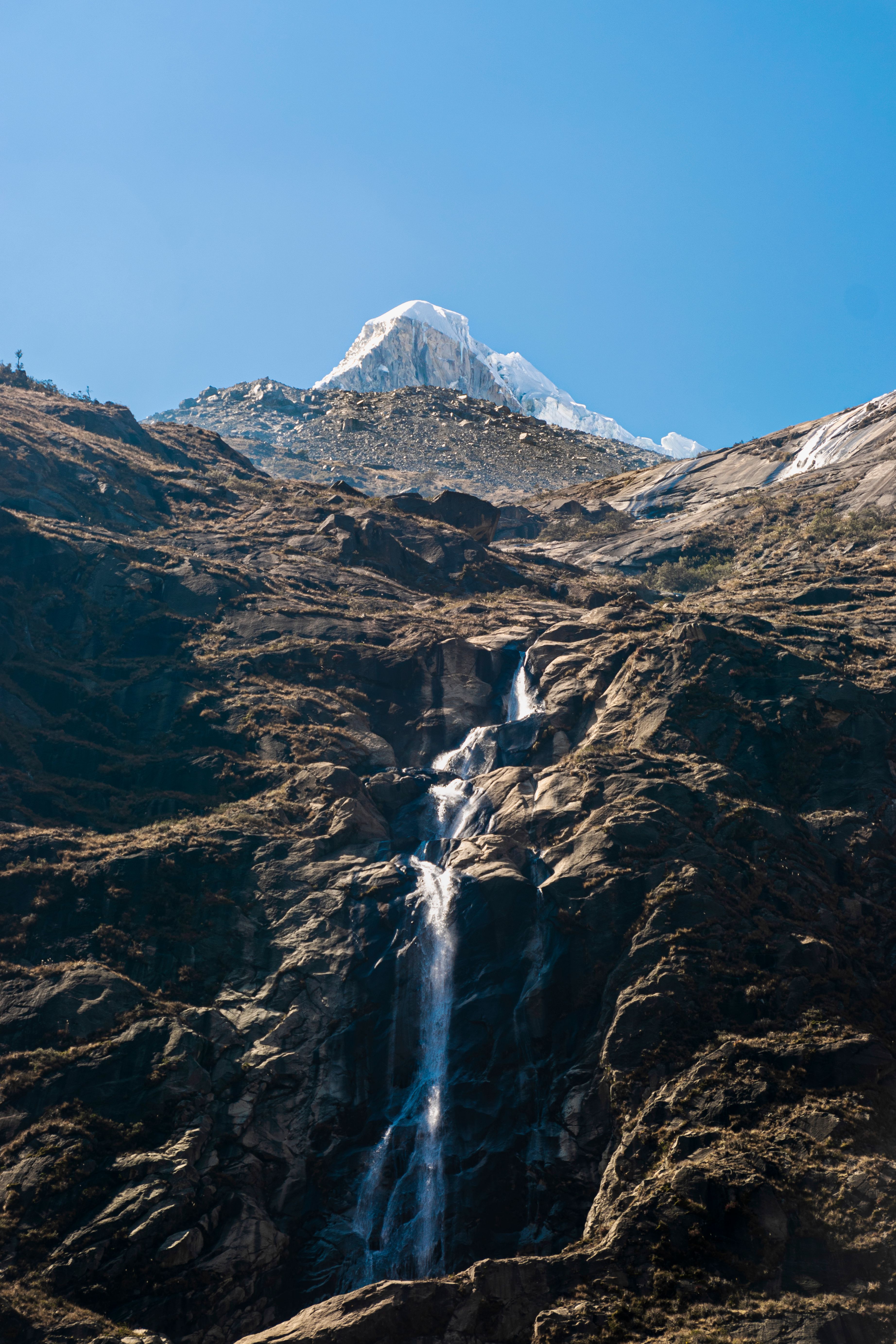
Ahuashiyacu Waterfall
A breathtaking waterfall located just a short ride from the city center, nestled within the lush cloud forest. It is a popular spot for a refreshing dip and a classic photo opportunity in the region.
Wikipedia: Sauce District
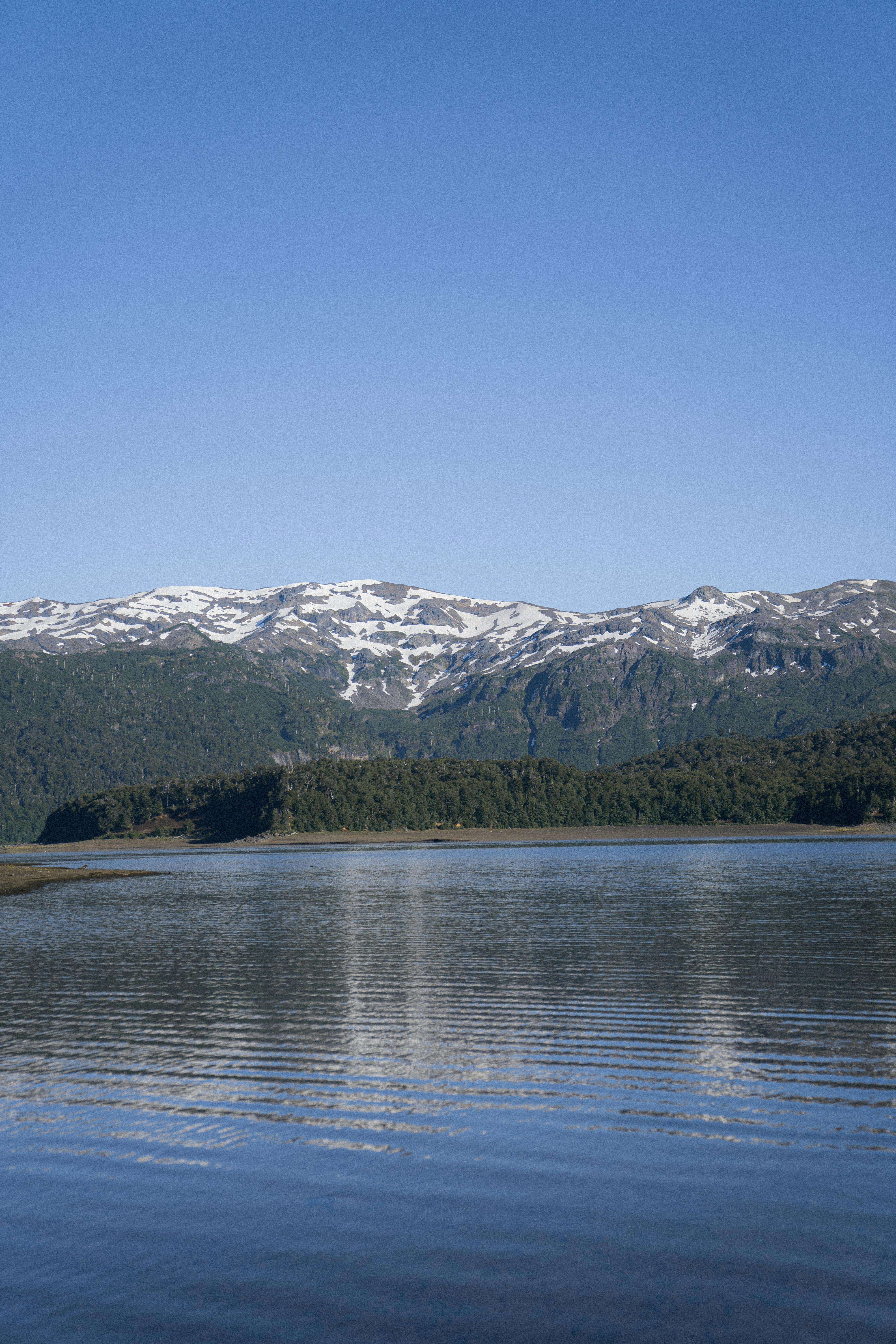
Laguna Azul
A large, tranquil lake perfect for boating, swimming, and relaxing. Many nomads take a day trip here to enjoy the serene environment and local seafood restaurants along the shore.
Work & Connectivity
Stay connected wherever you work
The nomad community here is real — cafés and coworking spaces where you can work and meet others.
Central Plaza Cafes
While there are no large dedicated coworking spaces, the cafes around the Plaza de Armas offer decent seating and Wi-Fi for a few hours of work.
Hotel Lobbies
Several higher-end hotels in Tarapoto offer stable, reliable internet and comfortable work areas for non-guests for a small fee.
Budget & Costs
What it costs to live in Tarapoto
Choose your lifestyle tier. Comfortable = furnished accommodation, local + occasional Western food, transport, leisure.
$949
per month · USD · comfortable lifestyle
ModerateFurnished studio, local restaurants, transport, and weekend trips.
Exchange rates
Check xe.com or your bank for current USD to local currency.
Check xe.com or your bank for current USD to local currency.
🏠 Rent 56%$511/mo
🍽️ Food 24%$219/mo
🚌 Transport 4%$37/mo
💡 Utilities 6%$55/mo
🎭 Leisure 10%$91/mo
🏥 Health 0%$0/mo
Connectivity
Well connected to the world
Internet and transport options for remote workers.
📶
Internet
Good — fibre common
Check local providers.
🏢
Coworking
From ~$80/mo
Dedicated spaces available.
🚌
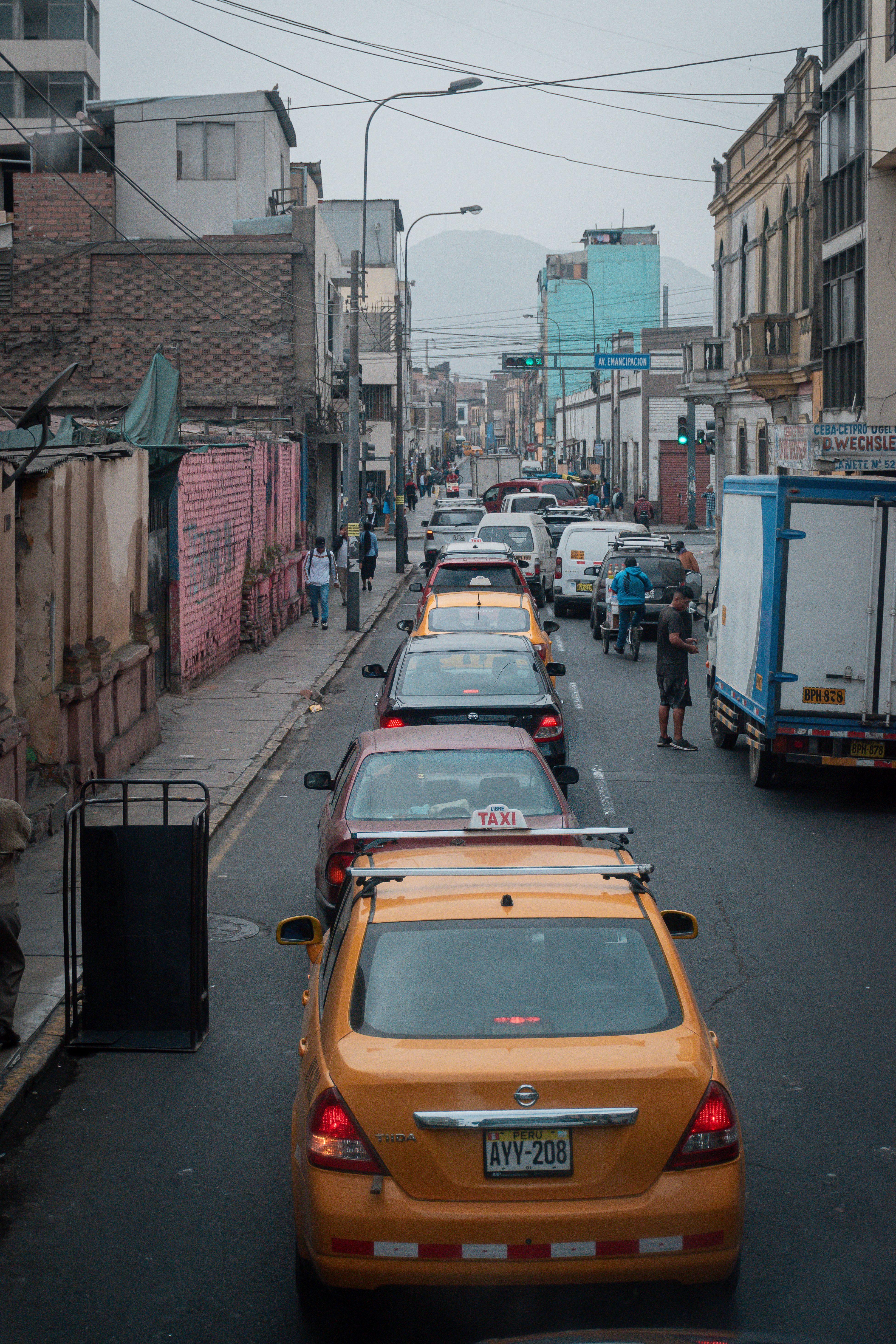
Local Transit
5 / 10
Scooter and taxi common.
TPP
Cadete FAP Guillermo Del Castillo Paredes Airport
20 km from centre
iquitoslima
Safety & Visa
Safe, welcoming, and easy to enter
Safety Score6 / 10
✗ Tap Water✓ Night Safe📞 112 or local emergency number
Visa
Check your entry options
Many nationalities get visa-free or visa-on-arrival. Check official government sources for your citizenship before travel.
Culture & Festivals
Local soul, nomad-friendly
Multiculturalism5/10
Foodie Scene5/10
Remote work
Jul
Fiestas Patrias
Peruvian Independence Day celebrations bring parades, traditional music, and food festivals to the streets of Tarapoto.
Jun
Festival de San Juan
A major regional festival celebrating the patron saint of the Amazon with traditional dances and plenty of Juanes.
Tarapoto is a great base for visiting the petroglyphs of Polish or the Lamas native community, which offers a glimpse into traditional Quechua-Lamista culture in the jungle highlands.
Food & Nightlife
A feast for every mood
From street food to cafés and nightlife — every meal is an event.
Street Food
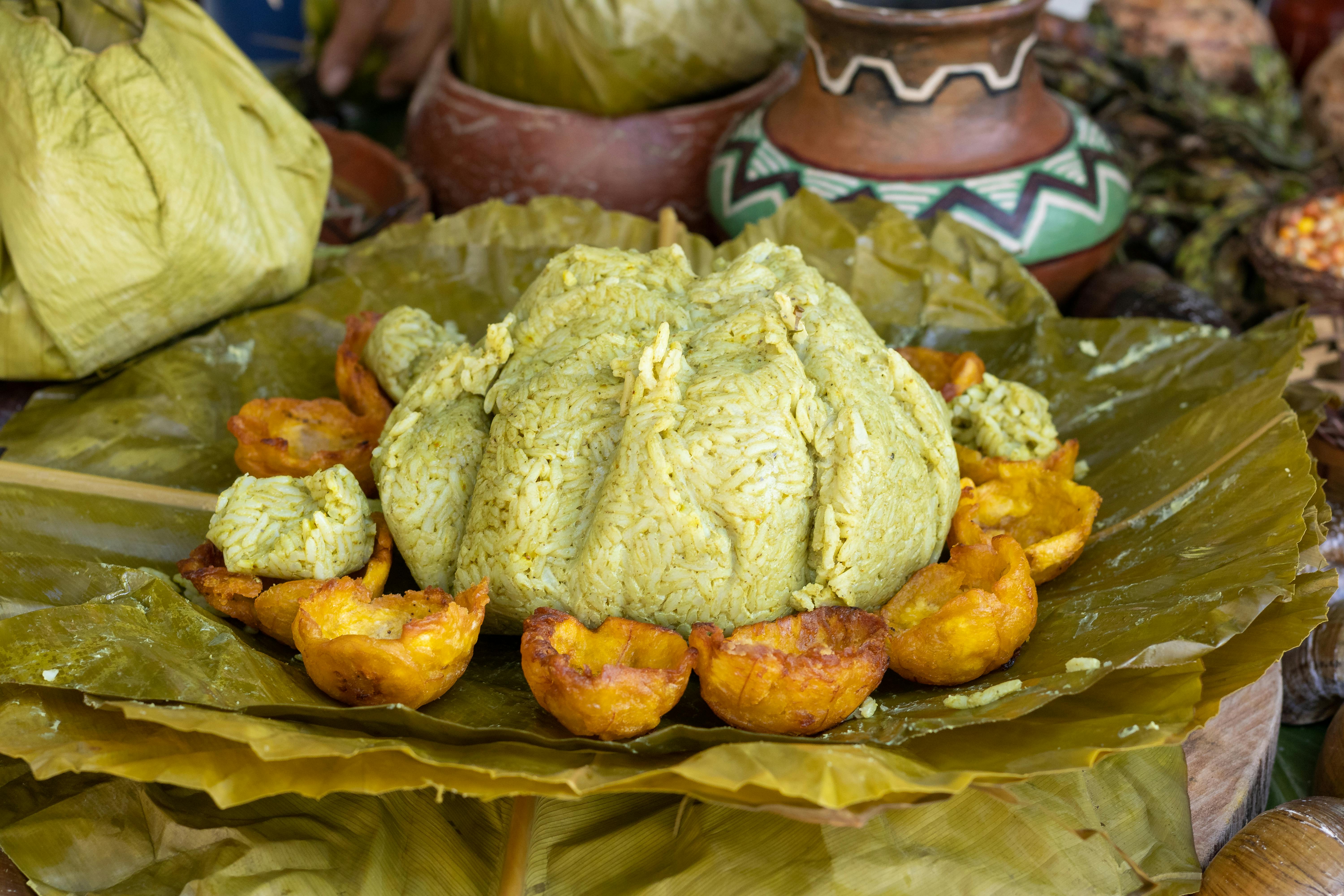
Juane
This traditional Amazonian dish consists of seasoned rice, chicken, and egg, wrapped in bijao leaves. It is a staple you must try at local markets.

Café Culture
Local Coffee Shops
The San Martin region produces excellent coffee. Explore small roasters in the city center to taste some of the best beans in Peru.
Climate
Best months: Jan, Feb, Mar, Apr, May, Jun, Jul, Aug, Sep, Oct, Nov, Dec
Avg humidity79%
Avg AQI45
Tarapoto enjoys a tropical climate that remains warm throughout the year. There are no strictly prohibited months for travel, as each season offers a different aspect of the jungle environment. The drier season from June to August is generally more comfortable for hiking and visiting nearby waterfalls, while the wetter months bring lush greenery and higher river levels that are spectacular for photography.
No matter when you decide to visit, pack breathable clothing and rain gear, as sudden tropical downpours are common. Since the city remains a year-round destination, you can comfortably work and explore throughout January to December without significant seasonal disruptions to your routine.
Monthly temperatures °C
BestAvoidShoulder
Practical Info
Everything you need to know
🏥
Healthcare
There are local hospitals and clinics in Tarapoto suitable for minor issues. For specialized care, ensure you have travel insurance that covers emergency medical evacuation.
💱
Money
Cash is king in Tarapoto. While some restaurants accept cards, keep small denominations of Peruvian Soles on you for moto-taxis and market purchases.
🌐
Language & Etiquette
Spanish is the primary language. Learning basic phrases will help you navigate the city and build rapport with locals. People are generally very warm and hospitable.
Tips
Quick tips
- Always carry an umbrella; tropical rain can start unexpectedly.
- Use moto-taxis for short, quick trips around the city.
- Drink bottled or filtered water rather than tap water.
- Carry insect repellent when visiting waterfalls or forests.
- Book your excursions through reputable local agencies.
- Try the local exotic fruits at the central market.
- Keep your passport and important documents in a secure place.
- Download offline maps to navigate areas with weak signal.
Further Reading