Arequipa · Peru
Overview
Arequipa doesn't just offer views of volcanoes; it wraps you in the quiet, stoic history of the Andes.
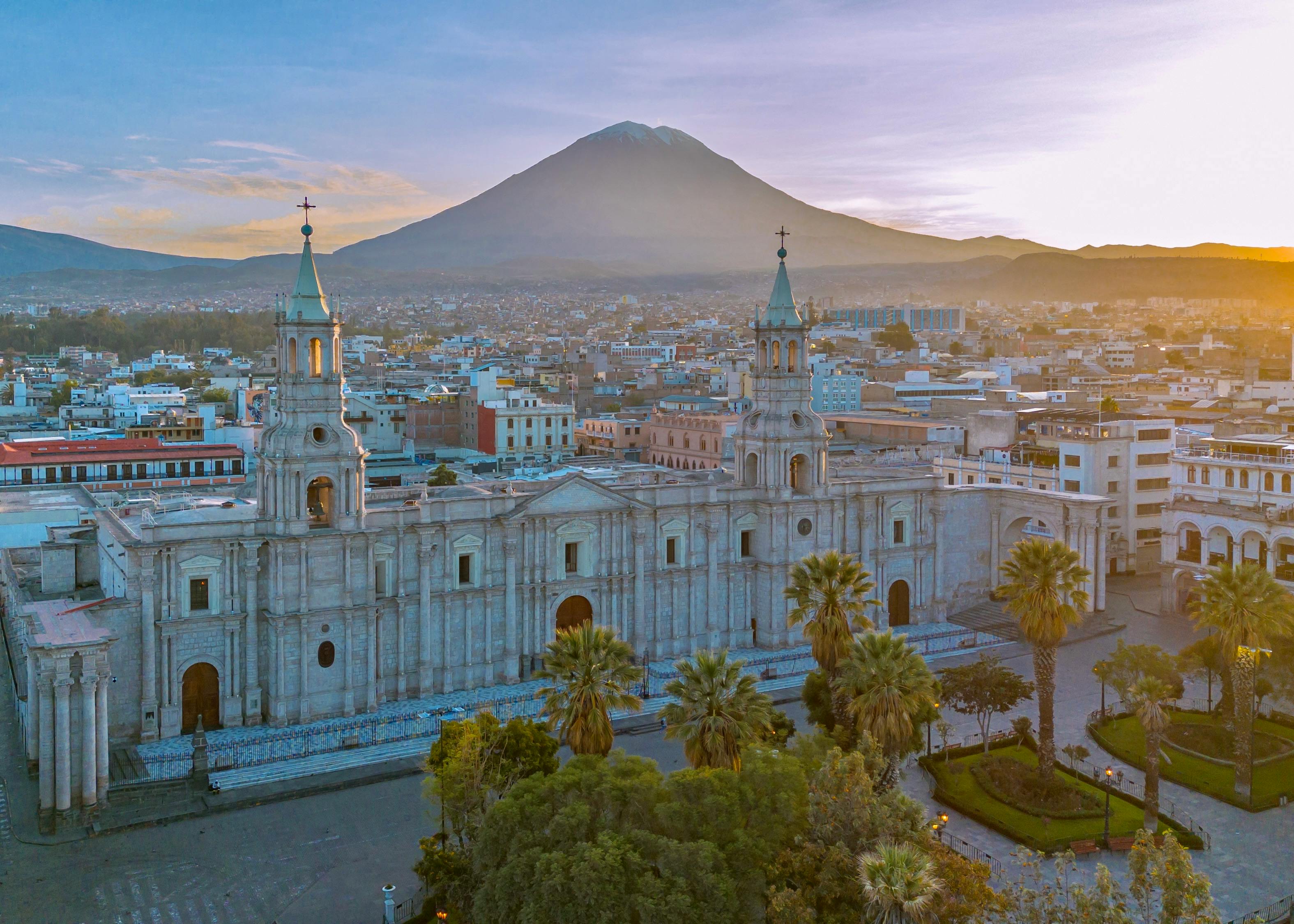
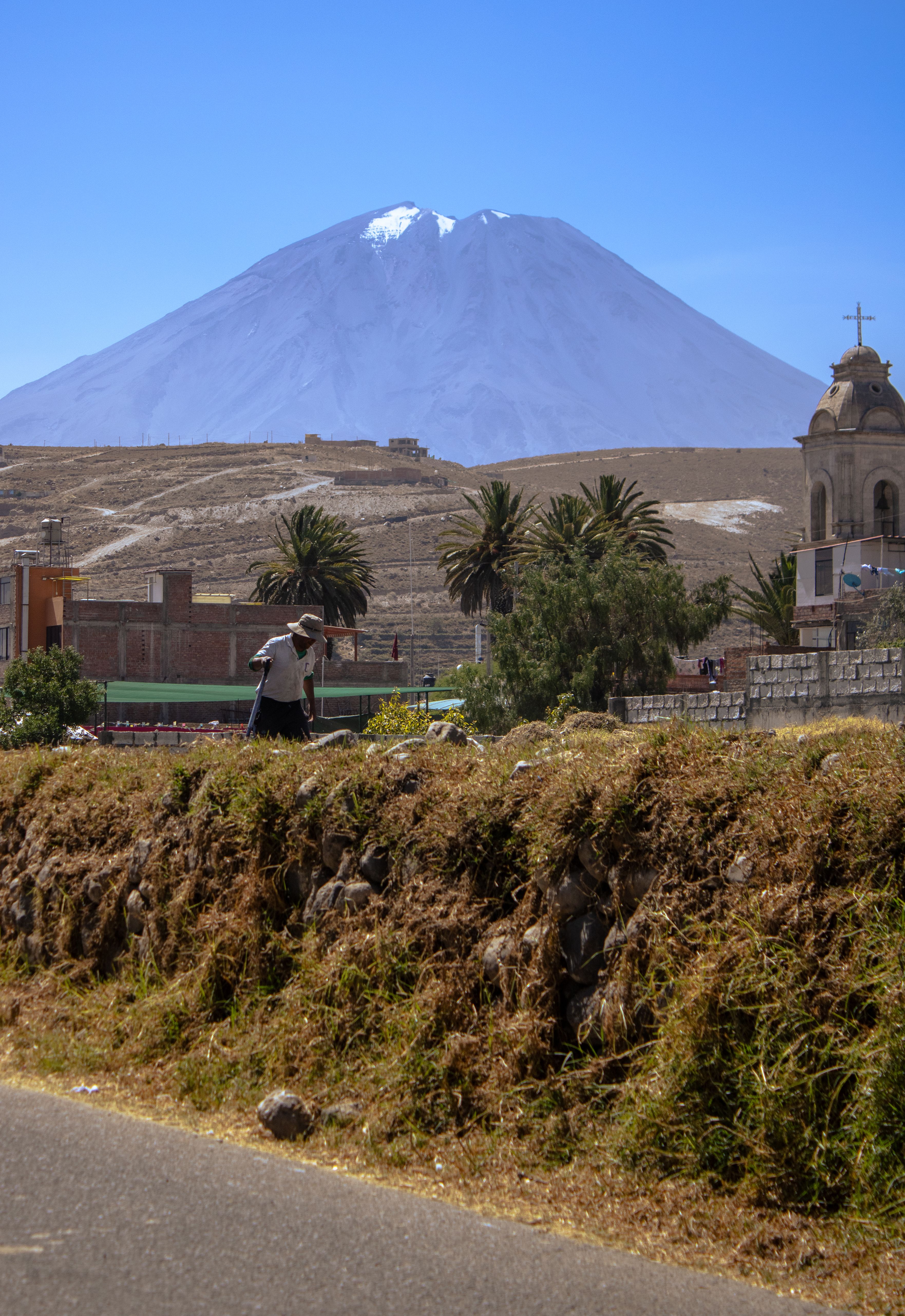
Arequipa sits at an elevation of 2,335 meters, framed by three massive volcanoes: Misti, Chachani, and Pichu Pichu. The city is famous for its 'sillar' architecture, where buildings are constructed from white volcanic rock, giving the historic center a radiant appearance under the Andean sun. For digital nomads, the city provides a perfect balance of deep-rooted culture and modern infrastructure. You can spend your mornings working from a boutique cafe and your afternoons exploring colonial monasteries or trekking deep into the nearby canyons.
Beyond the visuals, Arequipa is a gastronomic powerhouse in Peru. The food culture here is distinct and bold, often surpassing the offerings of larger cities. While the elevation requires a few days for adjustment, the pace of life here is deliberate and relaxing. It is a place where you can comfortably balance productivity with profound cultural immersion, all while staying well within the limits of a modest Cost of living in Arequipa.

History
Arequipa was officially founded on August 15, 1540, by Garcí Manuel de Carbajal, an emissary of the…
Arequipa was officially founded on August 15, 1540, by Garcí Manuel de Carbajal, an emissary of the Spanish conquistador Francisco Pizarro. The site was chosen for its strategic position in the Chili River valley and its proximity to the trade routes between the coast and the high Andean regions. The city quickly became a vital administrative and religious center, with colonial masters erecting grand cathedrals and monasteries that survive to this day.
Throughout the colonial era, Arequipa developed a distinct regional identity that was often at odds with the politics of Lima. The city's history is marked by a series of powerful earthquakes that necessitated constant rebuilding, leading to the creation of its signature 'Arequipan baroque' architectural style. Today, the historic center is a UNESCO World Heritage site, serving as a living testament to the architectural fusion of European techniques and indigenous craftsmanship.
1540
Official FoundationSpanish conquistadors established the city on August 15, selecting the site for its strategic agricultural and commercial potential.
1600
Volcanic EruptionThe massive eruption of Huaynaputina caused significant ashfall, prompting major architectural changes in the city to protect against seismic damage.
1821
IndependenceArequipa played a key role during the Peruvian War of Independence, ultimately supporting the republican cause.
2000
UNESCO RecognitionThe historic center of Arequipa was named a World Heritage site for its unique colonial architecture made of white volcanic sillar stone.
Where to Stay
Choose your base camp
Distinct neighbourhoods, different rhythms. Pick the one that fits your work-life balance.
Heart of the Action
Centro Histórico
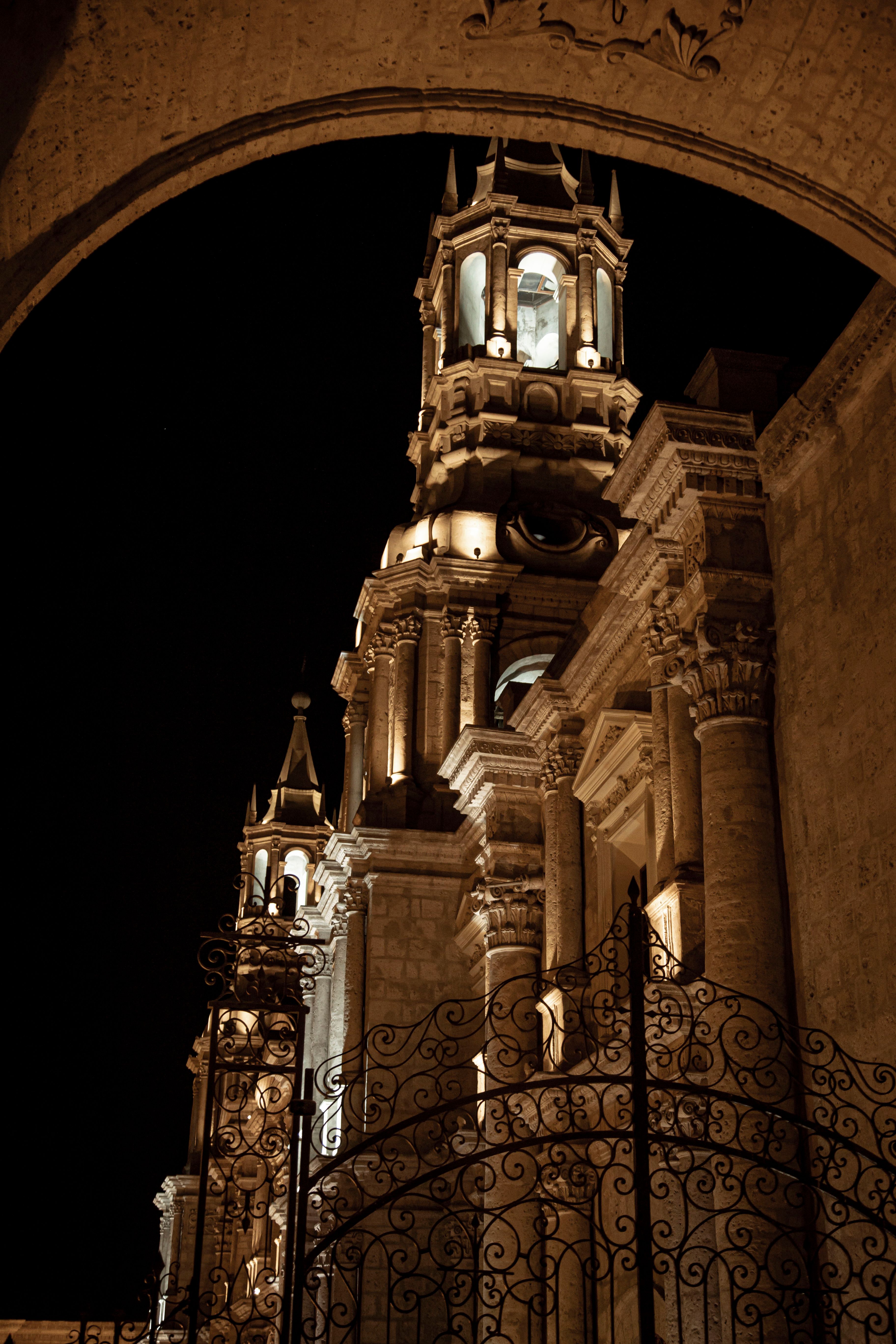
The best place to stay for short-term visitors. You will be within walking distance of all museums, cafes, and the main plaza.
Quiet Residential
Yanahuara
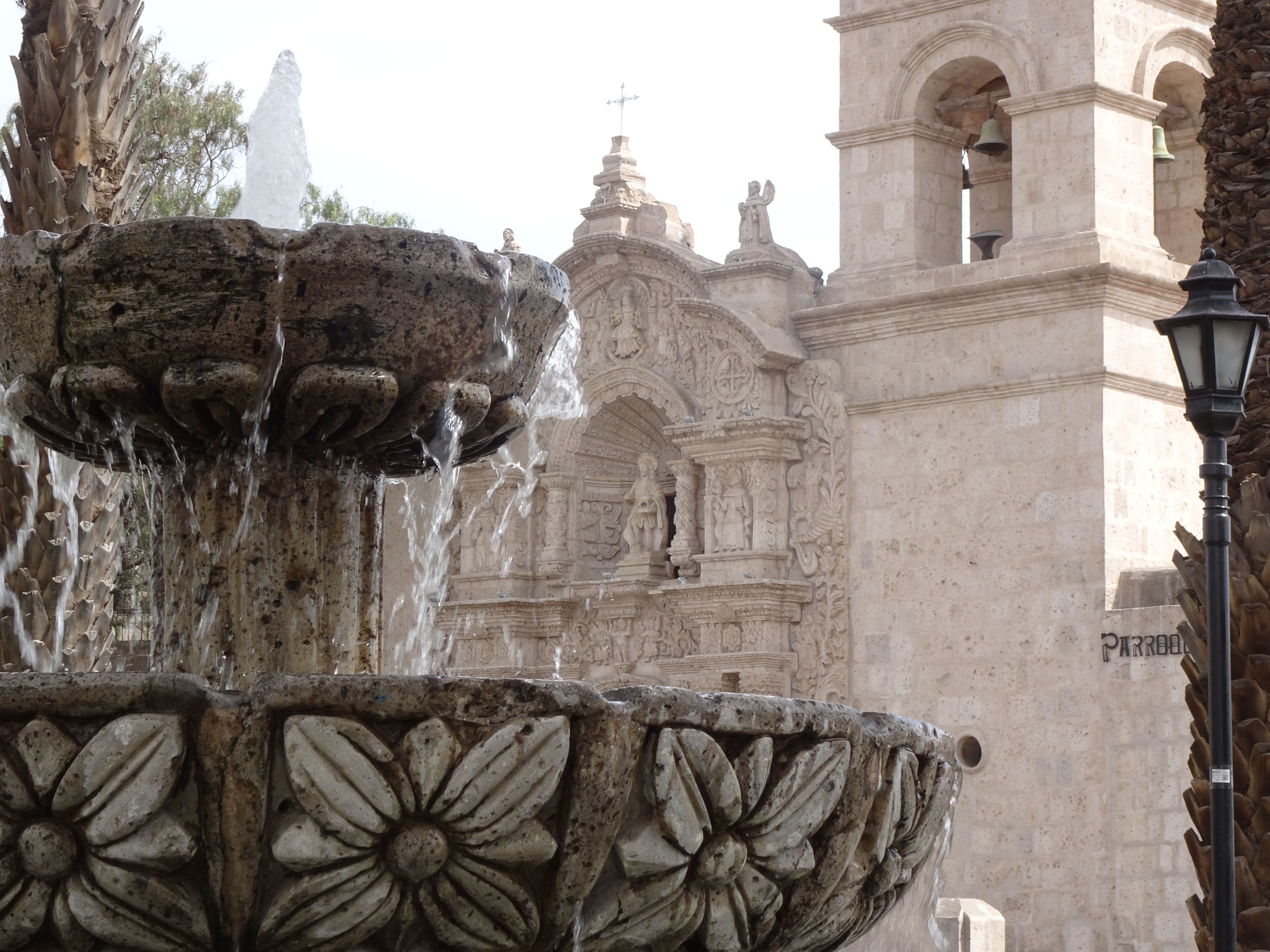
A more relaxed, upscale neighborhood that offers a residential vibe with great views of the volcanoes. Perfect for those staying for a month or longer.
Places to Go
The experiences that will make you never leave
These aren't tourist checkboxes — they're the experiences that reset your sense of what's normal.
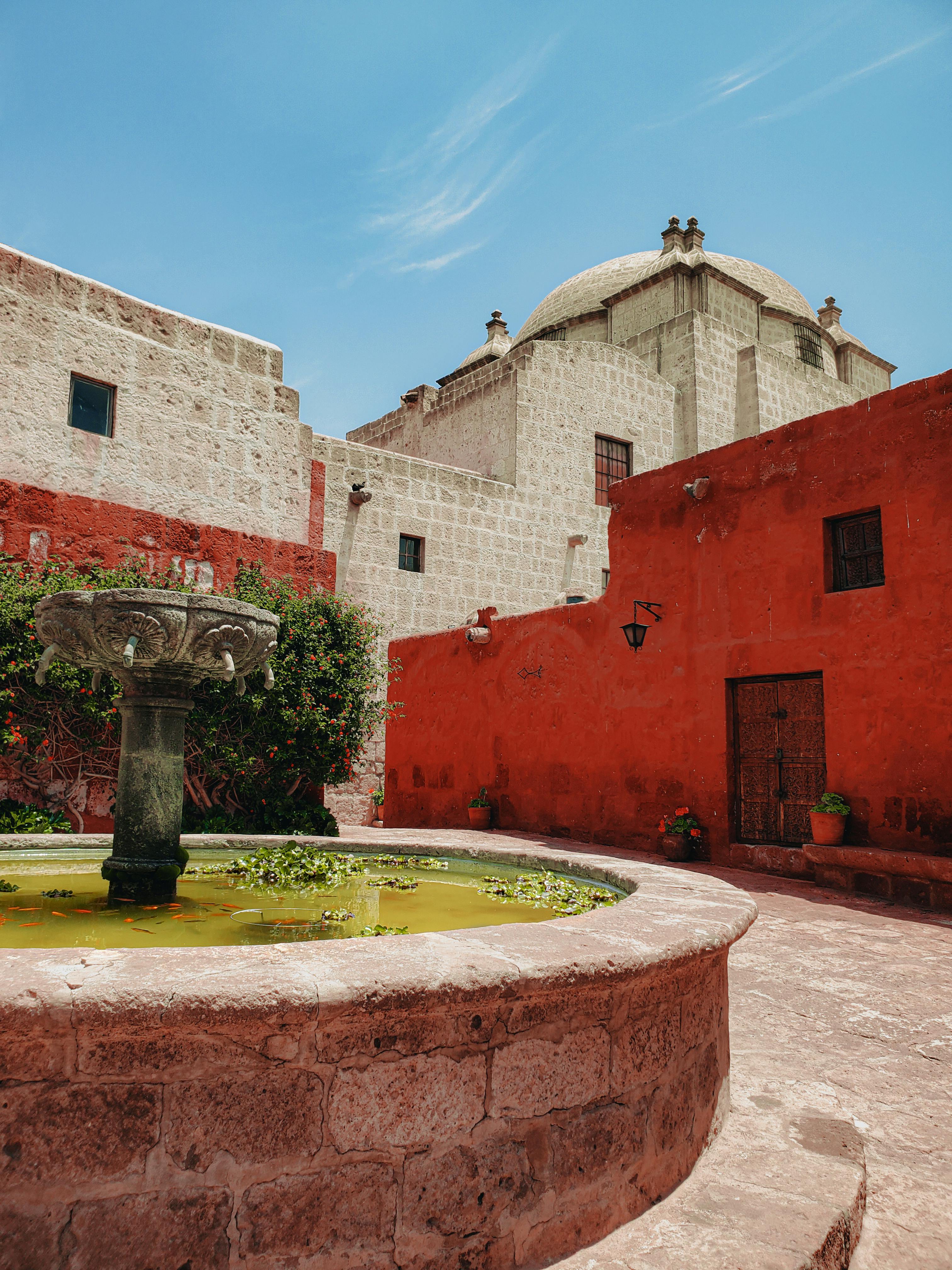
Top Pick
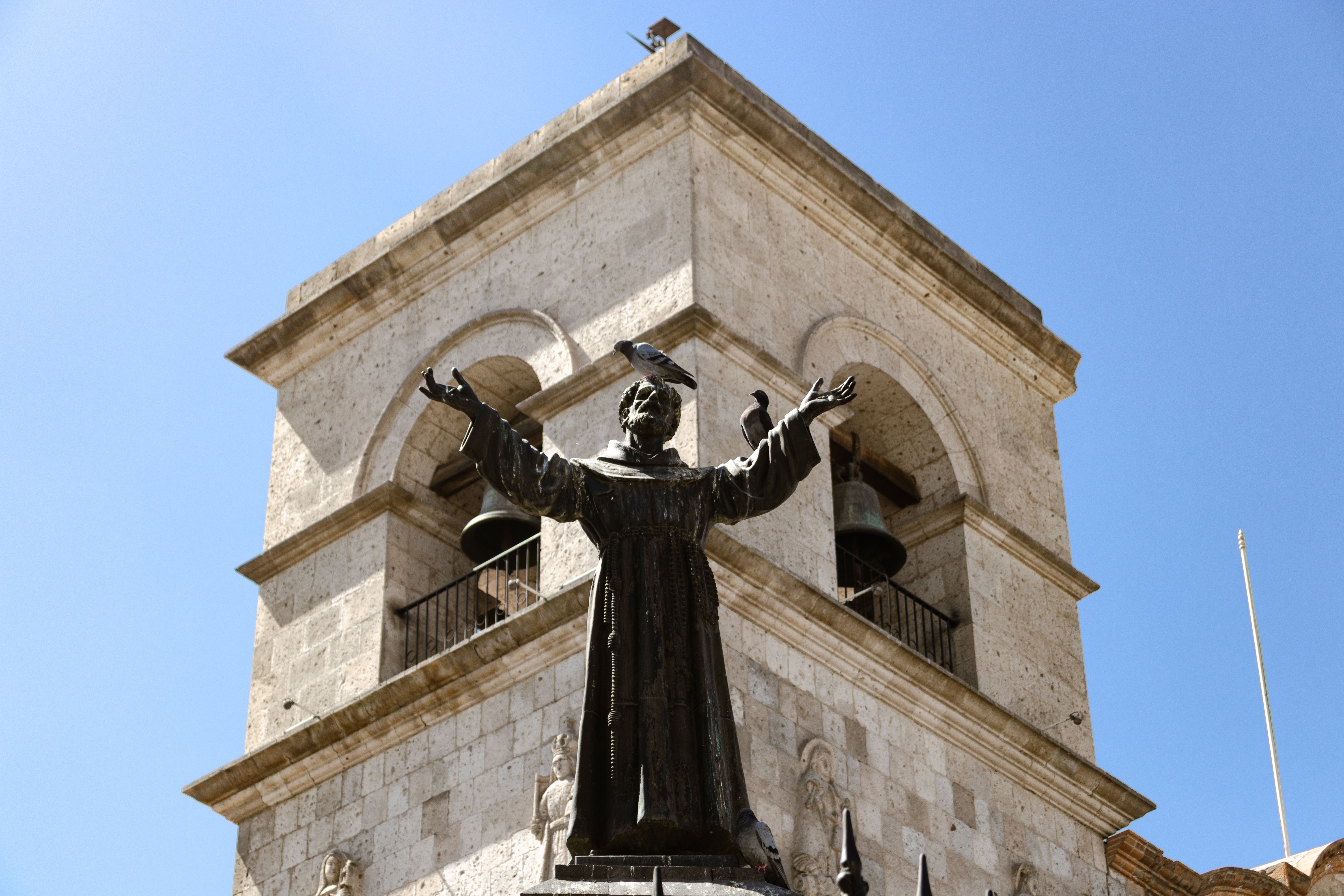
Santa Catalina Monastery
This 'city within a city' is a massive, colorful complex of cloisters and narrow streets. It offers a fascinating look into the lives of cloistered nuns over several centuries.
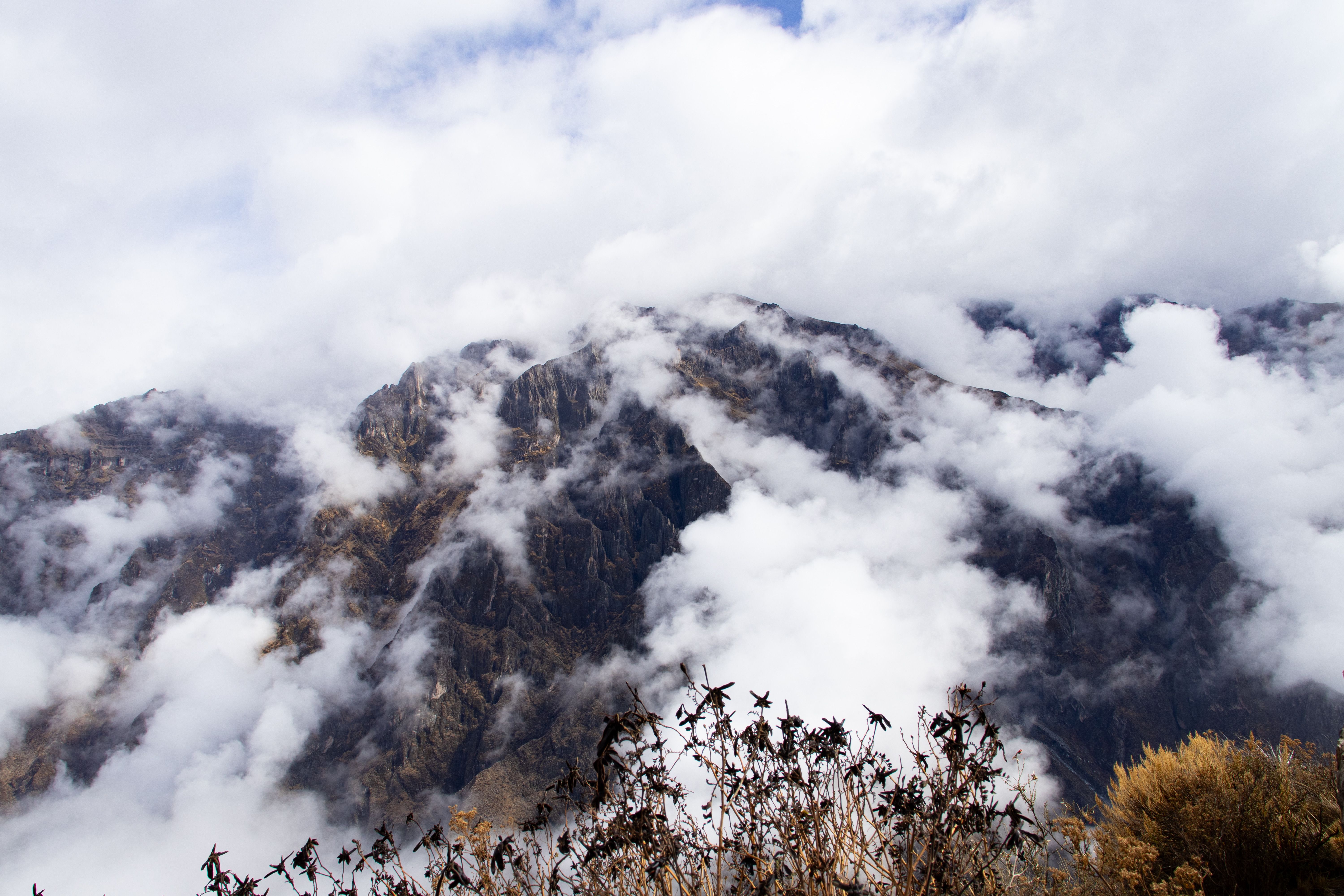
Official Peru Tourism
Colca Canyon
One of the deepest canyons in the world, it is a must-visit for nature lovers. You can hike through dramatic landscapes and spot Andean condors at the Cruz del Condor lookout.
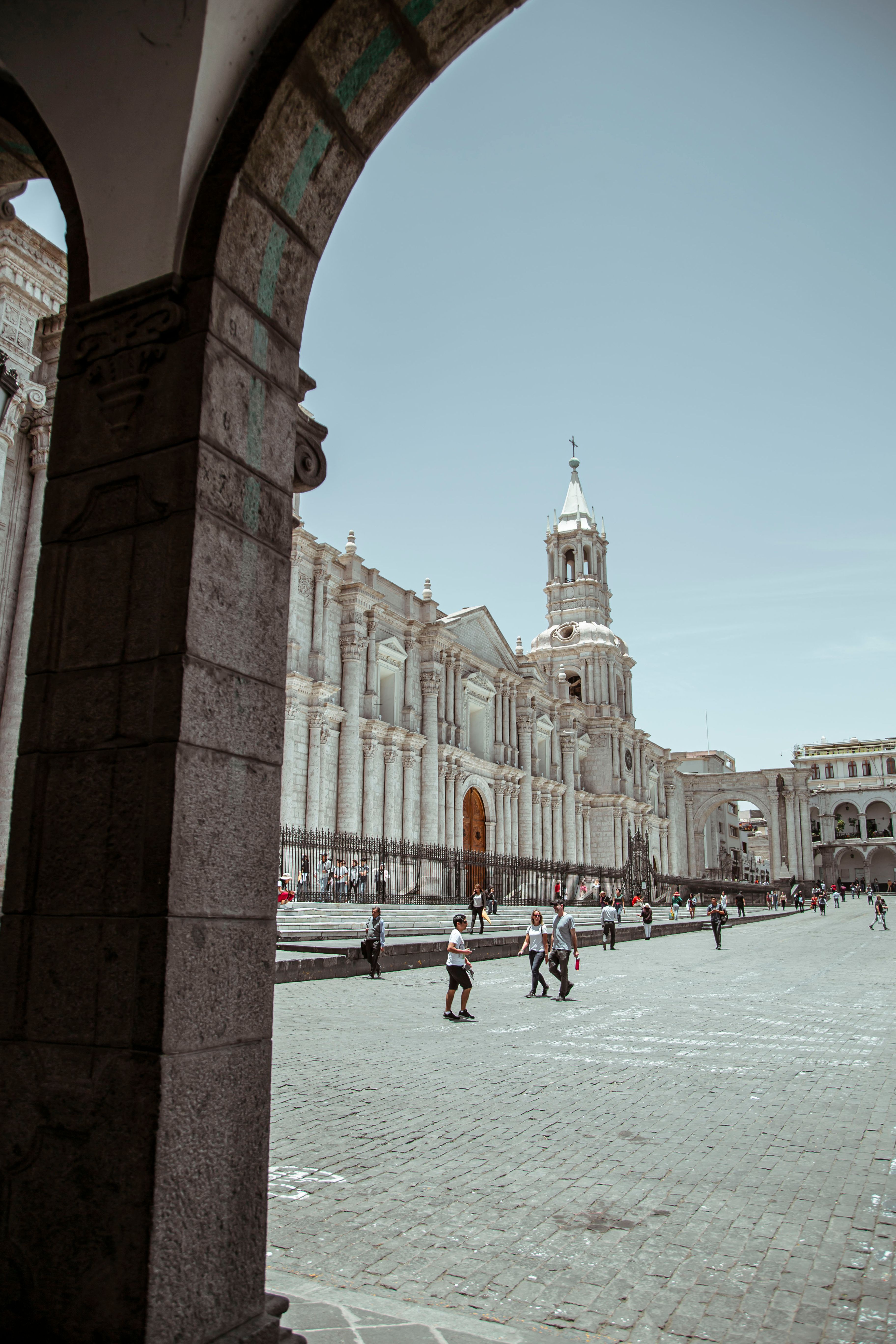
Wikipedia
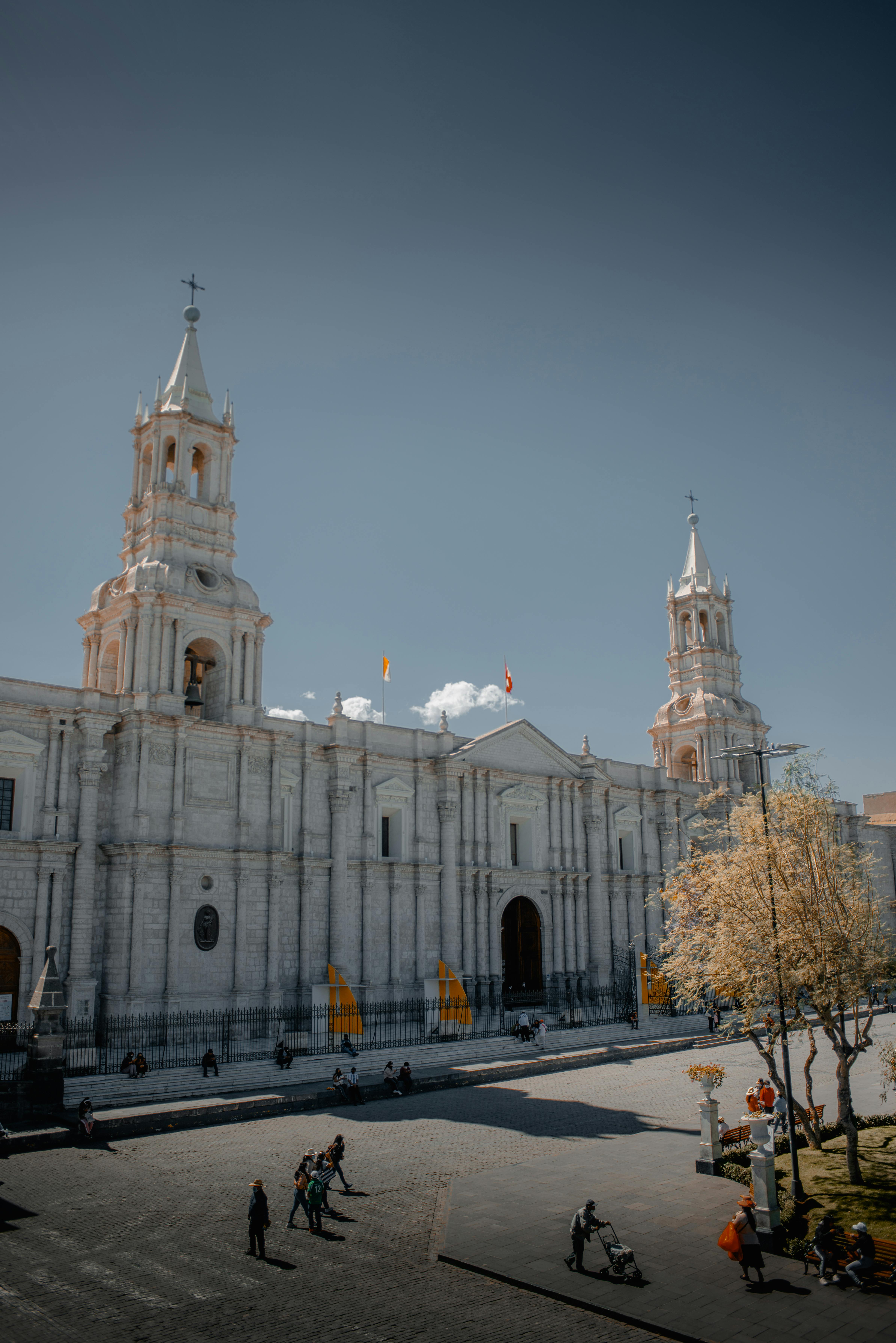
Plaza de Armas
The beating heart of Arequipa, framed by the cathedral and colonial-era arcades. It is a stunning spot for people-watching and photography.
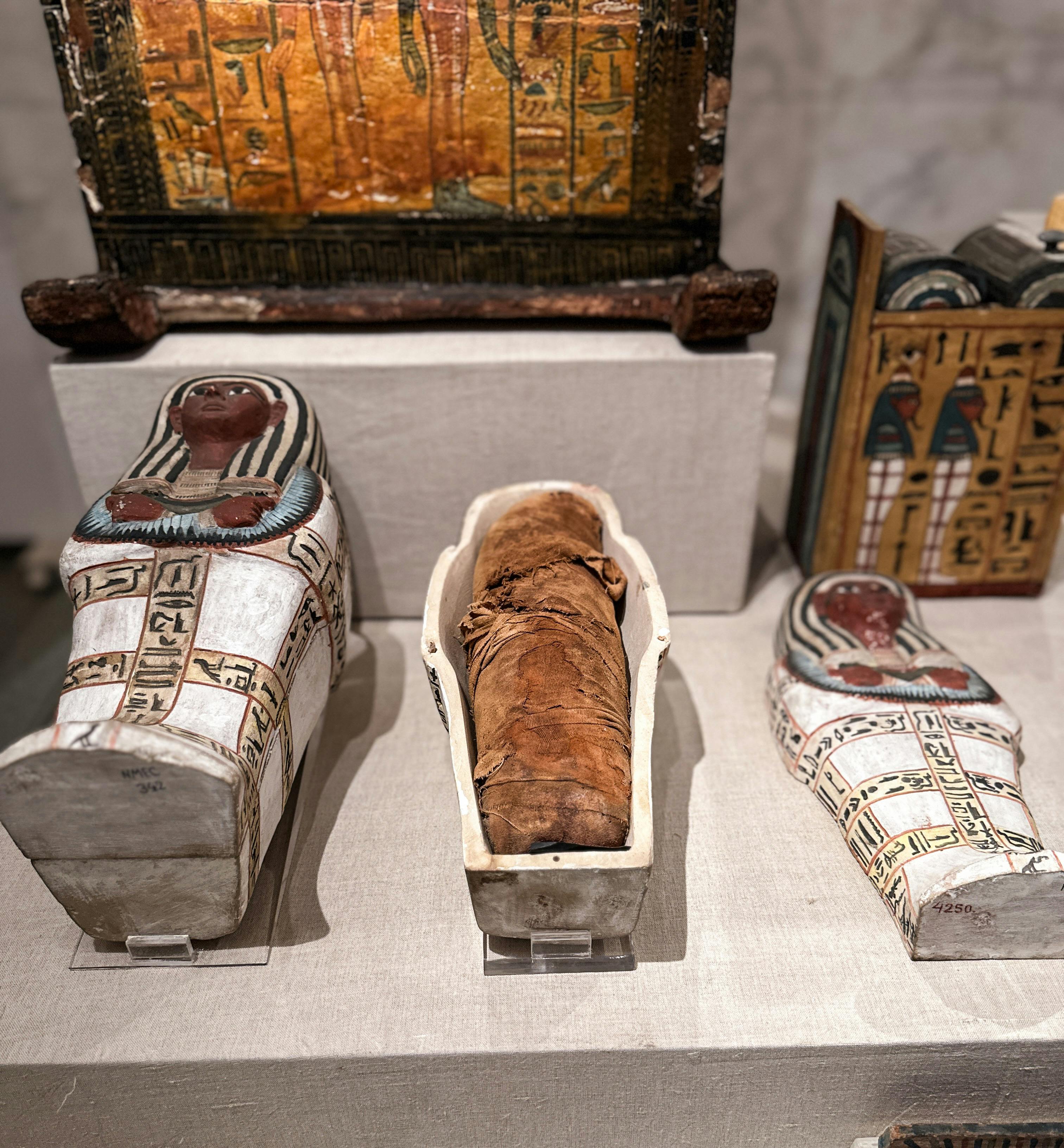
Wikipedia
Museo Santuarios Andinos
This museum houses the famous 'Juanita,' an Inca girl preserved in ice for over 500 years. It provides haunting insight into high-altitude Inca sacrificial traditions.
Official Peru Tourism
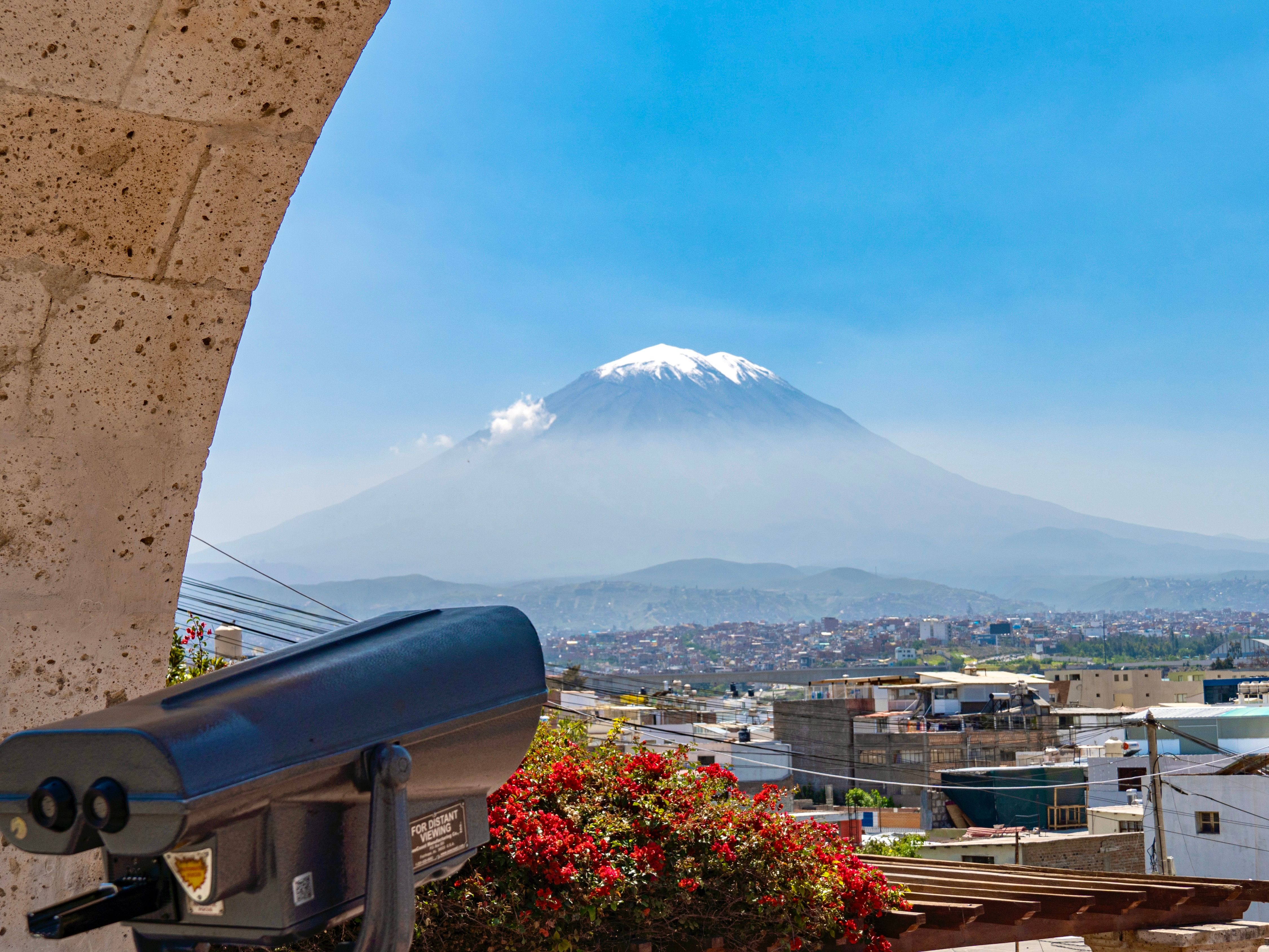
Yanahuara Viewpoint
Located slightly outside the center, this viewpoint offers the most iconic frame for viewing the El Misti volcano. It is especially beautiful at sunset.
Wikipedia
San Camilo Market
Experience the authentic flavor of Arequipa at this bustling local market. It is the best place to find fresh juices, local cheeses, and regional specialties.

Work & Connectivity
Stay connected wherever you work
The nomad community here is real — cafés and coworking spaces where you can work and meet others.
Selina Arequipa
A well-equipped space catering specifically to nomads with reliable Wi-Fi and networking events.
Coworking Arequipa
A focused environment for professionals who need a quiet space to get work done.
Budget & Costs
What it costs to live in Arequipa
Choose your lifestyle tier. Comfortable = furnished accommodation, local + occasional Western food, transport, leisure.
$584
per month · USD · comfortable lifestyle
ModerateFurnished studio, local restaurants, transport, and weekend trips.
Exchange rates
Check xe.com or your bank for current USD to local currency.
Check xe.com or your bank for current USD to local currency.
🏠 Rent 45%$263/mo
🍽️ Food 25%$146/mo
🚌 Transport 5%$29/mo
💡 Utilities 7%$41/mo
🎭 Leisure 12%$70/mo
🏥 Health 6%$35/mo
Connectivity
Well connected to the world
Internet and transport options for remote workers.
📶
Internet
Good — fibre common
Check local providers.
🏢
Coworking
From ~$80/mo
Dedicated spaces available.
🚌
Local Transit
5 / 10
Centro histórico walkable; combis cover the wider city
AQP
Rodríguez Ballón International
8 km from centre
cuscolapazlima
Safety & Visa
Safe, welcoming, and easy to enter
Safety Score6 / 10
✗ Tap Water✓ Night Safe📞 105
Visa
Check your entry options
Many nationalities get visa-free or visa-on-arrival. Check official government sources for your citizenship before travel.
Culture & Festivals
Local soul, nomad-friendly
Multiculturalism5/10
Foodie Scene6/10
⛰️ Mountain City❄️ Cool Climate🌋 Volcanoes🎯 Best Value🏛️ White City🏞️ Diverse Landscapes👍 Recommended💃 Vibrant Culture💰 Ultra Budget🗣️ Spanish/Portuguese
Aug
Aniversario de Arequipa
Celebrated on August 15 with massive fireworks displays, traditional parades, and city-wide festivities.
Jun
Colca Canyon Season
The optimal month for trekking the canyon and witnessing the flight of the condors.
Mar
Chupe de Camarones Season
The peak season for enjoying Arequipa's most iconic river shrimp soup.
Beyond the city limits, the landscape changes rapidly from arid canyons to high-altitude lagoons. Consider a weekend trip to the Salinas y Aguada Blanca National Reserve to see vicuñas and volcanic peaks.
Food & Nightlife
A feast for every mood
From street food to cafés and nightlife — every meal is an event.
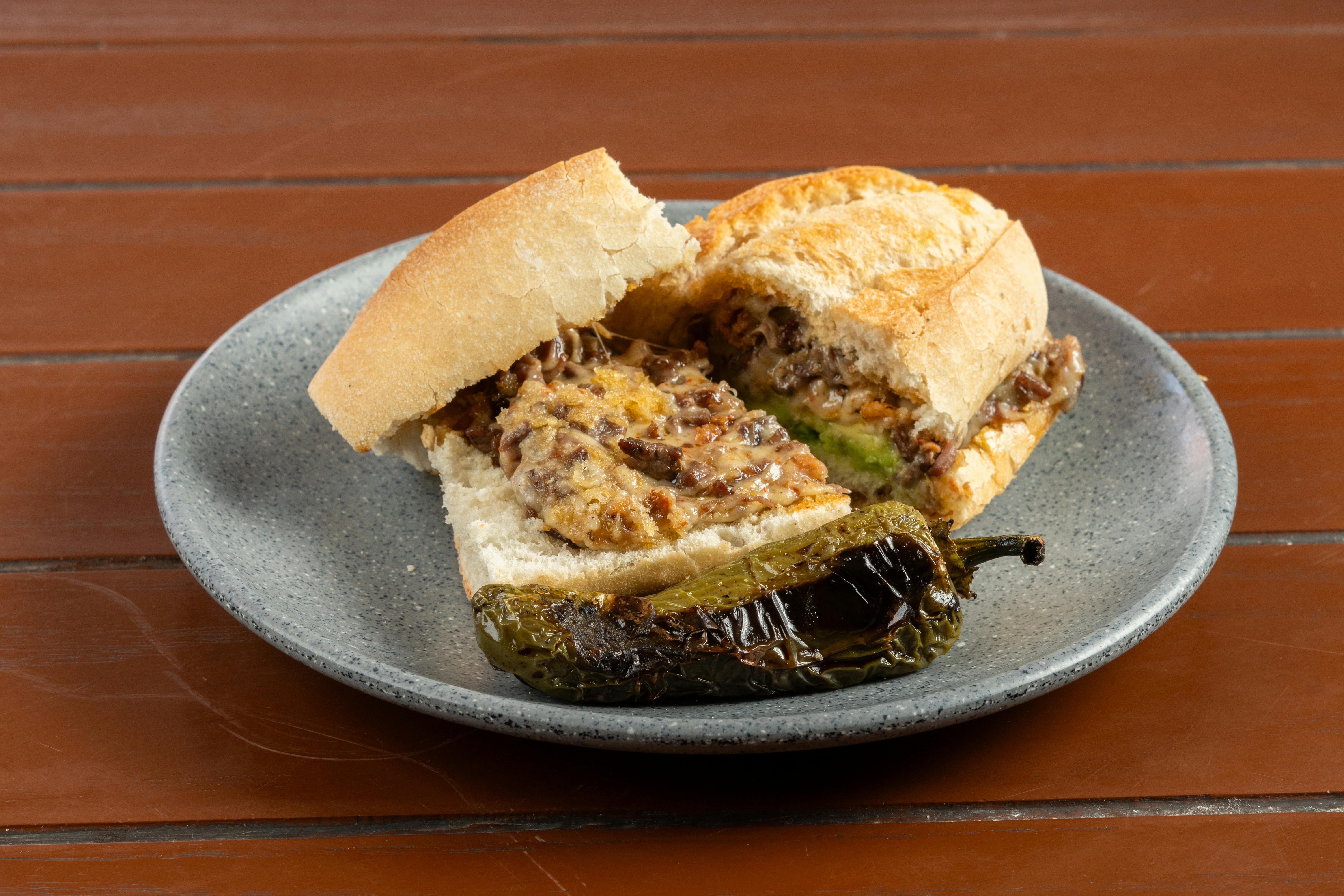
Regional Speciality
Rocoto Relleno
A spicy stuffed pepper dish that is a staple of Arequipan cuisine. It is bold, savory, and incredibly satisfying.
Authentic Dining
Picanterías
Traditional lunch spots where you can enjoy authentic, hearty Arequipan food. Do not leave without trying the Chupe de Camarones.
Climate
Best months: Jan, Feb, Dec
Avg humidity48%
Avg AQI55
The best time to visit Arequipa is during the months of January, February, and December. Because of its high altitude, the city enjoys a spring-like climate for the majority of the year, though you should prepare for significant temperature drops once the sun sets. The days are consistently pleasant, averaging 19°C, making it an ideal environment for those who prefer working in cooler temperatures compared to the humid coastal plains.
While there isn't a specific 'bad' time to visit, trekkers should note that the dry season peaks around June, which is the prime time for exploring the nearby Colca Canyon and spotting condors. Regardless of when you arrive, the intense solar radiation at this altitude is a constant factor, so always pack high-SPF sunscreen and a hat to protect against the thin Andean air.
Monthly temperatures °C
BestAvoidShoulder
Practical Info
Everything you need to know
🏥
Healthcare
Medical facilities in the center are adequate for routine needs. Always ensure you have travel insurance, especially if you plan on trekking in the high altitudes of the Colca Canyon.
💱
Money
The local currency is the Peruvian Sol. While credit cards are accepted in tourist areas, keep cash on hand for local markets and smaller transport options.
🌐
Language & Etiquette
Spanish is the primary language. Learning basic phrases will go a long way with locals, who are generally very proud of their city's history and unique identity.
Tips
Quick tips
- Always carry a hat and SPF 50+ sunscreen, even on cloudy days.
- Drink coca tea to help with mild altitude adjustment upon arrival.
- Use Uber instead of flagging down random taxis for better safety.
- Eat lunch at local 'Menu del Dia' spots to save money.
- Always register your canyon tours with licensed, reputable agencies.
- Tap water is not drinkable; stick to bottled or filtered water.
- Explore the San Camilo Market early in the morning for the freshest experience.
Further Reading