
Makassar · Indonesia
Overview
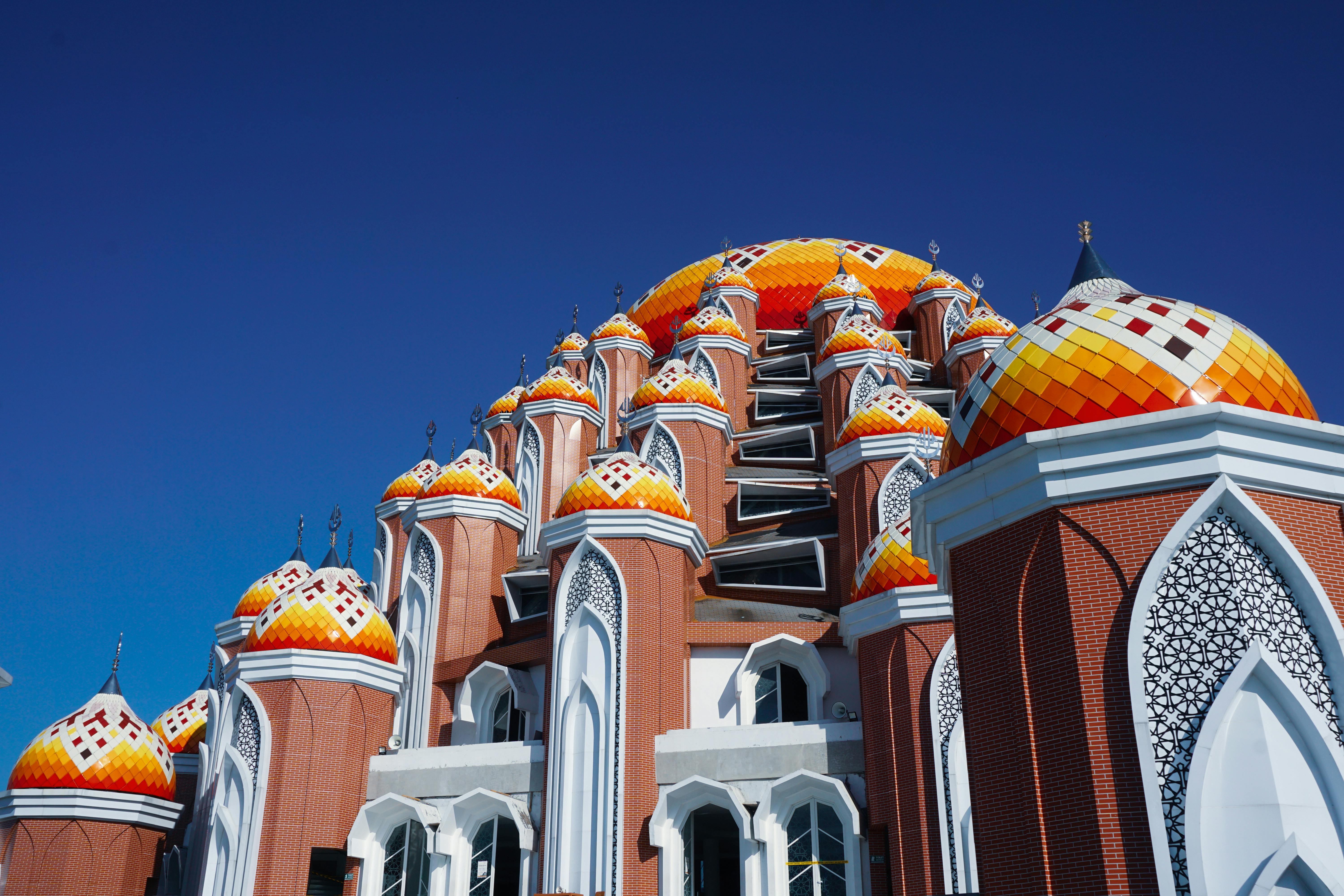
Makassar is where Indonesia's pulse beats strongest; it is a city of grit, spice, and endless maritime horizons.
As the bustling capital of South Sulawesi, Makassar is a city of trade, history, and a rapidly evolving urban landscape. It is not your typical tourist-heavy Indonesian destination; rather, it provides a grounded, authentic look into the archipelago's commerce and maritime culture. Nomads who prioritize immersion over cookie-cutter resort life will find that the cost of living here is remarkably low, allowing for a comfortable lifestyle on a modest budget.
The city's vibe is energetic and unpretentious. While the infrastructure is still catching up to major hubs like Jakarta or Bali, the local hospitality and the wealth of nearby natural wonders—like the karst formations of Maros-Pangkep—make it a compelling base for the adventurous remote worker. Before planning your trip, consider the climate to ensure your remote work setup aligns with the best seasonal conditions.
History
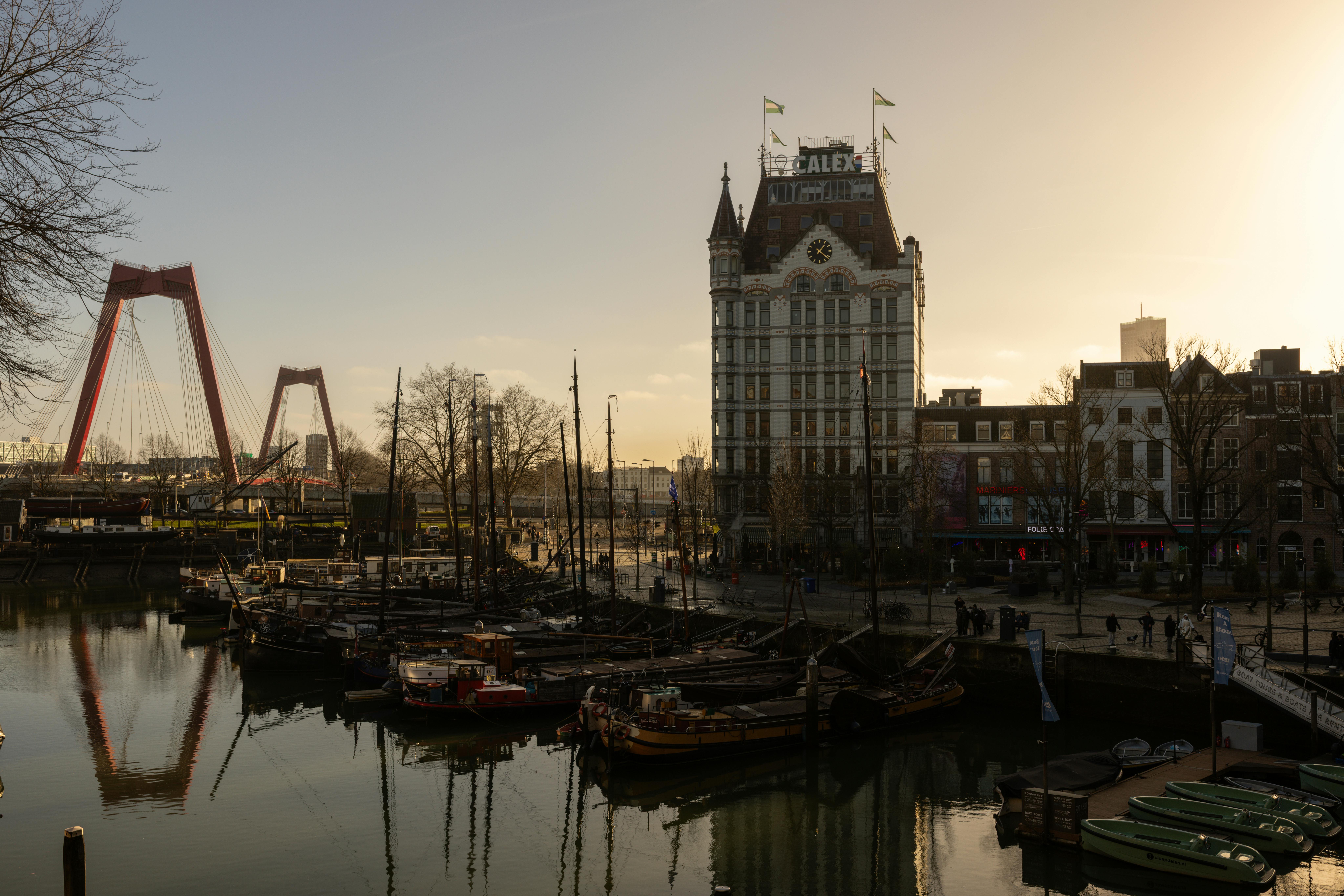
Historically known as Ujung Pandang, Makassar has long served as a critical hub in the spice trade.
Historically known as Ujung Pandang, Makassar has long served as a critical hub in the spice trade. For centuries, it acted as a melting pot for Bugis, Makassar, Malay, and Javanese traders, eventually drawing the attention of European colonial powers. The city's strategic coastal location meant it became a focal point for maritime defense and economic exchange in the eastern Indonesian seas.
In the 17th century, the Sultanate of Gowa held significant power, turning the city into a major port that defied Dutch monopoly ambitions. Following periods of colonial administration and the eventual formation of modern Indonesia, the city has transformed from a spice-trading colonial outpost into a bustling, modern metropolis that remains the primary economic engine of Sulawesi.
1600s
Rise of Gowa-TalloMakassar became the most important port in eastern Indonesia, known as an open trade hub for spices.
1667
Treaty of BongayaThe Dutch East India Company (VOC) gained control over the port, drastically changing the regional power structure.
1971
Name ChangeThe city was officially renamed Ujung Pandang to strip away some of its colonial-era associations.
1999
Return to RootsThe city officially reclaimed its historical name, Makassar, reflecting a pride in its regional heritage.
Where to Stay
Choose your base camp
Distinct neighbourhoods, different rhythms. Pick the one that fits your work-life balance.
Budget Favourite
Panakkukang
This is a bustling commercial district filled with shopping malls and budget-friendly accommodation. It is highly convenient for nomads who want everything within reach.
City Vibe
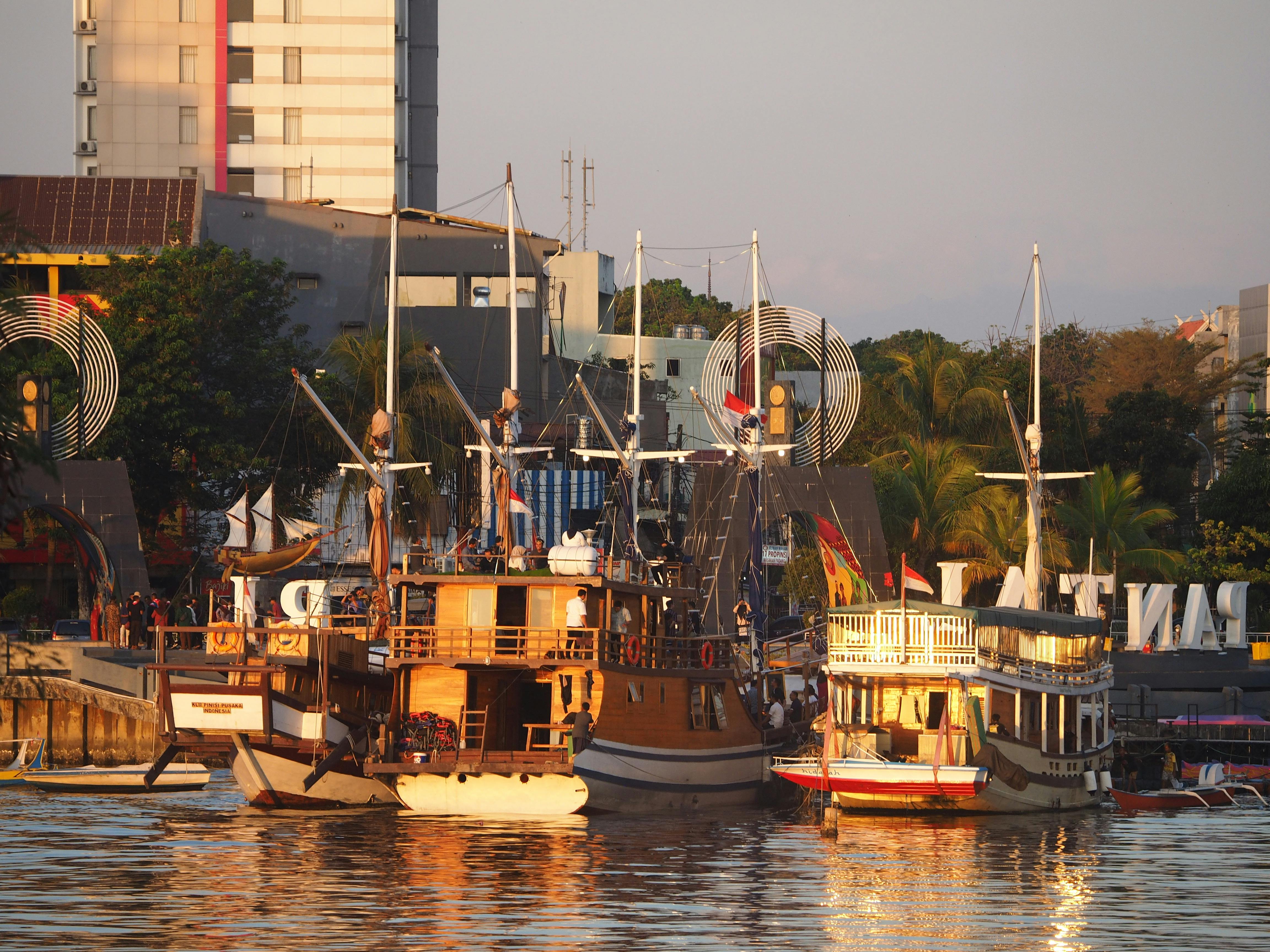
Losari Waterfront
Perfect for those who want to be close to the action and the sea. You will find higher-end hotels and a variety of dining options along the coast.
Places to Go
The experiences that will make you never leave
These aren't tourist checkboxes — they're the experiences that reset your sense of what's normal.

Top Pick
Fort Rotterdam
This 17th-century Dutch fortress is one of the best-preserved historical sites in the city. It currently houses a museum dedicated to the history of the South Sulawesi region and serves as a quiet space for a walk.
Official Tourism Info
Losari Beach
The iconic waterfront promenade is the heart of Makassar's social life. It is the perfect place to watch the sunset, try local street food, and observe the daily rhythm of the city.

Work & Connectivity
Stay connected wherever you work
The nomad community here is real — cafés and coworking spaces where you can work and meet others.
Kopiloka
A popular choice for remote workers looking for a relaxed atmosphere, reliable Wi-Fi, and excellent local coffee.
Kolega Makassar
A dedicated coworking space that offers professional amenities, making it a great base for those needing a focused office environment.
Budget & Costs
What it costs to live in Makassar
Choose your lifestyle tier. Comfortable = furnished accommodation, local + occasional Western food, transport, leisure.
$584
per month · USD · comfortable lifestyle
ModerateFurnished studio, local restaurants, transport, and weekend trips.
Exchange rates
Check xe.com or your bank for current USD to local currency.
Check xe.com or your bank for current USD to local currency.
🏠 Rent 44%$256/mo
🍽️ Food 31%$183/mo
🚌 Transport 13%$73/mo
💡 Utilities 9%$55/mo
🎭 Leisure 3%$18/mo
🏥 Health 0%$0/mo
Connectivity
Well connected to the world
Internet and transport options for remote workers.
📶
Internet
Good — fibre common
Check local providers.
🏢
Coworking
From ~$80/mo
Dedicated spaces available.
🚌
Local Transit
5 / 10
Scooter and taxi common.
20 km from centre
Safety & Visa
Safe, welcoming, and easy to enter
Safety Score6 / 10
✗ Tap Water✓ Night Safe📞 112 or local emergency number
Visa
Check your entry options
Many nationalities get visa-free or visa-on-arrival. Check official government sources for your citizenship before travel.
Culture & Festivals
Local soul, nomad-friendly
Multiculturalism5/10
Foodie Scene5/10
Remote work
Aug
Makassar International Writers Festival
A vibrant event celebrating literature and culture, often drawing local and international talent to the city.
Makassar is the ideal jumping-off point for exploring Tana Toraja, the unique highland region of South Sulawesi famous for its elaborate funeral rites and traditional architecture.
Food & Nightlife
A feast for every mood
From street food to cafés and nightlife — every meal is an event.
Street Food
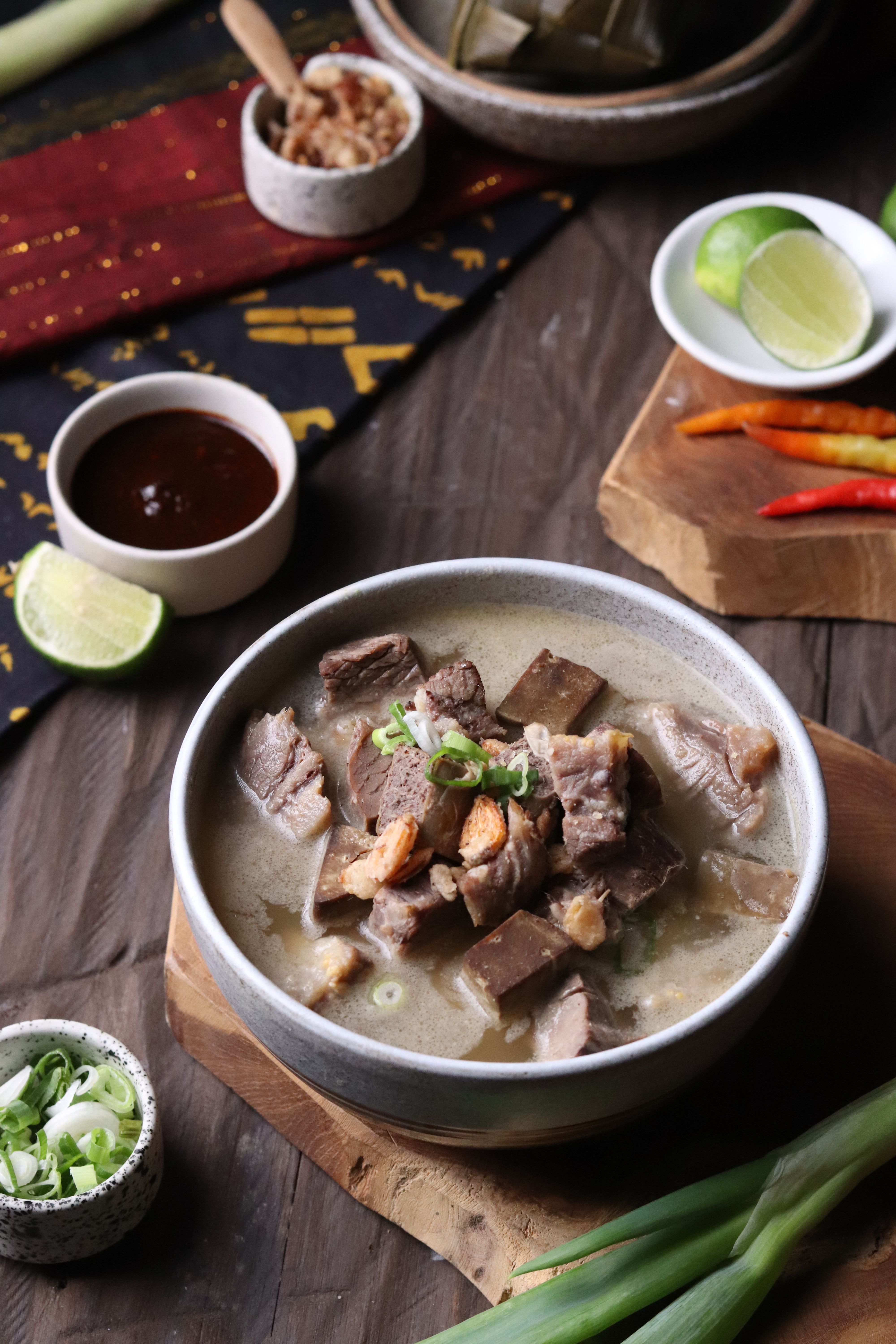
Coto Makassar
You cannot leave the city without trying this signature beef soup, which is often served with ketupat (rice cakes). It is a hearty and affordable staple.
Local Fare
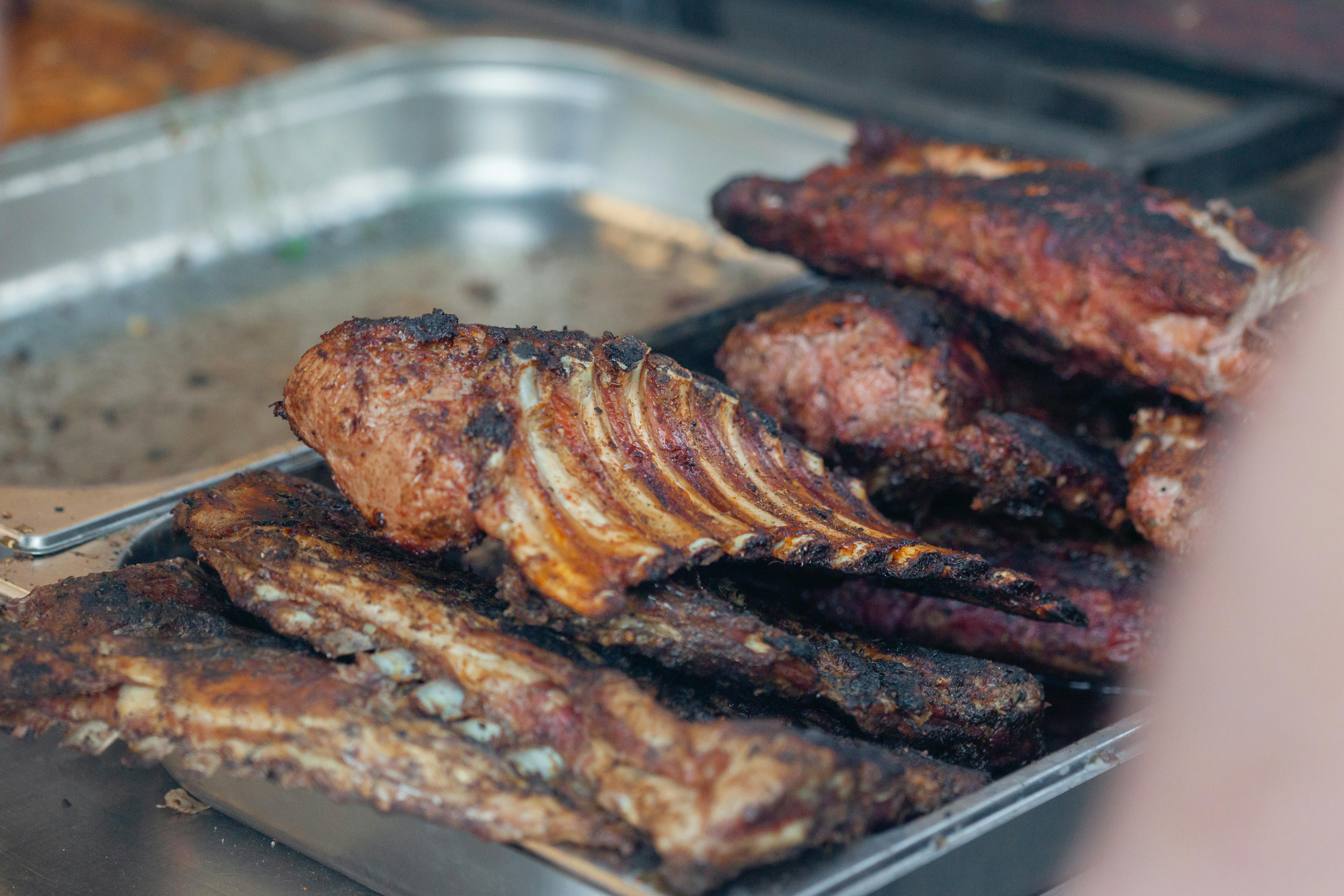
Konro Bakar
This grilled rib dish is marinated in rich, dark spices and is widely considered one of the must-try culinary experiences in South Sulawesi.
Climate
Best months: Jan, Feb, Mar, Nov, Dec
Avg humidity81%
Avg AQI40
The best time to visit Makassar is during the drier months, which generally span from November through March. During this window, you can enjoy the city’s outdoor attractions and coastal areas with significantly less disruption from tropical rainfall, making it the ideal time for exploring both the urban center and nearby natural sites.
While Makassar remains accessible year-round, the heavy monsoon season can occasionally impact travel logistics in the broader Sulawesi region. If you are planning extended stays during the wetter months, focus on building a robust local network and utilize the many indoor cafes and coworking spaces that keep the city productive regardless of the weather outside.
Monthly temperatures °C
BestAvoidShoulder
Practical Info
Everything you need to know
🏥
Healthcare
Medical facilities are available, though for serious conditions, many expatriates prefer to travel to larger medical hubs like Singapore or Jakarta. Keep your travel insurance up to date and carry a basic first-aid kit.
💱
Money
The Indonesian Rupiah is the local currency. While malls and larger restaurants accept cards, carrying cash is essential for street food, local transport, and smaller 'warungs'.
🌐
Connectivity
Mobile connectivity is strong across the city, and local SIM cards are very affordable. Always ensure you purchase your data packages from a reputable provider to avoid service disruptions.
Tips
Quick tips
- Always use Gojek or Grab for fair-priced transport.
- Try to learn basic Bahasa Indonesia; it goes a long way with locals.
- Avoid drinking tap water; stick to bottled or filtered water.
- Carry a power bank for your devices as power fluctuations can occur.
- The best way to see the city is by foot early in the morning before the heat peaks.
Further Reading