Surabaya · Indonesia
Overview
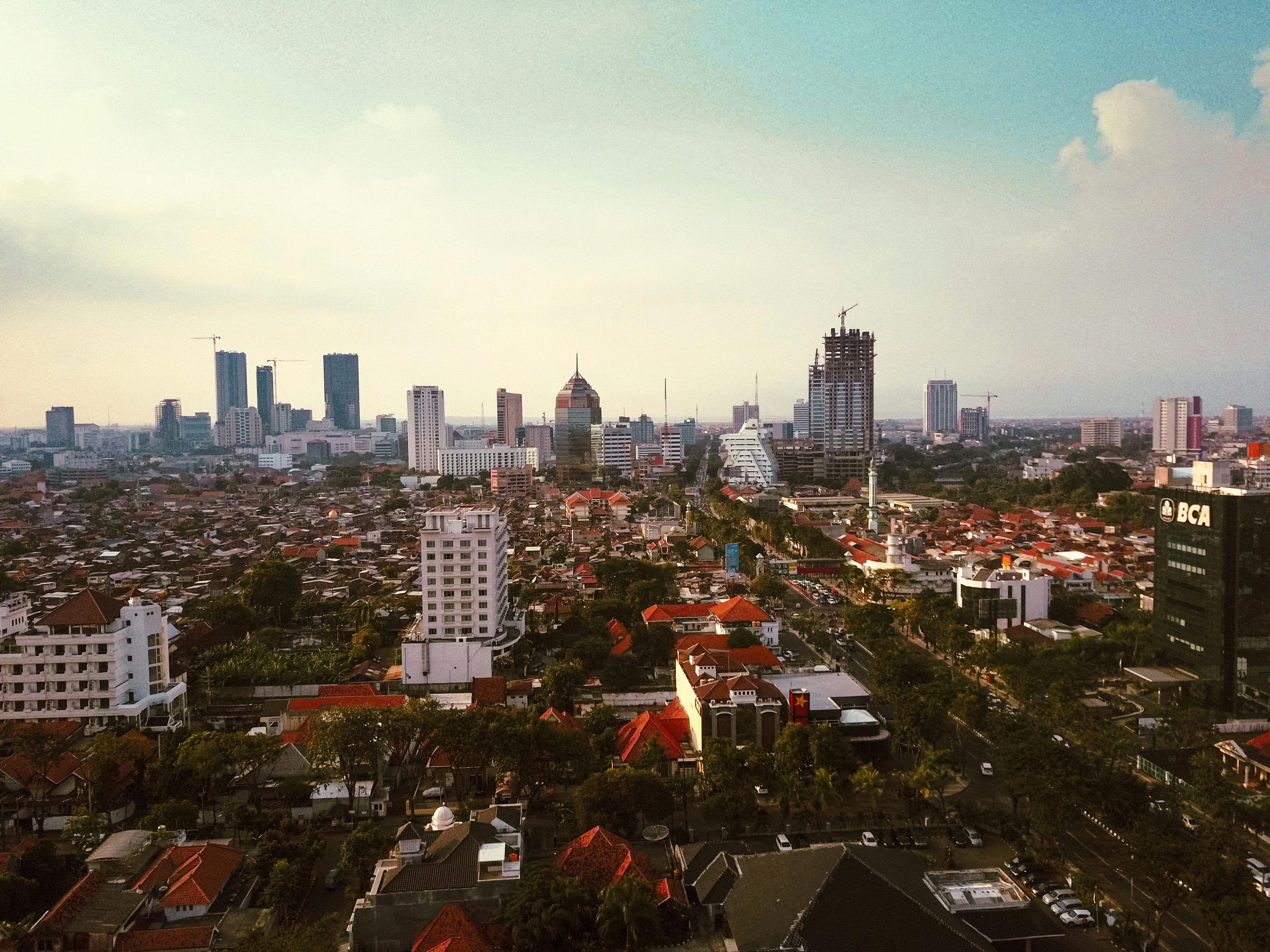
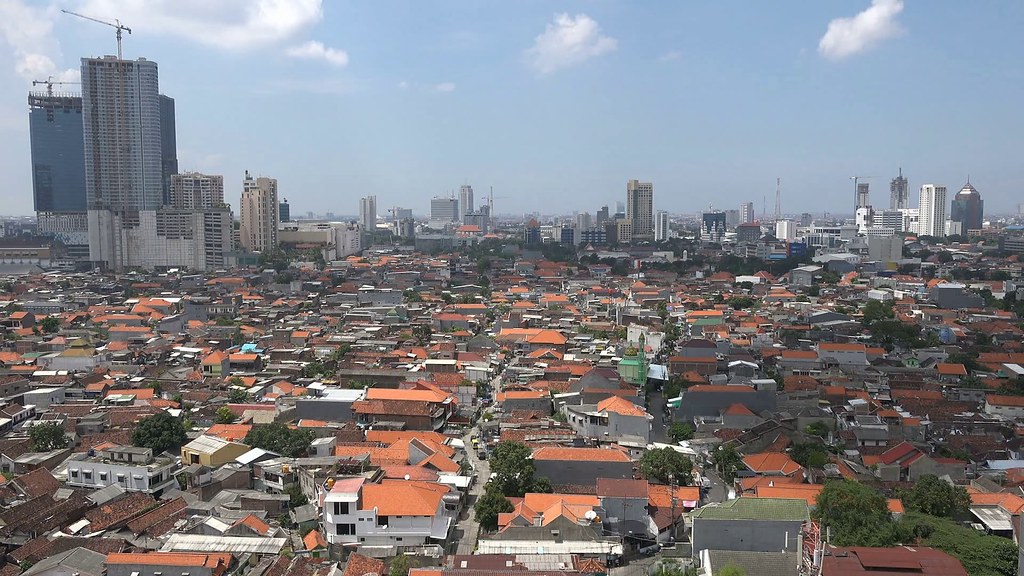
Surabaya is the heartbeat of East Java; it is raw, industrious, and surprisingly welcoming to those looking for a truly authentic Indonesian experience.
As the capital of East Java, Surabaya is often overlooked by travelers flocking to Bali or Jakarta, yet it holds a unique charm for digital nomads. The city serves as a vital commercial hub, where traditional Javanese culture meets the fast-paced energy of a modern Indonesian metropolis. Nomads will find a community that is professional, welcoming, and deeply rooted in the history of Indonesia's independence struggle.
The city provides a gritty, authentic experience that is rare in more tourist-saturated regions of the country. Whether you are navigating the historic Arab Quarter or working from a high-speed fiber-optic enabled cafe in the city center, Surabaya caters to those who prefer substance over superficial tourism. Be sure to reference our Cost of living in Surabaya data to plan your budget effectively, and consult our Climate guide to optimize your visit.
History
Surabaya has a storied past as one of the oldest cities in Indonesia, rising from a small trading vi…
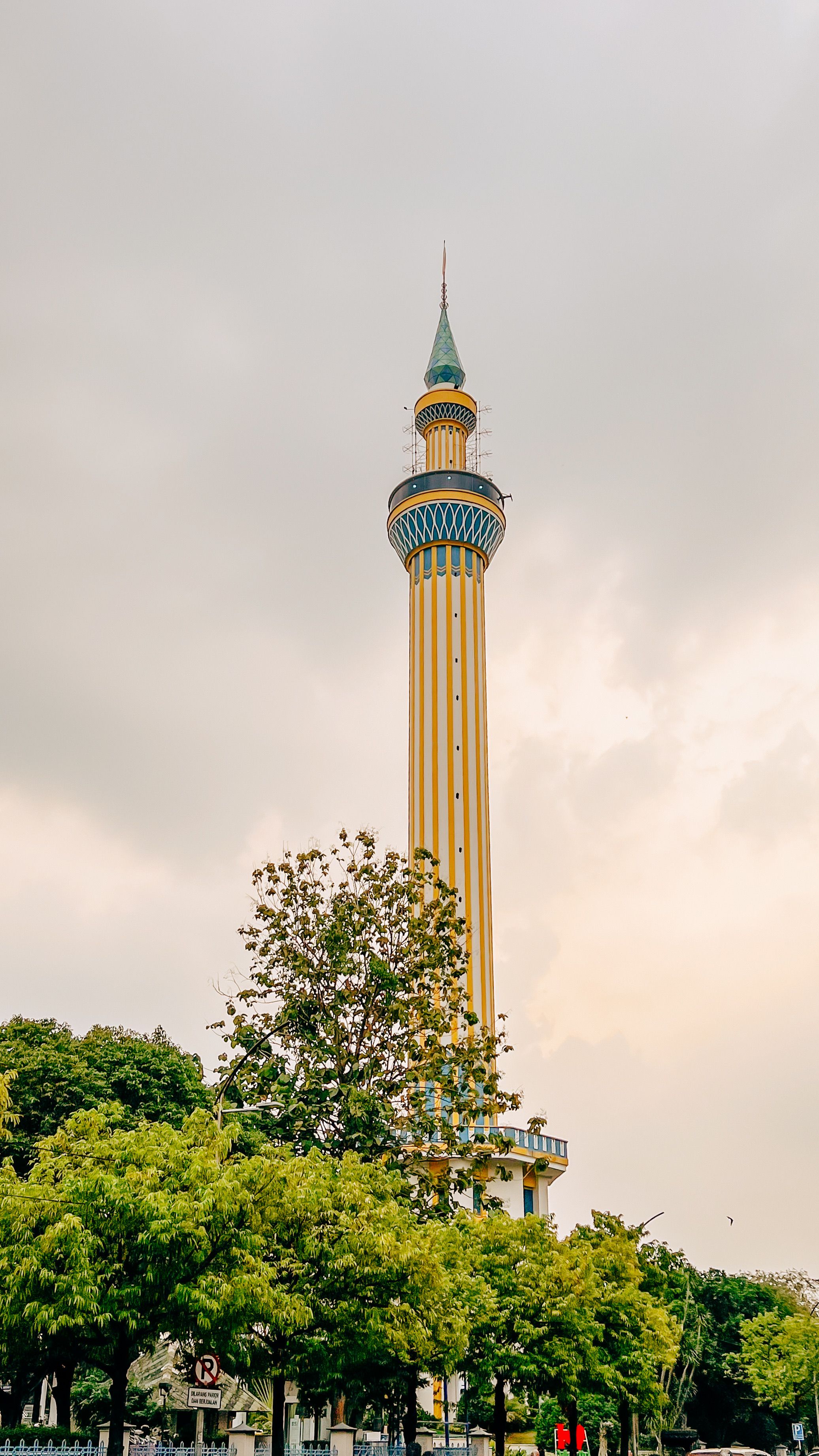
Surabaya has a storied past as one of the oldest cities in Indonesia, rising from a small trading village to a major maritime power during the Majapahit Empire. Its strategic location on the Brantas River delta made it a coveted prize for various regional kingdoms and later, the Dutch colonial administration, who transformed the city into a primary port and commercial center.
The city is most famous in modern Indonesian history as the site of the Battle of Surabaya in 1945, a pivotal struggle against British and Dutch forces that solidified the nation's resolve for independence. Today, the city honors this legacy through its numerous museums and monuments, serving as a 'City of Heroes' that reminds visitors of its resilience and pride.
1293
Establishment of Majapahit InfluenceSurabaya gained prominence as a key harbor city during the rise of the powerful Majapahit Empire.
1600s
Dutch East India CompanyThe VOC established a trade presence, gradually exerting colonial control over the city's prosperous port.
1945
Battle of SurabayaIndonesian nationalists fought a massive battle against Allied forces, which later became a symbol of national independence.
1990s
Modern Urban ExpansionThe city underwent massive infrastructural development, including the construction of the Suramadu Bridge to connect to Madura Island.
Where to Stay
Choose your base camp
Distinct neighbourhoods, different rhythms. Pick the one that fits your work-life balance.
Budget Favourite
Gubeng
A central area popular with students and long-term renters. It offers affordable 'kost' (boarding house) style living and proximity to major rail and bus transit points.
Urban Convenience
Central District
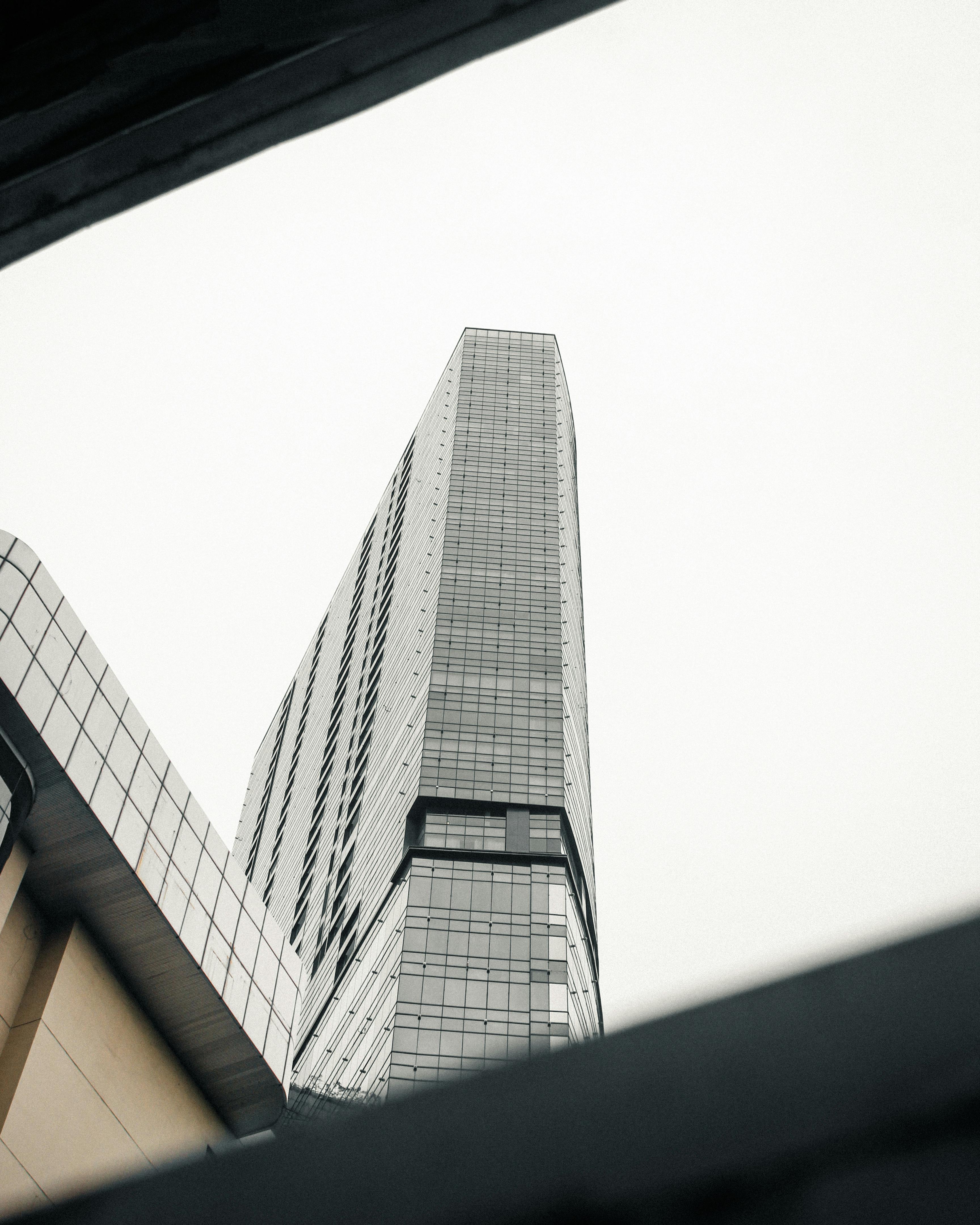
The heart of the city where high-end apartment complexes and large shopping malls are concentrated. It is the best place to live if you prioritize modern amenities and fast internet.
Places to Go
The experiences that will make you never leave
These aren't tourist checkboxes — they're the experiences that reset your sense of what's normal.
Top Pick
House of Sampoerna
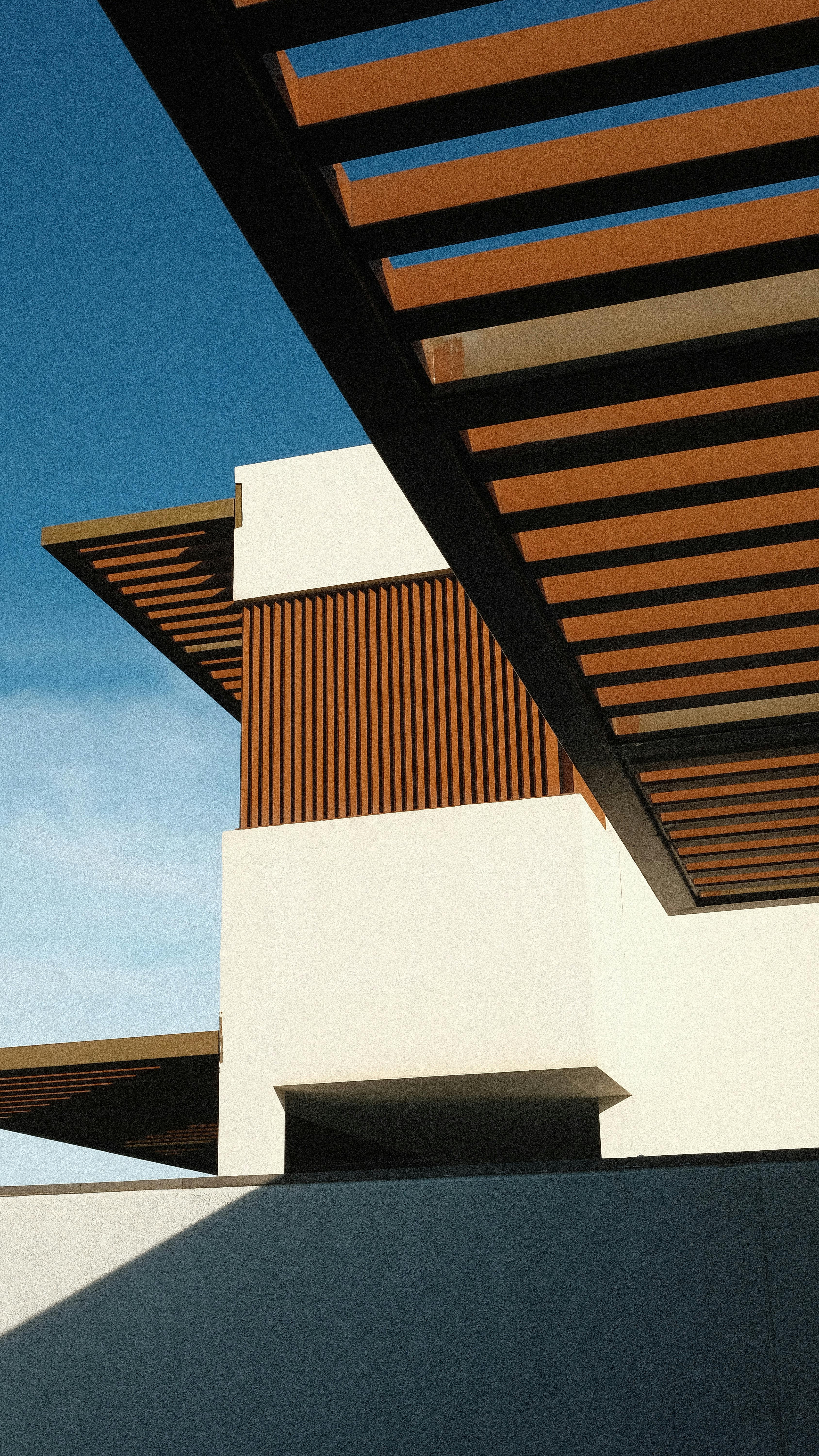
This historic tobacco museum and factory provides deep insight into the city's industrial heritage. It features beautifully preserved colonial architecture and exhibits on the history of Indonesia's clove cigarette industry.
Wikipedia Entry
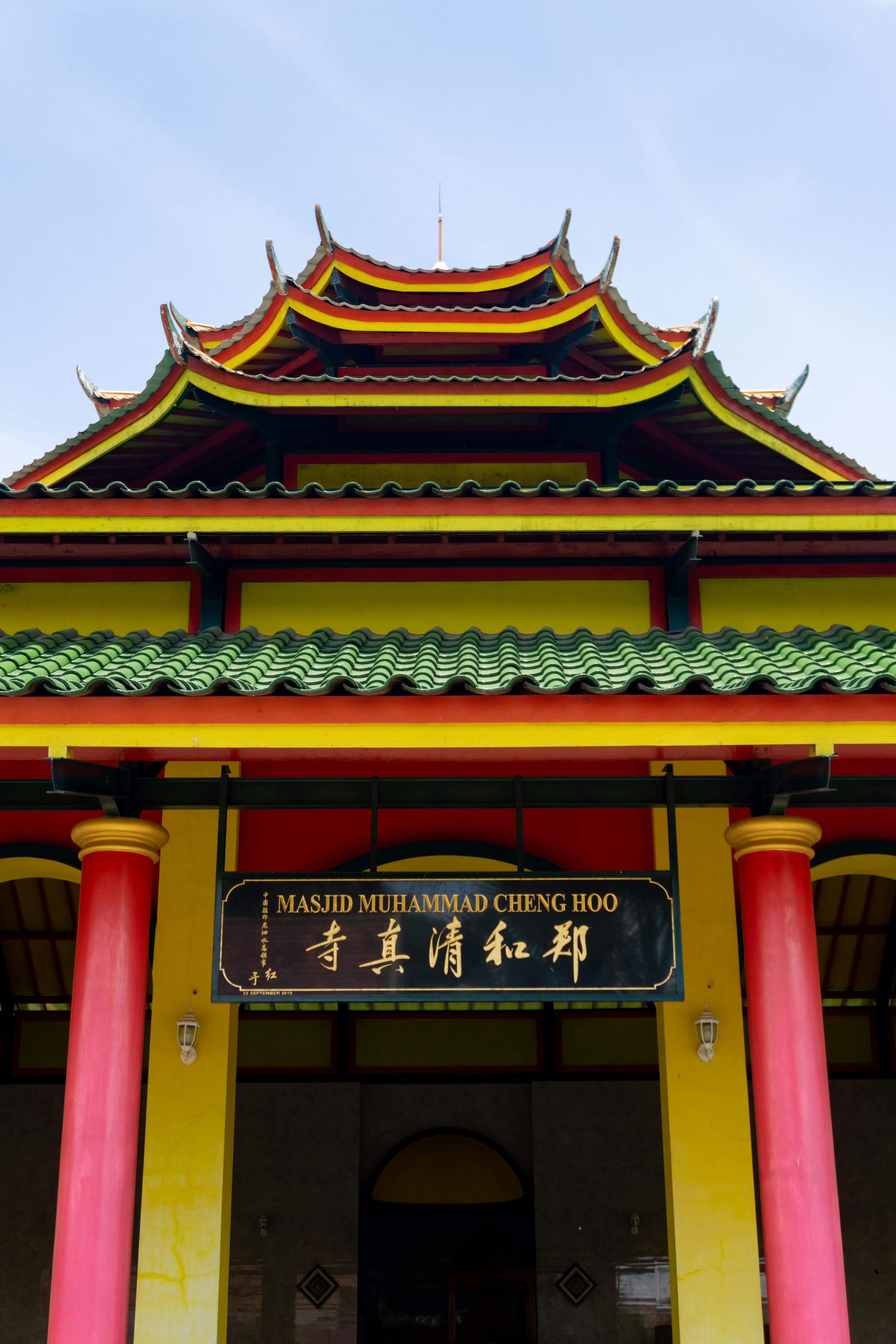
Cheng Ho Mosque
A unique architectural blend of traditional Chinese and Islamic design, this mosque honors Admiral Zheng He. It is a peaceful, colorful landmark that stands as a testament to the city's cultural diversity.
Work & Connectivity
Stay connected wherever you work
The nomad community here is real — cafés and coworking spaces where you can work and meet others.
CoWork/ReWork
A dedicated space for professionals providing stable internet and a quiet atmosphere. Perfect for focused work sessions.
Budget & Costs
What it costs to live in Surabaya
Choose your lifestyle tier. Comfortable = furnished accommodation, local + occasional Western food, transport, leisure.
$767
per month · USD · comfortable lifestyle
ModerateFurnished studio, local restaurants, transport, and weekend trips.
Exchange rates
Check xe.com or your bank for current USD to local currency.
Check xe.com or your bank for current USD to local currency.
🏠 Rent 44%$329/mo
🍽️ Food 27%$201/mo
🚌 Transport 5%$37/mo
💡 Utilities 10%$73/mo
🎭 Leisure 12%$91/mo
🏥 Health 2%$18/mo
Connectivity
Well connected to the world
Internet and transport options for remote workers.
📶
Internet
Good — fibre common
Check local providers.
🏢
Coworking
From ~$80/mo
Dedicated spaces available.
🚌
Local Transit
5 / 10
Scooter and taxi common.
SUB
Juanda International Airport
20 km from centre
bali(canggu)bandunghongkongjakartajohorbahrukualalumpurlombokpenang
Safety & Visa
Safe, welcoming, and easy to enter
Safety Score6 / 10
✗ Tap Water✓ Night Safe📞 112 or local emergency number
Visa
Check your entry options
Many nationalities get visa-free or visa-on-arrival. Check official government sources for your citizenship before travel.
Culture & Festivals
Local soul, nomad-friendly
Multiculturalism5/10
Foodie Scene5/10
Remote work
May
Surabaya Anniversary
A month-long series of events including parades, fireworks, and cultural exhibitions to celebrate the city's founding.
Surabaya serves as a convenient gateway for exploring the dramatic landscapes of Mount Bromo and the Ijen Crater, which are accessible via overnight tours from the city.
Food & Nightlife
A feast for every mood
From street food to cafés and nightlife — every meal is an event.

Street Food
Warung Eats
Dive into local 'warungs' for authentic Javanese cuisine like Soto Ayam or Nasi Rawon. It is the most affordable and delicious way to eat on a daily basis.
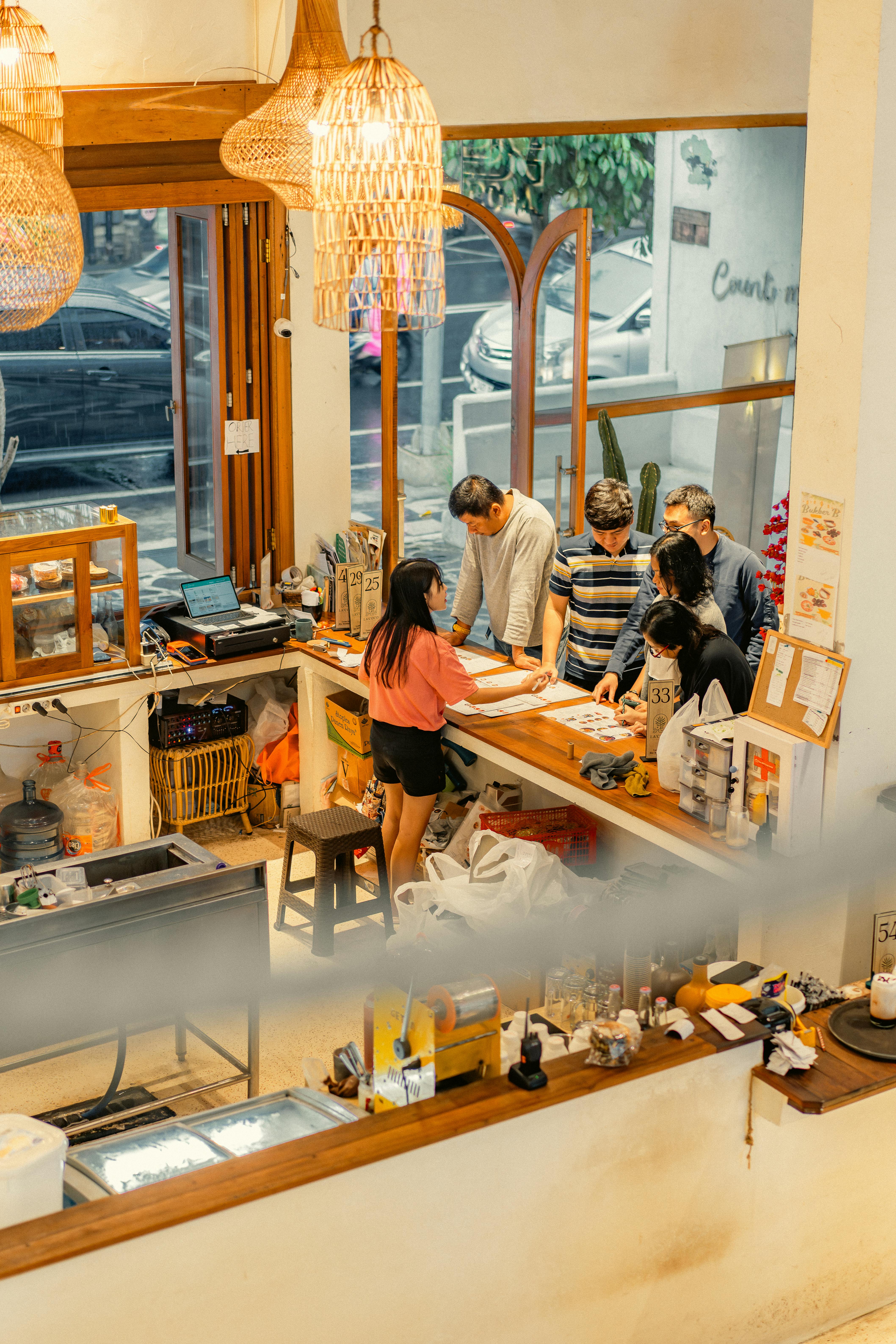
Cafe Culture
Modern Mall Cafes
The city's large malls house a variety of modern cafes that provide consistent coffee quality and comfortable seating for remote workers.
Climate
Best months: Jul, Aug
Avg humidity78%
Avg AQI70
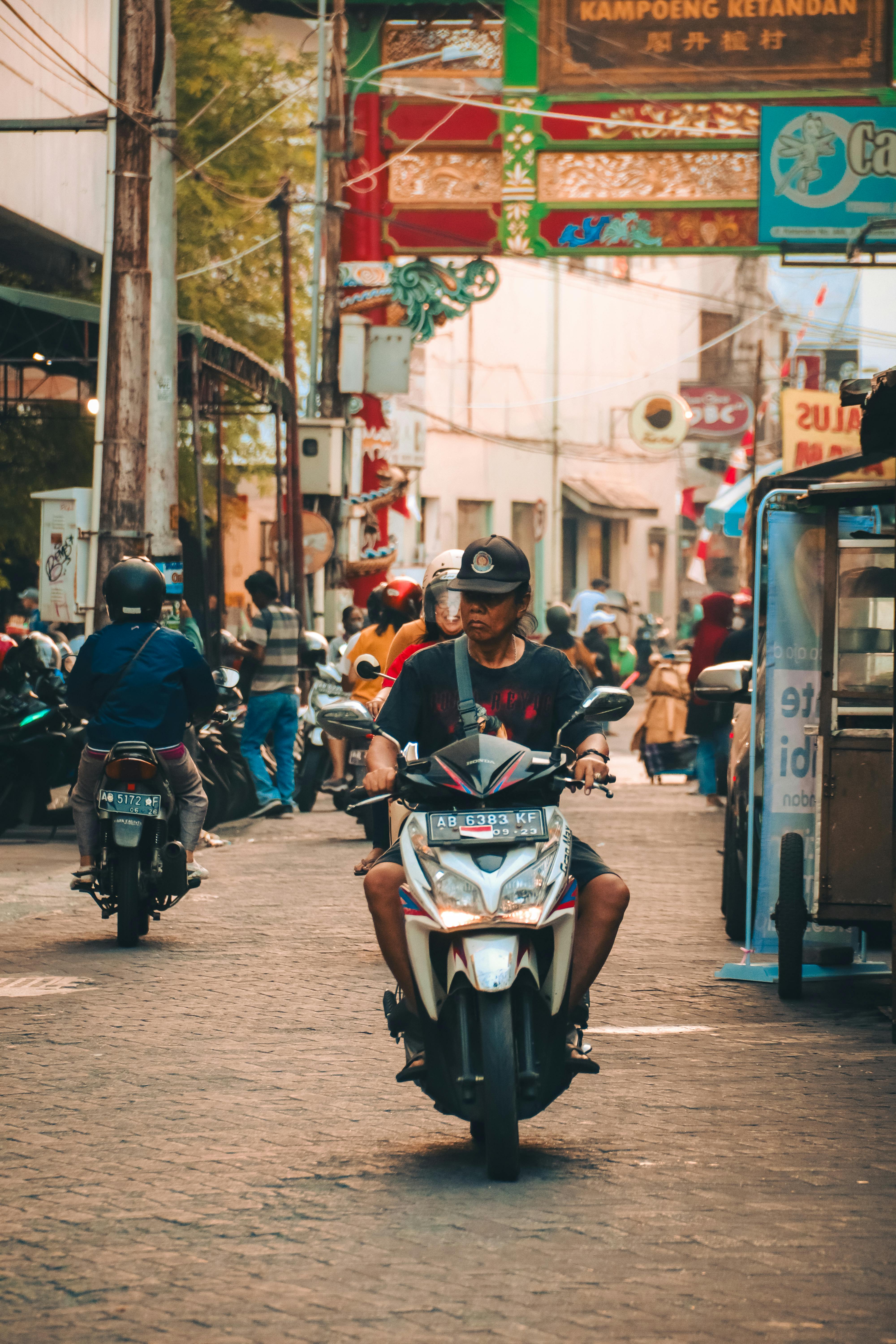
The best time to visit Surabaya is during the dry season, specifically July and August, when the weather is most comfortable for exploring the city's outdoor markets and historic districts. During these months, the humidity is slightly lower, making it significantly easier to navigate the city's bustling streets on foot or by motorcycle taxi.
While the city is accessible year-round, travelers should keep an eye on local weather patterns during the transition months between seasons. Because Surabaya is a major industrial and transit hub, the city remains active throughout the year, offering a consistent environment for long-term stays regardless of the specific calendar month.
Monthly temperatures °C
BestAvoidShoulder
Practical Info
Everything you need to know
🏥
Healthcare
There are several modern hospitals and clinics located throughout the city center. Always ensure you have travel insurance that covers emergency medical evacuation.
💱
Money
The Indonesian Rupiah is the local currency. While credit cards are accepted in malls and hotels, always carry cash for smaller markets and local transportation.
🌐
Language & Etiquette
Bahasa Indonesia is the primary language. Learning a few basic phrases will greatly enhance your local interactions. Modest dress is appreciated, especially when visiting religious sites.
Tips
Quick tips
- Download the Gojek app for seamless transportation and food delivery.
- Always carry a portable power bank for long days of exploring.
- Stick to bottled or filtered water for all drinking needs.
- Try the local specialty, Nasi Rawon, a black beef soup.
- Respect local customs by dressing modestly when entering religious areas.
- Negotiate prices early if visiting traditional open-air markets.
- Use public transport or ride-hailing rather than renting a car yourself.
Further Reading