Yogyakarta · Indonesia
Overview
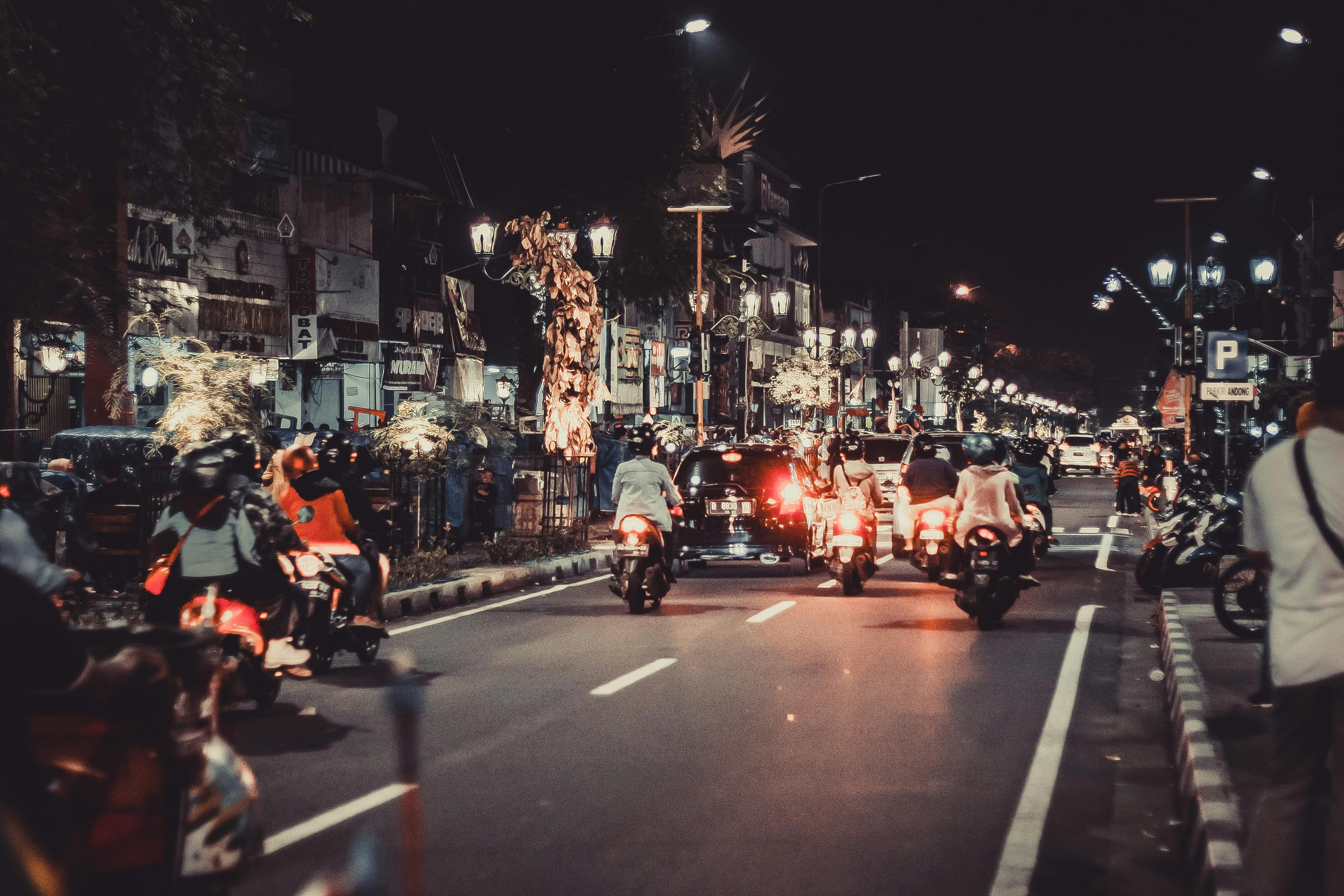
Jogja is not just a place to work; it is a place where you feel the heartbeat of Javanese culture in every street-side conversation and hidden alleyway batik shop.
Yogyakarta is Indonesia’s cultural capital, a city where time seems to slow down just enough for you to appreciate its deep artistic roots and Javanese heritage. For digital nomads, it offers a rare combination of extreme affordability and a thriving creative community that differentiates it from the coastal party hubs of Bali. Whether you are exploring the cost of living advantages or simply seeking a base with a slower pace of life, Jogja provides an authentic, immersive experience.
The city vibe is inherently laid back yet intellectually stimulating, powered by its numerous universities and art galleries. You will find that navigating the climate is easy once you understand the wet and dry seasons, allowing you to focus on work in the morning and temple-hopping or coffee-culture discovery in the afternoons.
History
Yogyakarta stands as the last bastion of the Javanese monarchy, with its history deeply entwined wit…
Yogyakarta stands as the last bastion of the Javanese monarchy, with its history deeply entwined with the Mataram Kingdom. Following the Giyanti Treaty of 1755, the city was officially established as the center of the Yogyakarta Sultanate, a status that still holds significant cultural weight today. The Sultan of Yogyakarta remains a central figure, serving not just as a ceremonial leader but also as the elected governor of the region.
Throughout the 20th century, the city played a pivotal role in Indonesia’s struggle for independence. It served as the nation's capital between 1945 and 1949 during the fight against Dutch colonial forces. Today, this rich history is preserved in its well-maintained palaces, colonial-era architecture, and the thriving traditional arts like puppet theater and batik production.
8th Century
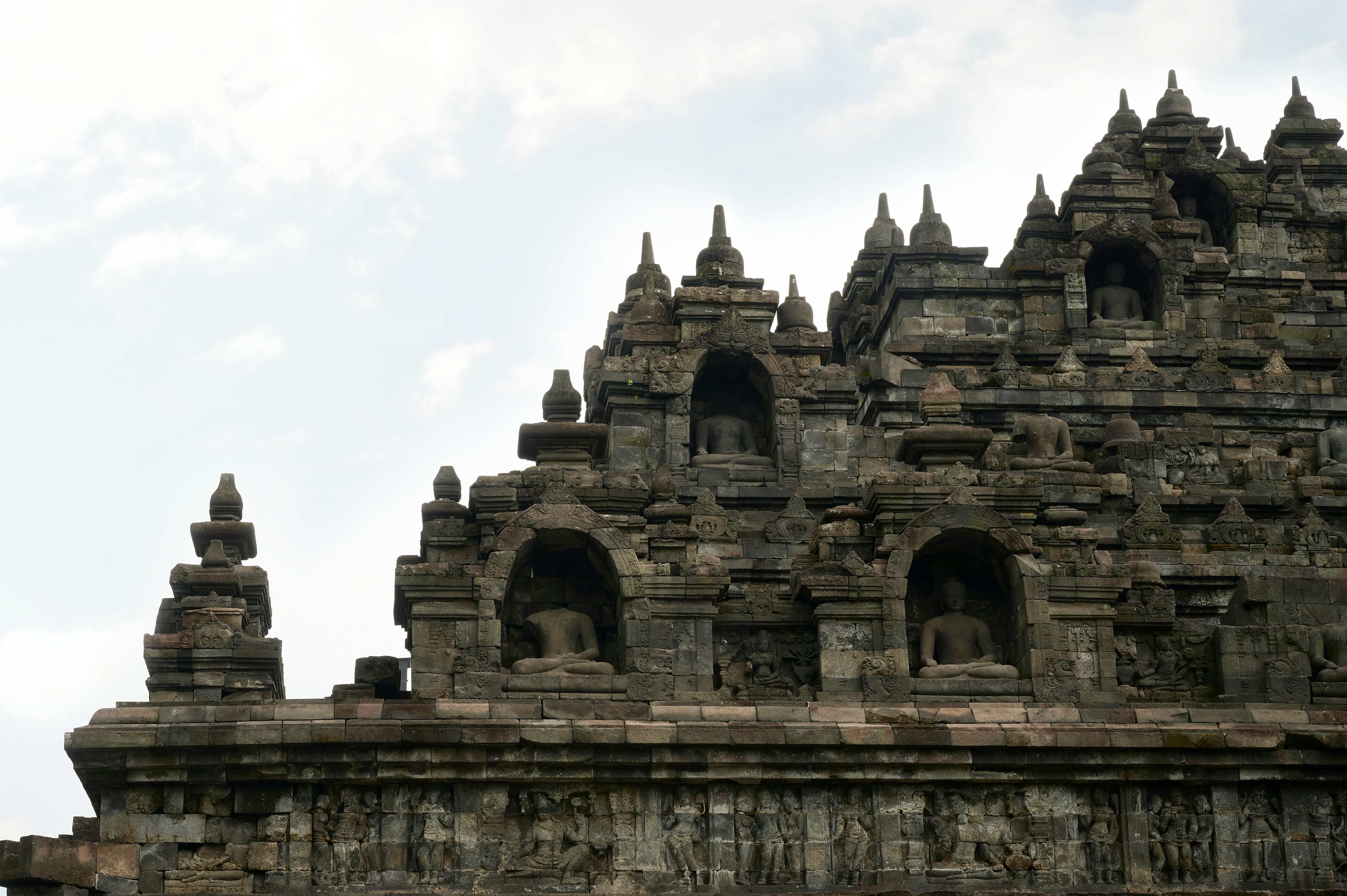
Sailendra DynastyThe construction of massive Buddhist and Hindu monuments like Borobudur and Prambanan begins.
1755
Treaty of GiyantiThe Sultanate of Yogyakarta is formally established, splitting the Mataram Kingdom.
1945
Proclamation of IndependenceYogyakarta becomes the provisional capital of the newly independent Republic of Indonesia.
1949
Return of SovereigntyThe capital is eventually moved to Jakarta, but Yogyakarta retains a special status for its role.
2006
Great EarthquakeA devastating earthquake struck the region, leading to significant rebuilding and restoration of historical sites.
Where to Stay
Choose your base camp
Distinct neighbourhoods, different rhythms. Pick the one that fits your work-life balance.
Budget Favourite
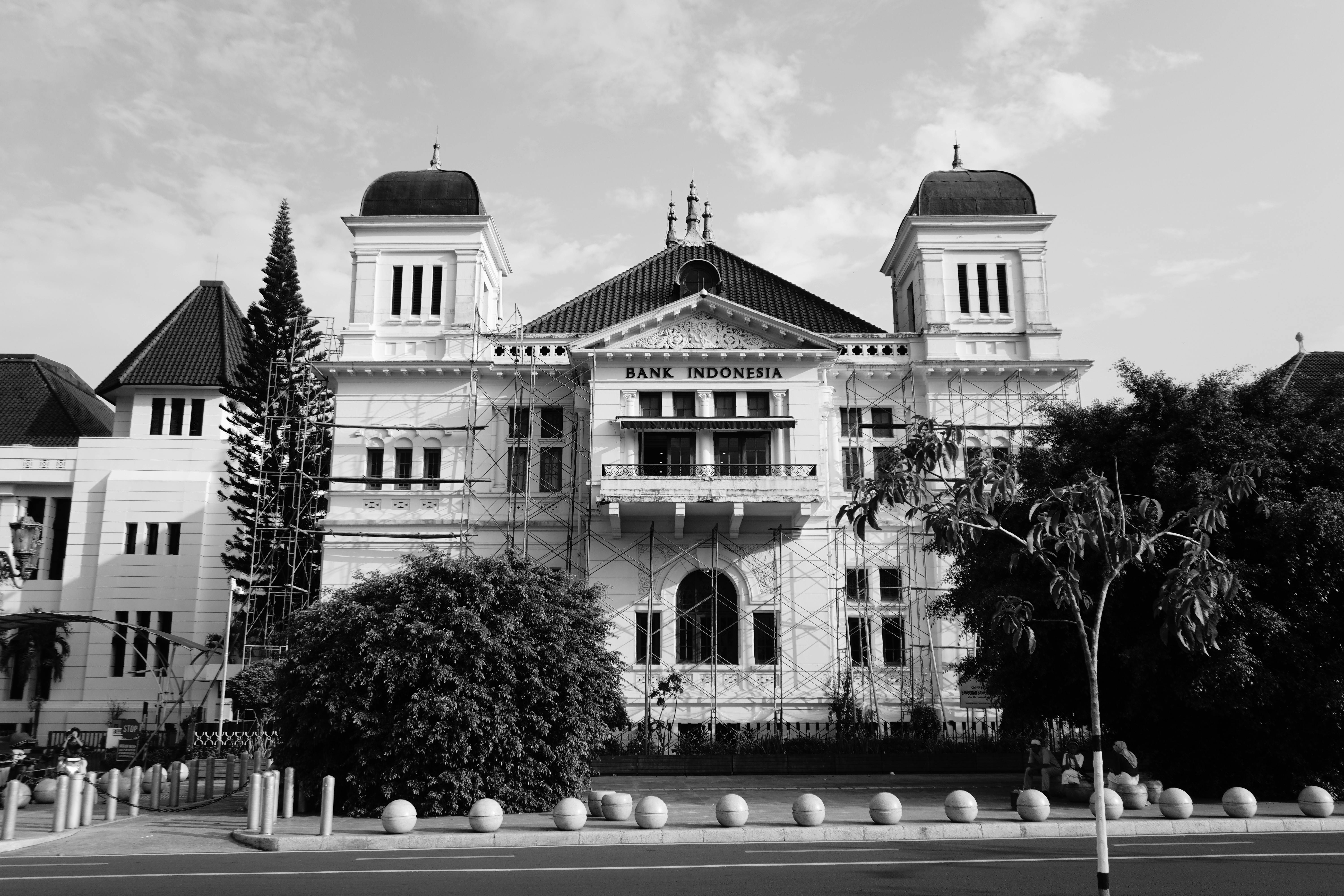
Prawirotaman
The go-to area for many digital nomads, featuring a high concentration of guesthouses and cozy cafes. It remains quiet but well-equipped for longer stays.
Central Hub
City Center
Close to major landmarks like the Sultan's Palace and Malioboro, this area is perfect if you want to be in the middle of all the action.

Modern Living
Sleman
A more northern, slightly cooler residential area favored by students and those looking for newer, more modern apartment options.
Places to Go
The experiences that will make you never leave
These aren't tourist checkboxes — they're the experiences that reset your sense of what's normal.
Top Pick
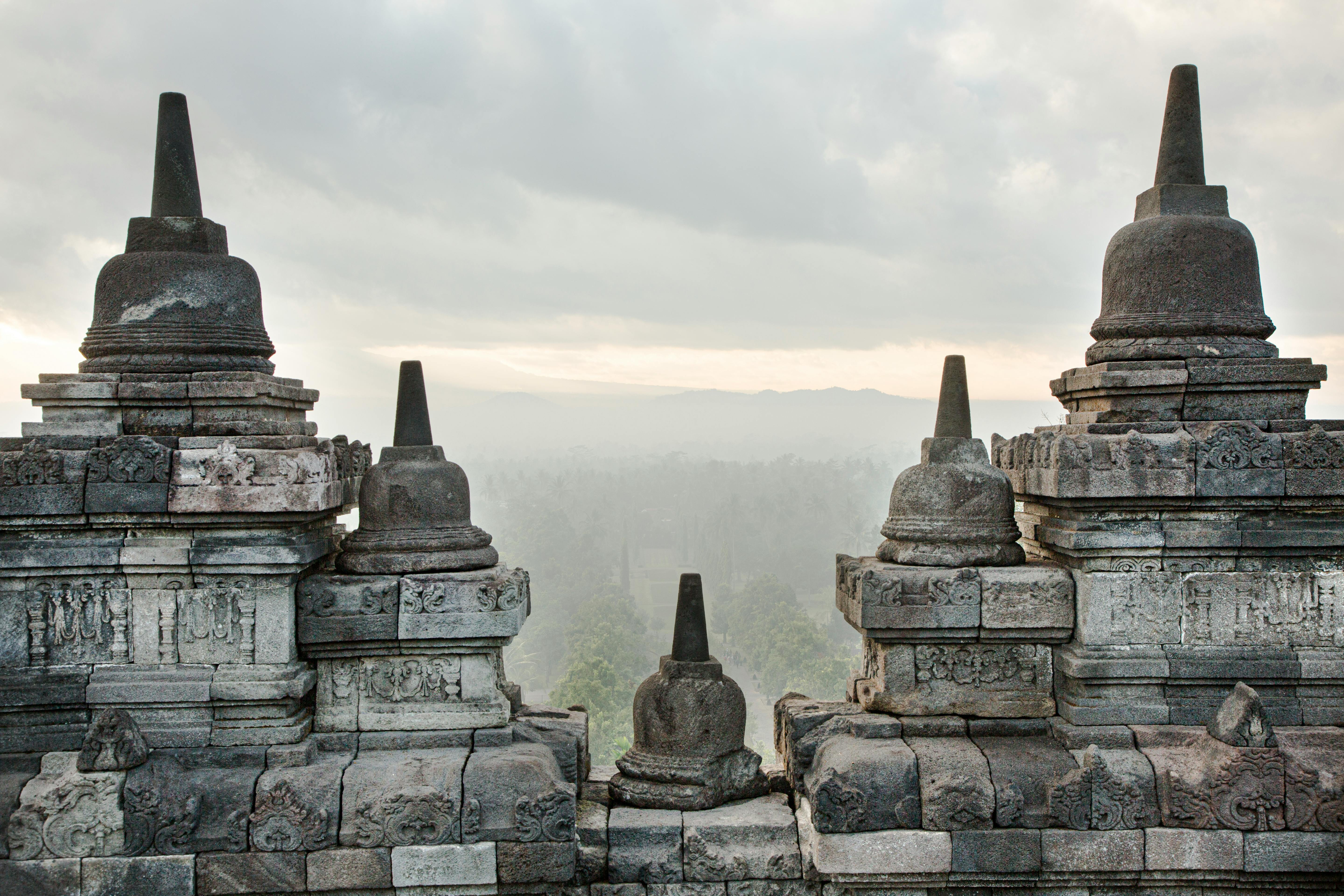
Borobudur Temple
The world's largest Buddhist temple, this UNESCO World Heritage site is a must-visit for its intricate carvings and panoramic views. Go during sunrise for a spiritual and breathtaking experience.
Official Tourism
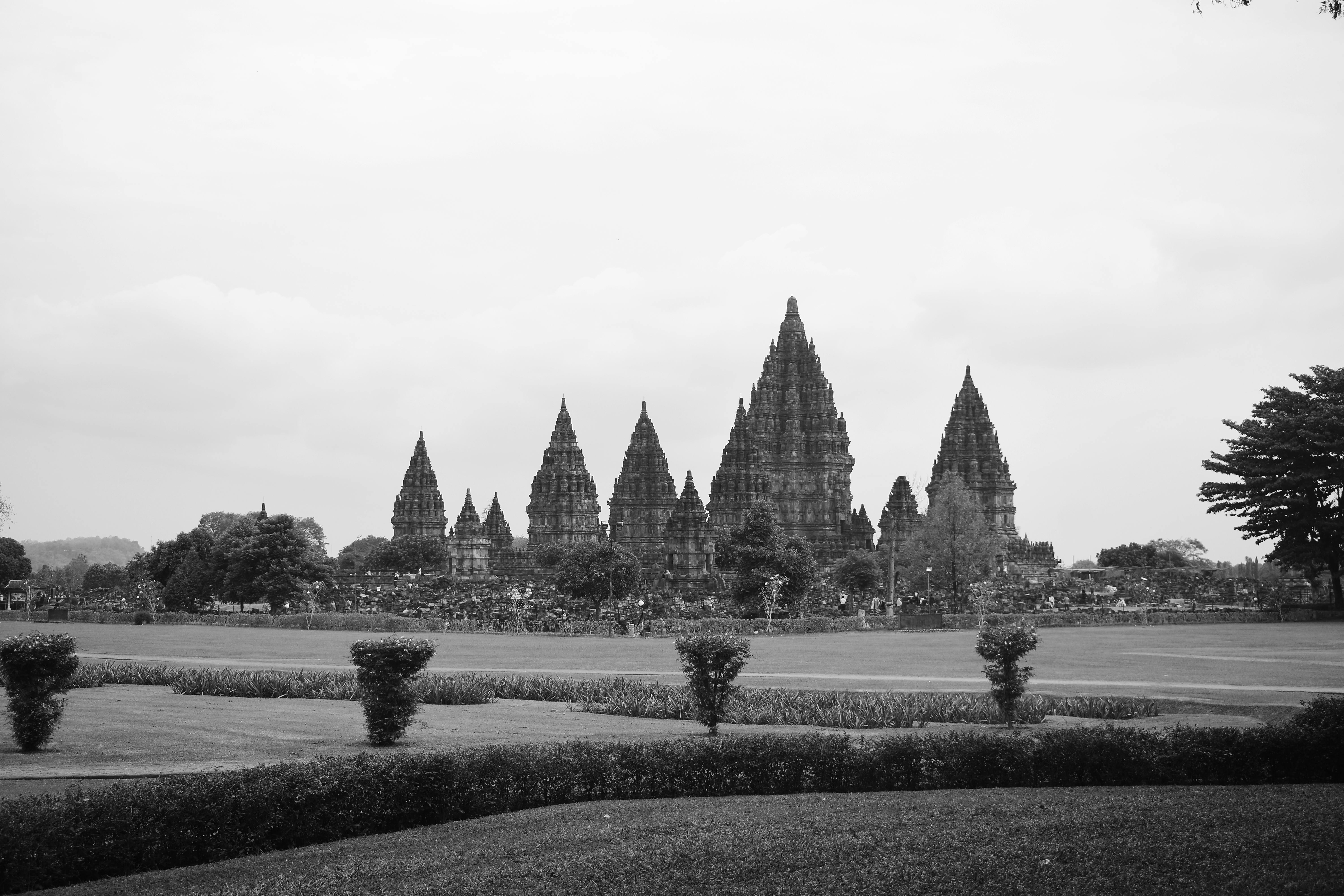
Prambanan Temple
This massive 9th-century Hindu temple complex is famous for its towering spires and detailed reliefs. It is a stunning architectural masterpiece located just outside the city center.
Wikipedia
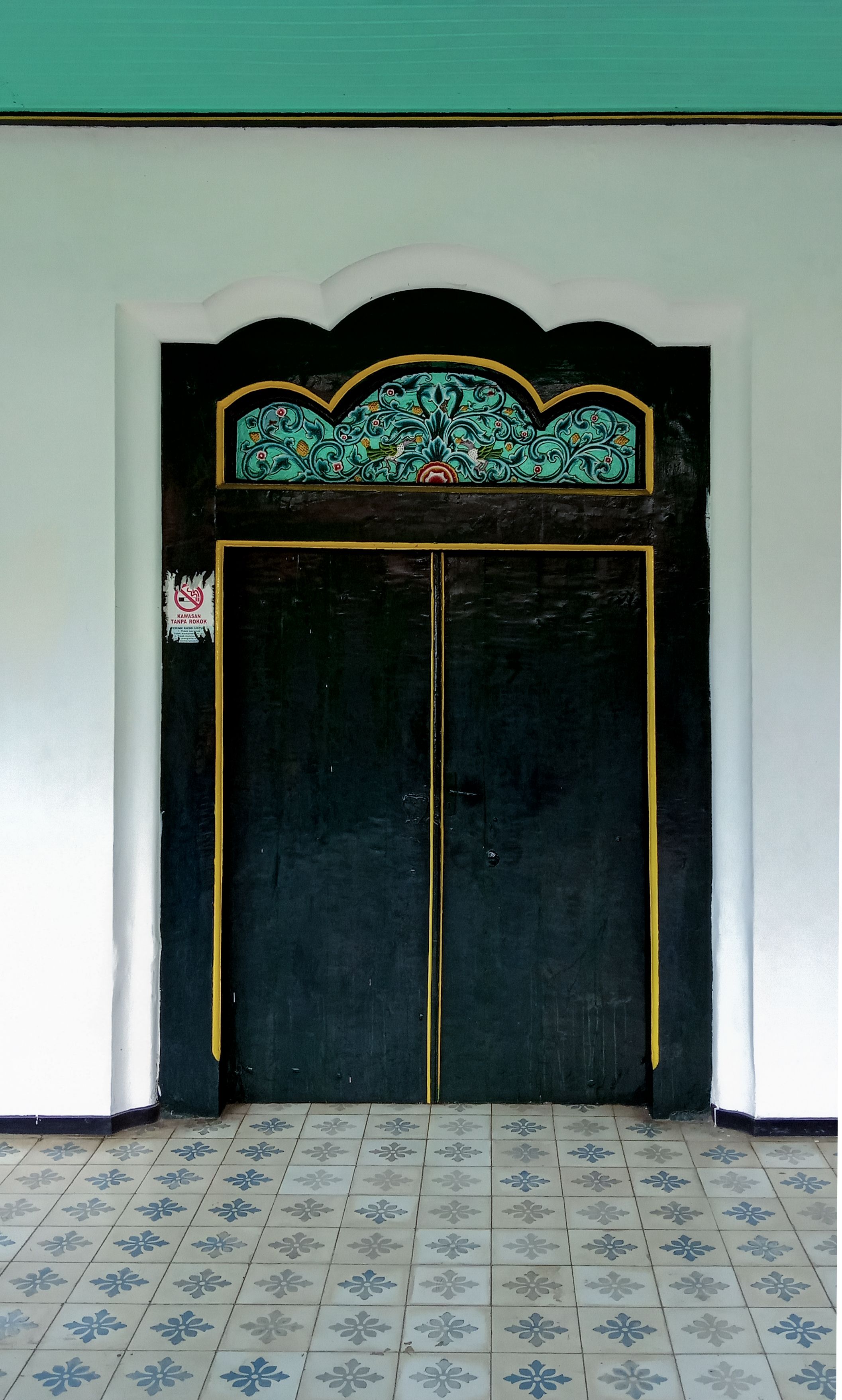
Kraton Sultan's Palace
The palace is the heartbeat of traditional Javanese culture, serving as the official residence of the Sultan. It features a unique blend of Javanese and European architecture.
Visit
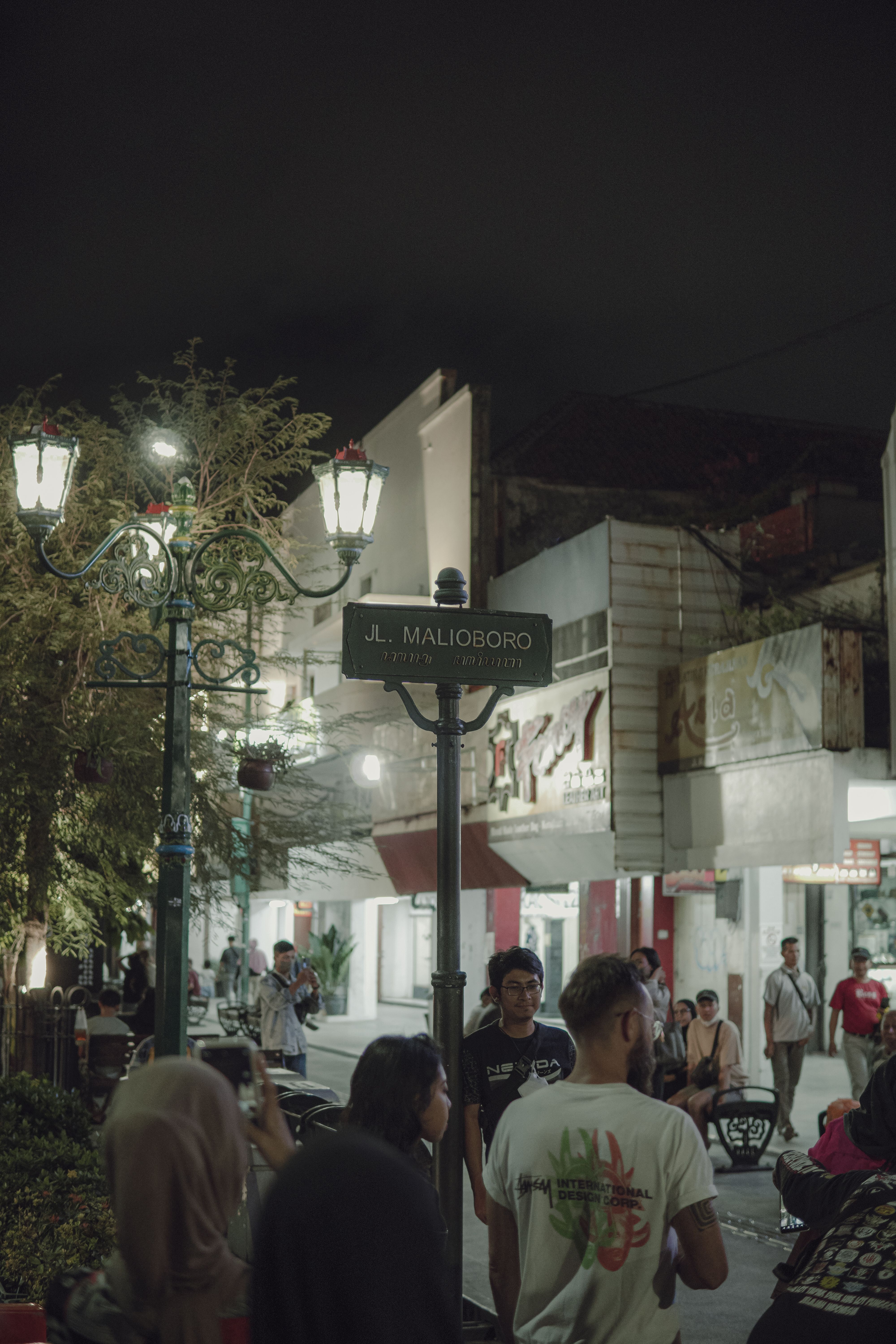
Malioboro Street
The city's most iconic thoroughfare, bustling with street vendors, musicians, and local life. It is the perfect place to experience the energy of Jogja day and night.
YouTube
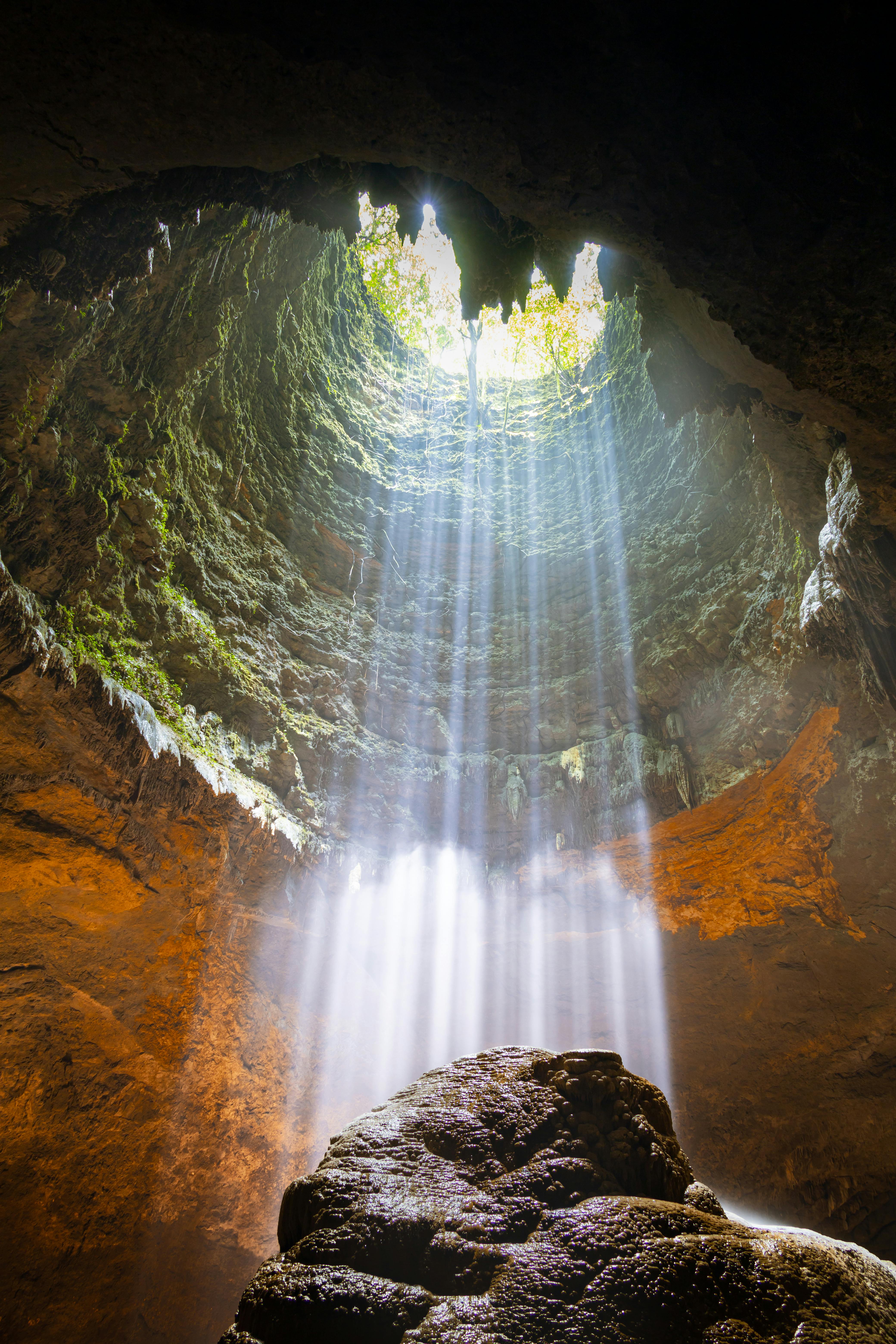
Jomblang Cave
A unique vertical cave system where sunlight streams through a sinkhole to create the 'Light of Heaven' effect. It is a favorite for adventure-seeking travelers.
Visit
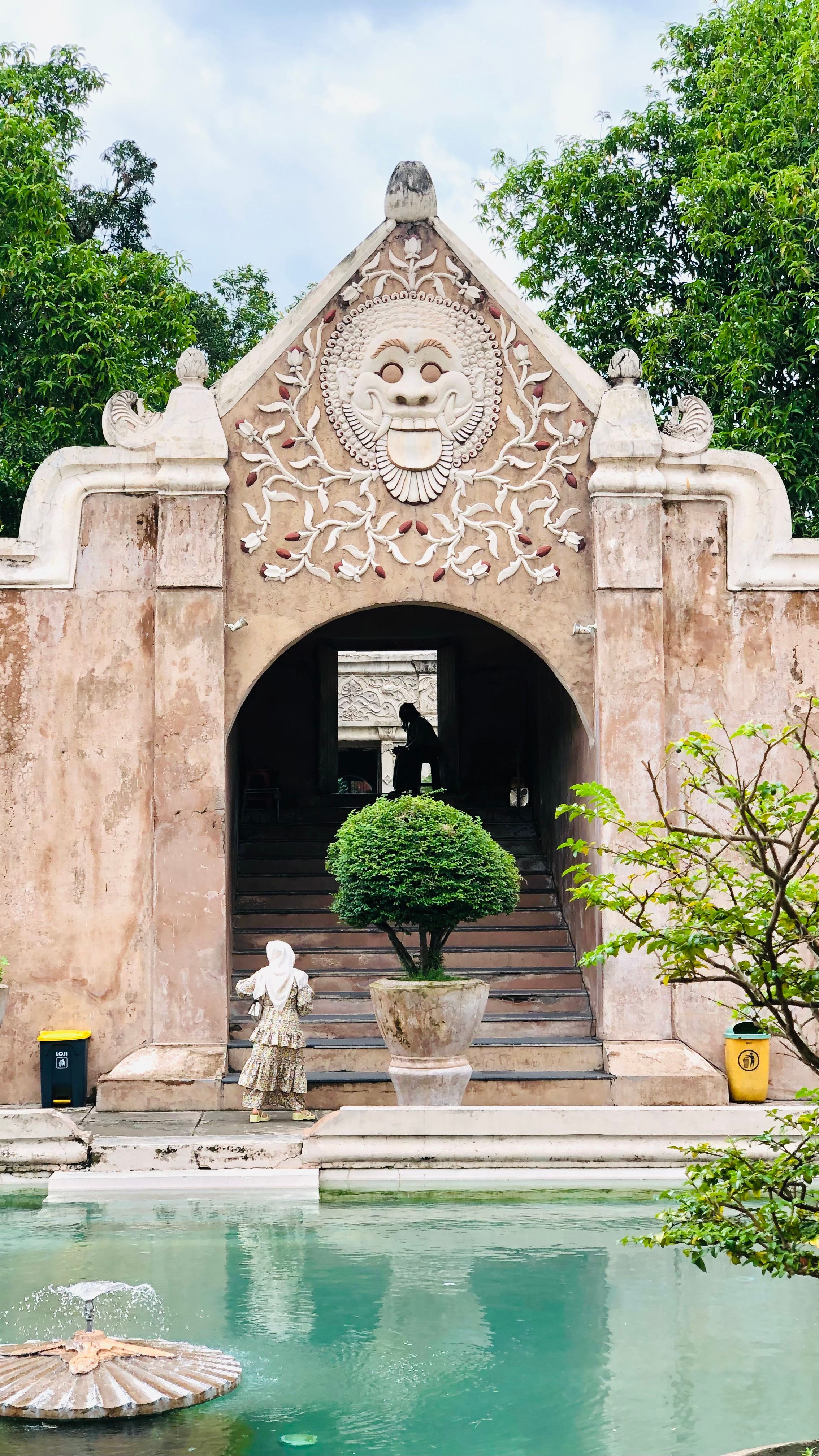
Taman Sari Water Castle
Formerly a royal garden and bathing complex, these ruins are full of mystery and beautiful architecture. It provides a peaceful escape from the bustling city center.
Visit
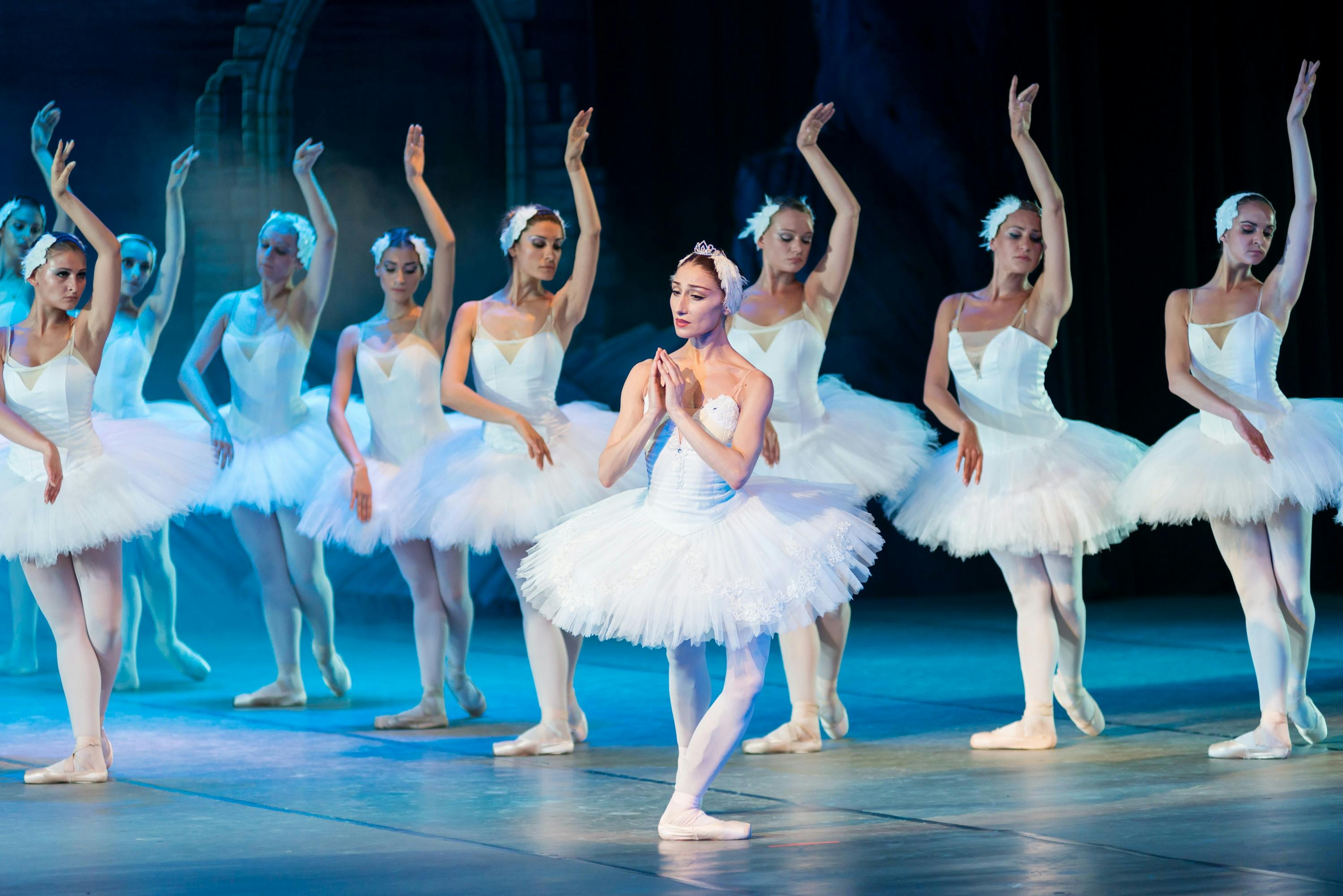
Ramayana Ballet Performance
A spectacular open-air dance performance depicting the epic Ramayana story, set against the backdrop of Prambanan. It is a quintessential cultural experience.
Visit

Beringharjo Market
The primary market in the city, where you can find everything from fresh spices to traditional batik cloth. It is an authentic look at local trade.
Visit
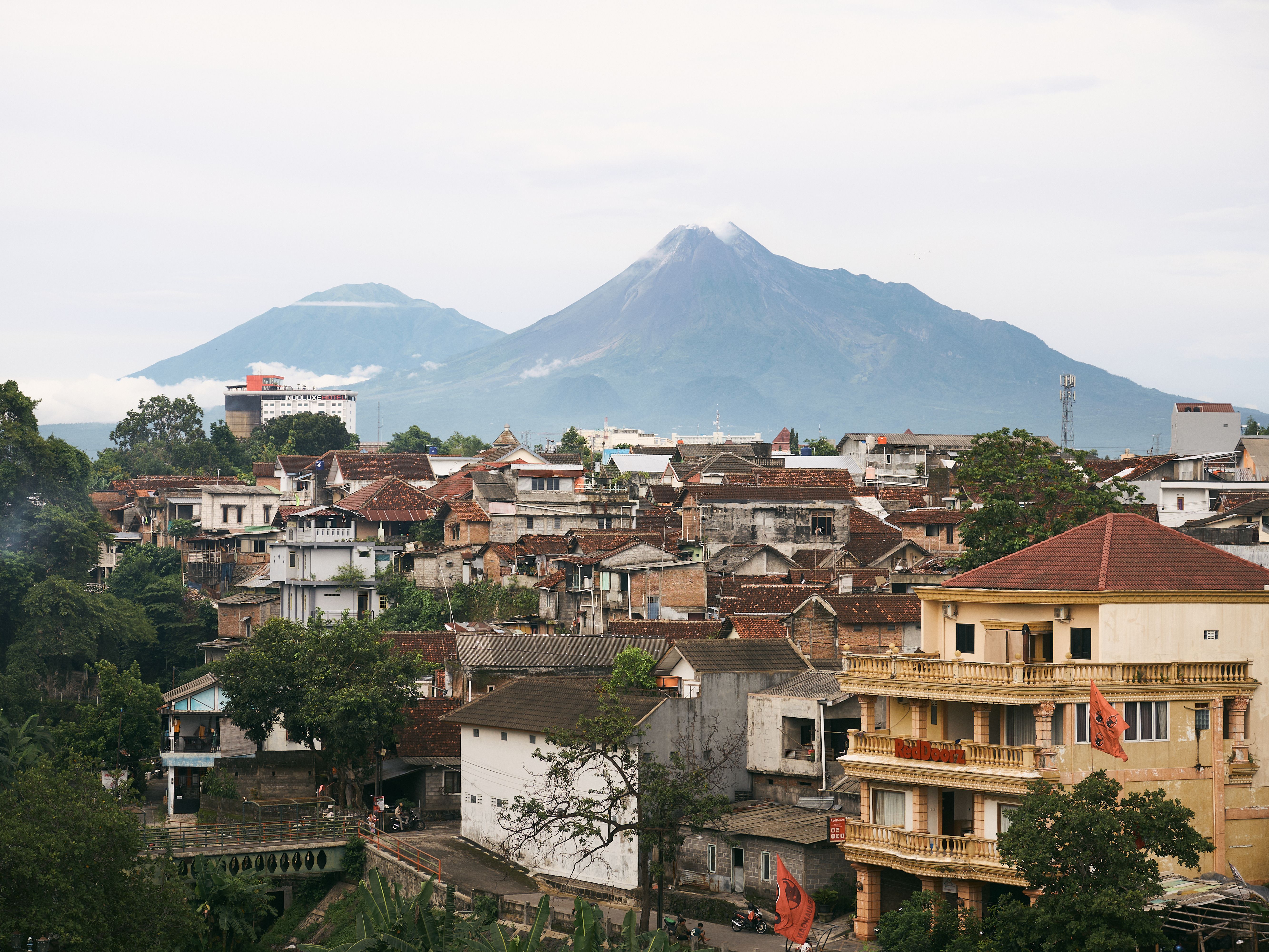
Merapi Volcano Jeep Tour
Get up close to the active Mount Merapi volcano on a thrilling jeep tour. You will traverse lava fields and visit museums dedicated to the mountain's history.
Visit
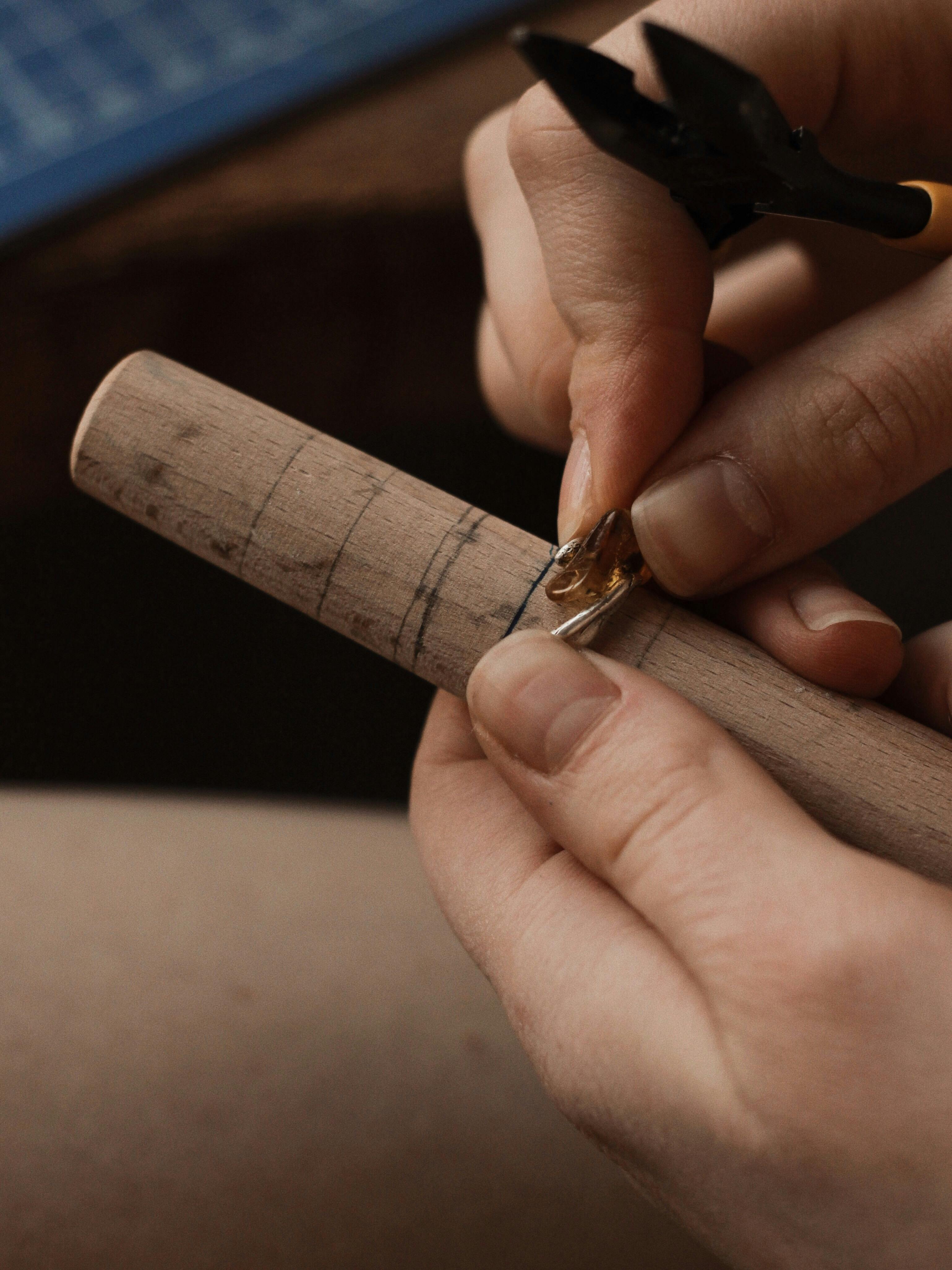
Kotagede Silver Village
Famous for its silver craftsmanship, this area is filled with workshops where you can watch artisans at work. It is the best place to pick up a unique, handmade souvenir.
Work & Connectivity
Stay connected wherever you work
The nomad community here is real — cafés and coworking spaces where you can work and meet others.
Co&Co Workspace
A popular hub for nomads, offering great coffee and reliable internet. It has a productive atmosphere that is easy to settle into for a few hours of deep work.
Ruang Rona
A smaller, more intimate coworking space that feels like a home office. It is perfect for those who want a quieter environment to finish their tasks.
Budget & Costs
What it costs to live in Yogyakarta
Choose your lifestyle tier. Comfortable = furnished accommodation, local + occasional Western food, transport, leisure.
$621
per month · USD · comfortable lifestyle
ModerateFurnished studio, local restaurants, transport, and weekend trips.
Exchange rates
Check xe.com or your bank for current USD to local currency.
Check xe.com or your bank for current USD to local currency.
🏠 Rent 45%$279/mo
🍽️ Food 25%$155/mo
🚌 Transport 5%$31/mo
💡 Utilities 7%$43/mo
🎭 Leisure 12%$74/mo
🏥 Health 6%$39/mo
Connectivity
Well connected to the world
Internet and transport options for remote workers.
📶
Internet
Good — fibre common
Check local providers.
🏢
Coworking
From ~$80/mo
Dedicated spaces available.
🚌
Local Transit
4 / 10
Trans Jogja buses; Malioboro Street walkable; becak rikshaws
YIA
Yogyakarta International Airport
10 km from centre
bali(canggu)bandungjakartakualalumpurlomboksingaporesurabaya
Safety & Visa
Safe, welcoming, and easy to enter
Safety Score7 / 10
✗ Tap Water✓ Night Safe📞 112
Visa
Check your entry options
Many nationalities get visa-free or visa-on-arrival. Check official government sources for your citizenship before travel.
Culture & Festivals
Local soul, nomad-friendly
Multiculturalism6/10
Foodie Scene6/10
☀️ Tropical🌈 Year-Round Perfect🍜 Amazing Food🎨 Art🎯 Best Value🏛️ Temples👍 Recommended💆 Wellness💰 Ultra Budget🛕 Cultural Depth
May
Borobudur Vesak Ceremony
A spiritual Buddhist pilgrimage that culminates in a mass release of lanterns at night.
May
Ramayana Ballet
An exquisite open-air performance retelling the Hindu epic, held near the Prambanan temple ruins.
Oct
Batik Week
A city-wide celebration of the traditional Javanese textile art, complete with workshops and fashion displays.
For those interested in arts, visit the various student-led galleries in the southern part of the city for a raw look at contemporary Indonesian creativity.
Food & Nightlife
A feast for every mood
From street food to cafés and nightlife — every meal is an event.
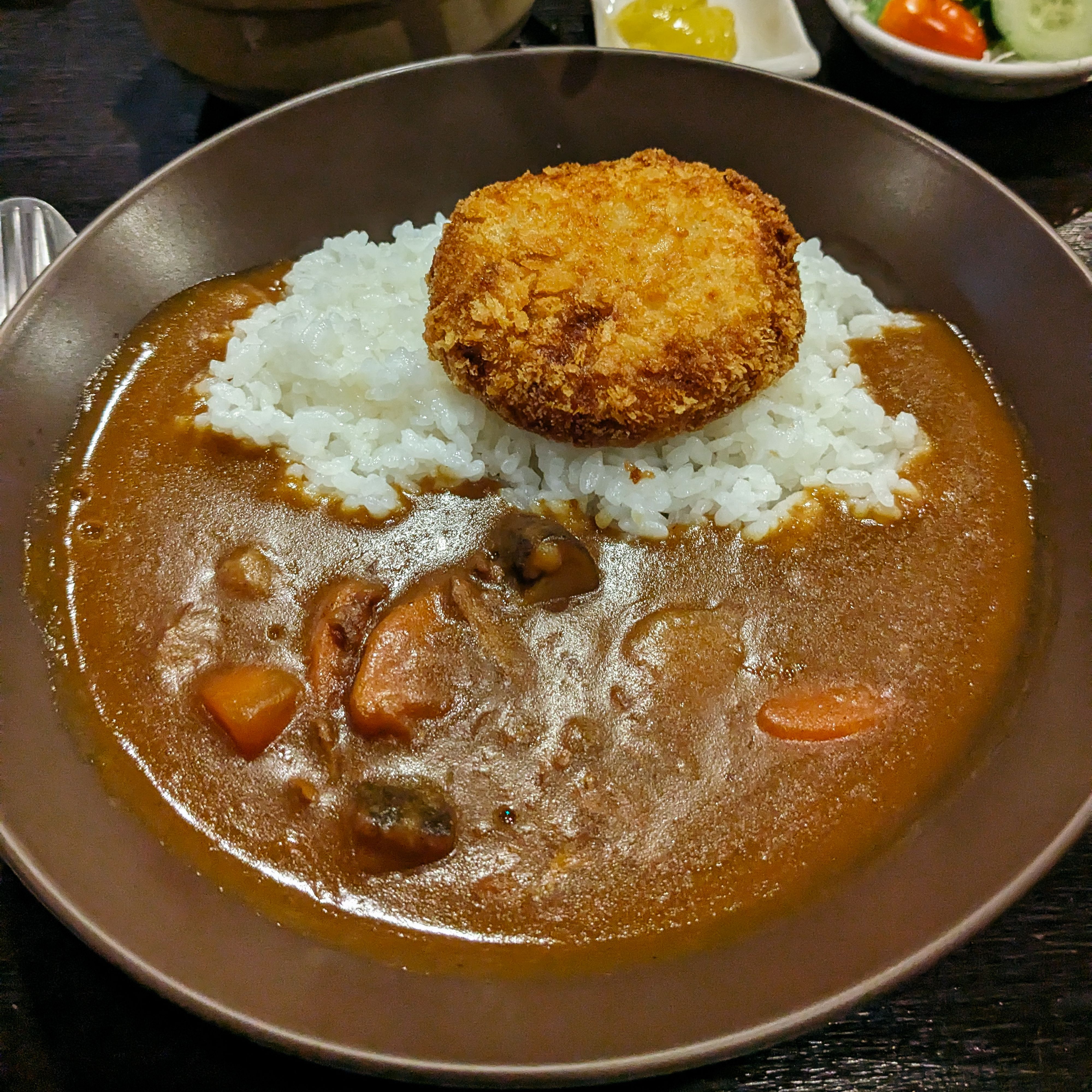
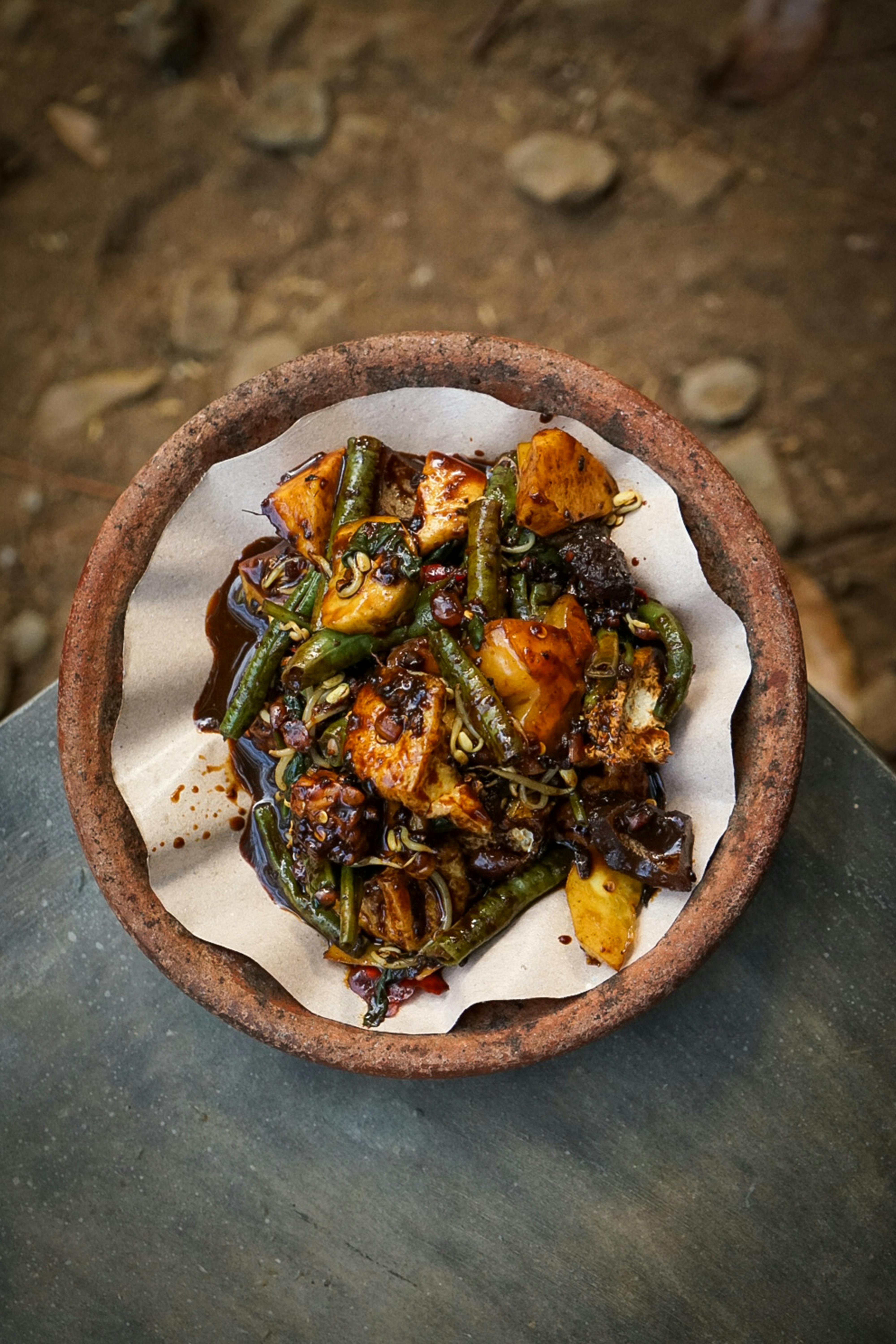
Street Food
Gudeg
A must-try Javanese jackfruit stew that is unique to Yogyakarta. It is usually served with rice, chicken, and egg at local street-side stalls.
Nightlife
Angkringan
Simple street-side stalls that serve affordable small snacks and drinks at night. They are the social heart of the city after the sun goes down.
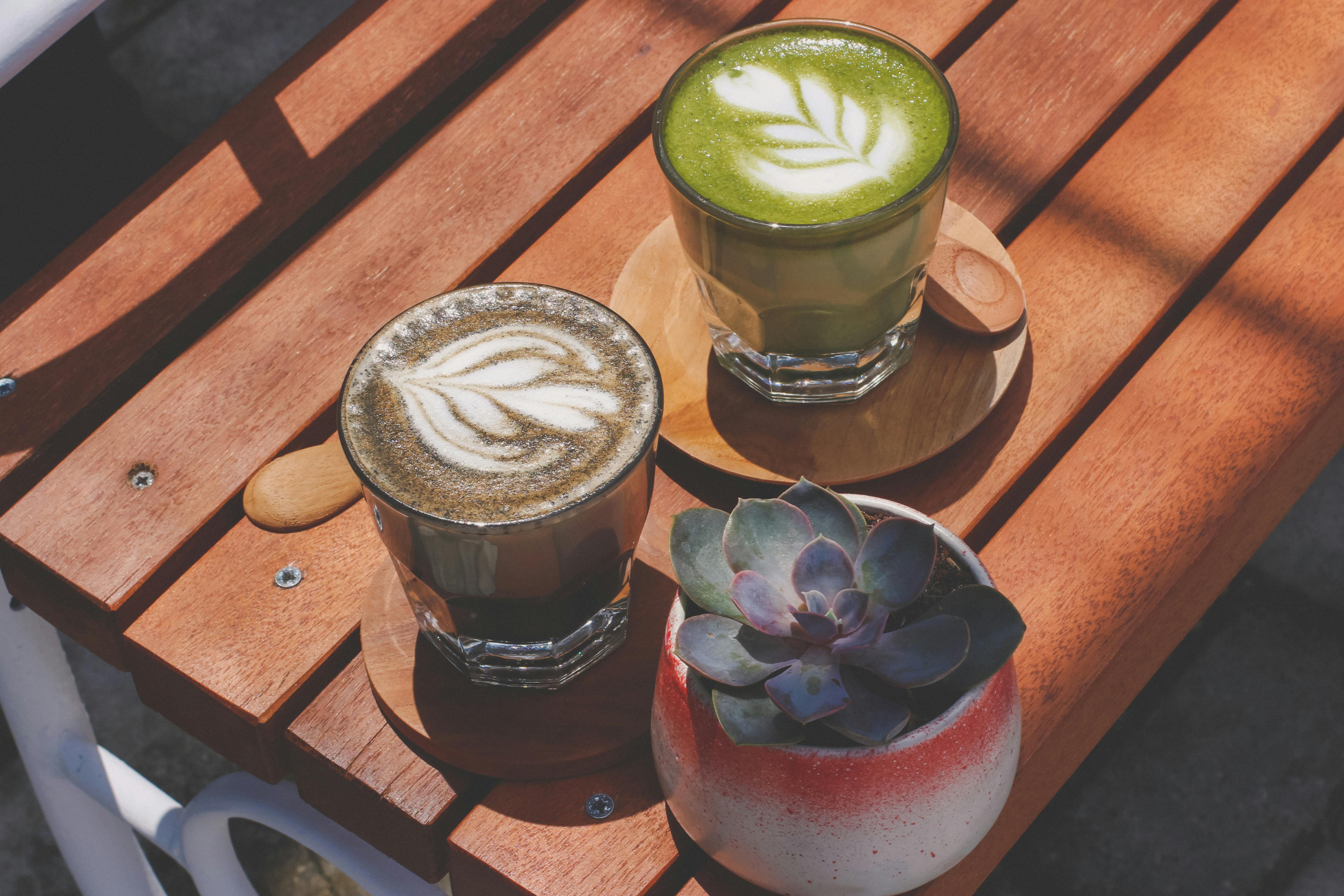
Café Culture
Local Coffee Shops
Jogja is famous for its vibrant coffee scene. You will find dozens of specialty cafes serving high-quality beans grown in the Javanese highlands.
Climate
Best months: Mar, Apr, May, Jun, Jul, Aug, Sep, Oct, Nov
Avg humidity80%
Avg AQI60
The best time to visit Yogyakarta is during the dry season, which stretches from April to September, though October and November also offer pleasant windows before the heavy rains set in. During these months, you can enjoy clear skies, perfect for sunrise trips to Borobudur or adventurous treks up the Merapi volcano.
While the rainy season runs from October through March, it is still possible to enjoy the city if you prioritize indoor activities like the numerous galleries or the vibrant food scene. Festivals such as the Borobudur Vesak Ceremony in May and the celebration of Batik Week in October are absolute highlights, so plan accordingly to witness these cultural spectacles.
Monthly temperatures °C
BestAvoidShoulder
Practical Info
Everything you need to know
🏥
Healthcare
Yogyakarta has several reliable hospitals and clinics capable of handling general health needs. For serious issues, expat-friendly facilities provide quality care.
💱
Money
The local currency is the Indonesian Rupiah (IDR). ATMs are widely available in the city, but it is always useful to carry some cash for smaller local vendors.
🌐
Language & Etiquette
While Bahasa Indonesia is the national language, Javanese is spoken locally. Locals are very friendly and appreciative if you learn a few basic greetings.
Tips
Quick tips
- Always carry a portable power bank for long days of exploring.
- Learn basic Indonesian phrases to enhance your interactions with locals.
- Dress modestly when visiting temples; sarongs are often available for rent at the entrance.
- Use ride-hailing apps for fixed, fair pricing on transport.
- Drink bottled water rather than tap water.
- Book your Borobudur sunrise tour in advance during peak season.
- Try the local street food, but choose stalls with high turnover for freshness.
- Embrace the Javanese pace of life; don't rush the process.
Further Reading