Cusco · Peru
Overview
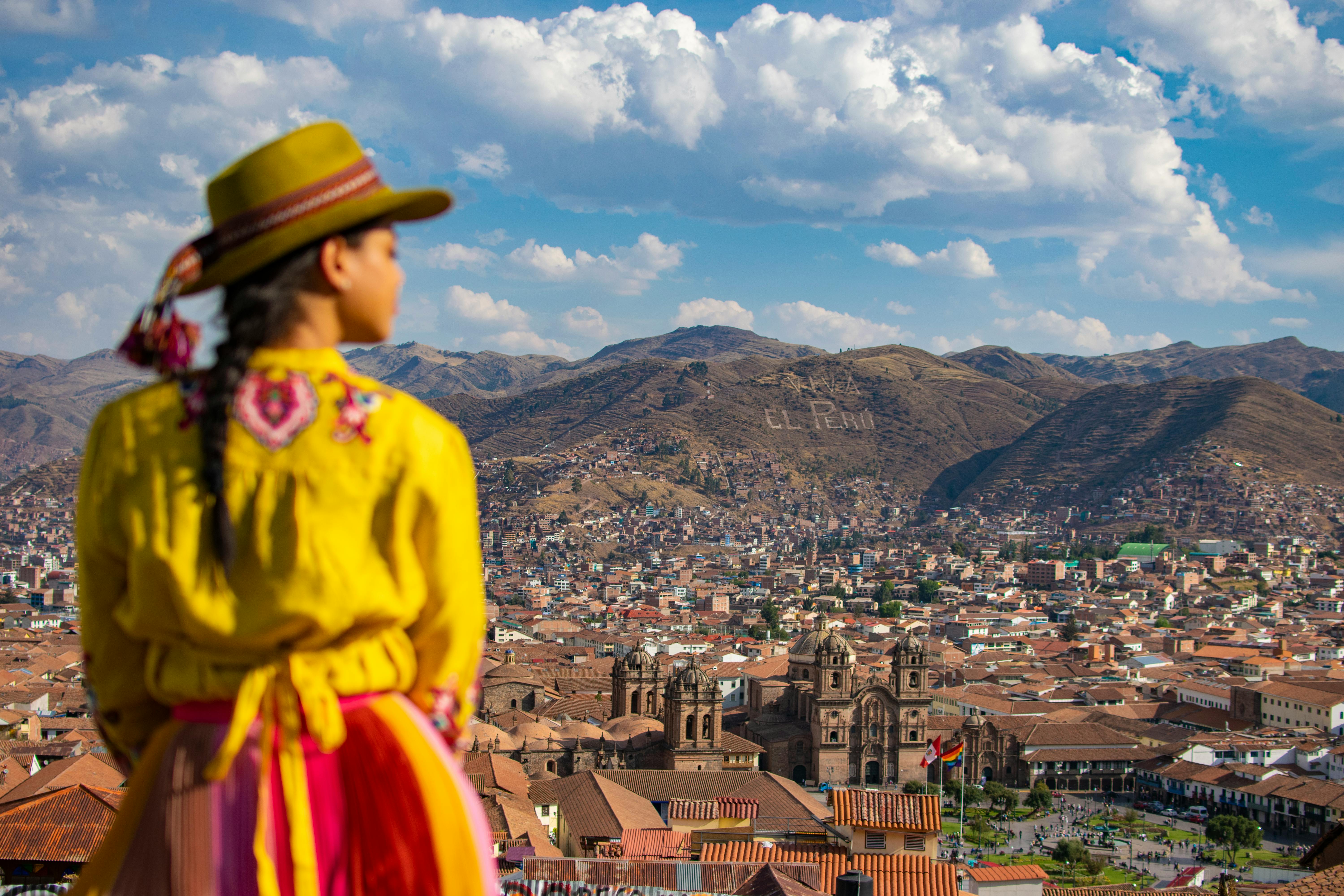
Cusco is a city that hums with the spirit of the Incas, where every cobblestone street tells a story from another millennium.
Cusco is more than just a gateway to Machu Picchu; it is a living history book where colonial architecture sits atop massive, perfectly fitted Inca stone walls. For digital nomads, the city offers an unparalleled cultural experience at an incredibly accessible price point, detailed in our Cost of living in Cusco guide. The community here is diverse, ranging from backpackers and trekkers to long-term remote workers seeking a slower pace of life.
While the thin air at 3,400 meters takes some adjustment, the vibrant energy of the local markets and the proximity to the Sacred Valley make it worth the effort. The Climate remains cool year-round, requiring a layers-based wardrobe, but the clear Andean skies during the dry season provide a stunning backdrop for both work and weekend adventures.

History
Cusco, or 'Qosqo' in Quechua, was once the center of the Inca Empire and the navel of the world.
Cusco, or 'Qosqo' in Quechua, was once the center of the Inca Empire and the navel of the world. According to legend, it was founded by Manco Cápac and Mama Ocllo in the 12th century, serving as the sophisticated capital of a sprawling civilization that stretched across the Andes. The city was designed in the shape of a puma, with Sacsayhuamán serving as its head.
Following the Spanish conquest in the 16th century, Francisco Pizarro arrived in 1533 and repurposed many of the city's indigenous stone structures, building colonial churches and mansions directly on top of original Inca foundations. Today, this architectural hybrid provides a unique look at the syncretism of Andean and European cultures, making it one of the most culturally significant cities in the Americas.
1200
Inca FoundationAccording to legend, Manco Cápac founded the city of Cusco, establishing it as the capital of the nascent Inca kingdom.
1438
Pachacuti ExpansionUnder the emperor Pachacuti, the city was transformed from a local power into a grand imperial capital of the Tawantinsuyu.
1533
Spanish ArrivalSpanish conquistadors led by Francisco Pizarro entered the city and initiated the colonization period.
1983
UNESCO RecognitionThe city was declared a UNESCO World Heritage site, cementing its status as a preserved historical treasure.
Where to Stay
Choose your base camp
Distinct neighbourhoods, different rhythms. Pick the one that fits your work-life balance.
Heart of the City
Centro
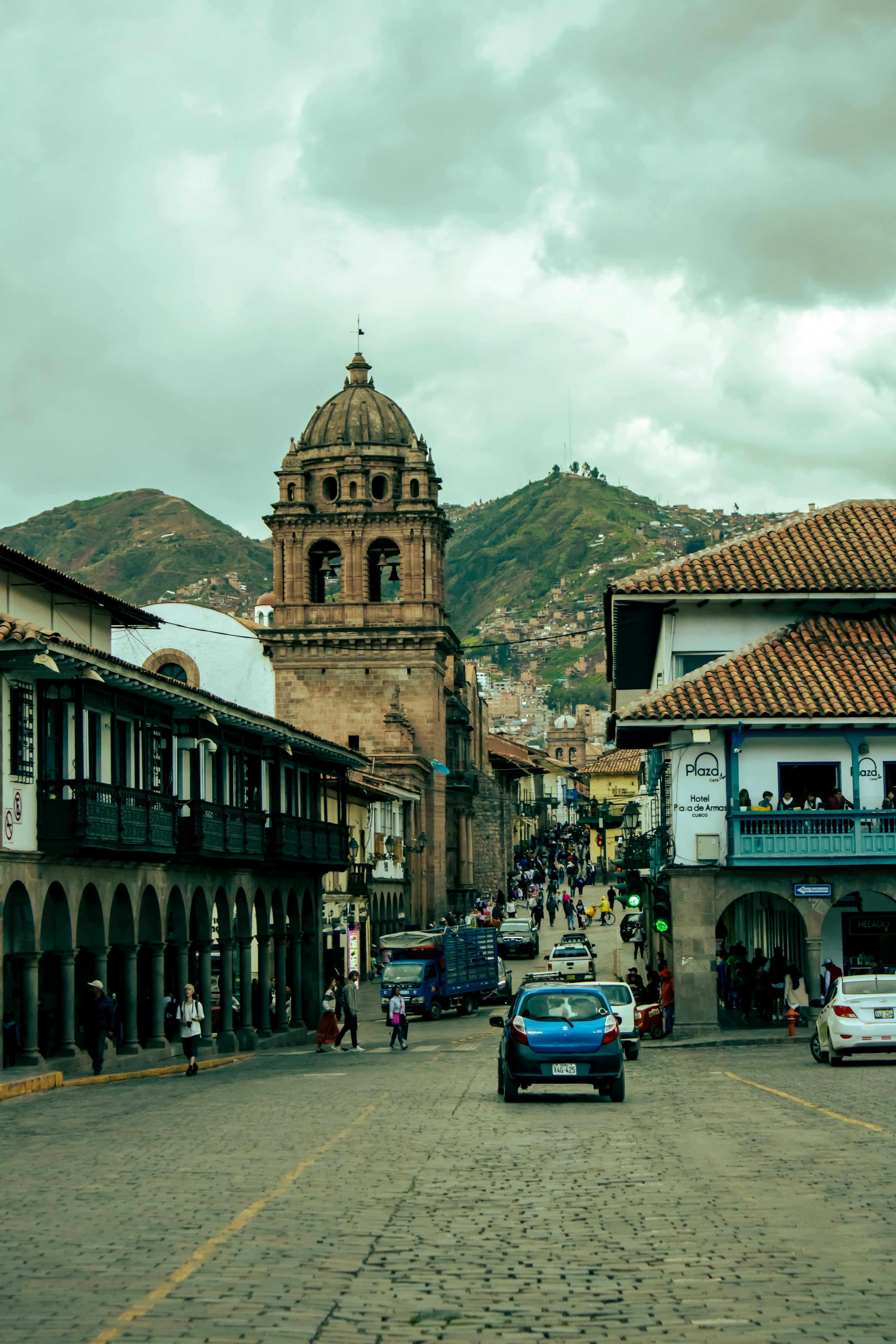
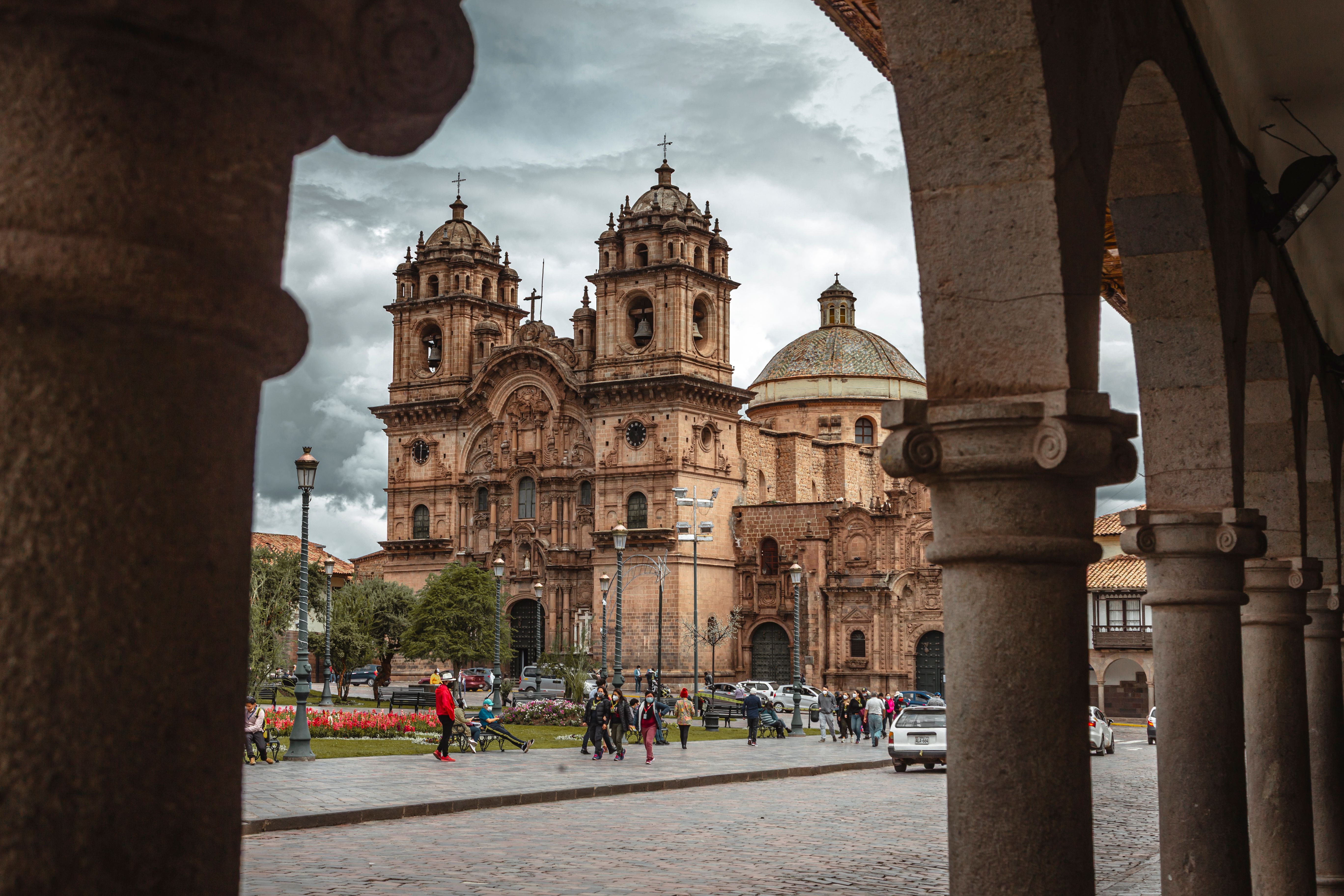
Centered around the Plaza de Armas, this area is perfect for those who want to be steps away from the action, nightlife, and tourist hubs. It is lively, walkable, and filled with historic character.
Artisan Quarter
San Blas
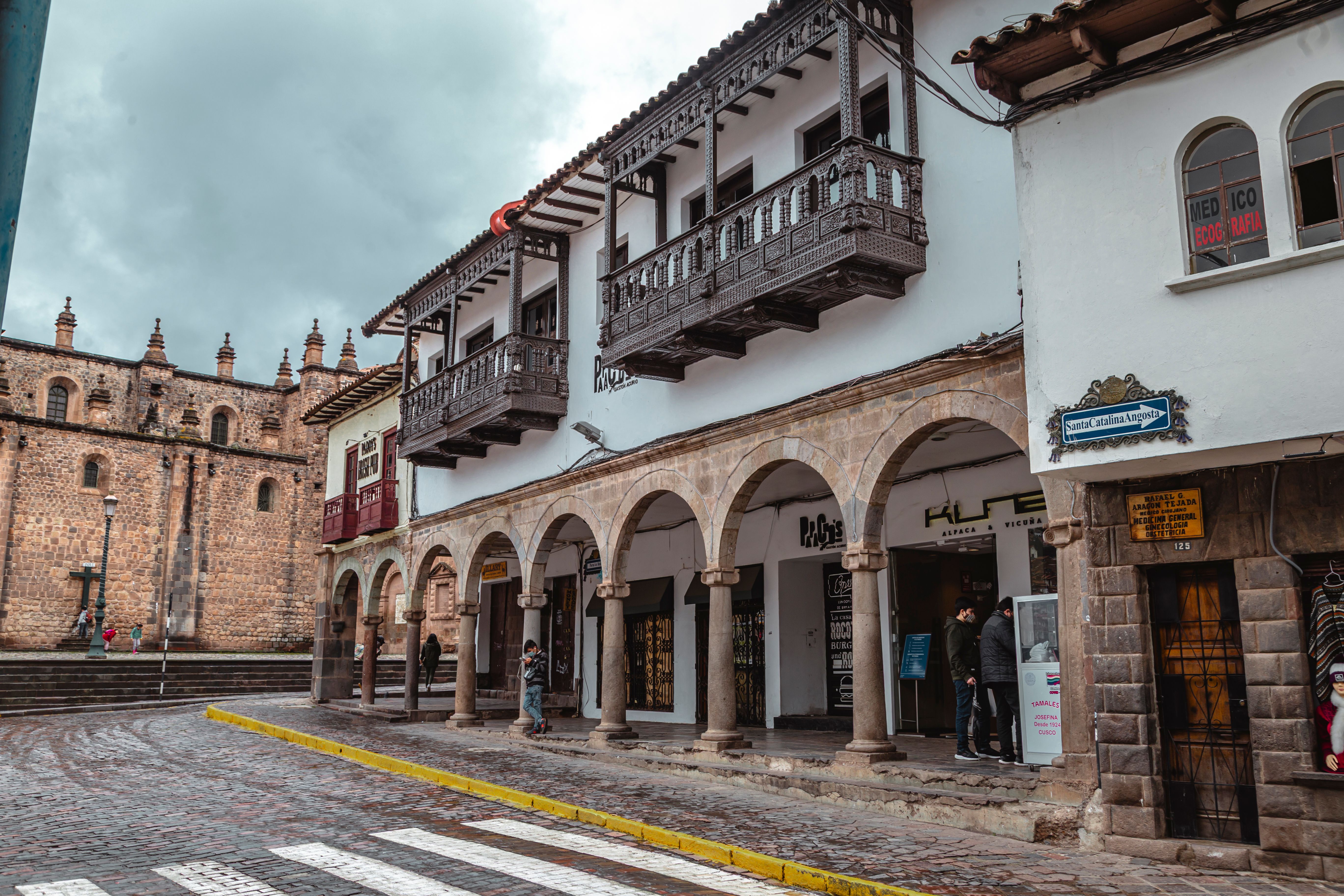
Known as the artistic neighborhood, San Blas features narrow cobblestone streets, artisan workshops, and a bohemian vibe. It is slightly quieter than Centro and perfect for long-term stays.
Places to Go
The experiences that will make you never leave
These aren't tourist checkboxes — they're the experiences that reset your sense of what's normal.
Top Pick
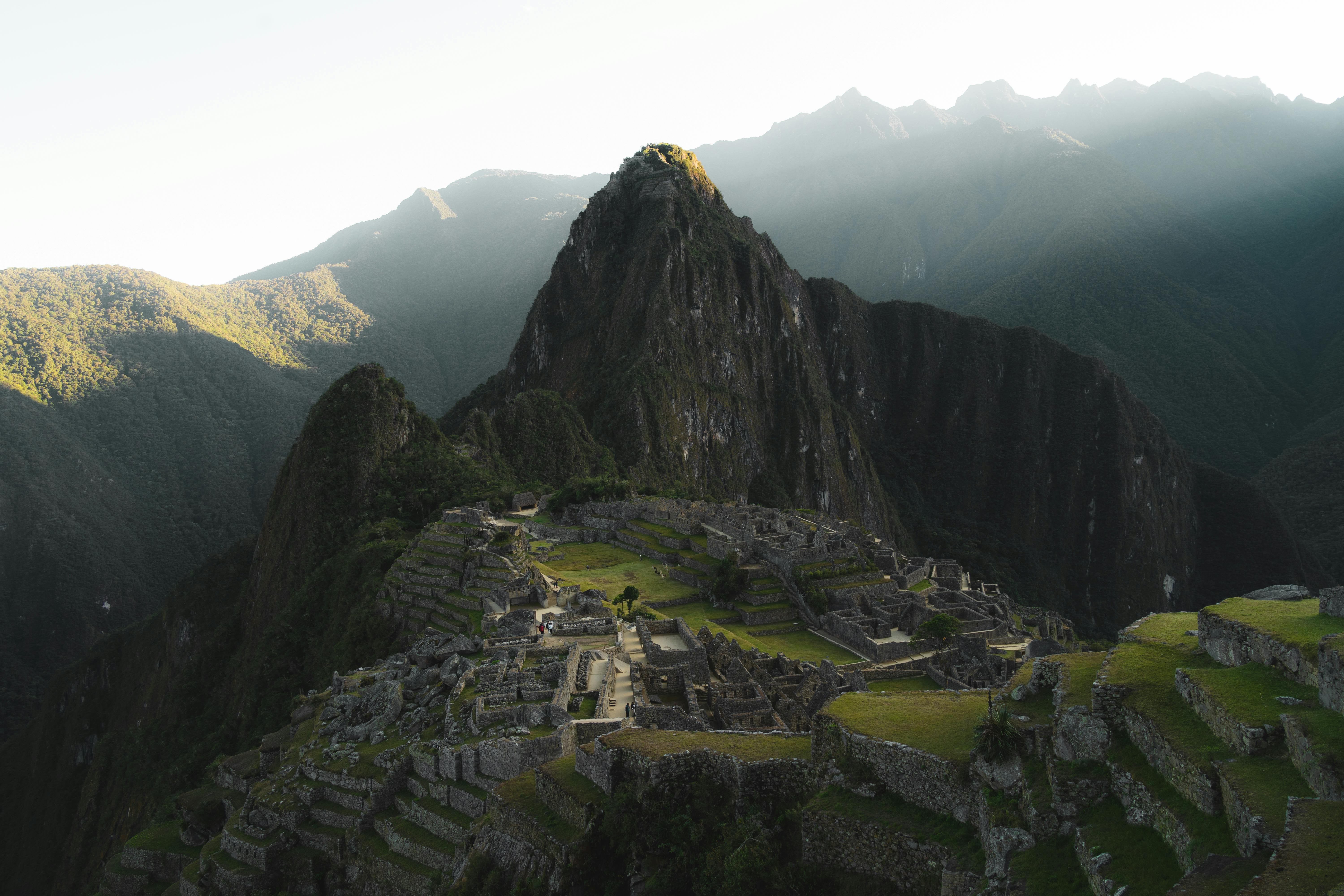
Machu Picchu
The crown jewel of Peru, this 15th-century Inca citadel is accessible by train and bus from Cusco. It is essential to book your entry tickets and train transport well in advance.
Wikipedia
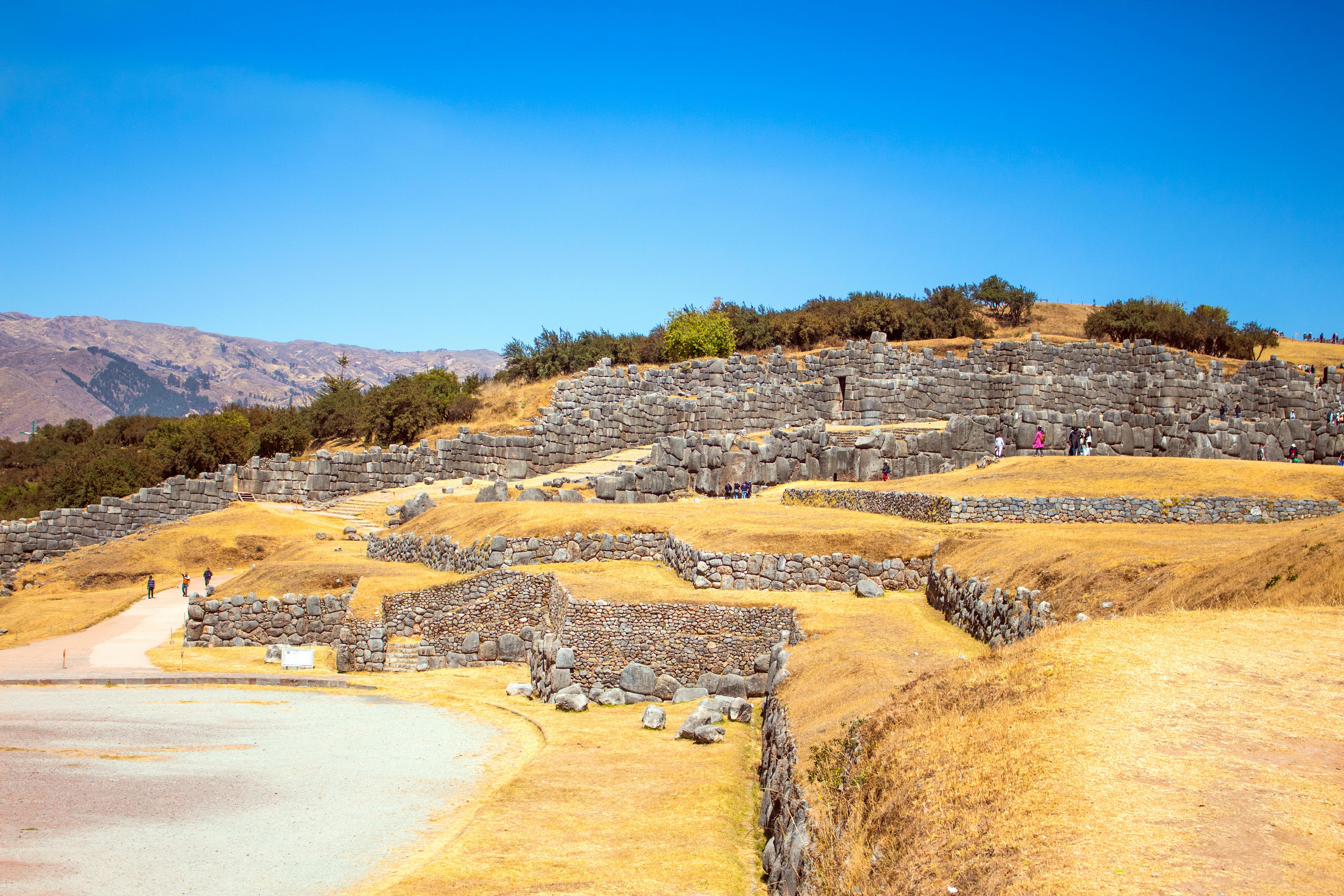
Sacsayhuamán
This massive fortress overlooks the city and features stones so large and precisely carved that they baffle modern engineers. It is a short walk from the historic center and offers incredible views.
Wikipedia
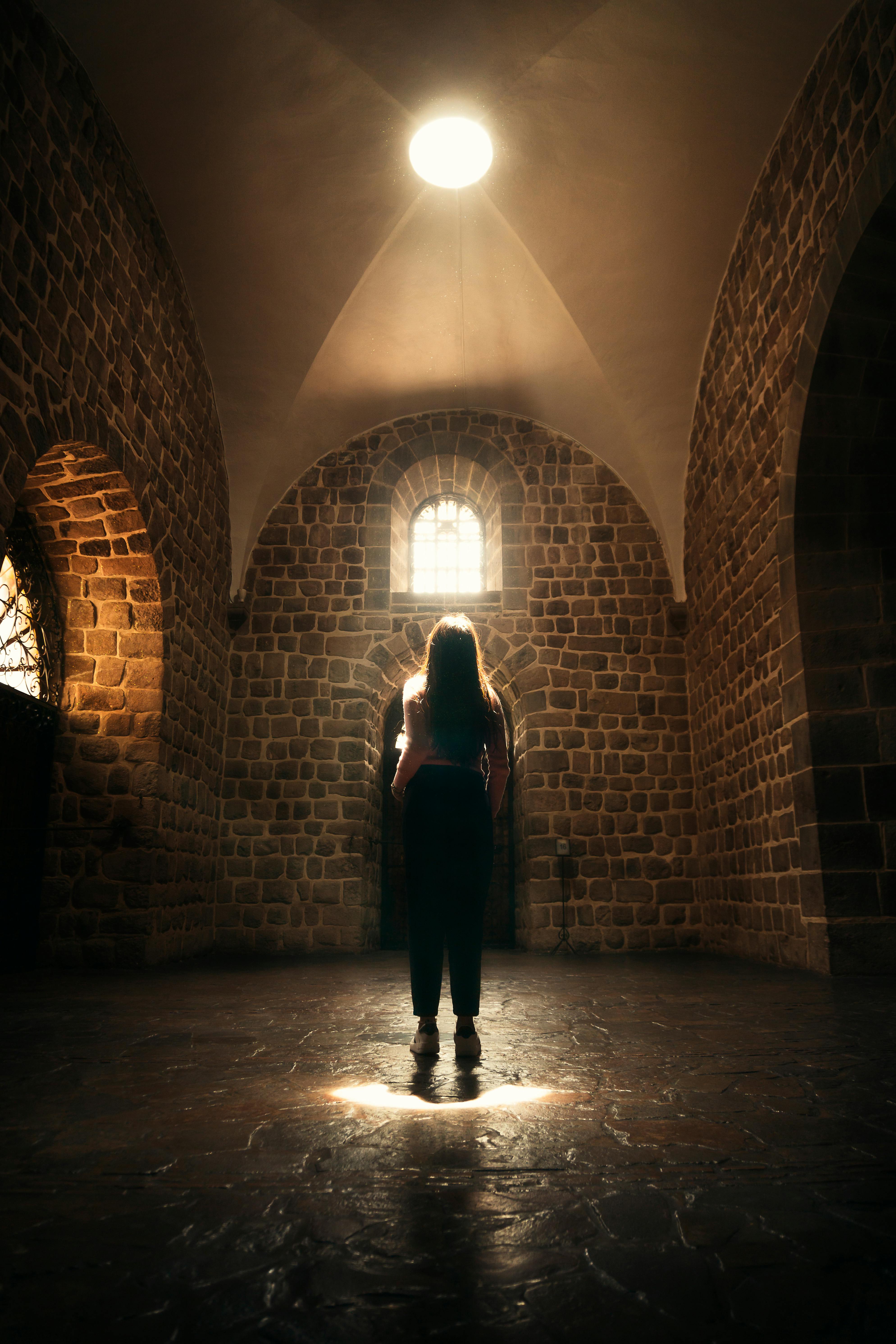
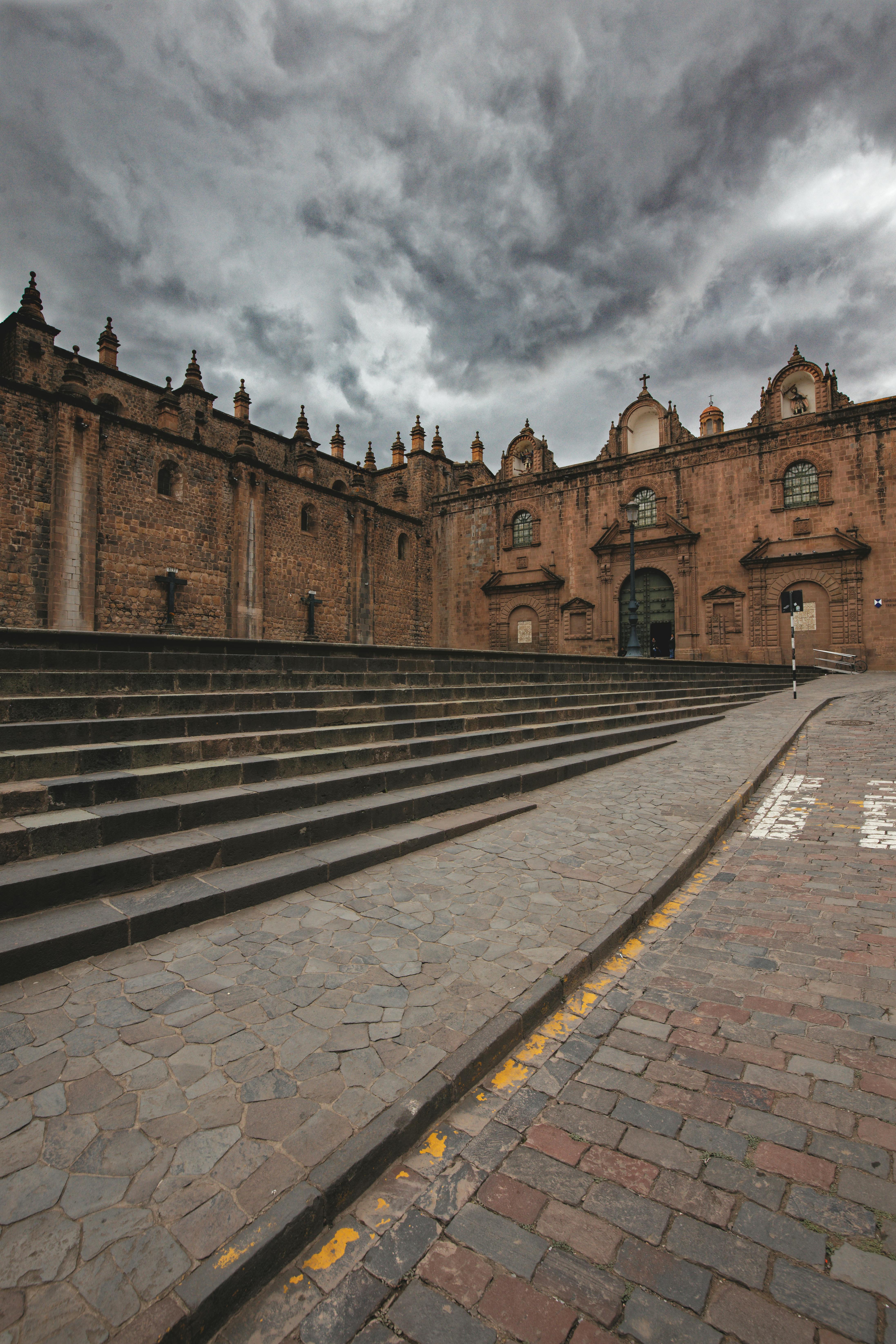
Qorikancha
Once the most important temple in the Inca Empire, its walls were once covered in solid gold sheets. Today, it remains a testament to the layering of indigenous and Spanish colonial history.
Work & Connectivity
Stay connected wherever you work
The nomad community here is real — cafés and coworking spaces where you can work and meet others.
Selina Hostel Cusco
A popular choice for nomads, offering a dedicated coworking space, reliable internet, and a vibrant community of fellow travelers.
Ponte 25 Coworking
A quieter environment specifically designed for productivity with stable connection speeds and a professional atmosphere.
Budget & Costs
What it costs to live in Cusco
Choose your lifestyle tier. Comfortable = furnished accommodation, local + occasional Western food, transport, leisure.
$621
per month · USD · comfortable lifestyle
ModerateFurnished studio, local restaurants, transport, and weekend trips.
Exchange rates
Check xe.com or your bank for current USD to local currency.
Check xe.com or your bank for current USD to local currency.
🏠 Rent 45%$279/mo
🍽️ Food 25%$155/mo
🚌 Transport 5%$31/mo
💡 Utilities 7%$43/mo
🎭 Leisure 12%$74/mo
🏥 Health 6%$39/mo
Connectivity
Well connected to the world
Internet and transport options for remote workers.
📶
Internet
Good — fibre common
Check local providers.
🏢
Coworking
From ~$80/mo
Dedicated spaces available.
🚌
Local Transit
5 / 10
Historic center fully walkable; colectivos for Sacred Valley trips
CUZ
Alejandro Velasco Astete International
5 km from centre
arequipalapazlima
Safety & Visa
Safe, welcoming, and easy to enter
Safety Score6 / 10
✗ Tap Water✓ Night Safe📞 105
Visa
Check your entry options
Many nationalities get visa-free or visa-on-arrival. Check official government sources for your citizenship before travel.
Culture & Festivals
Local soul, nomad-friendly
Multiculturalism5/10
Foodie Scene6/10
⛰️ Inca Capital❄️ Cool Climate🎯 Best Value🏔️ High Altitude🏞️ Diverse Landscapes👍 Recommended💃 Vibrant Culture💰 Ultra Budget🗣️ Spanish/Portuguese🛤️ Machu Picchu
Jun
Inti Raymi
The spectacular Festival of the Sun held at the Sacsayhuamán fortress, reenacting ancient Inca rituals.
Jun
Corpus Christi
A deeply religious and colorful procession that winds through the Plaza de Armas with decorated statues.
Cusco is the base for several multi-day treks like the Salkantay or Inca Trail. If you are planning these, ensure you have quality gear or the ability to rent it locally, and always prioritize proper rest before embarking on high-intensity physical activity.
Food & Nightlife
A feast for every mood
From street food to cafés and nightlife — every meal is an event.
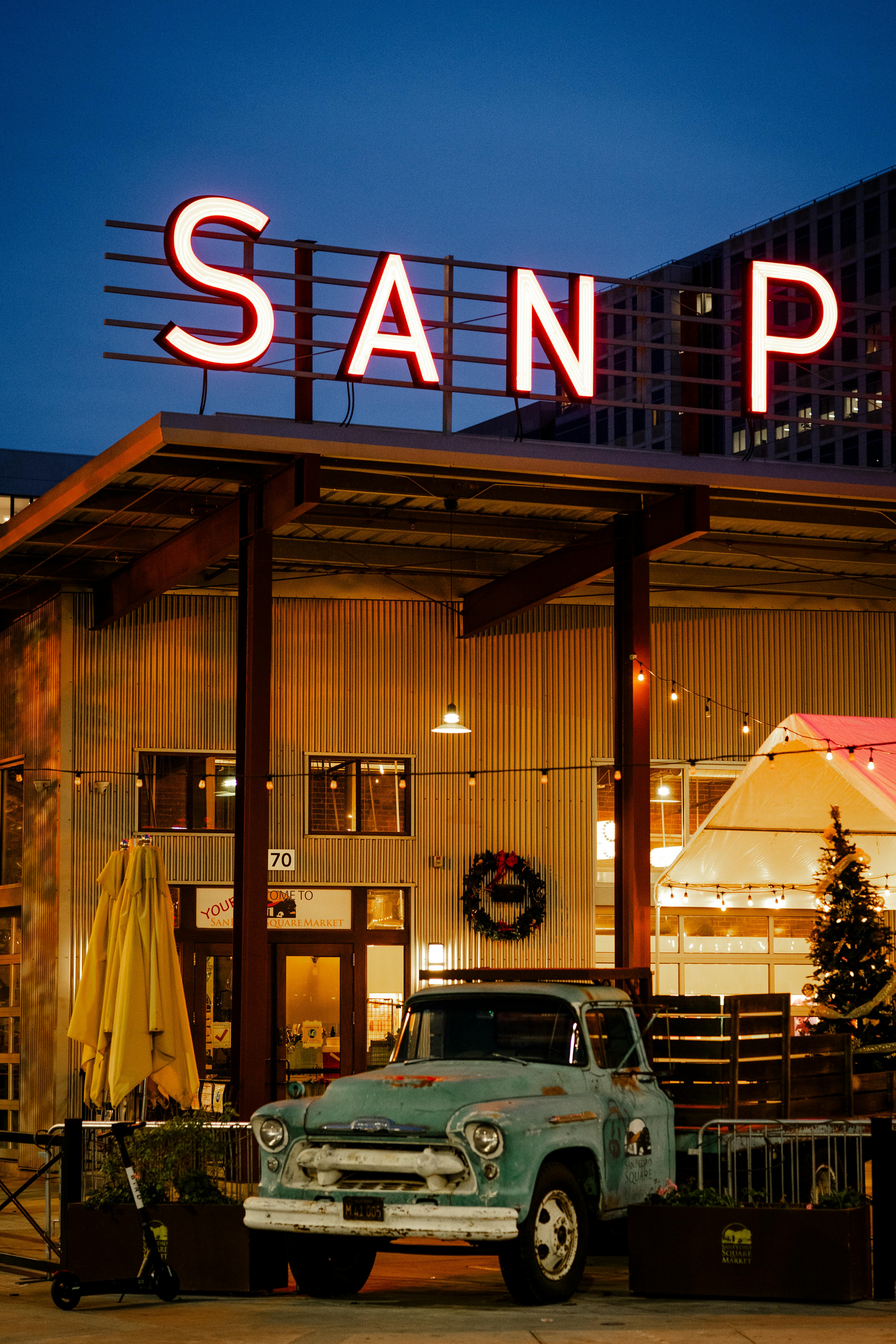
Market Food
San Pedro Market
The best place for fresh local fruit, juices, and traditional Peruvian meals at very low prices. It is a sensory overload in the best way possible.
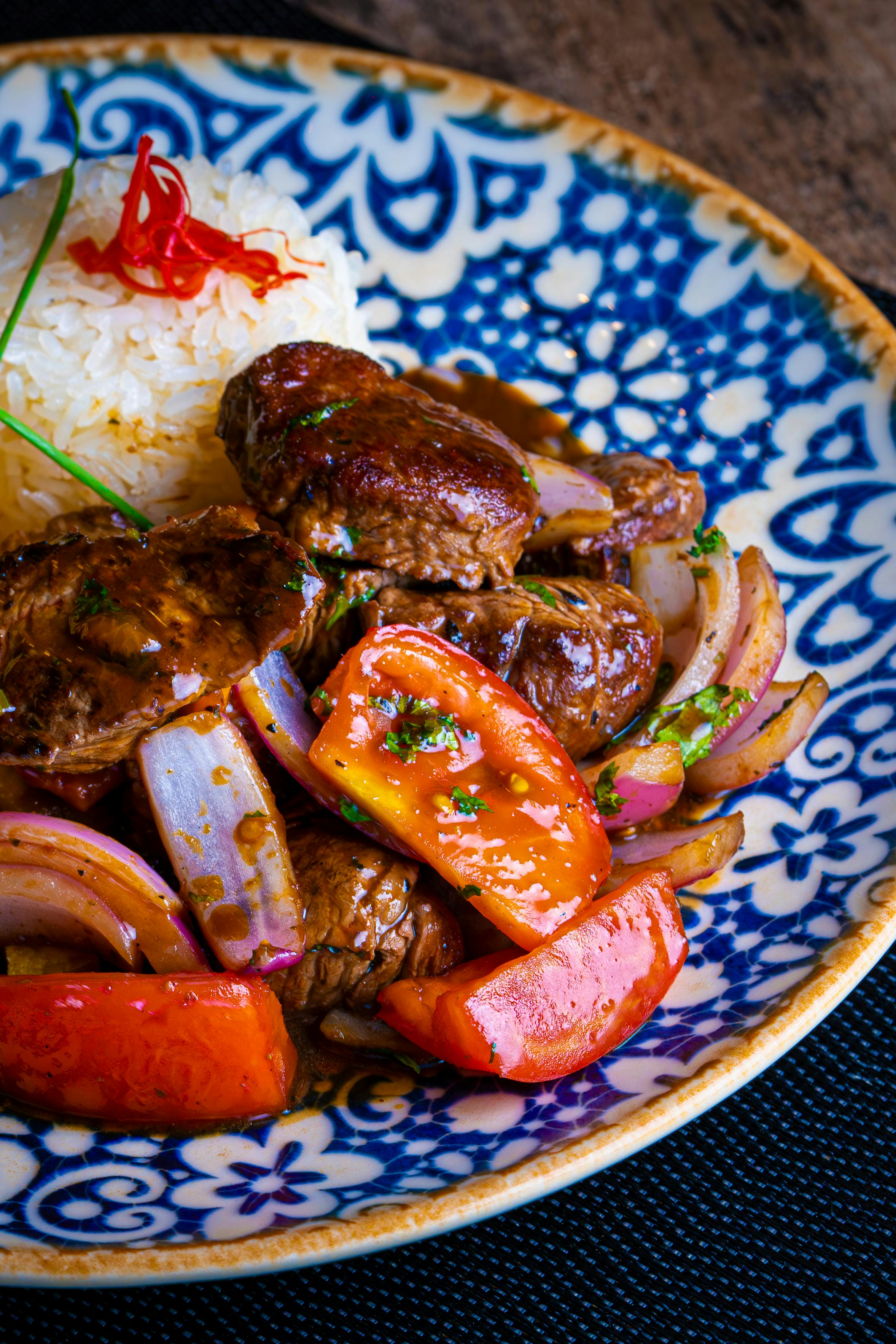
Local Cuisine
Picanterías
Traditional lunch spots serving hearty 'menú del día'. Expect generous portions of local soups and stews for a fraction of restaurant prices.
Climate
What to expect through the year
Avg humidity55%
Avg AQI30
The best time to visit Cusco is during the dry season, which runs from May to October. During these months, you can expect clear, sunny days that are perfect for trekking, although temperatures drop significantly at night, sometimes reaching freezing point due to the high altitude. This window is also when the region's most important cultural festivities occur.
November to April constitutes the wet season, which brings more rain, especially in January and February. While the landscape turns lush and green, travel to some remote areas can be more difficult. Regardless of when you visit, altitude acclimatization is your first priority upon arrival, so factor in a few quiet days at the start of your stay.
Monthly temperatures °C
Practical Info
Everything you need to know
🏥
Healthcare & Altitude
Altitude sickness is real and common at 3,400 meters. Drink plenty of coca tea, stay hydrated, and rest for the first 48 hours. Pharmacies are abundant for mild ailments, but travel insurance is non-negotiable.
💱
Money
The local currency is the Sol. While tourist spots accept cards, carry cash for smaller shops, markets, and local transit. ATMs are easy to find near the city center.
🌐
Connectivity
Expect varying internet quality. If you work online, choose accommodation that explicitly mentions fiber optic and always have a backup data SIM card from a local carrier like Claro or Movistar.
Tips
Quick tips
- Always carry a water bottle to stay hydrated at altitude.
- Walk slowly for the first few days to acclimatize.
- Use licensed tour operators for all mountain treks.
- Eat your main meal at lunch for better digestion.
- Keep a warm jacket with you, as temperatures drop quickly at night.
- Be wary of your surroundings at night; stick to well-lit areas.
- Learn a few basic phrases in Spanish for easier market negotiations.
Further Reading