Lake Atitlan · Guatemala
Overview
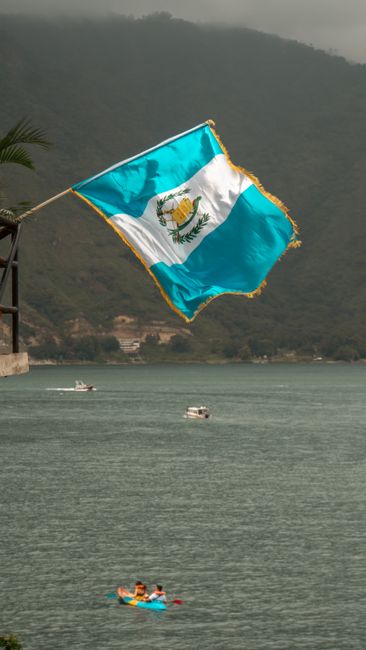
Lake Atitlán is not just a destination; it is a mirror reflecting the soul of the Guatemalan highlands, where every morning feels like a new beginning.
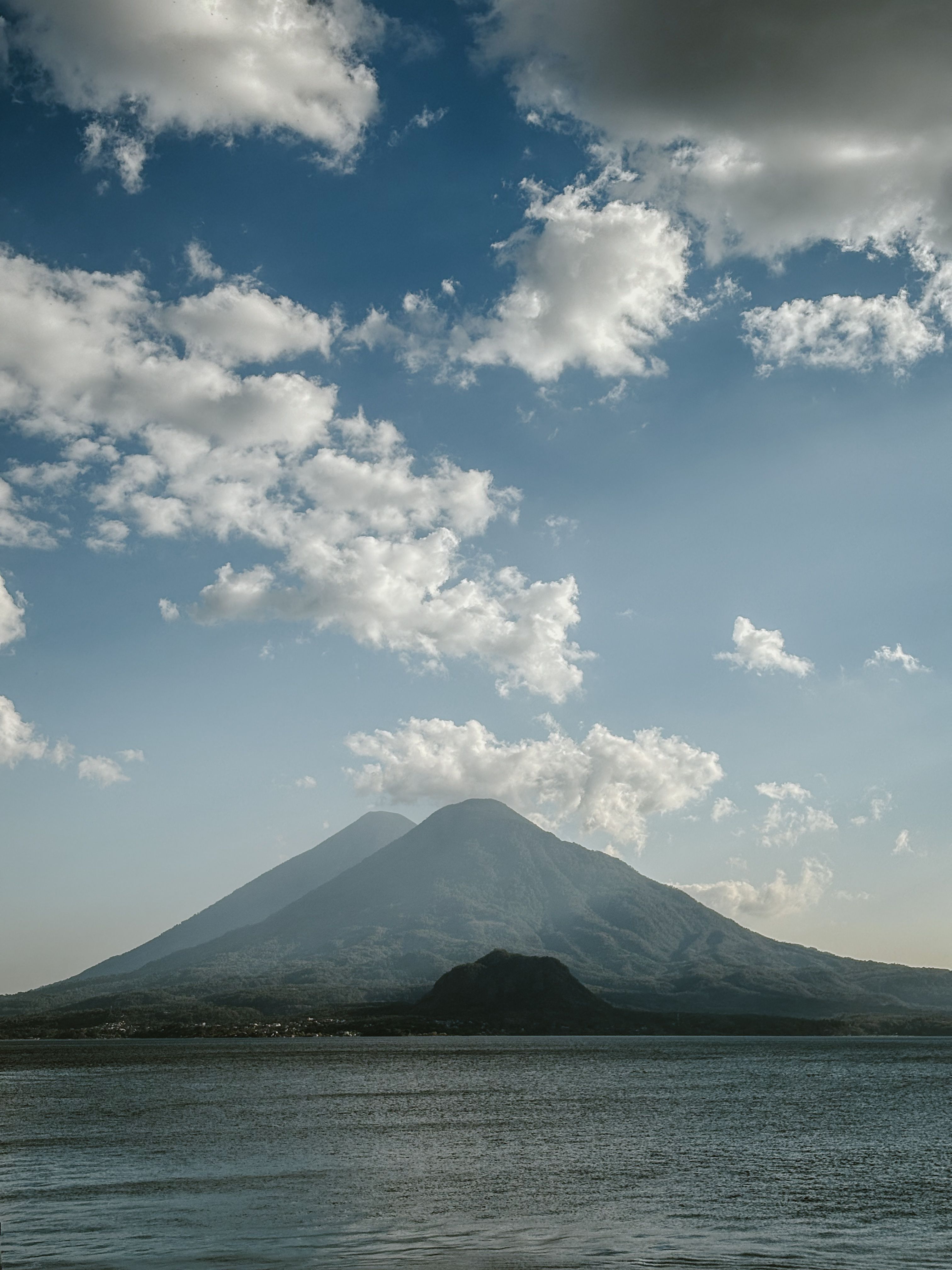
Life at Lake Atitlán revolves around the rhythm of the water and the towering volcanoes that frame the horizon. Each village around the shore—from the spiritual hub of San Marcos to the bustling, backpacker-friendly streets of San Pedro—offers a distinct personality, allowing nomads to curate their own experience. Whether you are looking to escape to a quiet cabin or integrate into a vibrant community of wellness seekers, this region provides a unique sanctuary far from the typical metropolitan grind.
Nomads flock here for the peaceful atmosphere, the low Cost of living, and the consistent, mild climate. While the infrastructure can be rustic, the trade-off is a deeply immersive cultural experience and some of the most breathtaking sunrises in Central America. It is a place that encourages slowing down, connecting with nature, and finding balance between your professional responsibilities and a slower pace of life.
History
The history of Lake Atitlán is inextricably linked to the Mayan people, who have inhabited this regi…
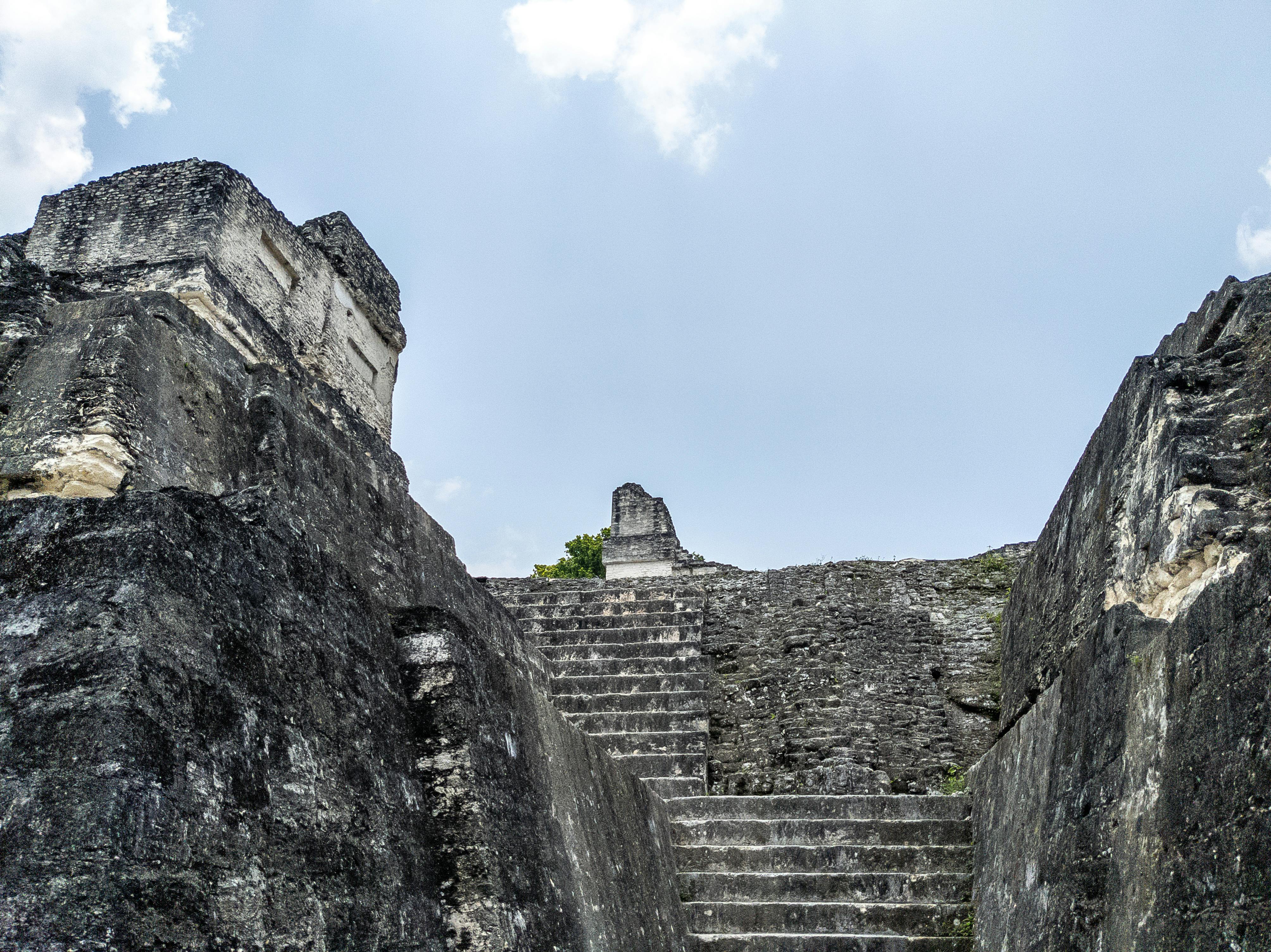
The history of Lake Atitlán is inextricably linked to the Mayan people, who have inhabited this region for thousands of years. The lake itself was formed by a volcanic cataclysm over 80,000 years ago, leaving behind a caldera that became a central spiritual and cultural pillar for the Kʼicheʼ, Kaqchikel, and Tz'utujil communities. Throughout the colonial period, the area saw the introduction of Catholic missions, which fused with traditional Mayan customs to create the unique syncretic culture seen today.
In the 20th century, the region became increasingly connected to the outside world, transitioning from an isolated indigenous hub to a globally recognized destination for travelers and spiritual seekers. Today, the villages around the lake maintain their ancestral traditions while adapting to the digital era, serving as a testament to the resilience of Mayan culture.
84,000 BC
Volcanic FormationThe Los Chocoyos eruption creates the massive caldera that now holds Lake Atitlán.
1524
Spanish ArrivalSpanish conquistadors, led by Pedro de Alvarado, arrive in the region, bringing significant cultural and religious shifts.
1800s
Coffee DevelopmentCoffee cultivation becomes a primary economic driver, shaping the landscape and trade routes around the lake.
1976
Major EarthquakeA devastating earthquake hits Guatemala, prompting significant reconstruction and changes in infrastructure.
2000s
Nomad RiseThe region gains global popularity as a hub for yoga, spirituality, and remote work, significantly impacting the local economy.
Where to Stay
Choose your base camp
Distinct neighbourhoods, different rhythms. Pick the one that fits your work-life balance.
Social Hub
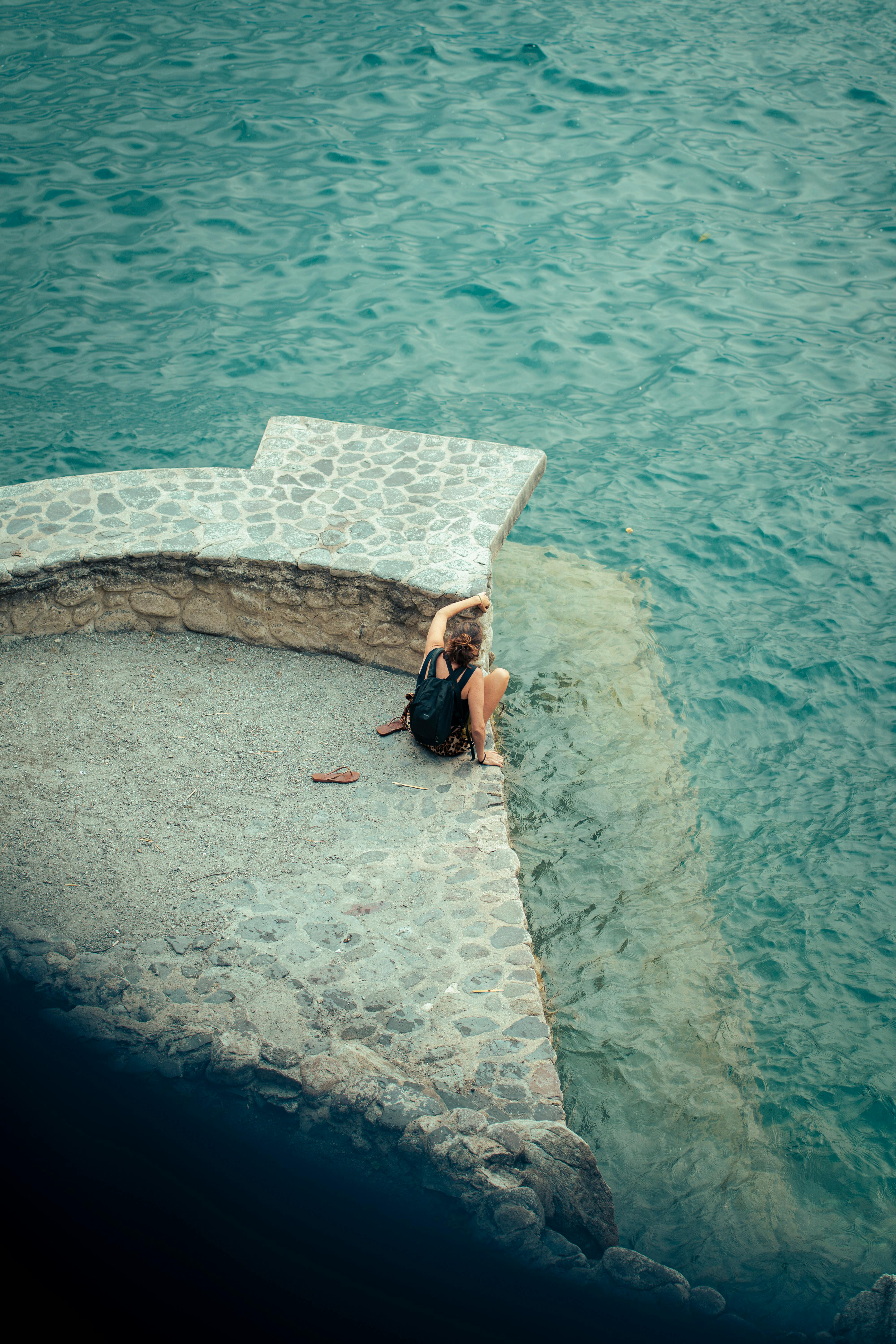
San Pedro La Laguna
A vibrant town popular with backpackers, offering plenty of nightlife and cafes. It's lively, noisy, and perfect for meeting other travelers.
Spiritual Haven
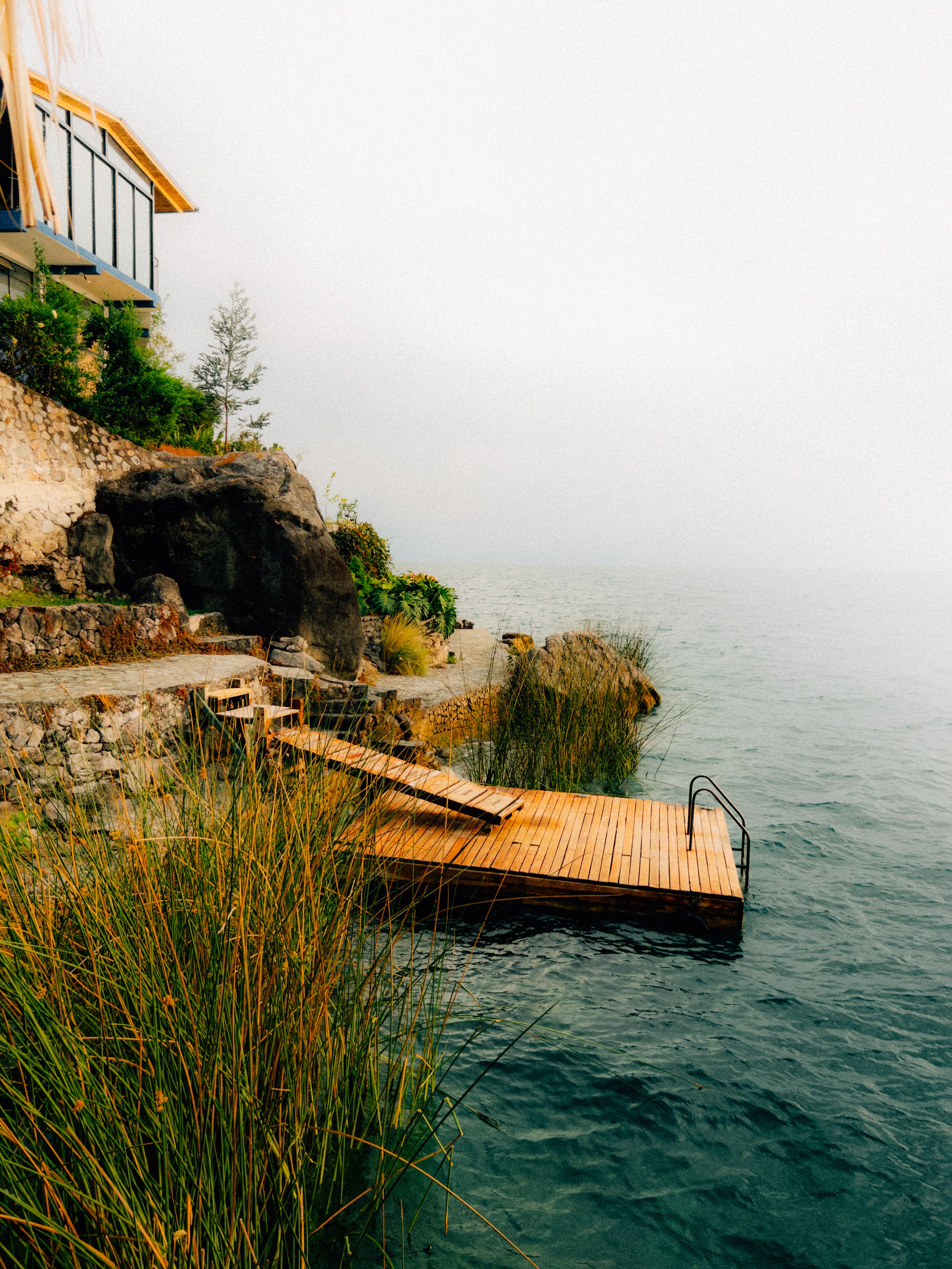
San Marcos La Laguna
Quiet, green, and focused on wellness. This is where you go for yoga, meditation, and a very slow, mindful lifestyle.
Convenience Center
Panajachel
The main entry point with the most amenities, markets, and shops. It is the most accessible for those who need city-like conveniences.
Places to Go
The experiences that will make you never leave
These aren't tourist checkboxes — they're the experiences that reset your sense of what's normal.

Top Pick
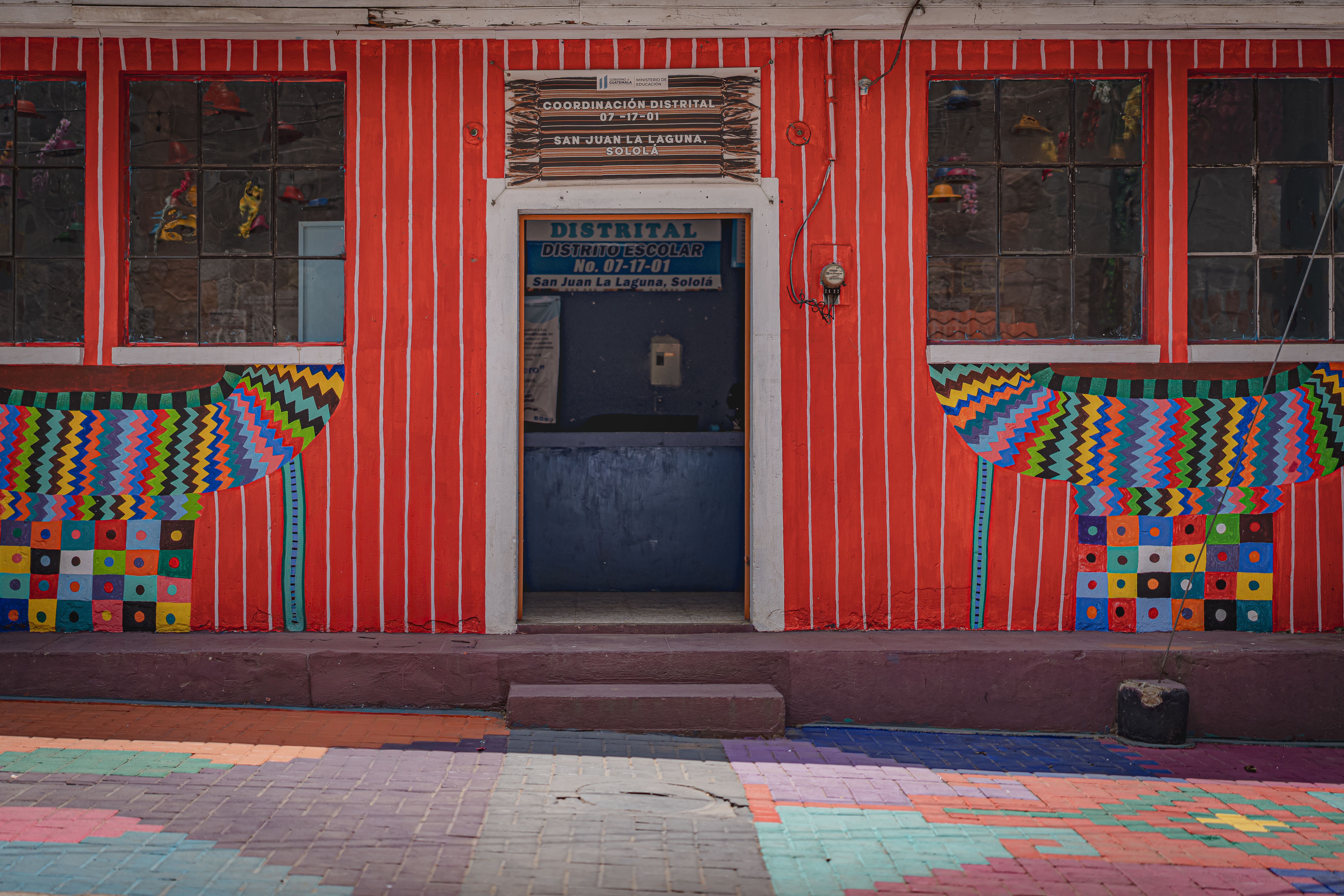
Lake Atitlán Boat Tour
Embark on a traditional boat tour to explore the various lakeside villages, each with its own charm and market. It is the most essential way to see the sheer scale of the volcanoes surrounding the water.
Visit
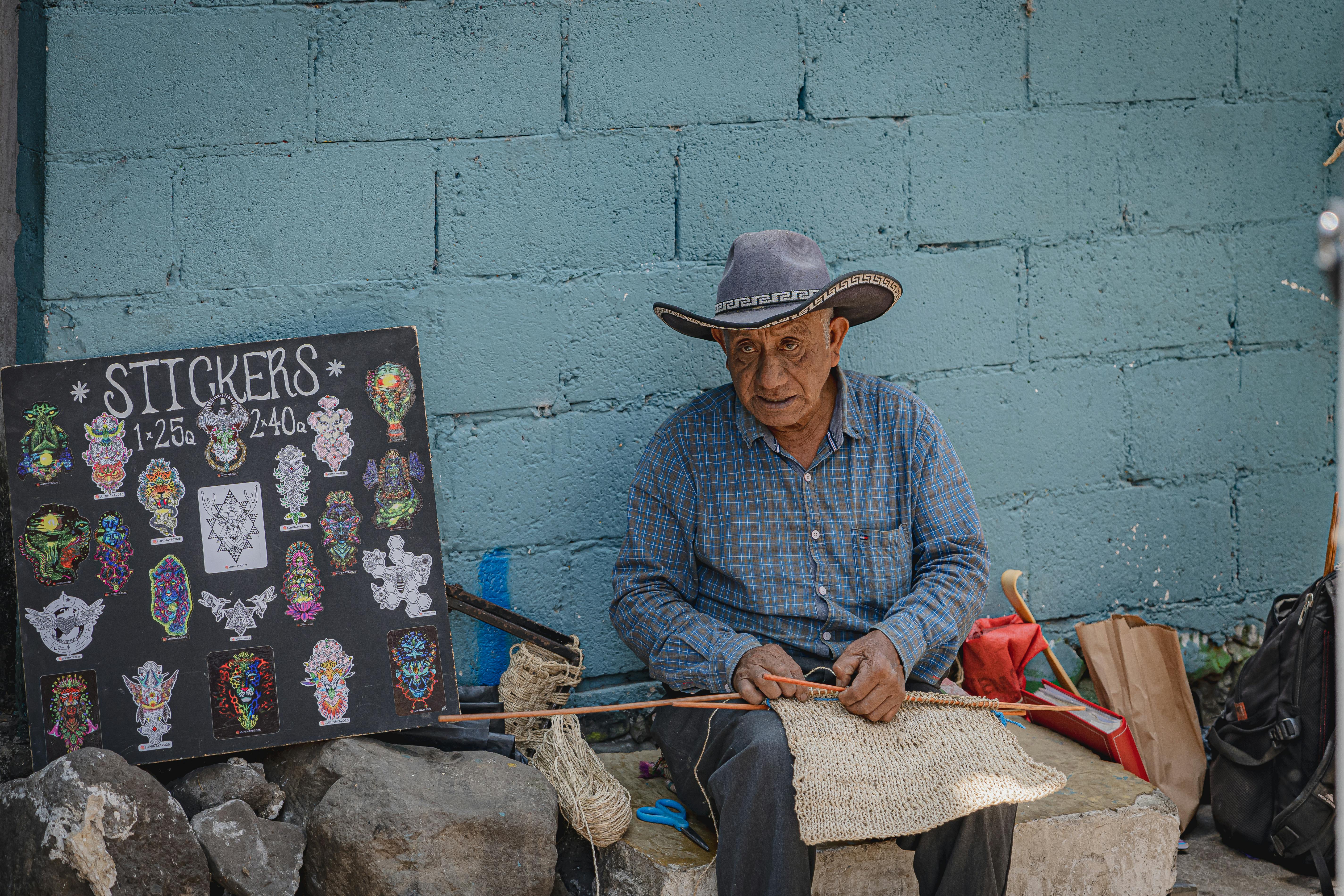
San Marcos La Laguna
Known as the spiritual heart of the lake, this village is famous for its yoga retreats, holistic healing centers, and lush, tranquil atmosphere.
Visit
Panajachel Market
The main market town offers an explosion of colors, textiles, and local produce. It is the perfect place to experience authentic Mayan commerce and pick up handcrafted souvenirs.

Visit
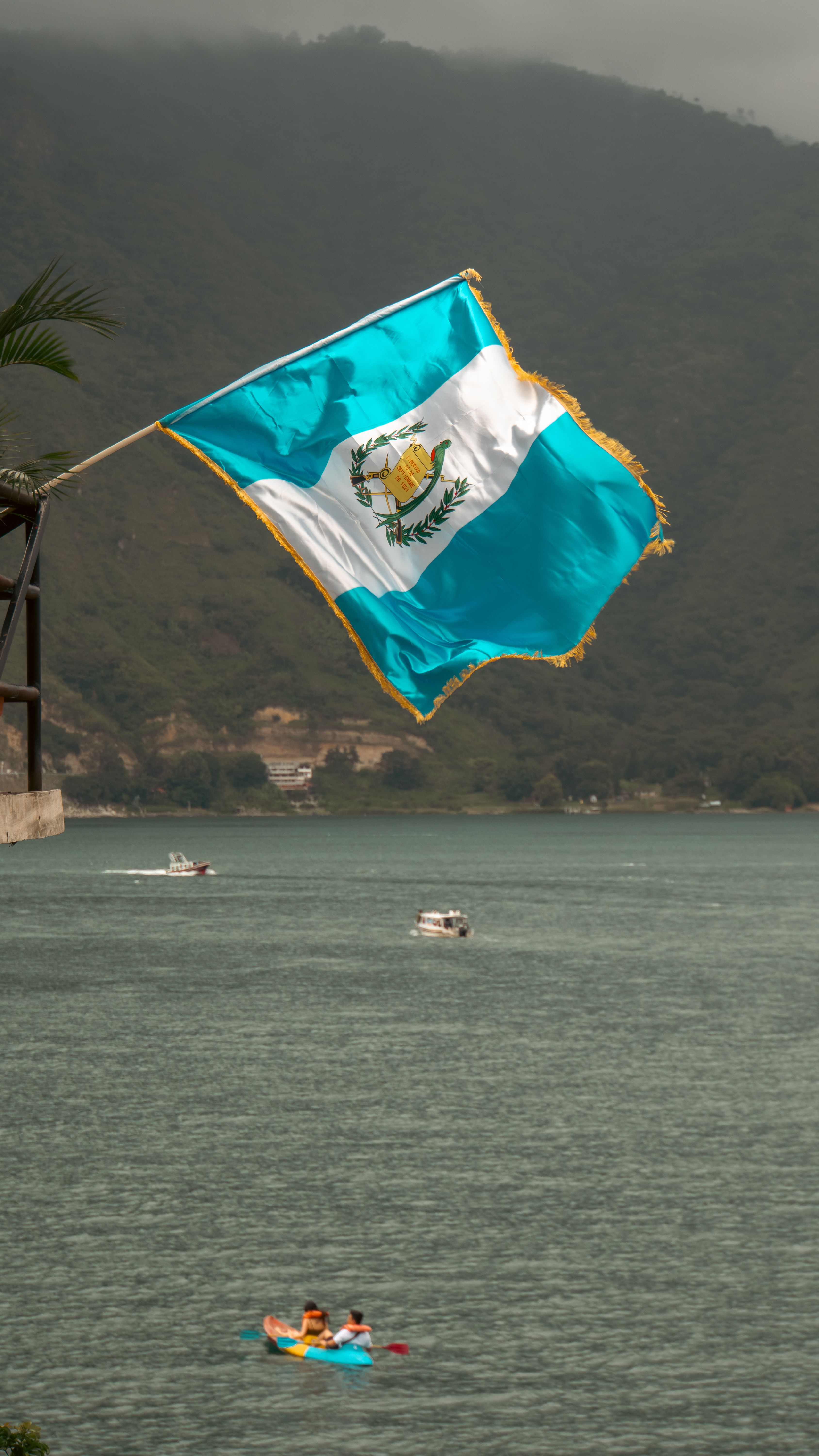
Indian Nose Viewpoint
Hike to the summit of the Indian Nose mountain for arguably the best sunrise view over the entire lake. The trail is challenging but rewards you with a panoramic perspective of the volcanoes.
Visit
Santiago Atitlán
The largest town on the lake, Santiago is deeply traditional and famous for the worship of Maximon, a folk saint. It offers a fascinating glimpse into the syncretic religious practices of the area.
Visit
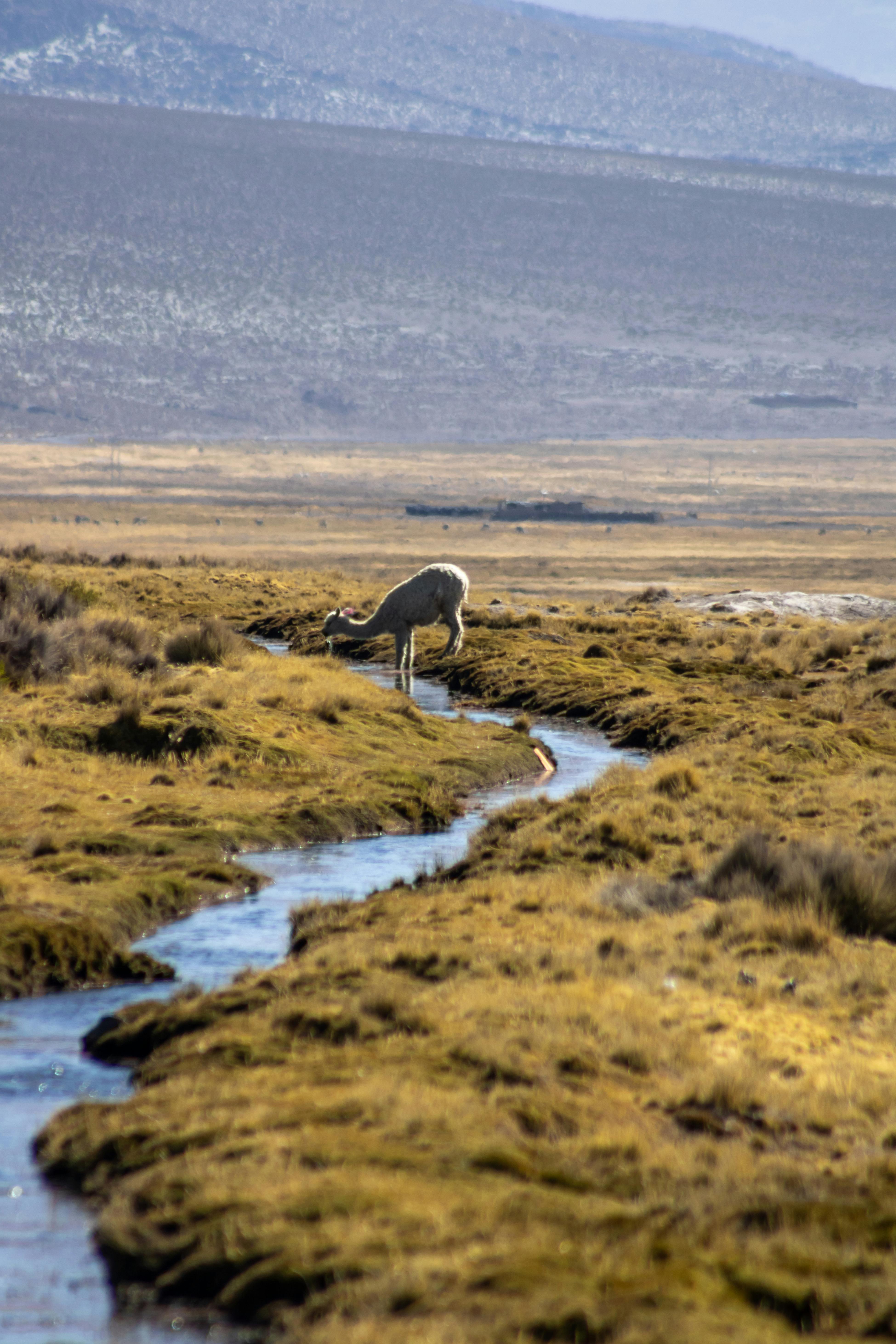
Reserva Natural Atitlán
This nature reserve features hanging bridges, butterfly gardens, and easy hiking trails. It is an ideal spot to see native wildlife and enjoy the dense forest canopy.
Visit
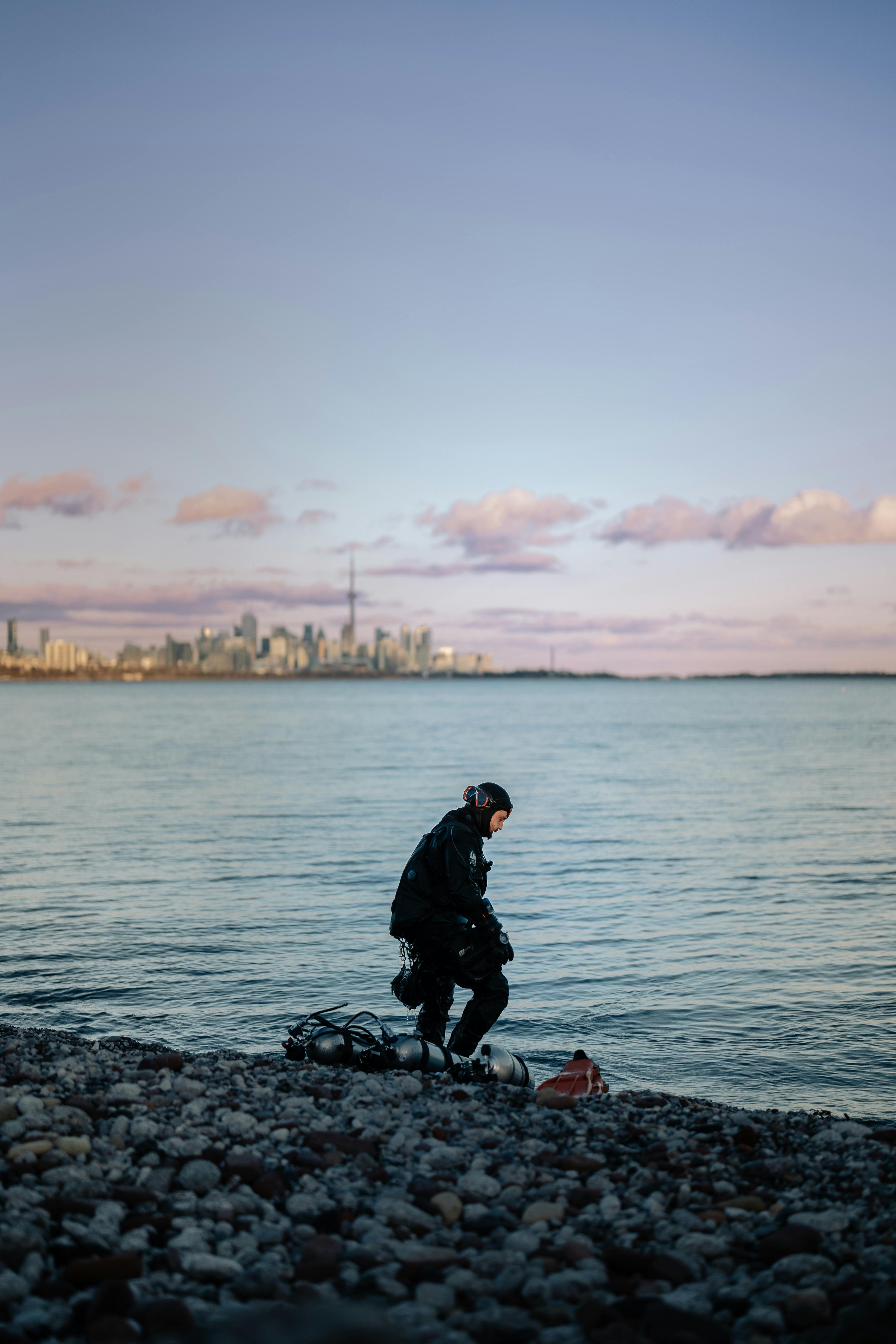
Scuba Diving in the Lake
Experience the unique sensation of diving in a volcanic crater lake. The water visibility and volcanic rock formations underwater provide a very surreal diving experience.
Visit
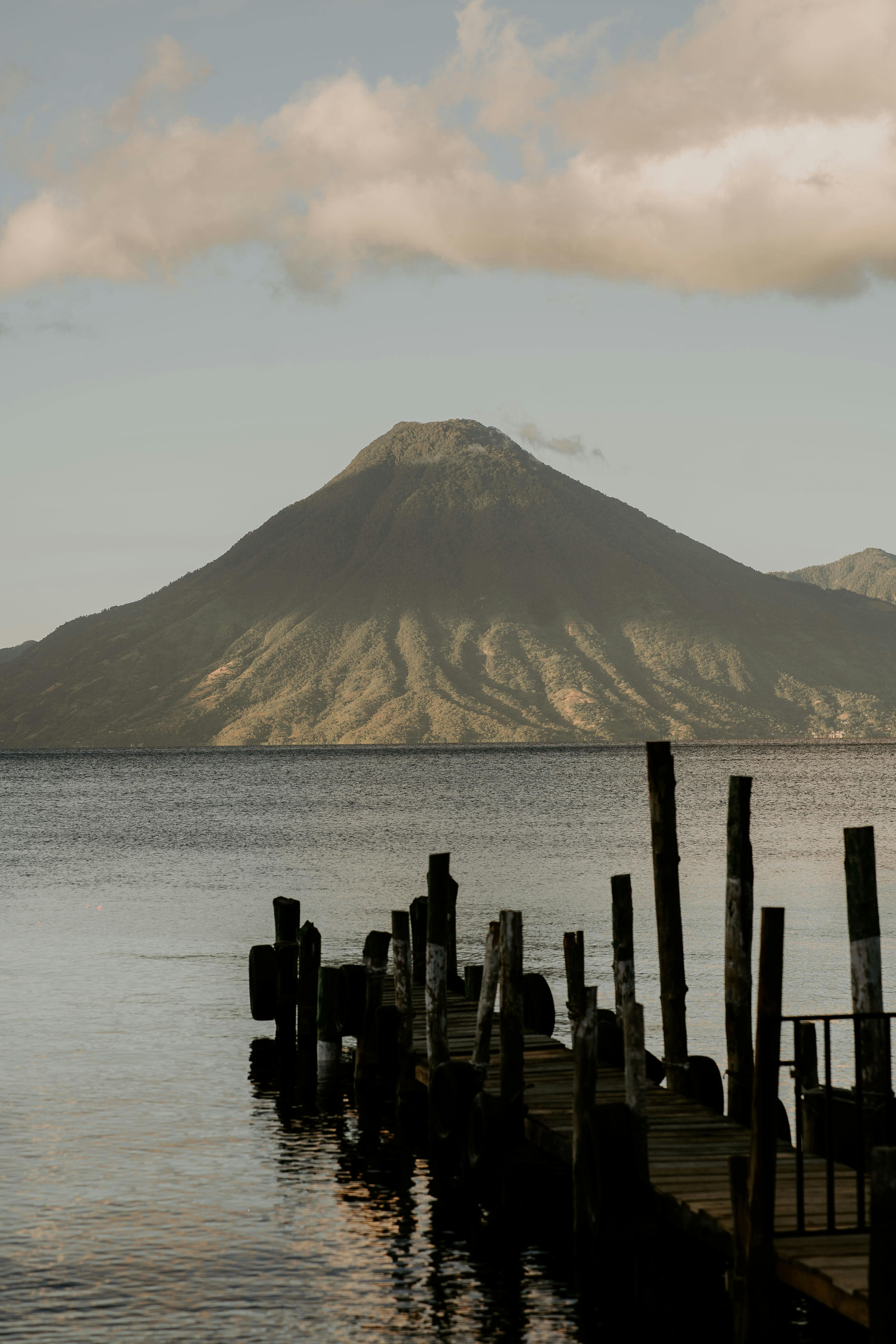
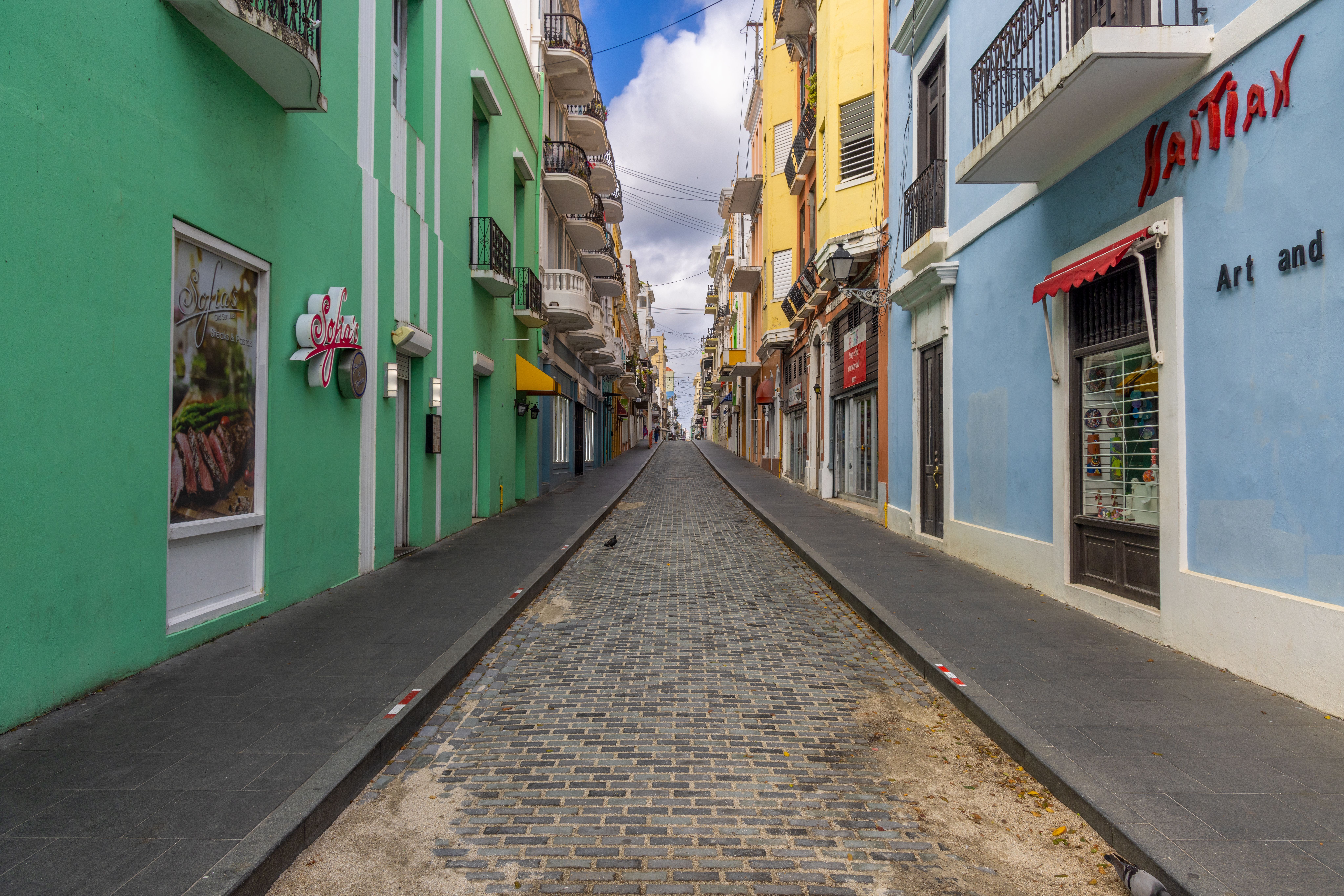
Church of San Juan
The town of San Juan is famous for its vibrant street art and textile cooperatives. The church itself serves as a cultural center for the local Tz'utujil community.
Visit
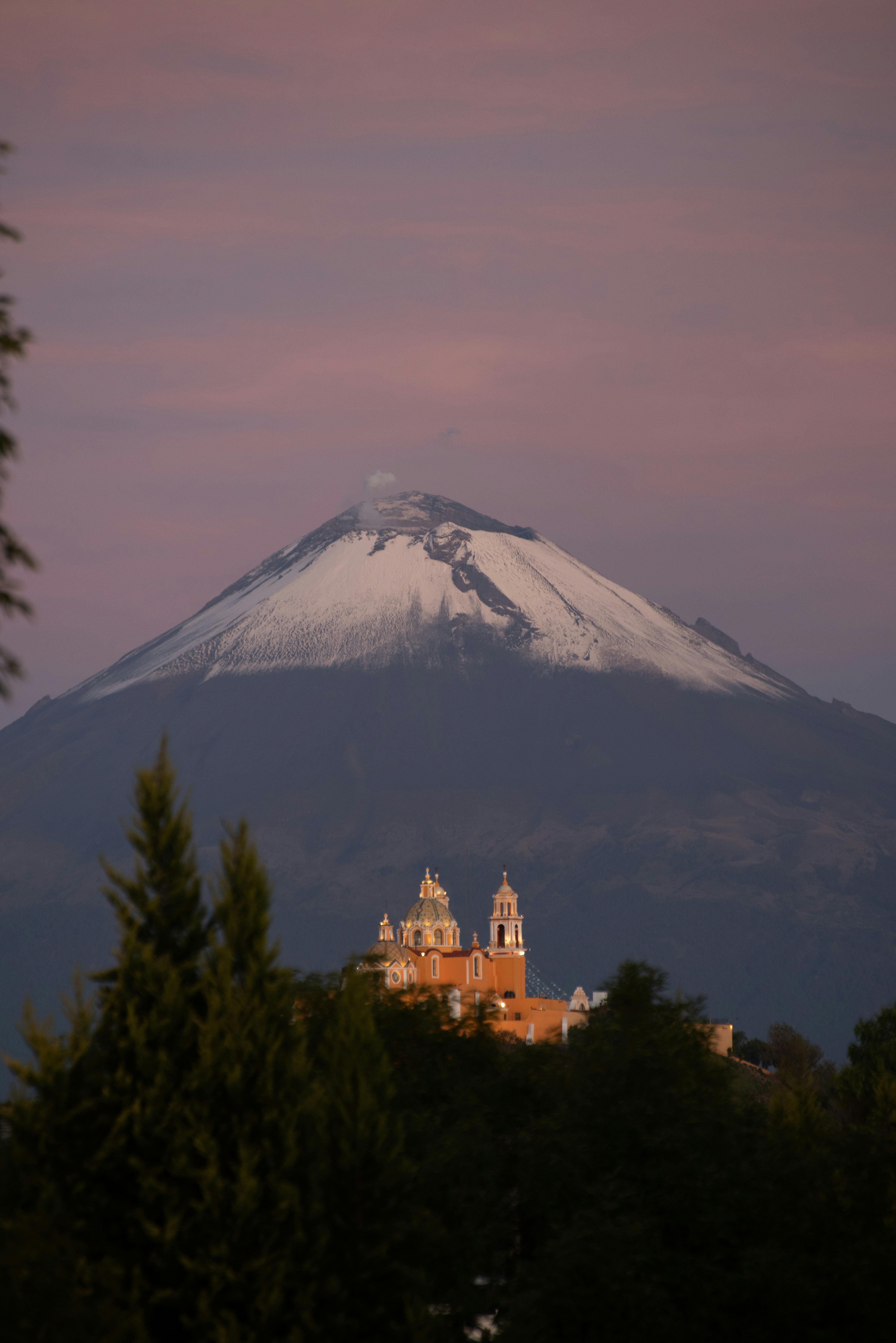
Tz'utujil Art Galleries
San Juan La Laguna is home to many local artists who paint intricate depictions of Mayan life. Browsing the galleries supports the local economy and offers beautiful, authentic art.
Visit
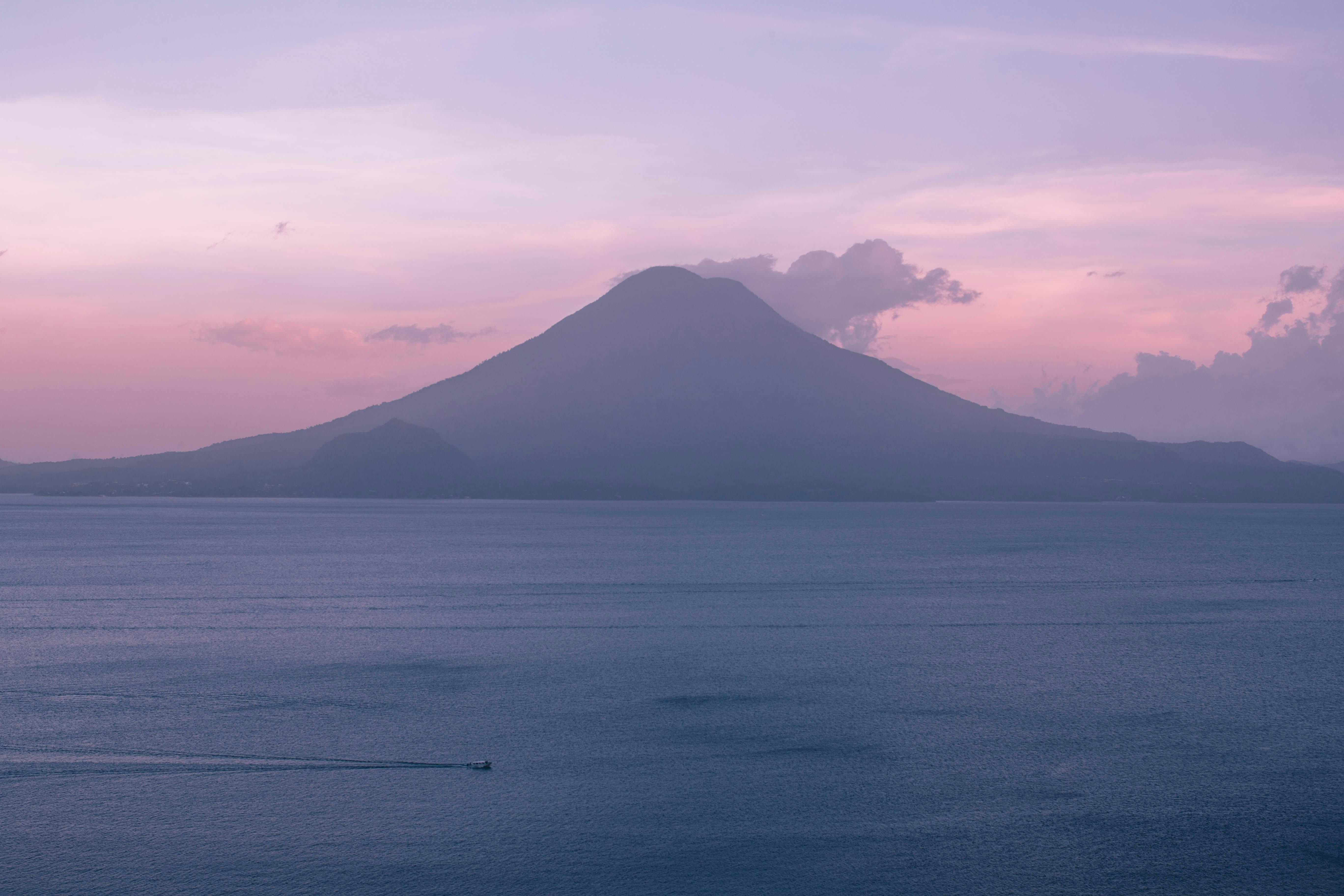
San Pedro Volcano Hike
Take on the strenuous hike up the San Pedro Volcano for an unmatched workout and high-altitude views. The trail is well-trodden and provides a direct path through cloud forests.
Work & Connectivity
Stay connected wherever you work
The nomad community here is real — cafés and coworking spaces where you can work and meet others.
Coworking San Marcos
A dedicated space in the heart of San Marcos, ideal for those who need a professional environment away from the village noise.
The Dreamer Co-working
A popular spot for digital nomads offering stable internet and a community-driven atmosphere.
Lakeside Cafe Culture
Many cafes in San Pedro offer decent Wi-Fi and beautiful views, though always check connection speeds first.
Budget & Costs
What it costs to live in Lake Atitlan
Choose your lifestyle tier. Comfortable = furnished accommodation, local + occasional Western food, transport, leisure.
$621
per month · USD · comfortable lifestyle
ModerateFurnished studio, local restaurants, transport, and weekend trips.
Exchange rates
Check xe.com or your bank for current USD to local currency.
Check xe.com or your bank for current USD to local currency.
🏠 Rent 45%$279/mo
🍽️ Food 25%$155/mo
🚌 Transport 5%$31/mo
💡 Utilities 7%$43/mo
🎭 Leisure 12%$74/mo
🏥 Health 6%$39/mo
Connectivity
Well connected to the world
Internet and transport options for remote workers.
📶
Internet
Good — fibre common
Check local providers.
🏢
Coworking
From ~$80/mo
Dedicated spaces available.
🚌
Local Transit
3 / 10
Lanchas (boats) between lake towns are the main transport
GUA
La Aurora International
100 km from centre
Safety & Visa
Safe, welcoming, and easy to enter
Safety Score6 / 10
✗ Tap Water📞 110
Visa
Check your entry options
Many nationalities get visa-free or visa-on-arrival. Check official government sources for your citizenship before travel.
Culture & Festivals
Local soul, nomad-friendly
Multiculturalism5/10
Foodie Scene5/10
⛰️ Mountain City⭐ Highly Rated🌴 Tropical Paradise🌿 Temperate🏄 Surf Spots🏞️ Lake Views💰 Ultra Budget📶 Fast WiFi🗣️ Spanish Speaking🧘 Retreats
Jan
Cacao Ceremony Season
Immersive indigenous ceremonies centered around the use of ceremonial cacao, focusing on healing and community.
Jun
San Pedro Fiesta
A vibrant patron saint celebration featuring traditional music, parades, and fireworks over the lake.
Nov
Yoga & Meditation Retreats
A peak season for wellness seekers to visit the lake and engage in transformative group retreats.
For those seeking deep immersion, consider volunteering at one of the local education centers. It is a fantastic way to give back to the communities that make Lake Atitlán so special.
Food & Nightlife
A feast for every mood
From street food to cafés and nightlife — every meal is an event.
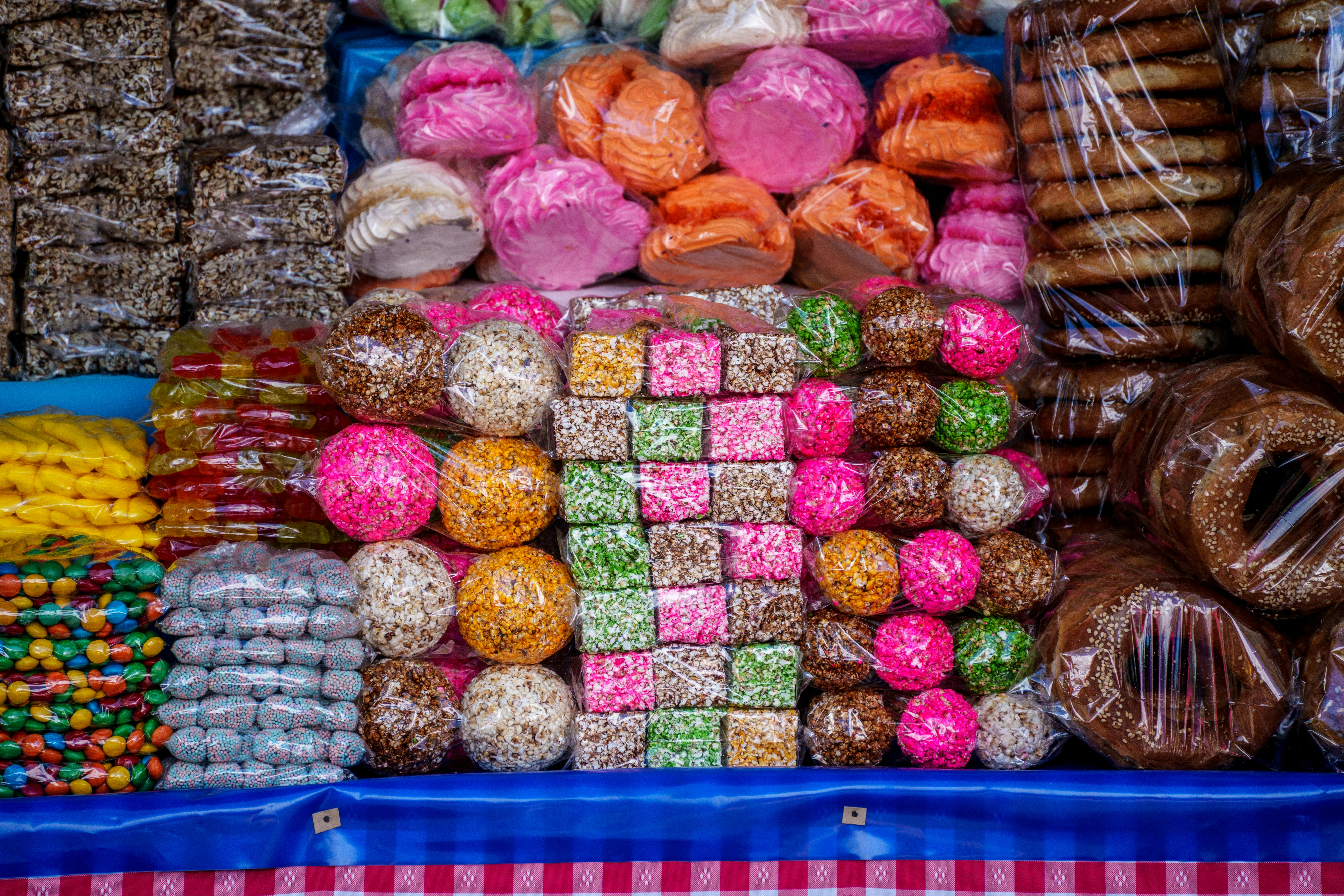
Street Food
Local Market Stalls
Grab a fresh, authentic pupusa or tamale from the local markets for just a few dollars. It is the cheapest and most delicious way to eat daily.
Café Culture
San Marcos Lakeside Cafes
Enjoy organic coffee and healthy breakfast bowls in cafes overlooking the volcanoes. These spots are perfect for morning work sessions.
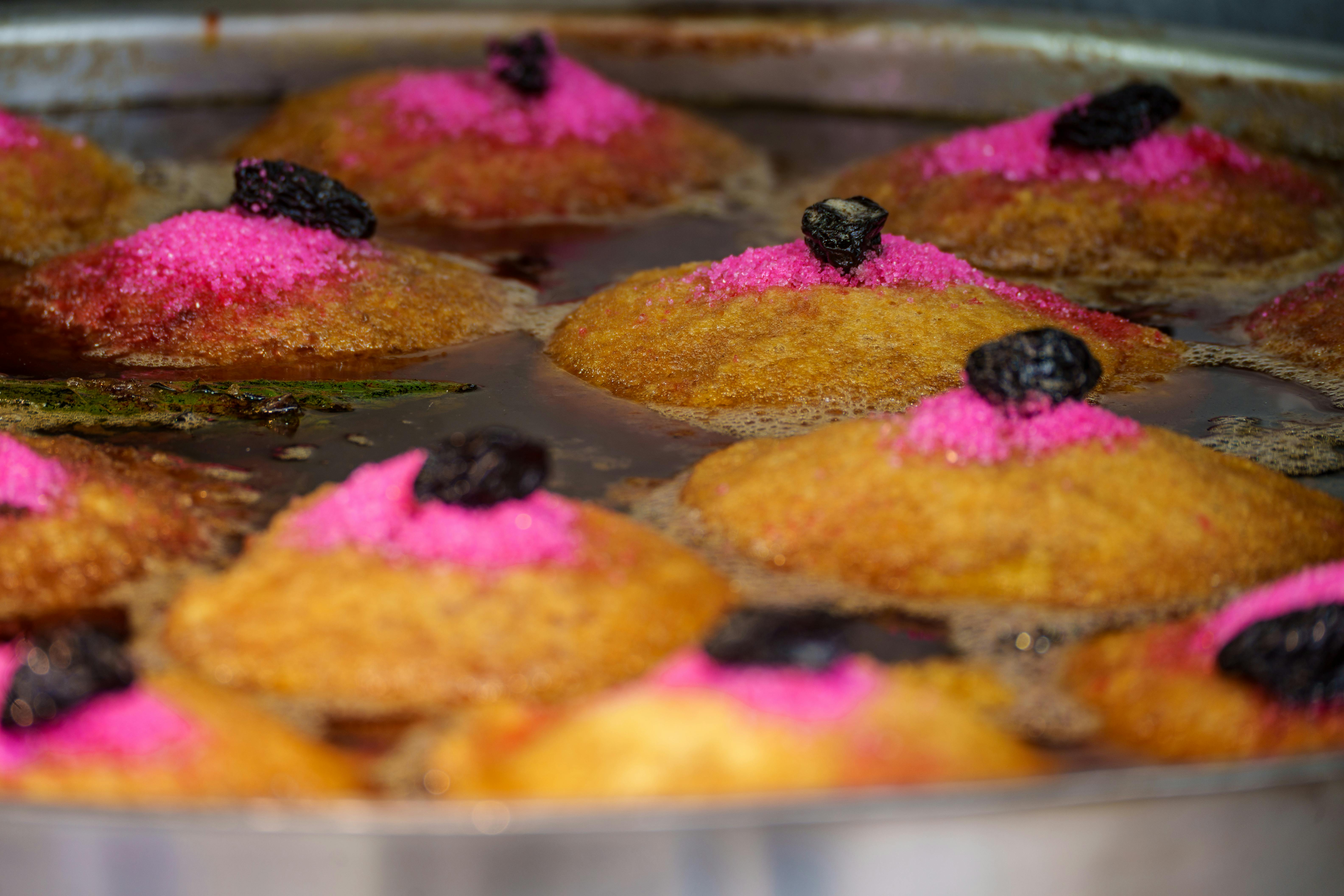
Traditional
Mayan Cuisine
Try traditional dishes like pepián or jocon in local family-run restaurants for a taste of authentic Guatemalan flavors.
Climate
Best months: Apr, May, Jun, Jul, Aug, Sep, Oct
Avg humidity70%
Avg AQI40
The best time to visit Lake Atitlán is generally between April and October. This window offers plenty of sunshine and vibrant surroundings, though you should expect afternoon showers during the rainy season. The highland climate remains temperate year-round, meaning it is rarely too hot, though it can get chilly at night, so packing layers is essential.
While there isn't a specific 'bad' time to visit, budget-conscious travelers should note that popular festivals can drive up accommodation prices. If you prefer quieter trails and more solitude, consider visiting during the shoulder seasons just outside the peak holiday months.
Monthly temperatures °C
BestAvoidShoulder
Practical Info
Everything you need to know
🏥
Healthcare
Medical facilities are basic in the villages, so for anything major, you may need to travel to larger cities. Always ensure you have comprehensive travel insurance.
💱
Money
The local currency is the Guatemalan Quetzal. Cash is king here, as many small shops and lancha operators do not accept cards; carry small denominations.
🌐
Language & Etiquette
Spanish is the primary language, though indigenous Mayan languages are commonly spoken. Locals appreciate when you learn basic phrases, and always be respectful of local customs.
Tips
Quick tips
- Always drink bottled or filtered water.
- Carry a small backpack for items during boat transfers.
- Learn basic Spanish phrases to navigate local markets.
- Pack a light jacket for cool lakeside evenings.
- Stick to well-lit areas at night.
- Respect the local culture by dressing modestly.
- Always negotiate boat prices before boarding.
- Download offline maps to navigate trails.
Further Reading