
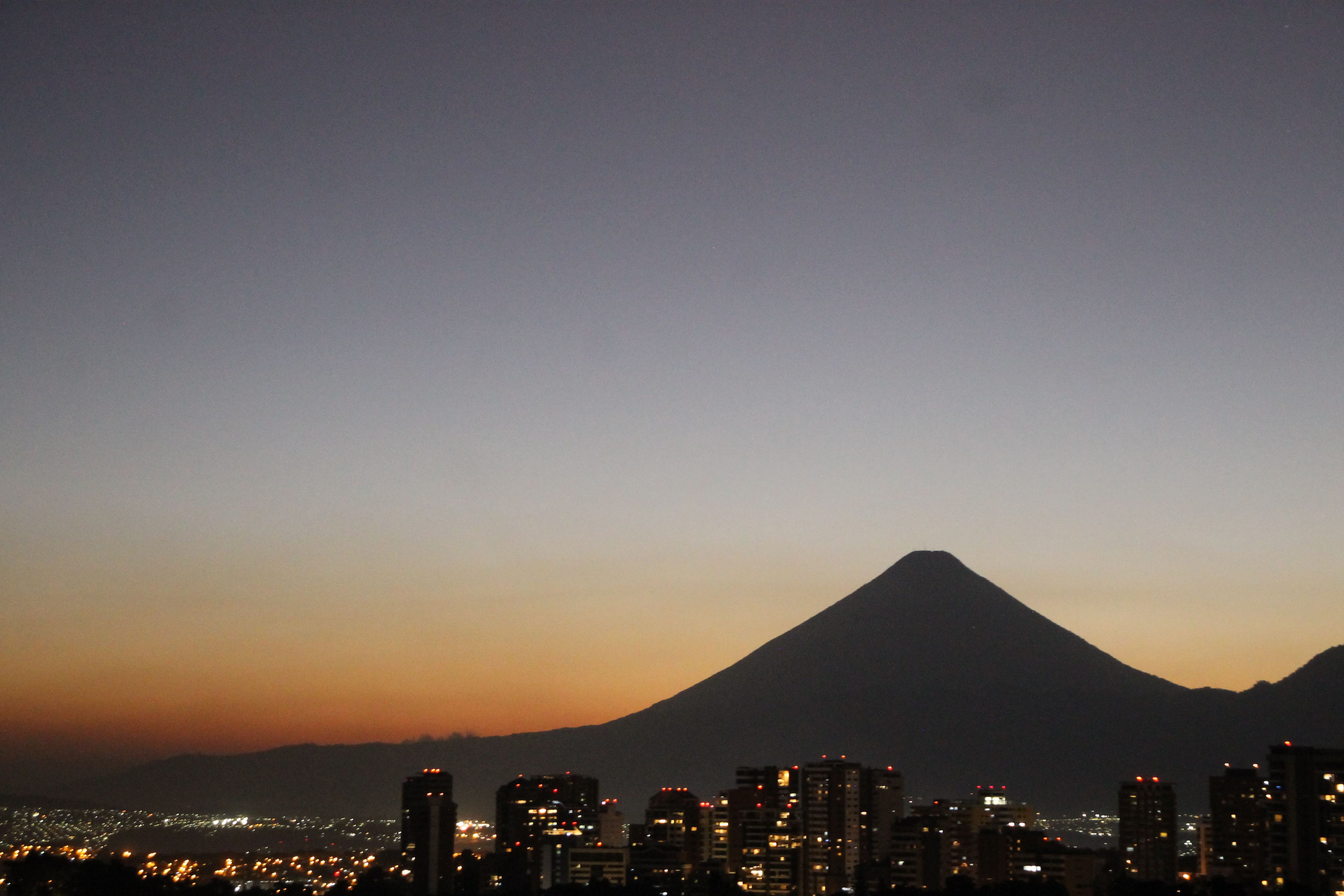
Guatemala City · Guatemala
Overview
Guatemala City is a raw, authentic heartbeat of Central America that rewards those who take the time to navigate its distinct zones.
Guatemala City is a complex, high-energy metropolis that often surprises visitors with its blend of urban chaos and deep cultural roots. For the modern nomad, it acts as a central hub from which to explore the volcanic landscapes and ancient Mayan history of the country. While it is not a traditional 'tourist' city, its modern business districts like Zone 10 offer a comfortable, Western-influenced lifestyle that makes remote work easy and productive.
The city is divided into 'zones,' which determine the vibe, safety, and amenities available. Nomads generally congregate in the more affluent areas where modern infrastructure meets a growing café culture. If you are watching your budget, the Cost of living in Guatemala City is quite competitive for the region. Meanwhile, the Climate remains pleasant throughout the year due to the high altitude, providing a reprieve from the tropical heat found at lower elevations.
History
Guatemala City was officially founded as the nation's capital in 1776, following the catastrophic ea…
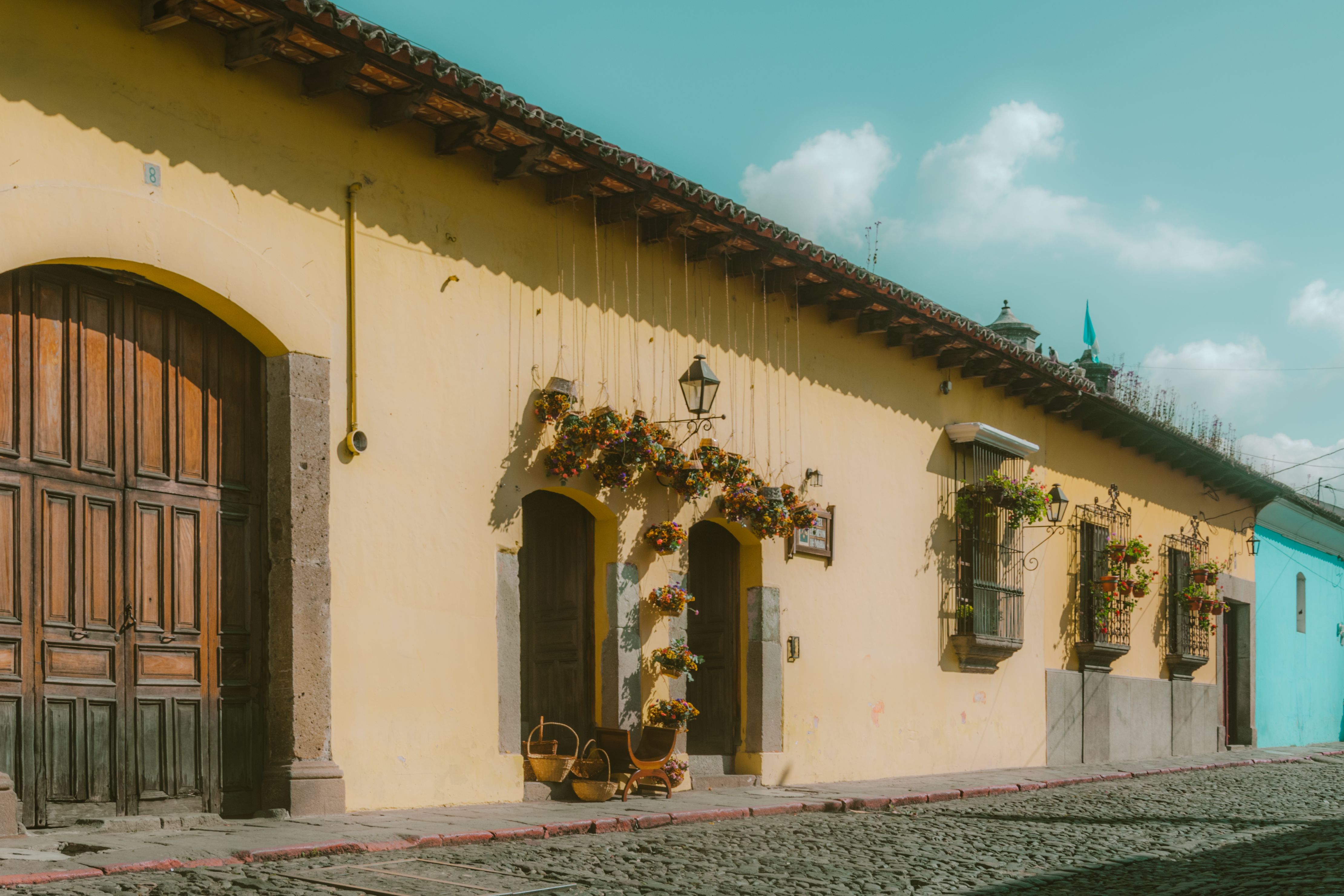
Guatemala City was officially founded as the nation's capital in 1776, following the catastrophic earthquake that destroyed the former capital, Antigua. The site was chosen for its strategic location and flatter terrain, leading to the rapid development of a neoclassical urban grid that remains the heart of the city today.
Throughout the 20th century, the city underwent significant growth and modernization, often marked by the political turbulence that defined much of the region. Today, it stands as a bustling center of commerce and administration, constantly trying to balance its colonial past with the pressures of a modern, fast-growing economy.
1776
Official FoundationThe capital was moved to its current location in the Valle de la Ermita following the destruction of Antigua by earthquakes.
1821
IndependenceGuatemala gained its independence from Spain, with the city becoming the political nucleus of the new nation.
1917
Great EarthquakesA series of massive earthquakes decimated much of the city, requiring extensive reconstruction efforts.
1960s
Rapid ExpansionThe city experienced a massive population boom and infrastructure development as it transitioned into a modern urban center.
2000s
Urban RenewalInvestment into modern zones like Zone 10 and Zone 4 established the city as a regional business and digital hub.
Where to Stay
Choose your base camp
Distinct neighbourhoods, different rhythms. Pick the one that fits your work-life balance.
Nomad Hub
Zone 10 (Zona Viva)
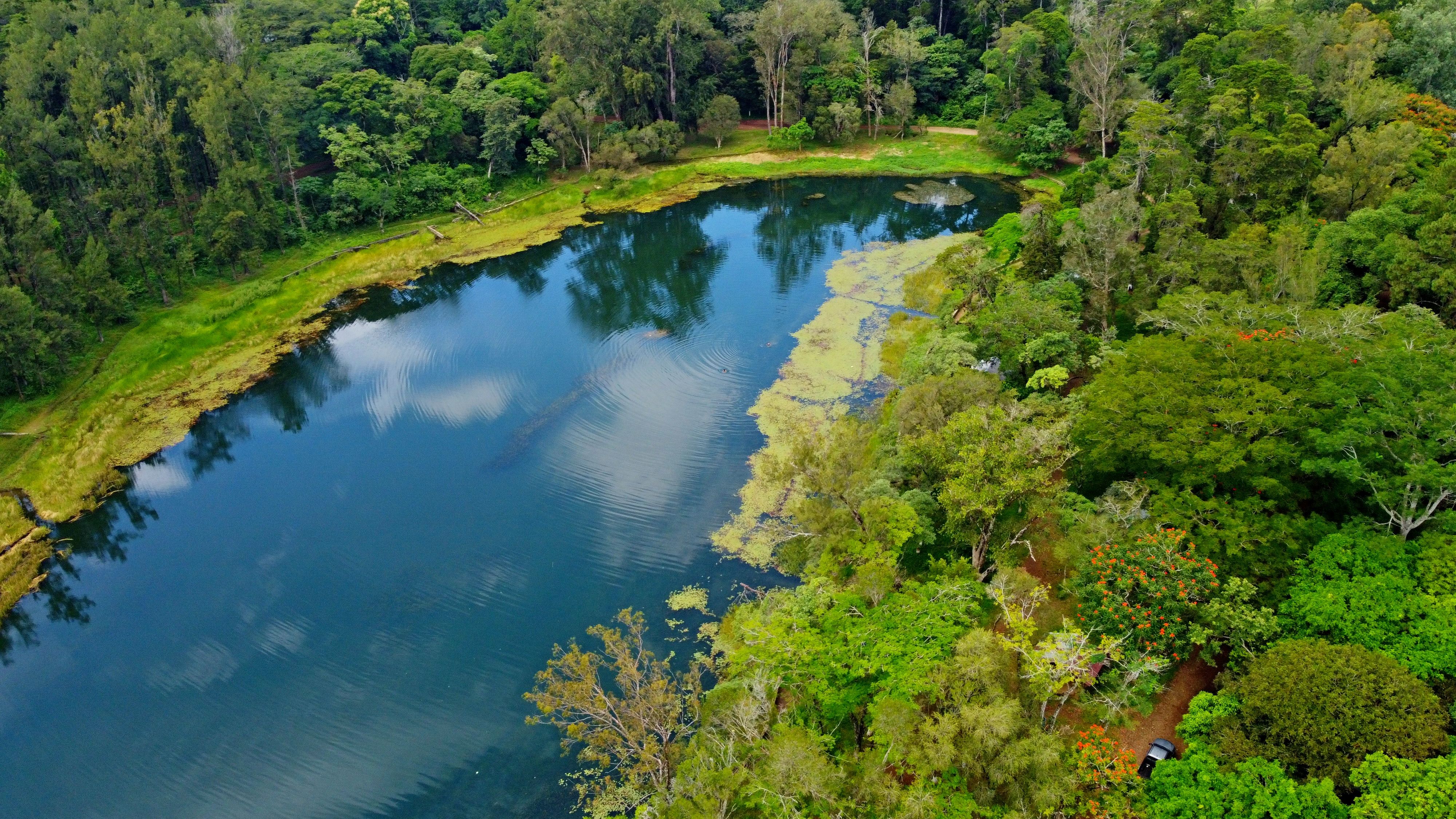
This is the premier district for nomads, featuring high-end restaurants, malls, and coworking spaces. It is generally the safest and most walkable zone for foreigners.
Up and Coming
Zone 4
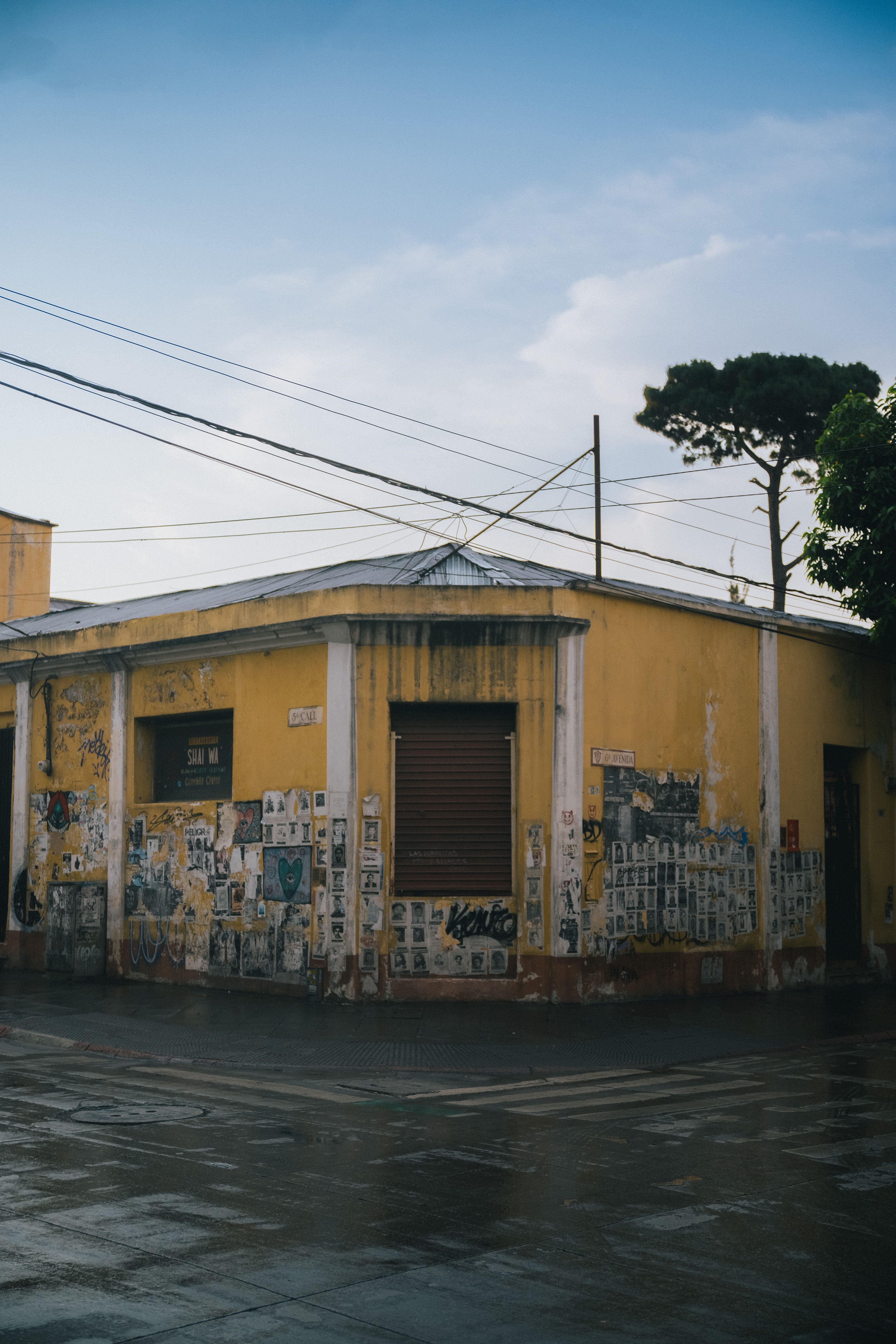
Known as the hip, creative district, Zone 4 offers trendy cafes and a vibrant street art scene. It is perfect for those who want a mix of culture and community.
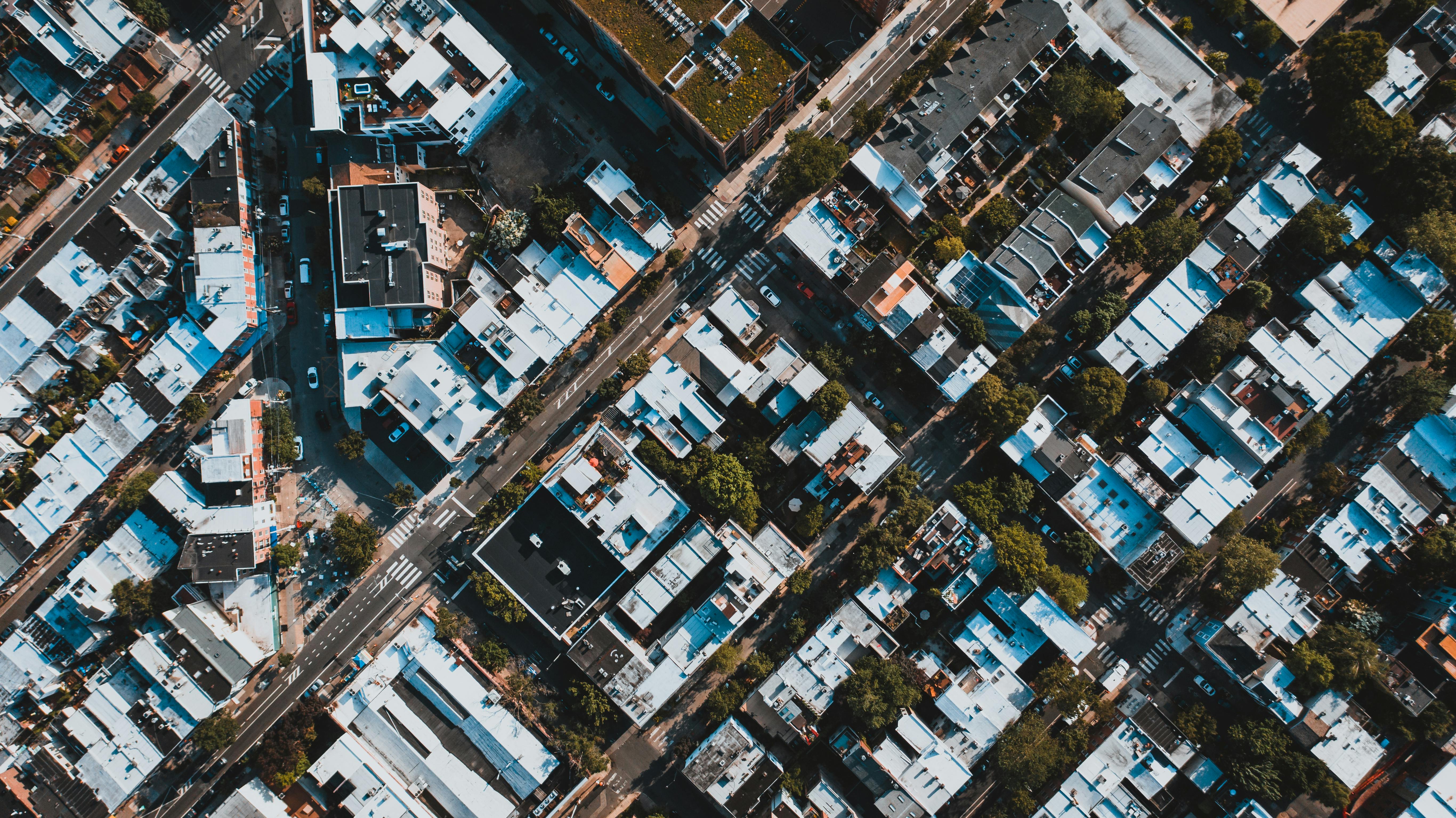
Upscale Living
Zone 14
A residential and business district that offers a quieter, more secure living experience. It is ideal for nomads who prefer a modern apartment lifestyle away from the city center noise.
Places to Go
The experiences that will make you never leave
These aren't tourist checkboxes — they're the experiences that reset your sense of what's normal.
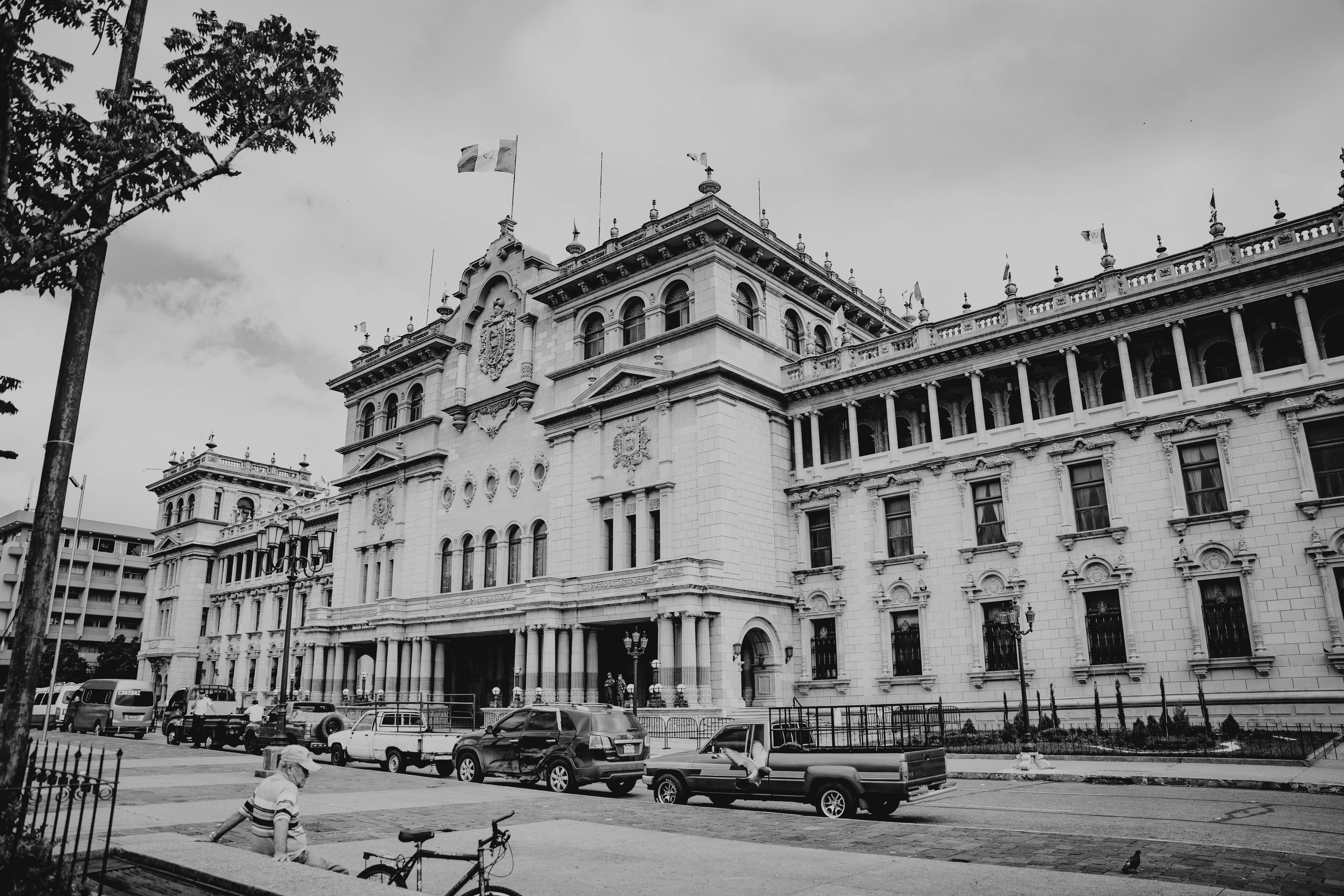
Top Pick
National Palace
The former seat of the presidency, this grand green building is a masterpiece of colonial-style architecture. It now serves as a museum displaying the nation's history and art.
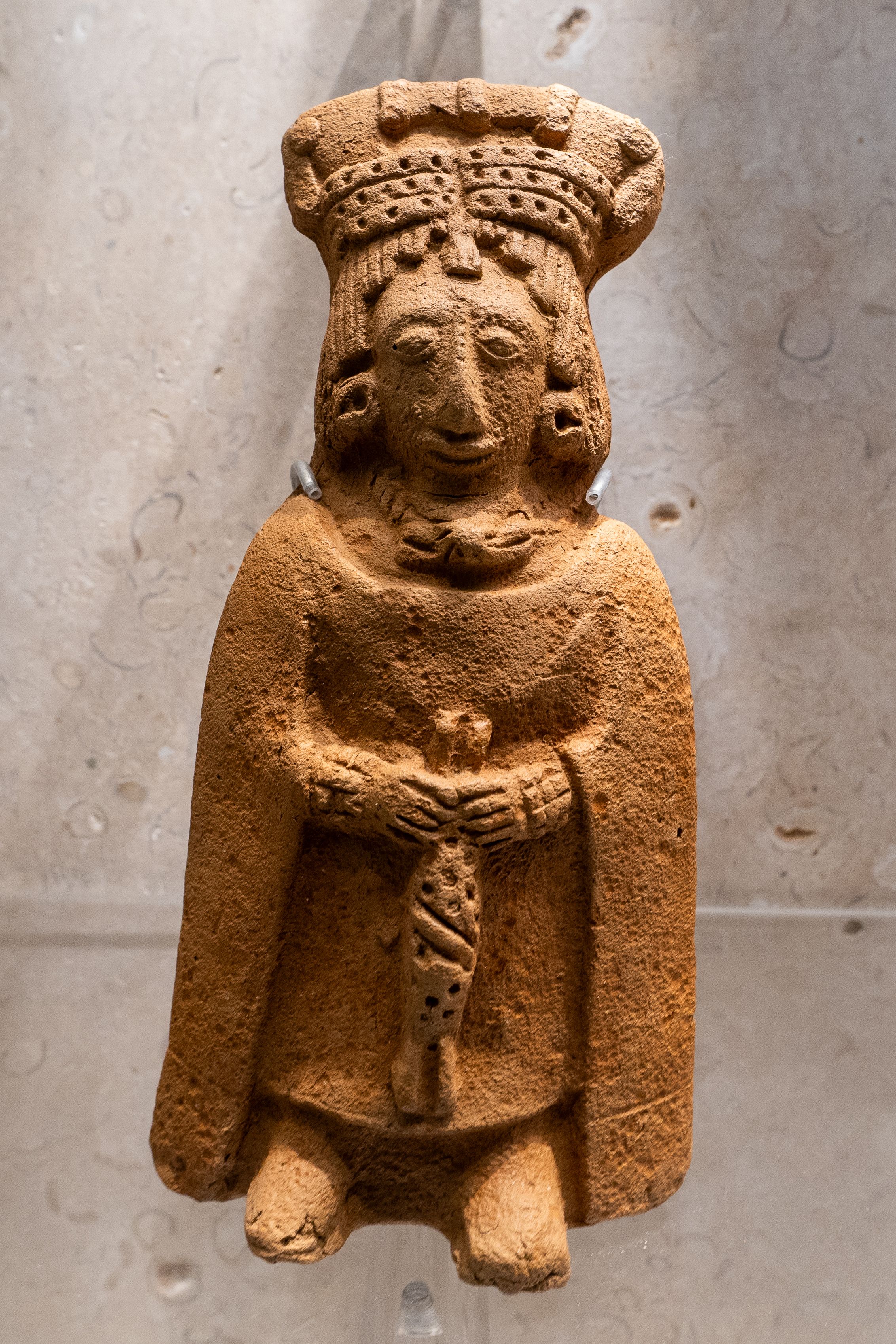
Official Site
Museo Popol Vuh
This museum houses one of the finest collections of Mayan art in the world. It provides deep context for the indigenous civilizations that shaped the region.
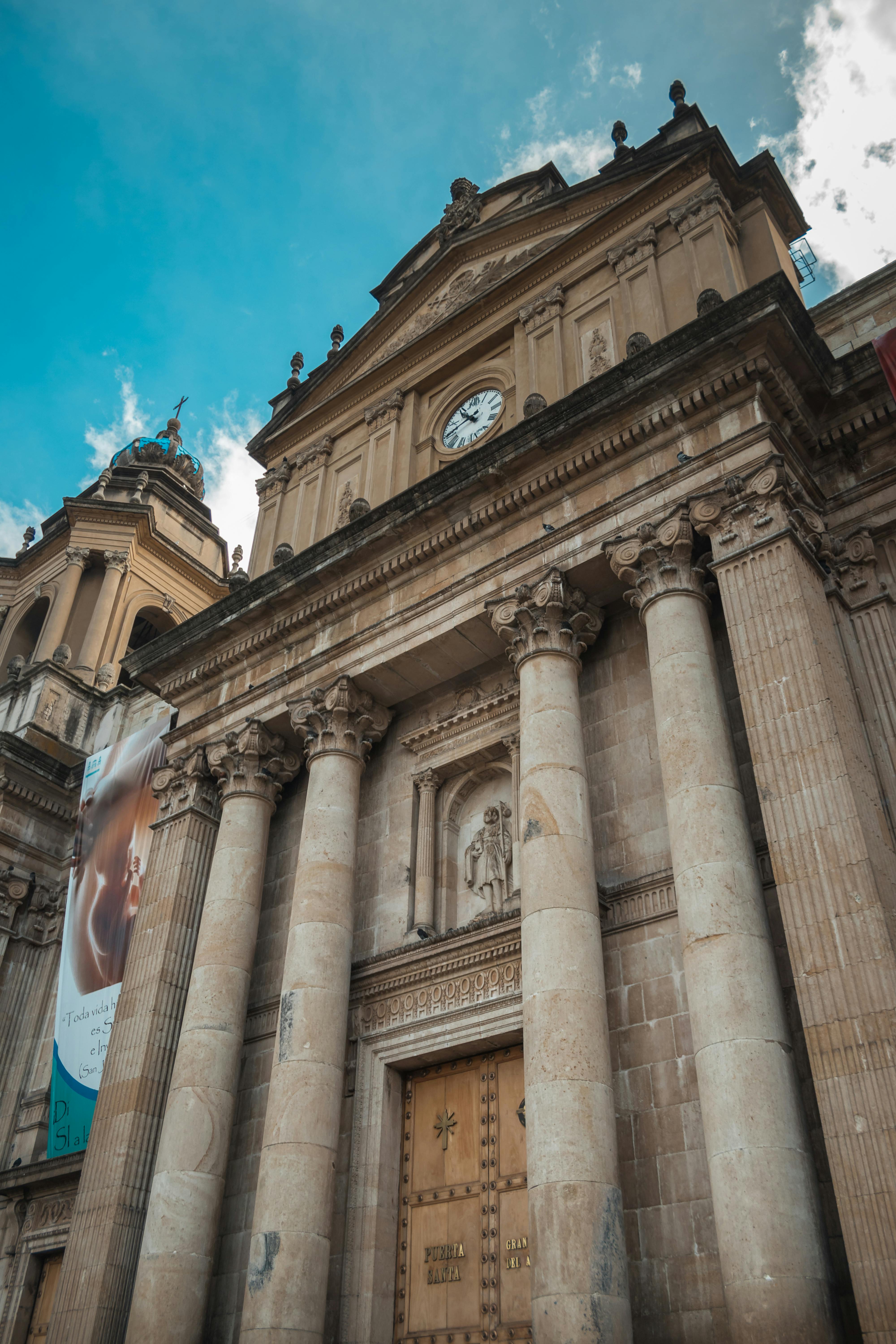
Wikipedia
Metropolitan Cathedral
Located in the heart of the city, this neoclassical structure is the center of religious life. Its imposing facade remains an iconic landmark for visitors.
Work & Connectivity
Stay connected wherever you work
The nomad community here is real — cafés and coworking spaces where you can work and meet others.
Semilla
A popular coworking space that fosters a community atmosphere and provides excellent high-speed internet for remote workers.
Impact Hub Guatemala
Part of the global network, this space is ideal for digital nomads looking to network with local entrepreneurs and international freelancers.
Co-Kin
Known for its professional environment and ergonomic workstations, Co-Kin is a great choice for those who need to focus during the work day.
Budget & Costs
What it costs to live in Guatemala City
Choose your lifestyle tier. Comfortable = furnished accommodation, local + occasional Western food, transport, leisure.
$694
per month · USD · comfortable lifestyle
ModerateFurnished studio, local restaurants, transport, and weekend trips.
Exchange rates
Check xe.com or your bank for current USD to local currency.
Check xe.com or your bank for current USD to local currency.
🏠 Rent 45%$312/mo
🍽️ Food 25%$173/mo
🚌 Transport 5%$34/mo
💡 Utilities 7%$48/mo
🎭 Leisure 12%$83/mo
🏥 Health 6%$43/mo
Connectivity
Well connected to the world
Internet and transport options for remote workers.
📶
Internet
Good — fibre common
Check local providers.
🏢
Coworking
From ~$80/mo
Dedicated spaces available.
🚌
Local Transit
4 / 10
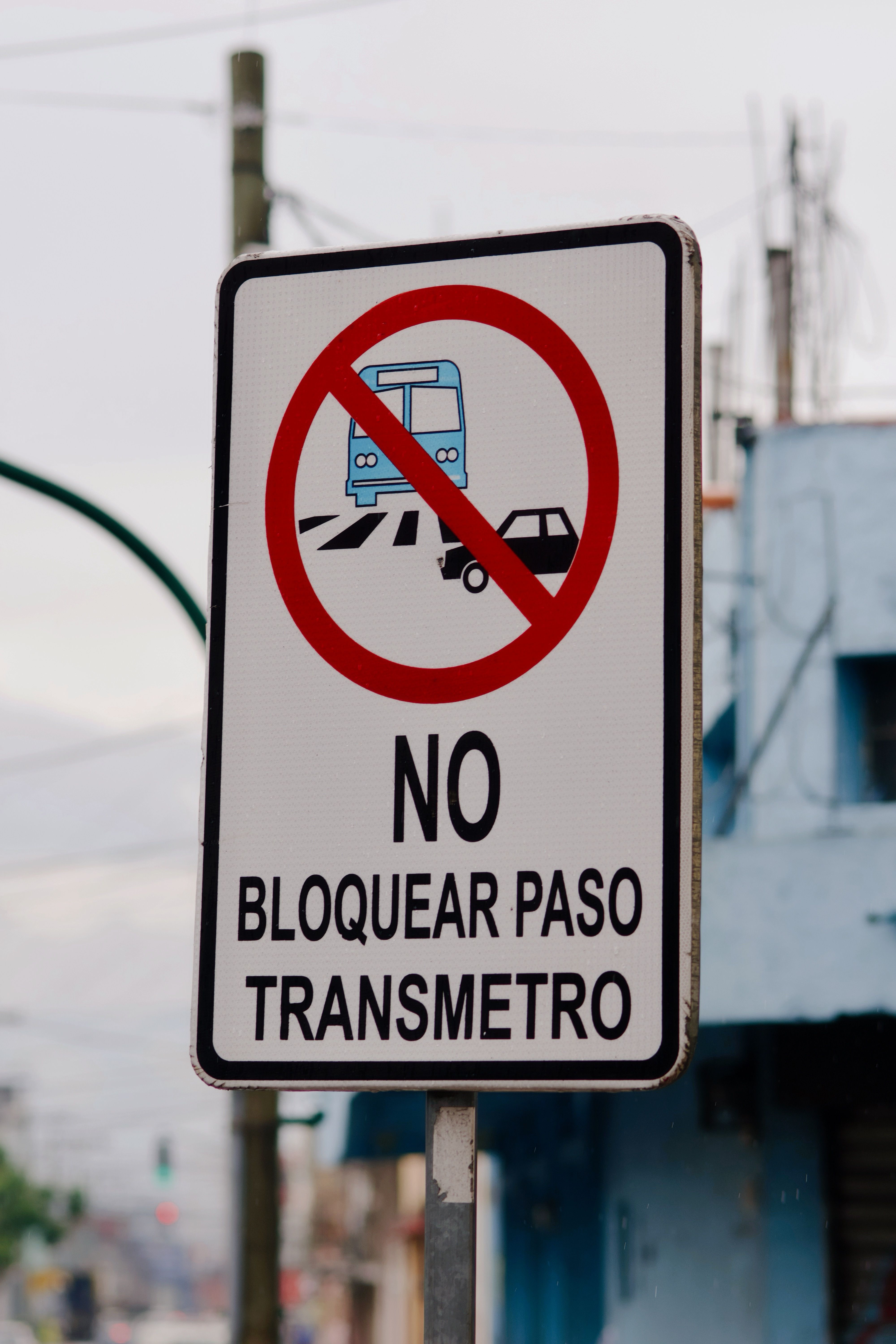
TransMetro BRT is safe and cheap; avoid walking at night in Zone 1
GUA
La Aurora International
6 km from centre
bogotagranadalosangelesmexicocitymiaminewyorkpanamacitysanjose
Safety & Visa
Safe, welcoming, and easy to enter
Safety Score3 / 10
✗ Tap Water📞 110
Visa
Check your entry options
Many nationalities get visa-free or visa-on-arrival. Check official government sources for your citizenship before travel.
Culture & Festivals
Local soul, nomad-friendly
Multiculturalism5/10
Foodie Scene5/10
☕ Coffee⛰️ Mountain City🌴 Tropical Paradise🌿 Temperate🏄 Surf Spots🏙️ Urban🏥 Affordable Healthcare💚 Budget Friendly🗣️ Spanish Speaking🚶 Walkable
Aug
Festival del Centro Histórico
A celebration of music and arts held in the historic center, perfect for experiencing the local creative pulse.
Aug
Feria de Jocotenango
A week-long carnival filled with traditional food, fireworks, and family-friendly rides.
For those interested in history, the Kaminaljuyú ruins offer a unique look at the Mayan presence within the modern city limits. Make time to visit the local markets for fresh, affordable produce.
Food & Nightlife
A feast for every mood
From street food to cafés and nightlife — every meal is an event.
Street Food
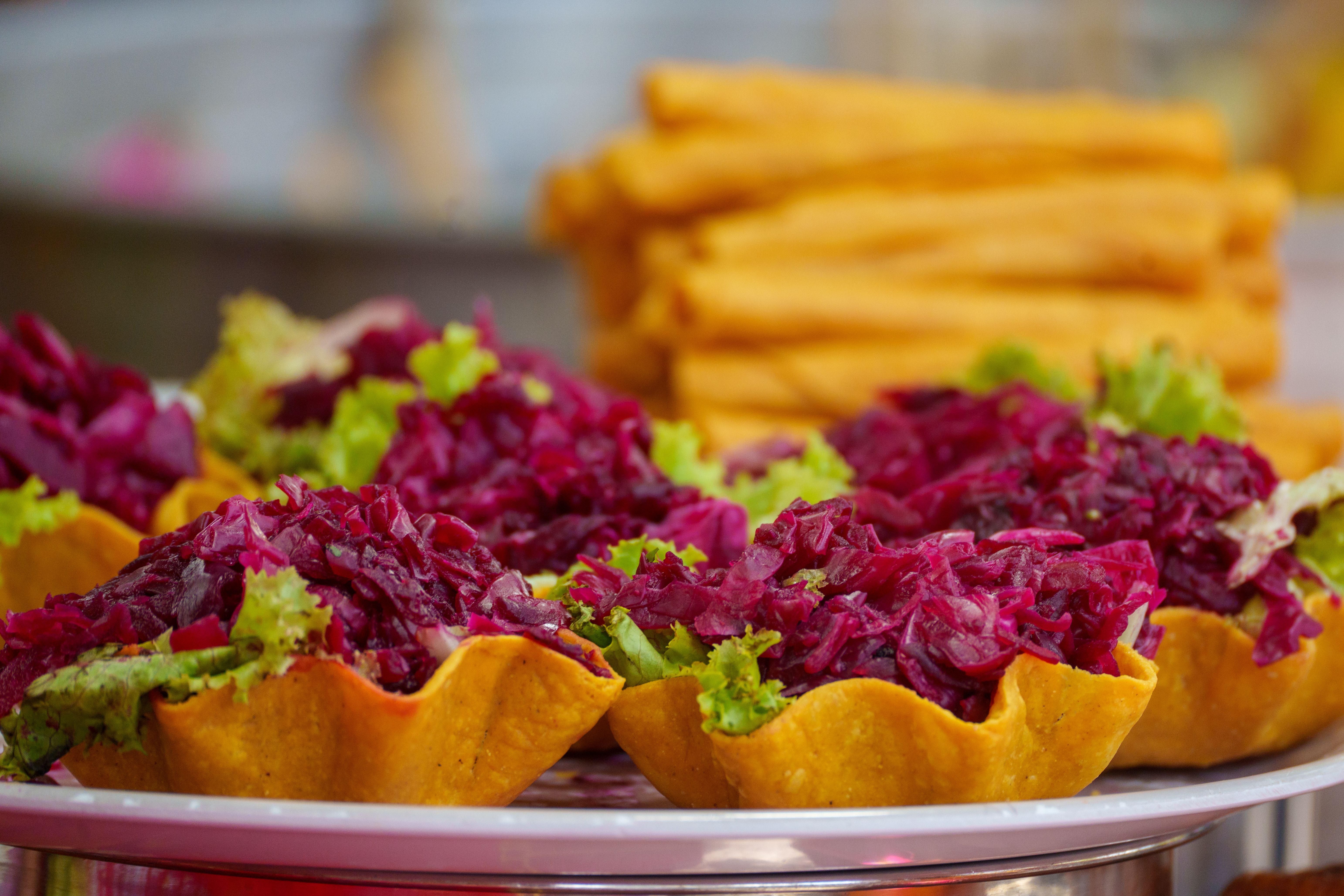
Shucos
A quintessential local street food, these are essentially Guatemalan hot dogs topped with guacamole and various meats. Perfect for a quick, cheap meal on the go.
Café Culture
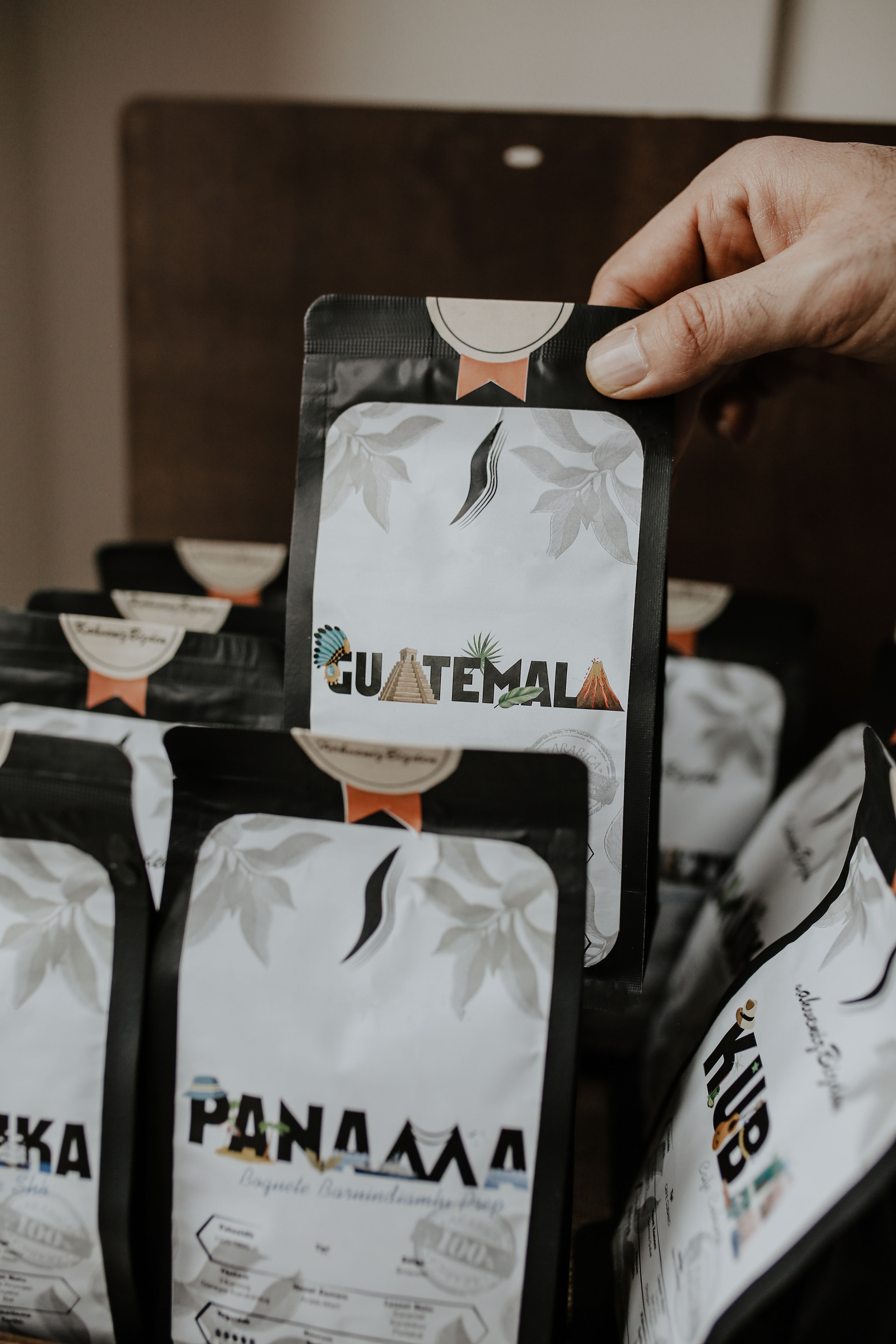
Zona 4 Coffee Shops
Guatemala is world-famous for its coffee, and the independent shops in Zone 4 showcase this perfectly. Enjoy a pour-over made from locally grown highland beans.
Climate
Best months: May, Jun, Jul, Aug, Sep
Avg humidity75%
Avg AQI60
The best months to visit are May through September, when the city is vibrant and lush. While this period technically falls within the rainy season, the showers are often short-lived and help clear the air and refresh the city's parks, particularly during the June 'Green-Up'.
There is no specific 'bad' time to visit, but travellers should note that the weather is consistently cool at night year-round. Major cultural events like the Feria de Jocotenango in August offer a great glimpse into local life and are well worth planning your trip around.
Monthly temperatures °C
BestAvoidShoulder
Practical Info
Everything you need to know
🏥
Healthcare
The city has high-quality private hospitals and clinics that serve international patients. Ensure you have travel insurance that covers the costs of private facilities.
💱
Money
The currency is the Quetzal. Credit cards are widely accepted in modern districts, but it is useful to carry some cash for smaller markets and street vendors.
🌐
Language & Etiquette
Spanish is the official language. While English is spoken in high-end hospitality sectors, learning basic Spanish phrases will significantly improve your experience.
Tips
Quick tips
- Stick to Ubers for all travel between zones.
- Avoid walking alone at night, even in well-lit areas.
- Carry a portable charger for your phone.
- Buy a local SIM card (Claro or Tigo) for better connectivity.
- Always check reviews before booking an Airbnb.
- Learn basic Spanish numbers for markets.
- Drink bottled or filtered water exclusively.
Further Reading