
Iquitos · Peru
Overview
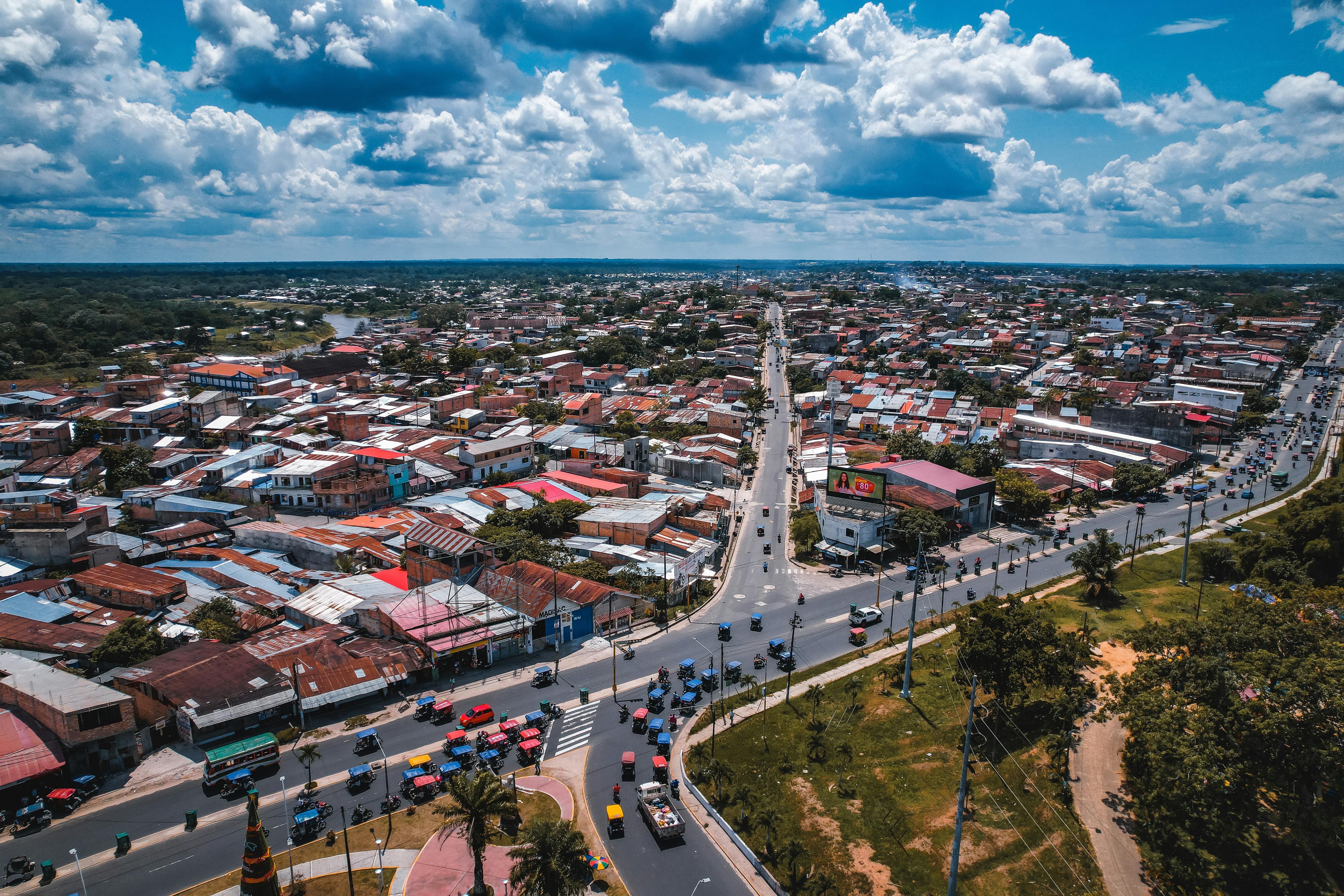
Iquitos is the last frontier of urban insanity; it's a place where the jungle meets the concrete, and every day feels like an expedition.
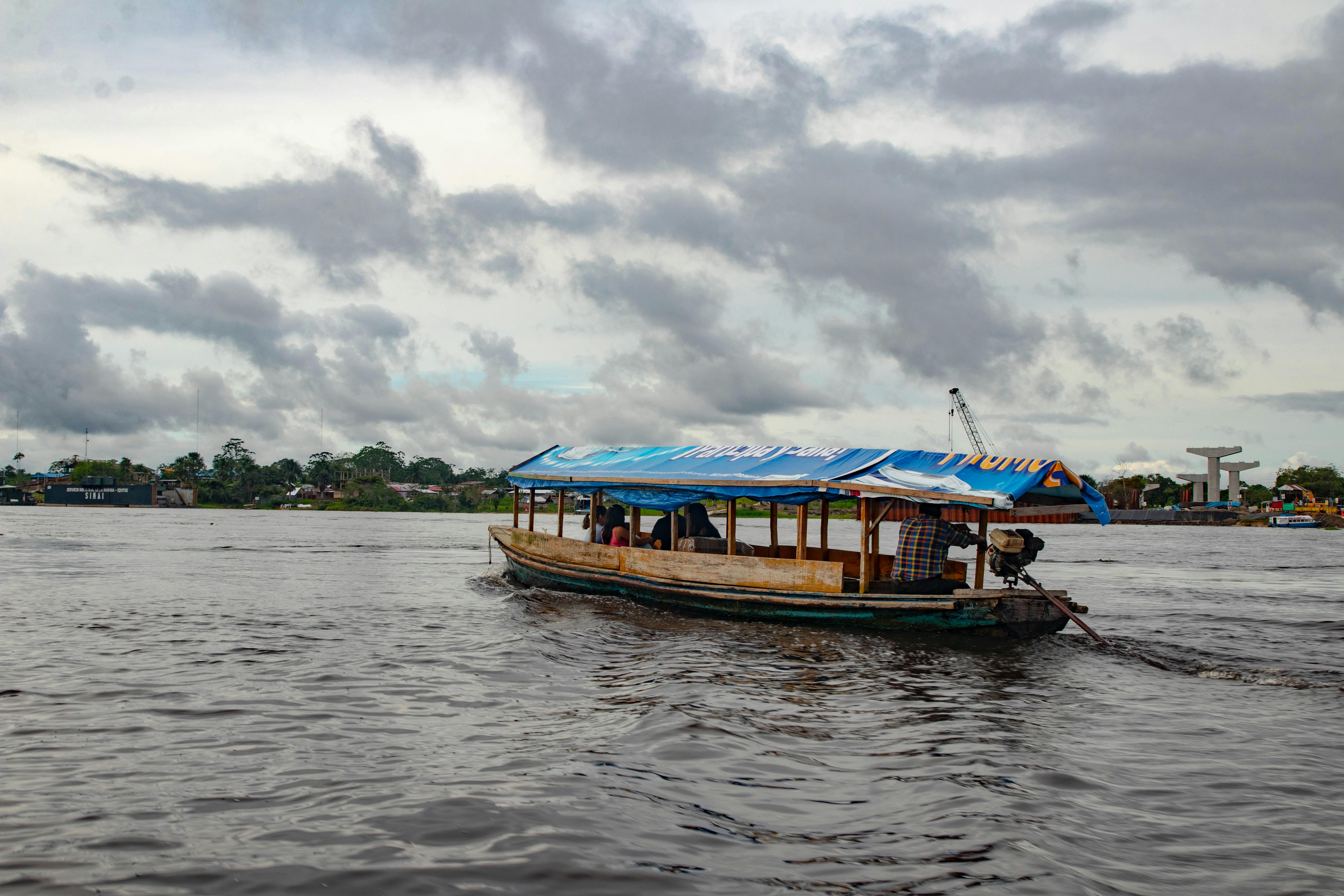
Iquitos is a city defined by its isolation and its pulse. Situated deep in the Amazon basin, the vibe here is frenetic, humid, and utterly fascinating. Nomads often come here seeking immersion in the rainforest, but they stay for the gritty, eccentric charm of a place that feels like it exists in its own separate timeline. Between the bustling markets, the floating village of Belén, and the nearby jungle lodges, there is no shortage of adventure for the restless soul.
While infrastructure is a challenge, the city remains a compelling destination for those who prioritize cultural depth over perfect fiber-optic speeds. You will find that life here moves at a different pace, dictated by the river and the tropical climate in Iquitos. It is a place for the curious nomad who is ready to embrace a less-than-perfect connection in exchange for authentic Amazonian living.
History
Founded as a Jesuit mission in the mid-18th century, Iquitos grew from a small village into a boomin…
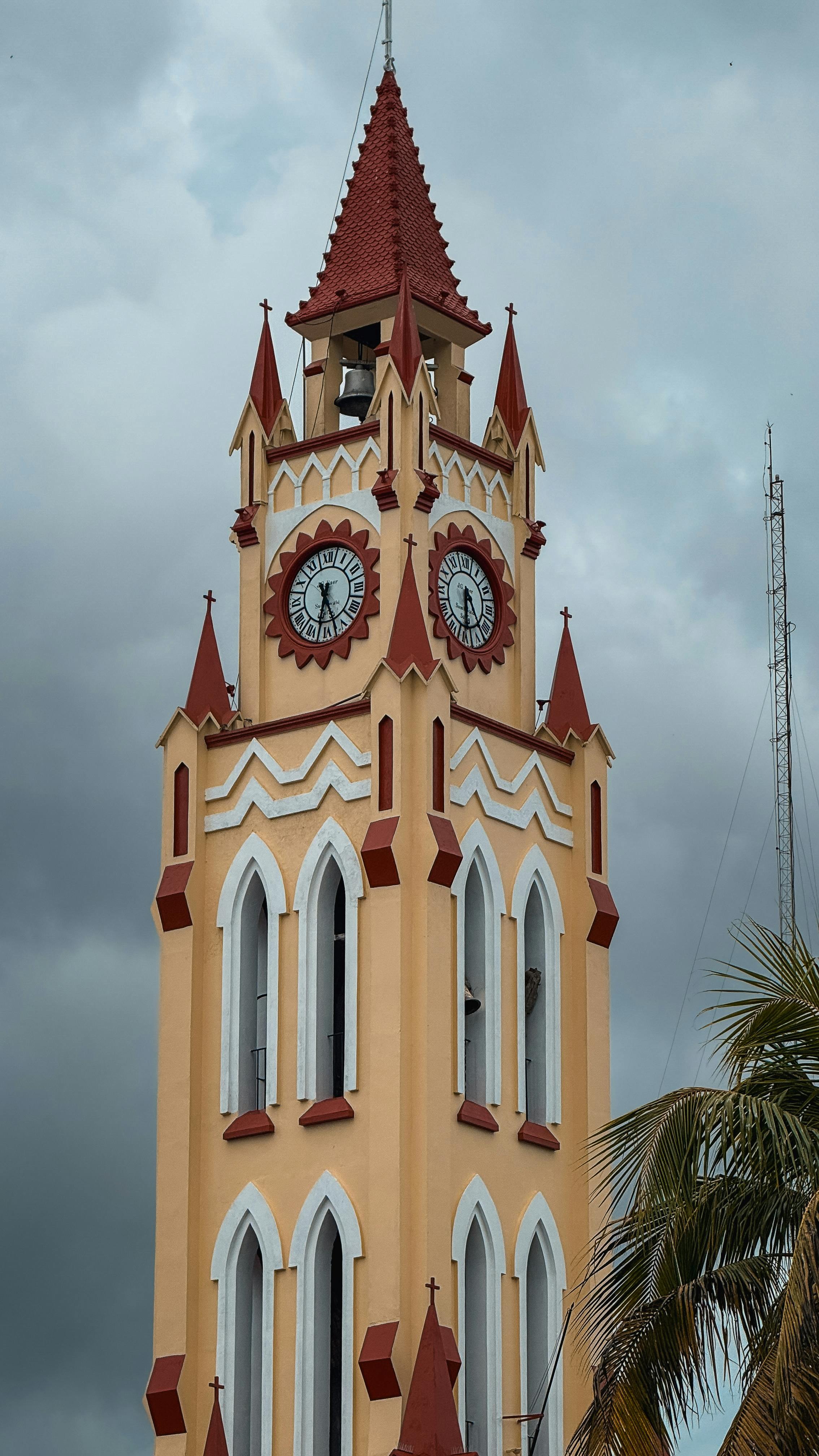
Founded as a Jesuit mission in the mid-18th century, Iquitos grew from a small village into a booming center of commerce during the late 19th-century rubber boom. During this period, the city exploded with immense wealth, attracting European settlers who built grand mansions adorned with imported tiles and elegant ironwork, some of which still stand today.
The collapse of the rubber trade eventually shifted the city's focus toward oil, timber, and the burgeoning ecotourism industry. Today, Iquitos remains a singular urban anomaly, reachable only by plane or boat, which has preserved its distinct regional identity. It is a city that bears the scars of boom-and-bust cycles, yet it remains the undisputed cultural and commercial capital of the Peruvian Amazon.
1757
Founding of the MissionThe city was established as the mission 'San Pablo de Napeanos' by Jesuit missionaries to serve the indigenous Iquito people.
1880s
Rubber BoomIquitos experienced a massive economic explosion as it became the center of the global rubber trade, leading to rapid modernization.
1912
End of the Rubber EraThe rubber boom collapsed due to international competition, leaving behind a legacy of abandoned mansions and economic hardship.
1970s
Oil DiscoveryThe discovery of oil in the Peruvian Amazon led to another period of economic resurgence and population growth for the city.
Where to Stay
Choose your base camp
Distinct neighbourhoods, different rhythms. Pick the one that fits your work-life balance.
Central Hub
Plaza de Armas
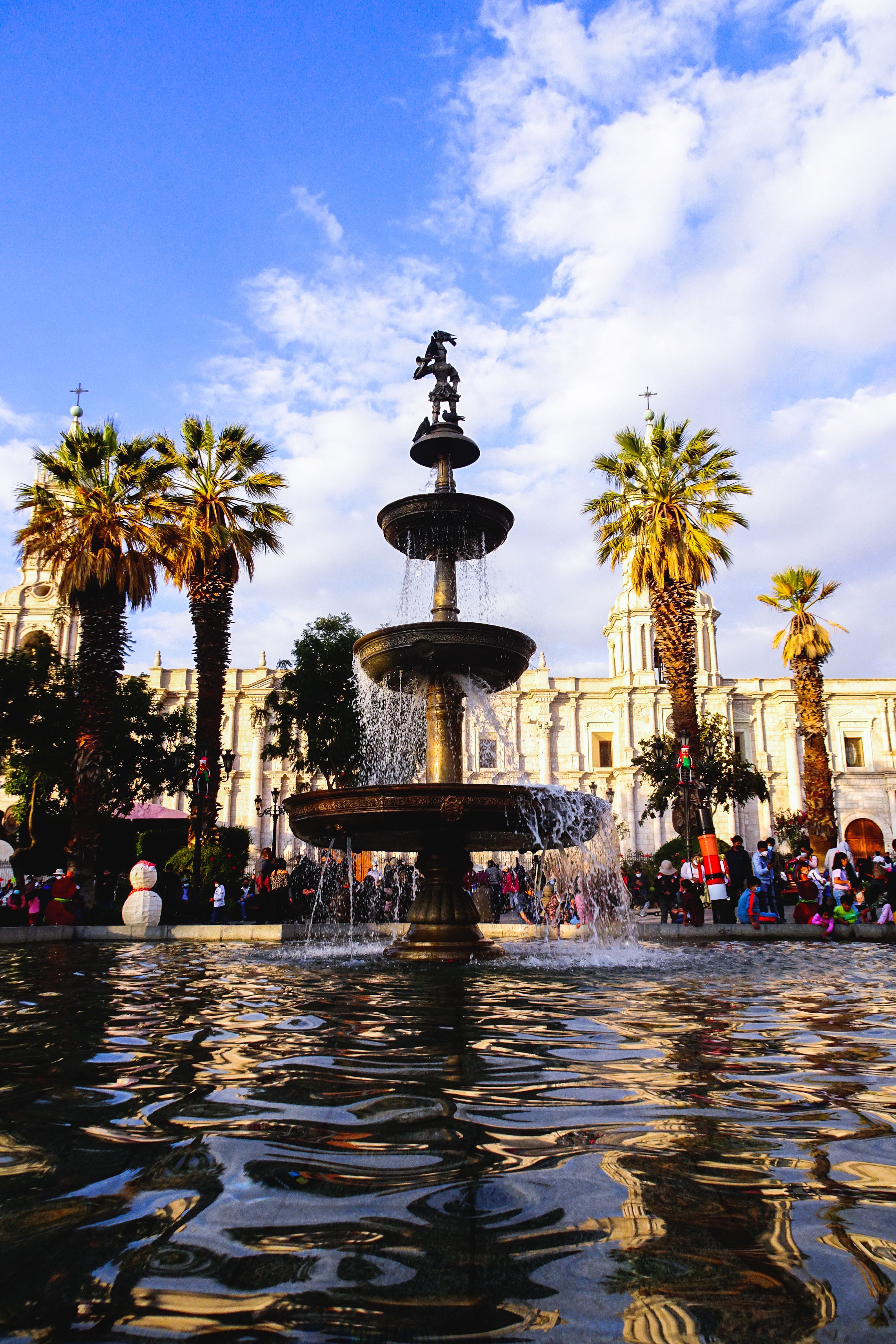
The main square is the liveliest part of town, surrounded by cafes and colonial architecture. It is perfect for those who want to be in the center of the action.

Riverside Living
Punchana
Located along the river, this area offers a more authentic local vibe with easy access to boat ports. It is great for those who want proximity to the water.
Places to Go
The experiences that will make you never leave
These aren't tourist checkboxes — they're the experiences that reset your sense of what's normal.
Top Pick
Belén Market
This sprawling, chaotic market is the heart of Iquitos, featuring everything from jungle fruits and medicinal plants to exotic Amazonian fauna. It is an immersive, sensory experience that defines the local culture.
Wikipedia: Casa de Fierro
The Iron House (Casa de Fierro)
Designed by Gustave Eiffel, this famous iron structure was transported in pieces to the middle of the jungle during the rubber boom. It serves as a reminder of the city's opulent past and is a key architectural landmark.
Work & Connectivity
Stay connected wherever you work
The nomad community here is real — cafés and coworking spaces where you can work and meet others.
Amazon Coworking
A dedicated space providing a reliable work environment for those struggling with shaky hotel Wi-Fi. It is the primary professional hub for nomads in the city.
Budget & Costs
What it costs to live in Iquitos
Choose your lifestyle tier. Comfortable = furnished accommodation, local + occasional Western food, transport, leisure.
$803
per month · USD · comfortable lifestyle
ModerateFurnished studio, local restaurants, transport, and weekend trips.
Exchange rates
Check xe.com or your bank for current USD to local currency.
Check xe.com or your bank for current USD to local currency.
🏠 Rent 45%$365/mo
🍽️ Food 27%$219/mo
🚌 Transport 7%$55/mo
💡 Utilities 7%$55/mo
🎭 Leisure 9%$73/mo
🏥 Health 5%$37/mo
Connectivity
Well connected to the world
Internet and transport options for remote workers.
📶
Internet
Good — fibre common
Check local providers.
🏢
Coworking
From ~$80/mo
Dedicated spaces available.
🚌
Local Transit
5 / 10
Scooter and taxi common.
IQT
Coronel FAP Francisco Secada Vignetta International Airport
20 km from centre
limapanamacitytarapoto
Safety & Visa
Safe, welcoming, and easy to enter
Safety Score6 / 10
✗ Tap Water✓ Night Safe📞 112 or local emergency number
Visa
Check your entry options
Many nationalities get visa-free or visa-on-arrival. Check official government sources for your citizenship before travel.
Culture & Festivals
Local soul, nomad-friendly
Multiculturalism5/10
Foodie Scene5/10
Remote work
Jun
San Juan Festival
The most important festival in the Amazon, celebrating the region with music, dance, and the consumption of traditional Juane.
Iquitos offers access to several world-class jungle lodges located a few hours by boat from the city, providing a perfect 'digital detox' weekend getaway for those needing to disconnect entirely from the grid.
Food & Nightlife
A feast for every mood
From street food to cafés and nightlife — every meal is an event.

Street Food
Tacacho con Cecina
A classic Amazonian dish consisting of mashed plantains with pork. You can find this in almost any local eatery or market stall throughout the city.
Regional Speciality
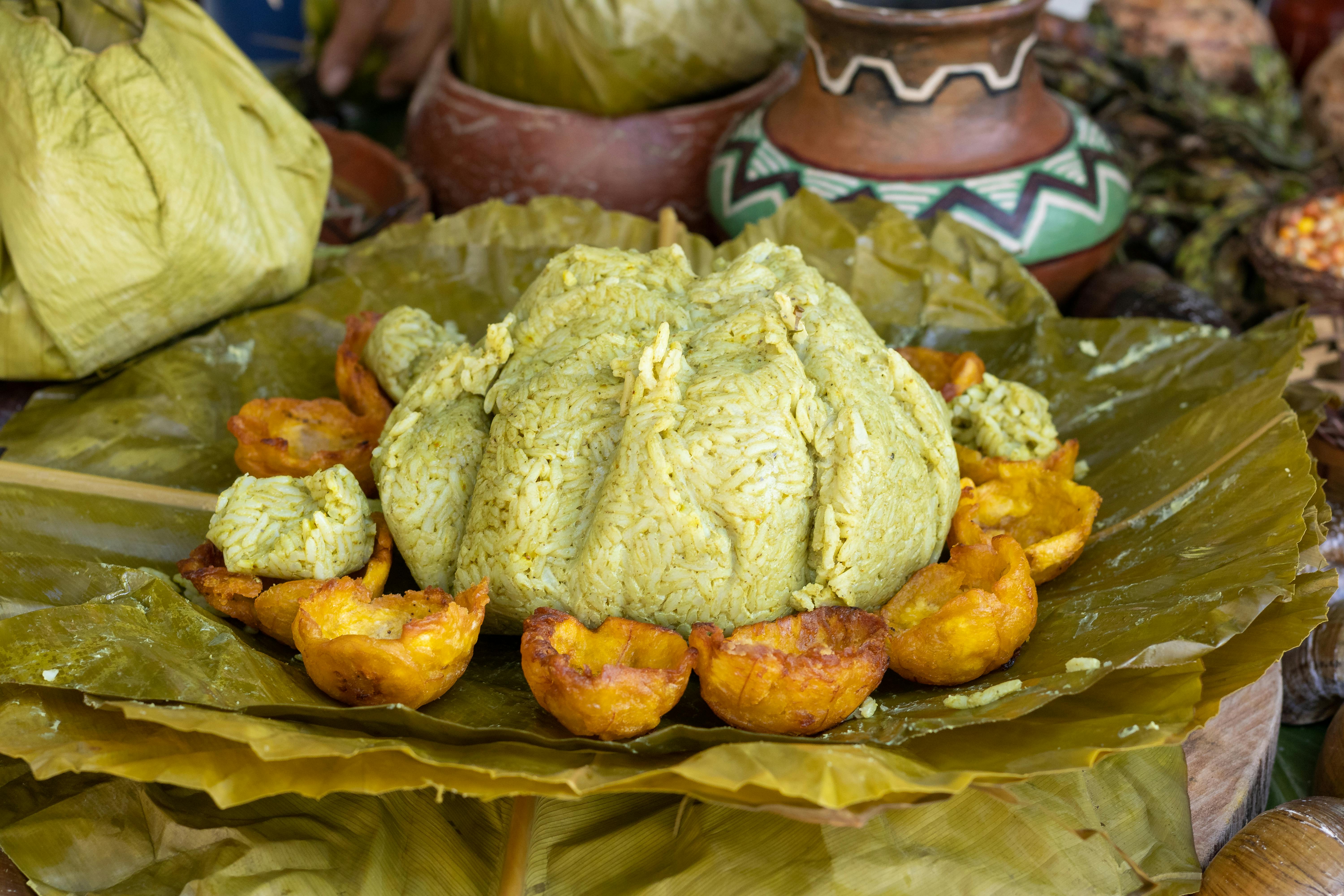
Juane
Rice, chicken, egg, and olives wrapped in bijao leaves and boiled. It is a staple food that you must try during your stay.
Climate
Best months: Jan, Feb, Mar, Apr, May, Jun, Jul, Aug, Sep, Oct, Nov, Dec
Avg humidity85%
Avg AQI30
Iquitos is a year-round destination, though the experience changes drastically with the river levels. From December to May, the region experiences the high-water season, which is perfect for exploring the flooded forests by boat and navigating deep into the jungle's tributaries. The drier season runs from June to November, offering more accessibility to hiking trails and land-based activities.
Because Iquitos is near the equator, temperatures remain consistently warm throughout the year, hovering around 30°C. There are no specific 'avoid' months, but travelers should be prepared for intense humidity and sudden tropical downpours regardless of the season. Visitors usually plan their arrival around the specific wildlife migration or fishing opportunities they wish to witness.
Monthly temperatures °C
BestAvoidShoulder
Practical Info
Everything you need to know
🏥
Healthcare
Medical facilities in Iquitos are limited compared to larger cities in Peru. Ensure you have comprehensive travel insurance and bring a basic first-aid kit.
💱
Money
Cash is king in Iquitos. While some larger businesses accept cards, many local markets and transport operators require Peruvian Soles in small denominations.
🌐
Connectivity
Expect intermittent Wi-Fi throughout the city. Most nomads carry a backup 4G data plan or use local sim cards to bridge the gap during work hours.
Tips
Quick tips
- Always carry bottled water.
- Use insect repellent daily.
- Negotiate mototaxi prices before starting the trip.
- Learn basic Spanish to navigate local markets.
- Pack lightweight, breathable clothing for the humid heat.
- Download offline maps for navigation.
- Carry a portable power bank for long days.
Further Reading