Bhaktapur · Nepal
Overview
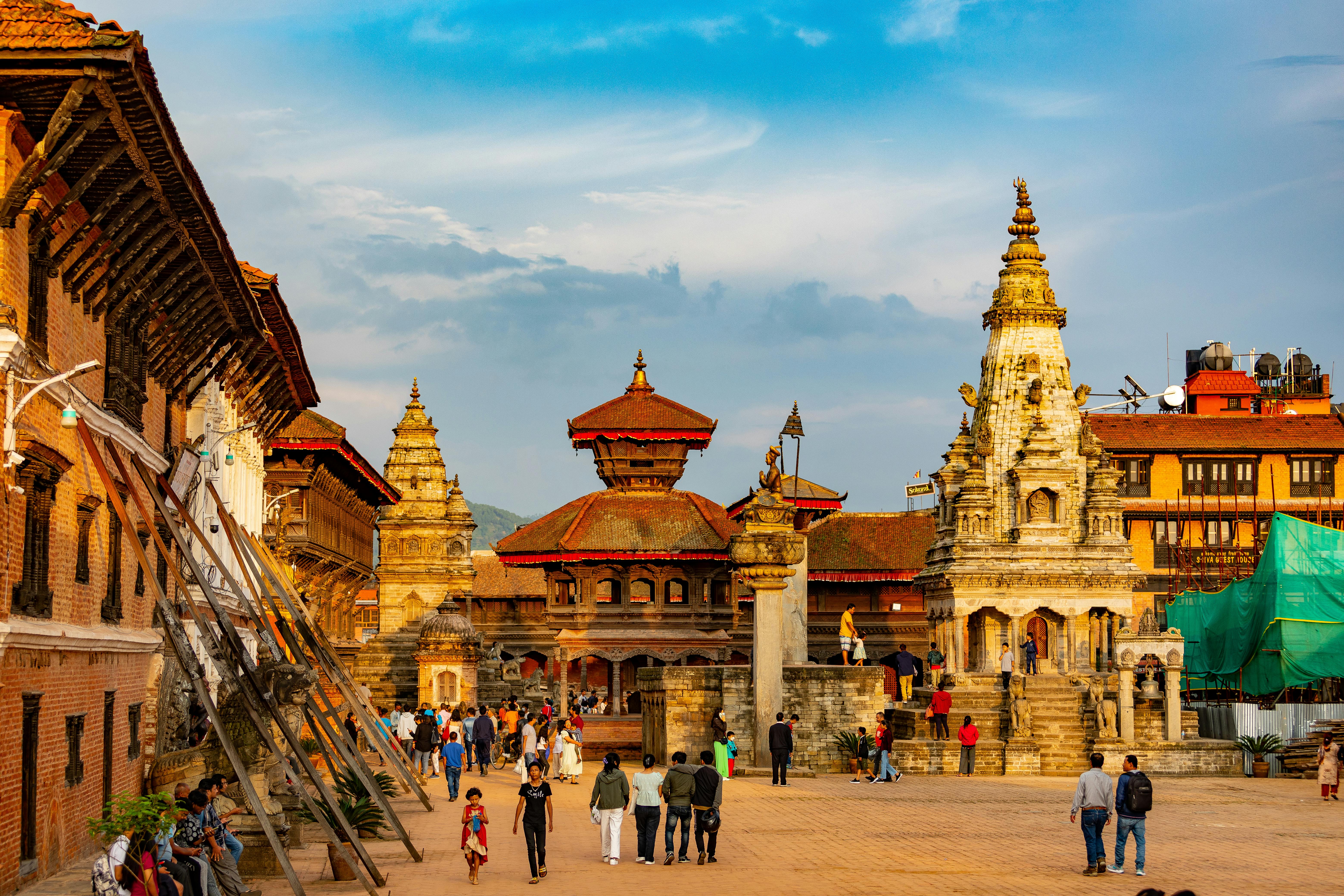
Walking through Bhaktapur is like stepping back in time, yet every narrow alleyway reveals a warm, welcoming community that has embraced the modern world at its own pace.
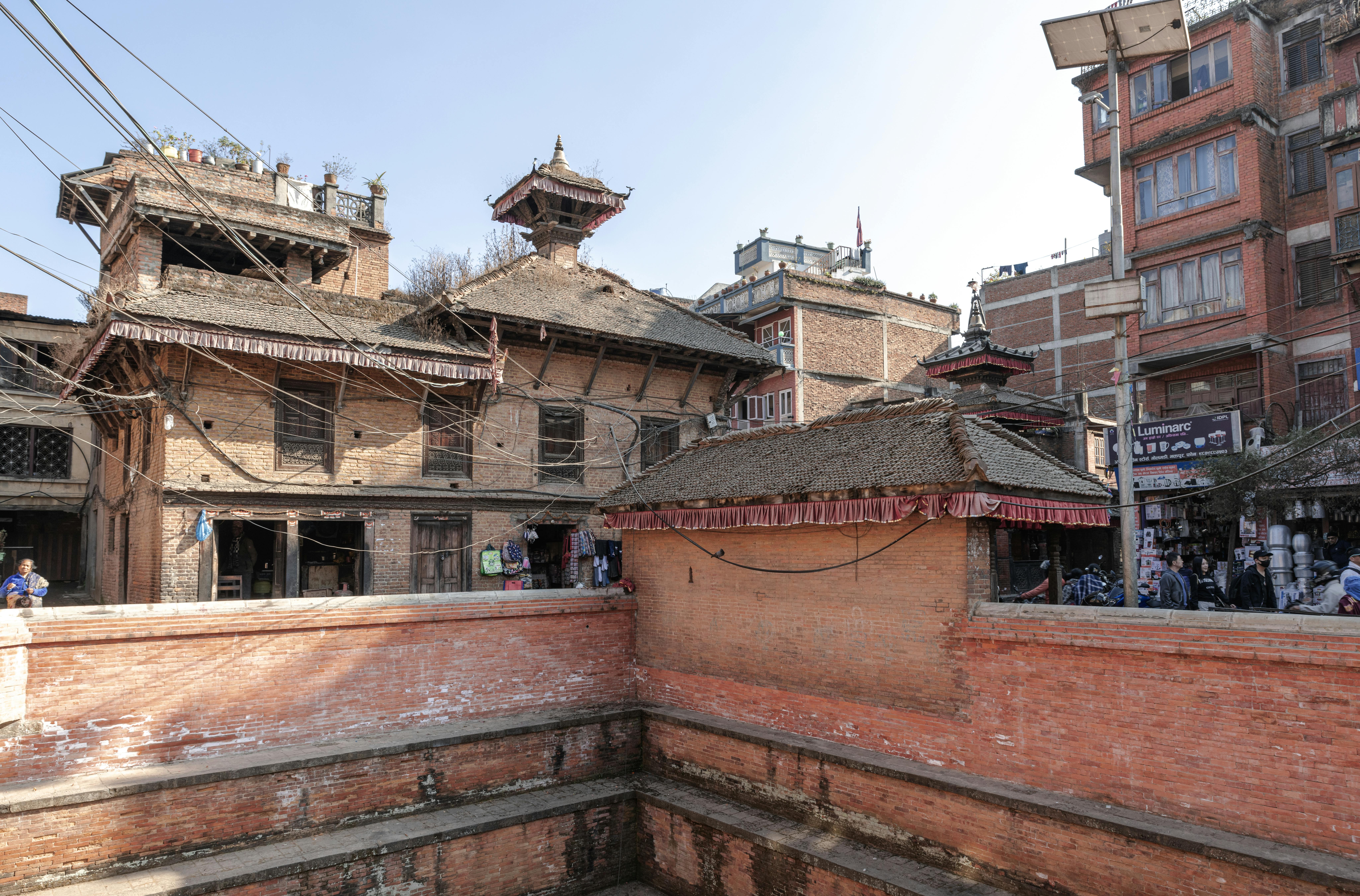
Bhaktapur, known as the 'City of Devotees,' is a UNESCO World Heritage Site that feels worlds away from the chaotic sprawl of Kathmandu. Nomads who choose to base themselves here are often looking for a slower pace of life, surrounded by intricate wood carvings, brick-paved squares, and the rhythmic sound of traditional pottery making. It is the perfect destination for writers, creatives, and those who value a strong sense of place and community over urban nightlife.
While the infrastructure is more traditional compared to global nomad hubs, the cost of living allows for a high quality of life on a modest budget. The city is highly walkable, making it easy to navigate between historic monuments and local guesthouses. If you appreciate a mild climate and want to be immersed in Newar culture, this is one of the most rewarding spots in South Asia.
History
Founded in the 12th century, Bhaktapur was once the capital of the Malla Kingdom.
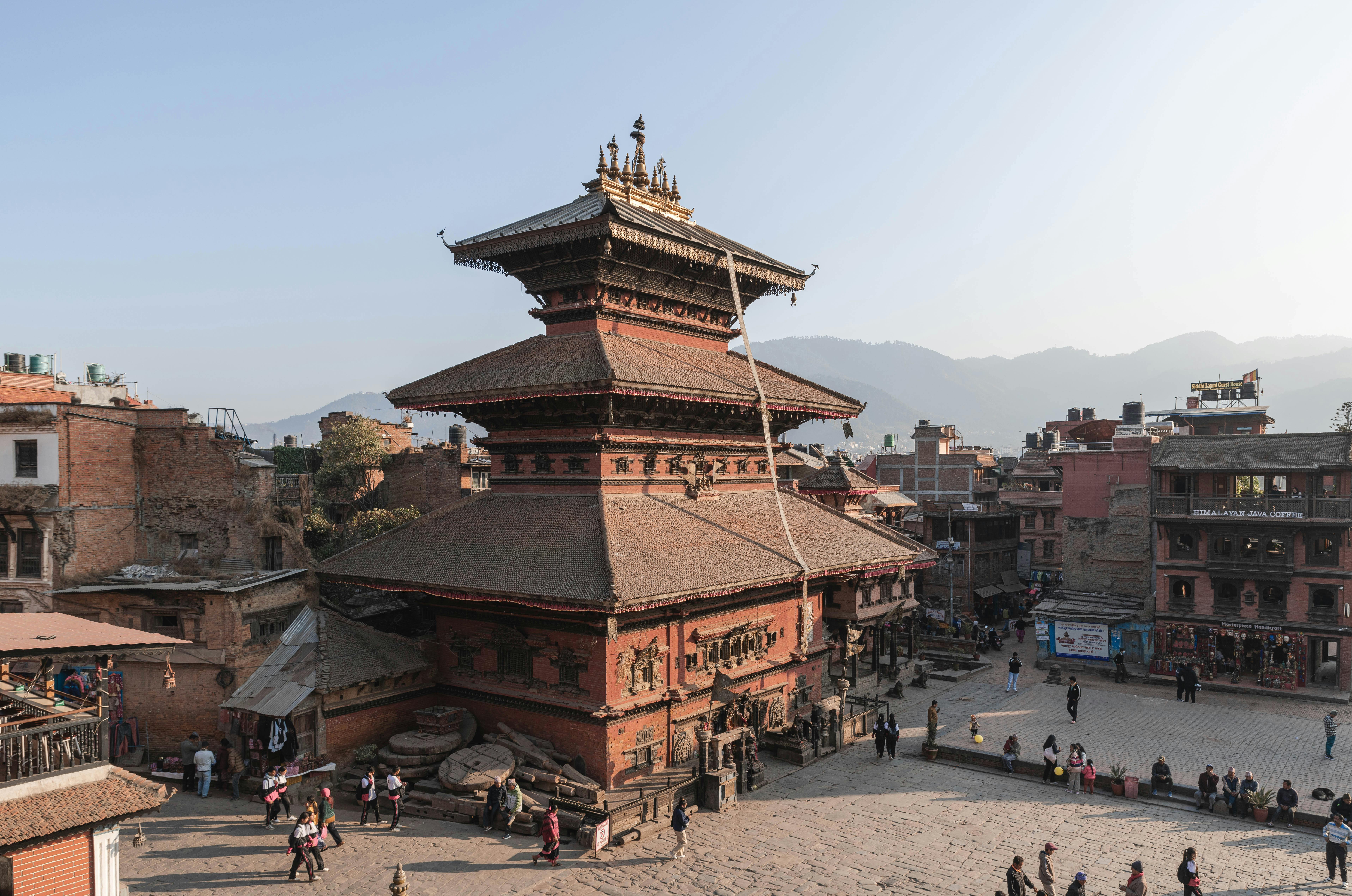
Founded in the 12th century, Bhaktapur was once the capital of the Malla Kingdom. Its strategic location on the ancient trade route between India and Tibet brought immense wealth and influence, which financed the construction of its spectacular temples and palaces. The city reached its zenith in the 15th century, becoming a center for arts, architecture, and religion in the Kathmandu Valley.
Throughout the centuries, Bhaktapur has maintained a distinct identity despite seismic challenges, including the massive 1934 and 2015 earthquakes. The resilience of the local community, which is largely comprised of the indigenous Newar people, is evident in the meticulous restoration efforts seen across the city's three main squares: Durbar Square, Taumadhi Square, and Dattatreya Square.
12th Century
City FoundedKing Ananda Malla founded the city, which quickly became a significant stop on the trade route to Tibet.
15th Century
Golden AgeBhaktapur flourished as the capital of the Malla Kingdom, leading to the creation of its most iconic architectural landmarks.
1769
Unification of NepalThe city was conquered by Prithvi Narayan Shah, integrating it into the unified kingdom of Nepal.
1979
UNESCO RecognitionBhaktapur Durbar Square was designated a UNESCO World Heritage Site, highlighting its architectural importance.
2015
Earthquake RecoveryThe city suffered damage during the Nepal earthquake but began an immediate and ongoing process of heritage restoration.
Where to Stay
Choose your base camp
Distinct neighbourhoods, different rhythms. Pick the one that fits your work-life balance.
Budget Favourite
Pottery Square
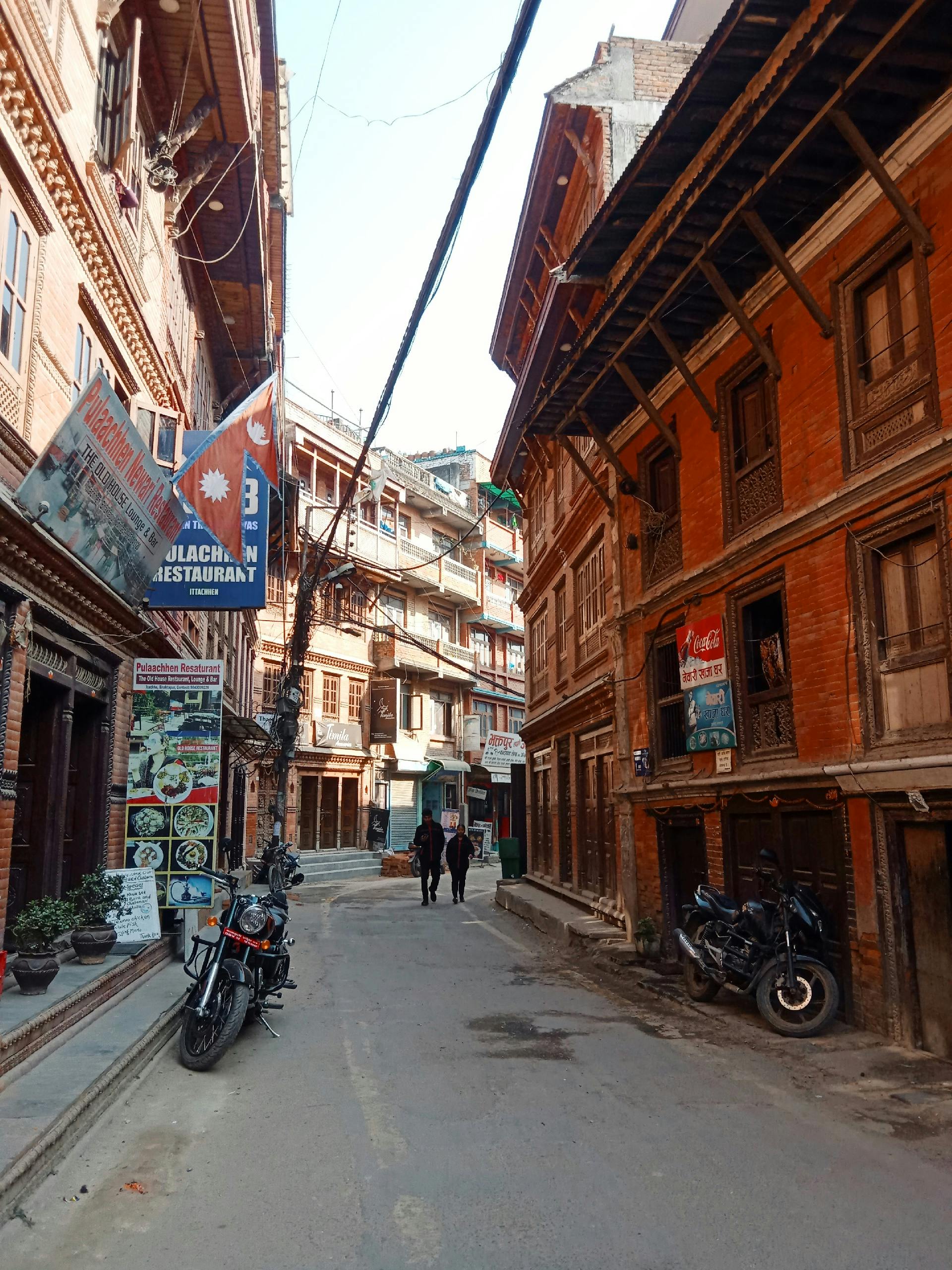
Living here puts you in the center of the local action, with affordable guesthouses and constant cultural activity. Expect a rustic experience with easy access to street food.

Historic Charm
Durbar Square Vicinity
The area surrounding the main square offers more heritage-style hotels and proximity to the city's most famous monuments. It is slightly busier but highly atmospheric.
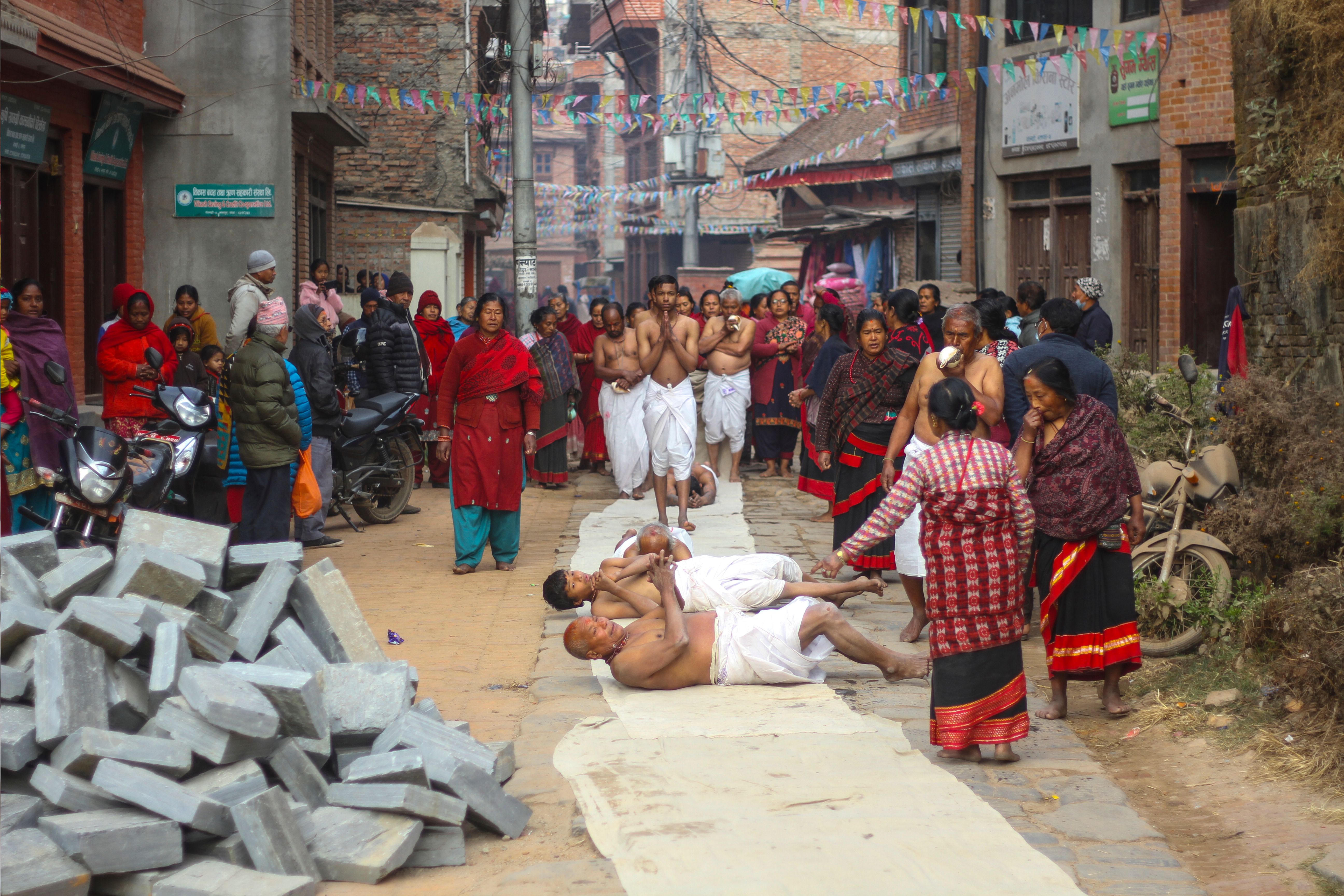
Slow Living
Dattatreya Square
A quieter, more residential neighborhood filled with beautiful wood carvings and ancient houses. Perfect for those who need peace and quiet for their work.
Places to Go
The experiences that will make you never leave
These aren't tourist checkboxes — they're the experiences that reset your sense of what's normal.

Top Pick
Bhaktapur Durbar Square
This massive complex is the social and religious heart of the city, featuring the 55-window palace and various temples. It is the best place to witness the historical grandeur and the daily lives of local residents.
Wikipedia
Nyatapola Temple
Standing at five stories tall, this is the highest temple in the entire Kathmandu Valley. Its architectural design is a masterpiece of symmetry and provides a great vantage point for photos.

Official Tourism
Pottery Square
A fascinating area where you can watch artisans craft traditional clay pots under the sun. It is a vibrant, dust-filled space that captures the industrious spirit of the city's local craftspeople.
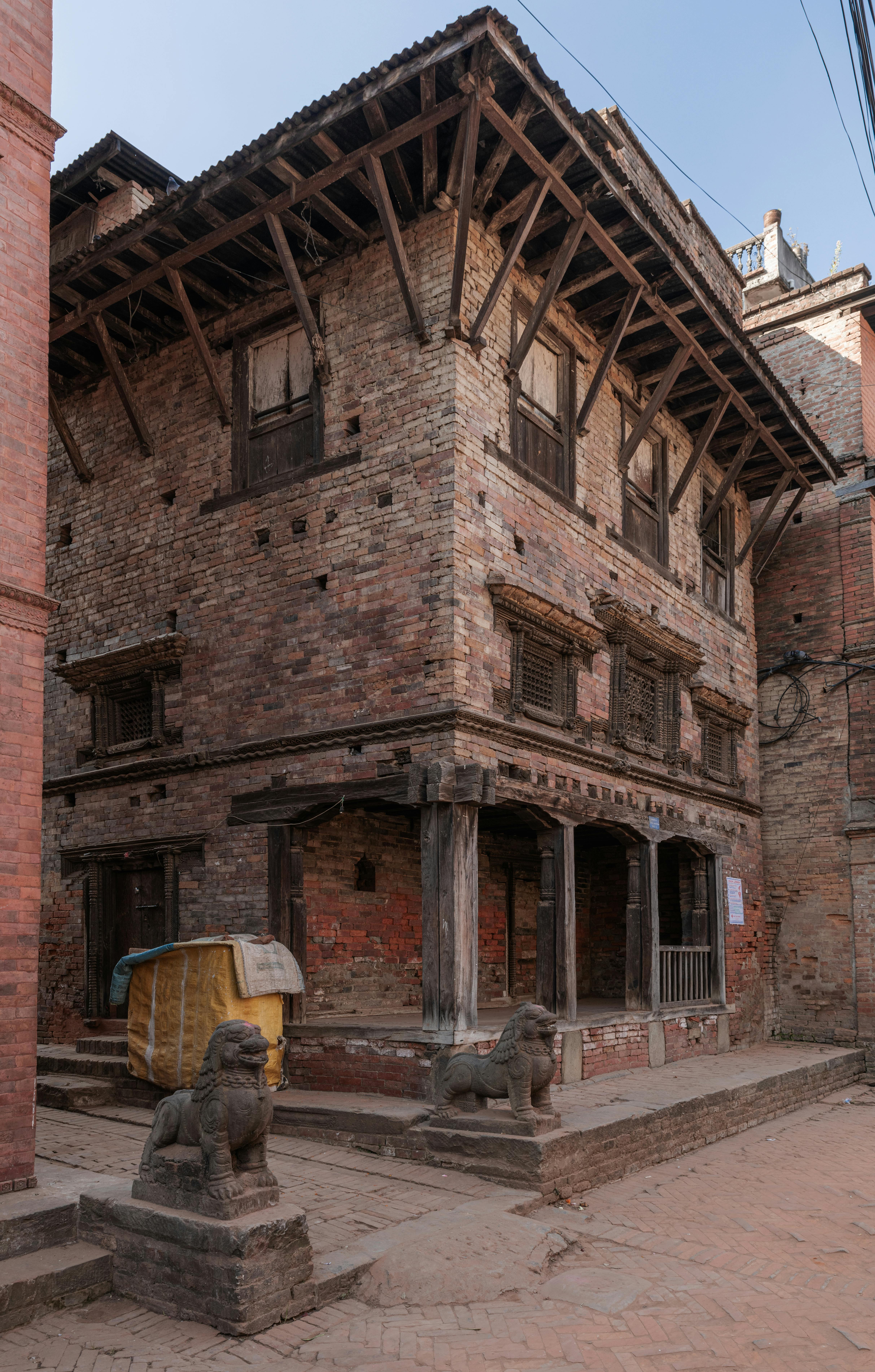
Work & Connectivity
Stay connected wherever you work
The nomad community here is real — cafés and coworking spaces where you can work and meet others.
Cafe Nyatapola
Located near the temple, this cafe offers a great view and a quiet environment for morning tasks.
Guesthouse Rooftops
Many guesthouses offer rooftop terraces that provide quiet, scenic spots to work during the day.
Local Libraries
There are small study spaces available if you look for community-focused corners near the historic squares.
Budget & Costs
What it costs to live in Bhaktapur
Choose your lifestyle tier. Comfortable = furnished accommodation, local + occasional Western food, transport, leisure.
$584
per month · USD · comfortable lifestyle
ModerateFurnished studio, local restaurants, transport, and weekend trips.
Exchange rates
Check xe.com or your bank for current USD to local currency.
Check xe.com or your bank for current USD to local currency.
🏠 Rent 38%$219/mo
🍽️ Food 31%$183/mo
🚌 Transport 6%$37/mo
💡 Utilities 6%$37/mo
🎭 Leisure 13%$73/mo
🏥 Health 6%$37/mo
Connectivity
Well connected to the world
Internet and transport options for remote workers.
📶
Internet
Good — fibre common
Check local providers.
🏢
Coworking
From ~$80/mo
Dedicated spaces available.
🚌
Local Transit
5 / 10
Scooter and taxi common.
20 km from centre
Safety & Visa
Safe, welcoming, and easy to enter
Safety Score6 / 10
✗ Tap Water✓ Night Safe📞 112 or local emergency number
Visa
Check your entry options
Many nationalities get visa-free or visa-on-arrival. Check official government sources for your citizenship before travel.
Culture & Festivals
Local soul, nomad-friendly
Multiculturalism5/10
Foodie Scene5/10
Remote work
Apr
Bisket Jatra
A vibrant nine-day festival celebrating the Nepalese New Year with chariot processions.
Sep
Indra Jatra
A massive celebration featuring masked dances and elaborate street processions across the city.
Bhaktapur is also known for its incredible metalwork and stone carving, so take a walk through the workshops if you have time. The city’s unique urban planning has survived for centuries, providing a fascinating case study in traditional architecture.
Food & Nightlife
A feast for every mood
From street food to cafés and nightlife — every meal is an event.
Street Food
Juju Dhau
You must try this 'King Curd,' a sweet, creamy yogurt that is the culinary specialty of Bhaktapur.

Local Dining
Dal Bhat
The staple of every Nepali diet, consisting of rice, lentil soup, and vegetable curry. It is nutritious, filling, and very budget-friendly.

Cafe Culture
Newar Delicacies
Explore the many small restaurants serving traditional Newari sets to get a taste of the authentic local palate.
Climate
What to expect through the year
Avg humidity75%
Avg AQI130
The best time to visit Bhaktapur is during the shoulder seasons, specifically from March to May and September to November. During these months, the weather is clear and temperate, offering stunning views of the surrounding Himalayas and comfortable temperatures for working and exploring outdoors.
While winter can get chilly, especially in the evenings, the city is rarely overcrowded, allowing for a quiet, focused remote work environment. Avoiding the peak monsoon months of July and August is recommended if you wish to stay dry and avoid potential travel disruptions caused by heavy rainfall.
Monthly temperatures °C
Practical Info
Everything you need to know
🏥
Healthcare
Basic medical care is available within the city, but for major emergencies or specialized treatments, you will likely need to head to the larger hospitals in nearby Kathmandu.
💱
Money
Cash is king in Bhaktapur. While some tourist-focused establishments accept cards, you should always carry Nepalese Rupees for daily expenses and street market shopping.
🌐
Language & Etiquette
Nepali is the official language, but English is widely understood in tourist areas. Always dress modestly when visiting temples and remember to take your shoes off when entering local homes.
Tips
Quick tips
- Always carry your entrance permit if you are staying for an extended period.
- Pack a portable power bank for when local power fluctuates.
- Learn a few words in Nepali; locals greatly appreciate the effort.
- Drink only boiled or filtered water, never tap water.
- Use a local SIM card like Ncell or NTC for reliable mobile data.
- Take time to wander the alleys before sunrise to see the city at its most serene.
- Respect local religious practices by not taking photos inside active prayer halls.
Further Reading