Durango · Mexico
Overview
Durango is where the spirit of the old frontier meets the connectivity of the modern world.
Durango provides a refreshing alternative to the saturated tourist hubs of Mexico. The city is defined by its stunning Spanish colonial architecture, high-altitude landscapes, and a surprisingly robust tech community. Nomads here benefit from a slower pace of life that encourages deep work, interspersed with rich cultural exploration and affordable living standards.
The city serves as a gateway to the Sierra Madre Occidental, offering endless opportunities for weekend adventures in the mountains. Whether you are wandering through the historic center or utilizing local digital hubs, the city's accessibility and welcoming atmosphere make it a perfect destination for long-term stays. For a complete breakdown of what to expect throughout the year, refer to our Climate section.
History
Founded in 1563, Durango was originally established as a mining town by Spanish explorer Francisco de Ibarra.
Founded in 1563, Durango was originally established as a mining town by Spanish explorer Francisco de Ibarra. It was named after Durango in the Basque Country, Spain, reflecting the heritage of its settlers. Over the centuries, the city became a crucial hub in northern Mexico due to its strategic position on the colonial silver routes.
Throughout the Mexican Revolution, the city played a significant role, serving as a backdrop for various political movements and social shifts. Today, the architecture of the historic downtown area remains remarkably well-preserved, standing as a testament to its colonial past. The city has since transitioned from a colonial mining outpost into a modern state capital that embraces both its historical roots and its potential as a regional center for technology and innovation.
1563
FoundationFrancisco de Ibarra founded the city of Durango, naming it after his home region in Spain.
1620
Ecclesiastical CenterThe city became the seat of the Diocese of Durango, solidifying its importance in northern Mexico.
1824
StatehoodFollowing Mexican Independence, Durango was formally established as a state within the new republic.
1910s
Revolutionary PeriodDurango became a site of significant activity during the Mexican Revolution, reflecting its strategic importance.
Where to Stay
Choose your base camp
Distinct neighbourhoods, different rhythms. Pick the one that fits your work-life balance.
Cultural Heart
Historic Center
The best place to stay for those who want to be steps away from the main cathedrals and cafes. Expect classic colonial apartments with charming courtyards.
Green Space
Parque Guadiana
Ideal for those who enjoy morning runs and a quieter, greener environment. This area offers a more relaxed pace of life while still being central.
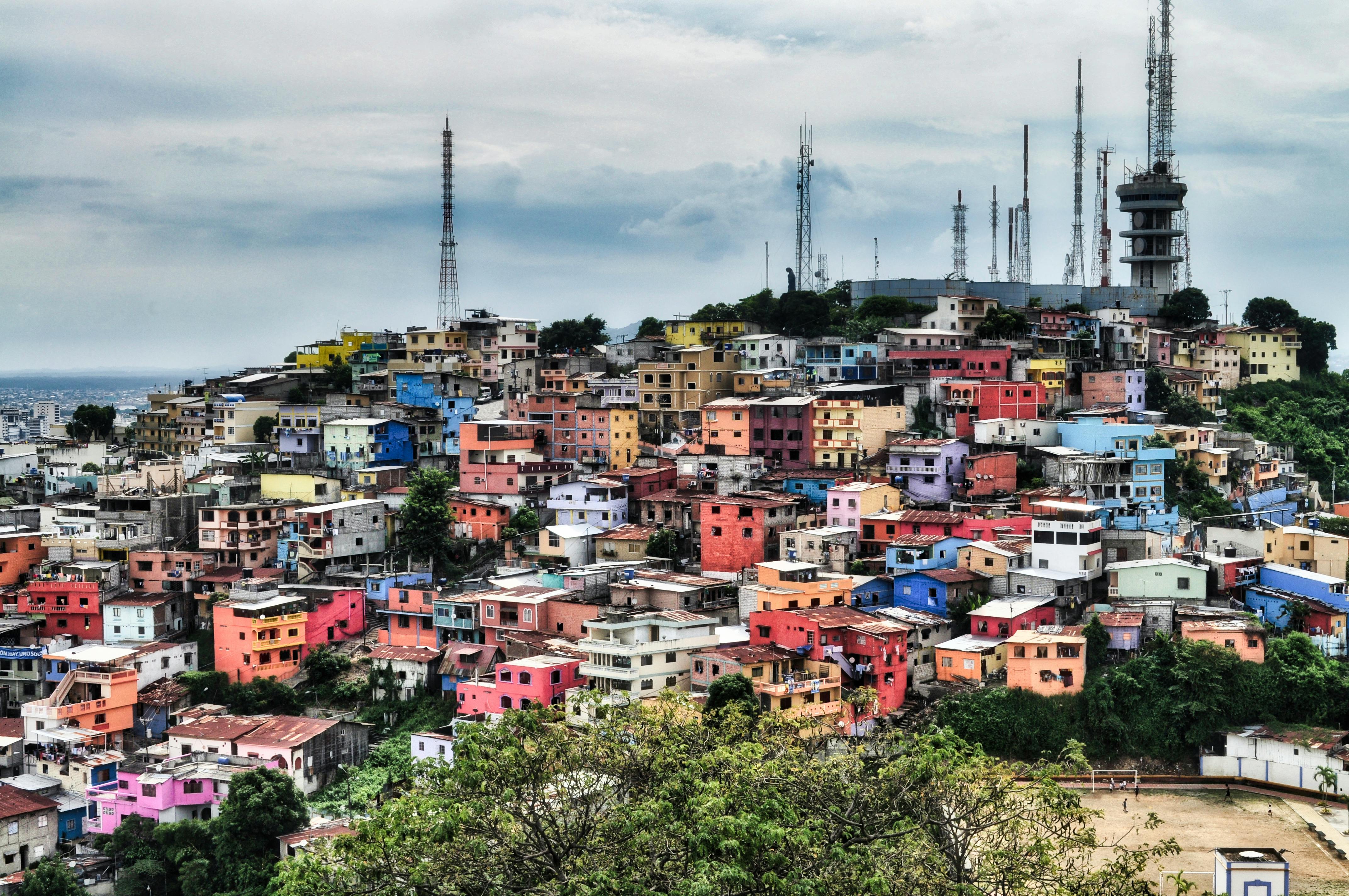
Budget Friendly
Santa Ana
A favorite for budget travelers and backpackers. It offers easy access to local markets and affordable housing options without sacrificing proximity to the center.
Places to Go
The experiences that will make you never leave
These aren't tourist checkboxes — they're the experiences that reset your sense of what's normal.
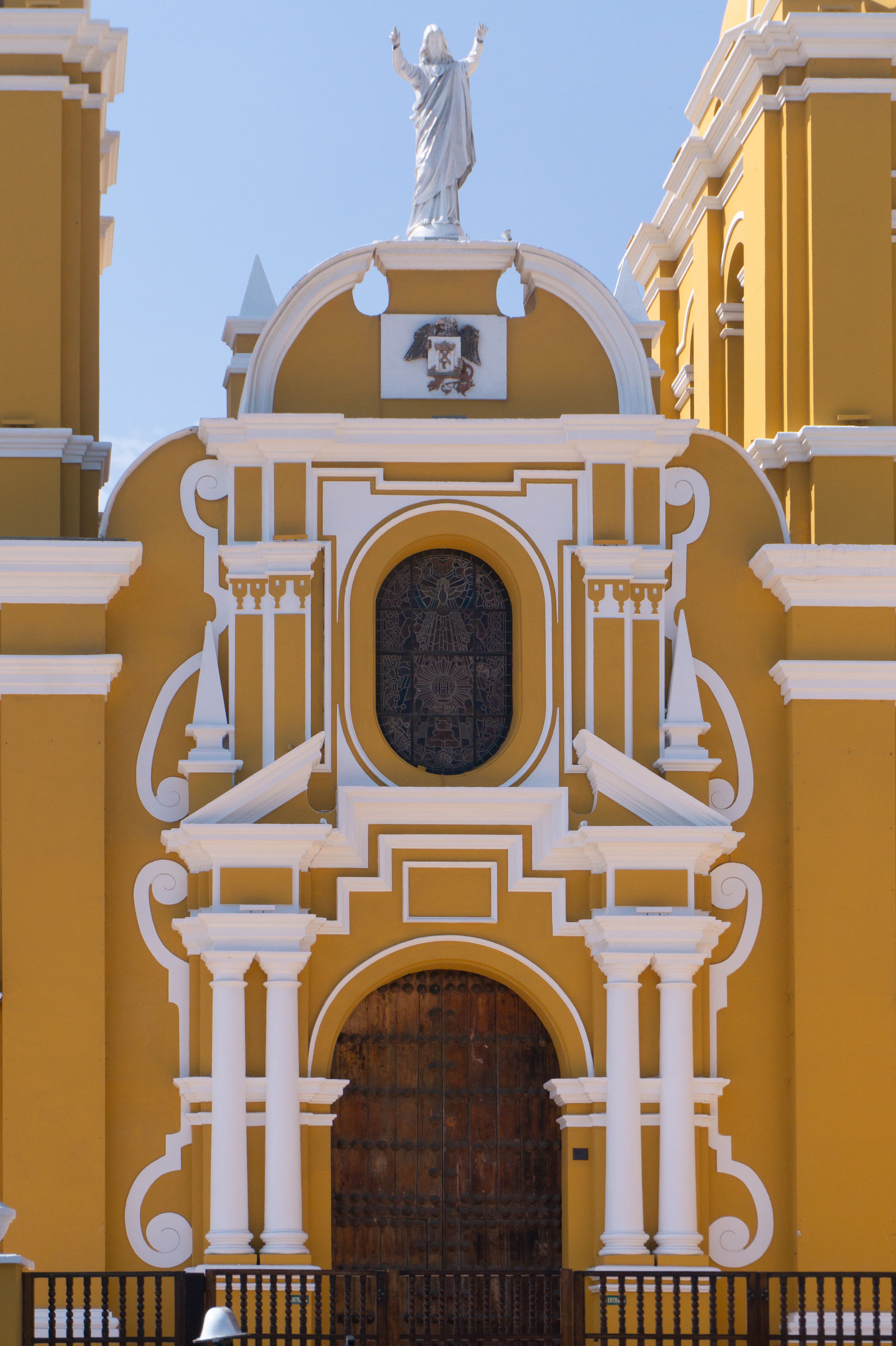
Top Pick
Catedral Basílica Menor
This stunning cathedral is the iconic centerpiece of Durango, showcasing intricate Baroque architecture. It is the most photographed landmark in the city and essential for understanding local history.
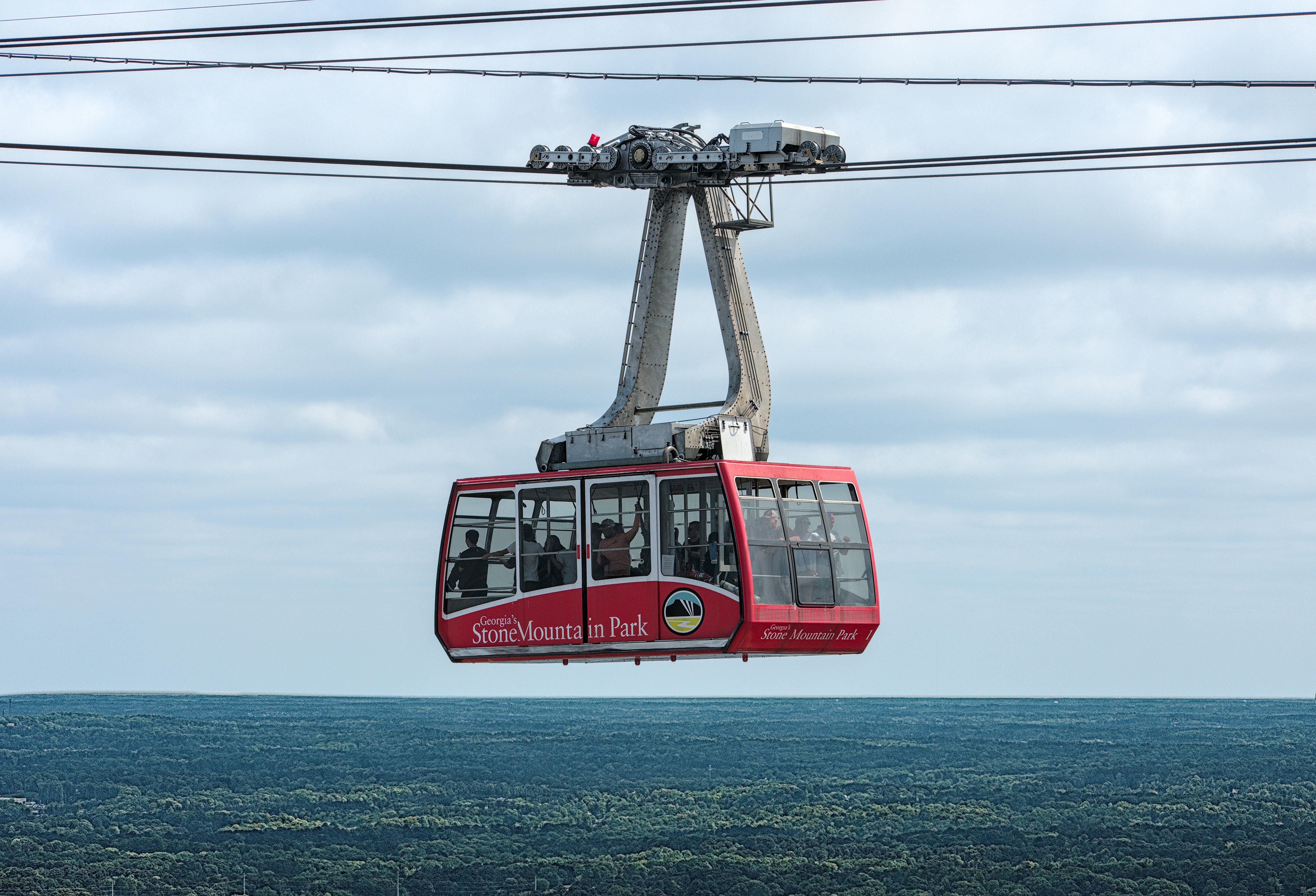
Official Tourism
Teleférico de Durango
Offering a bird's-eye view of the historic downtown, this cable car is a favorite for visitors wanting to get their bearings. The ride provides an excellent vantage point for photography.
Work & Connectivity
Stay connected wherever you work
The nomad community here is real — cafés and coworking spaces where you can work and meet others.
Coworking Durango
A professional space designed specifically for the growing remote work community in the city.
Espacio Creativo
A creative hub perfect for designers and freelancers looking for a collaborative atmosphere.
Budget & Costs
What it costs to live in Durango
Choose your lifestyle tier. Comfortable = furnished accommodation, local + occasional Western food, transport, leisure.
$949
per month · USD · comfortable lifestyle
ModerateFurnished studio, local restaurants, transport, and weekend trips.
Exchange rates
Check xe.com or your bank for current USD to local currency.
Check xe.com or your bank for current USD to local currency.
🏠 Rent 42%$402/mo
🍽️ Food 27%$256/mo
🚌 Transport 8%$73/mo
💡 Utilities 8%$73/mo
🎭 Leisure 8%$73/mo
🏥 Health 8%$73/mo
Connectivity
Well connected to the world
Internet and transport options for remote workers.
📶
Internet
Good — fibre common
Check local providers.
🏢
Coworking
From ~$80/mo
Dedicated spaces available.
🚌
Local Transit
5 / 10
Scooter and taxi common.
DGO
General Guadalupe Victoria International Airport
20 km from centre
losangelesmexicocitytijuana
Safety & Visa
Safe, welcoming, and easy to enter
Safety Score6 / 10
✗ Tap Water✓ Night Safe📞 112 or local emergency number
Visa
Check your entry options
Many nationalities get visa-free or visa-on-arrival. Check official government sources for your citizenship before travel.
Culture & Festivals
Local soul, nomad-friendly
Multiculturalism5/10
Foodie Scene5/10
Remote work
July
Feria Nacional Durango
A massive celebration featuring concerts, agricultural displays, and local cultural performances.
Nov
Día de los Muertos
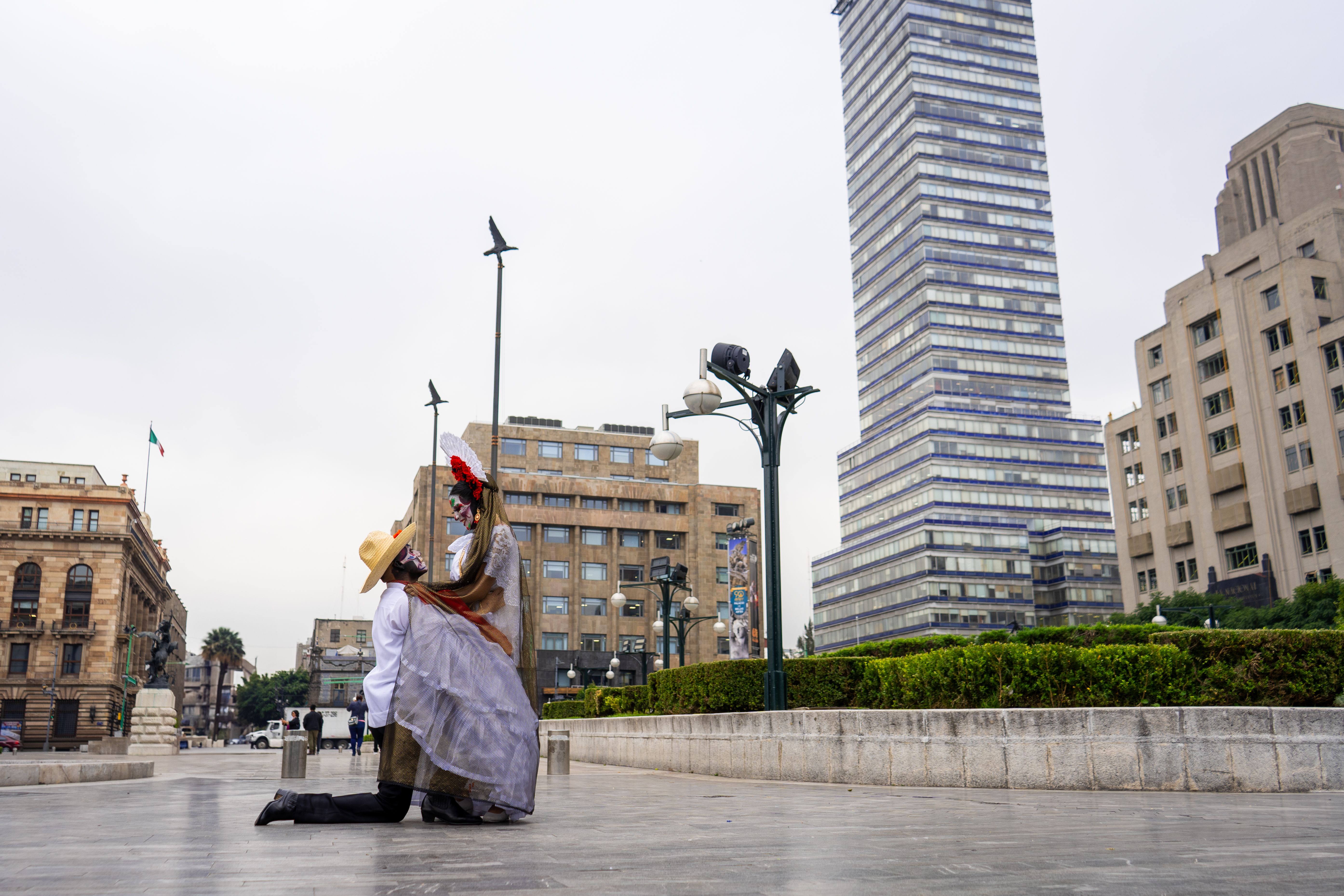
The city comes alive with elaborate altars, parades, and respectful celebrations honoring the deceased.
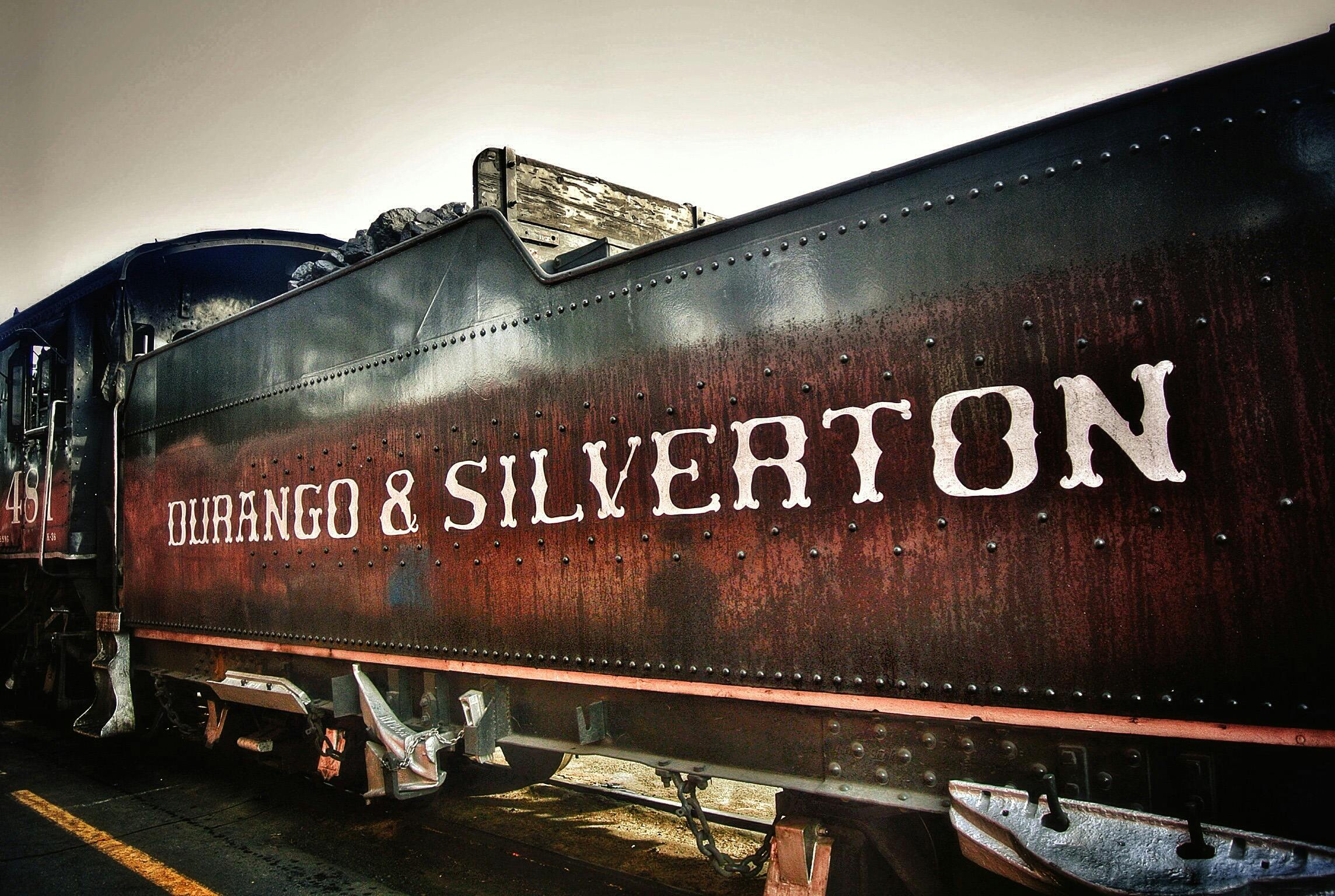
Durango also serves as a film production hub, often dubbed the 'Land of Cinema', owing to its dramatic landscapes that have been used in countless Western films throughout the 20th century.
Food & Nightlife
A feast for every mood
From street food to cafés and nightlife — every meal is an event.
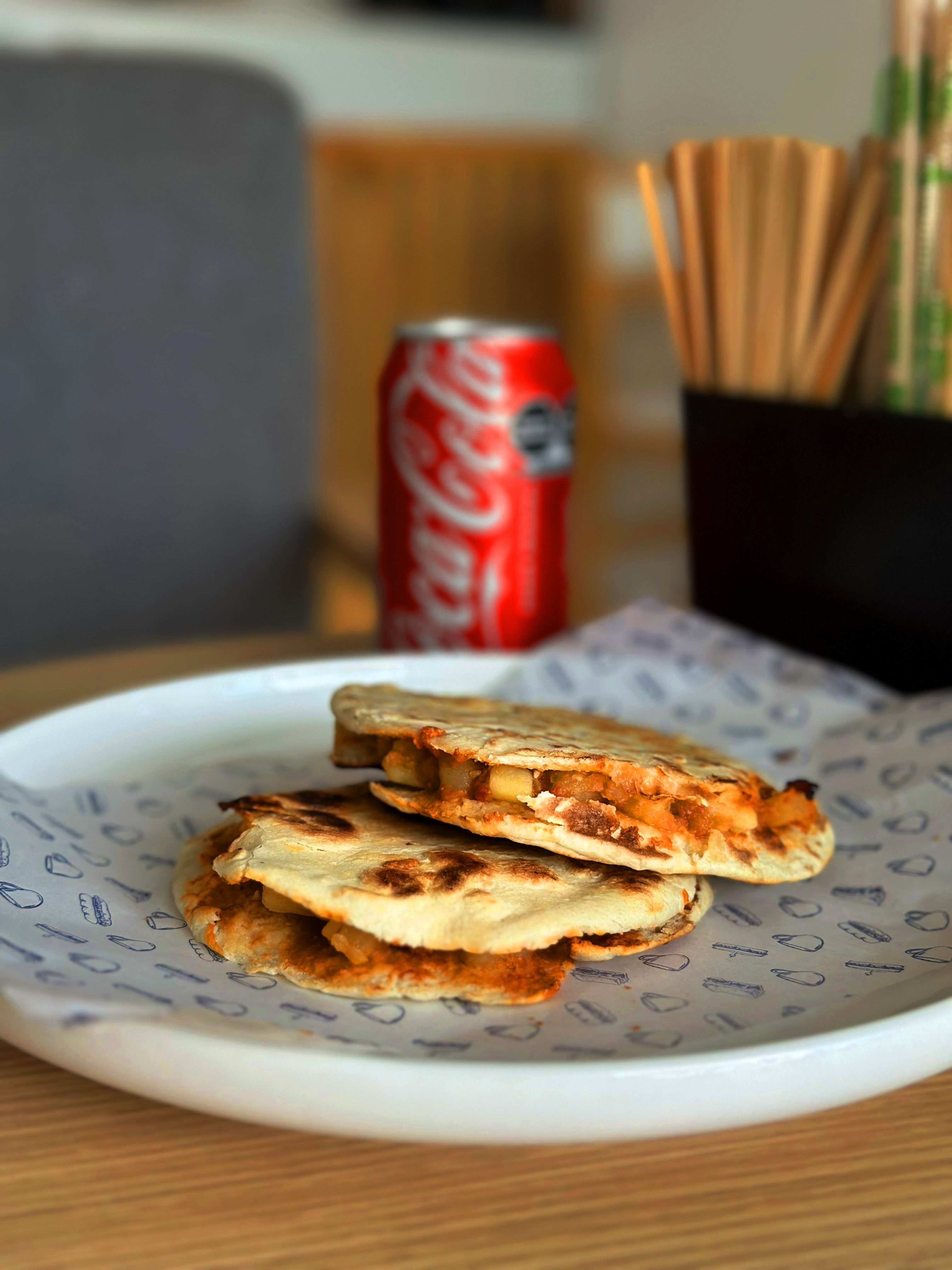
Street Food
Gorditas
You cannot visit Durango without trying their signature gorditas, often stuffed with various guisos (stews). They are the ultimate affordable and delicious nomad lunch.

Local Dining
Mercado Gómez Palacio
Head here to experience the real pulse of the city. You will find authentic regional dishes and fresh local ingredients at a fraction of the cost of tourist restaurants.
Climate
Best months: Jan, Feb, Mar, Apr, May, Jun, Jul, Aug, Sep, Oct, Nov, Dec
Avg humidity48%
Avg AQI65
Durango is a year-round destination thanks to its temperate climate. While there are no specific months to strictly avoid, those who prefer mild weather will find the spring and autumn months particularly pleasant for outdoor excursions into the nearby mountains. Summer can bring occasional rainfall, which helps keep the surroundings lush and green.
Winter months can get chilly, especially during the evenings, so packing layers is essential. The city stays vibrant throughout the year, with various local festivals and cultural events consistently taking place, ensuring that even during the low season, there is always something to discover.
Monthly temperatures °C
BestAvoidShoulder
Practical Info
Everything you need to know
🏥
Healthcare
The city has access to private clinics and hospitals. It is highly recommended to carry comprehensive travel insurance that includes medical evacuation for peace of mind.
💱
Money
The currency is the Mexican Peso. While credit cards are accepted in many larger establishments, carrying cash is essential for street markets and smaller local vendors.
🌐
Language & Etiquette
Spanish is the primary language. Learning basic phrases will significantly improve your experience. Mexicans in Durango are generally warm and appreciate politeness in all interactions.
Tips
Quick tips
- Always carry some cash for small purchases.
- Use a VPN when accessing public Wi-Fi.
- Pack a light jacket for cool desert nights.
- Try the local gorditas at least once.
- Walk the historic center to find hidden gems.
- Respect local custom by greeting shop owners.
- Drink only filtered or bottled water.
Further Reading