
Puno · Peru
Overview
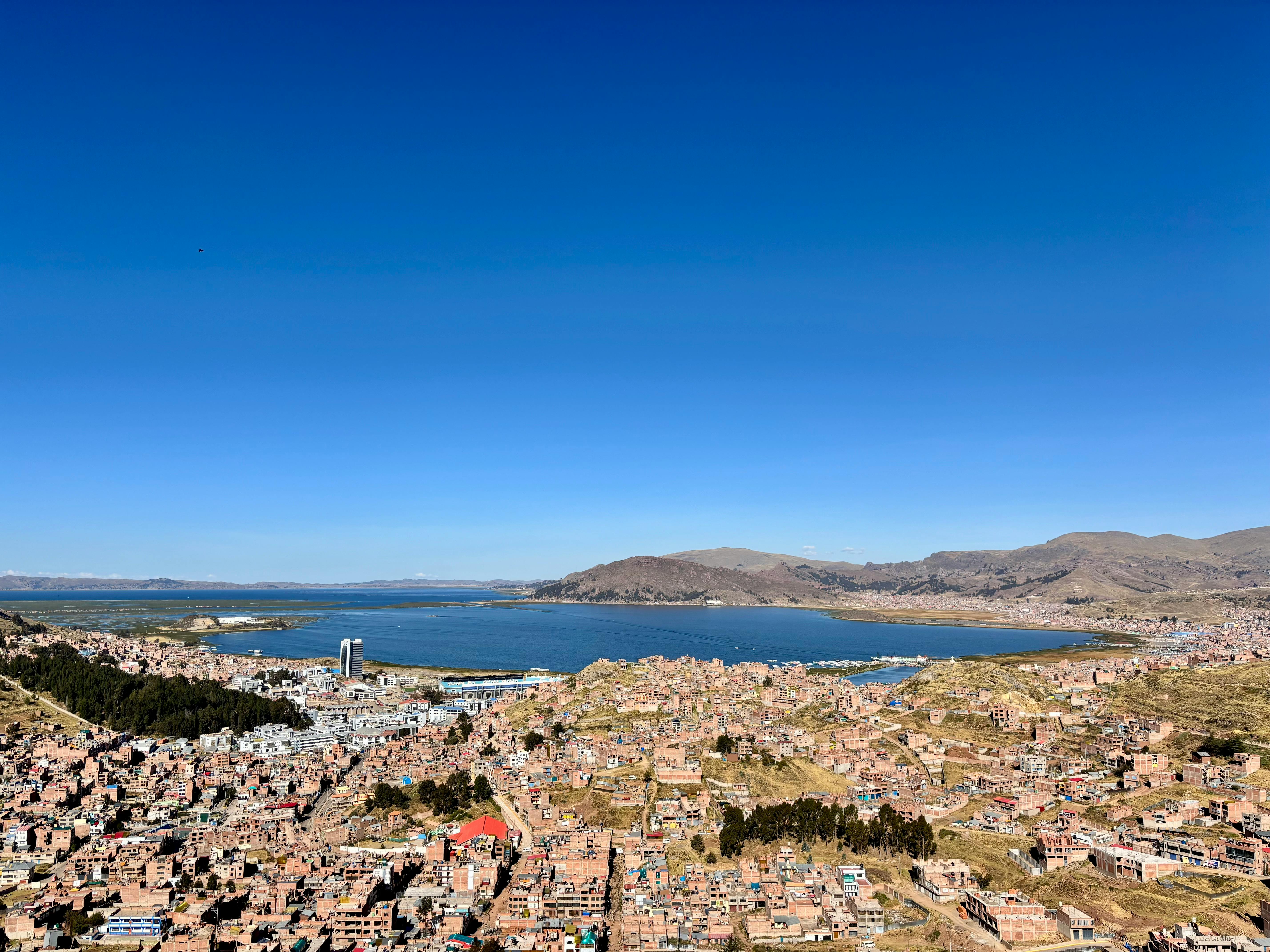
Puno is not just a transit point to the islands; it is the beating heart of Andean spirit, where the lake meets the sky.
Puno is the folklore capital of Peru, a place where Andean traditions meet the vast, shimmering expanse of Lake Titicaca. For digital nomads, the city offers a chance to live amongst a deeply preserved culture while working against a backdrop of historic limestone architecture and stunning highland scenery. The atmosphere is quiet, introspective, and undeniably rugged, making it better suited for those who value deep focus and cultural exploration over high-octane social scenes.
While the infrastructure is modest, the sense of isolation is a strength for those looking to disconnect from the noise of modern metropolises. Visitors should plan carefully for the thin air, as the city sits at over 3,800 meters above sea level. Manage your budget effectively by checking our cost of living breakdown, and plan your arrival around the best climatic conditions to ensure a comfortable stay.
History
Puno has a rich and layered history that predates the Inca Empire, rooted in the Aymara-speaking cul…
Puno has a rich and layered history that predates the Inca Empire, rooted in the Aymara-speaking cultures of the Titicaca Basin. It served as a critical trade and spiritual hub for centuries, owing to its proximity to the lake, which the Inca believed was the birthplace of the sun and the moon. The city as we know it today was founded by the Spanish in 1668, largely to support the local silver mining industry.
Throughout the colonial era, Puno became a bridge between Cusco and Upper Peru (modern-day Bolivia). Today, it is recognized as the folklore capital of Peru, preserving ancient dances, music, and rituals that have remained largely unchanged for generations. Visitors can explore the remnants of this diverse past through the local festivals and the unique architecture of the historic center.
Pre-Columbian Era
Aymara RootsThe Titicaca basin was home to the Pucara and Tiahuanaco civilizations, which laid the foundation for the region's cultural identity.
1533
Inca IntegrationThe region was integrated into the Inca Empire, which valued Lake Titicaca as a sacred site of cosmic origin.
1668
Spanish FoundationViceroy Pedro Antonio de Lemos established the city of San Carlos de Puno to oversee the nearby silver mines of Laykakota.
1870s
Railway EraThe construction of the railway line connecting Puno to the coast transformed the city into a vital transportation and logistics hub.
1980s
Folklore CapitalPuno officially gained its title as the 'Folklore Capital of Peru' due to its massive array of traditional festivals.
Where to Stay
Choose your base camp
Distinct neighbourhoods, different rhythms. Pick the one that fits your work-life balance.
Central Hub
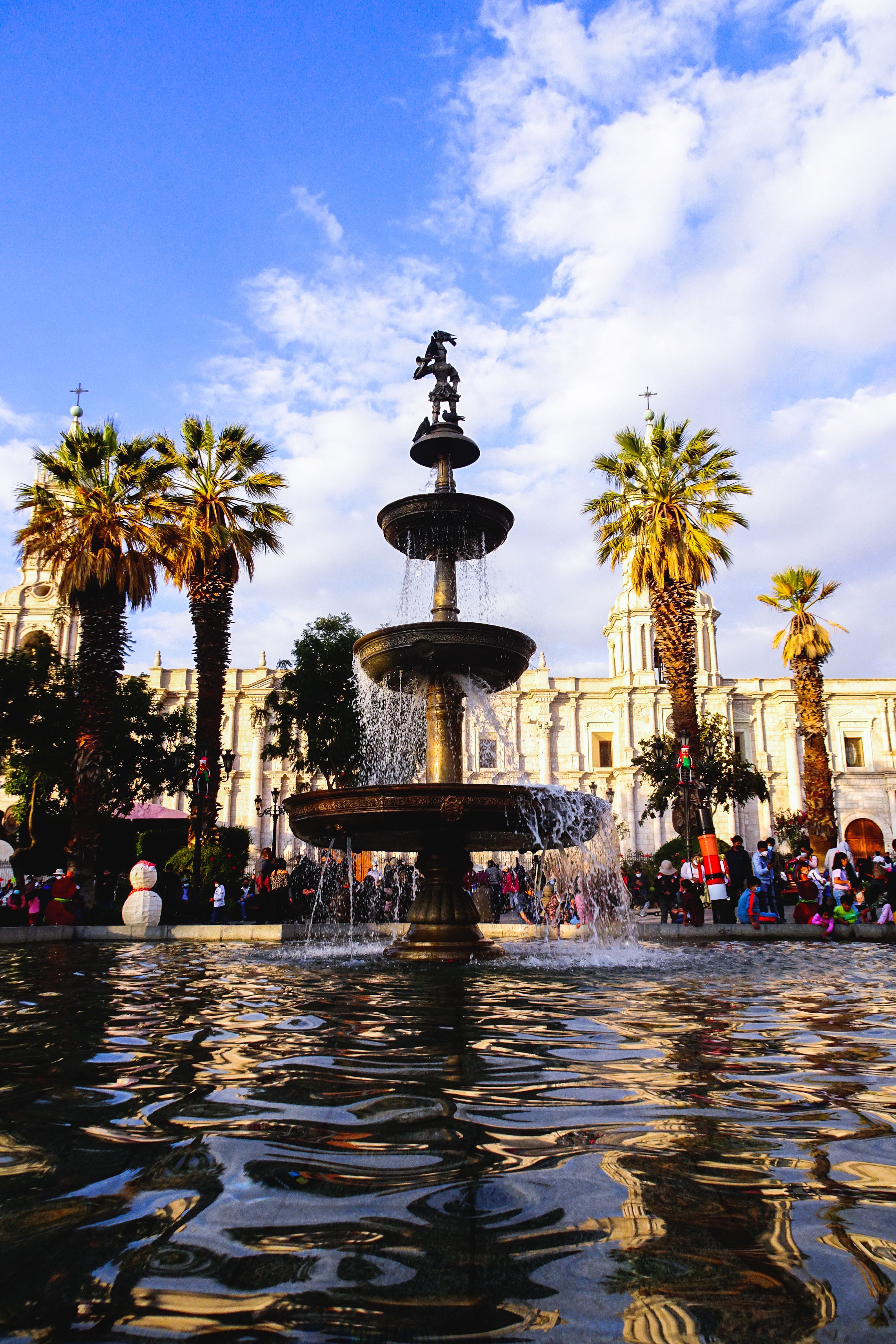
City Centre (Plaza de Armas)
Staying near the main plaza puts you within walking distance of most services, markets, and restaurants. It is the busiest part of town with a reliable supply of basic guesthouses.
Scenery Enthusiasts
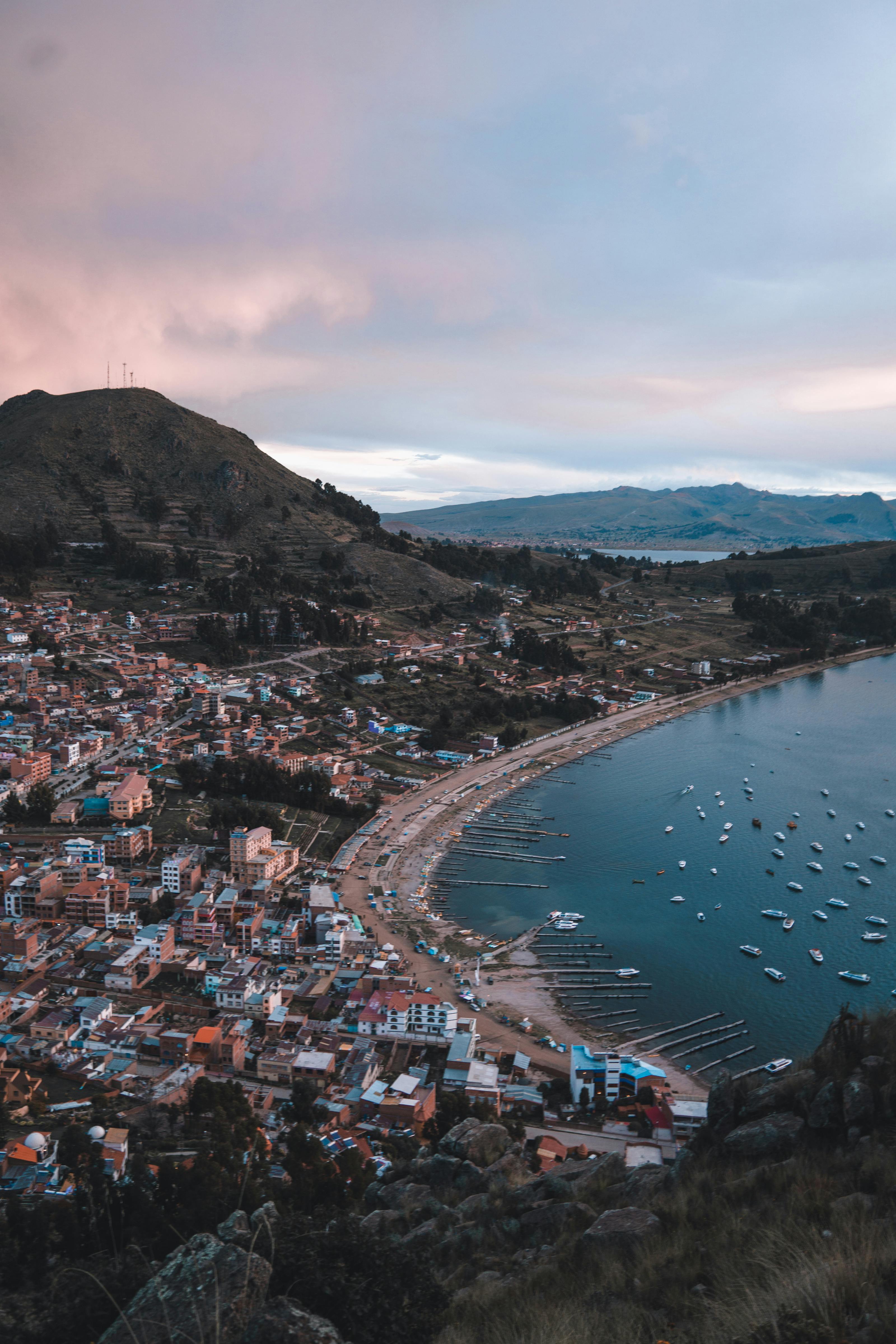
Lakefront (Puno Harbor)
Ideal for those who want immediate access to the boat departures for the islands. Hotels here are more modern and offer quiet, serene lake views perfect for focused work.
Nomad Favourite
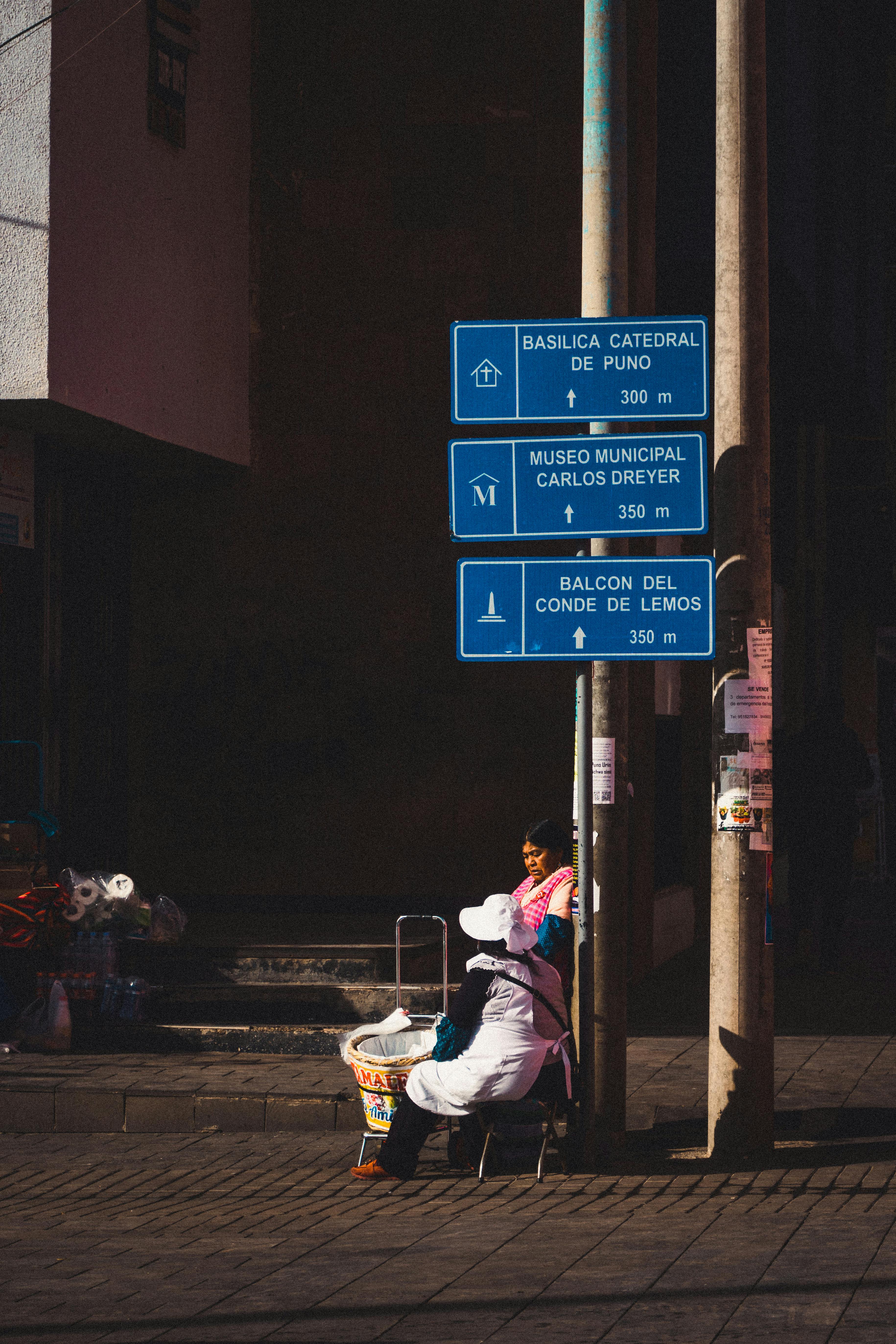
Jiron Lima Area
This pedestrian-friendly street is lined with cafes and shops, making it the most social area in the city. It is the best place to find food and meet other travelers.
Places to Go
The experiences that will make you never leave
These aren't tourist checkboxes — they're the experiences that reset your sense of what's normal.
Top Pick
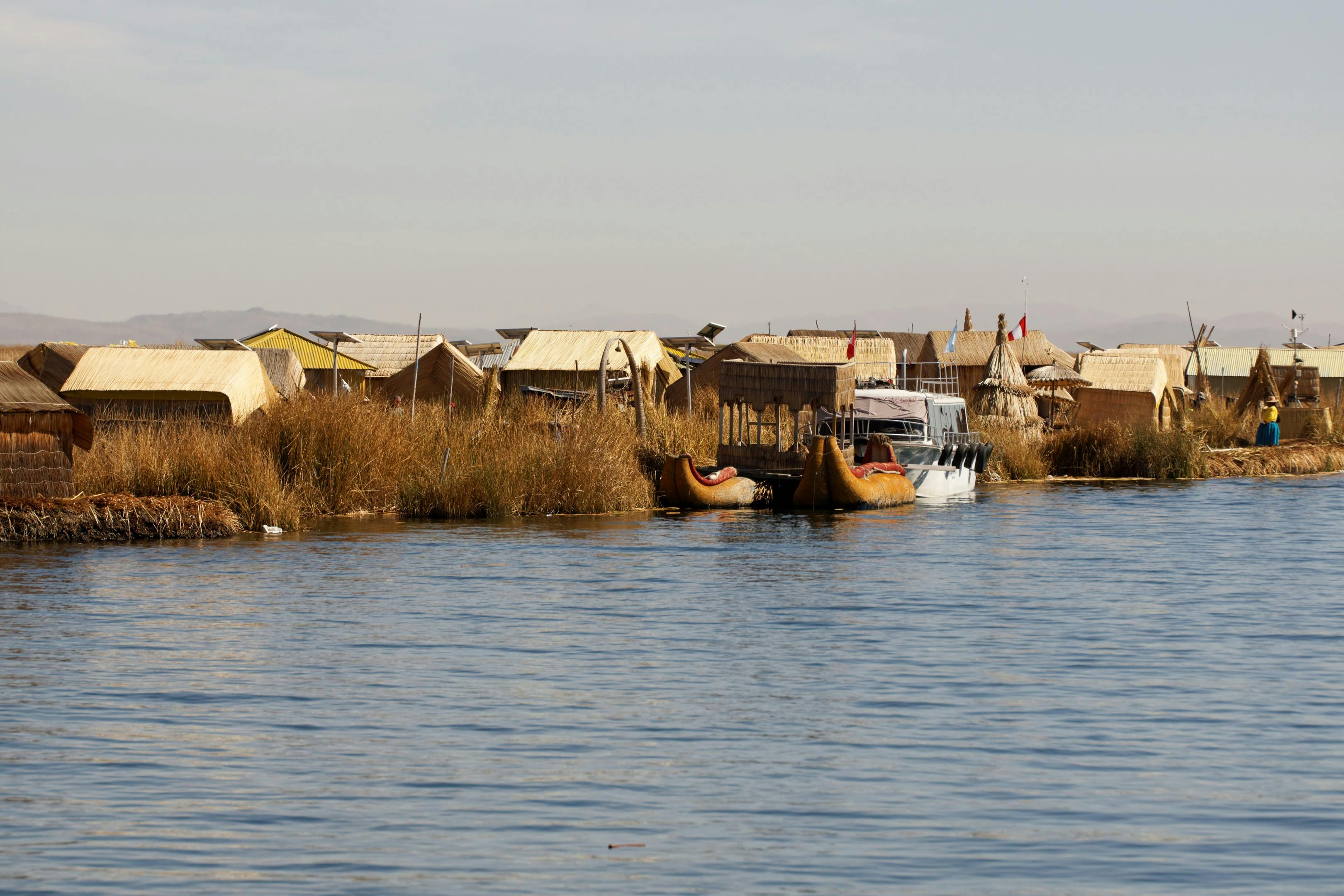
Uros Floating Islands
These unique islands are entirely constructed from totora reeds, which grow abundantly in the lake. The Uros people have maintained this lifestyle for centuries, and visitors can take boat tours to learn about their construction methods and culture.
UNESCO Intangible Heritage
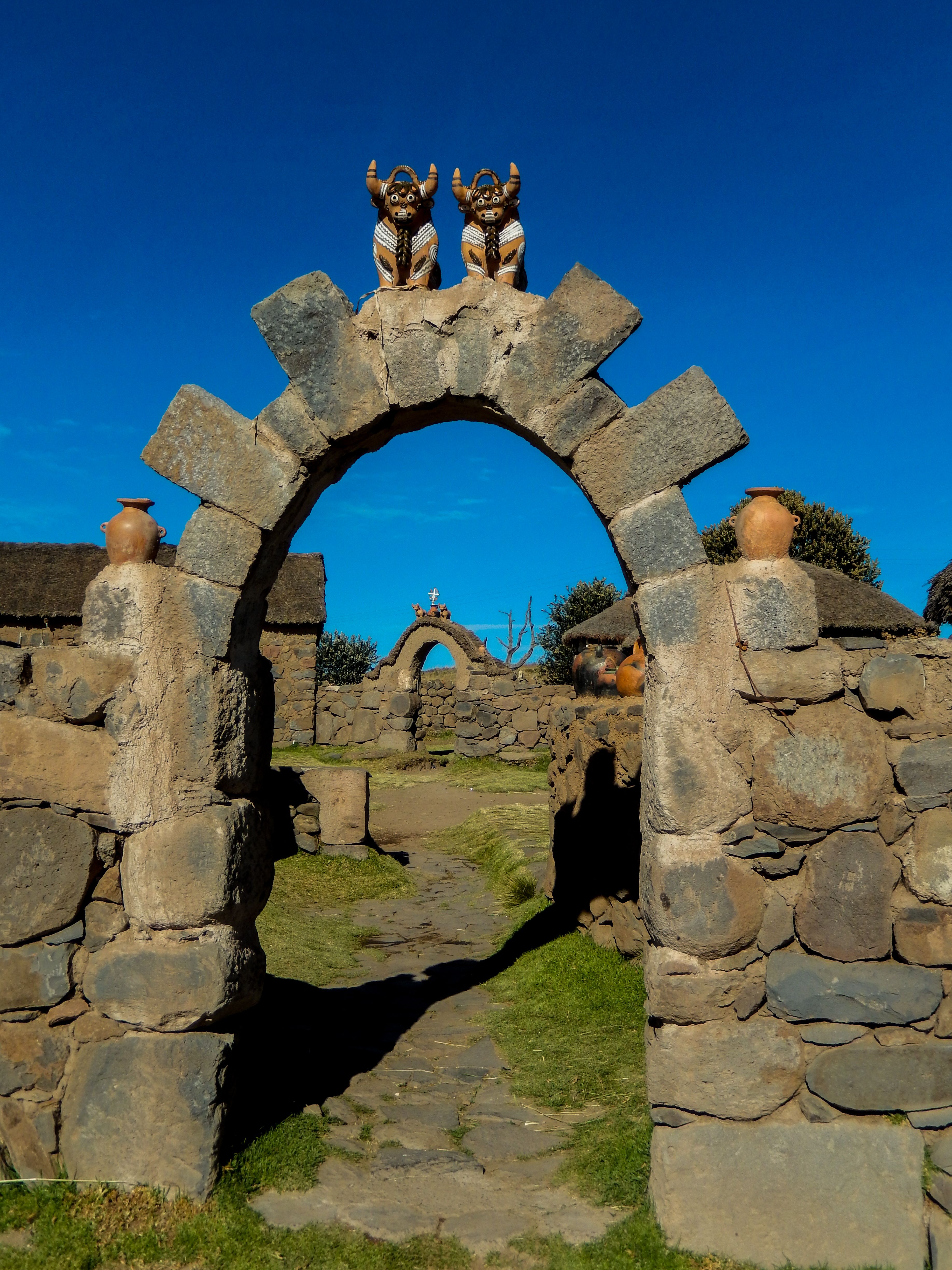
Taquile Island
Famous for its high-quality hand-woven textiles, this island offers a window into traditional Andean social structures. The walking paths provide stunning panoramic views of the lake's deep blue waters against the distant snowy peaks.

Work & Connectivity
Stay connected wherever you work
The nomad community here is real — cafés and coworking spaces where you can work and meet others.
Café Bar Café
A cozy, quiet spot with decent coffee and a relaxed atmosphere, perfect for a few hours of focused laptop work.
Incacafé
Known for its reliable atmosphere and decent breakfast options, this is a popular stop for remote workers needing a desk for the morning.
Hotel Laptops
Given the lack of dedicated coworking spaces, many nomads rely on hotel common areas, which often offer the most stable power and lighting.
Budget & Costs
What it costs to live in Puno
Choose your lifestyle tier. Comfortable = furnished accommodation, local + occasional Western food, transport, leisure.
$876
per month · USD · comfortable lifestyle
ModerateFurnished studio, local restaurants, transport, and weekend trips.
Exchange rates
Check xe.com or your bank for current USD to local currency.
Check xe.com or your bank for current USD to local currency.
🏠 Rent 40%$347/mo
🍽️ Food 28%$237/mo
🚌 Transport 6%$55/mo
💡 Utilities 9%$73/mo
🎭 Leisure 9%$73/mo
🏥 Health 9%$73/mo
Connectivity
Well connected to the world
Internet and transport options for remote workers.
📶
Internet
Good — fibre common
Check local providers.
🏢
Coworking
From ~$80/mo
Dedicated spaces available.
🚌
Local Transit
5 / 10
Scooter and taxi common.
20 km from centre
Safety & Visa
Safe, welcoming, and easy to enter
Safety Score6 / 10
✗ Tap Water✓ Night Safe📞 112 or local emergency number
Visa
Check your entry options
Many nationalities get visa-free or visa-on-arrival. Check official government sources for your citizenship before travel.
Culture & Festivals
Local soul, nomad-friendly
Multiculturalism5/10
Foodie Scene5/10
Remote work
Feb
Fiesta de la Virgen de la Candelaria
One of the largest cultural celebrations in Peru, featuring massive dance processions and music in honor of the city's patron saint.
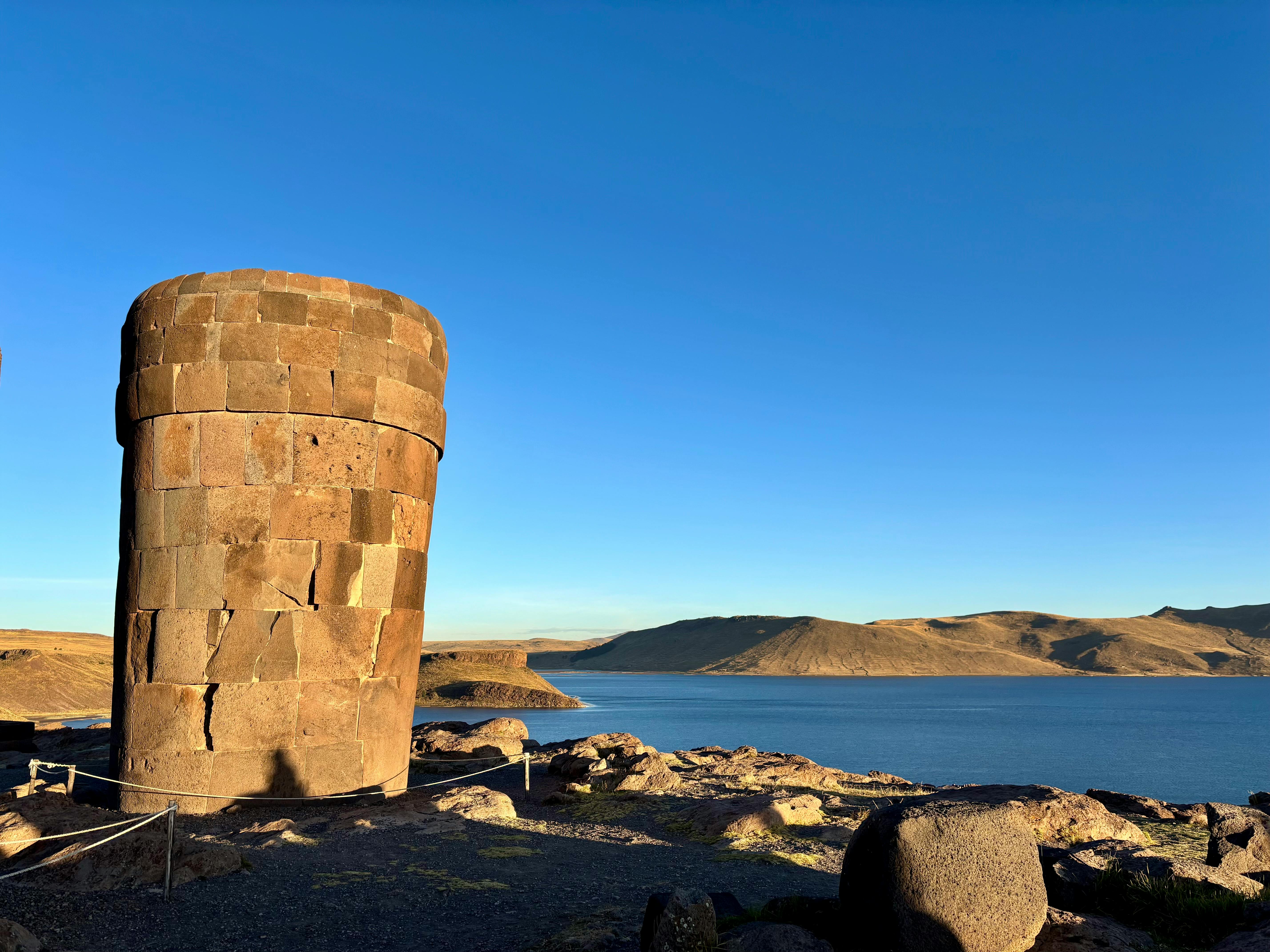
For those interested in history, the burial towers of Sillustani located about 30 minutes outside of the city are an essential day trip to see pre-Incan tomb structures overlooking Lake Umayo.
Food & Nightlife
A feast for every mood
From street food to cafés and nightlife — every meal is an event.
Regional Speciality
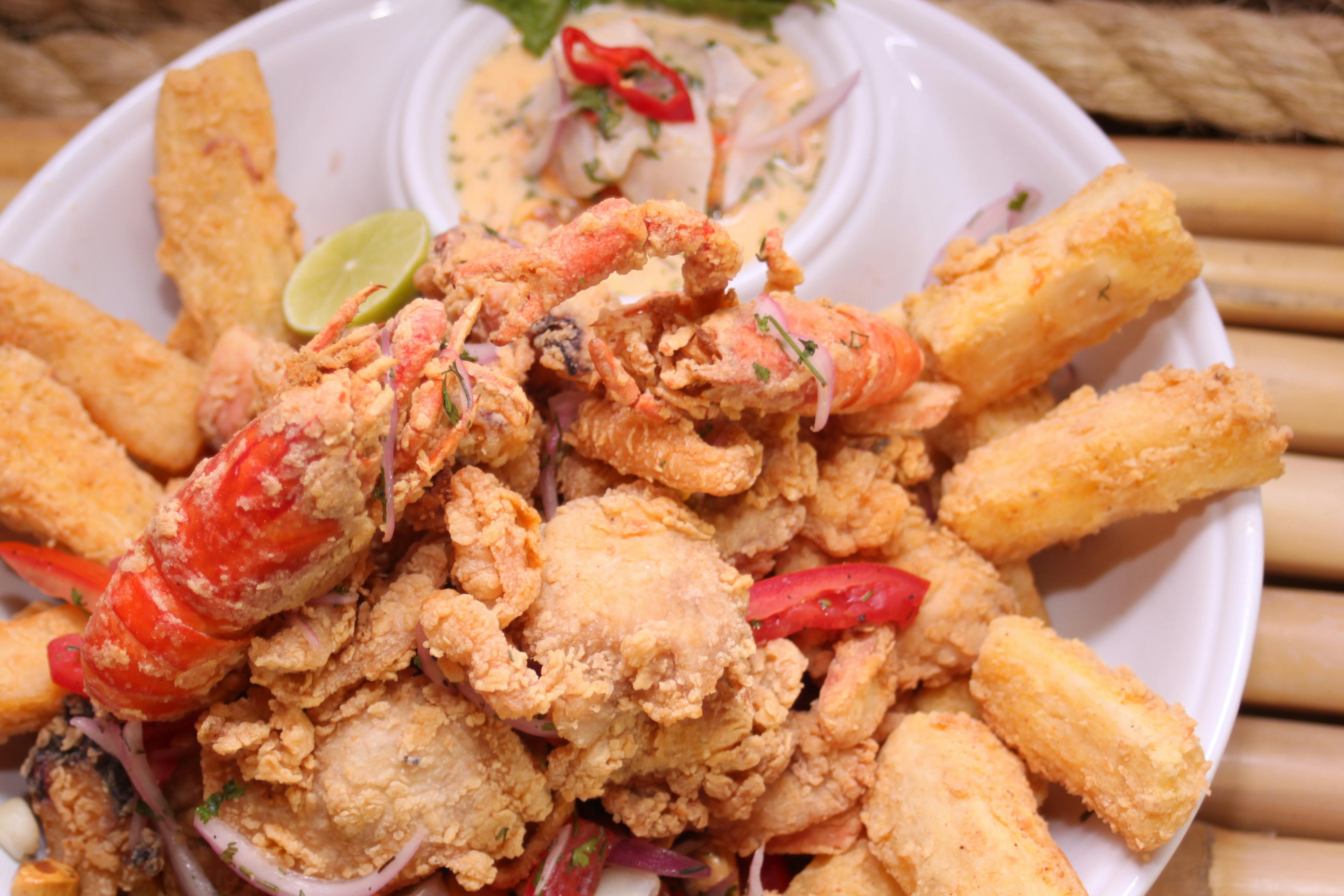
Trucha Frita (Fried Trout)
Caught fresh from Lake Titicaca, the trout here is a staple. It is usually served crispy with potatoes and a side of salad.
Hearty Eateries
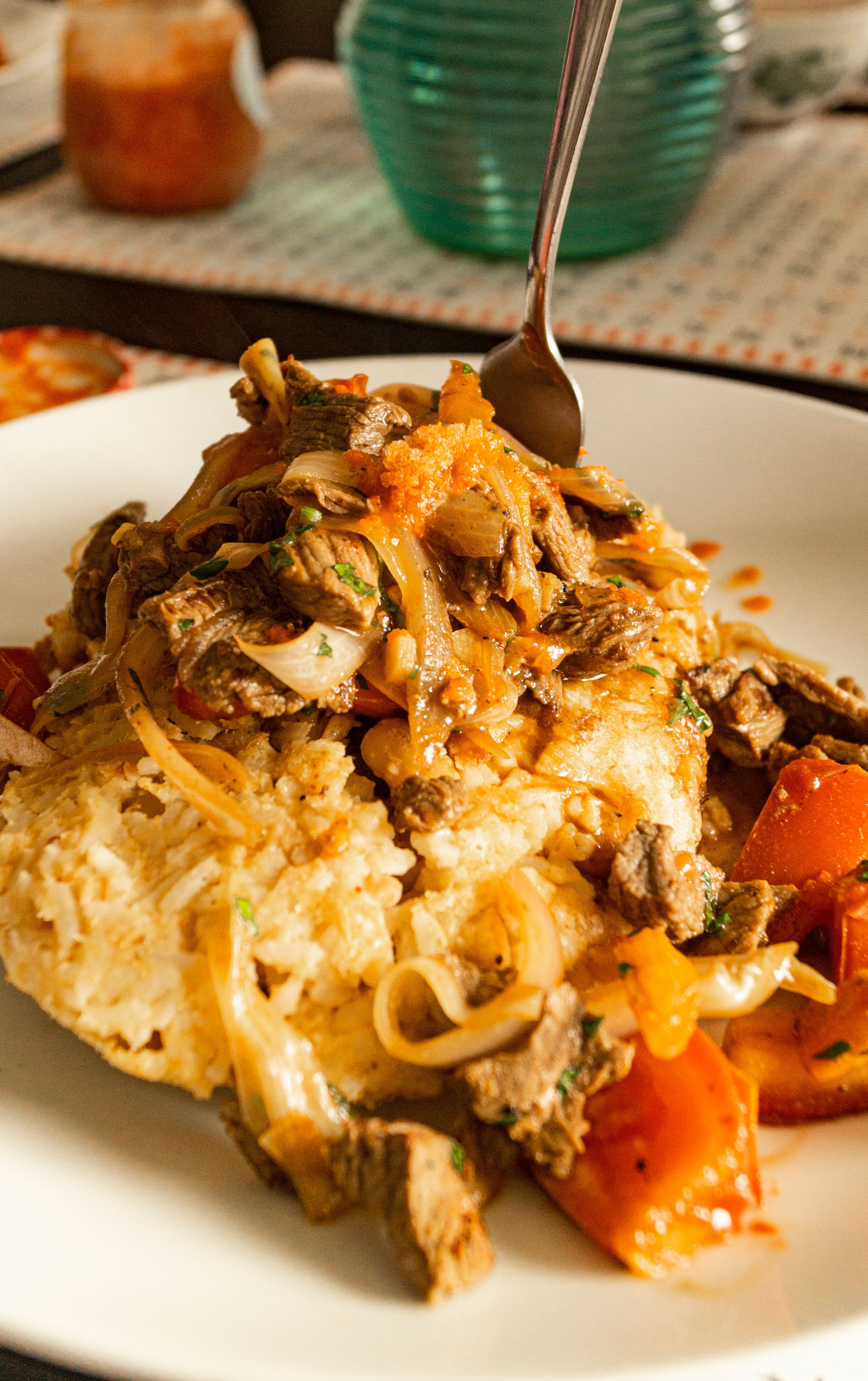
Chifas
For an affordable and filling meal, look for local Chinese-Peruvian eateries called Chifas. They offer large portions of stir-fried rice and noodles.
Local Market
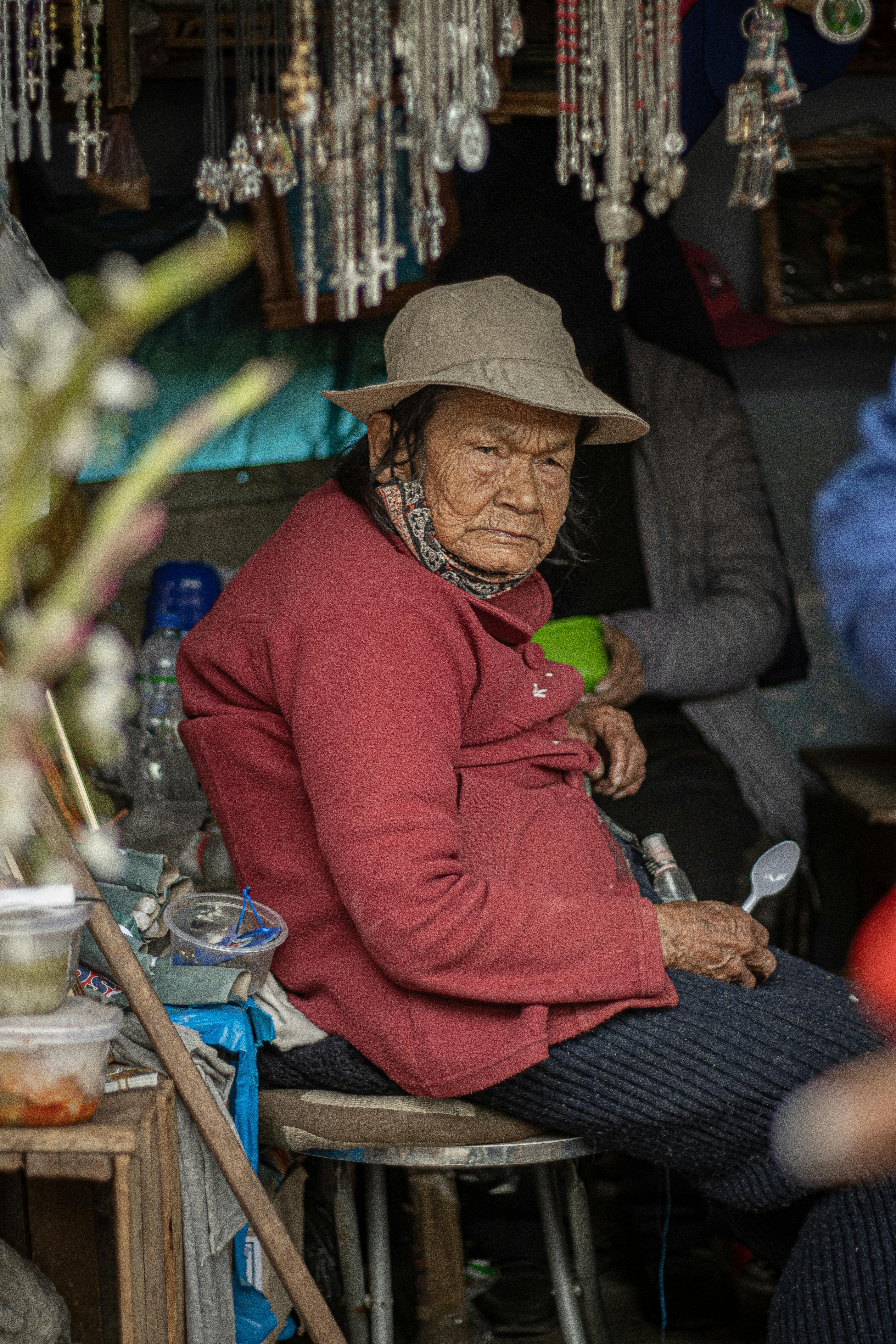
Mercado Central
Visit the local market for fresh fruit, Andean quinoa soups, and an authentic taste of local daily life. It is the best place to eat on a budget.
Climate
Best months: Mar, Apr, May
Avg humidity48%
Avg AQI50
The best time to visit Puno for remote work is between March and May. During these months, the rains have subsided, leaving the landscape lush and vibrant while the skies remain crisp and clear. This period provides the most stable environment for adjusting to the high altitude and engaging in outdoor exploration.
While there are no specific 'avoid' months, keep in mind that the period from June to August can be significantly colder, especially at night. Always come prepared with warm clothing, regardless of when you visit, as high-altitude sun during the day can quickly turn into freezing temperatures once the sun dips below the horizon.
Monthly temperatures °C
BestAvoidShoulder
Practical Info
Everything you need to know
🏥
Healthcare
Medical facilities in Puno are limited for specialized care. For serious issues, travelers should be prepared to head back to Arequipa or Cusco, which have better-equipped hospitals.
💱
Money
Cash is king in Puno. While larger hotels and restaurants may accept cards, street vendors, markets, and smaller cafes will require local Soles.
🌐
Language & Etiquette
Spanish is the primary language, though many locals also speak Aymara. Learning basic Spanish phrases will go a long way in building rapport with the local community.
Tips
Quick tips
- Drink plenty of coca tea to help with the altitude.
- Carry a portable power bank for backup during short power flickers.
- Always carry layers; the temperature drops drastically at night.
- Use official taxi apps or hotel-arranged transport for safety.
- Buy a local SIM card as soon as you arrive in Peru.
- Carry small denomination coins for public transport and small purchases.
- Respect local customs when visiting the islands.
Further Reading