
Kotor Bay · Montenegro
Overview
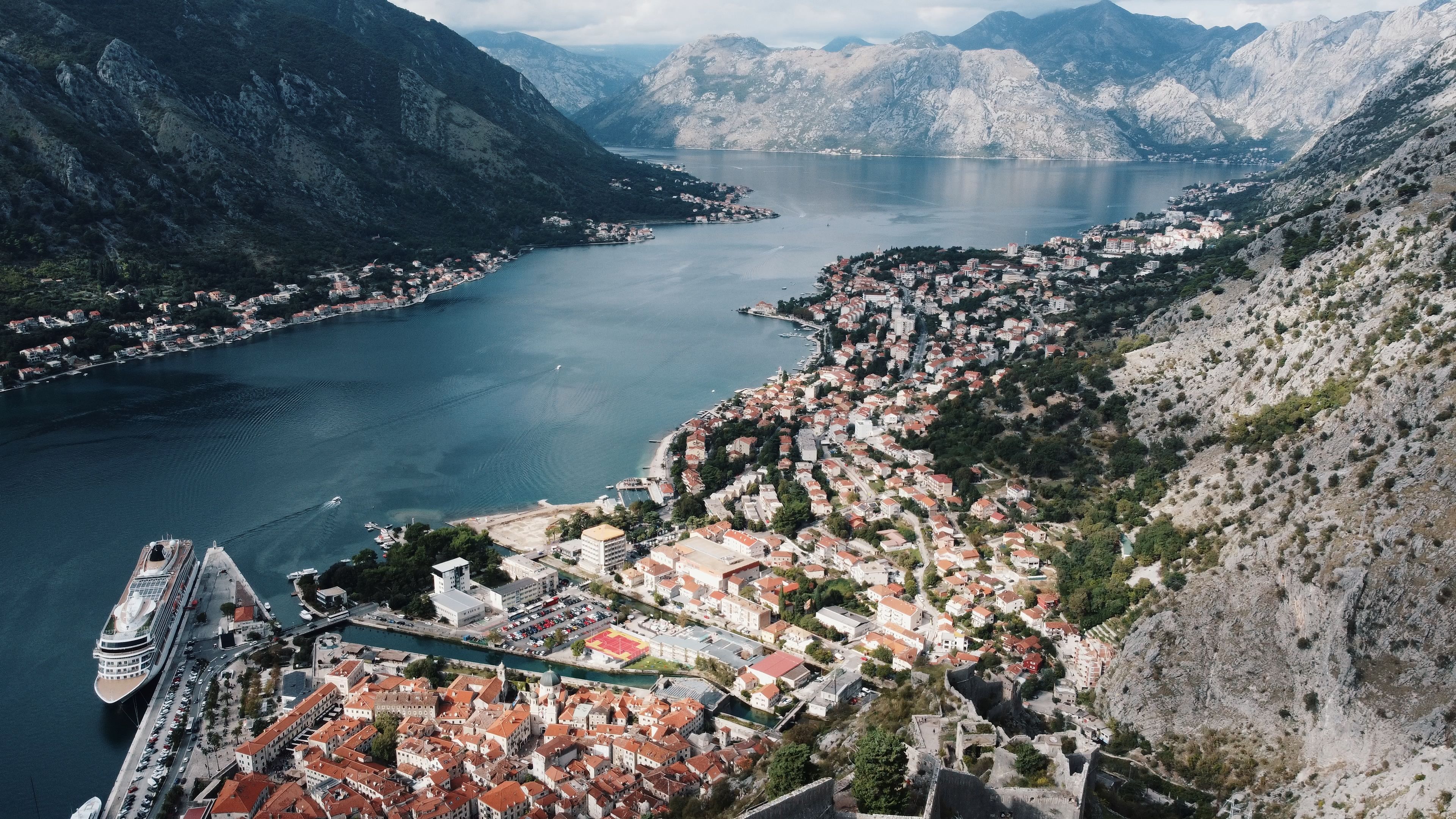
Kotor Bay is where the mountains bow down to the sea, offering a quiet, majestic sanctuary for those who value peace over the chaos of big cities.
Life in the Bay of Kotor is defined by its dramatic limestone cliffs and serene, fjord-like waters. For remote workers, the vibe is slower and more introspective than neighboring hotspots, making it an ideal destination for those needing to deep-focus or recharge. With a modest cost of living, nomads can often secure waterfront views that would cost triple in Western Europe.
While the infrastructure is still developing, the rise of digital nomad interest has brought improved connectivity to towns like Tivat and Dobrota. The climate is inviting for much of the year, allowing for outdoor morning walks and evening swims after a productive day of work.
History
The history of the Bay of Kotor is a complex tapestry of maritime power, cultural synthesis, and strategic defense.
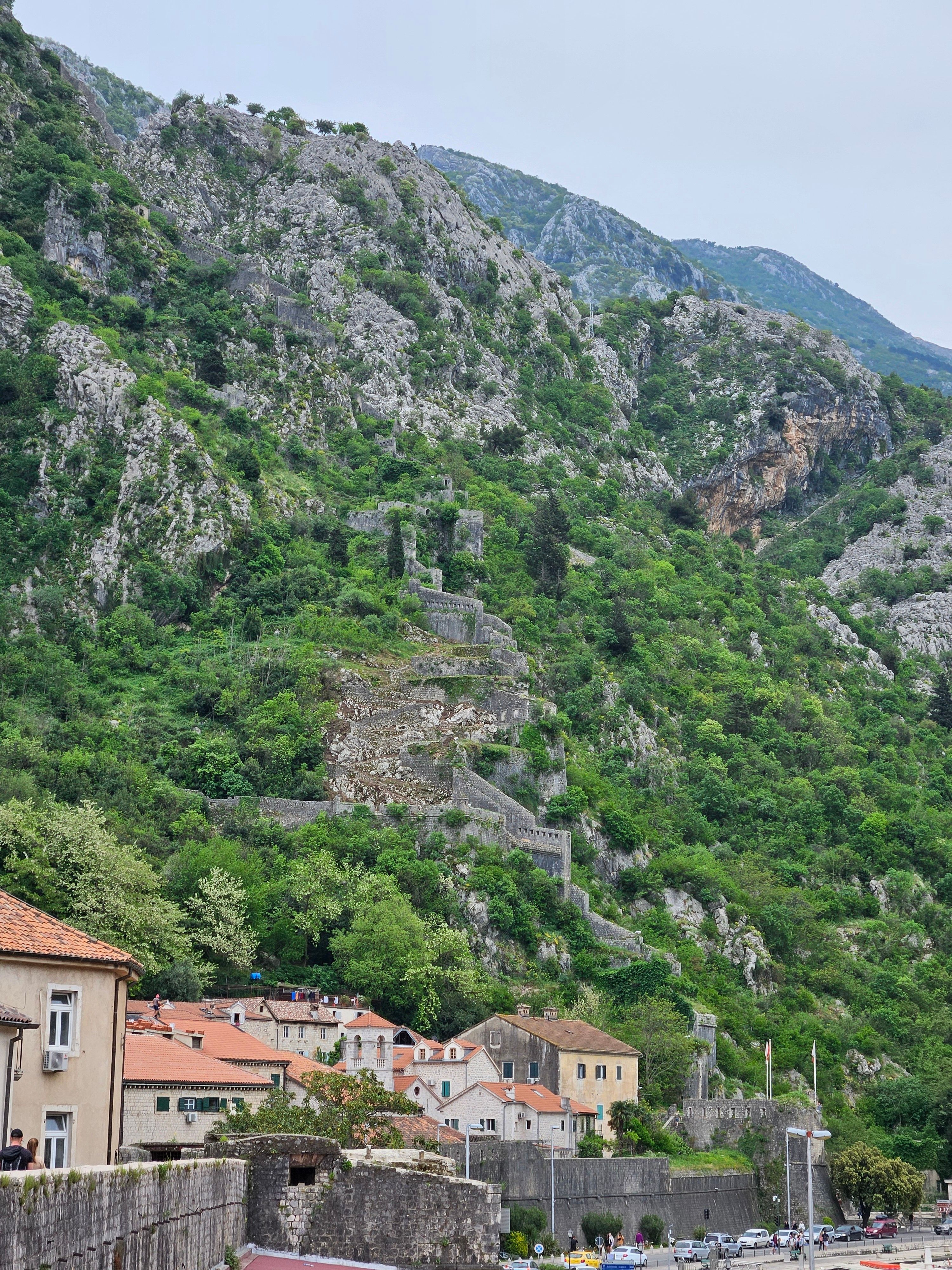
The history of the Bay of Kotor is a complex tapestry of maritime power, cultural synthesis, and strategic defense. Nestled in a natural harbor, the bay has been a magnet for civilizations for thousands of years, having been controlled at various times by the Illyrians, Romans, Byzantines, and the Venetian Republic. The influence of the Venetians is particularly visible today in the exquisite architecture of Kotor’s Old Town.
Following centuries of shifting alliances and regional conflicts, the area eventually became part of Yugoslavia and, subsequently, independent Montenegro in 2006. Today, Kotor is a UNESCO World Heritage site, recognized for its preserved medieval layout and its unique position as the southernmost fjord in Europe, symbolizing the region's resilience and enduring beauty.
229 BC
Roman ArrivalThe Roman Republic extended its influence into the region, beginning a long period of imperial integration.
1420
Venetian RuleKotor came under the control of the Venetian Republic, which shaped much of its current architectural style and culture.
1814
Austrian ControlFollowing the Napoleonic Wars, the region was annexed by the Austrian Empire, marking a shift in administrative oversight.
2006
IndependenceMontenegro gained full independence, opening a new chapter for the bay as a destination for international travelers.
Where to Stay
Choose your base camp
Distinct neighbourhoods, different rhythms. Pick the one that fits your work-life balance.
Comfortable Living
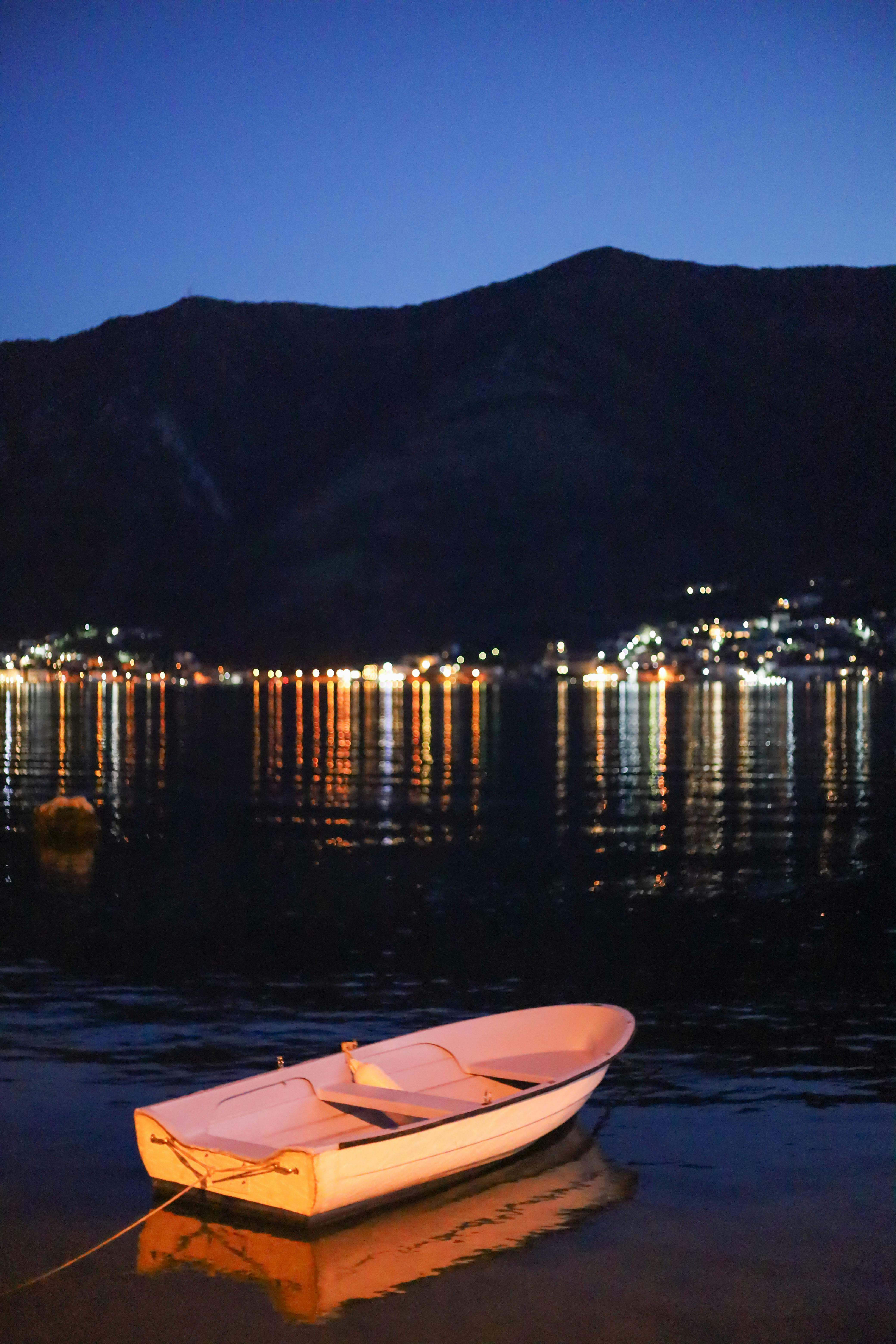
Dobrota
A quiet stretch of coastline near Kotor town, perfect for those seeking a mix of local life and convenience. Rents here are moderate, and you are always steps away from the water.
Slow Living
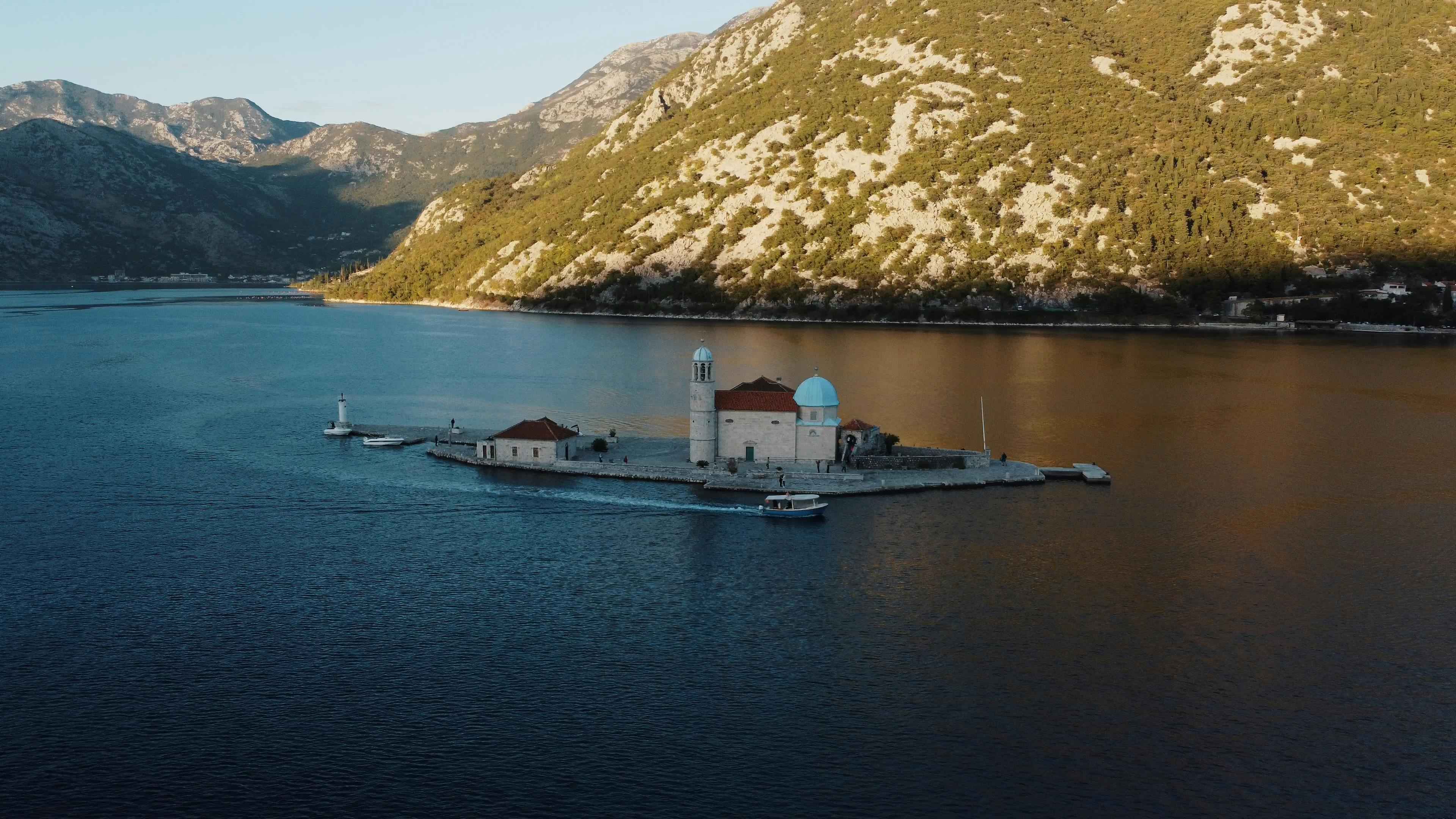
Perast
An incredibly scenic and historic village that offers a very peaceful atmosphere. It is ideal for nomads who want complete focus and a 'village' feel.
Modern Amenities
Tivat
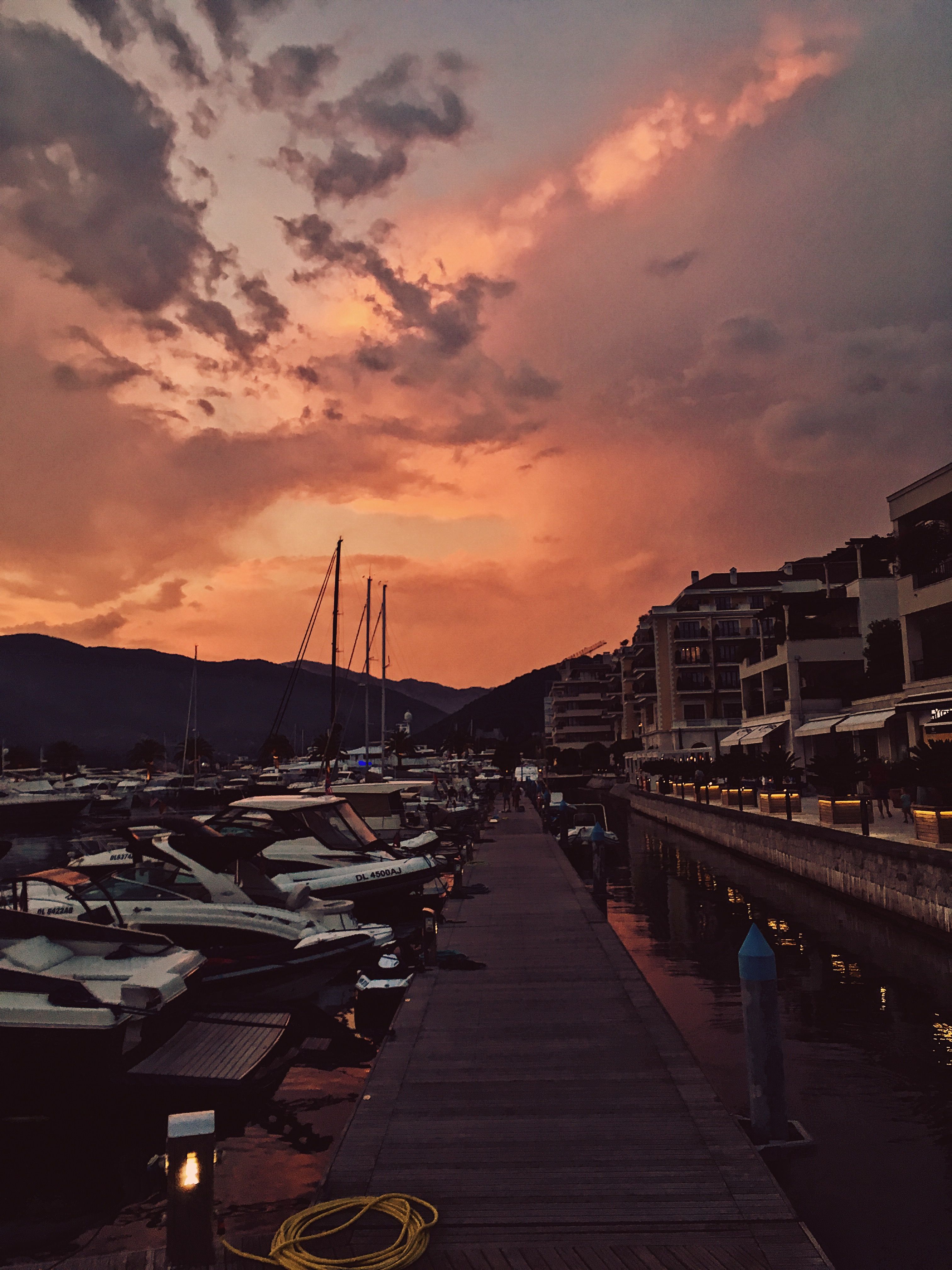
The most modern hub in the bay, Tivat offers better infrastructure and fiber internet. It is closer to the airport and has a vibrant marina scene.
Places to Go
The experiences that will make you never leave
These aren't tourist checkboxes — they're the experiences that reset your sense of what's normal.
Top Pick
Kotor Old Town
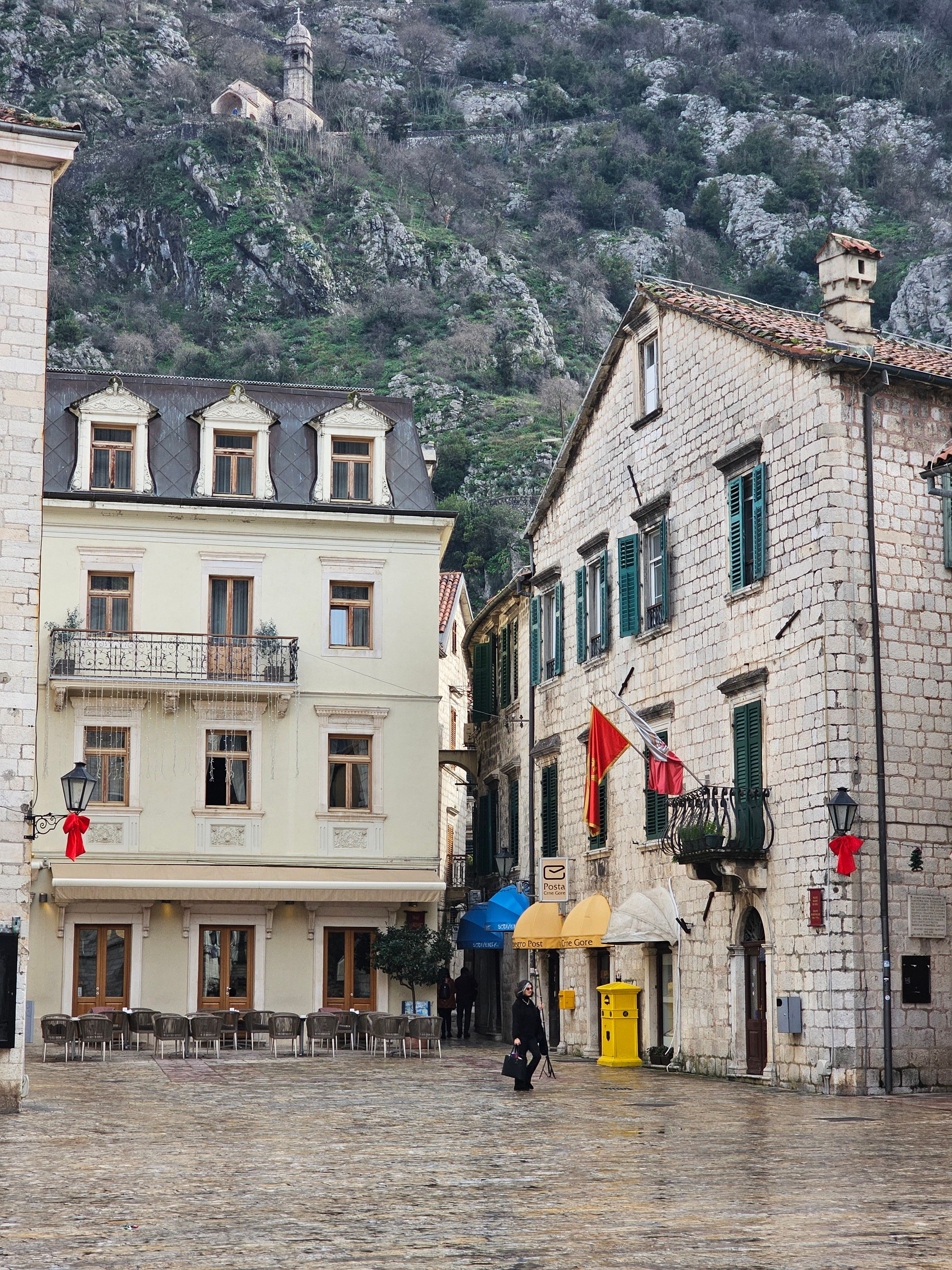
A UNESCO-listed fortified city filled with narrow alleyways, hidden squares, and centuries-old churches. It serves as the heart of the bay's cultural life.

Perast Official Tourism
Perast
A stunning, quiet town famous for its baroque architecture and proximity to the Our Lady of the Rocks islet. It is the perfect place for a slow afternoon stroll.

Work & Connectivity
Stay connected wherever you work
The nomad community here is real — cafés and coworking spaces where you can work and meet others.
Café culture in Kotor
Many small cafes in the Old Town offer quiet corners for work during the morning hours. Just ensure you support the business with orders throughout your session.
Tivat Hubs
Due to its modern growth, Tivat has several hotel lobbies and established cafes with reliable Wi-Fi suitable for Zoom calls.
Budget & Costs
What it costs to live in Kotor Bay
Choose your lifestyle tier. Comfortable = furnished accommodation, local + occasional Western food, transport, leisure.
$1205
per month · USD · comfortable lifestyle
ModerateFurnished studio, local restaurants, transport, and weekend trips.
Exchange rates
Check xe.com or your bank for current USD to local currency.
Check xe.com or your bank for current USD to local currency.
🏠 Rent 42%$511/mo
🍽️ Food 24%$292/mo
🚌 Transport 3%$37/mo
💡 Utilities 6%$73/mo
🎭 Leisure 15%$183/mo
🏥 Health 9%$110/mo
Connectivity
Well connected to the world
Internet and transport options for remote workers.
📶
Internet
Good — fibre common
Check local providers.
🏢
Coworking
From ~$80/mo
Dedicated spaces available.
🚌
Local Transit
5 / 10
Scooter and taxi common.
20 km from centre
Safety & Visa
Safe, welcoming, and easy to enter
Safety Score6 / 10
✗ Tap Water✓ Night Safe📞 112 or local emergency number
Visa
Check your entry options
Many nationalities get visa-free or visa-on-arrival. Check official government sources for your citizenship before travel.
Culture & Festivals
Local soul, nomad-friendly
Multiculturalism5/10
Foodie Scene5/10
Remote work
Feb
Kotor Carnival
A vibrant traditional festival featuring masks, music, and local parades throughout the Old Town.
Jul
KotorArt
A prestigious international festival of arts, classical music, and theater that brings world-class talent to the bay.
Kotor Bay is truly a place for the introspective nomad. Whether you are scaling a startup or writing a book, the combination of ancient stone, clear water, and calm pace provides a unique creative environment.
Food & Nightlife
A feast for every mood
From street food to cafés and nightlife — every meal is an event.
Seafood
Local Tavernas
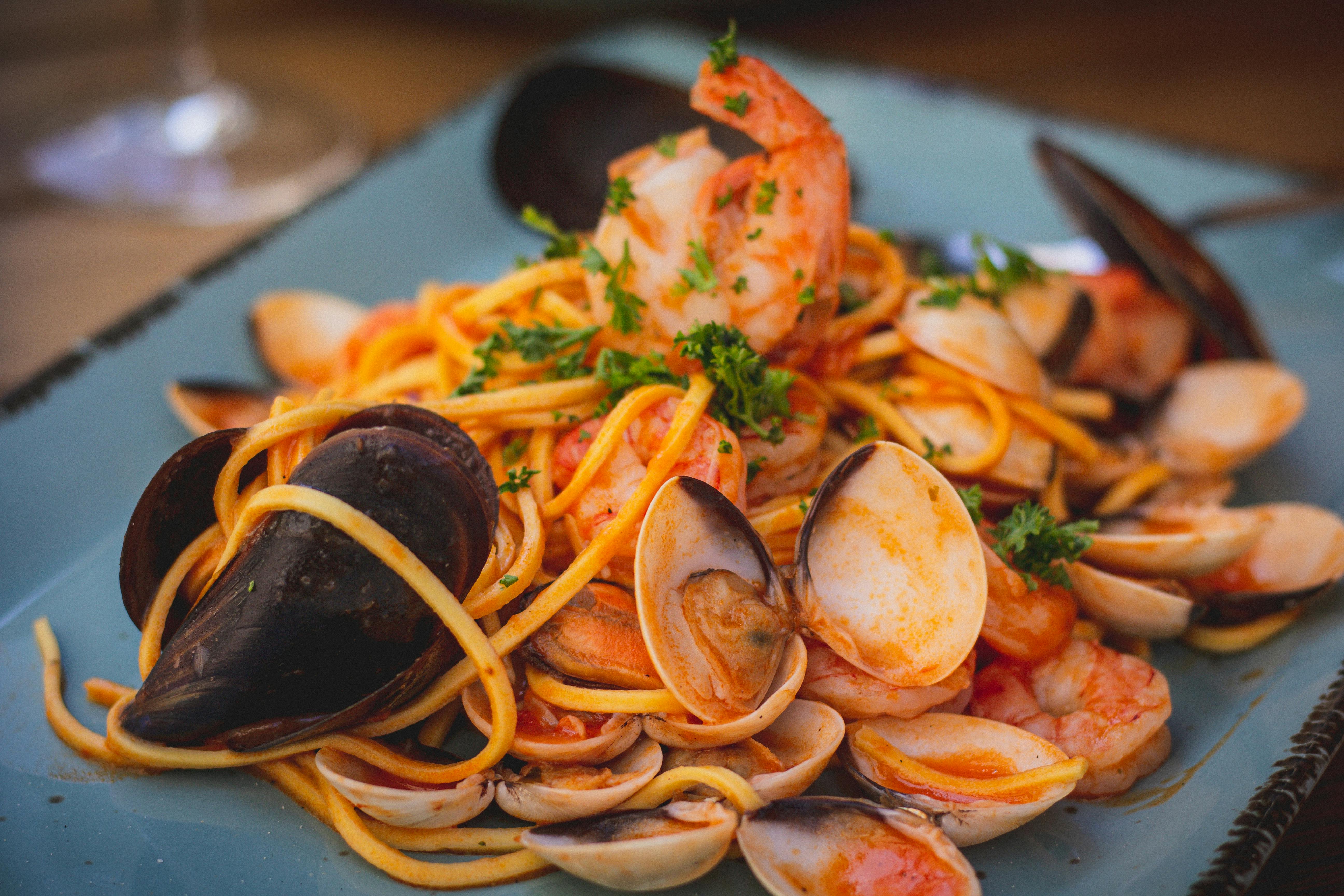
The bay is famous for its fresh, locally caught fish. Look for family-run tavernas in Perast or Dobrota for the most authentic experience.

Bakery
Pekara Culture
For a budget-friendly lunch, stop by a local 'Pekara' for burek or fresh bread. It is a staple of daily life in Montenegro.
Climate
Best months: Apr, May, Jun, Jul, Aug, Sep, Oct, Nov
Avg humidity70%
Avg AQI38
The best time to visit Kotor Bay is between April and November. During these months, the weather is warm and the waters are inviting, which makes it perfect for outdoor activities outside of work hours. Spring and autumn offer a cooler, more comfortable climate for working without the intense midday heat of mid-summer.
While there are no specific 'avoid' months, winter can be quite quiet and rainy, which may limit outdoor exploration if you are looking for a beach-heavy experience. However, if you prefer a solitary, cozy environment for writing or deep development work, the winter months provide a very affordable and peaceful retreat.
Monthly temperatures °C
BestAvoidShoulder
Practical Info
Everything you need to know
🏥
Healthcare
Medical facilities in Montenegro are adequate for basic needs. Always carry travel insurance and keep the number 112 handy for any urgent health concerns.
💱
Money
Montenegro uses the Euro as its currency, despite not being in the EU. Cash remains king in many small shops, so always keep small denominations available.
🌐
Language & Etiquette
The local language is Montenegrin, but English is widely spoken in tourist areas. A simple 'Zdravo' (hello) goes a long way with the friendly locals.
Tips
Quick tips
- Always check Wi-Fi speed personally before committing to long-term rent.
- Buy a local mobile SIM card for a reliable backup connection.
- Use local buses to travel between towns; they are cheap and scenic.
- Walk early in the morning to avoid the heat during summer months.
- Eat at local bakeries to save significant money on food costs.
- Bring a universal adapter as standard European plugs are used.
- Respect the quiet nature of small villages during off-season months.
Further Reading