
Guadeloupe · Guadeloupe
Overview
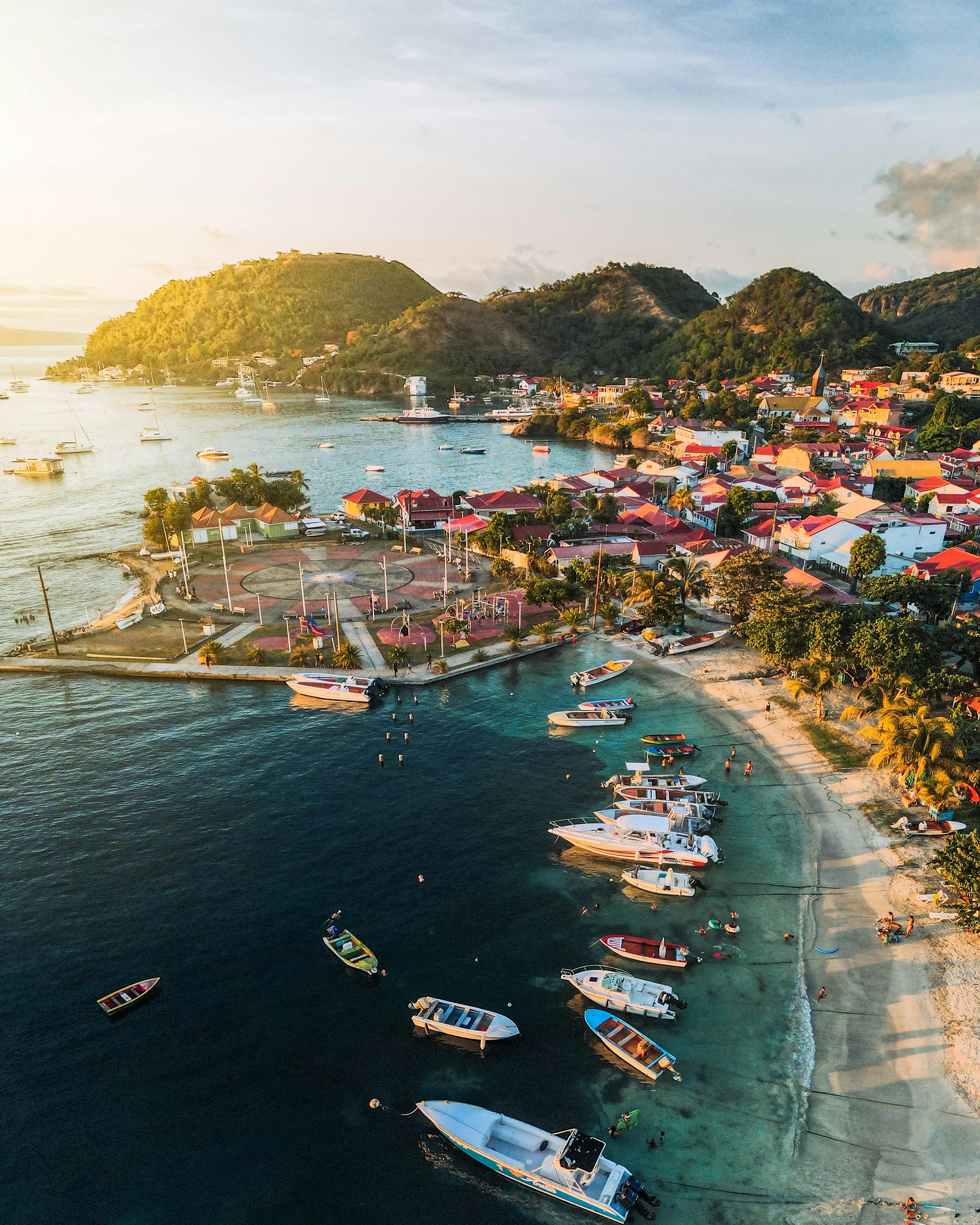
Guadeloupe is where French savoir-faire meets Caribbean soul, proving you don't have to compromise on speed or style while living island-side.
Guadeloupe is a stunning archipelago in the Lesser Antilles that functions as an overseas department of France, making it a bridge between European standards and Caribbean culture. For digital nomads, this means high-quality infrastructure paired with a laid-back lifestyle that encourages deep work and meaningful exploration. Whether you are looking for surfing, hiking in lush rainforests, or relaxing on sandy beaches, the islands offer a diverse terrain that caters to both activity and solitude.
While the cost of living is manageable for those earning in USD or Euros, the real appeal lies in the unique blend of cultures. The local 'Gwo Ka' music and Creole cuisine define the vibe, while the climate ensures that you are never too far from your next outdoor adventure. It is the perfect destination for those who want connectivity without sacrificing the charm of an exotic, French-influenced getaway.
History
Guadeloupe has a complex and layered history, originally inhabited by the Arawak and later the Kalinago people.
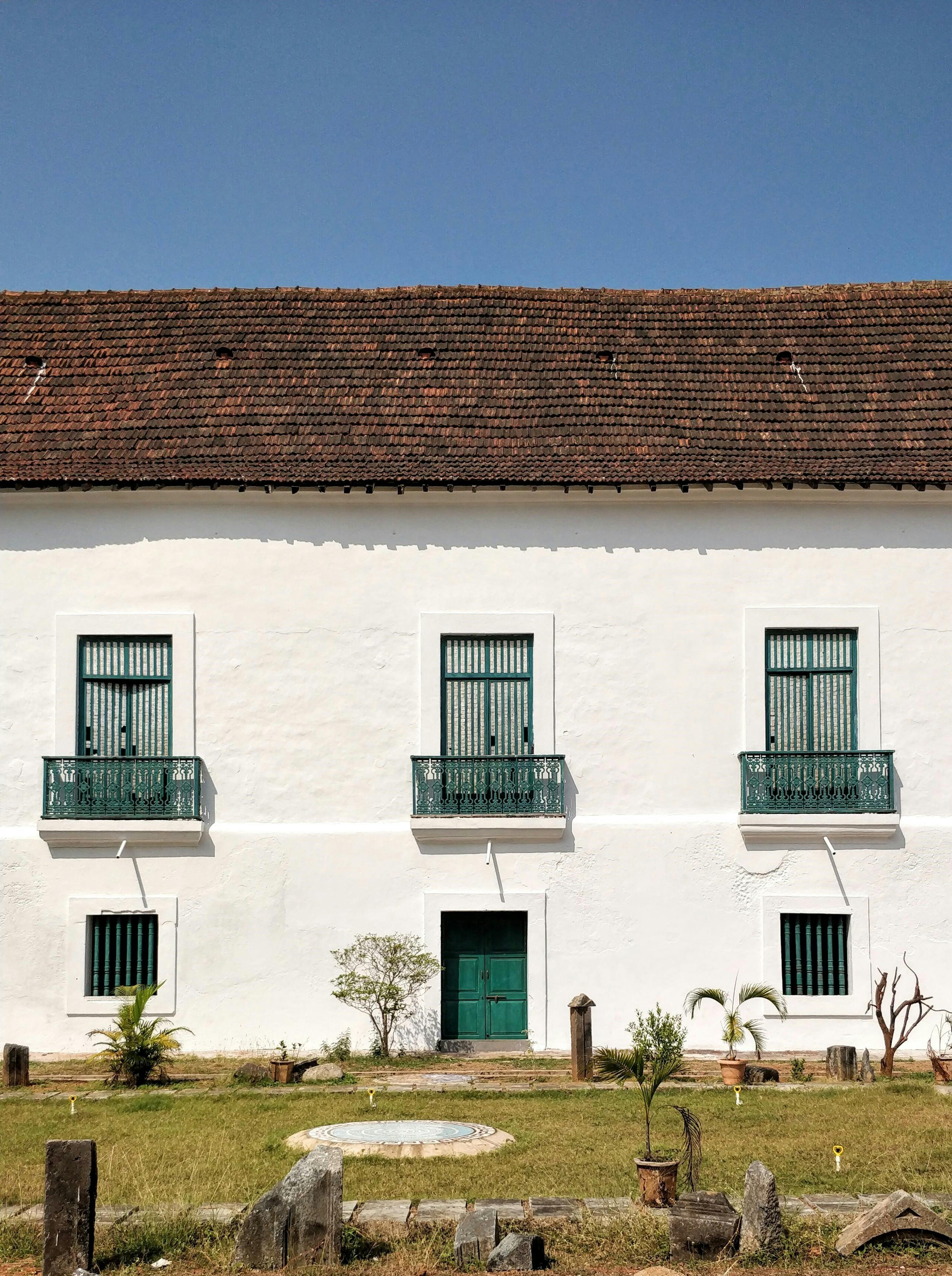
Guadeloupe has a complex and layered history, originally inhabited by the Arawak and later the Kalinago people. Christopher Columbus arrived in 1493, naming the island Santa María de Guadalupe de Extremadura. Over the following centuries, it became a focal point of colonial competition between France and Britain, heavily influenced by the development of the sugar plantation economy.
The 17th century saw the arrival of French colonists, which led to the importation of enslaved Africans, a dark period that profoundly shaped the island’s modern demographics, culture, and social structure. Today, Guadeloupe is an overseas region of France, which has fostered a unique fusion of French, African, and Indian traditions that are visible in the local cuisine, language, and public institutions.
1493
European ContactChristopher Columbus landed on the island and named it in honor of the Virgin of Guadalupe.
1635
French ColonizationThe French established permanent settlements and began clearing land for the cultivation of sugar cane.
1848
Abolition of SlaveryFrance officially abolished slavery, marking a turning point in the social and economic history of the islands.
1946
Departmental StatusGuadeloupe became an overseas department of France, integrating the territory into the French Republic.
Where to Stay
Choose your base camp
Distinct neighbourhoods, different rhythms. Pick the one that fits your work-life balance.
Beach Life
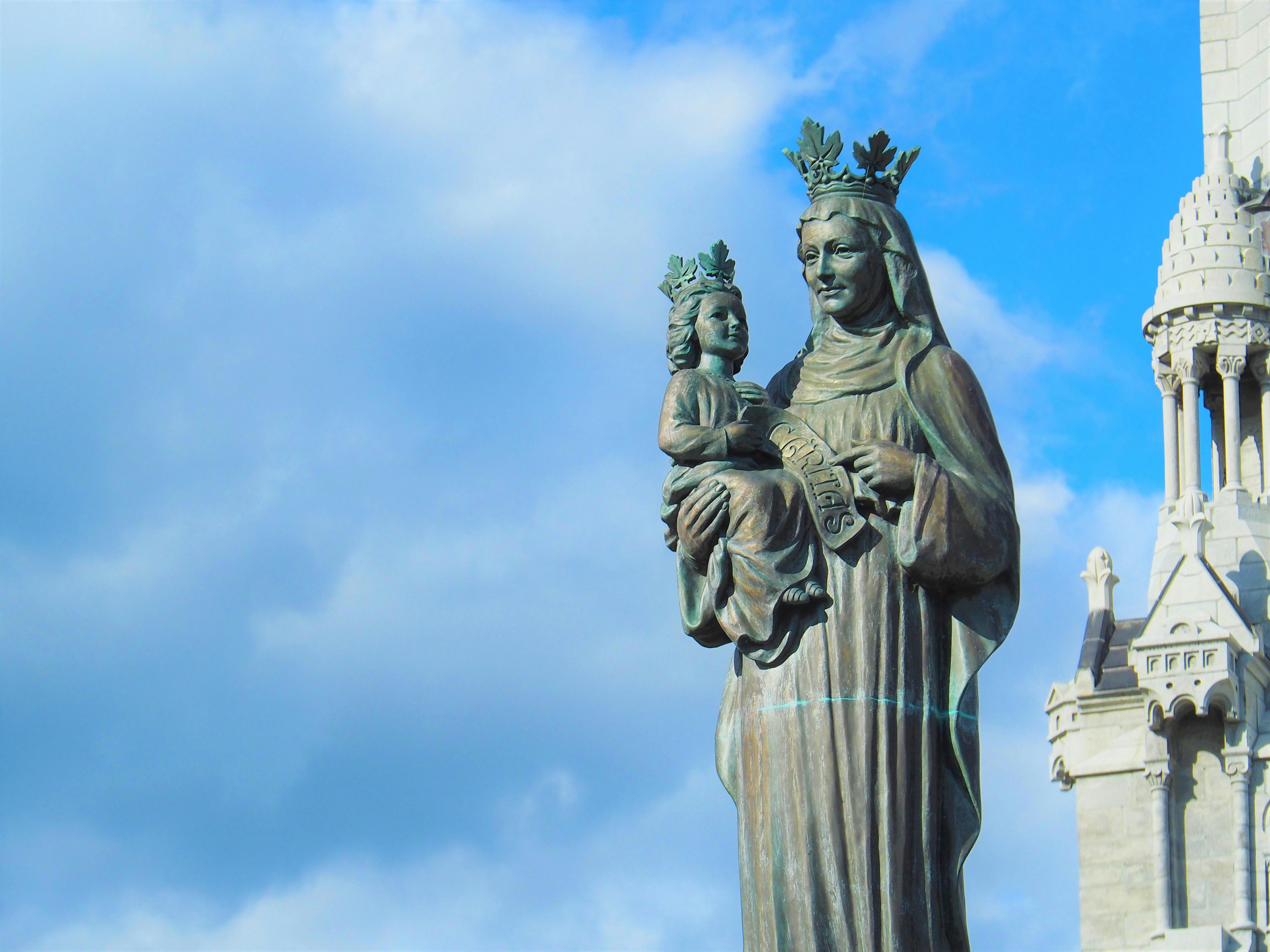
Sainte-Anne
Famous for its stunning turquoise beaches, this area is perfect for those who want to wake up near the water. It offers a variety of amenities suitable for a comfortable, long-term stay.
Nature Lover
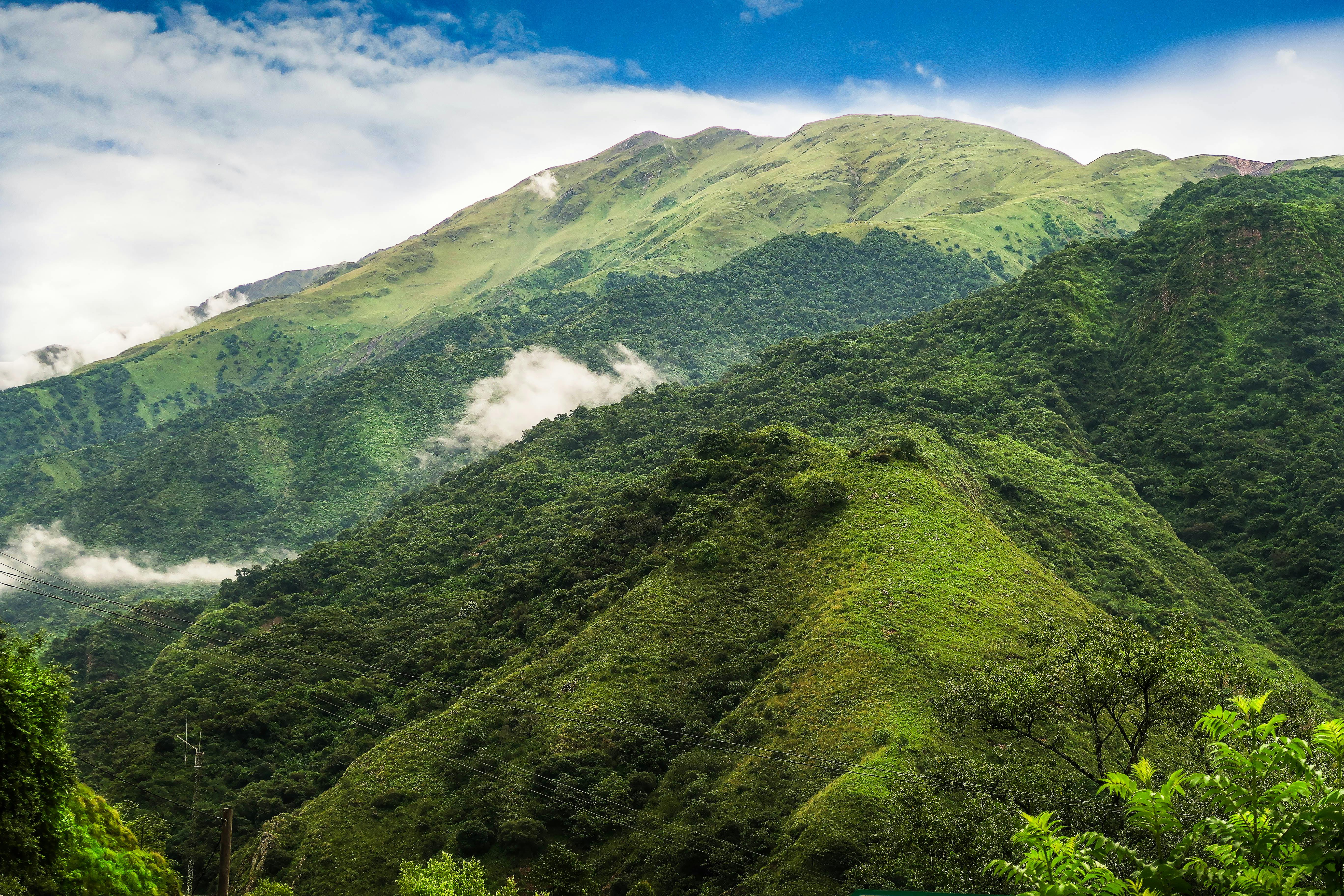
Basse-Terre
This is the greener, mountainous side of the island. It is generally more affordable and ideal for nomads who prefer lush hiking trails over beach resort culture.
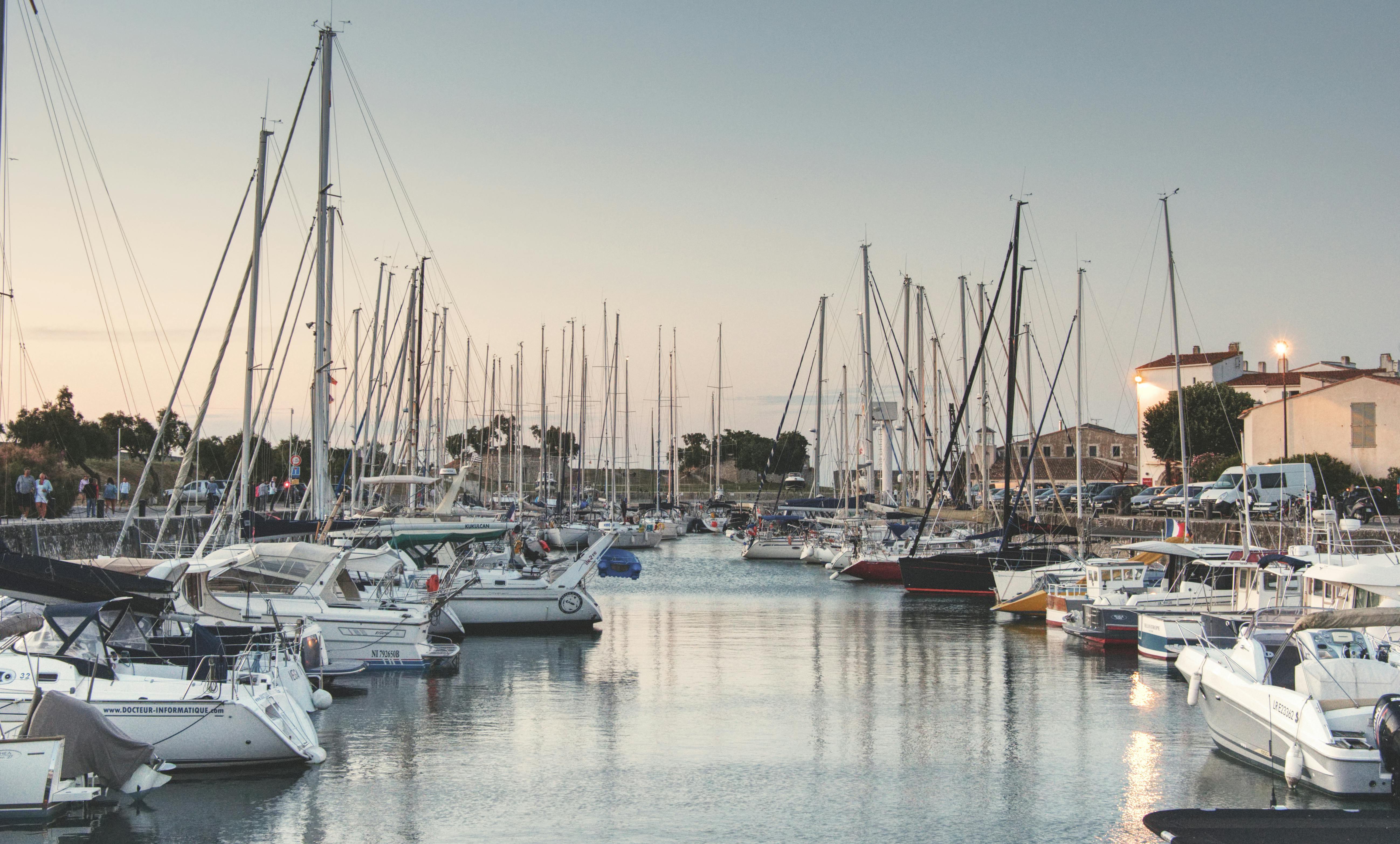
Upscale & Amenities
Saint-François
Offering a slightly more upscale vibe with a marina and great restaurants, this area is popular with those looking for a mix of convenience and classic Caribbean atmosphere.
Places to Go
The experiences that will make you never leave
These aren't tourist checkboxes — they're the experiences that reset your sense of what's normal.
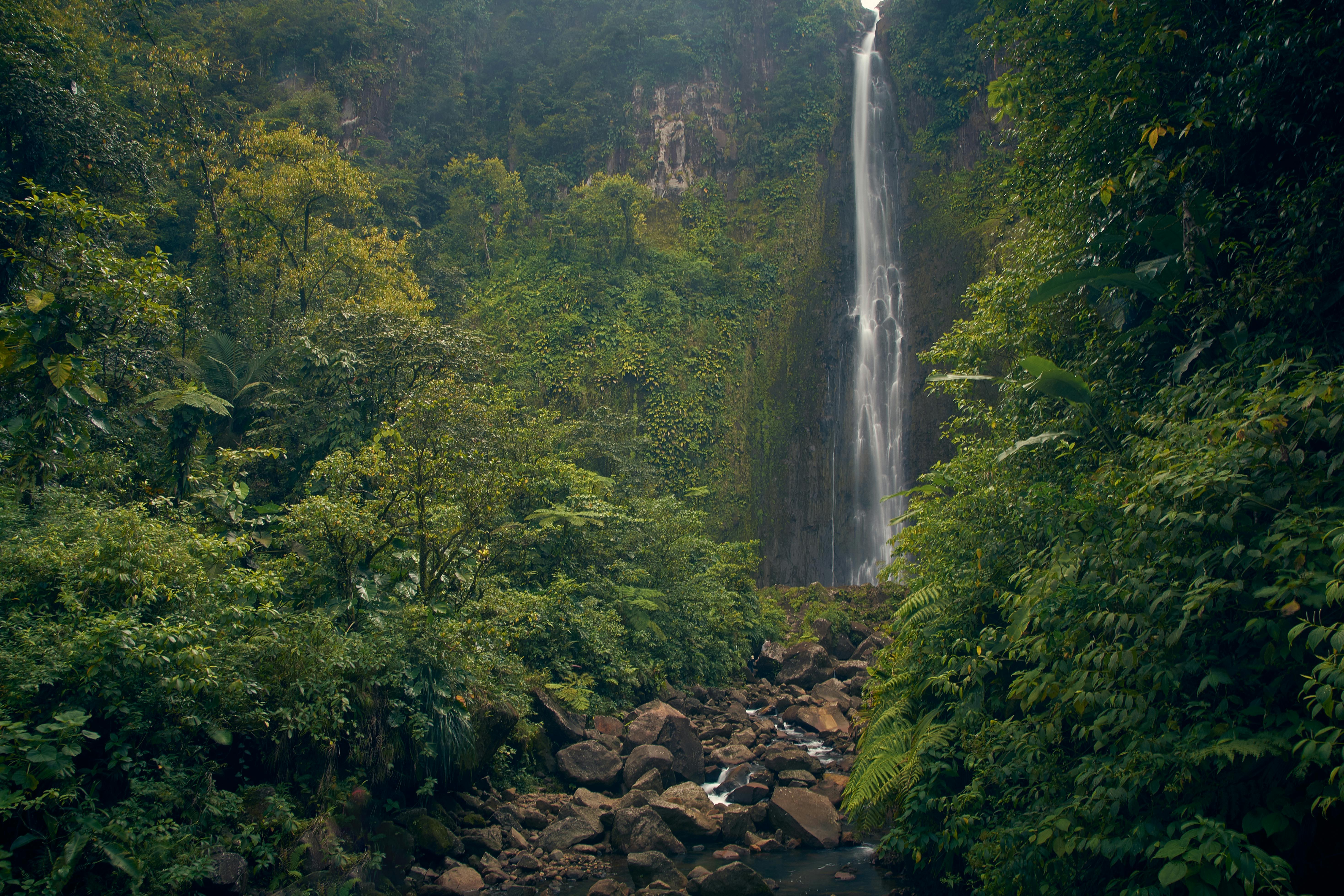
Top Pick
Guadeloupe National Park
This massive park covers a significant portion of Basse-Terre and includes the impressive La Soufrière volcano. It is a haven for hikers and nature lovers seeking waterfalls and tropical flora.

Wikipedia
Memorial ACTe
Located in Pointe-à-Pitre, this contemporary Caribbean museum focuses on the history of slavery and the slave trade. It provides crucial cultural context for understanding the island's modern identity.

Work & Connectivity
Stay connected wherever you work
The nomad community here is real — cafés and coworking spaces where you can work and meet others.
Cowork Caraïbes
A dedicated space for professionals looking for a reliable office environment while on the island.
Le Village by CA Guadeloupe
A professional innovation hub that offers space for collaboration and networking for remote workers and entrepreneurs.
Budget & Costs
What it costs to live in Guadeloupe
Choose your lifestyle tier. Comfortable = furnished accommodation, local + occasional Western food, transport, leisure.
$1205
per month · USD · comfortable lifestyle
ModerateFurnished studio, local restaurants, transport, and weekend trips.
Exchange rates
Check xe.com or your bank for current USD to local currency.
Check xe.com or your bank for current USD to local currency.
🏠 Rent 45%$548/mo
🍽️ Food 27%$329/mo
🚌 Transport 6%$73/mo
💡 Utilities 9%$110/mo
🎭 Leisure 9%$110/mo
🏥 Health 3%$37/mo
Connectivity
Well connected to the world
Internet and transport options for remote workers.
📶
Internet
Good — fibre common
Check local providers.
🏢
Coworking
From ~$80/mo
Dedicated spaces available.
🚌
Local Transit
5 / 10
Scooter and taxi common.
20 km from centre
Safety & Visa
Safe, welcoming, and easy to enter
Safety Score6 / 10
✗ Tap Water✓ Night Safe📞 112 or local emergency number
Visa
Check your entry options
Many nationalities get visa-free or visa-on-arrival. Check official government sources for your citizenship before travel.
Culture & Festivals
Local soul, nomad-friendly
Multiculturalism5/10
Foodie Scene5/10
Remote work
Jan
Carnaval de Guadeloupe
A vibrant period of parades, music, and dance that showcases the rich cultural heritage of the island.
May
Abolition of Slavery Day
An important day of reflection and celebration throughout the island with cultural events and commemorations.
Guadeloupe's dual-island structure provides distinct experiences, with the flat, limestone Grande-Terre contrasting sharply with the volcanic, mountainous Basse-Terre.
Food & Nightlife
A feast for every mood
From street food to cafés and nightlife — every meal is an event.
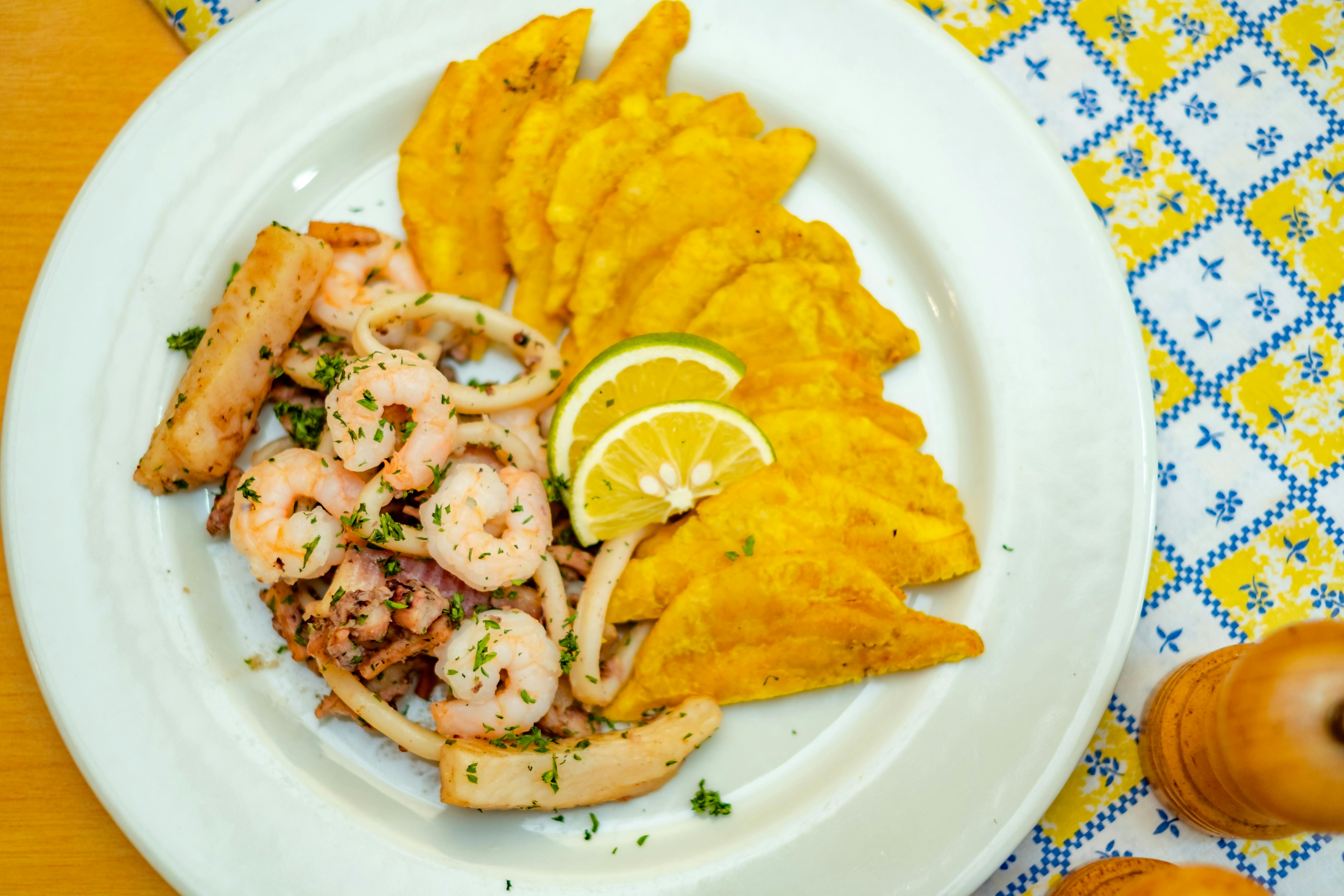
Creole Cuisine
Local Creole Restaurants
Experience authentic flavors like colombo and fresh seafood dishes at local eateries. These spots are often family-run and very budget-friendly.
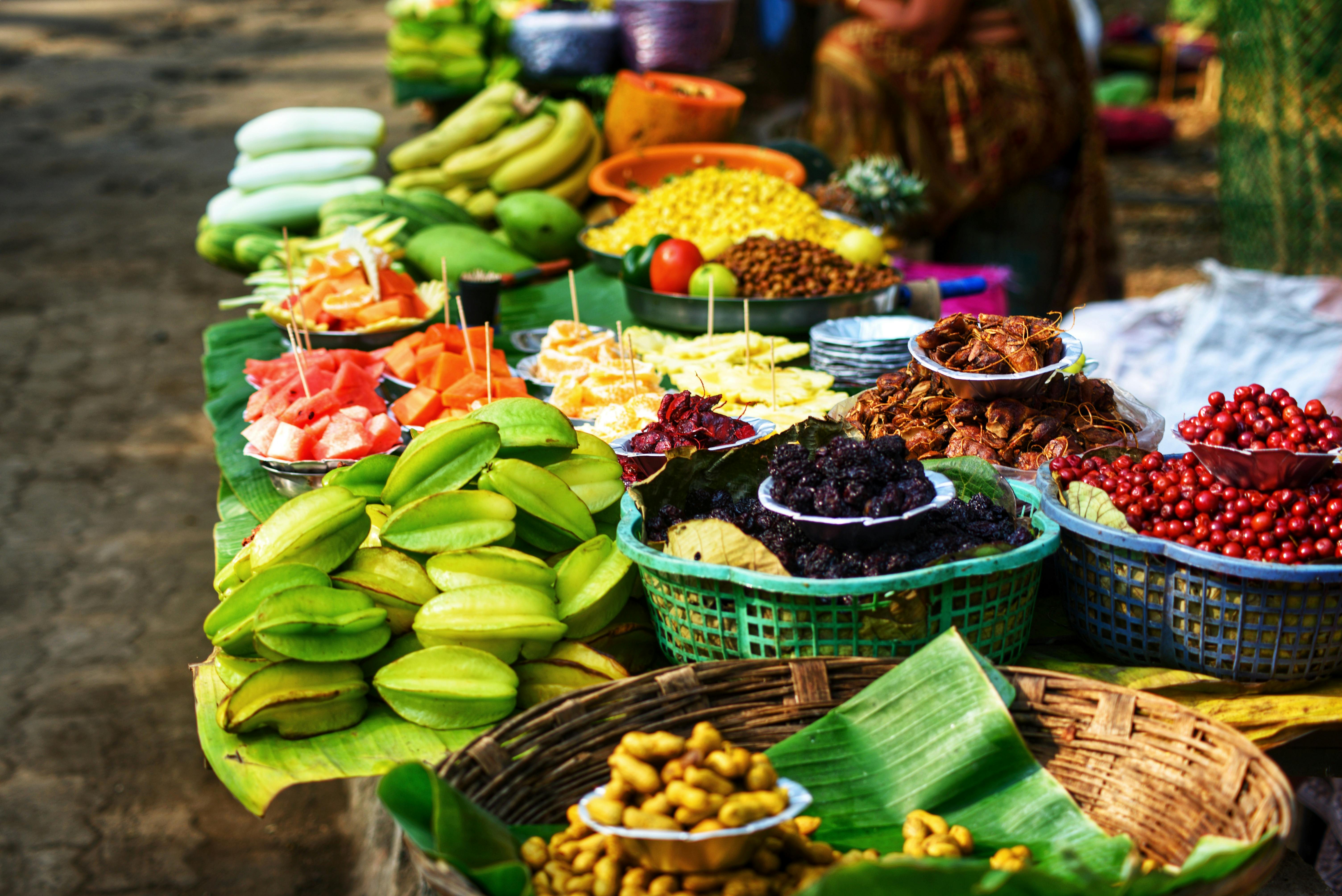
Market Fresh
Pointe-à-Pitre Markets
Visit the local markets for fresh tropical fruits, vegetables, and local spices. It is a great way to save money and eat healthy while living as a nomad.
Climate
Best months: Jan, Feb, Mar, Apr, May, Jun, Jul, Sep, Oct, Nov, Dec
Avg humidity79%
Avg AQI30
The best time to visit Guadeloupe is generally from January to June, when the weather is at its most pleasant, making it ideal for outdoor activities and consistent work hours. These months offer the most reliable sunshine, allowing for a great balance between professional output and island exploration.
While the late summer and autumn months can be wetter, the islands remain a viable year-round destination for digital nomads. Travelers should note that while there are no major specific months to avoid, the rainy season typically peaks in late summer, so checking the climate section before booking your travel dates is highly recommended.
Monthly temperatures °C
BestAvoidShoulder
Practical Info
Everything you need to know
🌐
Connectivity
Internet speeds are generally robust, especially in the more populated areas of Grande-Terre. Fibre connections are becoming the standard, making it easy to handle remote work duties.
💱
Money
Guadeloupe uses the Euro as its official currency. Credit cards are widely accepted in larger shops, but carrying some cash for small markets and local stalls is advisable.
🏥
Healthcare
Medical facilities follow French standards, which are generally high. Ensure you have travel insurance that covers international medical care for peace of mind.
Tips
Quick tips
- Learn basic French, as it is the official language and helpful in everyday interactions.
- Rent a car to explore hidden beaches on both Basse-Terre and Grande-Terre.
- Stock up on fresh produce at local markets to keep your food budget low.
- Visit the local bakeries early for fresh baguettes, which are excellent and affordable.
- Use a local SIM card from a French provider for the most reliable mobile data.
- Respect local customs regarding attire and behavior when away from tourist zones.
- Pack versatile clothing for both humid coastal heat and cooler mountain hikes.
Further Reading