
Podgorica · Montenegro
Overview
Podgorica is not a city you visit for a checklist of sights; it is a city you live in to feel the true, unhurried pulse of Montenegro.
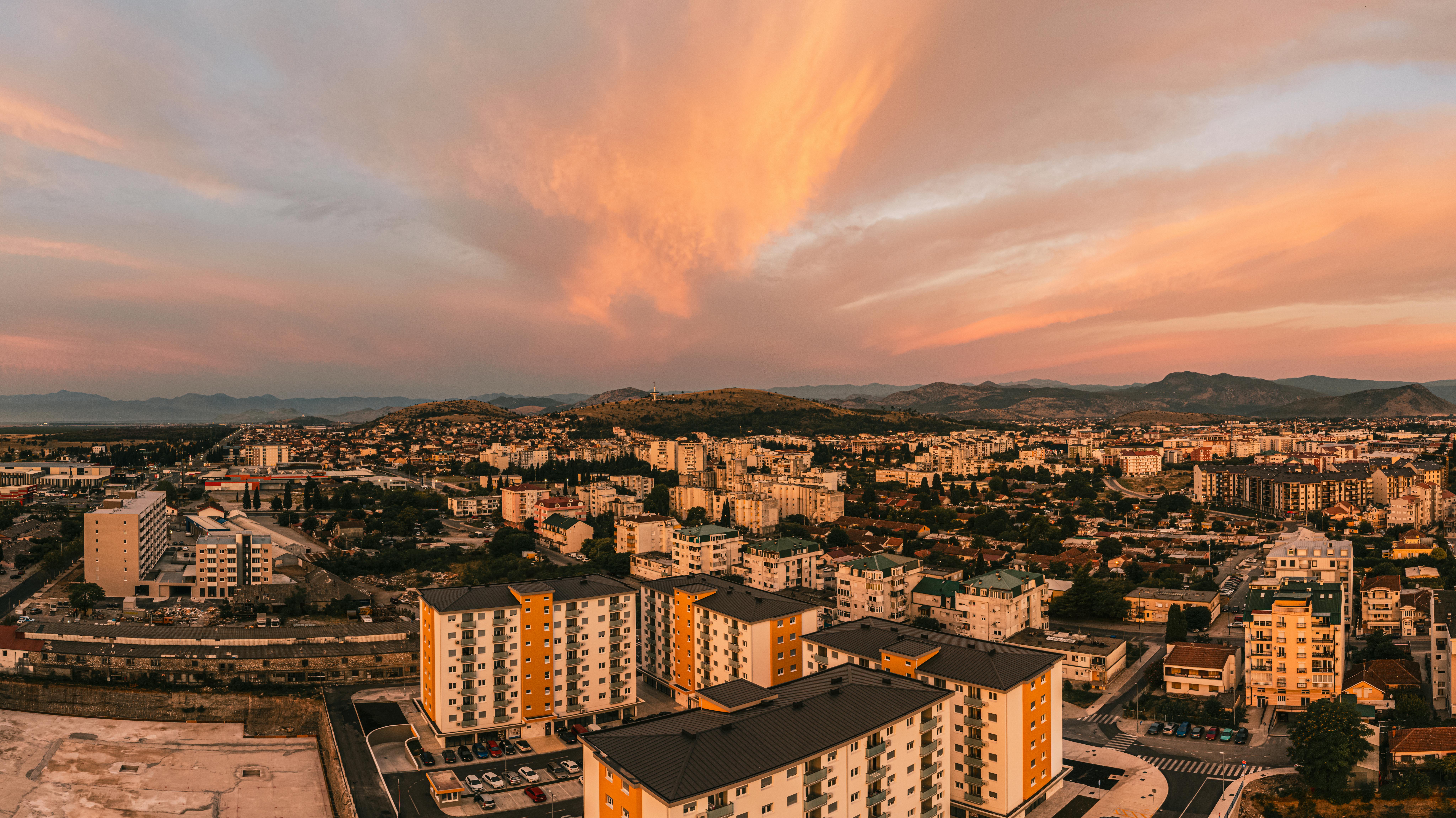
Often overlooked in favor of the coastal regions, Podgorica serves as the administrative and economic heart of Montenegro. It is a city defined by its rivers, green hills, and a relaxed Mediterranean pace that suits remote workers looking to escape the hustle of major European hubs. With an exceptionally low Cost of living in Podgorica, it allows for a high quality of life without the typical capital city price tag.
The city's vibe is a fascinating blend of communist-era architecture, modern glass buildings, and traditional cafes. The local community is welcoming, and the compact nature of the city means everything is within reach, provided you understand the local Climate. Whether you are looking for a deep dive into Balkan culture or simply a quiet place to get work done, Podgorica delivers.
History
Podgorica has a rich and complex history that mirrors the turbulent past of the Balkans.
Podgorica has a rich and complex history that mirrors the turbulent past of the Balkans. Originally a settlement called Ribnica during the Middle Ages, the city was subsequently known as Titograd during the Yugoslav era, honoring Josip Broz Tito. This period left a lasting mark on the city's urban planning and architecture, which stands in stark contrast to the modern developments seen today.
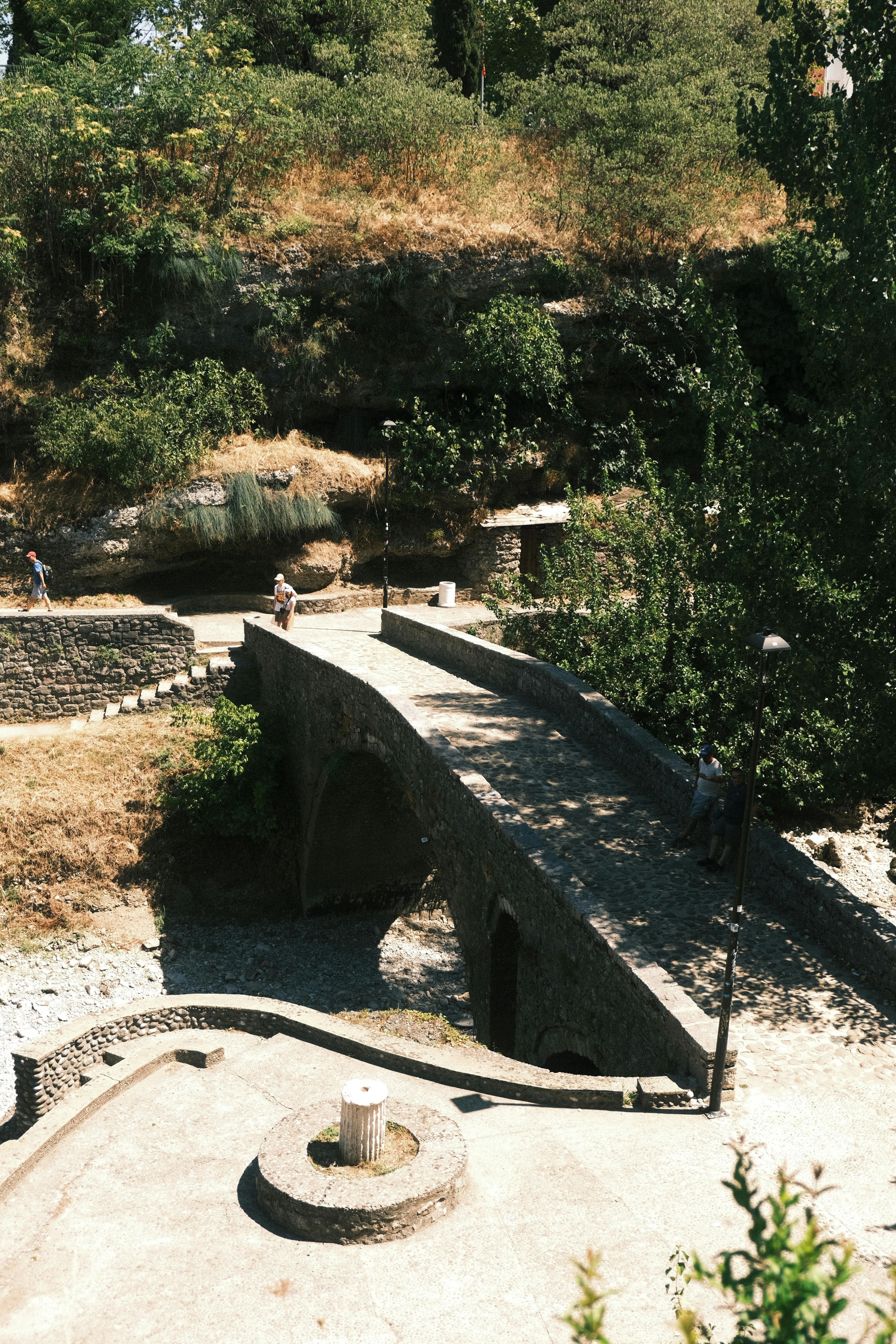
The city suffered significant destruction during World War II, which necessitated a massive reconstruction effort. This explains the eclectic mix of brutalist housing blocks, Ottoman-era remnants in the Stara Varoš district, and the gleaming modern facades that characterize the current cityscape, reflecting Montenegro's journey toward independence and modernization.
Middle Ages
Rise of RibnicaThe area emerged as a significant settlement under the name Ribnica, serving as a trade hub.
1466
Ottoman ConquestThe region fell under Ottoman rule, which brought significant architectural and cultural shifts.
1946
Titograd EraThe city was renamed Titograd and became the capital of the Socialist Republic of Montenegro.
1992
Return to PodgoricaFollowing the collapse of Yugoslavia, the city officially reclaimed its historical name, Podgorica.
2006
Capital of Independent MontenegroPodgorica became the capital of the newly independent nation after a historic referendum.
Where to Stay
Choose your base camp
Distinct neighbourhoods, different rhythms. Pick the one that fits your work-life balance.
Modern Living
City Kvart
This is the most modern part of town, filled with new apartment buildings, cafes, and restaurants. It is ideal for nomads who want a contemporary living space near all amenities.

Budget Favourite
Stari Aerodrom
A quiet, residential area that offers significantly lower rent compared to the center. It is well-connected by bus and perfect for those on a stricter budget.

Central & Convenient
Preko Morače
Situated across the river from the historic center, this area is highly sought after for its parks and proximity to major government offices and business centers.
Places to Go
The experiences that will make you never leave
These aren't tourist checkboxes — they're the experiences that reset your sense of what's normal.

Top Pick
Millennium Bridge
This iconic cable-stayed bridge is the most recognizable symbol of modern Podgorica. It connects the older parts of the city with the newer residential districts over the Morača River.
Official Tourism
Stara Varoš
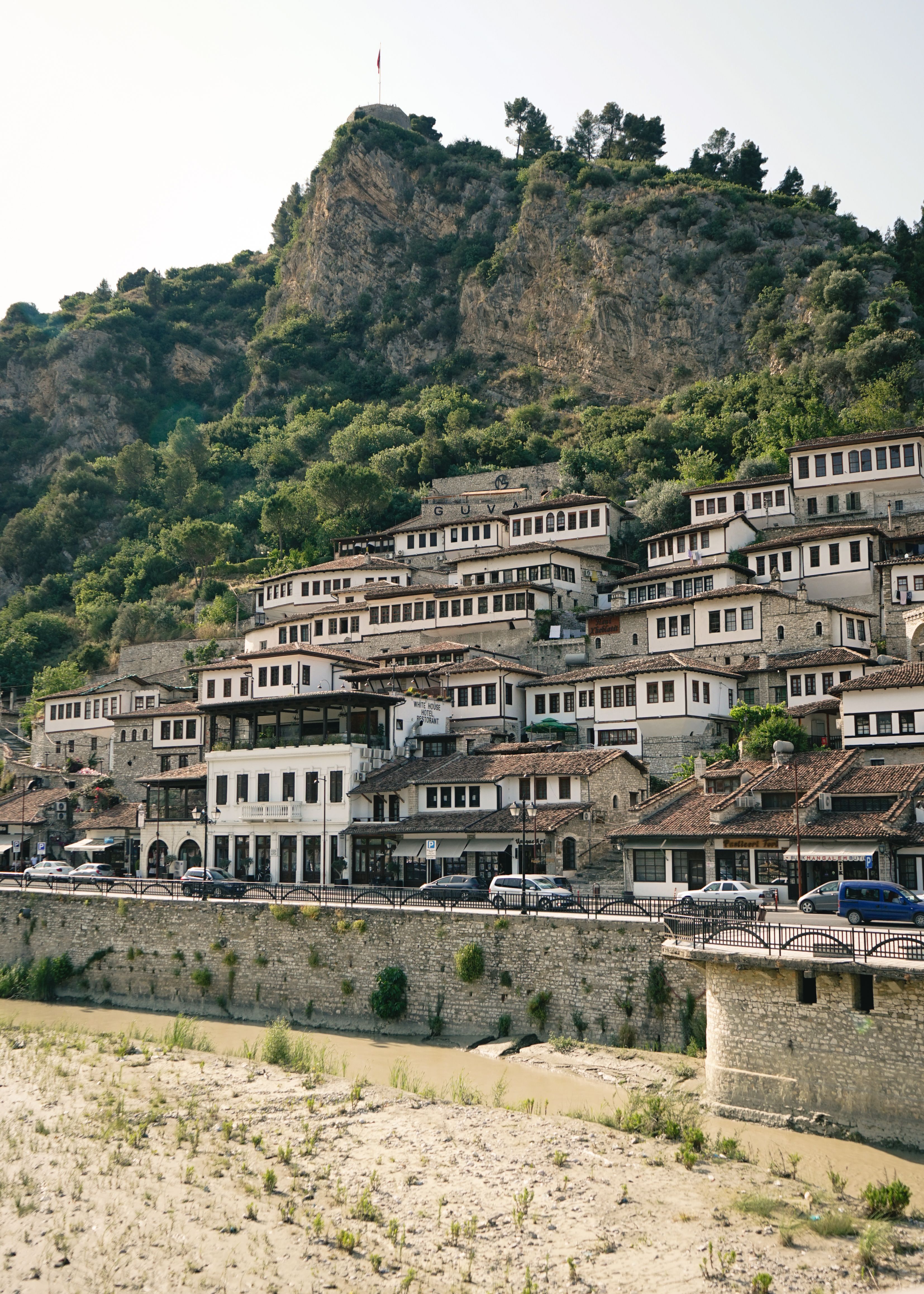
The Old Town district offers a glimpse into the Ottoman past of the city. You can find narrow, winding streets and historic mosques that feel worlds away from the concrete blocks of the newer city.
Visit
Gorica Hill
A popular spot for locals to exercise, this hill offers panoramic views of the entire city. It is the perfect place for an evening walk or a quick escape into nature without leaving the capital.
Work & Connectivity
Stay connected wherever you work
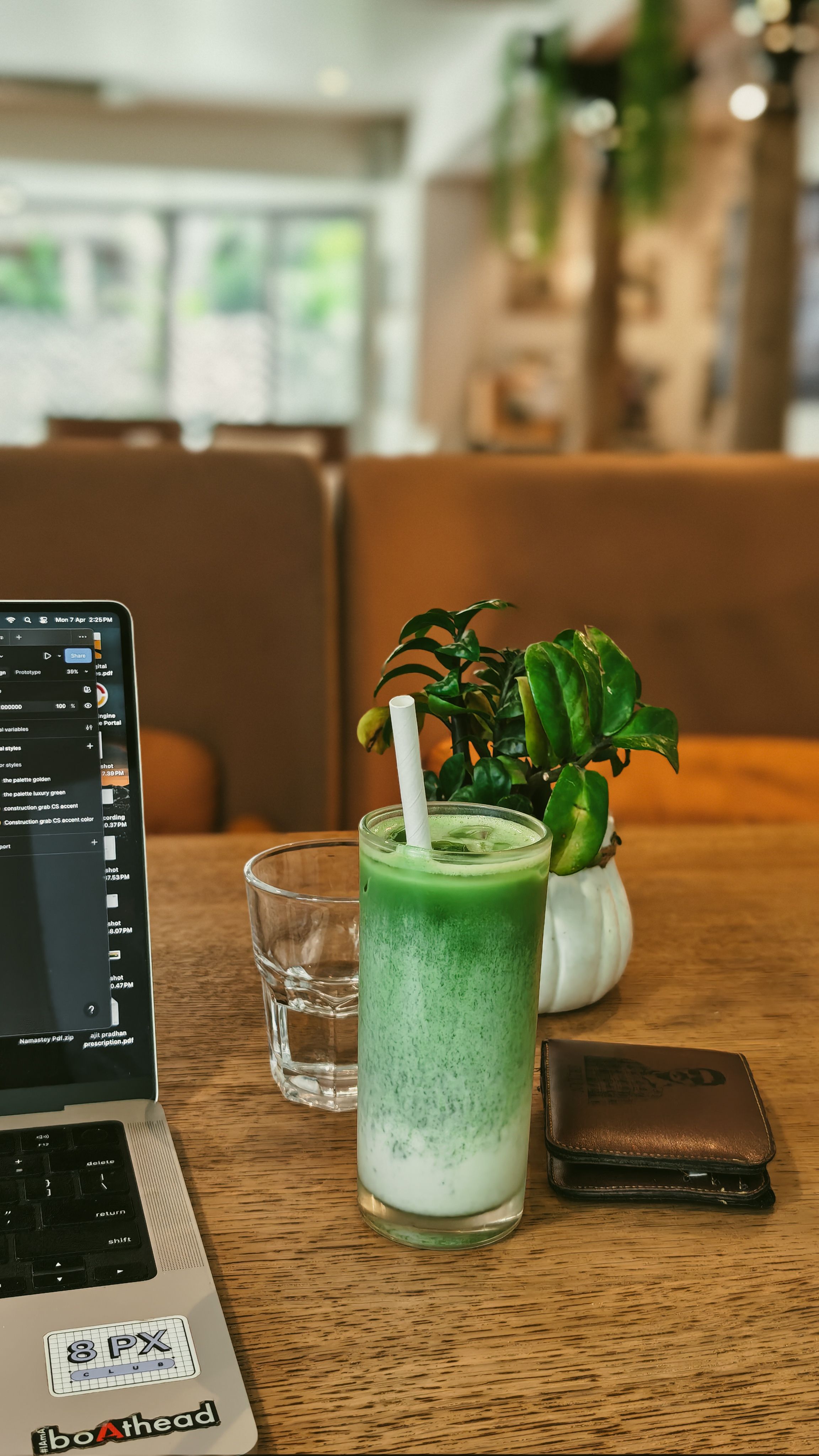
The nomad community here is real — cafés and coworking spaces where you can work and meet others.
Impact Hub Podgorica
A professional space perfect for networking with local entrepreneurs and other digital nomads.
Work & Play
Provides a comfortable environment with high-speed internet and ergonomic workstations.
Local Cafe Culture
Many cafes in City Kvart are laptop-friendly during the morning and afternoon hours.
Budget & Costs
What it costs to live in Podgorica
Choose your lifestyle tier. Comfortable = furnished accommodation, local + occasional Western food, transport, leisure.
$1022
per month · USD · comfortable lifestyle
ModerateFurnished studio, local restaurants, transport, and weekend trips.
Exchange rates
Check xe.com or your bank for current USD to local currency.
Check xe.com or your bank for current USD to local currency.
🏠 Rent 46%$475/mo
🍽️ Food 29%$292/mo
🚌 Transport 7%$73/mo
💡 Utilities 7%$73/mo
🎭 Leisure 7%$73/mo
🏥 Health 4%$37/mo
Connectivity
Well connected to the world
Internet and transport options for remote workers.
📶
Internet
Good — fibre common
Check local providers.
🏢
Coworking
From ~$80/mo
Dedicated spaces available.
🚌
Local Transit
5 / 10
Scooter and taxi common.
TGD
Podgorica Airport
20 km from centre
Safety & Visa
Safe, welcoming, and easy to enter
Safety Score6 / 10
✗ Tap Water✓ Night Safe📞 112 or local emergency number
Visa
Check your entry options
Many nationalities get visa-free or visa-on-arrival. Check official government sources for your citizenship before travel.
Culture & Festivals
Local soul, nomad-friendly
Multiculturalism5/10
Foodie Scene5/10
Remote work
May
Podgorica Spring Festival
A celebration of local music and art taking place in various parks around the city.
Sep
FIAT (International Alternative Theatre Festival)
One of the most important cultural events, hosting avant-garde performances from around the globe.
Podgorica is perfectly situated for day trips. Renting a car for a weekend trip to the coast or the northern mountains will reveal the stunning diversity of Montenegro's geography, from the Adriatic beaches to the glacial peaks of Durmitor.
Food & Nightlife
A feast for every mood
From street food to cafés and nightlife — every meal is an event.
Street Food
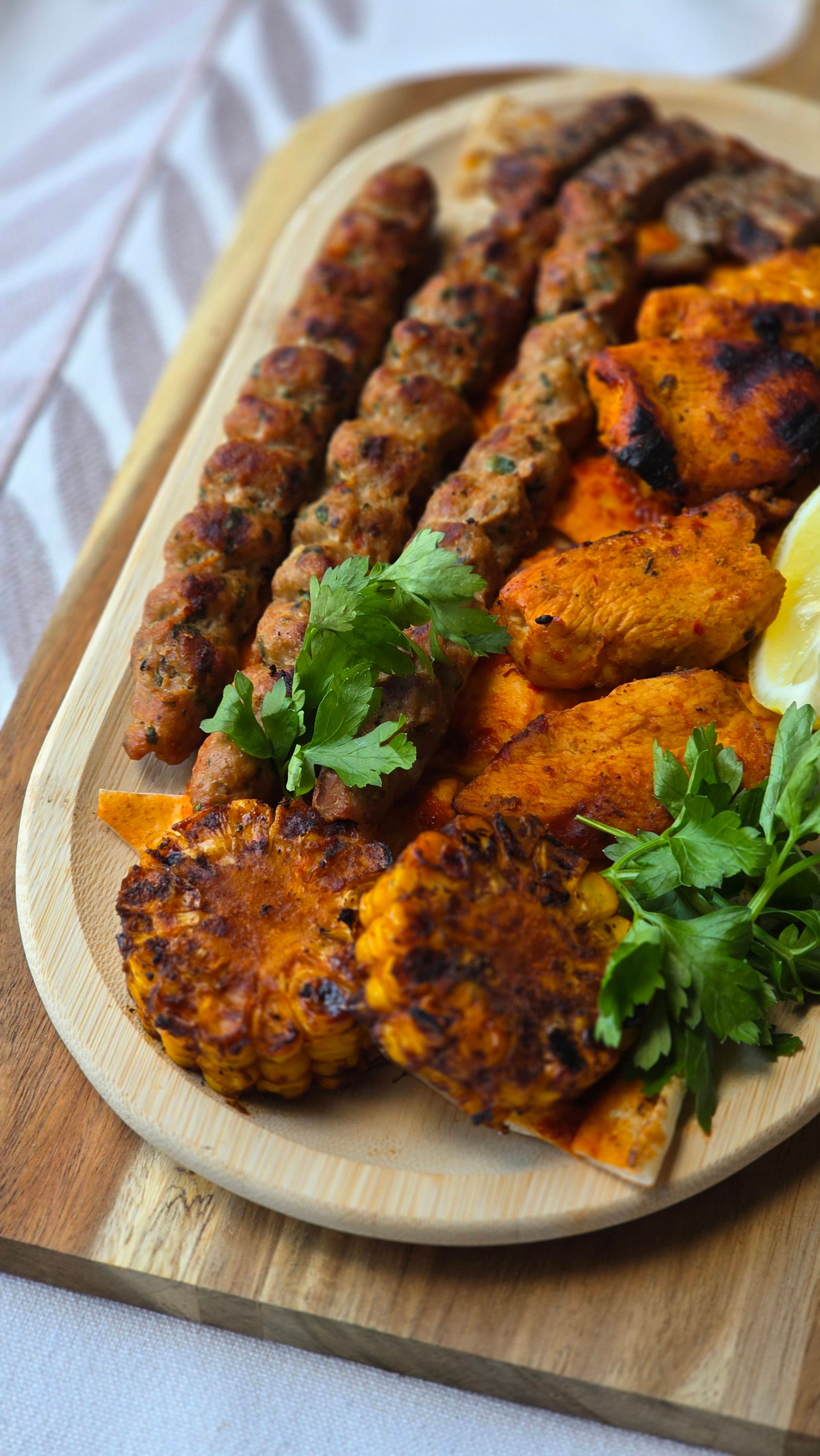
Roštilj Houses
Try the local grilled meats at a traditional grill house for a cheap, authentic, and hearty meal.
Cafe Culture
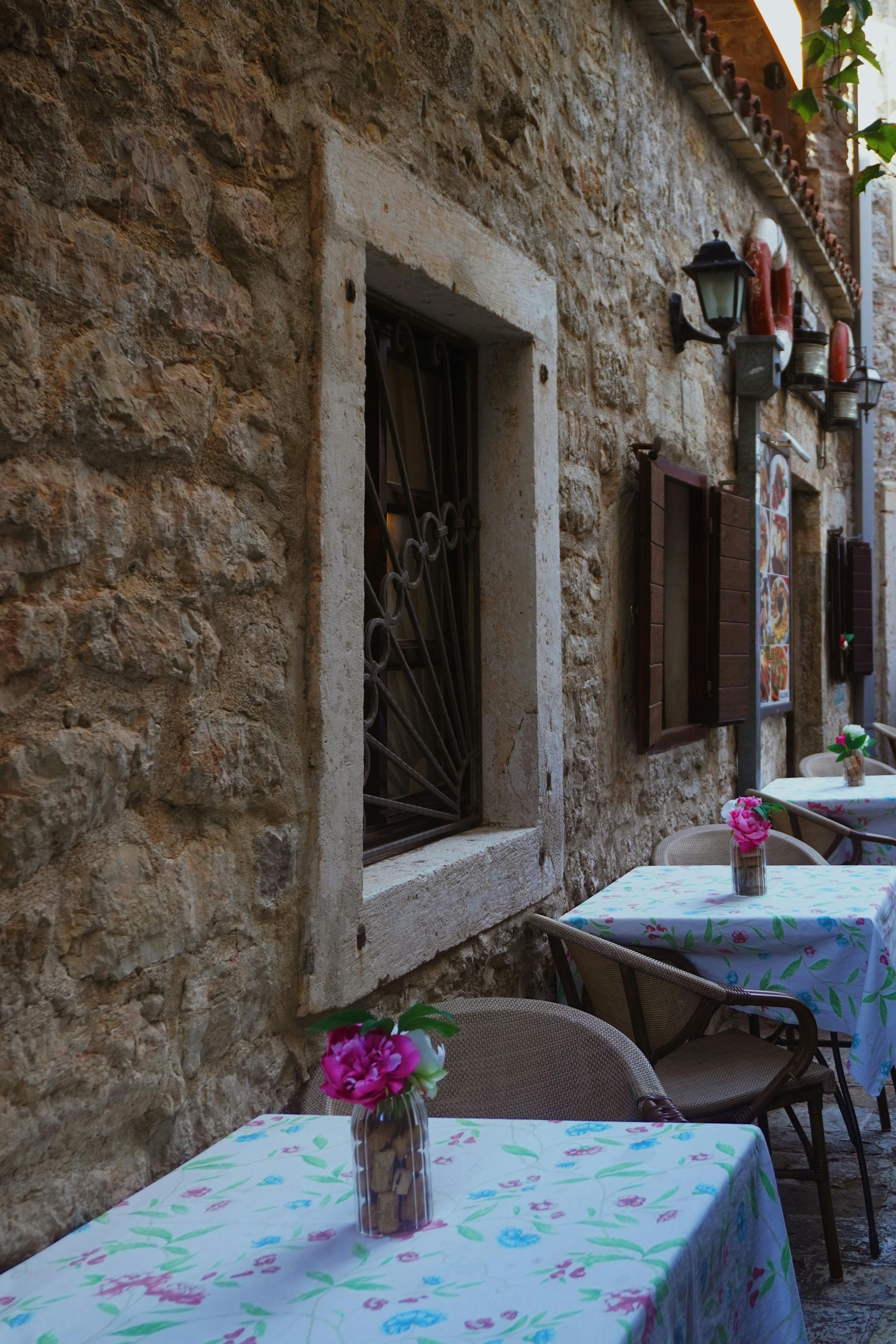
Downtown Cafes
Montenegrins take their coffee seriously; spend your afternoons sipping espresso in the city's many outdoor cafes.

Bakery
Local Pekara
Stop by a local bakery in the morning for fresh burek or cheese pastries for a quick, affordable breakfast.
Climate
Best months: Apr, May, Jun, Jul, Aug, Sep, Oct
Avg humidity65%
Avg AQI60
The best time to visit Podgorica is between April and October. During these months, the city comes alive with outdoor activity, and the warm, pleasant weather is ideal for exploring the surrounding canyons and mountain ranges that define the Montenegrin landscape.
While winter can be cool and rainy, it rarely drops to extremes, making the city a viable year-round destination for those who prefer indoor working environments. However, for the best experience, aim for the shoulder seasons of May or September to avoid the peak heat of August while still enjoying optimal outdoor conditions.
Monthly temperatures °C
BestAvoidShoulder
Practical Info
Everything you need to know
🏥
Healthcare
Medical facilities in Podgorica are adequate for routine care. For serious emergencies, locals often travel to nearby private clinics or larger hospitals in the region. Always ensure you have travel insurance before arrival.
💱
Money
Montenegro uses the Euro (EUR) despite not being in the Eurozone. Cash is still preferred in many smaller shops and local markets, so keep a stash of coins and small notes on you at all times.
🌐
Language & Etiquette
The local language is Montenegrin. English is widely spoken by younger generations and in the professional business district. Being polite and greeting people with a handshake is common social etiquette.
Tips
Quick tips
- Learn a few basic phrases in Montenegrin to build rapport with locals.
- Avoid drinking the tap water if you are sensitive, though it is officially safe.
- Always carry cash for small purchases at local markets or grill houses.
- Use taxi apps if you have access to local SIM cards for better pricing.
- Walk the city during the early morning hours in summer to avoid the midday heat.
- Visit the nearby Skadar Lake for a weekend trip to experience nature.
Further Reading