
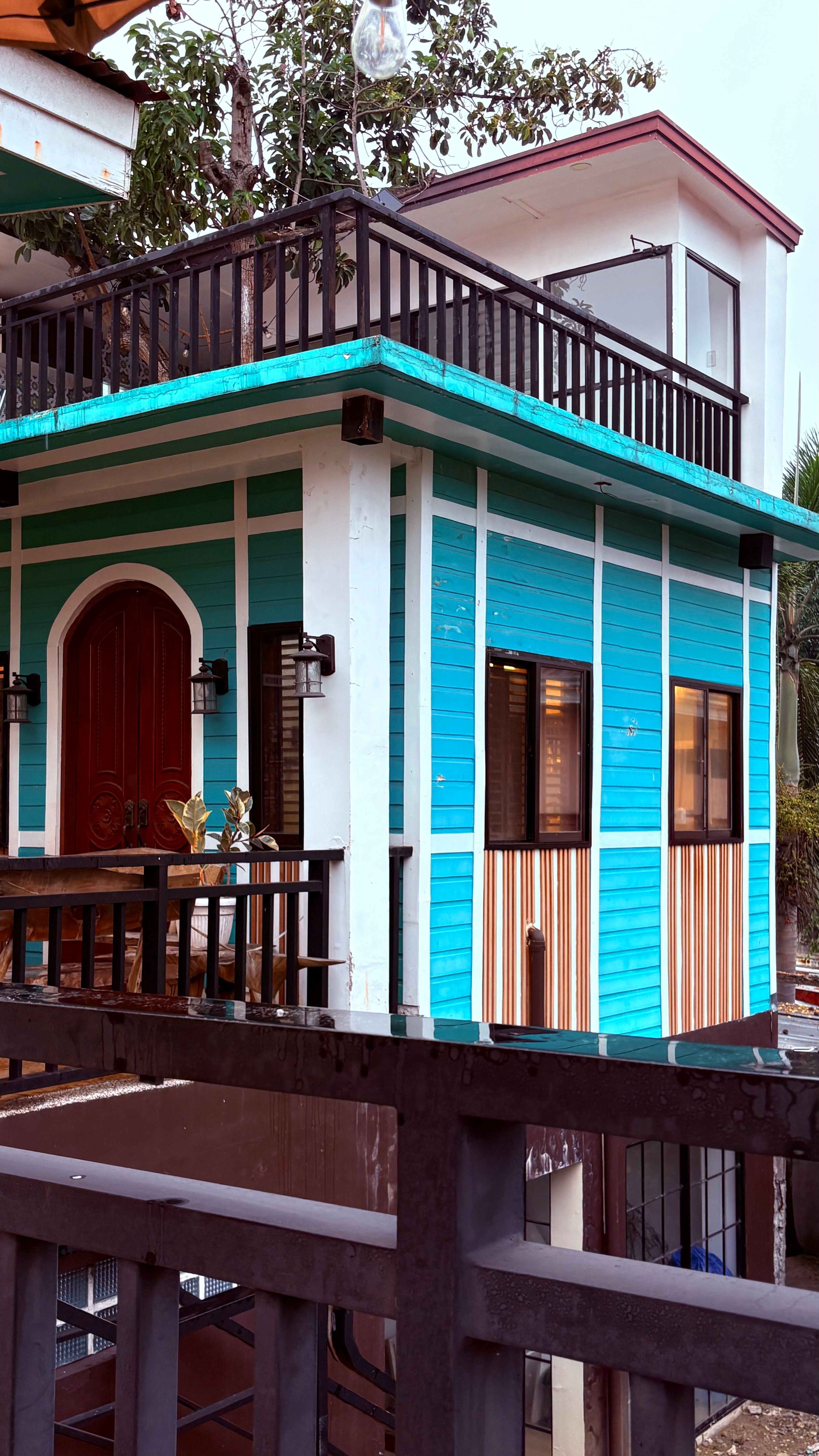
Cagayan de Oro · Philippines
Overview
Cagayan de Oro isn't just a stopover; it's a gateway to the raw beauty of Mindanao where the people define the warmth of the city.
Cagayan de Oro (CDO) is a vibrant hub that balances the convenience of a developing city with immediate access to thrilling outdoor activities like whitewater rafting and canyoning. The culture here is deeply rooted in hospitality, making it easy for digital nomads to integrate into the local social fabric. While infrastructure is still evolving, the city provides a steady environment for those who prioritize community and adventure over high-end metropolitan amenities. For those sensitive to weather, it is worth checking the climate before planning your long-term stay to ensure it aligns with your comfort levels.
History
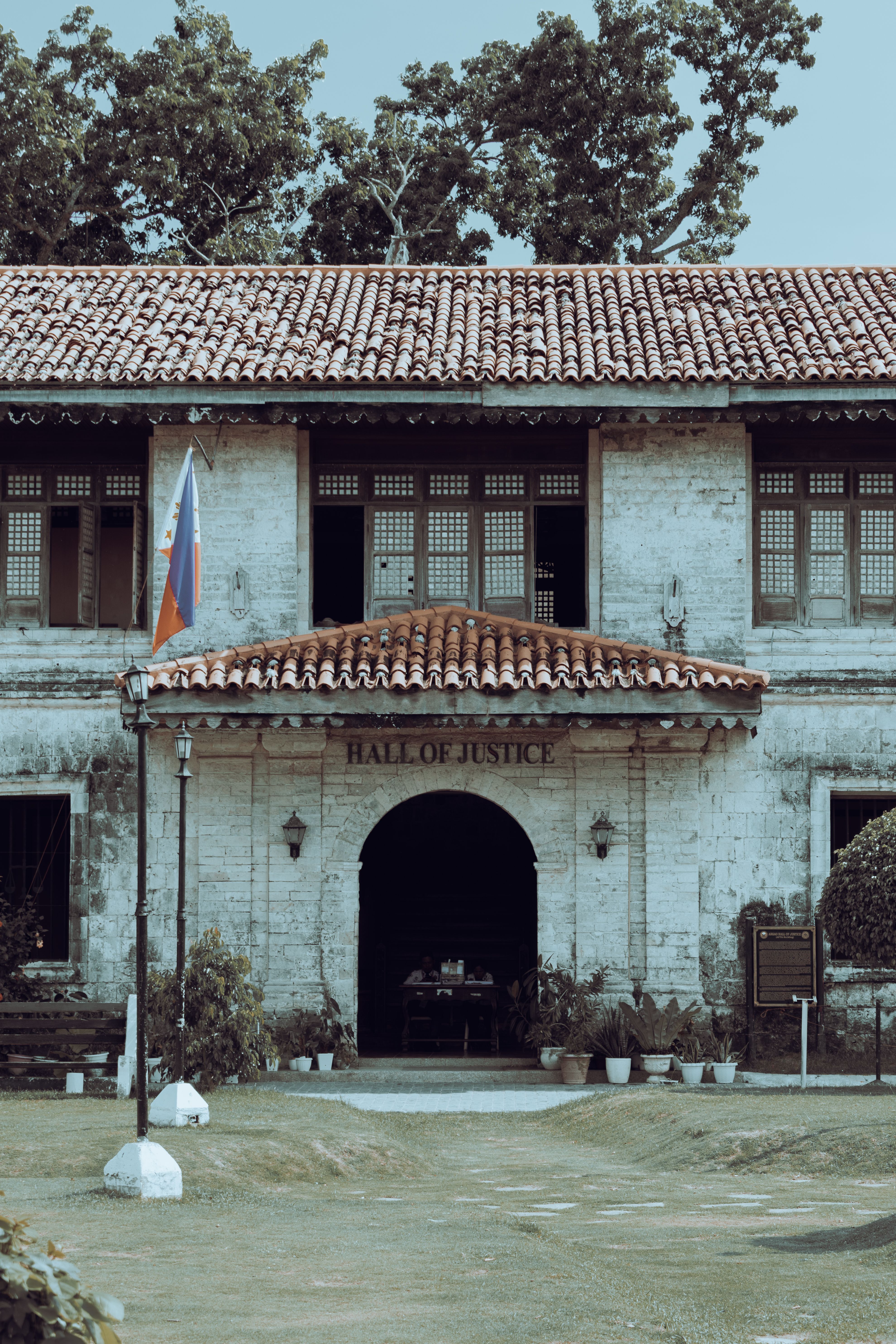
The history of Cagayan de Oro dates back to the pre-colonial era when it was a settlement known as Kalambagohan.
The history of Cagayan de Oro dates back to the pre-colonial era when it was a settlement known as Kalambagohan. The arrival of Spanish missionaries in the 17th century transformed the area, leading to the establishment of the town of Cagayan de Misamis. Over the centuries, the city evolved from a small coastal trading post into the vital commercial and administrative center it serves as today in Northern Mindanao.
Throughout the 20th century, the city experienced rapid economic growth, cementing its reputation as a gateway to Mindanao. It gained cityhood in 1950 and has since become a major regional hub for education, trade, and logistics, successfully preserving its historical identity while modernizing its urban landscape.
1622
Spanish ArrivalAugustinian Recollect missionaries arrived to establish a mission, marking the start of Spanish influence in the area.
1818
Cagayan de MisamisThe settlement was officially declared the capital of the province of Misamis.
1950
CityhoodCagayan de Oro was officially chartered as a city, beginning its trajectory toward modern development.
2011
Sendong TyphoonA devastating typhoon struck, leading to a massive rebuilding effort that reshaped the city's urban planning and disaster management.
Where to Stay
Choose your base camp
Distinct neighbourhoods, different rhythms. Pick the one that fits your work-life balance.

City Center
Divisoria
The historical heart of the city where most major banks, government offices, and local markets are found. It is ideal for those who want to be in the middle of the urban bustle.
Slow Living
Lumbia
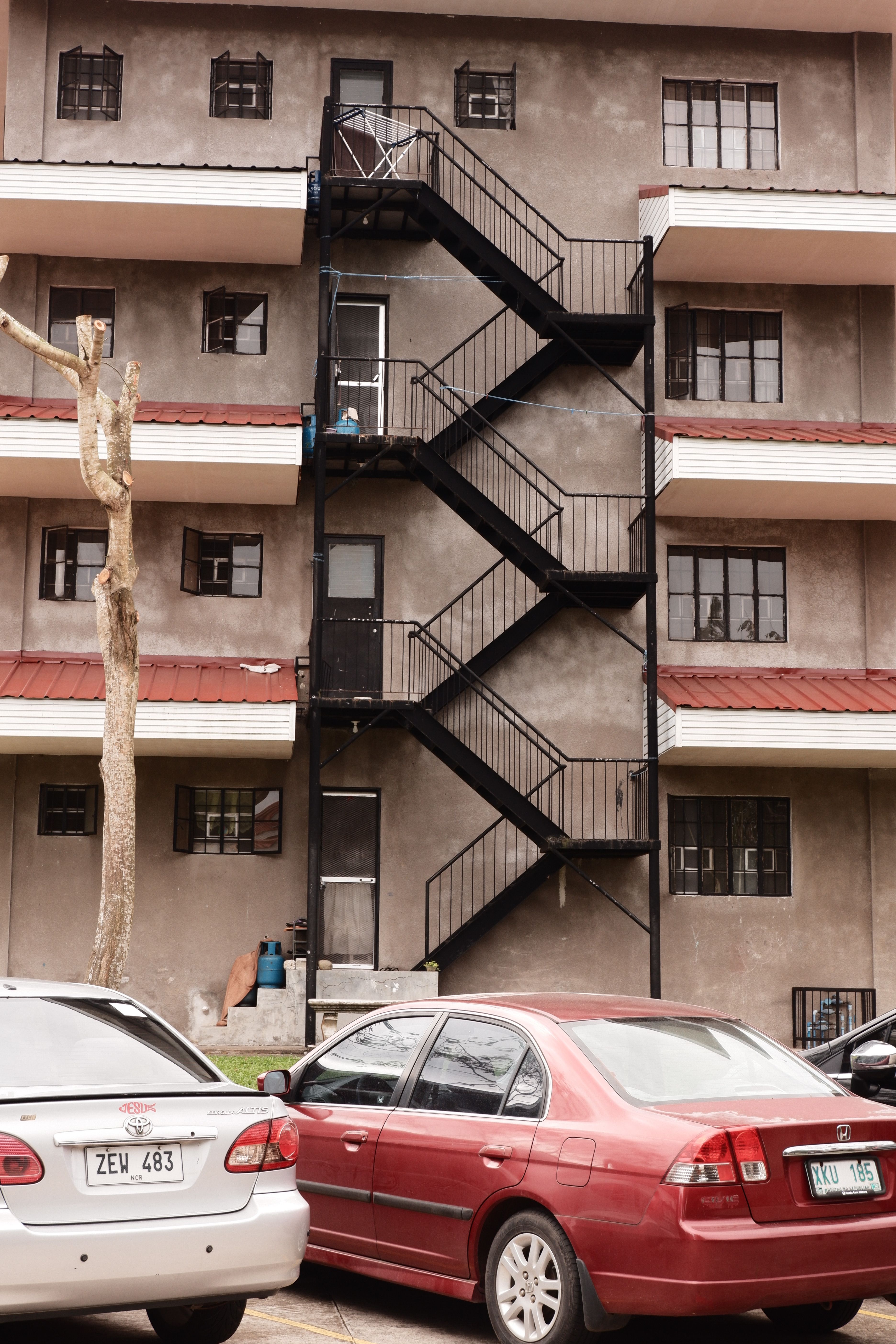
A quieter, elevated residential area that offers cooler temperatures and more space. It is perfect for nomads looking for a peaceful environment away from the city center noise.
Budget Favourite
Cagayan Town Proper
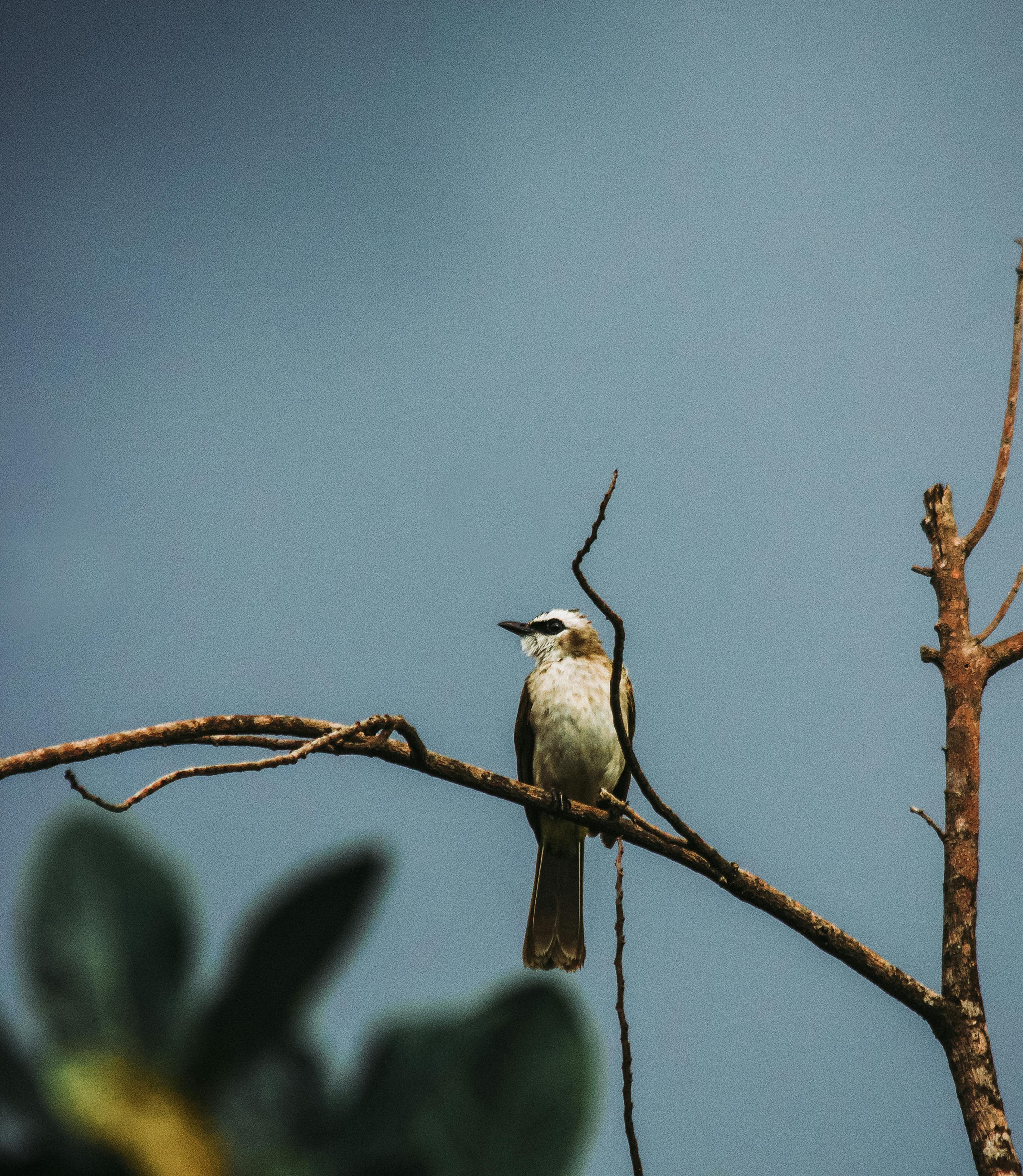
High density of boarding houses and affordable apartment rentals, making it the most economical choice for long-term stays. Everything is within walking distance.
Places to Go
The experiences that will make you never leave
These aren't tourist checkboxes — they're the experiences that reset your sense of what's normal.

Top Pick
Kagay-an Whitewater Rafting
The Cagayan de Oro River is the premier destination for whitewater rafting in the Philippines. It offers varying levels of difficulty, providing a perfect adrenaline rush for both beginners and experienced rafters.

Wikipedia Entry
Museo de Oro
Located at Xavier University, this museum provides an excellent overview of the history, culture, and archaeological findings of Northern Mindanao. It is an essential stop for those wanting to understand the region's heritage.
Work & Connectivity
Stay connected wherever you work
The nomad community here is real — cafés and coworking spaces where you can work and meet others.
The Village co-working & events space
A dedicated space providing a professional atmosphere for remote workers to focus and network with locals. It is the primary choice for those needing reliable power and high-speed internet.
Local Coffee Chains
Several coffee chains and independent cafes throughout the city provide casual workspace settings for those who prefer a more relaxed environment.
Budget & Costs
What it costs to live in Cagayan de Oro
Choose your lifestyle tier. Comfortable = furnished accommodation, local + occasional Western food, transport, leisure.
$621
per month · USD · comfortable lifestyle
ModerateFurnished studio, local restaurants, transport, and weekend trips.
Exchange rates
Check xe.com or your bank for current USD to local currency.
Check xe.com or your bank for current USD to local currency.
🏠 Rent 38%$237/mo
🍽️ Food 33%$204/mo
🚌 Transport 6%$37/mo
💡 Utilities 8%$51/mo
🎭 Leisure 9%$55/mo
🏥 Health 6%$37/mo
Connectivity
Well connected to the world
Internet and transport options for remote workers.
📶
Internet
Good — fibre common
Check local providers.
🏢
Coworking
From ~$80/mo
Dedicated spaces available.
🚌
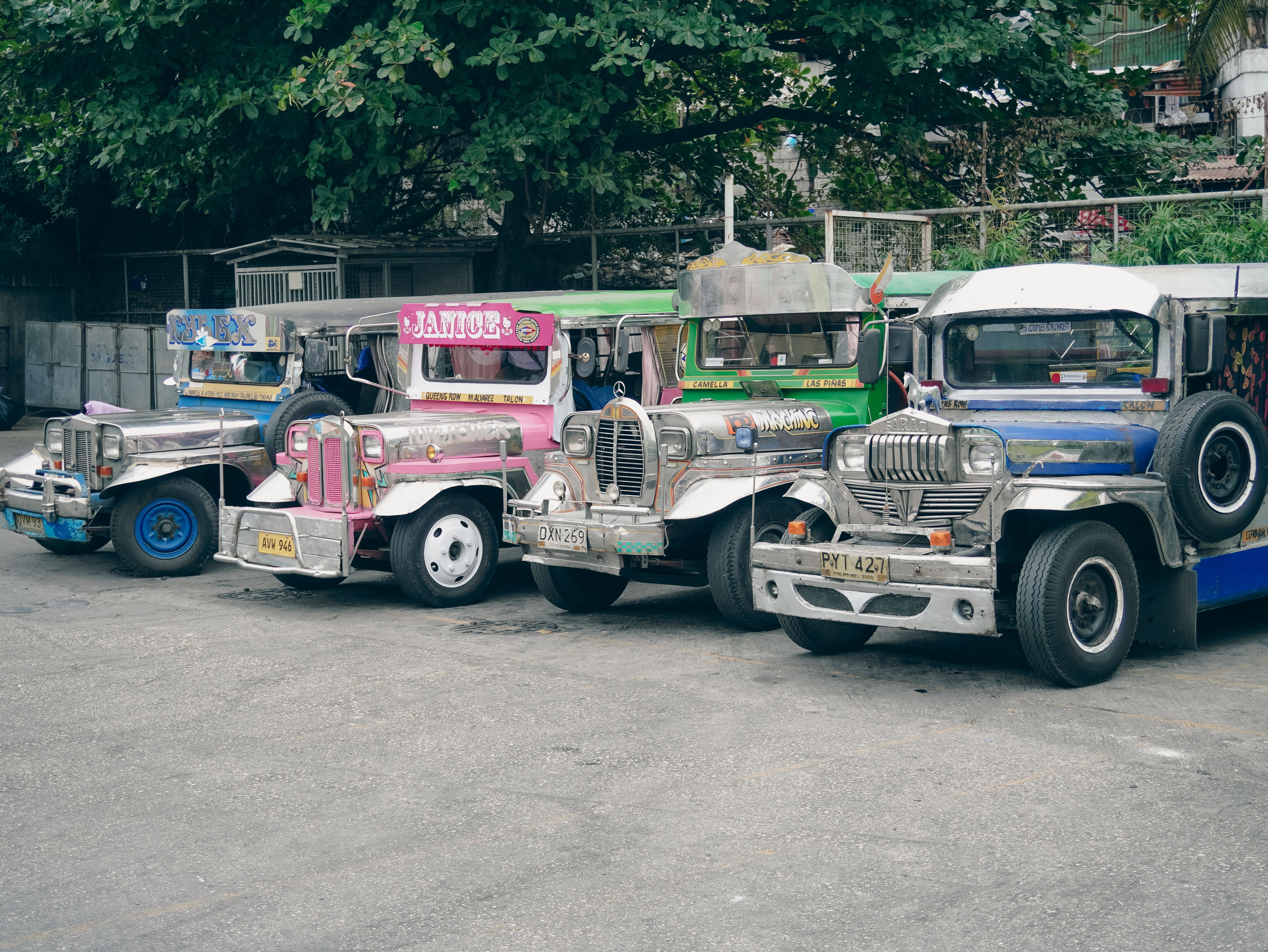
Local Transit
5 / 10
Scooter and taxi common.
20 km from centre
Safety & Visa
Safe, welcoming, and easy to enter
Safety Score6 / 10
✗ Tap Water✓ Night Safe📞 112 or local emergency number
Visa
Check your entry options
Many nationalities get visa-free or visa-on-arrival. Check official government sources for your citizenship before travel.
Culture & Festivals
Local soul, nomad-friendly
Multiculturalism5/10
Foodie Scene5/10
Remote work
Cagayan de Oro is a perfect jumping-off point for exploring nearby coastal areas and mountain retreats in Northern Mindanao. Many expats use the city as a permanent home base for regional travel throughout the year.
Food & Nightlife
A feast for every mood
From street food to cafés and nightlife — every meal is an event.
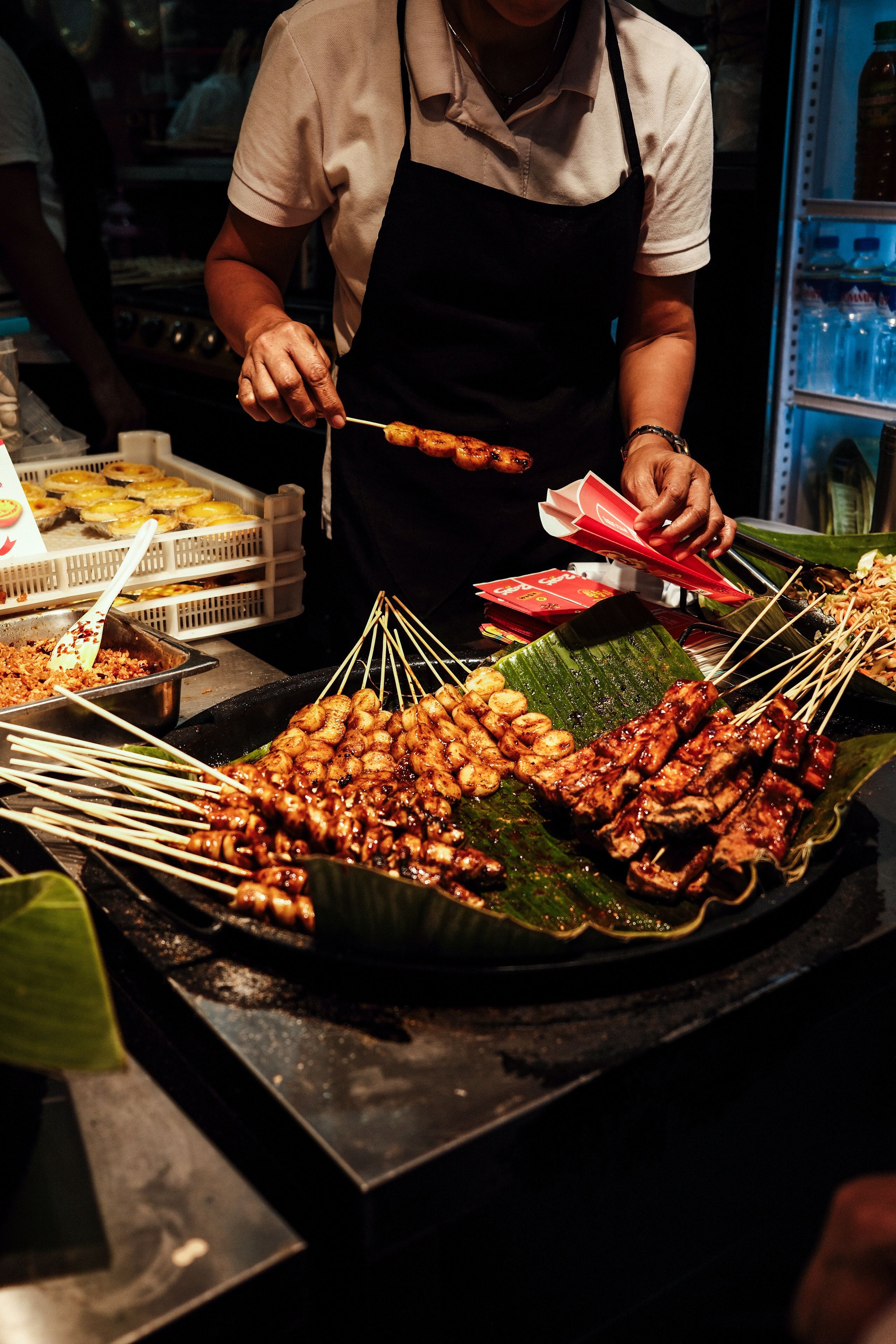
Street Food
Night Market Scene
The night markets are the best place to sample local skewers, fried snacks, and fresh tropical fruit. Prices are extremely low, making it a staple for budget-conscious nomads.
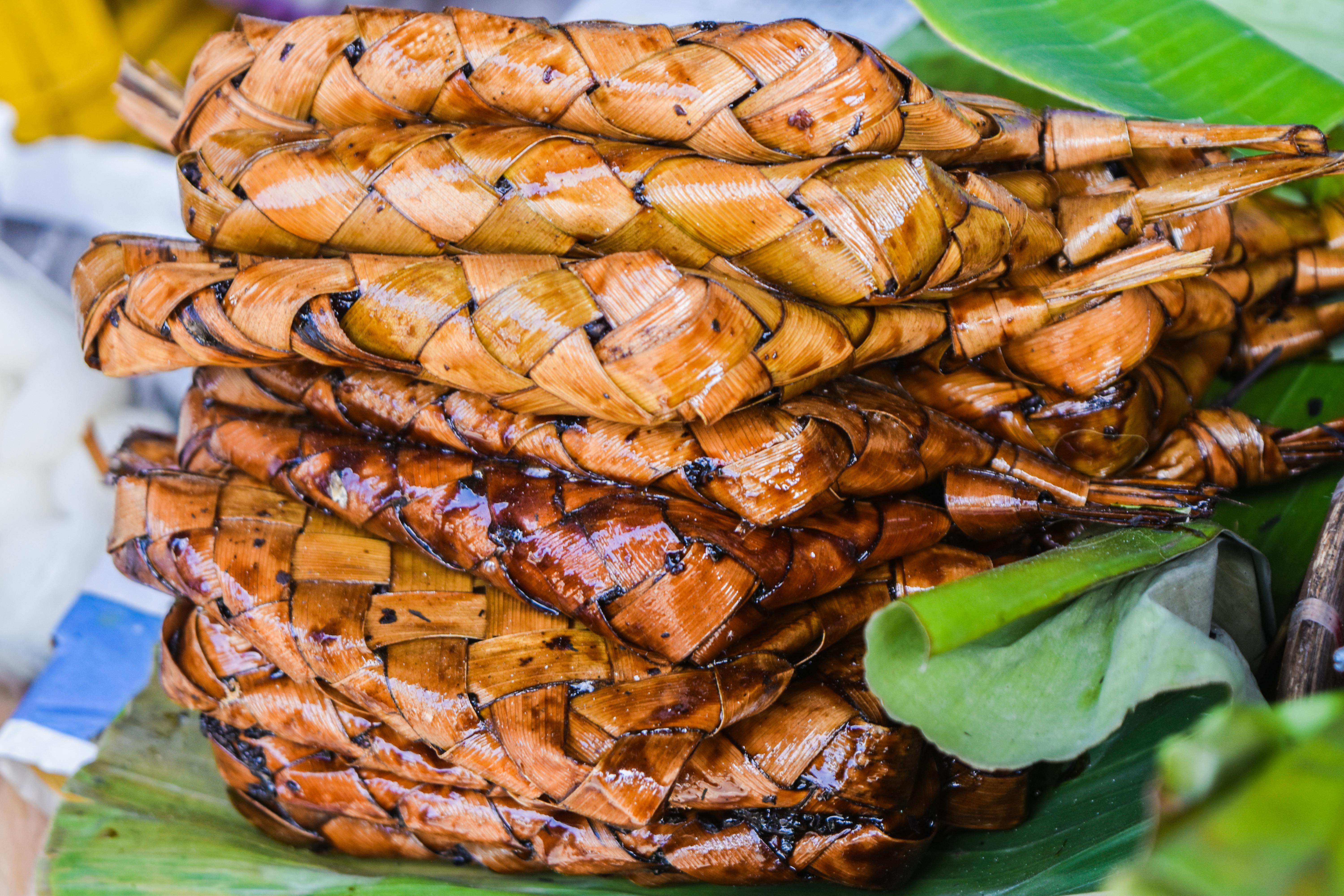
Casual Dining
Carinderias
These local eateries offer authentic home-cooked meals at very low prices. They are the best way to experience daily Filipino life and local flavors.
Climate
Best months: Jan, Feb, Mar, Apr, May, Jun, Jul, Aug, Sep, Oct, Nov, Dec
Avg humidity80%
Avg AQI35
Cagayan de Oro experiences a relatively consistent tropical climate throughout the year, making it accessible in any month. The dry season typically spans from January to May, which provides the best conditions for outdoor excursions like rafting and trekking. June through December sees more frequent rainfall, though these showers are often brief and do not usually disrupt work schedules.
While there is no bad time to visit, planning around local festivities can enrich your experience. Because the city is generally temperate, it remains a reliable destination year-round for nomads who prefer a steady environment without extreme seasonal fluctuations.
Monthly temperatures °C
BestAvoidShoulder
Practical Info
Everything you need to know
🏥
Healthcare
Cagayan de Oro has several reputable hospitals and clinics, such as the Northern Mindanao Medical Center. Ensure you have comprehensive travel health insurance before arriving to cover any potential medical needs.
💱
Money
The Philippine Peso (PHP) is the official currency. While major shops accept credit cards, cash is essential for daily transactions at markets and public transport, so keep smaller denominations handy.
🌐
Language & Etiquette
English is widely spoken and is the primary language of business and education. Filipinos are very hospitable, and a polite 'po' and 'opo' goes a long way in showing respect to locals.
Tips
Quick tips
- Always carry a reusable water bottle to reduce plastic waste.
- Learn a few basic Bisaya phrases to connect better with the local community.
- Use a VPN for increased security when using public Wi-Fi networks.
- Download a local ride-hailing app for convenience if available.
- Keep a copy of your passport and visa documents on your phone.
- Participate in the Higalaay Festival to truly understand the local culture.
Further Reading