
Baguio · Philippines
Overview
Baguio is where the rhythm of the mountains meets the hustle of a modern university town.
Baguio is a unique urban hub set within the lush Cordillera mountains. As a student-centric city, it maintains a vibrant, youthful energy mixed with a relaxed pace of life that appeals to creatives and remote workers. Because of its high altitude, the city enjoys a perpetual crispness, making it a comfortable place to base yourself for weeks or months at a time. The local culture is deeply influenced by indigenous traditions alongside a lingering colonial architectural influence, creating a city that feels quite distinct from the coastal lowlands of the Philippines. For those focusing on work, the lifestyle here is generally more affordable than in Metro Manila, though you should check the Cost of living in Baguio to align your expectations. While the mountain air is a huge draw, nomads should also be aware of the Climate nuances when planning their stay.
History
Baguio was officially established by the Americans in 1900 as a hill station to serve as an escape f…
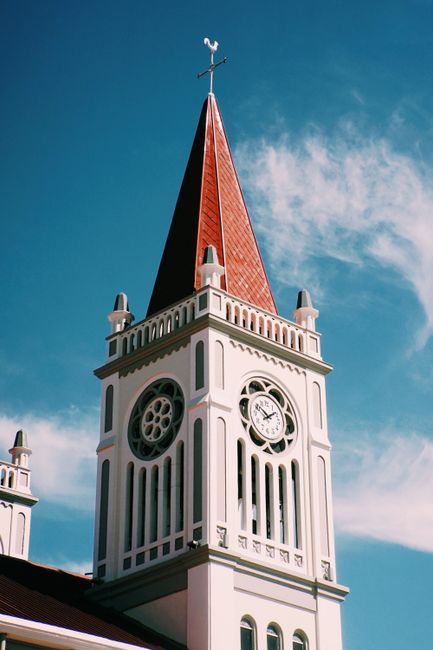
Baguio was officially established by the Americans in 1900 as a hill station to serve as an escape from the sweltering heat of the Philippine lowlands. Before this development, the area was populated by the Ibaloi people, who thrived in the mountain environment for centuries. The city was meticulously planned by the architect Daniel Burnham, which is why the city's central park still bears his name today.
During the Second World War, the city served as the final headquarters for the Japanese Imperial Army, resulting in significant destruction during the liberation. Following the war, Baguio rebuilt itself as an educational and tourism center. Today, it remains the gateway to the Cordilleras, blending its historical colonial legacy with its modern status as a bustling academic hub.
Pre-colonial
Indigenous RootsThe area was historically inhabited by the Ibaloi people who established farming communities in the highlands.
1900
Establishment of the Hill StationThe American colonial government designated Baguio as a retreat to escape the summer heat.
1909
Baguio Becomes a CityBaguio was officially incorporated as a city, with infrastructure designed by Daniel Burnham.
1945
LiberationThe city saw intense fighting during the liberation of the Philippines and required significant post-war reconstruction.
1990
Major EarthquakeA devastating earthquake hit the region, prompting a massive effort to modernize and seismically fortify the city's architecture.
Where to Stay
Choose your base camp
Distinct neighbourhoods, different rhythms. Pick the one that fits your work-life balance.
Central Hub
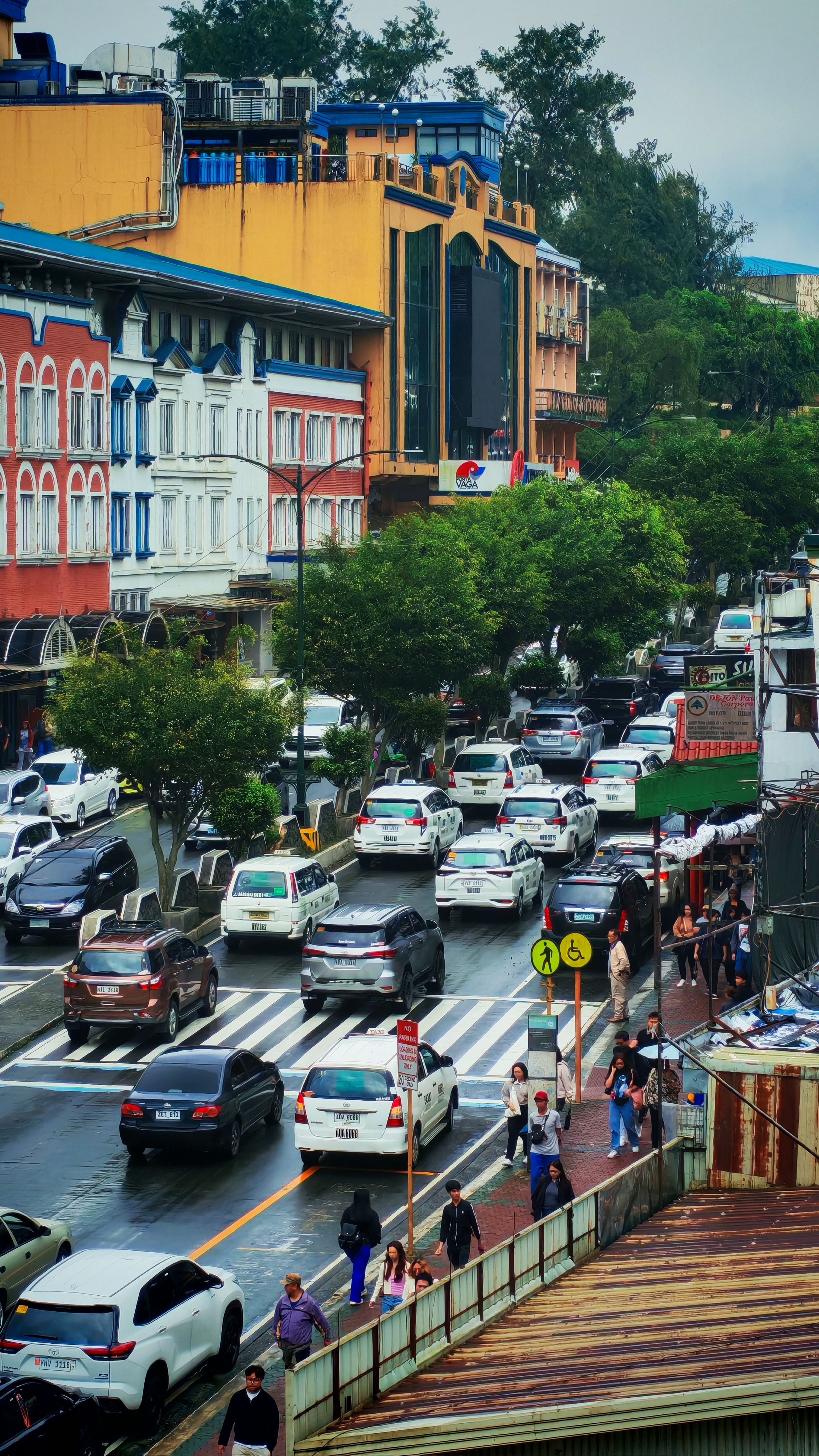
Burnham Park Area
This is the most convenient area for first-timers, providing immediate access to transport, food, and daily essentials. You will find plenty of boarding houses and mid-range options here.
Nature Retreat
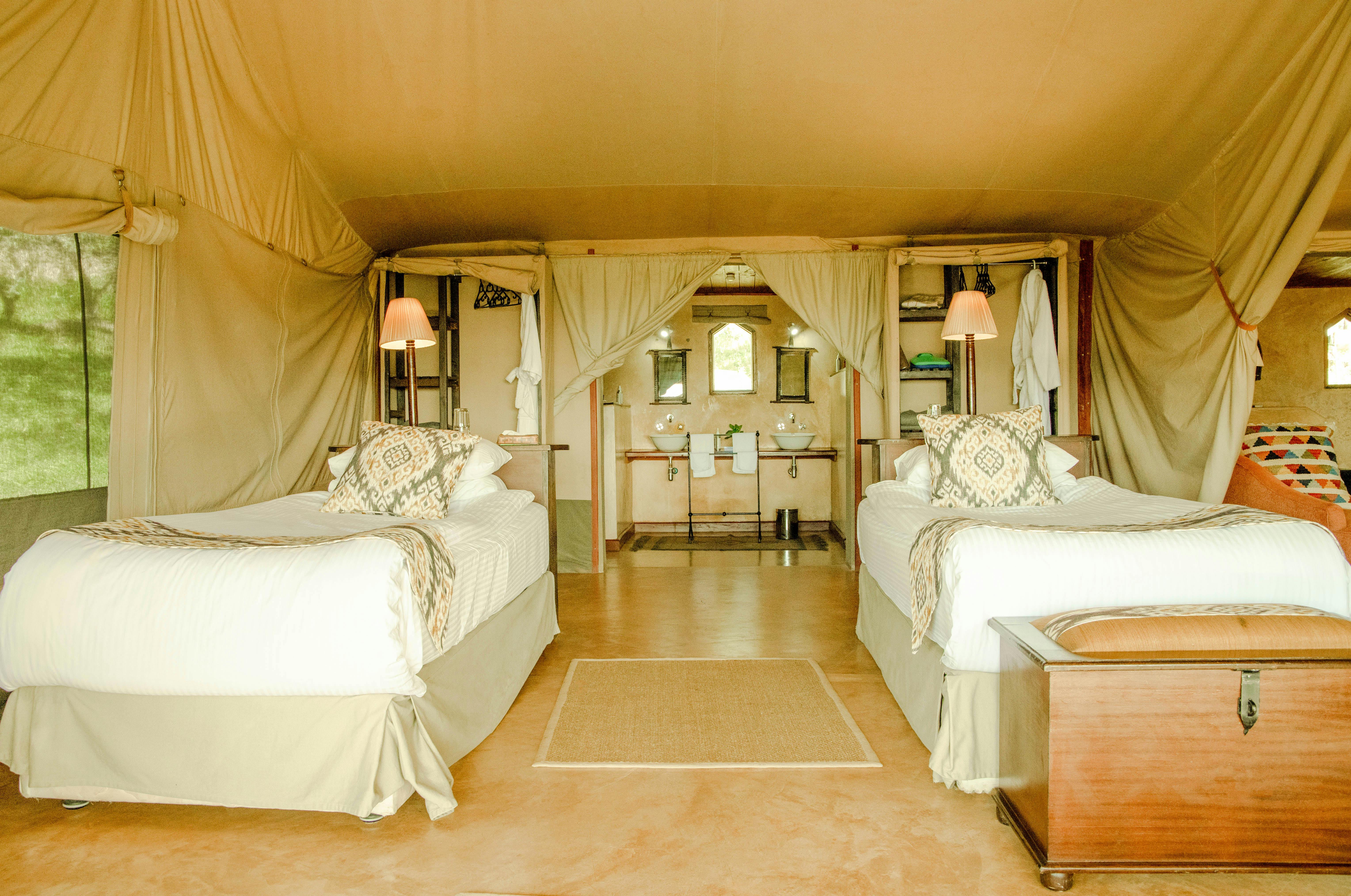
Camp John Hay Vicinity
If you want a quieter working environment surrounded by nature, this area offers more upscale resorts and peaceful lodges. It is ideal for those who prefer fresh air over the city noise.
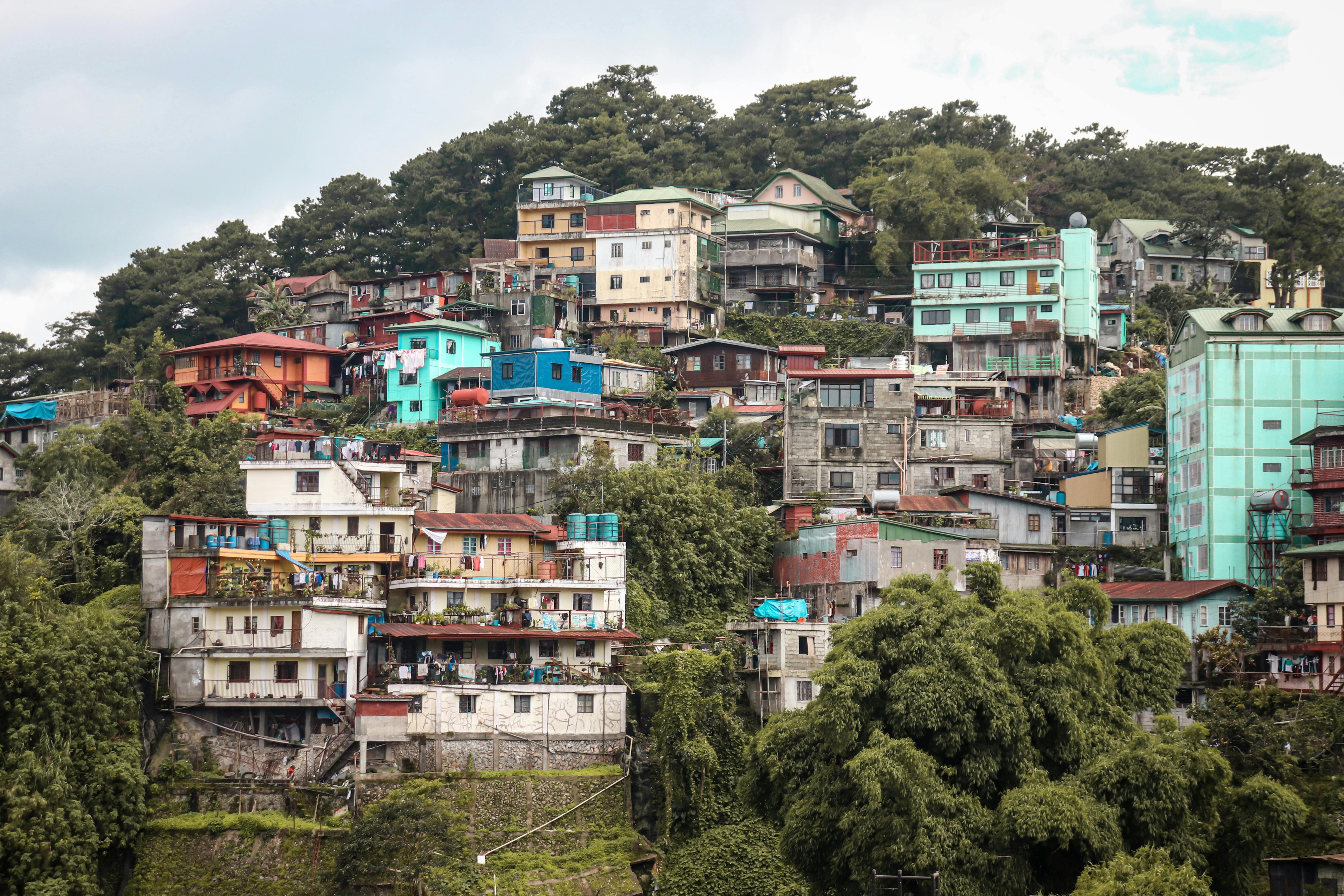
Budget Favourite
Teacher's Camp Area
Popular with students and budget-conscious travelers, this neighborhood is affordable and close to local markets. Expect a more local, authentic experience here.
Places to Go
The experiences that will make you never leave
These aren't tourist checkboxes — they're the experiences that reset your sense of what's normal.
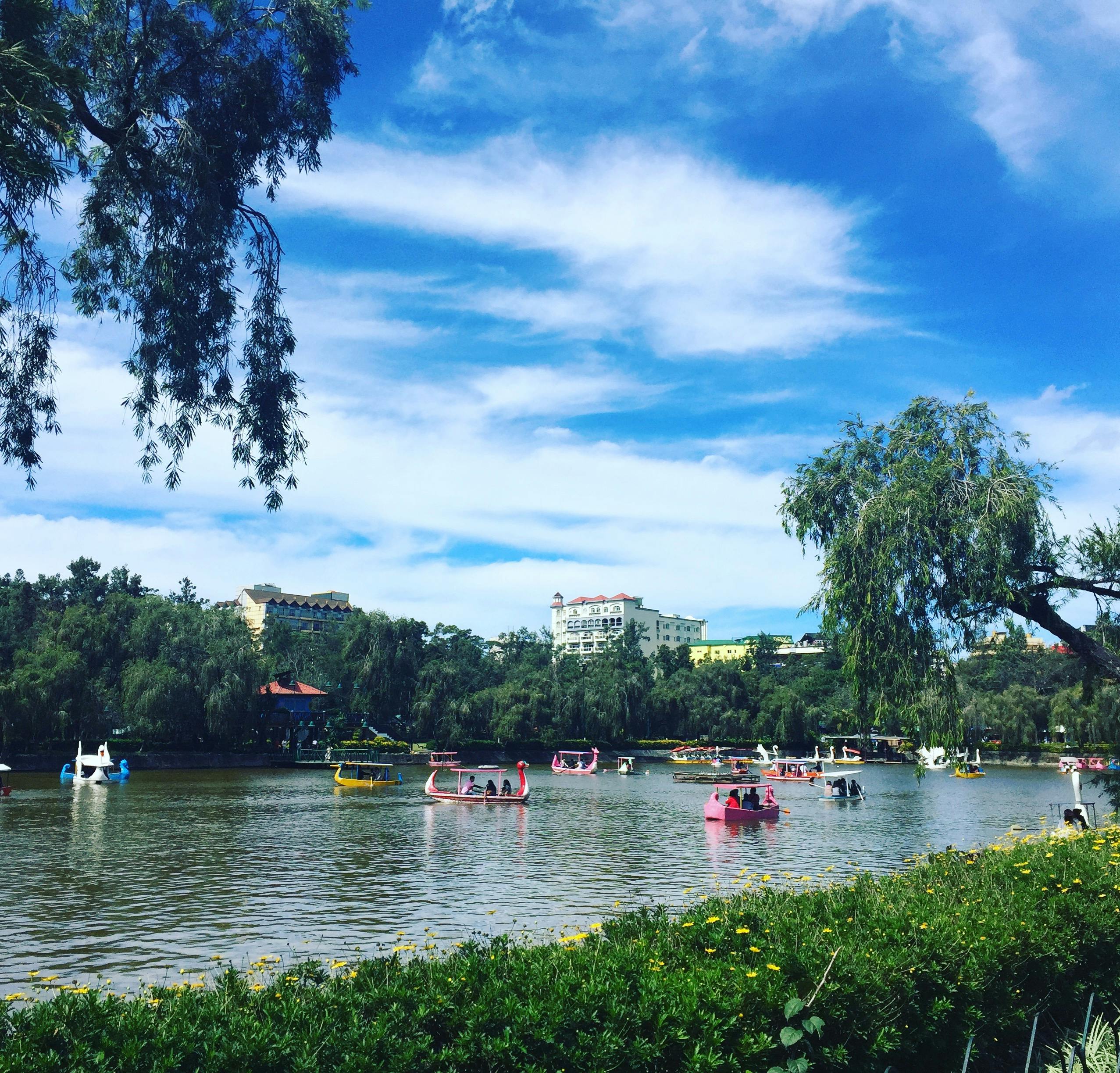
Top Pick
Burnham Park
The heart of Baguio, this park is perfect for walking, rowing boats, or simply relaxing among the trees. It serves as the green center of the city and is a favorite spot for locals and visitors alike.
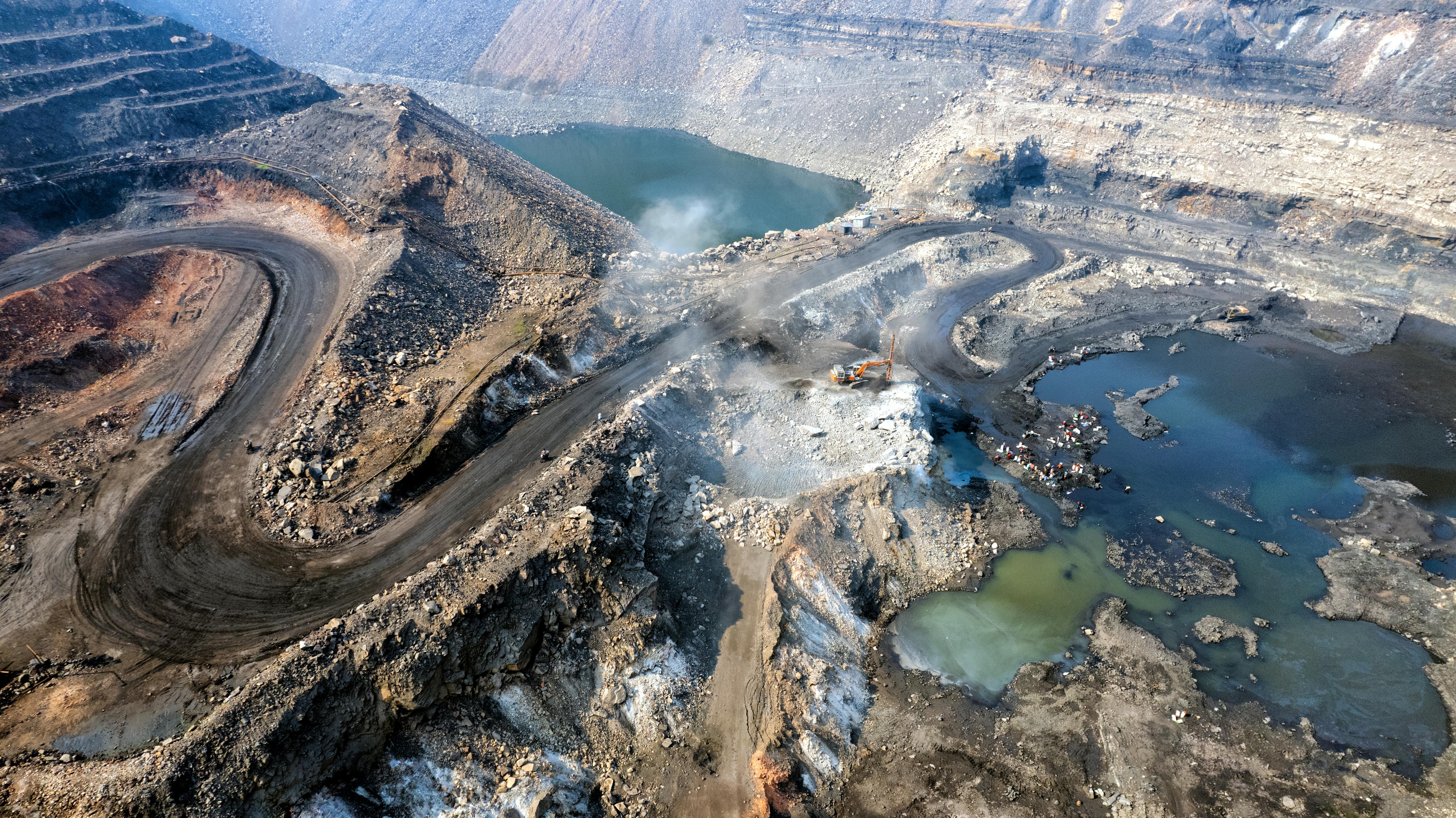
Wikipedia
Mines View Park
Located on a cliff edge, this viewpoint offers sweeping panoramas of the historic gold and copper mines of Itogon. It is a popular spot for tourists looking for photo opportunities and local handicrafts.
Official Tourism
Camp John Hay
Formerly a rest and recreation facility for American soldiers, it is now a sprawling complex filled with pine trees, cafes, and historical structures. It offers a much quieter, more forest-like atmosphere compared to the city center.

Work & Connectivity
Stay connected wherever you work
The nomad community here is real — cafés and coworking spaces where you can work and meet others.
Local Coffee Shops
While there are few formal coworking spaces, Baguio has a rich cafe culture where students and remote workers congregate. Bring a noise-canceling headset if you visit during peak afternoon hours.
Library Cafes
Look for cafes located near the university belt; they are accustomed to patrons studying or working for extended periods of time.
Hotel Lobbies
Several mid-range hotels offer quiet lobby areas with reliable Wi-Fi, making them a suitable backup for important meetings.
Budget & Costs
What it costs to live in Baguio
Choose your lifestyle tier. Comfortable = furnished accommodation, local + occasional Western food, transport, leisure.
$840
per month · USD · comfortable lifestyle
ModerateFurnished studio, local restaurants, transport, and weekend trips.
Exchange rates
Check xe.com or your bank for current USD to local currency.
Check xe.com or your bank for current USD to local currency.
🏠 Rent 39%$329/mo
🍽️ Food 30%$256/mo
🚌 Transport 9%$73/mo
💡 Utilities 7%$55/mo
🎭 Leisure 11%$91/mo
🏥 Health 4%$37/mo
Connectivity
Well connected to the world
Internet and transport options for remote workers.
📶
Internet
Good — fibre common
Check local providers.
🏢
Coworking
From ~$80/mo
Dedicated spaces available.
🚌
Local Transit
5 / 10
Scooter and taxi common.
BAG
Loakan Airport
20 km from centre
Safety & Visa
Safe, welcoming, and easy to enter
Safety Score6 / 10
✗ Tap Water✓ Night Safe📞 112 or local emergency number
Visa
Check your entry options
Many nationalities get visa-free or visa-on-arrival. Check official government sources for your citizenship before travel.
Culture & Festivals
Local soul, nomad-friendly
Multiculturalism5/10
Foodie Scene5/10
Remote work
Feb
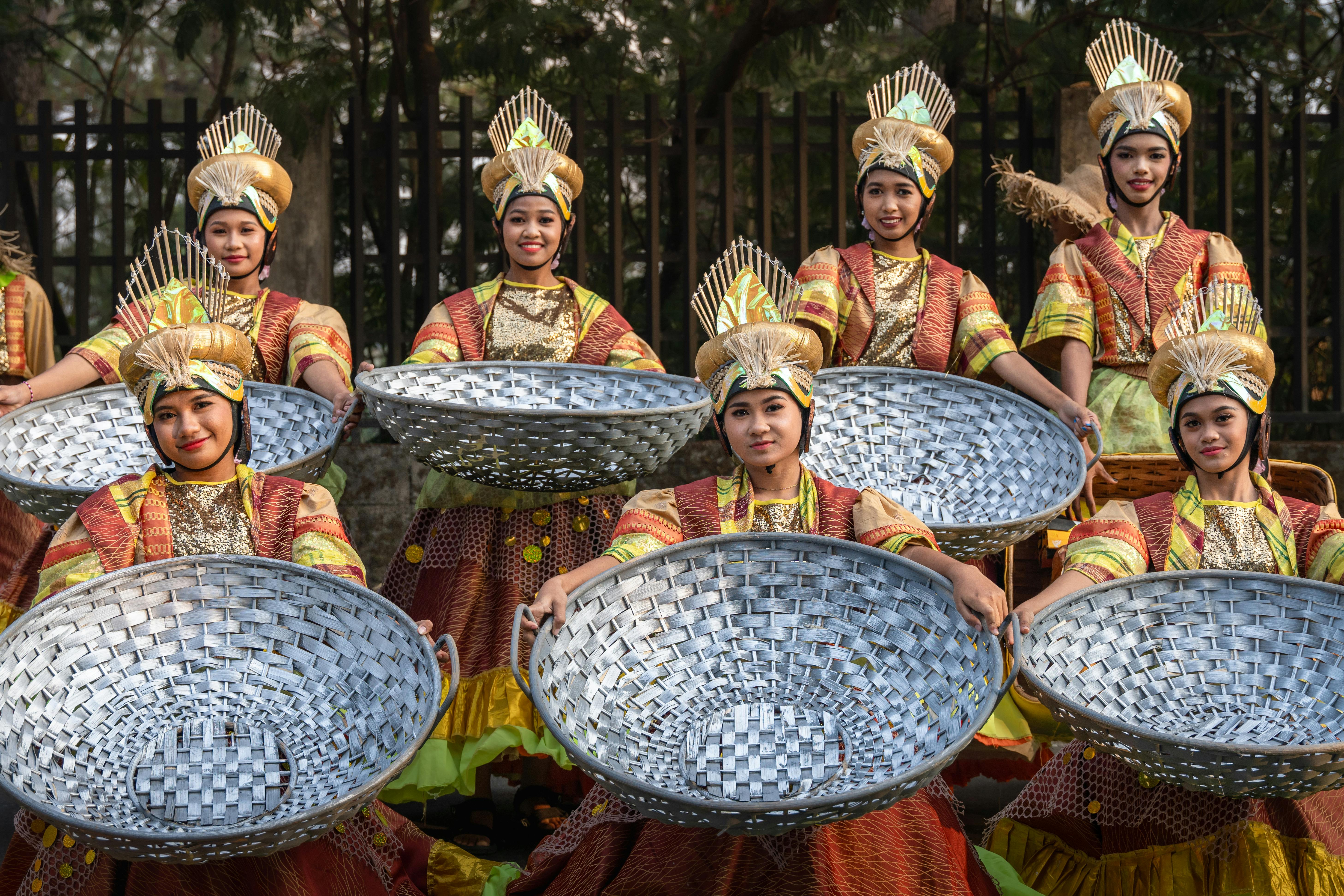
Panagbenga Festival
Also known as the Flower Festival, this is the biggest event of the year, featuring elaborate floral floats and street dancing.
For those looking to extend their stay, Baguio is an excellent jumping-off point to explore other parts of the Cordillera region, such as the rice terraces in Banaue.
Food & Nightlife
A feast for every mood
From street food to cafés and nightlife — every meal is an event.

Street Food
Baguio City Public Market
This market is a treasure trove for fresh strawberries, local vegetables, and native delicacies. Try the local specialties like Pinikpikan or various grilled snacks.
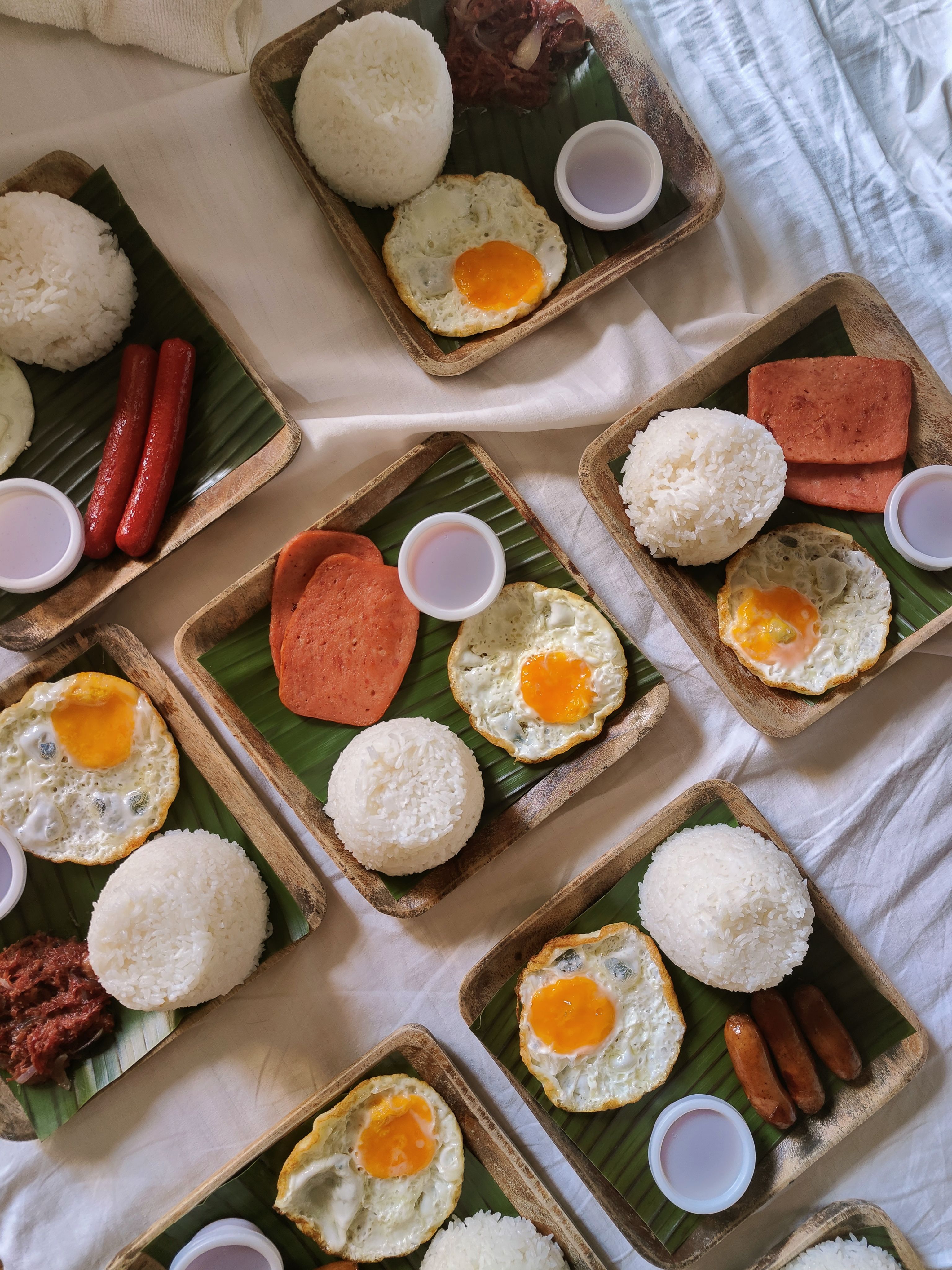
Casual Dining
Good Taste Restaurant
A local institution known for huge portions and affordable prices. It is a staple for both residents and visitors seeking a hearty meal after a day of work.

Café Culture
Mountain Coffee Shops
Baguio is famous for its coffee scene, sourcing beans from the nearby mountains. Sip on a hot brew in one of the many cafes overlooking the pine forests.
Climate
Best months: Jan, Feb, Mar, Apr, May, Jun, Jul, Aug, Sep, Oct, Nov, Dec
Avg humidity85%
Avg AQI30
Baguio is a year-round destination, but the most popular time to visit is during the dry season, which generally runs from November through May. This period offers the clearest skies and most pleasant temperatures for exploring the surrounding mountain trails and parks. The cool, crisp mornings are especially invigorating during the early months of the year.
While the rainy season brings more frequent showers, it also turns the mountain landscapes into a vibrant, lush green. If you prefer fewer crowds and a more intimate experience, the middle of the year can be a great time to settle into a cozy cafe and focus on your projects. Baguio experiences temperate conditions throughout the year, so pack layers regardless of when you plan your trip.
Monthly temperatures °C
BestAvoidShoulder
Practical Info
Everything you need to know
🏥
Healthcare
Baguio hosts several reputable hospitals and clinics that can handle routine medical needs. Ensure you have travel insurance that covers the Philippines before your arrival.
💱
Money
Cash is king in most local markets and smaller eateries. Keep smaller denominations on hand for jeepney fares and snacks, though ATMs are widely available in the city center.
🌐
Language & Etiquette
English is widely spoken and understood, especially in schools and businesses. Being polite and respectful to elders is highly valued in the local Filipino culture.
Tips
Quick tips
- Always carry an umbrella as mountain weather can change quickly.
- Learn a few basic phrases in Ilocano to impress the locals.
- Pack a light jacket as the nights can get surprisingly chilly.
- Avoid the city center traffic by walking where possible.
- Try the local strawberries and peanut brittle as a quick snack.
- Always verify your internet speed before finalizing long-term accommodation.
- Book your travel during the Panagbenga Festival well in advance.
Further Reading