
Otavalo · Ecuador
Overview
Otavalo is where the threads of ancient tradition weave seamlessly into the modern remote work experience.
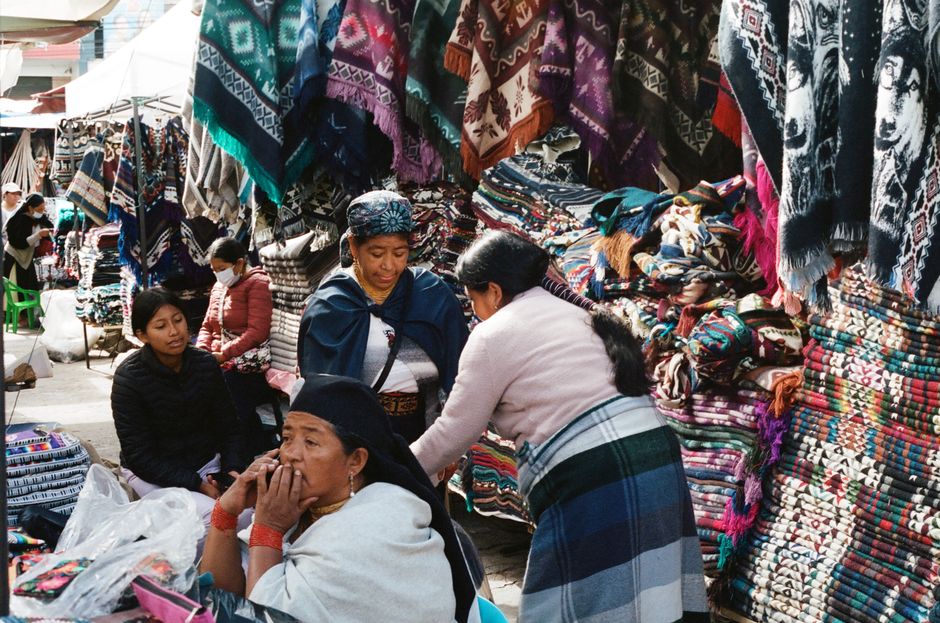
Nestled in the Imbabura province, Otavalo is the cultural heart of the Otavaleño people, known globally for their vibrant weaving tradition and distinct traditional attire. The town attracts travelers and nomads who are drawn to the authenticity of local life and the proximity to dramatic landscapes like volcanoes and crater lakes. While it lacks the high-octane pace of Quito, its charm lies in the daily rhythm of the markets and the cool, crisp mountain air.
For digital nomads, Otavalo is a place to focus on deep work while soaking in rich Andean culture. Budget-conscious travelers will find the cost of living quite reasonable, especially when shopping at local produce markets. The climate supports outdoor activities on weekends, ranging from hiking to exploring nearby artisan villages.

History
The history of Otavalo dates back well before the arrival of the Spanish.
The history of Otavalo dates back well before the arrival of the Spanish. The region was inhabited by indigenous groups who excelled in agriculture and sophisticated textile production. Long before the Incas arrived, the area functioned as an important trade hub in the Andes, a reputation it maintains to this day.
Following the Spanish conquest in the 16th century, the town was restructured, but the Otavaleño people were remarkably resilient in preserving their cultural identity. They successfully integrated European weaving techniques with their own traditional methods, leading to the highly refined textiles that define the town's global reputation today. Modern Otavalo remains a proud testament to the endurance of indigenous Andean heritage.
Pre-Incan
Indigenous RootsThe area was settled by indigenous groups who established early trade routes and agricultural systems in the Andean valley.
15th Century
Incan ConquestThe Inca Empire expanded into the region, incorporating Otavalo into the northern reaches of their vast territory.
1534
Spanish ArrivalSpanish conquistadors arrived in the region, leading to the formal foundation of the town under colonial administration.
19th Century
Industrial EvolutionLocal weavers began adopting hand-operated looms from Europe, which spurred a massive boom in the textile export economy.
20th Century
Tourism GrowthThe town gained international recognition for its Saturday market, cementing its status as one of South America's premier artisan hubs.
Where to Stay
Choose your base camp
Distinct neighbourhoods, different rhythms. Pick the one that fits your work-life balance.

Convenience Hub
Town Center
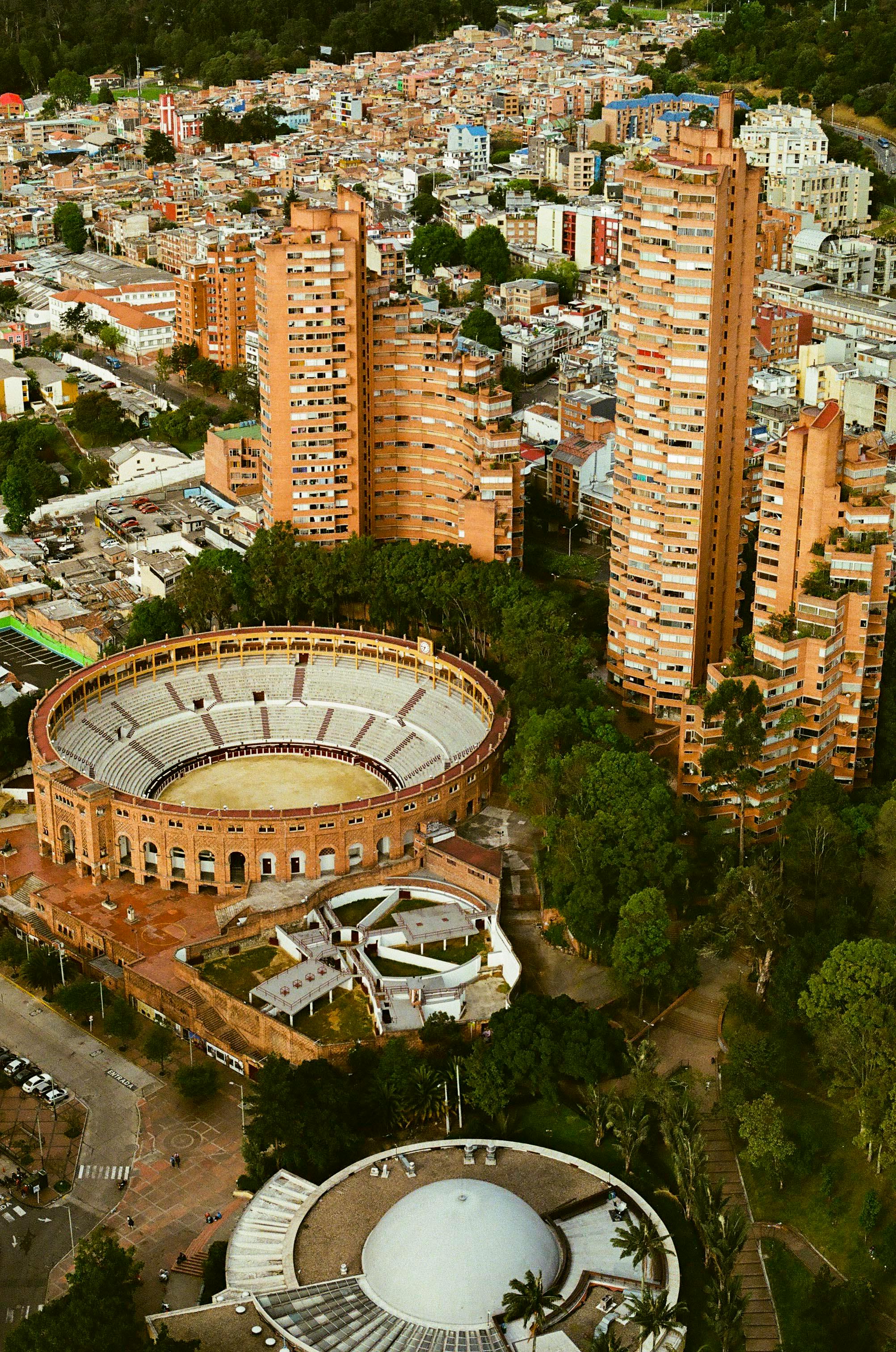
This is the most practical area for nomads, putting you within walking distance of the market and essential services. Rent here is affordable and you are close to the main bus connections.
Cultural Heart
Near Plaza de los Ponchos
Living here places you in the middle of the local action, surrounded by the vibrant energy of the market. It is ideal for those who want to be deeply integrated into the town's social pulse.
Slow Living
Outside City Limits
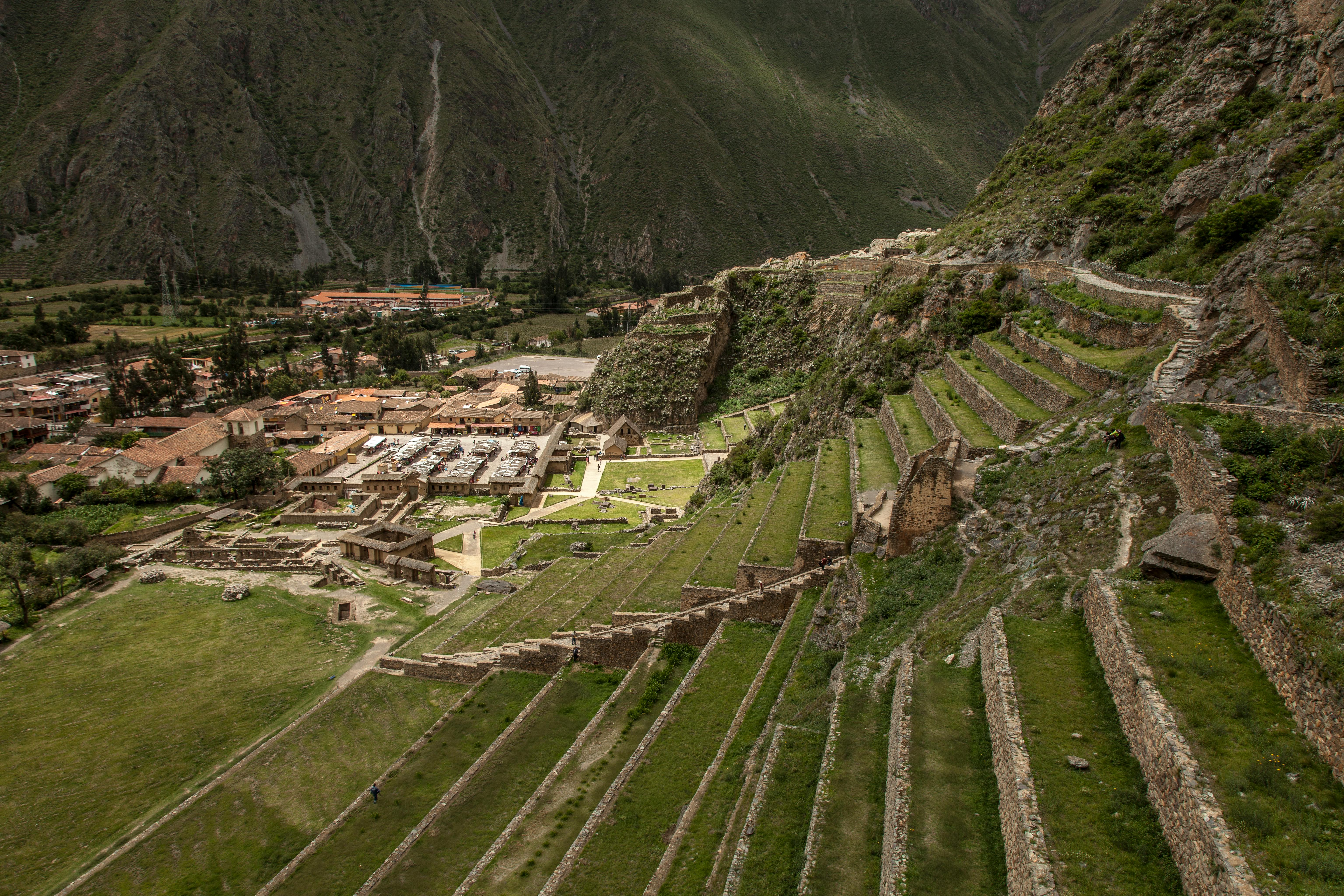
For those seeking quiet and mountain views, look for guesthouses or houses on the outskirts. You will need to rely more on local transport, but the peace and quiet are perfect for deep work.
Places to Go
The experiences that will make you never leave
These aren't tourist checkboxes — they're the experiences that reset your sense of what's normal.
Top Pick
Plaza de los Ponchos
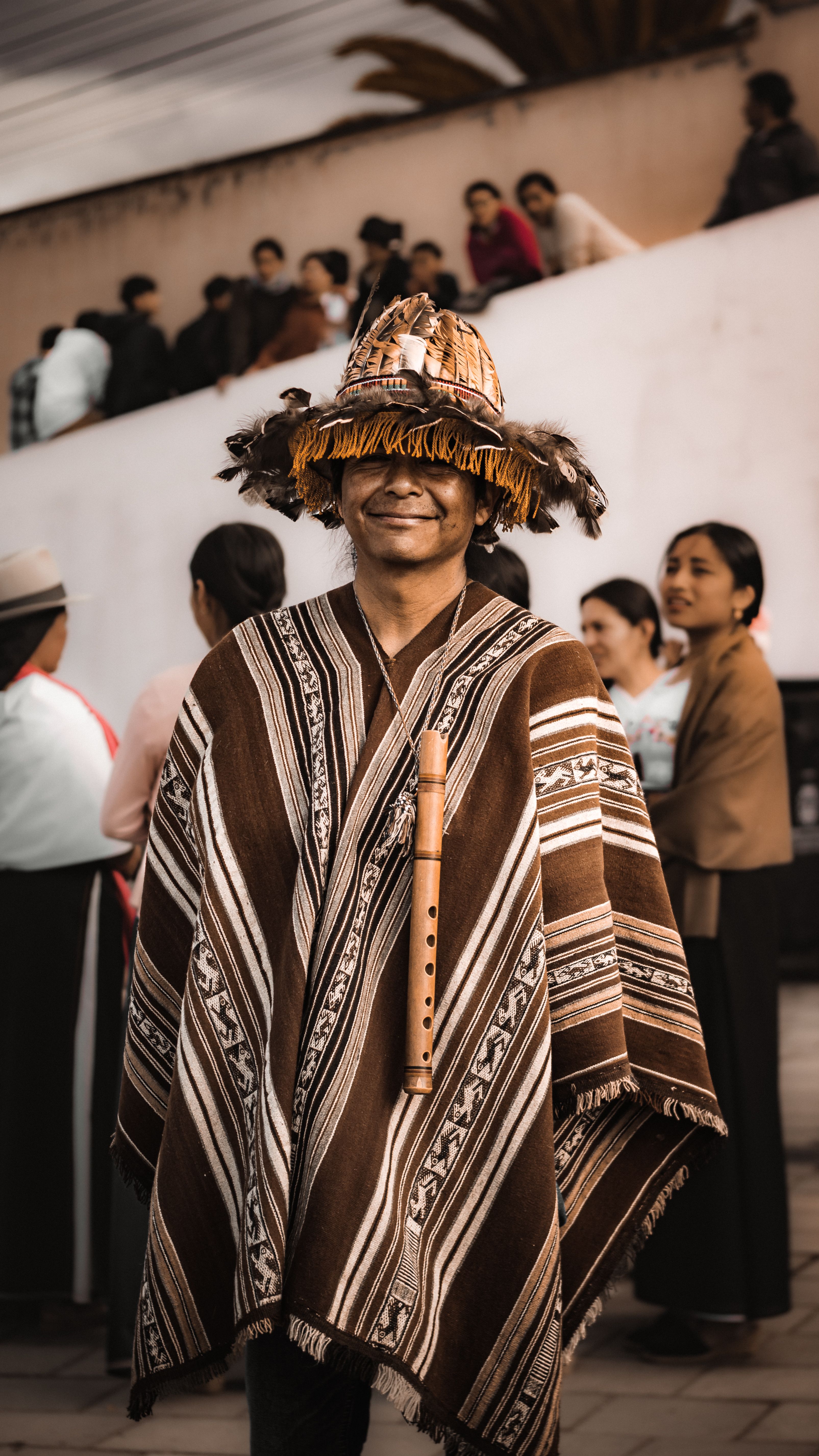
This is the epicenter of Otavalo's textile trade and one of the most famous markets in all of South America. Visitors can browse thousands of handmade tapestries, sweaters, and crafts from local artisans.
Official Tourism
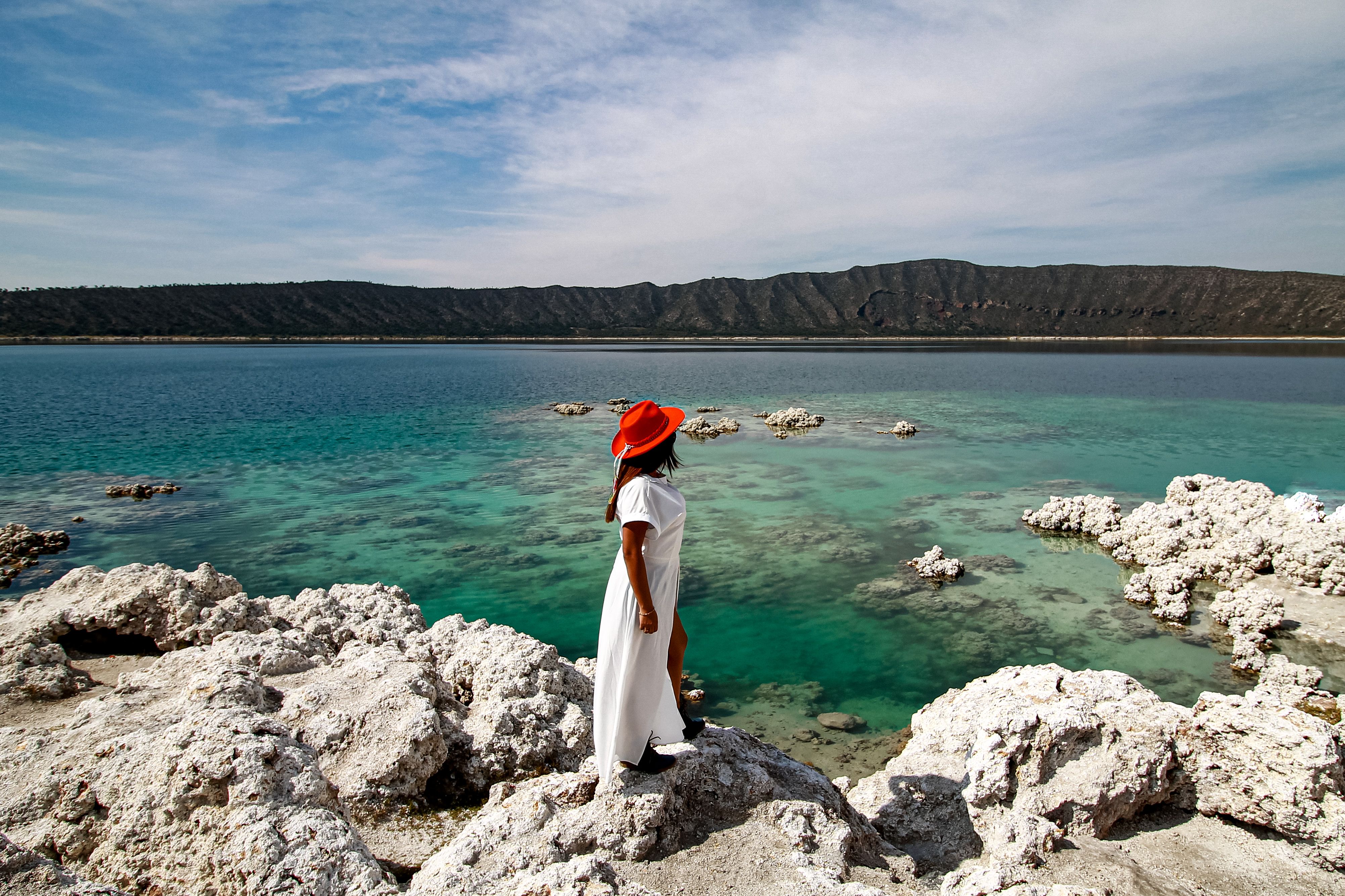
Laguna Cuicocha
Located in the crater of a dormant volcano, this stunning blue lake offers incredible hiking trails with panoramic views. It is a perfect weekend escape for those needing fresh air and natural scenery.
Wikipedia
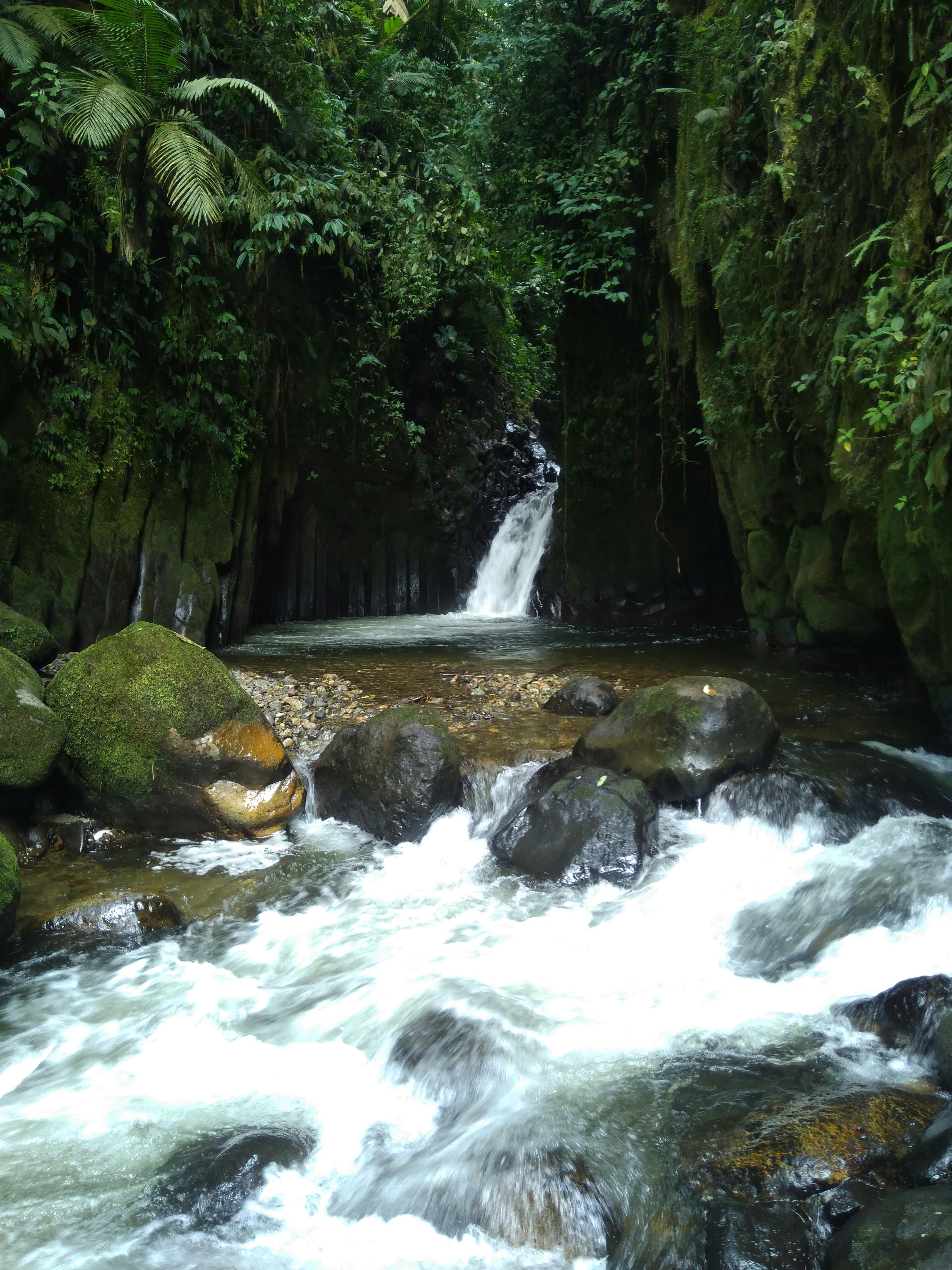
Peguche Waterfall
A short walk from the town center leads to this sacred site, featuring a beautiful waterfall surrounded by eucalyptus trees. It is a peaceful place for meditation or a light afternoon hike.
Work & Connectivity
Stay connected wherever you work
The nomad community here is real — cafés and coworking spaces where you can work and meet others.
Local Cafés
While dedicated coworking spaces are limited, many cozy cafés near the town square provide reliable enough Wi-Fi for answering emails and quick tasks.
Guesthouse Common Areas
Many boutique hotels and guesthouses in the area are accustomed to remote workers and offer comfortable desk spaces and stable internet connections in their lobby areas.
Budget & Costs
What it costs to live in Otavalo
Choose your lifestyle tier. Comfortable = furnished accommodation, local + occasional Western food, transport, leisure.
$840
per month · USD · comfortable lifestyle
ModerateFurnished studio, local restaurants, transport, and weekend trips.
Exchange rates
Check xe.com or your bank for current USD to local currency.
Check xe.com or your bank for current USD to local currency.
🏠 Rent 35%$292/mo
🍽️ Food 30%$256/mo
🚌 Transport 9%$73/mo
💡 Utilities 13%$110/mo
🎭 Leisure 9%$73/mo
🏥 Health 4%$37/mo
Connectivity
Well connected to the world
Internet and transport options for remote workers.
📶
Internet
Good — fibre common
Check local providers.
🏢
Coworking
From ~$80/mo
Dedicated spaces available.
🚌
Local Transit
5 / 10
Scooter and taxi common.
20 km from centre
Safety & Visa
Safe, welcoming, and easy to enter
Safety Score6 / 10
✗ Tap Water✓ Night Safe📞 112 or local emergency number
Visa
Check your entry options
Many nationalities get visa-free or visa-on-arrival. Check official government sources for your citizenship before travel.
Culture & Festivals
Local soul, nomad-friendly
Multiculturalism5/10
Foodie Scene5/10
Remote work
Jun
Inti Raymi
The Sun Festival is an ancient Incan celebration marked by indigenous music, traditional dancing, and colorful rituals.
Sep
Yamor Festival
A harvest festival featuring traditional chicha de jora, folk music, and parades celebrating the local agricultural heritage.
Otavalo is an excellent base for multi-day trekking adventures. Many nomads stay here for a month to finish a project while using their weekends to explore the hidden trails of the Imbabura volcano and the nearby artisanal villages of Cotacachi, which is famous for its leather goods.
Food & Nightlife
A feast for every mood
From street food to cafés and nightlife — every meal is an event.

Street Food
Mercado Copacabana
Sample authentic local dishes like empanadas, corn-based snacks, and fresh juices. It is the best place to eat like a local on a budget.

Café Culture
Town Square Cafés
Grab a coffee and enjoy the view of the mountains while people-watching. The café scene here is relaxed and welcoming to long-term visitors.
Climate
Best months: Jan, Feb, Mar, Apr, May, Jun, Jul, Aug, Sep, Oct, Nov, Dec
Avg humidity78%
Avg AQI35
Otavalo features a temperate, highland climate that remains relatively stable throughout the year, making it a year-round destination. Because it sits high in the Andes, temperatures fluctuate more between day and night than between seasons. You can expect cool mornings and sunny afternoons regardless of the month, though the rainy season typically sees heavier downpours in the afternoons.
While there are no specific months to avoid, those looking for optimal outdoor conditions for hiking volcanoes or visiting the Cuicocha lake should aim for the drier periods. The town is consistently accessible, and you will find the vibrant culture and the famous Plaza de los Ponchos market bustling every single day of the year.
Monthly temperatures °C
BestAvoidShoulder
Practical Info
Everything you need to know
🏥
Healthcare
Otavalo has local clinics, but for specialized medical care, you may need to travel to nearby Ibarra or back to Quito. Ensure you have comprehensive travel insurance that covers emergency evacuations.
💱
Money
Ecuador uses the US Dollar, which makes budgeting straightforward for international travelers. While ATMs are available in town, always keep some cash on hand, as many smaller market vendors do not accept cards.
🌐
Language & Etiquette
Spanish is the primary language, though Quichua is also spoken by the indigenous population. A basic grasp of Spanish phrases will go a long way in showing respect and connecting with locals.
Tips
Quick tips
- Always carry a warm jacket, as Andean evenings can be quite chilly.
- Bargaining is common at the markets, but keep it friendly and respectful.
- Drink bottled or filtered water; do not drink from the tap.
- Saturday is the busiest market day, so prepare for larger crowds.
- Pack a portable power bank for those inevitable short power outages.
- Try 'chicha de jora', a traditional corn beverage, at local markets.
- Use long-distance buses to get to Quito or Ibarra; they are frequent and inexpensive.
- Walk slowly when you first arrive to acclimate to the high altitude.
Further Reading