Thimphu · Bhutan
Overview
Thimphu is a place where you don't just work remotely; you work thoughtfully, surrounded by the quiet hum of a culture that puts people before productivity.
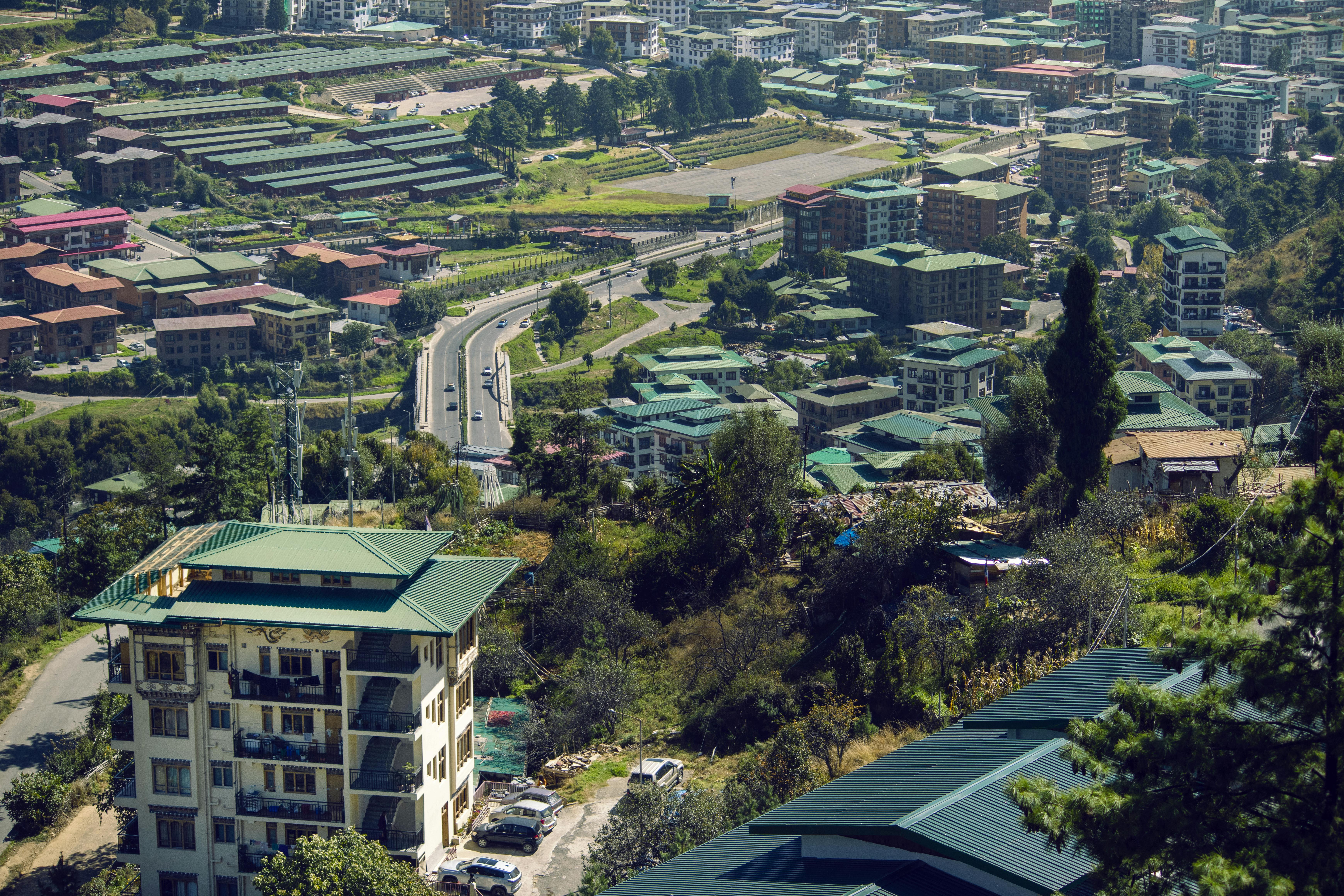
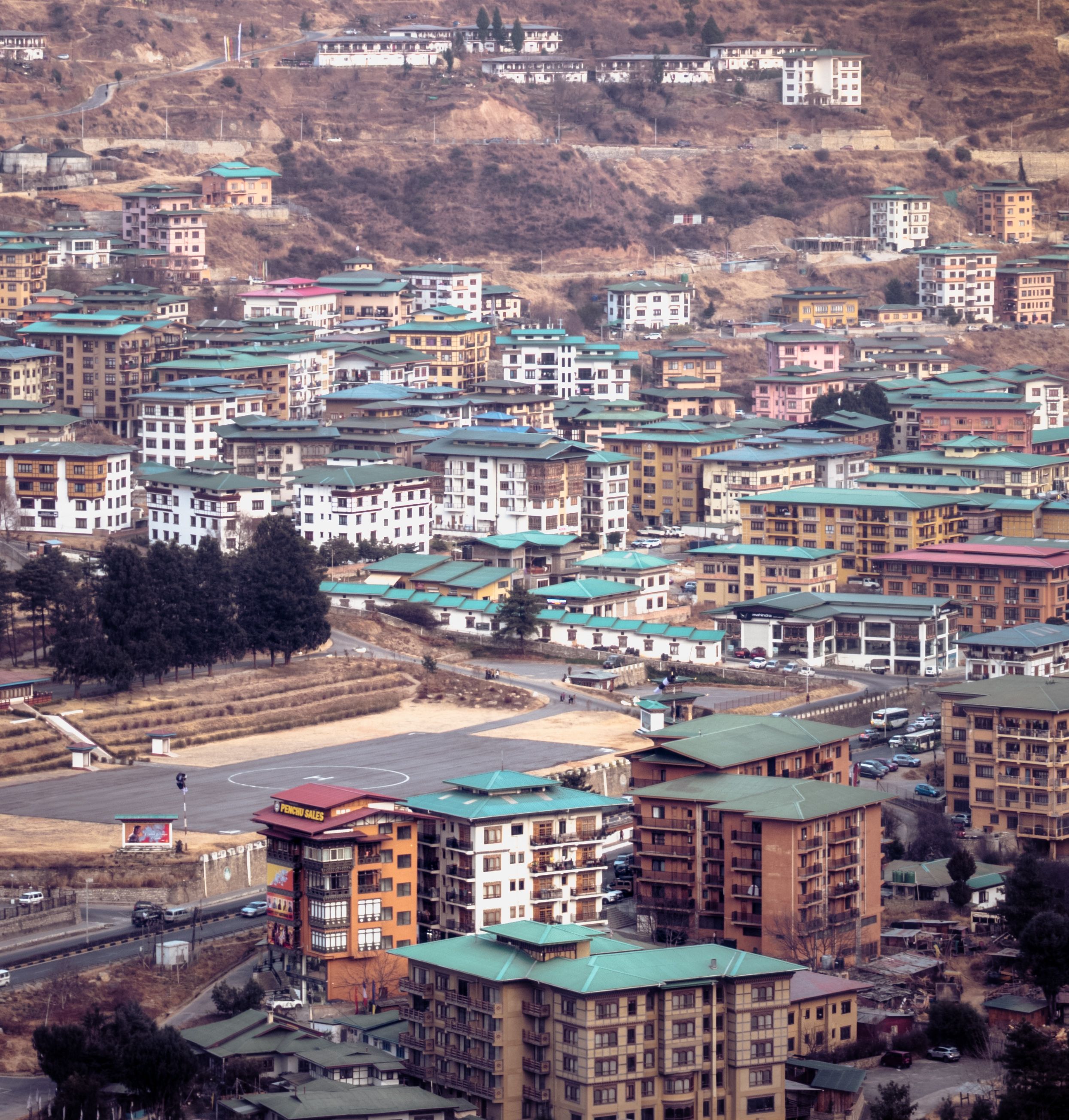
Thimphu is one of the only capitals in the world without a single traffic light, relying instead on a polite, hand-gesturing policeman at the main intersection. This reflects the city's overall vibe: measured, respectful, and deeply rooted in its Buddhist heritage. Nomads often find themselves drawn to the slow pace, fresh mountain air, and the city’s commitment to Gross National Happiness. Because it is a small, walkable city nestled in the Wang Chhu river valley, it offers a quiet refuge from the chaotic pace of other major Asian hubs.
While internet connectivity is sufficient for most remote tasks, it is worth consulting the Climate in Thimphu section before planning long stays to ensure you arrive during the most comfortable months. The local community is welcoming, though expatriates should be prepared for a lifestyle that prioritizes local customs over high-speed hustle. For a detailed breakdown of your expected monthly expenditure, refer to our Cost of living in Thimphu.

History
Thimphu’s history is inextricably linked to the consolidation of Bhutan as a unified nation under th…
Thimphu’s history is inextricably linked to the consolidation of Bhutan as a unified nation under the Zhabdrung Ngawang Namgyal in the 17th century. Originally a modest settlement, it gained importance as the administrative center and the site of the Tashichho Dzong, which has served as the seat of government for centuries.
Following the modernization efforts initiated by the Third King of Bhutan, Jigme Dorji Wangchuck, in the 1960s, Thimphu was officially established as the permanent capital in 1961. Since then, it has slowly transitioned from a small mountain town into a bustling center of education, governance, and culture, while strictly maintaining the aesthetic of traditional Bhutanese architecture.
1641
Founding of the DzongZhabdrung Ngawang Namgyal took control of the existing fortress, which eventually became the Tashichho Dzong.
1961
Establishment as CapitalThimphu was officially designated as the permanent capital city of Bhutan by King Jigme Dorji Wangchuck.
1971
UN MembershipBhutan joined the United Nations, signaling a new era of diplomatic engagement centered in Thimphu.
2008
Democratic TransitionThe first democratic elections were held, marking a historic shift toward a constitutional monarchy.
Where to Stay
Choose your base camp
Distinct neighbourhoods, different rhythms. Pick the one that fits your work-life balance.
Heart of the action
City Center (Norzin Lam)
This is the primary commercial hub where you will find shops, cafes, and easy access to public services. It is the most convenient place to stay if you want to be within walking distance of everything.
Residential and quiet
Motithang
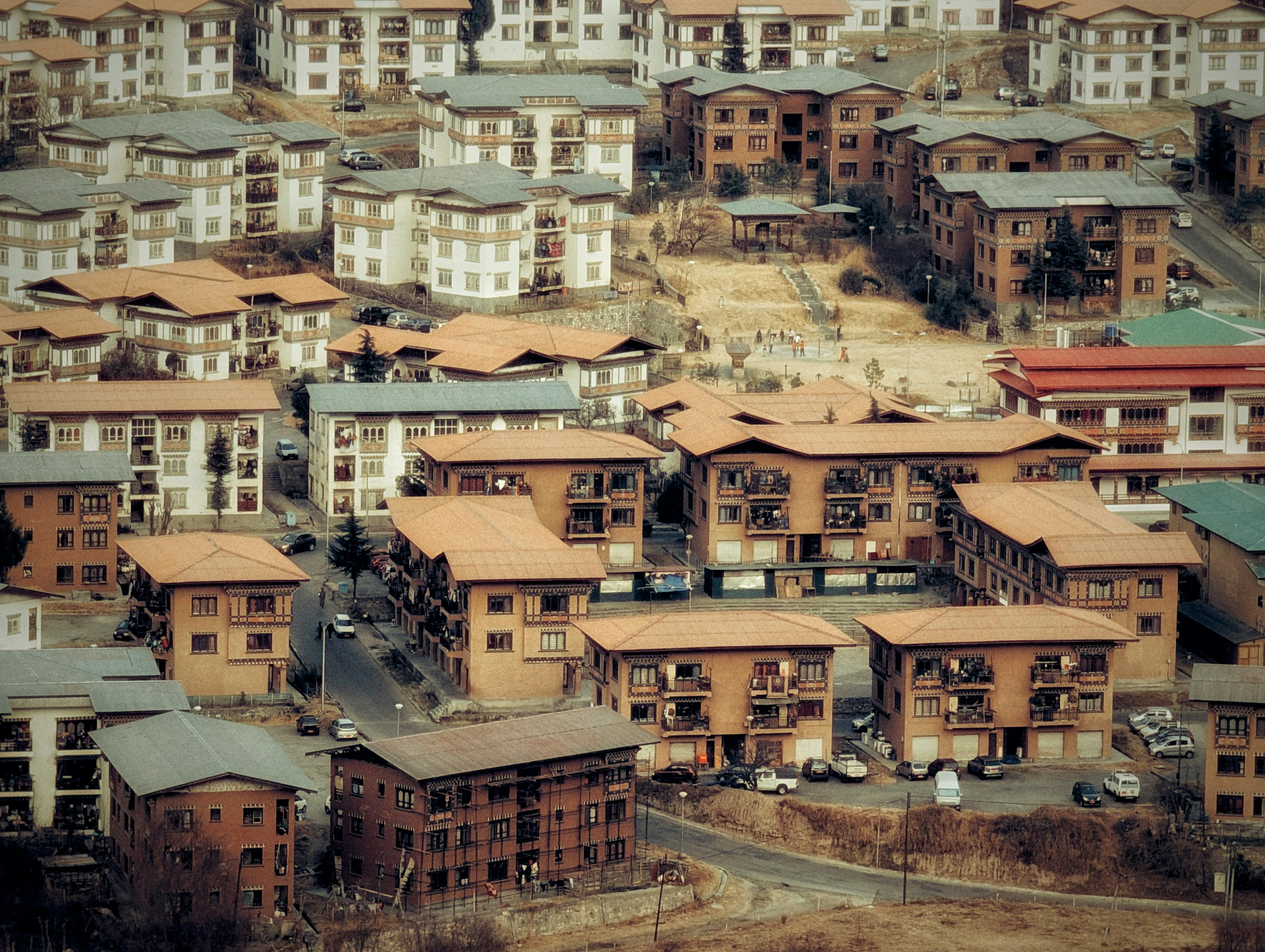
Located slightly further from the bustle, this residential area is lush and quiet. It is ideal for nomads who want a more peaceful environment and don't mind a short taxi ride to the center.
Places to Go
The experiences that will make you never leave
These aren't tourist checkboxes — they're the experiences that reset your sense of what's normal.
Top Pick
Tashichho Dzong
This massive fortress and monastery is the seat of the government and the summer residence of the monk body. It is a masterpiece of Bhutanese architecture, featuring white walls and intricate golden roofs. Visitors are allowed inside during specific hours, usually when the government offices are closed.
Wikipedia
Buddha Dordenma
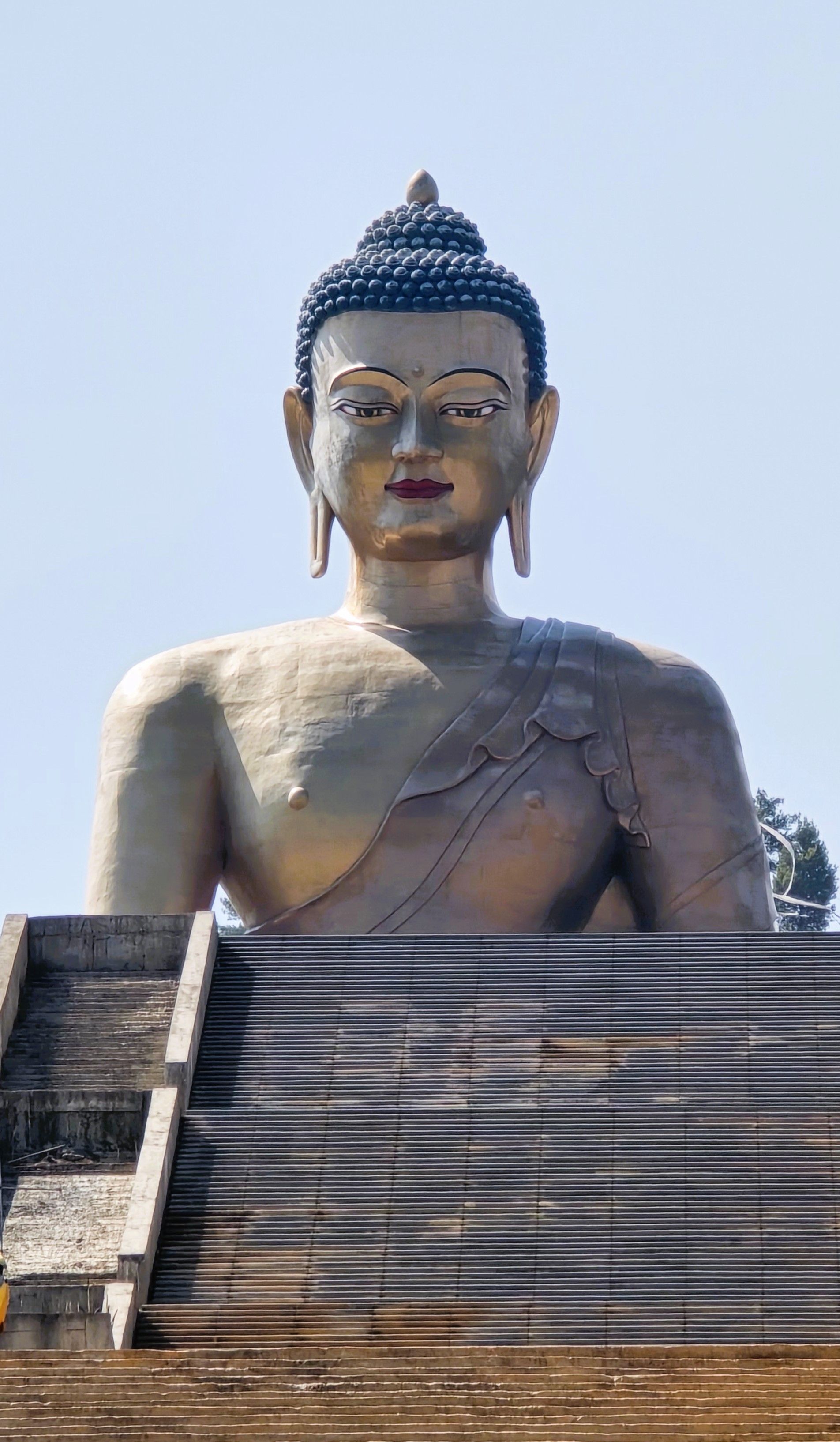
Perched on a hill overlooking the city, this massive Shakyamuni Buddha statue is one of the largest in the world. The surrounding park offers panoramic views of the entire Thimphu valley. It is a peaceful spot perfect for sunset walks.
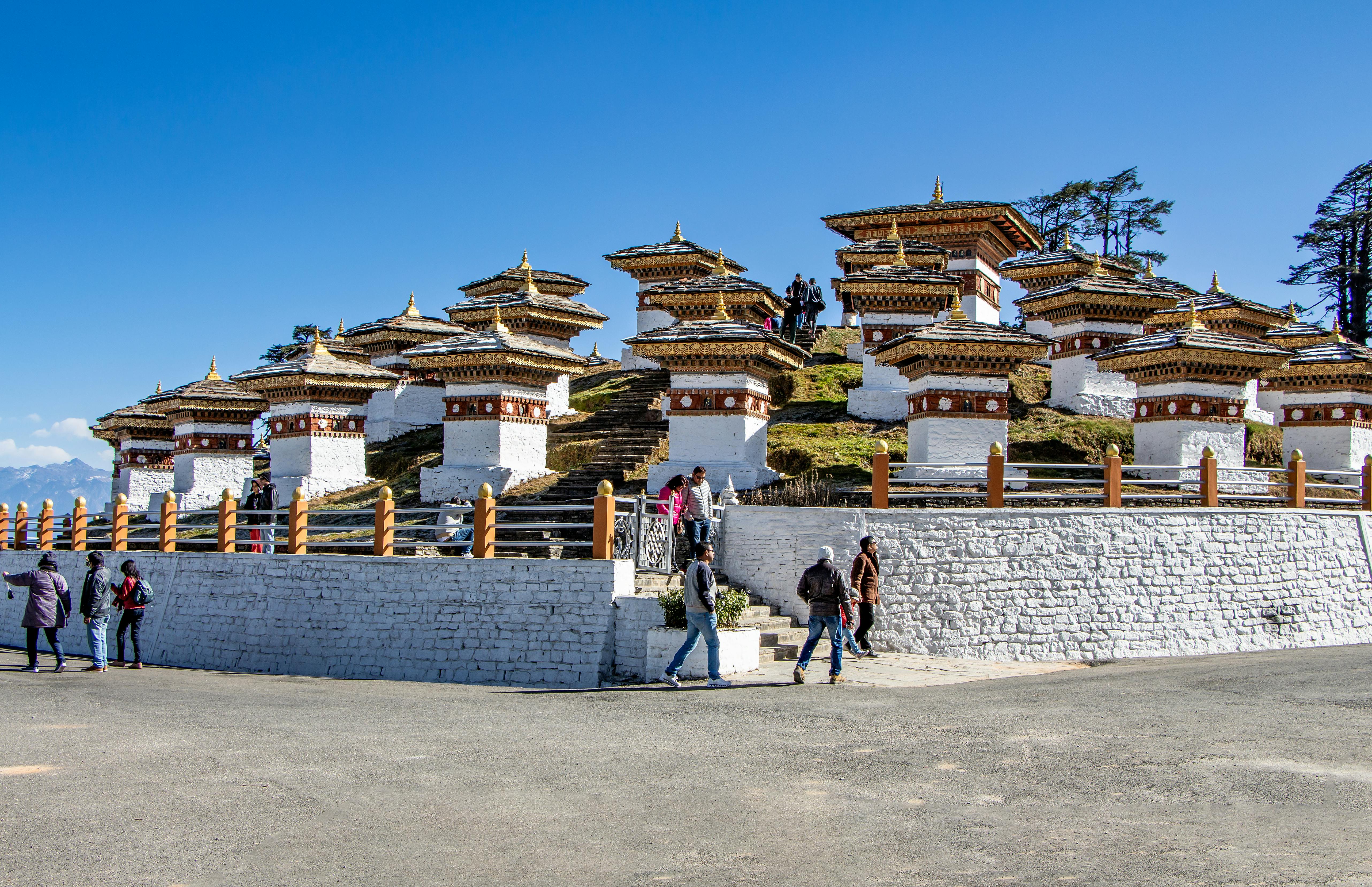
Official Tourism Site
National Memorial Chorten
This iconic stupa is one of the most visible religious landmarks in Thimphu, frequented by elderly locals circumambulating the structure. It was built in 1974 in memory of the Third King. It is a beautiful place to experience the daily spiritual life of the locals.

Work & Connectivity
Stay connected wherever you work
The nomad community here is real — cafés and coworking spaces where you can work and meet others.
Ambient Cafe
A popular spot for the local expat and digital nomad community, offering decent coffee and a quiet environment for getting work done.
Hotel Lobbies
Many high-end hotel lobbies in the center offer spacious seating, reliable Wi-Fi, and a professional atmosphere for afternoon work sessions.
Budget & Costs
What it costs to live in Thimphu
Choose your lifestyle tier. Comfortable = furnished accommodation, local + occasional Western food, transport, leisure.
$840
per month · USD · comfortable lifestyle
ModerateFurnished studio, local restaurants, transport, and weekend trips.
Exchange rates
Check xe.com or your bank for current USD to local currency.
Check xe.com or your bank for current USD to local currency.
🏠 Rent 35%$292/mo
🍽️ Food 26%$219/mo
🚌 Transport 9%$73/mo
💡 Utilities 9%$73/mo
🎭 Leisure 13%$110/mo
🏥 Health 9%$73/mo
Connectivity
Well connected to the world
Internet and transport options for remote workers.
📶
Internet
Good — fibre common
Check local providers.
🏢
Coworking
From ~$80/mo
Dedicated spaces available.
🚌
Local Transit
5 / 10
Scooter and taxi common.
PBH
Paro Airport
20 km from centre
dhakakathmandu
Safety & Visa
Safe, welcoming, and easy to enter
Safety Score6 / 10
✗ Tap Water✓ Night Safe📞 112 or local emergency number
Visa
Check your entry options
Many nationalities get visa-free or visa-on-arrival. Check official government sources for your citizenship before travel.
Culture & Festivals
Local soul, nomad-friendly
Multiculturalism5/10
Foodie Scene5/10
Remote work
Sep
Thimphu Tshechu
The biggest festival in the capital, featuring traditional masked dances, music, and a vibrant display of Bhutanese culture.
Thimphu is a unique destination that requires patience. Do not expect the frantic speed of Bangkok or Singapore. Instead, lean into the Bhutanese concept of 'slow travel' and allow yourself time to truly connect with the environment.
Food & Nightlife
A feast for every mood
From street food to cafés and nightlife — every meal is an event.
Local Specialty
Ema Datshi
You cannot visit Bhutan without trying Ema Datshi, a spicy dish made of chili peppers and cheese. It is served with almost every local meal and is a true cultural staple.

Cafe Culture
Thimphu Coffee Scene
The city has a growing cafe scene that serves international-style brews alongside traditional snacks. These spots are excellent for meeting fellow travelers.
Climate
Best months: Apr, May, Jun, Jul, Aug, Sep, Oct
Avg humidity65%
Avg AQI35
The best time to visit Thimphu is from May through October, when the valley is lush and the temperatures are ideal for outdoor exploration. These months offer clear skies that highlight the stunning architecture and mountain backdrops synonymous with the city.
While the winter months bring colder temperatures, they can be equally beautiful if you are prepared for frost and crisp, sunny days. There are no strictly prohibited months, but travelers should keep an eye on monsoon patterns during the mid-summer if they plan on hiking in the surrounding areas.
Monthly temperatures °C
BestAvoidShoulder
Practical Info
Everything you need to know
🏥
Healthcare
Medical facilities in Thimphu are functional for basic care, but travelers should ensure they have comprehensive travel insurance for serious emergencies. The main government hospital is the Jigme Dorji Wangchuck National Referral Hospital.
💱
Money
The local currency is the Bhutanese Ngultrum (BTN), which is pegged to the Indian Rupee. While some hotels accept cards, cash is essential for daily transactions at small shops and cafes.
🌐
Language & Etiquette
Dzongkha is the national language, but English is widely spoken in schools and businesses in Thimphu. Always ask permission before taking photos of local people or inside religious shrines.
Tips
Quick tips
- Always carry a bit of cash as ATMs can be unreliable.
- Respect the dress code when entering temples; cover shoulders and knees.
- Learn a few phrases in Dzongkha; locals will appreciate the effort.
- Walking is the best way to explore, but bring comfortable shoes for hilly terrain.
- Book your accommodation in advance during the festival season.
- Use a VPN to ensure you can access your home banking and streaming sites.
- Carry a reusable water bottle, but remember to filter or boil tap water.
Further Reading