Paro · Bhutan
Overview
Paro is not just a destination; it is a profound lesson in how to live with intention and peace.
Paro is defined by its deep spiritual roots, dramatic mountain vistas, and a pace of life that discourages rush and embraces mindfulness. For digital nomads seeking an escape from the frantic energy of global metropolises, the city provides a rare environment where deep work is balanced by profound cultural immersion. The atmosphere is quiet, respectful, and visually stunning, making it a dream for those who want to disconnect from noise and reconnect with their creative process.
Navigating life here requires adjusting to Bhutanese customs, which prioritize community and preservation of heritage. While it is not a typical hub with an abundance of western-style coworking spaces, the reliable internet makes it feasible for focused solo work. Ensure you account for seasonal shifts by checking the Climate details before your arrival, and manage your budget efficiently by reviewing the Cost of living in Paro.
History
Paro’s history is inextricably linked to the arrival of Buddhism in Bhutan in the 7th century.
Paro’s history is inextricably linked to the arrival of Buddhism in Bhutan in the 7th century. It served as a strategic valley for trade and defense, often acting as a gateway for travelers moving between the Tibetan plateau and the southern plains. The valley is home to some of the nation's oldest temples and most significant fortifications.
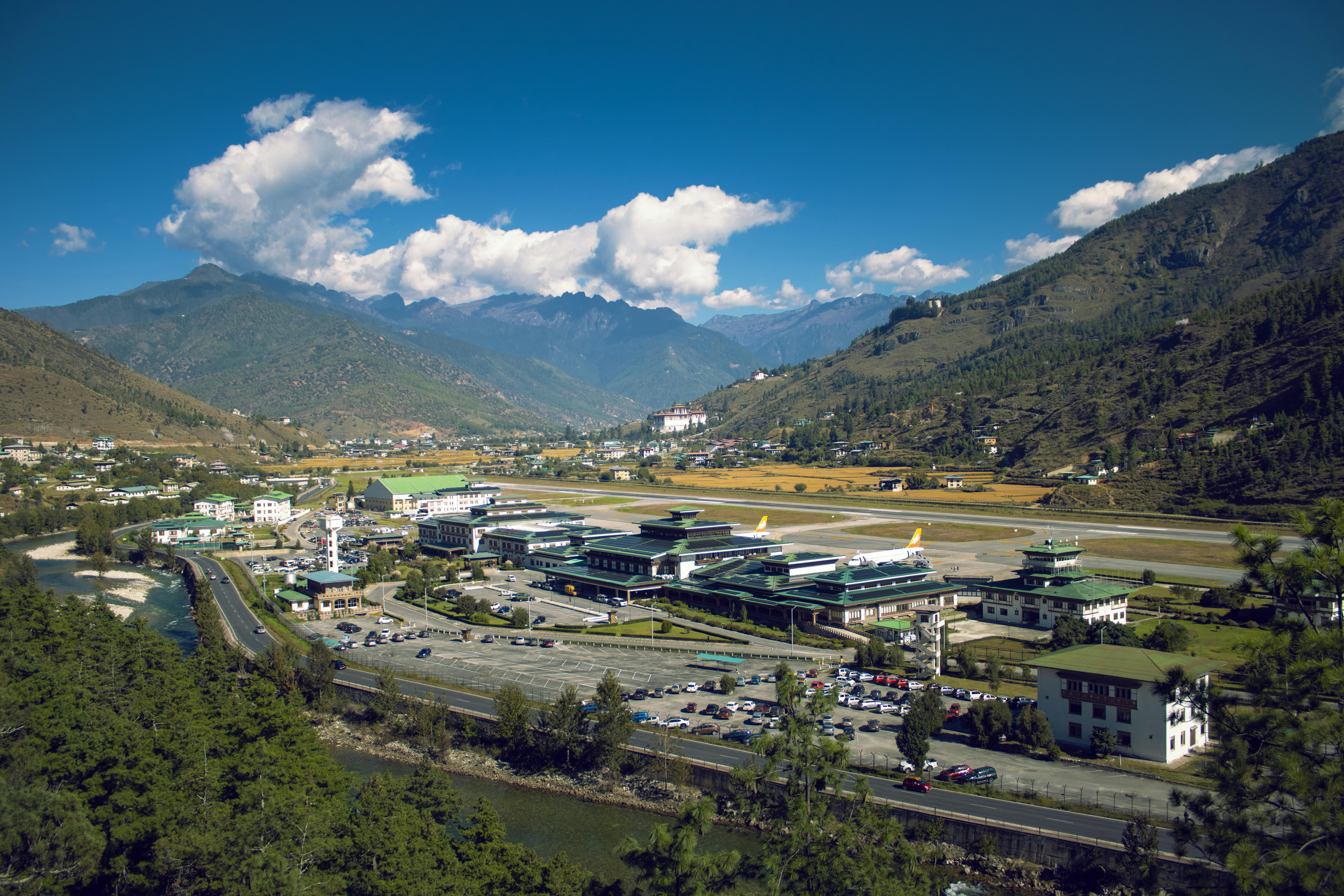
In modern times, Paro has evolved into the primary entry point for international visitors, largely due to its airport which is surrounded by high mountain peaks. Despite modernization, the valley remains strictly committed to preserving its traditional architecture, cultural identity, and environment, maintaining its status as a living museum of Himalayan tradition.
7th Century
Establishment of BuddhismTibetan King Songtsen Gampo established the Kyichu Lhakhang, one of the oldest and most sacred temples in Bhutan.
1646
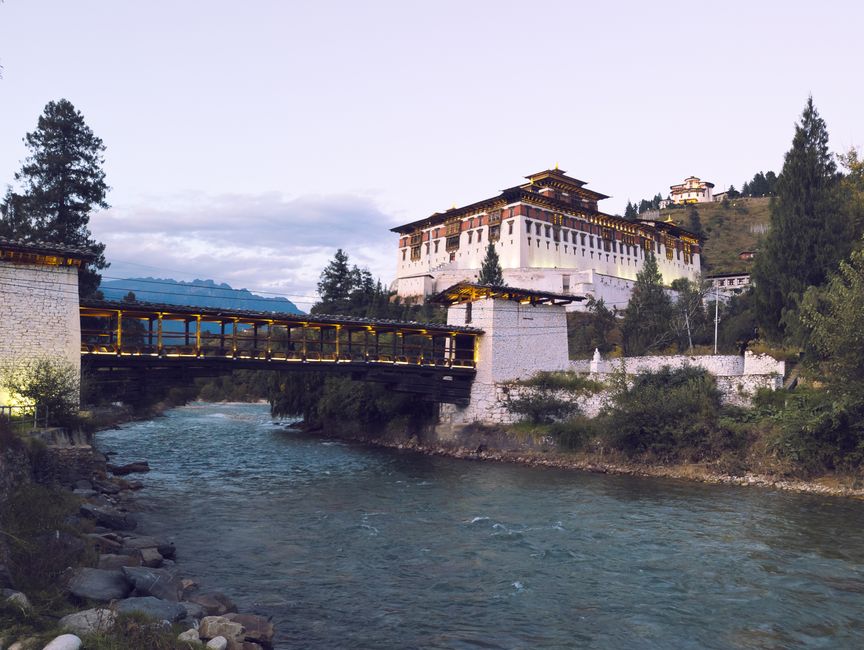
Construction of Paro DzongZhabdrung Ngawang Namgyal commissioned the construction of Rinpung Dzong to protect the valley from Tibetan invasions.
1968
ModernizationParo saw its first major road construction, connecting the valley to the capital, Thimphu.
1983
Opening of Paro AirportDrukair began operations, making Paro the only international gateway to the country and significantly shifting its tourism landscape.
Where to Stay
Choose your base camp
Distinct neighbourhoods, different rhythms. Pick the one that fits your work-life balance.
Convenience Hub
Paro Town Center
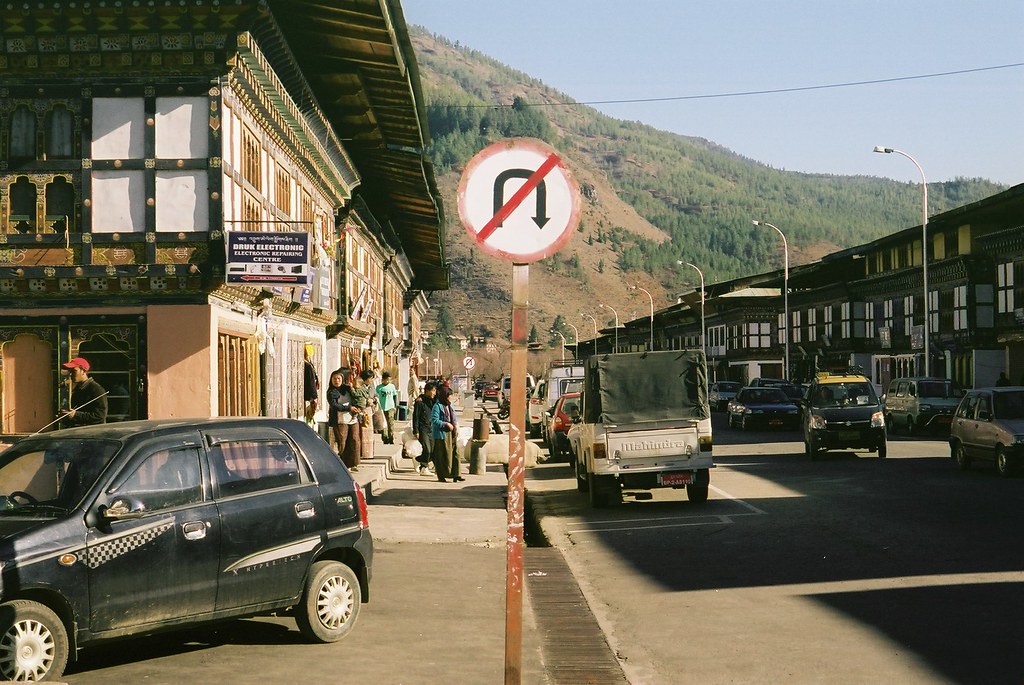
The heart of the valley, offering easy access to cafes, shops, and guesthouses. Ideal for those who prefer being close to amenities and local life.
Quiet Retreat
Bondey
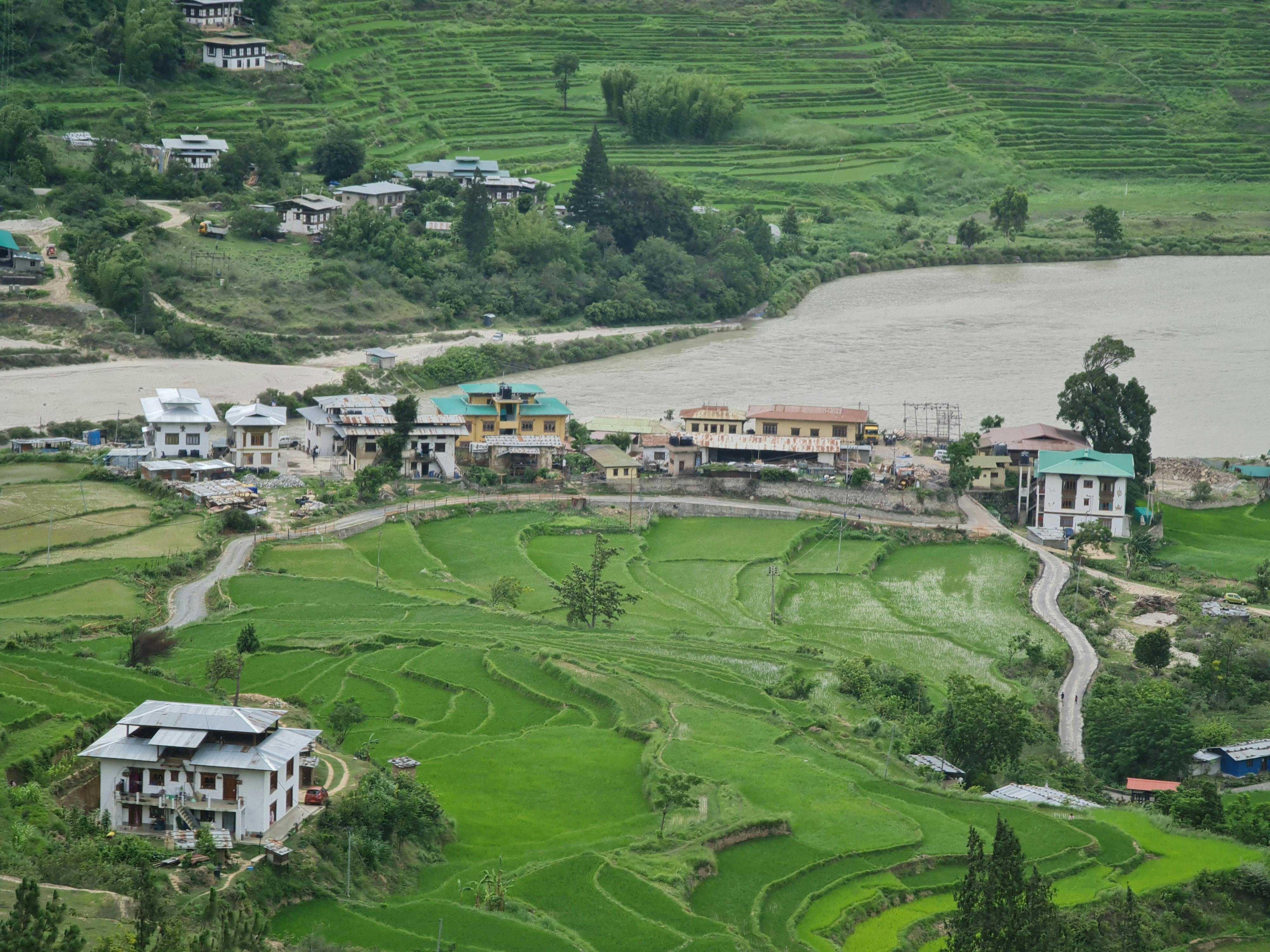
Located just outside the main town, this area offers a more rural feel with stunning views of the surrounding rice paddies. It is perfect for those seeking solitude.
Places to Go
The experiences that will make you never leave
These aren't tourist checkboxes — they're the experiences that reset your sense of what's normal.
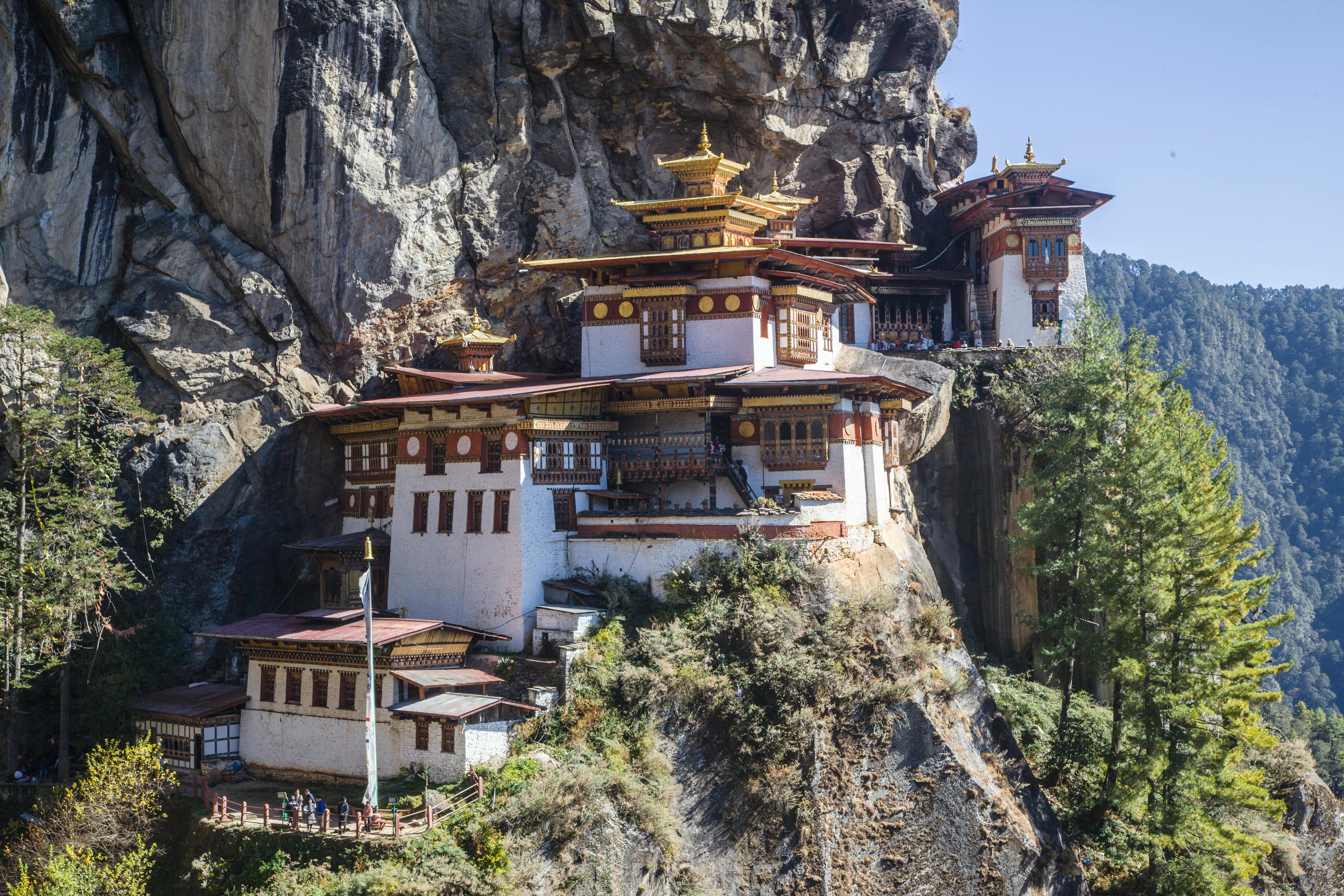
Top Pick
Taktsang (Tiger's Nest)
This iconic monastery clings to a cliffside 900 meters above the valley floor. It is the most famous site in Bhutan and requires a moderate hike to reach the viewpoints.
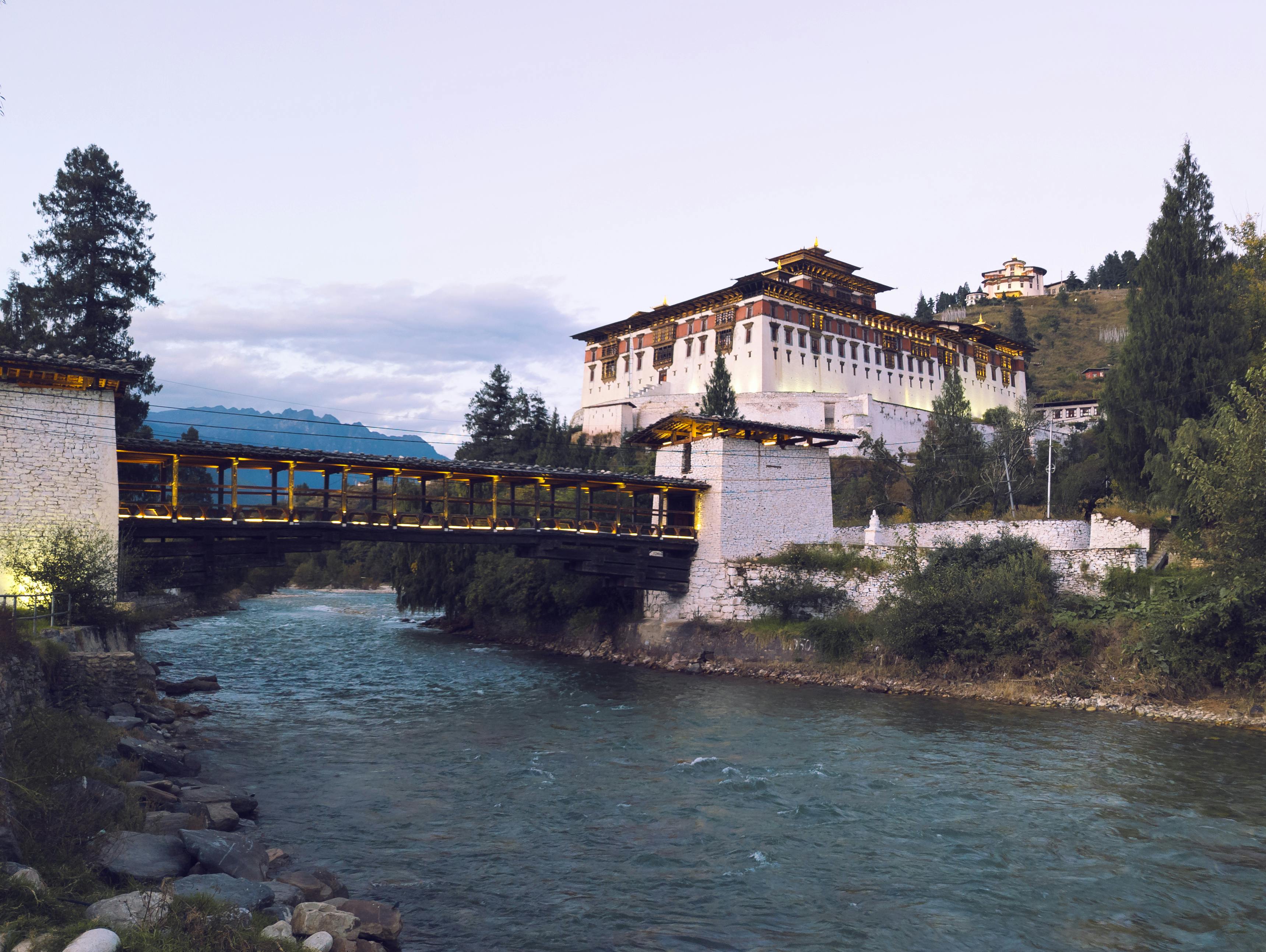
Wikipedia
Rinpung Dzong
This massive fortress and monastery is a masterpiece of Bhutanese architecture, featuring intricate wood carvings and massive stone walls. It currently houses government offices and a monastic body.
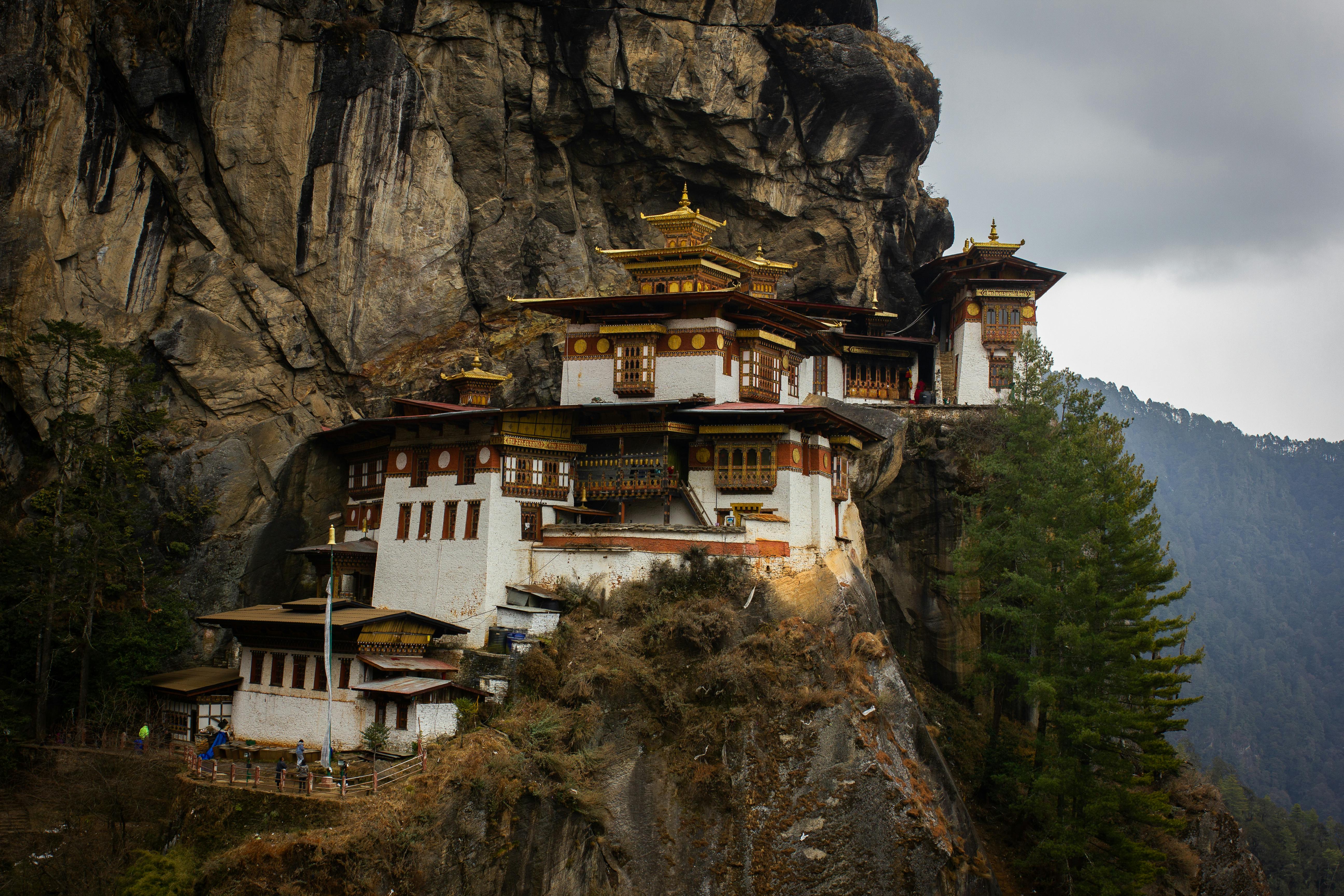
Wikipedia
Kyichu Lhakhang
As one of the oldest temples in the country, this site offers a peaceful atmosphere perfect for reflection. The orange trees in the courtyard are said to bear fruit year-round.

Work & Connectivity
Stay connected wherever you work
The nomad community here is real — cafés and coworking spaces where you can work and meet others.
Local Guesthouse Lounges
Many family-run guesthouses offer quiet, comfortable lounge areas that function well for deep work during the day. They provide a cozy, authentic atmosphere with access to stable Wi-Fi.
Café Culture
Several small cafes in the town center cater to travelers and offer basic internet access. They are great for a few hours of work while enjoying local Himalayan tea.
Budget & Costs
What it costs to live in Paro
Choose your lifestyle tier. Comfortable = furnished accommodation, local + occasional Western food, transport, leisure.
$876
per month · USD · comfortable lifestyle
ModerateFurnished studio, local restaurants, transport, and weekend trips.
Exchange rates
Check xe.com or your bank for current USD to local currency.
Check xe.com or your bank for current USD to local currency.
🏠 Rent 38%$329/mo
🍽️ Food 25%$219/mo
🚌 Transport 8%$73/mo
💡 Utilities 8%$73/mo
🎭 Leisure 13%$110/mo
🏥 Health 8%$73/mo
Connectivity
Well connected to the world
Internet and transport options for remote workers.
📶
Internet
Good — fibre common
Check local providers.
🏢
Coworking
From ~$80/mo
Dedicated spaces available.
🚌
Local Transit
5 / 10
Scooter and taxi common.
20 km from centre
Safety & Visa
Safe, welcoming, and easy to enter
Safety Score6 / 10
✗ Tap Water✓ Night Safe📞 112 or local emergency number
Visa
Check your entry options
Many nationalities get visa-free or visa-on-arrival. Check official government sources for your citizenship before travel.
Culture & Festivals
Local soul, nomad-friendly
Multiculturalism5/10
Foodie Scene5/10
Remote work
Mar
Paro Tshechu
A vibrant religious festival featuring masked dances and traditional music, drawing locals and tourists alike to the courtyard of the Rinpung Dzong.
For those interested in slow living, consider a week-long homestay in a traditional farm house to truly understand the Bhutanese way of life.
Food & Nightlife
A feast for every mood
From street food to cafés and nightlife — every meal is an event.
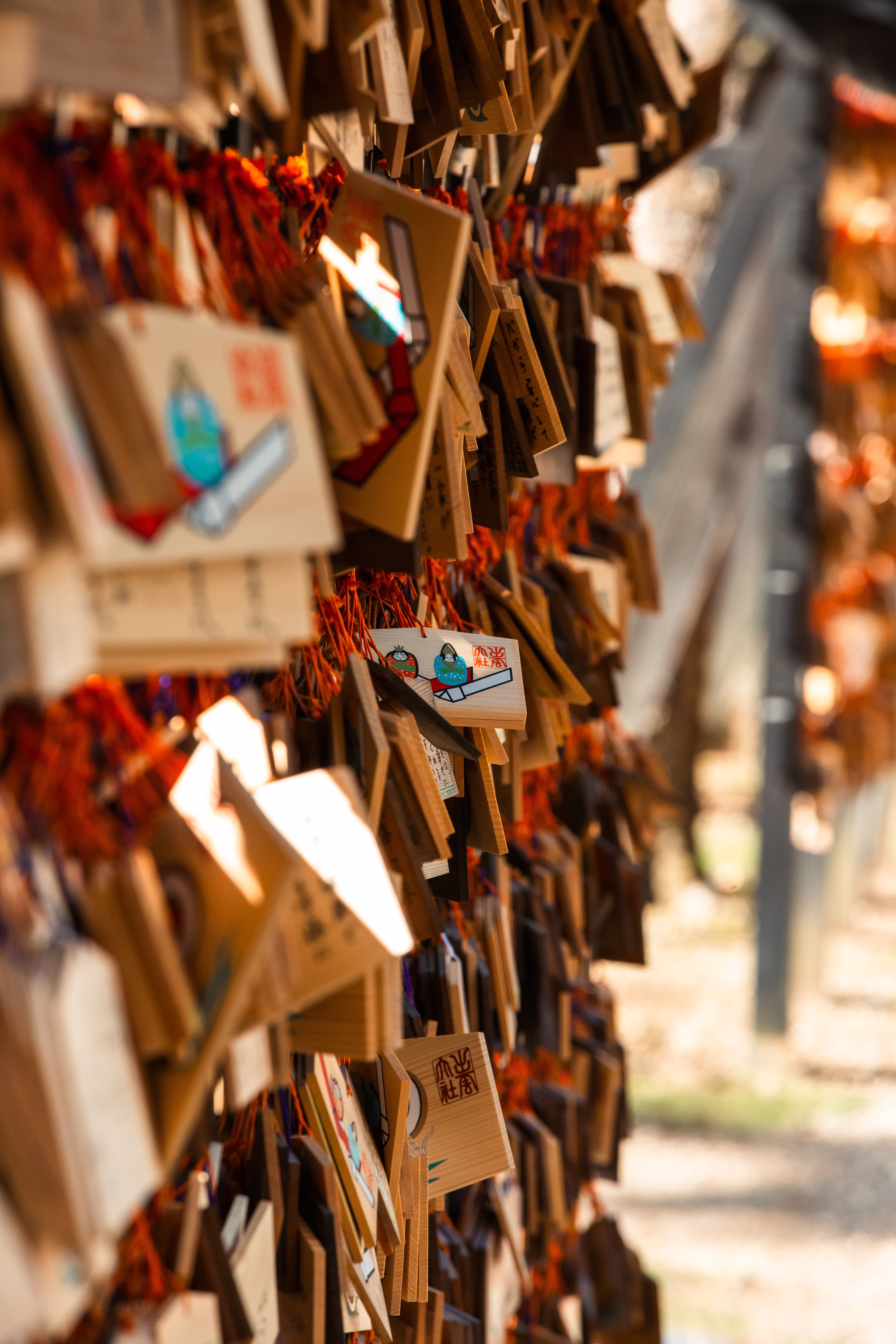
National Dish
Ema Datshi
A fiery and delicious mix of chili peppers and cheese that is the staple of every Bhutanese meal. You will find it in almost every local restaurant in Paro.
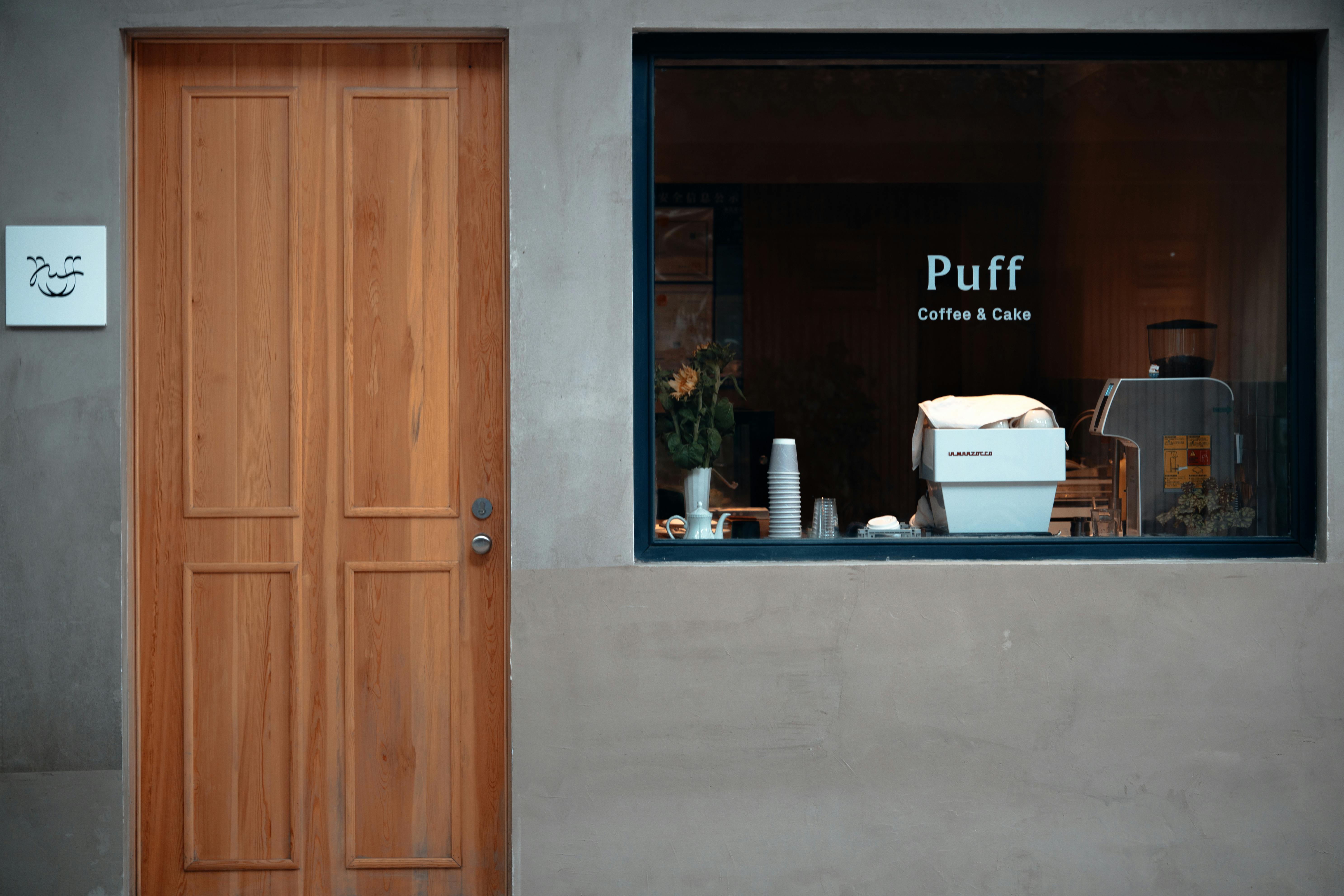
Café Life
Mountain View Cafes
Several spots offer coffee and light snacks with sweeping views of the mountains. These are perfect places to catch up on emails while watching the clouds shift over the valley.
Climate
Best months: May, Jun, Jul, Aug, Sep, Oct
Avg humidity65%
Avg AQI35
The best time to visit Paro for optimal weather and clear views is during the warmer months, specifically from May through October. During this time, the valleys are lush, and the skies are generally favorable for trekking or working with a mountain backdrop.
While the winter months can be quite cold, they offer a different kind of quietude for those who enjoy solitude. Bhutan’s climate varies significantly with altitude, so even in the warmer months, packing layers is essential to manage the temperature fluctuations between day and night.
Monthly temperatures °C
BestAvoidShoulder
Practical Info
Everything you need to know
🏥
Healthcare
Paro has access to basic medical services, including a district hospital. For major emergencies, travelers are often transported to Thimphu, so ensure you have comprehensive travel insurance.
💱
Money
The local currency is the Ngultrum. While cash is widely used in small shops and markets, some hotels accept international credit cards. Always keep enough cash for daily needs.
🌐
Language & Etiquette
Dzongkha is the national language, though English is commonly spoken in shops and tourism sectors. Remember that Bhutanese society is deeply respectful, and traditional clothing is often worn in official settings.
Tips
Quick tips
- Always pack a warm jacket, as mountain temperatures drop quickly in the evening.
- Respect local custom by removing your shoes before entering temples or private homes.
- Try the local butter tea for a truly authentic Himalayan experience.
- Book your accommodation in advance during the peak festival season.
- Download offline maps to navigate the valley trails with ease.
- Carry a reusable water bottle, though avoid drinking tap water directly.
Further Reading