Guayaquil · Ecuador
Overview
Guayaquil is the pulse of Ecuador; it is where the business happens, the music plays the loudest, and the seafood is unparalleled.
As the country’s main port, Guayaquil serves as a gateway to the Galapagos Islands and surrounding beaches, yet it possesses a unique personality all its own. The city has undergone massive urban revitalization, most notably along the riverfront, creating a dynamic environment where modern skyscrapers meet historic colonial architecture. Nomads often choose Guayaquil for its accessibility and lower Cost of living compared to international hubs.
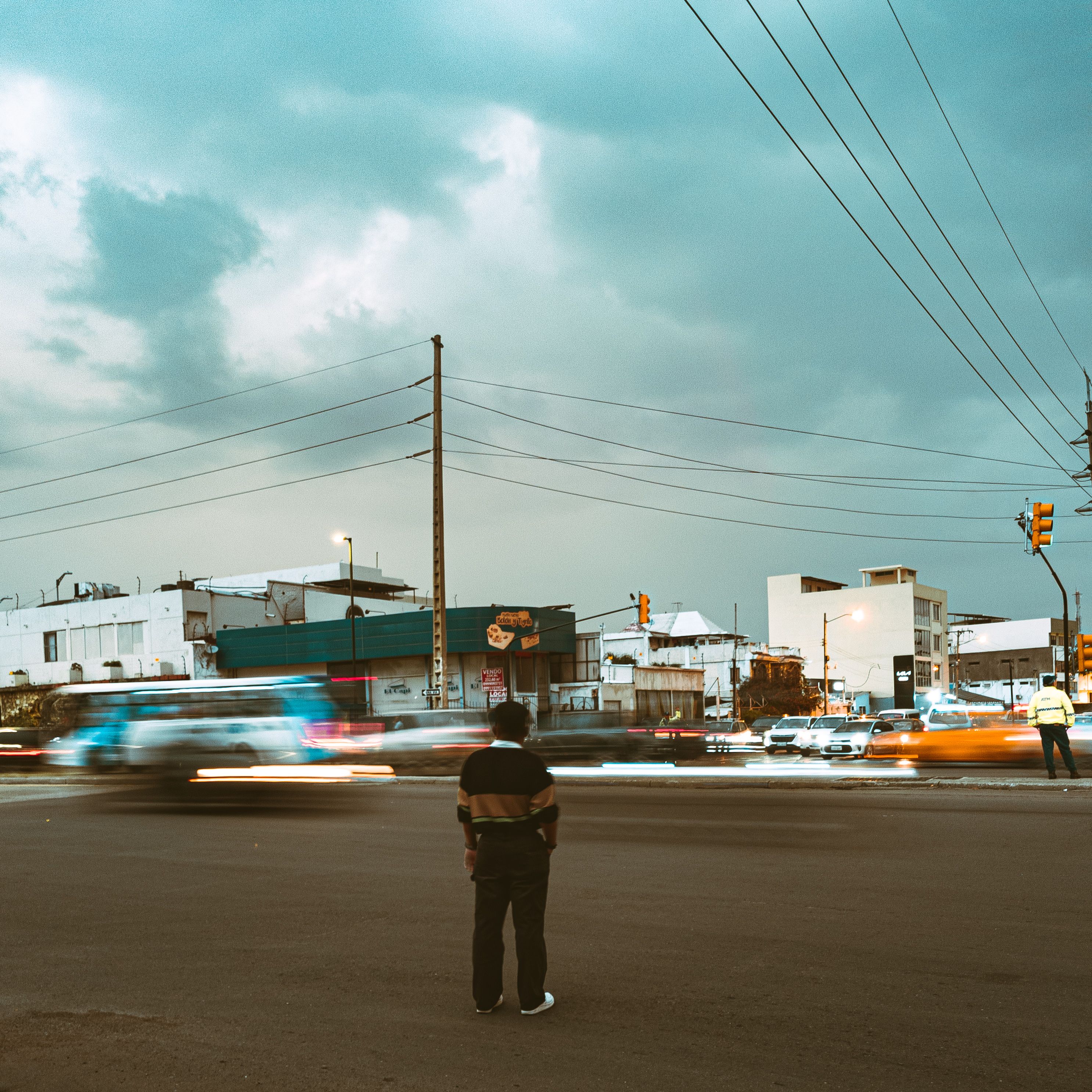
The vibe here is fast-paced and undeniably gritty. While it lacks the high-altitude serenity of Quito, it compensates with warmth and a bustling social scene. The Climate remains consistently tropical, fueling an active outdoor lifestyle throughout the year, especially along the revitalized Malecón 2000.
History
Founded in 1538 by Francisco de Orellana, Guayaquil has historically served as a critical shipbuildi…
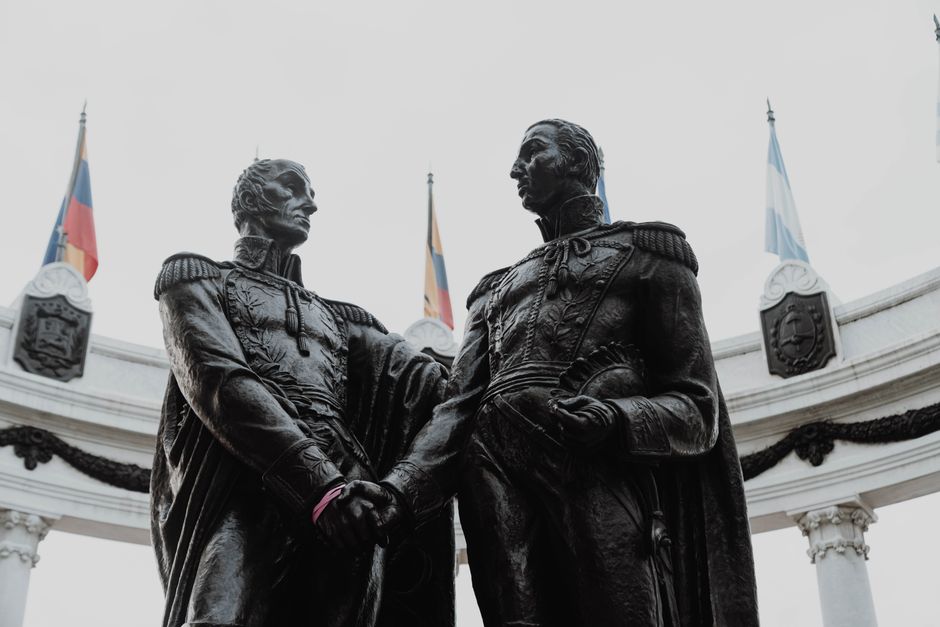
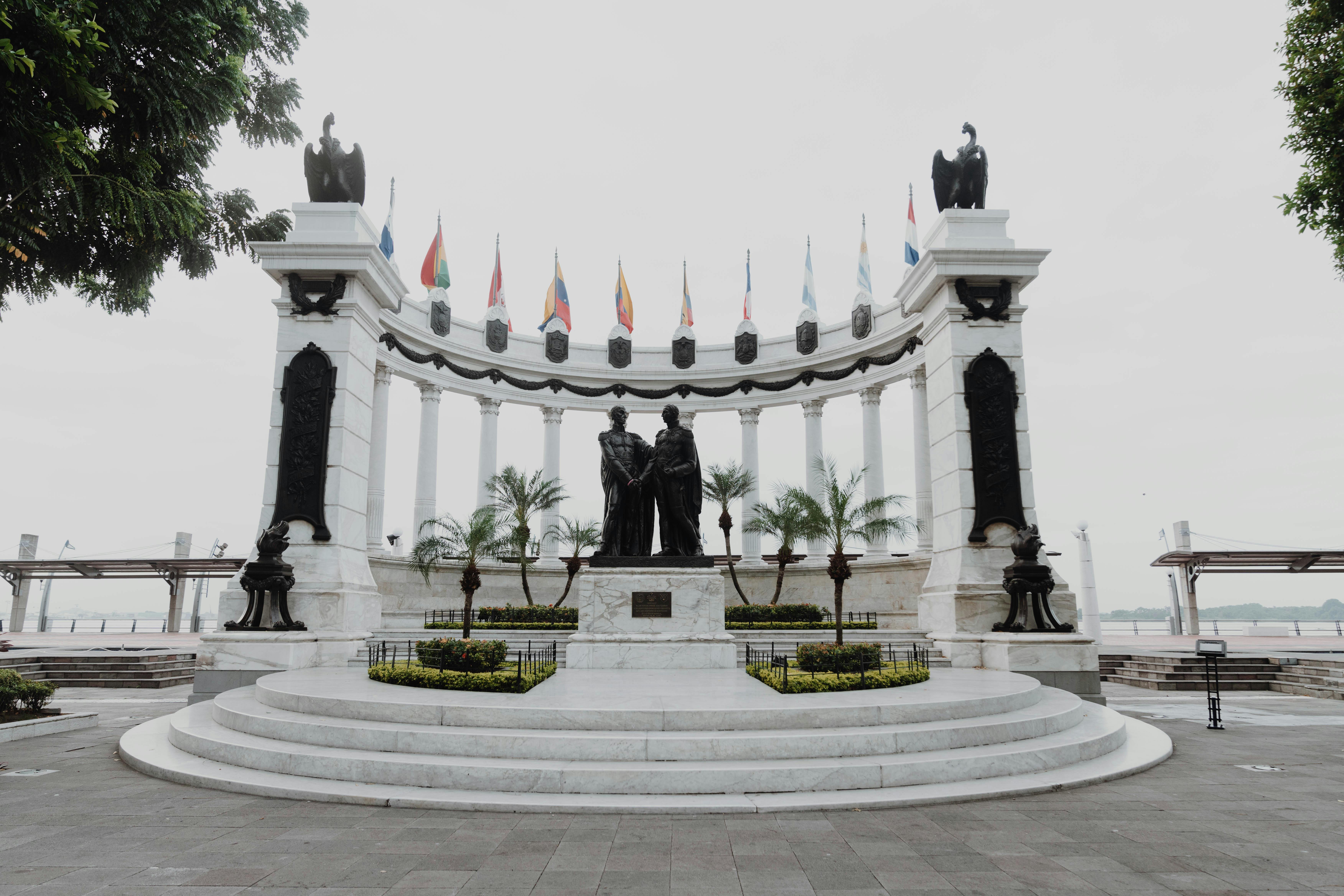
Founded in 1538 by Francisco de Orellana, Guayaquil has historically served as a critical shipbuilding and trade center in the Spanish Empire. Its location on the Guayas River gave it strategic importance, though this also made it a frequent target for pirate raids during the 17th and 18th centuries. The city played a pivotal role in Ecuador's journey to independence, hosting the historic 1822 meeting between Simón Bolívar and José de San Martín.
Throughout the 20th century, Guayaquil solidified its position as the financial heart of Ecuador. Despite facing challenges like devastating fires and economic volatility, the city transformed itself in the early 2000s through the 'Malecón 2000' project, which reclaimed the riverfront for public use and turned a neglected industrial port into the modern cultural center it is today.
1538
Official FoundationFrancisco de Orellana permanently established the city after earlier attempts by other conquistadors.
1687
Pirate RaidThe city suffered a major attack by English and French pirates, highlighting its vulnerability as a port.
1822
Guayaquil ConferenceSimón Bolívar and José de San Martín met to discuss the liberation of Peru, a landmark moment in South American history.
1999
Malecón 2000 ProjectThe city began a massive urban regeneration project that redefined the riverside and modern city identity.
Where to Stay
Choose your base camp
Distinct neighbourhoods, different rhythms. Pick the one that fits your work-life balance.
Budget Favourite
Urdesa
A residential neighborhood popular with locals and expats, filled with trendy cafes, restaurants, and nightlife. It offers a more relaxed, authentic vibe than the city center.
Digital Nomad Hub
Kennedy Norte
Known for its proximity to business centers, it is ideal for those needing easy access to offices. You will find many apartments here that cater to mid-range budgets.

Luxury Living
Samborondón
An affluent area located across the river, known for high-end gated communities and shopping malls. Ideal for travelers seeking a modern, quiet, and secure environment.
Places to Go
The experiences that will make you never leave
These aren't tourist checkboxes — they're the experiences that reset your sense of what's normal.
Top Pick
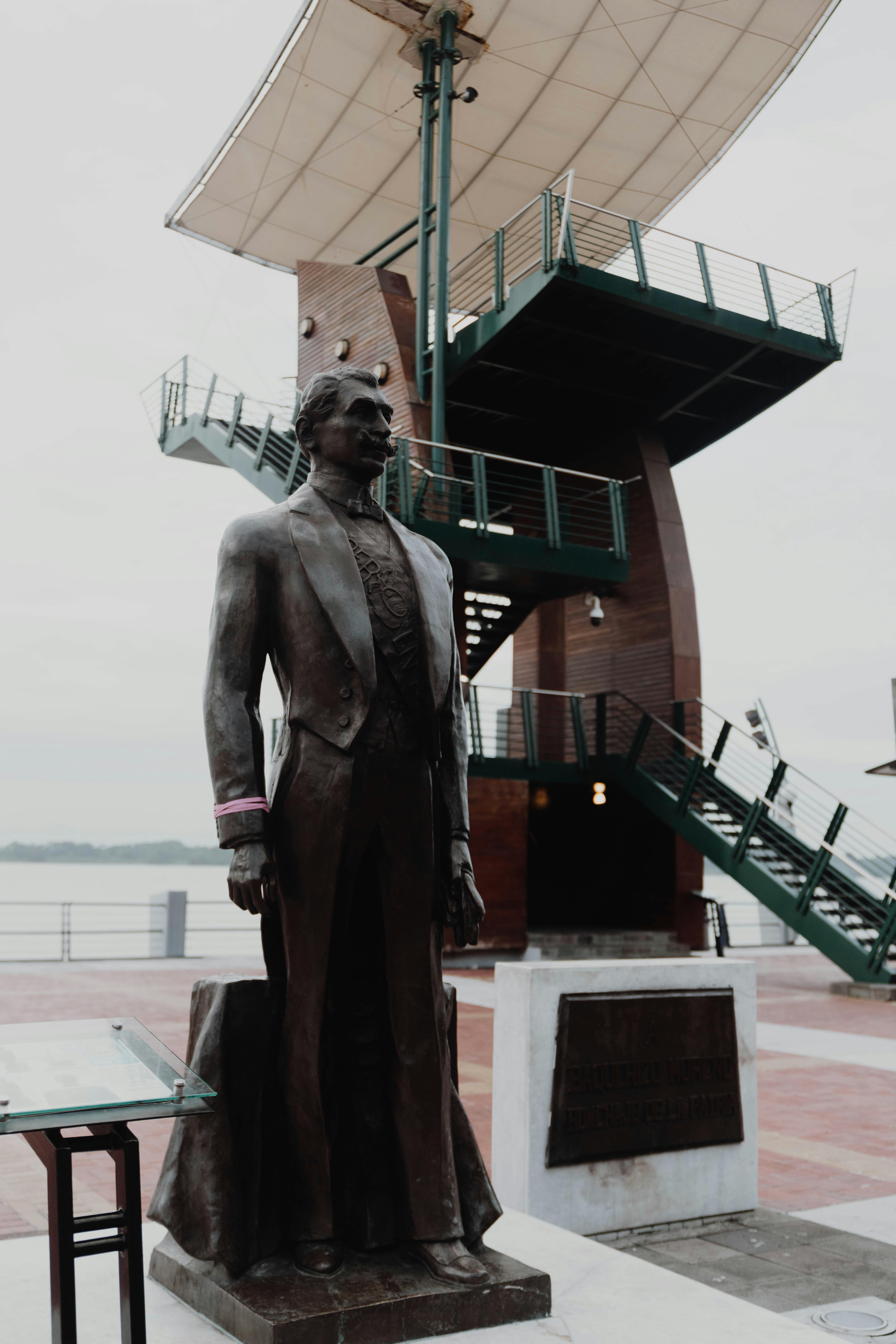
Malecón 2000
A 2.5-kilometer boardwalk along the Guayas River that features gardens, monuments, and shops. It is the social heart of the city and perfect for a sunset walk.
Wikipedia
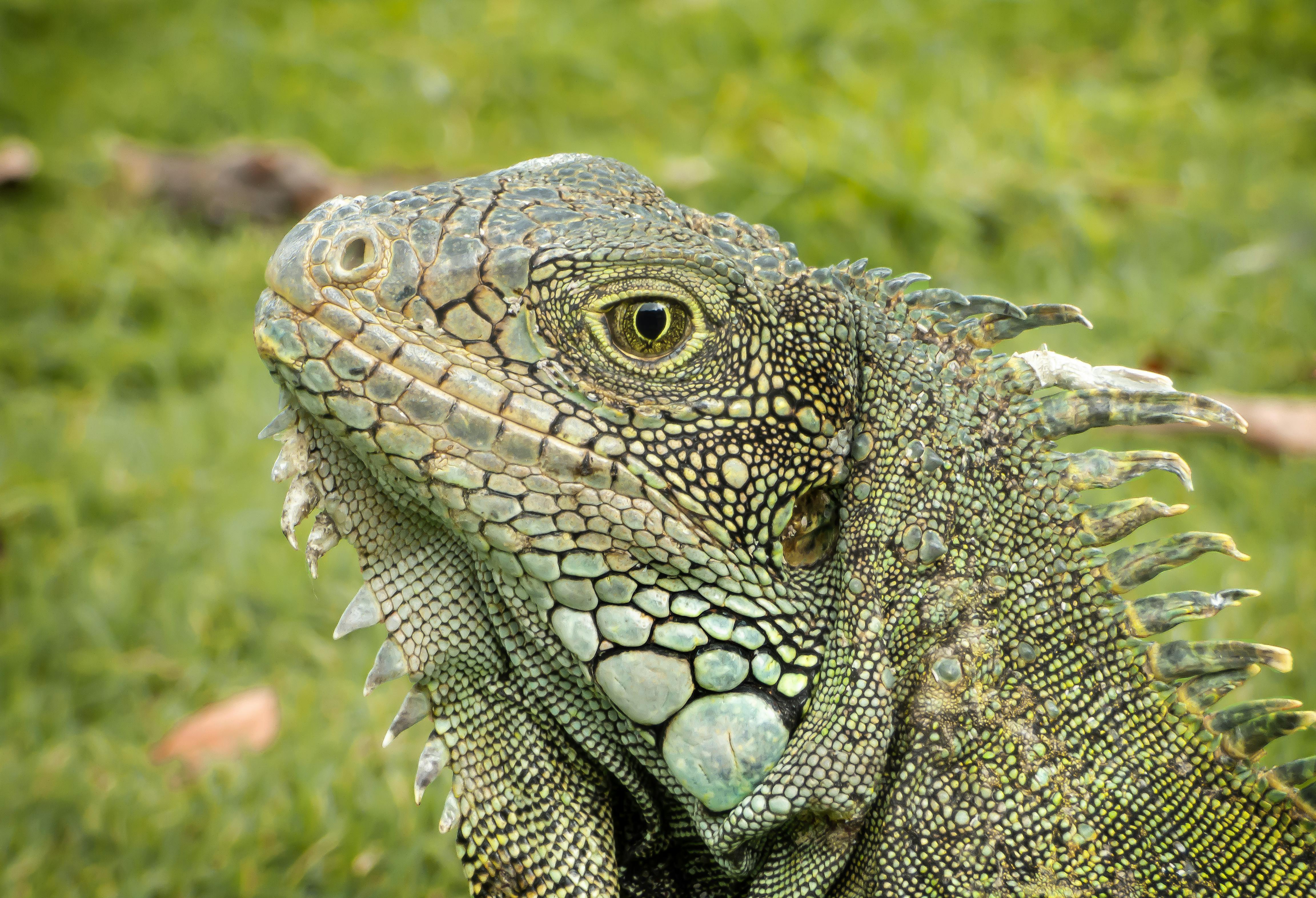
Parque Seminario
Known as the Iguana Park, this central square is famous for the large, harmless land iguanas that roam freely among the statues and benches. It provides a unique, surreal photo opportunity in the middle of downtown.
YouTube
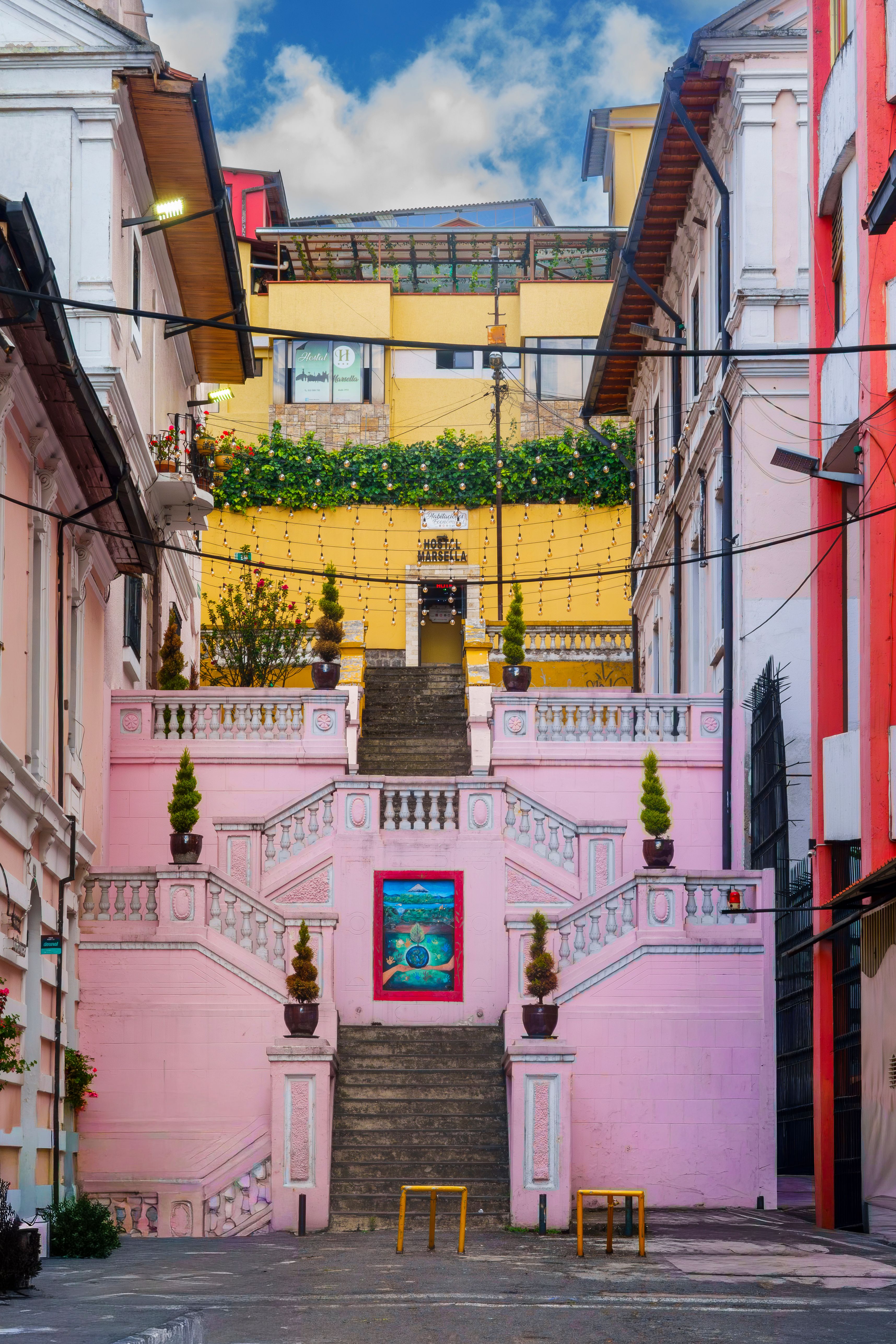
Las Peñas Neighborhood
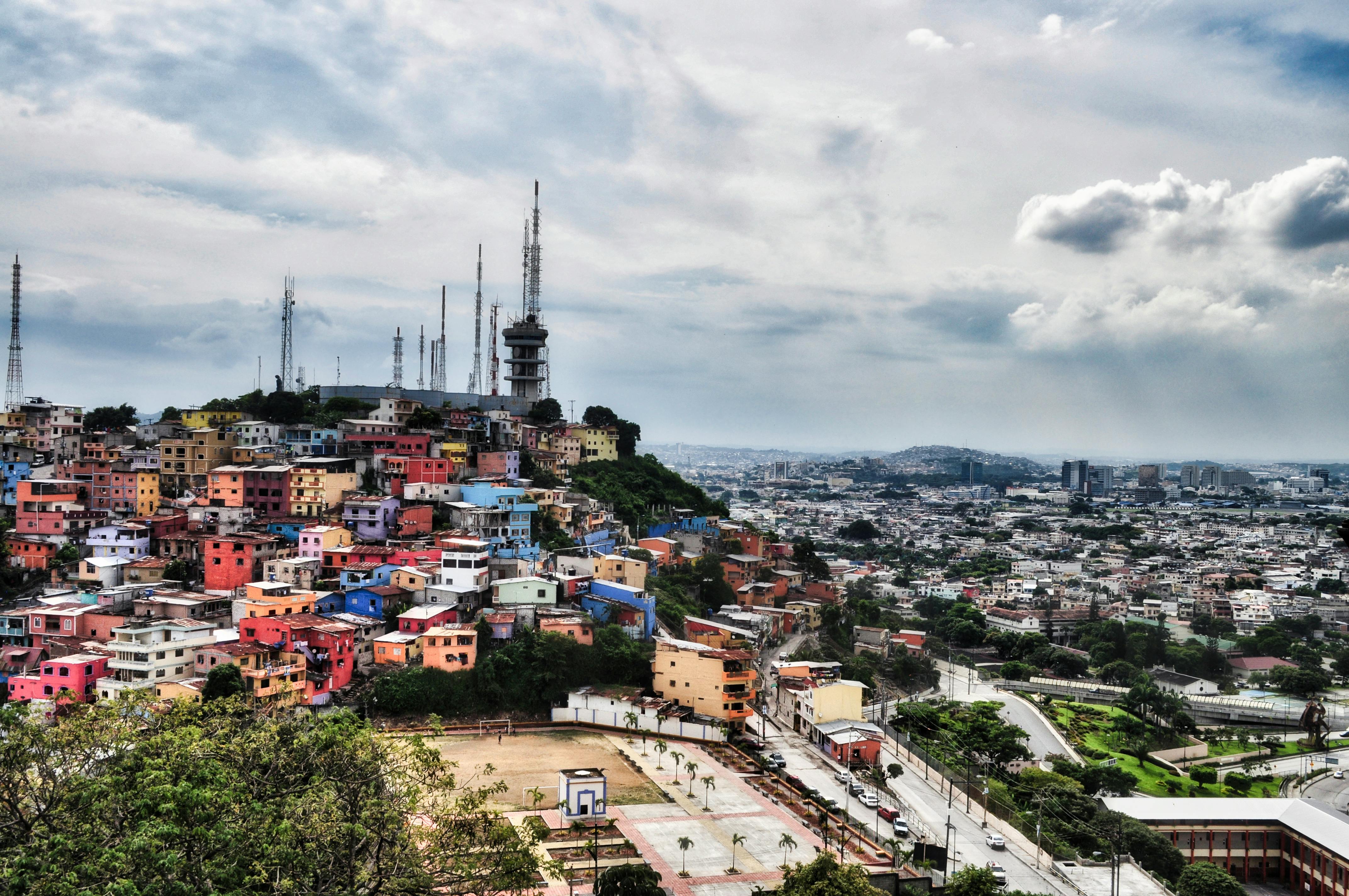
The oldest neighborhood in the city, characterized by colorful, restored colonial houses clinging to the hillside. The cobblestone streets lead you up to the lighthouse and offer excellent views over the city.
Work & Connectivity
Stay connected wherever you work
The nomad community here is real — cafés and coworking spaces where you can work and meet others.
Impact Hub Guayaquil
A premier destination for the local tech and creative community, providing a professional environment, networking events, and reliable high-speed internet.
Coffee Shops in Urdesa
The Urdesa neighborhood is packed with small, independent cafes that offer a more casual, social work atmosphere with excellent local coffee.
Budget & Costs
What it costs to live in Guayaquil
Choose your lifestyle tier. Comfortable = furnished accommodation, local + occasional Western food, transport, leisure.
$730
per month · USD · comfortable lifestyle
ModerateFurnished studio, local restaurants, transport, and weekend trips.
Exchange rates
Check xe.com or your bank for current USD to local currency.
Check xe.com or your bank for current USD to local currency.
🏠 Rent 45%$329/mo
🍽️ Food 25%$183/mo
🚌 Transport 5%$37/mo
💡 Utilities 7%$51/mo
🎭 Leisure 12%$88/mo
🏥 Health 6%$44/mo
Connectivity
Well connected to the world
Internet and transport options for remote workers.
📶
Internet
Good — fibre common
Check local providers.
🏢
Coworking
From ~$80/mo
Dedicated spaces available.
🚌
Local Transit
5 / 10
Metrovia BRT; Malecón 2000 waterfront walkable
GYE
José Joaquín de Olmedo International
5 km from centre
amsterdambogotabuenosairescalicuencalimamadridmiami
Safety & Visa
Safe, welcoming, and easy to enter
Safety Score4 / 10
✗ Tap Water📞 911
Visa
Check your entry options
Many nationalities get visa-free or visa-on-arrival. Check official government sources for your citizenship before travel.
Culture & Festivals
Local soul, nomad-friendly
Multiculturalism5/10
Foodie Scene6/10
☀️ Tropical🌊 Coast🌡️ Stable Temps🏖️ Coastal🏞️ Diverse Landscapes💃 Vibrant Culture💚 Budget Friendly🗣️ Spanish/Portuguese😎 Great Weather🚢 Port
Oct
Festival de Octubre
A vibrant celebration of the city's independence marked by parades, fireworks, and massive public concerts.
Aug
Ceviche & Seafood Trail
A time when local coastal cuisine is celebrated, with many restaurants participating in food trails along the river.
Guayaquil is also a fantastic base for weekend trips. Whether you are heading to the Pacific beaches like Montañita or venturing into the nearby cocoa plantations, the city is perfectly positioned for exploring the Ecuadorian coast.
Food & Nightlife
A feast for every mood
From street food to cafés and nightlife — every meal is an event.

Street Food
Encebollado
This iconic fish soup is the ultimate Guayaquil comfort food, typically enjoyed for breakfast or lunch. Don't leave without trying a bowl at a local picantería.
Dining Scene
Malecón Restaurants
Choose from a variety of upscale seafood restaurants overlooking the river. It is the perfect spot for a long, slow dinner while watching the lights across the water.
Climate
Best months: Apr, May, Jun, Jul, Aug, Sep, Oct
Avg humidity78%
Avg AQI55
The best time to visit is during the dry season, which stretches from April through October. During these months, the humidity is more manageable, and the cooler, breezy weather makes it perfect for walking the city's parks and hilly districts. These months are ideal for sightseeing and outdoor activities.
While the city is warm year-round, you might want to prepare for the rainy season starting in late October and peaking through March. Regardless of when you visit, try to align your trip with the October Independence celebrations for a true taste of the local spirit.
Monthly temperatures °C
BestAvoidShoulder
Practical Info
Everything you need to know
🏥
Healthcare
Private healthcare is available and generally of a high standard. Ensure you have comprehensive travel insurance, as medical care for tourists can be costly if paid out-of-pocket.
💱
Money
Ecuador uses the US Dollar, which simplifies budgeting for many international travelers. Credit cards are accepted in major venues, but carrying small amounts of cash is necessary for local markets.
🌐
Internet
Fiber optic internet is common throughout the city. While public Wi-Fi exists, it is best to rely on a local SIM card with a data plan or a portable hotspot for secure work.
Tips
Quick tips
- Always use authorized ride-sharing apps like Uber at night.
- Learn basic Spanish phrases to navigate local markets more effectively.
- Drink bottled water instead of tap water to avoid stomach issues.
- Carry a portable power bank for long days of exploring.
- Visit the Santa Ana Lighthouse early in the morning to beat the tropical heat.
- Stay in central or well-known neighborhoods for better security.
- Check for local events on social media before booking your weekend activities.
Further Reading