Manila · Philippines
Overview
Manila is the city that never stops moving; once you embrace the rhythm of its streets, you realize that its beauty lies in its relentless, infectious energy.
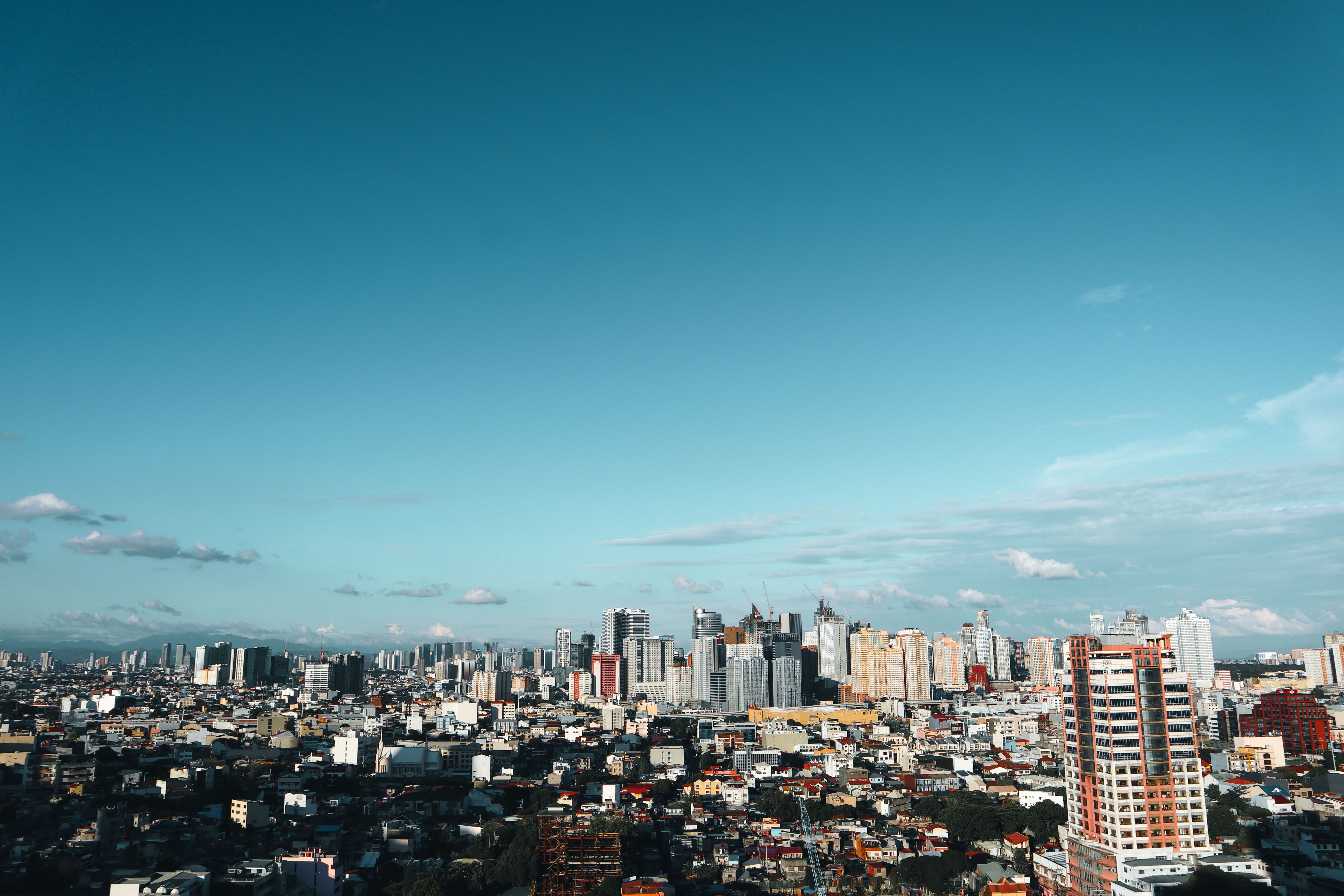
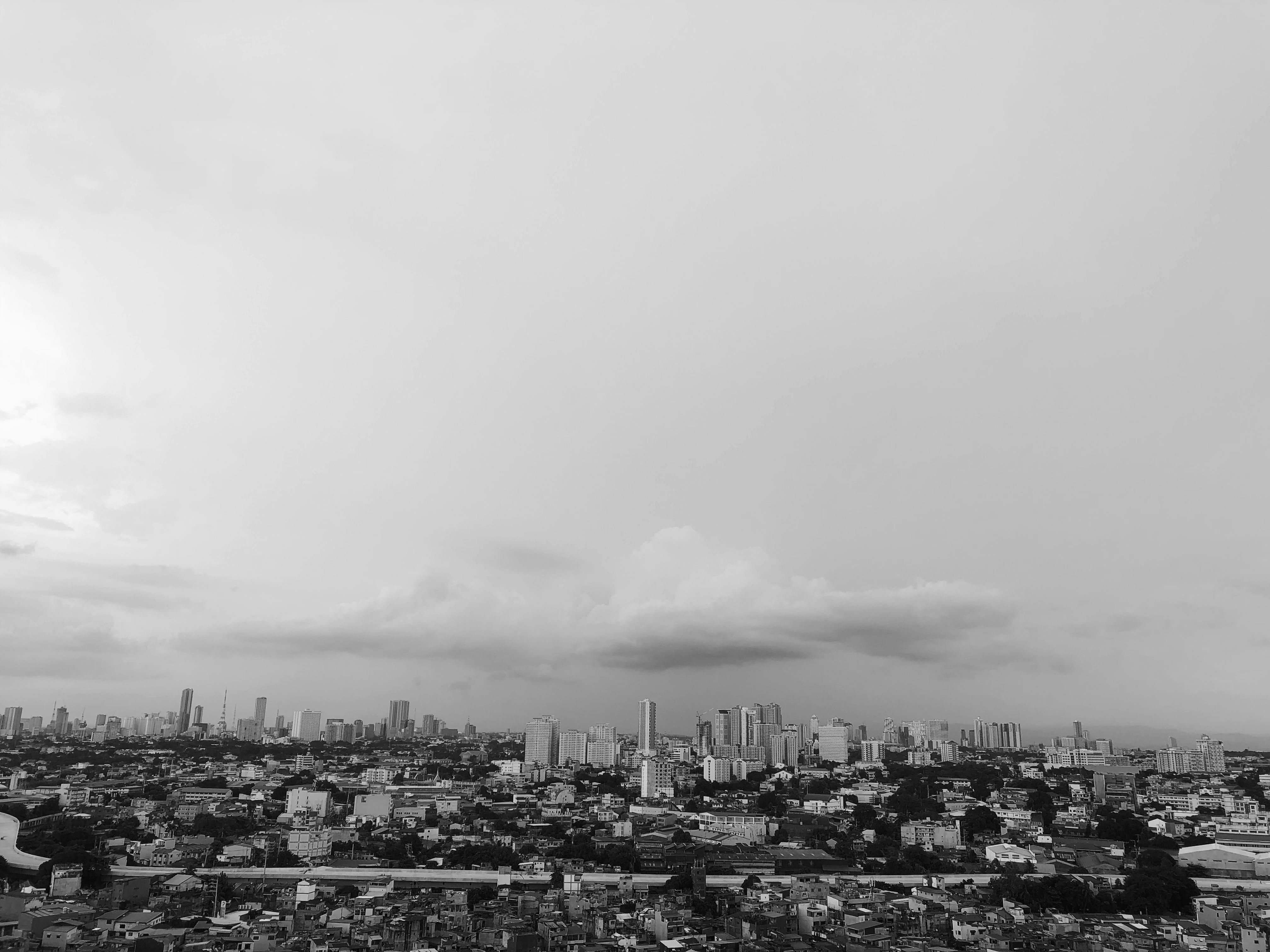
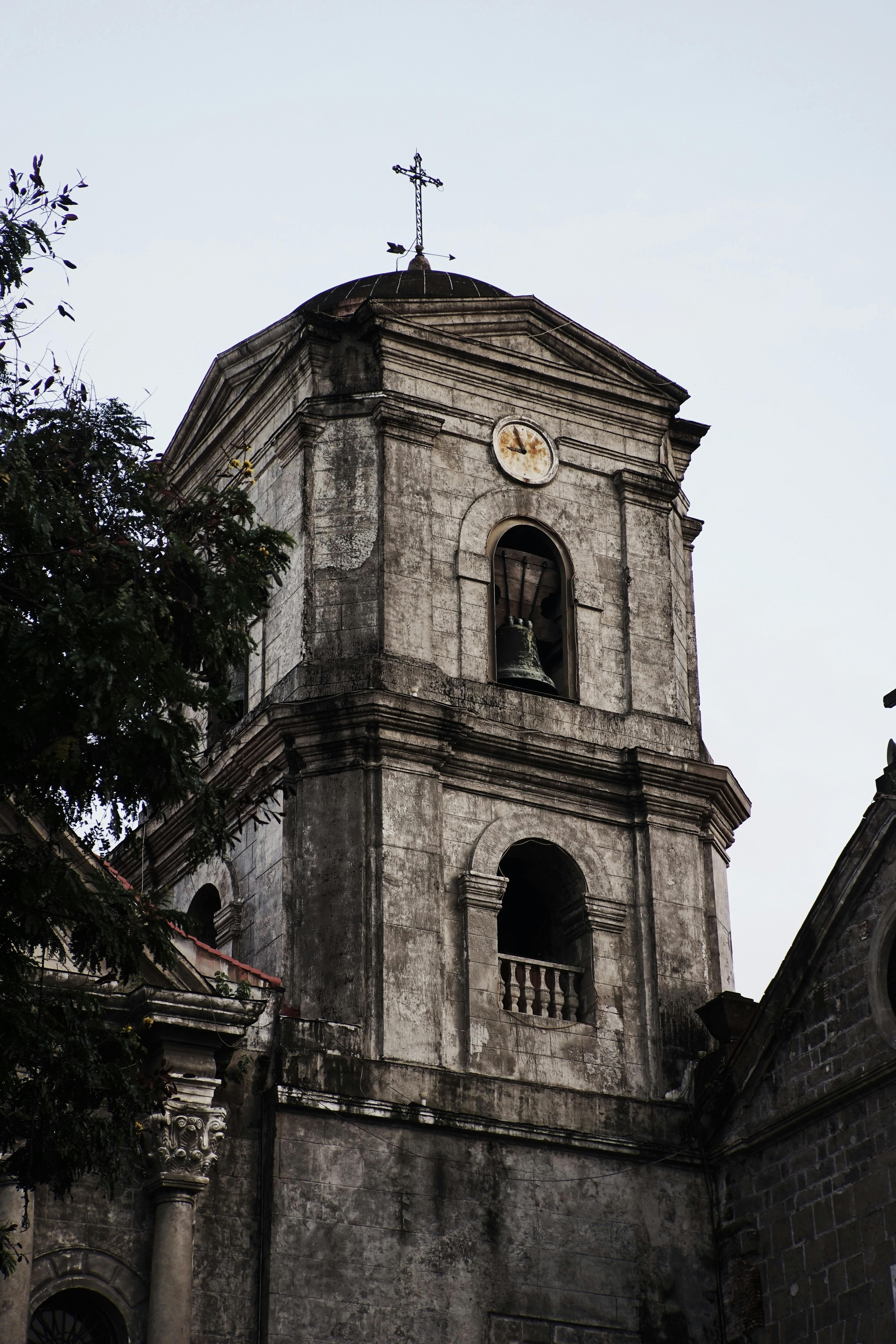
Manila is a city of sharp contrasts, where centuries-old stone churches sit beside ultramodern glass skyscrapers. It is a megacity that rewards those who lean into the organized chaos of its bustling streets. For digital nomads, the primary draw is the blend of high-speed connectivity, an incredibly friendly English-speaking population, and a cost of living that remains competitive for remote professionals.
While the urban traffic can be challenging, neighborhoods like Makati and Bonifacio Global City (BGC) offer self-contained, walkable ecosystems filled with top-tier coworking spaces and international dining. The climate stays warm year-round, making it a perfect hub for those who want to avoid the cold while tapping into the vibrant culture of Southeast Asia.
History
Manila’s history is a deep tapestry of colonial influences and indigenous resilience.
Manila’s history is a deep tapestry of colonial influences and indigenous resilience. Before the arrival of the Spanish, the area was a thriving trade hub for local sultanates. In 1571, the Spanish established Manila as the capital of the Philippines, leading to the construction of the famous Walled City of Intramuros, which served as the seat of colonial power for over 300 years.
Throughout the 20th century, the city endured major conflict, particularly during World War II, which left much of its historic architecture in ruins. Following the war, Manila embarked on an extensive rebuilding project that modernized the city. Today, it stands as a testament to its layered past, where historic Spanish colonial churches survive amidst a modern, forward-looking skyline that defines the Philippines of the 21st century.
1571
Spanish SettlementMiguel López de Legazpi established Manila as the capital of the Spanish East Indies.
1590
Intramuros ConstructionThe construction of the Walled City began to protect the colonial administration from external threats.
1898
End of Spanish RuleFollowing the Spanish-American War, the Philippines transitioned to American administration.
1945
Battle of ManilaThe city suffered extensive destruction during the liberation from Japanese forces in World War II.
1976
Metro Manila FormationThe National Capital Region was formed, integrating several cities into a single metropolitan area.
Where to Stay
Choose your base camp
Distinct neighbourhoods, different rhythms. Pick the one that fits your work-life balance.
Business Hub
Makati
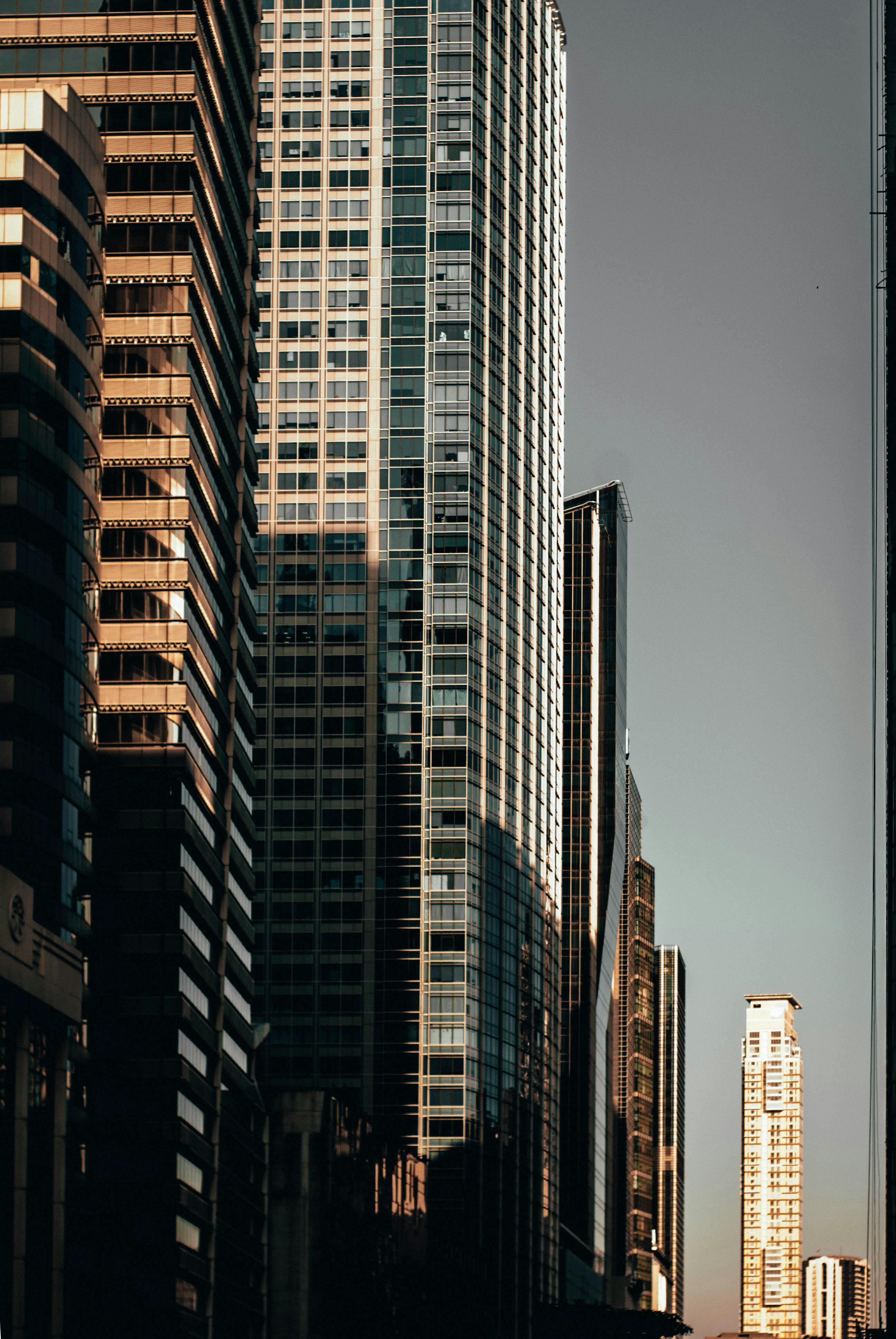
The primary financial district with excellent amenities, modern condos, and a high concentration of coworking spaces.
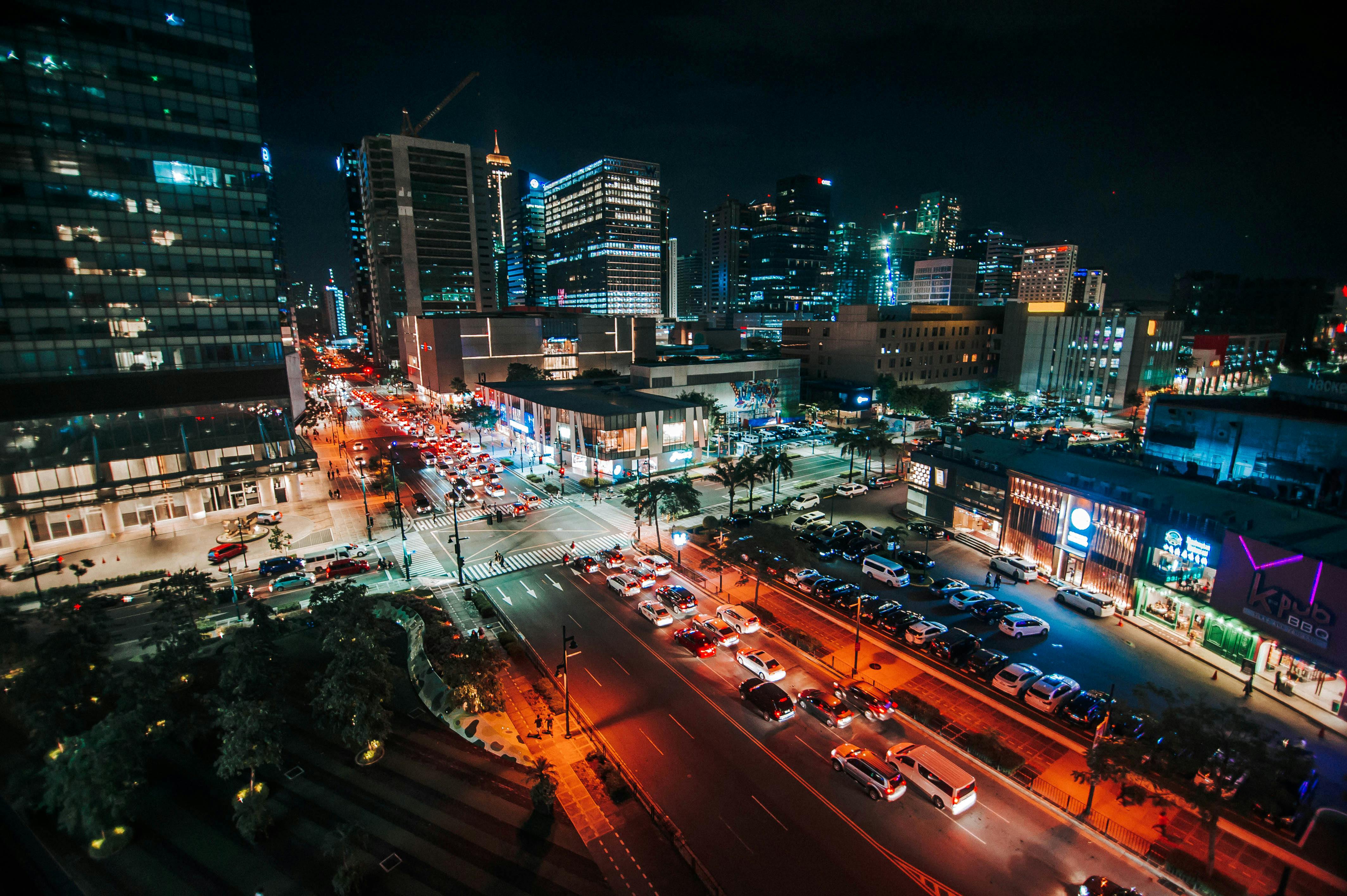
Modern Living
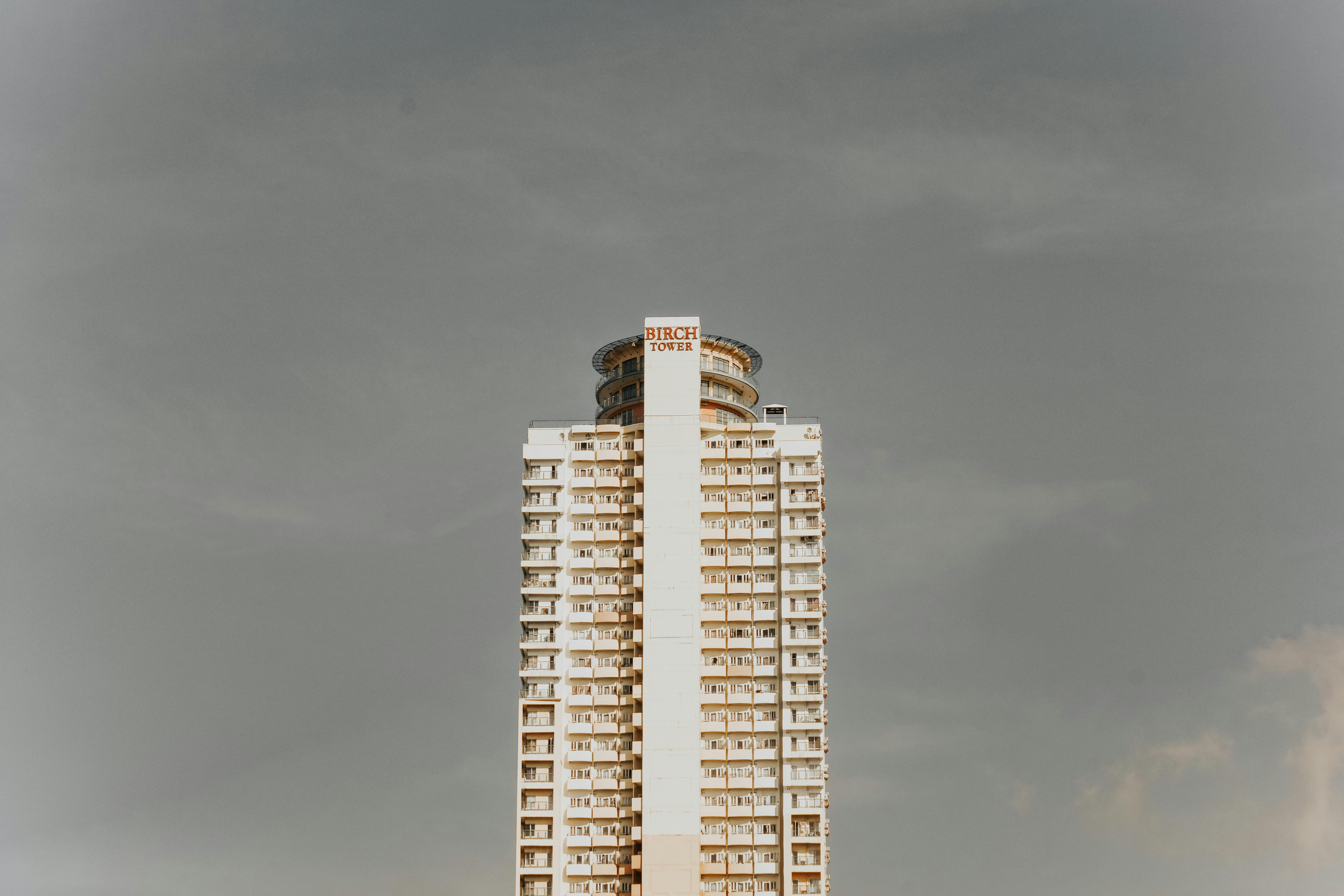
Bonifacio Global City (BGC)
A highly walkable, master-planned area known for its modern architecture, international restaurants, and clean, safe streets.
Cultural/Budget
Malate
A historic area offering a more traditional Manila experience with a mix of budget guesthouses and local eateries.
Places to Go
The experiences that will make you never leave
These aren't tourist checkboxes — they're the experiences that reset your sense of what's normal.
Top Pick
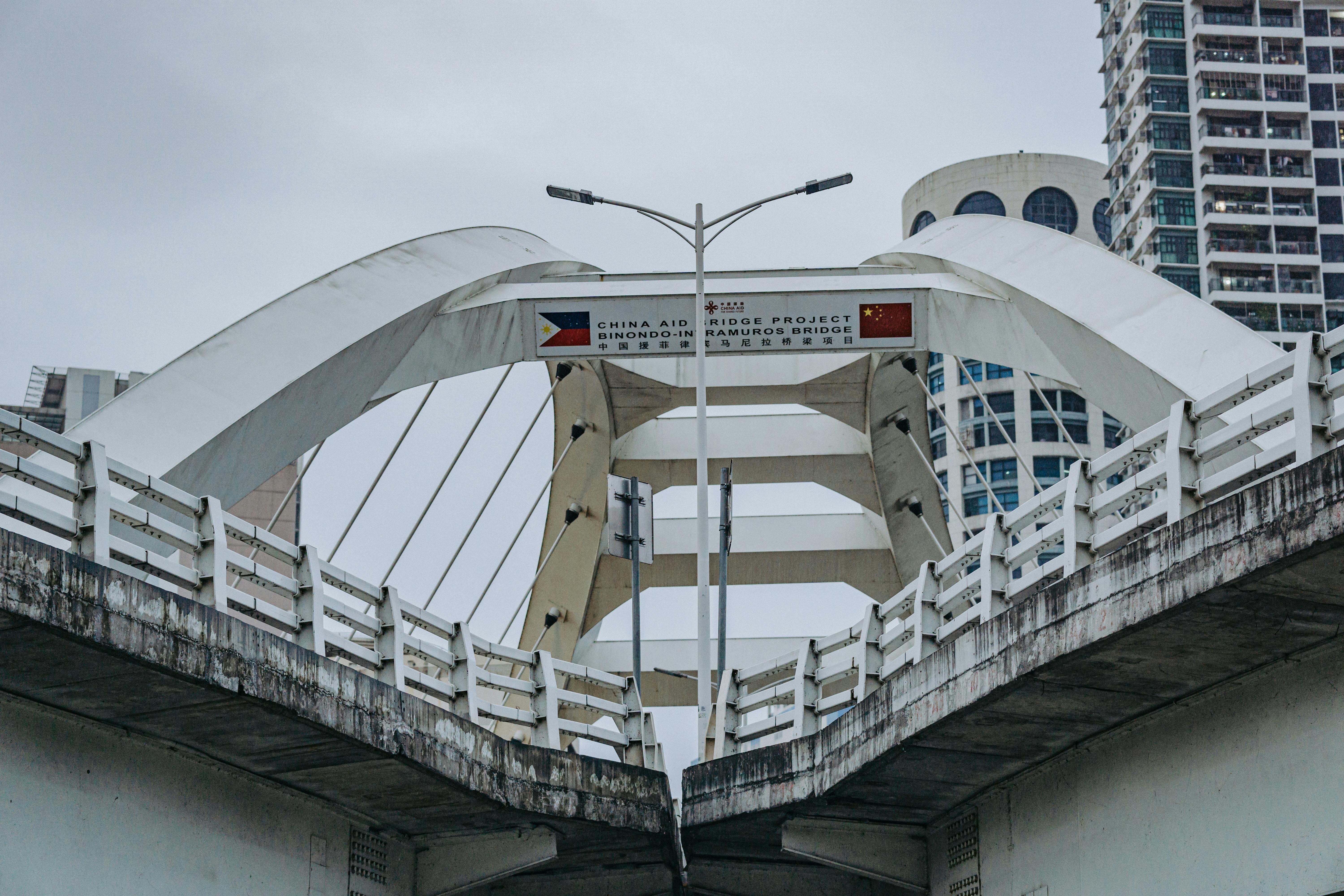
Intramuros Walled City
The historic heart of colonial Manila, featuring cobblestone streets and centuries-old fortifications. It is an essential stop to understand the city's Spanish heritage.

Official Site
Manila Cathedral
Located within Intramuros, this cathedral is the premier church of the Philippines and has been rebuilt multiple times throughout history. It is a stunning piece of architecture.

Wikipedia
Rizal Park
A significant urban park dedicated to the national hero Jose Rizal, serving as a peaceful green lung in the city. It is a popular spot for both locals and tourists to walk.
Official Site
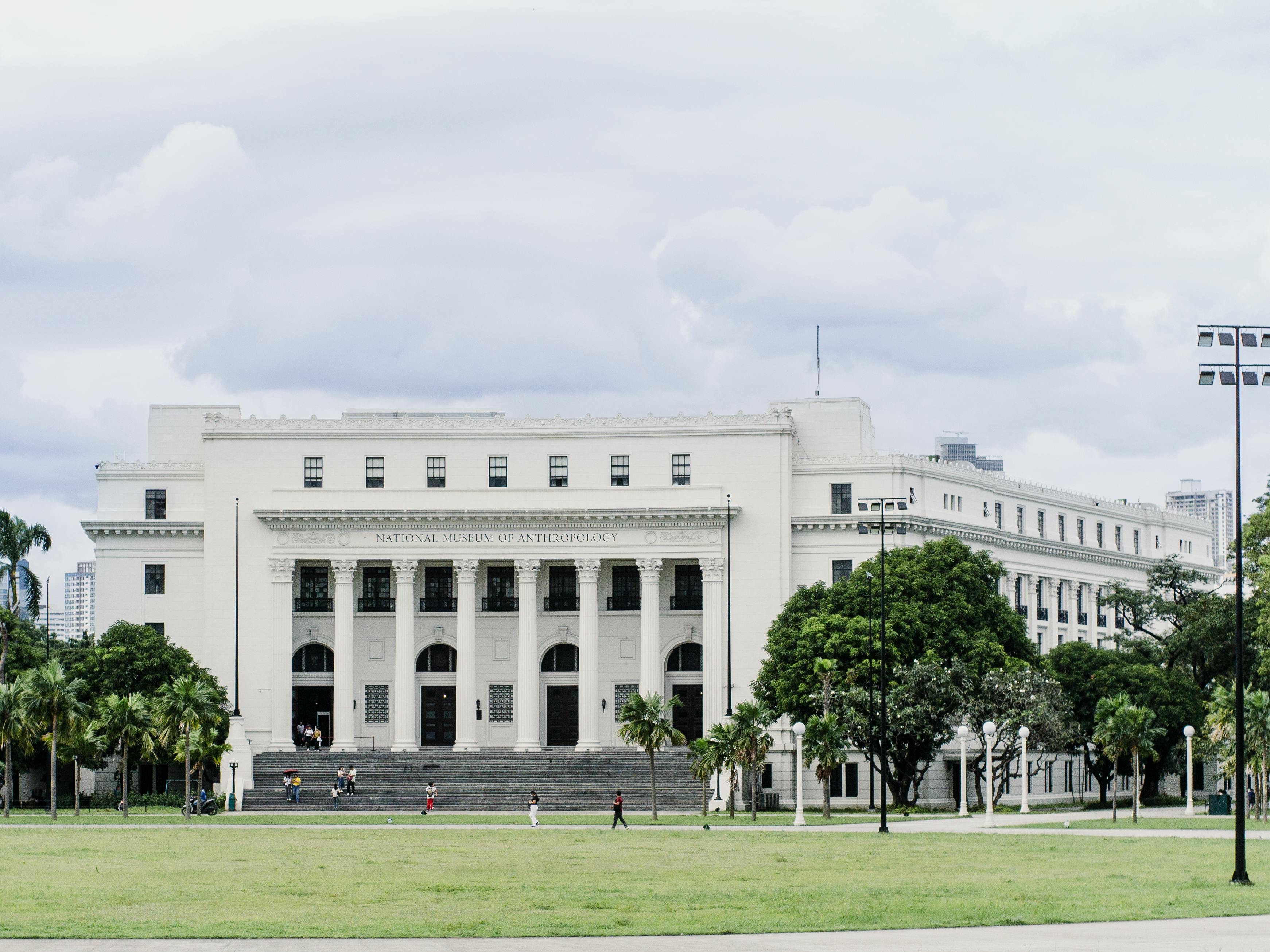
National Museum Complex
A group of museums showcasing the art, history, and natural history of the Philippines. Perfect for a cultural day out, with free entry for most exhibits.
Wikipedia
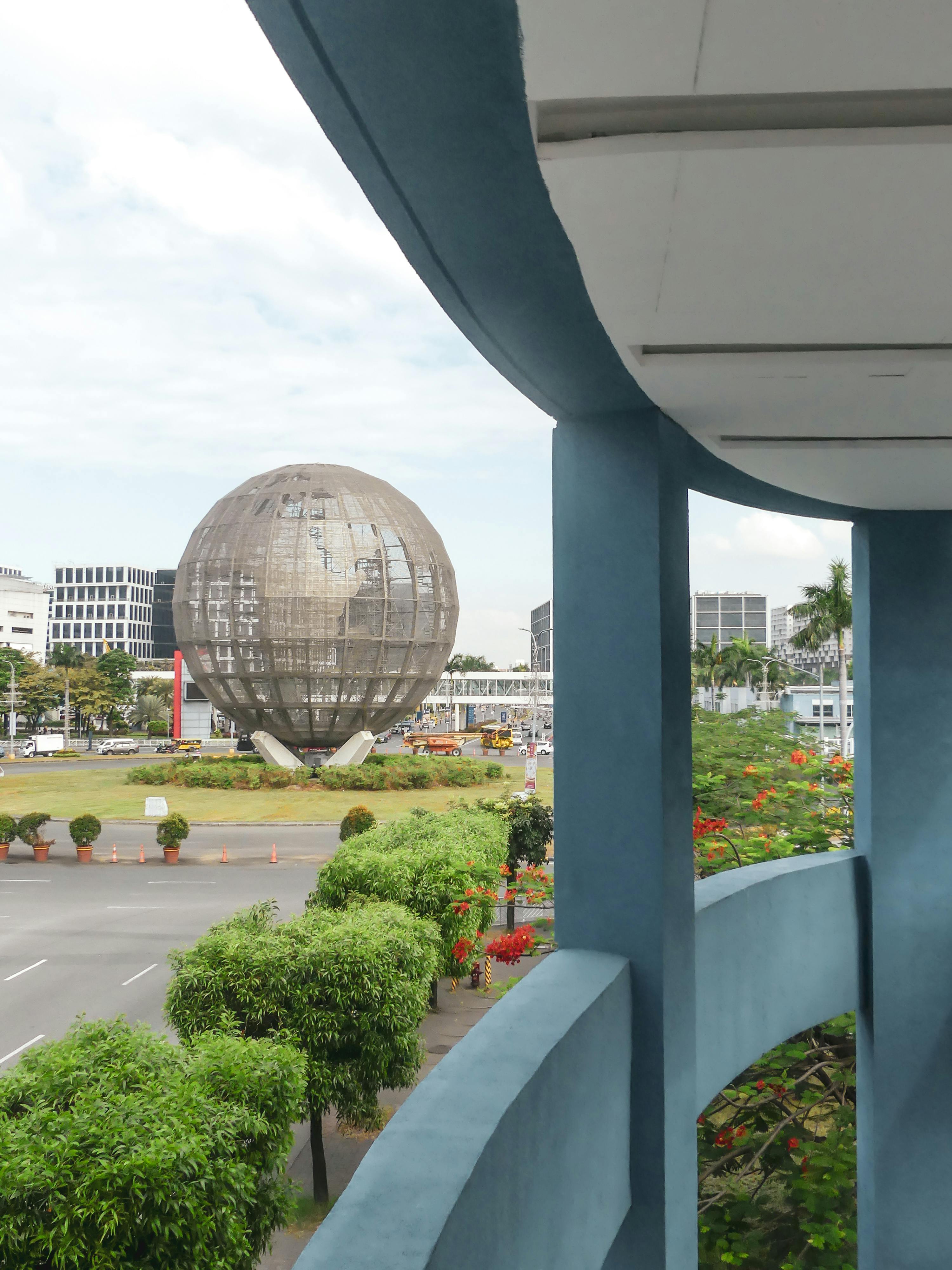
SM Mall of Asia
One of the largest shopping complexes in the world, providing a massive array of shopping, dining, and entertainment options. It's also a landmark by the Manila Bay coast.

Work & Connectivity
Stay connected wherever you work
The nomad community here is real — cafés and coworking spaces where you can work and meet others.
Acceler8
A professional coworking space popular with expats and remote teams, located in prime business spots.
MyOffice
Offers flexible desk options and virtual office services in the Makati district.
Regus
A reliable choice with multiple locations throughout Manila for those needing global standard workspace.
Budget & Costs
What it costs to live in Manila
Choose your lifestyle tier. Comfortable = furnished accommodation, local + occasional Western food, transport, leisure.
$876
per month · USD · comfortable lifestyle
ModerateFurnished studio, local restaurants, transport, and weekend trips.
Exchange rates
Check xe.com or your bank for current USD to local currency.
Check xe.com or your bank for current USD to local currency.
🏠 Rent 45%$394/mo
🍽️ Food 25%$219/mo
🚌 Transport 5%$44/mo
💡 Utilities 7%$61/mo
🎭 Leisure 12%$105/mo
🏥 Health 6%$53/mo
Connectivity
Well connected to the world
Internet and transport options for remote workers.
📶
Internet
Good — fibre common
Check local providers.
🏢
Coworking
From ~$80/mo
Dedicated spaces available.
🚌
Local Transit
5 / 10
Beep card for LRT + MRT + P2P buses; traffic legendary — use rail
MNL
Ninoy Aquino International Airport
7 km from centre
abudhabibacolodbali(canggu)bangkokbeijingboracaybusancebu
Safety & Visa
Safe, welcoming, and easy to enter
Safety Score4 / 10
✗ Tap Water📞 911
Visa
Check your entry options
Many nationalities get visa-free or visa-on-arrival. Check official government sources for your citizenship before travel.
Culture & Festivals
Local soul, nomad-friendly
Multiculturalism7/10
Foodie Scene7/10
🇬🇧 English🌆 Urban🌈 Year-Round Perfect🌤️ Warm Climate🍜 Amazing Food🏖️ Coastal👍 Recommended💆 Wellness💵 Mid-Range🛕 Cultural Depth
Jan
Sinulog Festival
While centered in Cebu, the energy ripples throughout the country during this major cultural celebration.
Nov
Dry Season Start
The beginning of the pleasant weather window, marking a shift in outdoor social activities.
Manila is a gateway to the rest of the Philippines. Use it as a base to explore nearby destinations like Tagaytay for cooler temperatures or beach escapes like Batangas.
Food & Nightlife
A feast for every mood
From street food to cafés and nightlife — every meal is an event.
Street Food
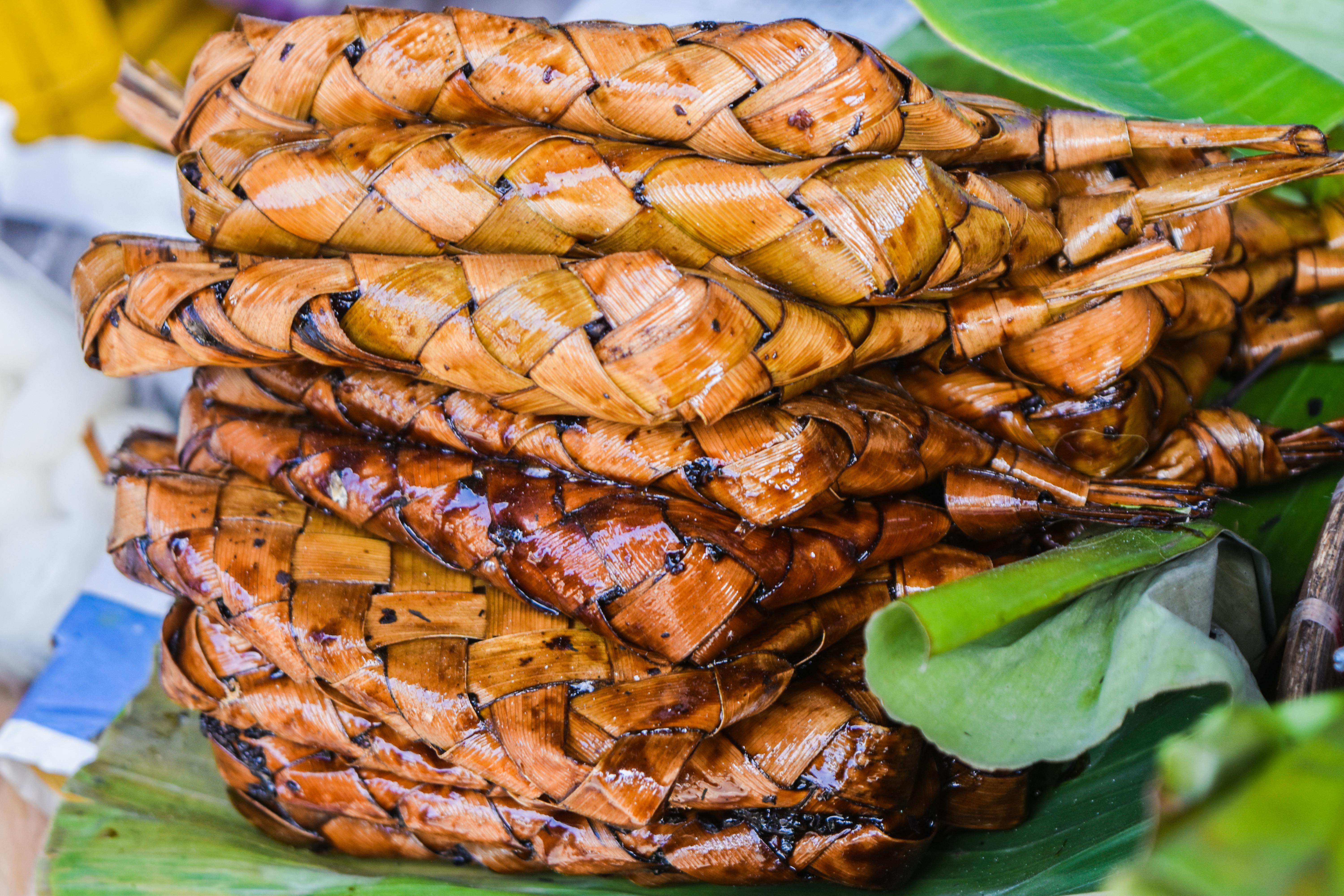
Carinderia Scene
Local eateries where you can try authentic dishes like adobo and sinigang at a very affordable price.

Café Culture
BGC Coffee Shops
BGC is packed with specialty coffee shops ideal for working or meeting with fellow nomads.
Market Food
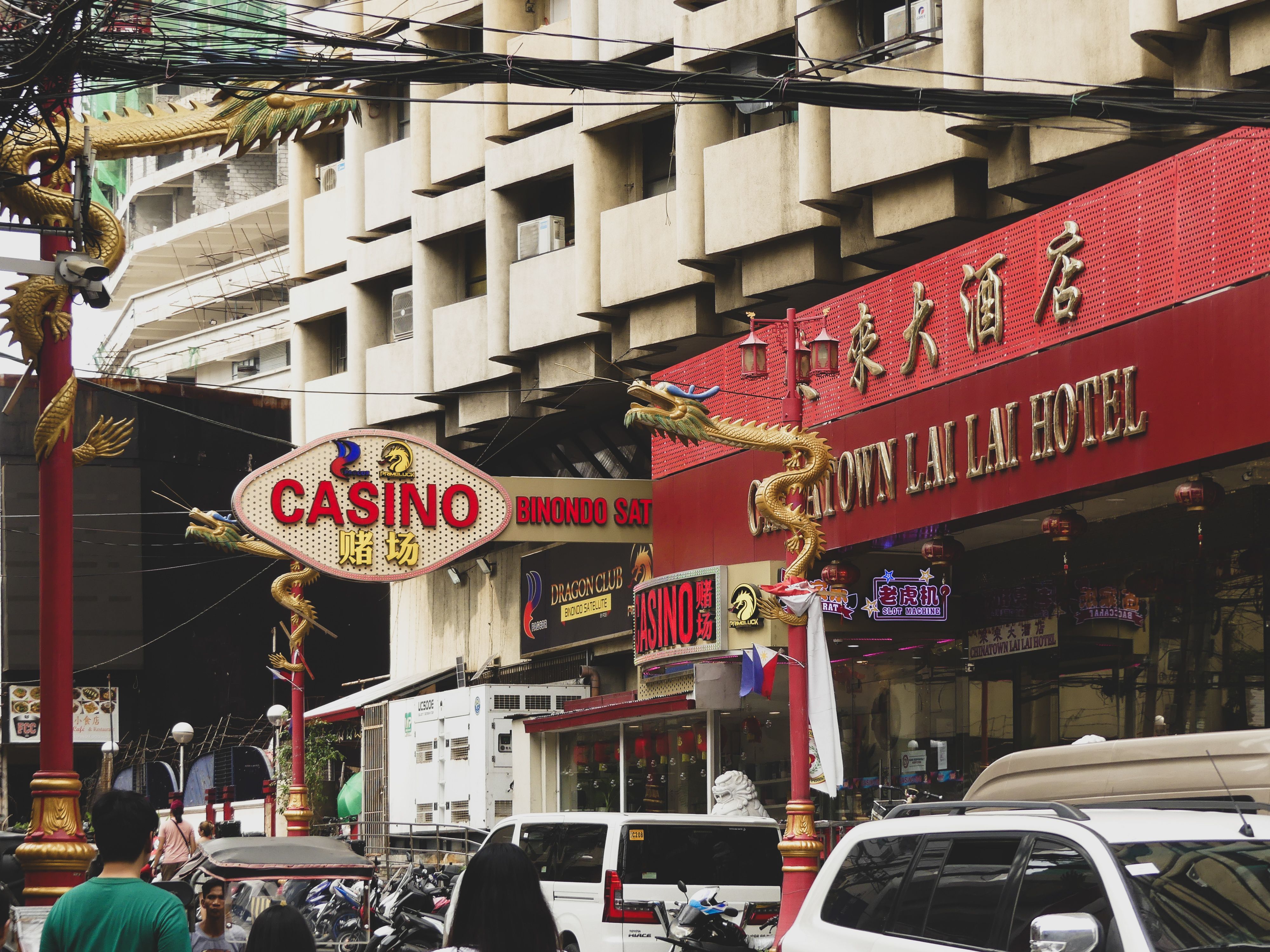
Binondo Chinatown
The oldest Chinatown in the world, famous for its incredible range of authentic Chinese-Filipino street food.
Climate
Best months: Jan, Feb, Mar, Apr, May, Sep, Oct, Nov, Dec
Avg humidity78%
Avg AQI70
The best time to visit Manila is between January and April, which falls during the dry season. These months offer the most pleasant weather for exploring, with sunny days and slightly cooler sea breezes that make walking through historic districts bearable. While the city is warm year-round, you may want to prepare for the rainy season which typically runs from May through October.
Events like the Sinulog Festival in nearby Cebu occur in January, making it a popular time to visit the region. Regardless of when you arrive, Manila's indoor amenities, such as mega-malls and modern coworking hubs, ensure that you can stay productive and comfortable regardless of the occasional tropical downpour.
Monthly temperatures °C
BestAvoidShoulder
Practical Info
Everything you need to know
🏥
Healthcare
Manila has excellent private hospitals in Makati and BGC, such as St. Luke's Medical Center. Ensure you have comprehensive health insurance before arriving.
💱
Money
The currency is the Philippine Peso. Credit cards are widely accepted in malls and business districts, but carry cash for smaller markets and jeepneys.
🌐
Language & Etiquette
English is widely spoken and serves as an official language. Filipinos are generally warm and hospitable; a friendly smile goes a long way.
Tips
Quick tips
- Always carry an umbrella for sudden tropical rains.
- Download the Grab app immediately upon arrival.
- Traffic is worst during rush hours; plan your meetings accordingly.
- Stick to bottled or filtered water for drinking.
- Use a Beep card to avoid long queues at train stations.
- BGC and Makati are the most foreigner-friendly areas.
- Try 'Halo-Halo' as a refreshing mid-afternoon treat.
Further Reading