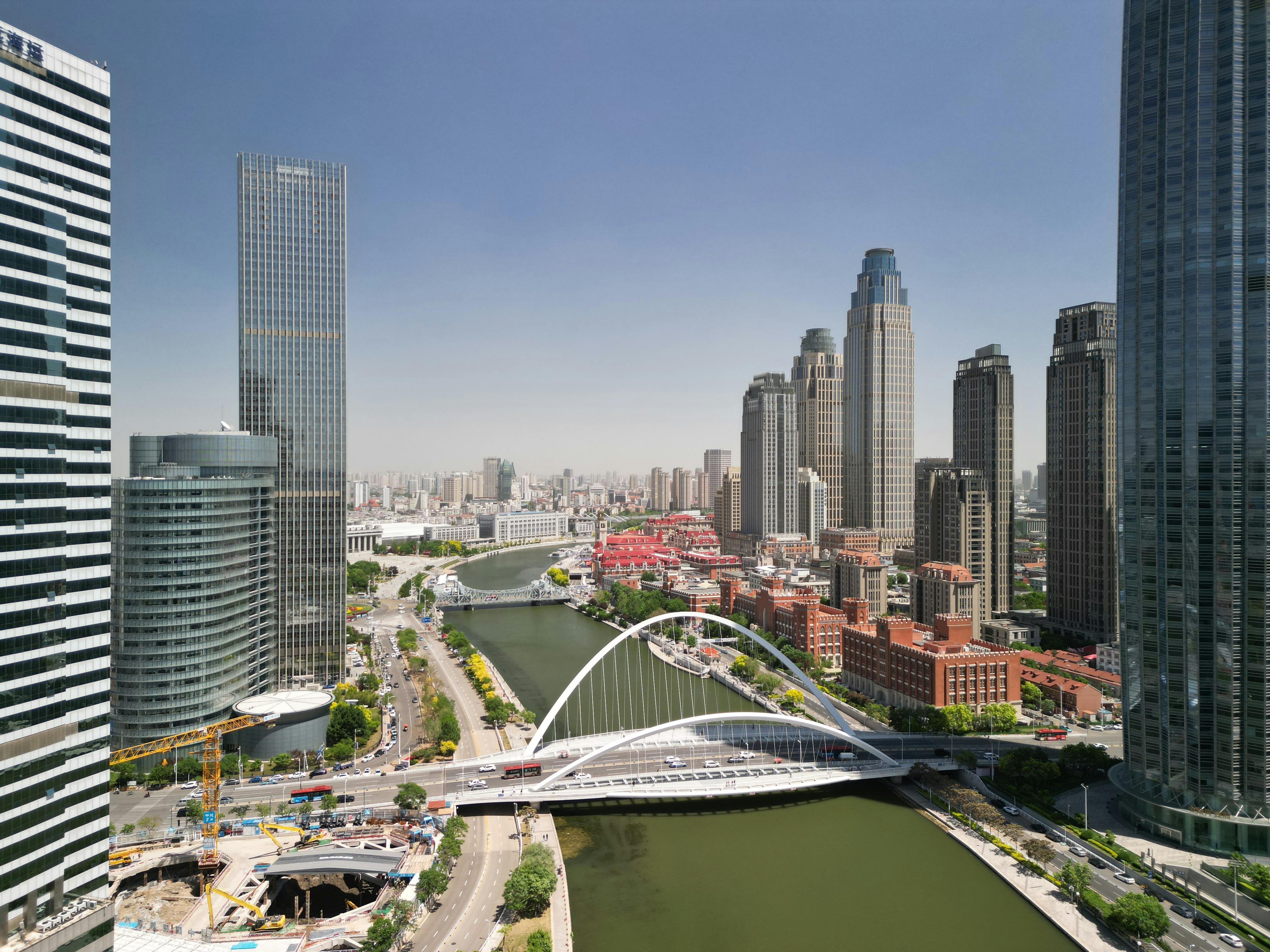
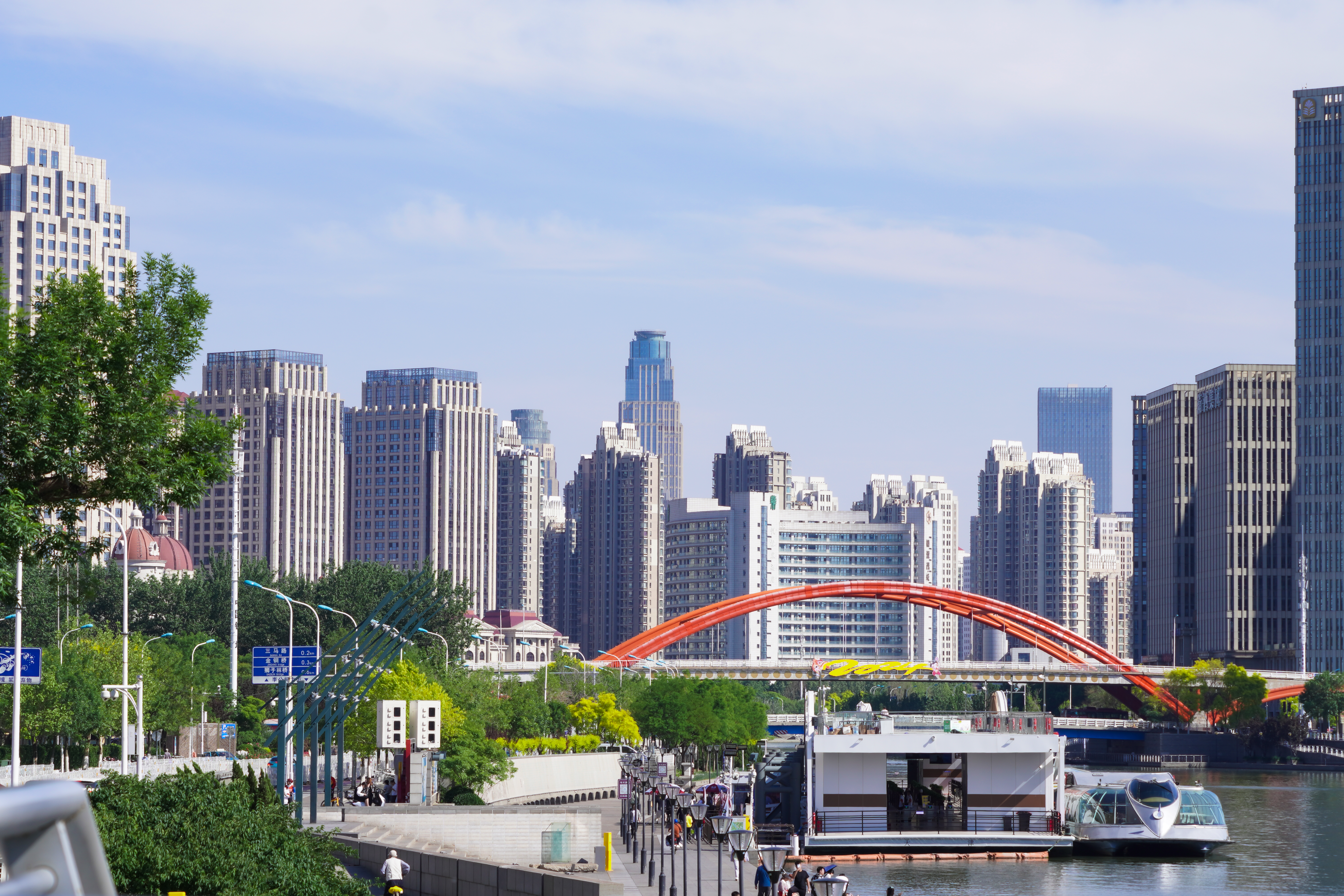
Tianjin · China
Overview
Tianjin feels like a forgotten European postcard tucked into the heart of Northern China; it is calm, historic, and surprisingly affordable.
As one of China's most significant port cities, Tianjin offers a distinctive atmosphere that differs significantly from the frenetic energy of Shanghai or the political intensity of Beijing. Nomads are drawn here for its well-preserved European colonial architecture, sprawling riverfront, and significantly lower cost of living compared to nearby capitals. You will find a city that balances industrial modernization with a laid-back pace, allowing for a comfortable experience while maintaining access to all modern amenities.
The city is well-connected and highly navigable via an efficient metro system, making it an excellent base for remote workers who want to explore Northern China without the high price tags of neighboring megacities. While the climate requires careful planning, the abundance of local markets, historic districts, and unique culinary scene makes Tianjin a hidden gem for those willing to venture slightly off the main digital nomad path.

History
Tianjin's history is deeply intertwined with its strategic location at the confluence of the Hai Riv…
Tianjin's history is deeply intertwined with its strategic location at the confluence of the Hai River and the Grand Canal, making it a vital shipping hub for centuries. In the late 19th century, the city became a treaty port, leading to the establishment of various foreign concessions. This era left an indelible mark on the cityscape, resulting in a unique collection of Victorian, Italian, and French colonial architecture that stands in stark contrast to the surrounding Chinese urban landscape.
Throughout the 20th century, Tianjin served as a major industrial center and a witness to many of China's transformative moments. Today, it stands as a testament to this layered history, where modern skyscrapers rise beside restored colonial mansions, offering visitors a fascinating narrative of globalization, struggle, and eventual economic revitalization.
1404
EstablishmentTianjin was officially established as a fortified garrison town by the Yongle Emperor.
1860
Treaty Port EraFollowing the Second Opium War, Tianjin was opened to foreign trade, leading to the creation of several foreign concessions.
1900
Boxer RebellionThe city became a significant battleground during the Boxer Rebellion, leading to widespread destruction of the old walls.
1949
People's RepublicTianjin transitioned into a major industrial and logistics center under the new government.
2006
Binhai New AreaThe rapid development of the Binhai area cemented Tianjin's role as a powerhouse for advanced manufacturing and international logistics.
Where to Stay
Choose your base camp
Distinct neighbourhoods, different rhythms. Pick the one that fits your work-life balance.
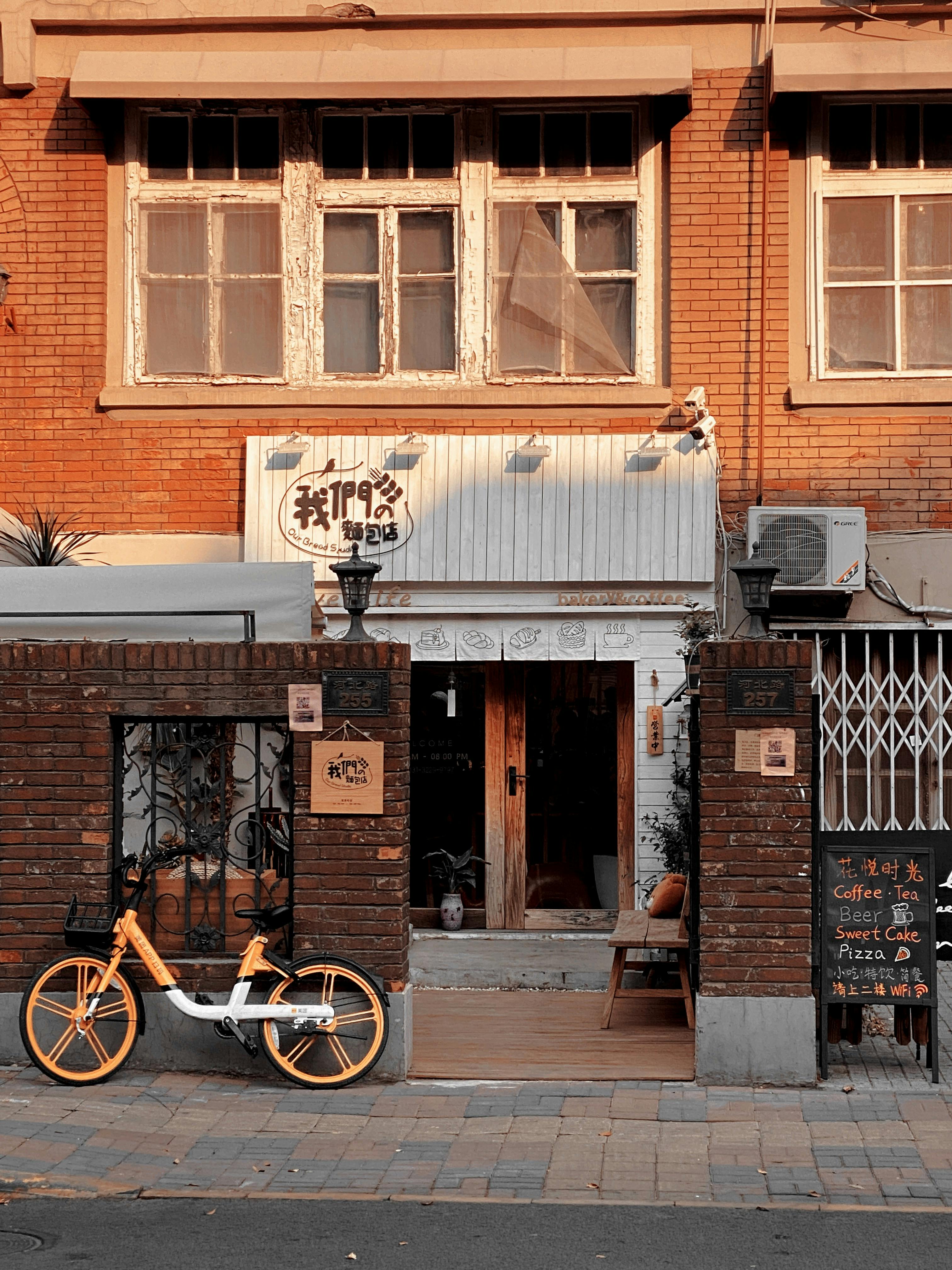
Central & Convenient
Heping
Located in the heart of the city, this district offers proximity to major shopping centers and the colonial architecture districts. It is ideal for those who want to be in the center of the action.
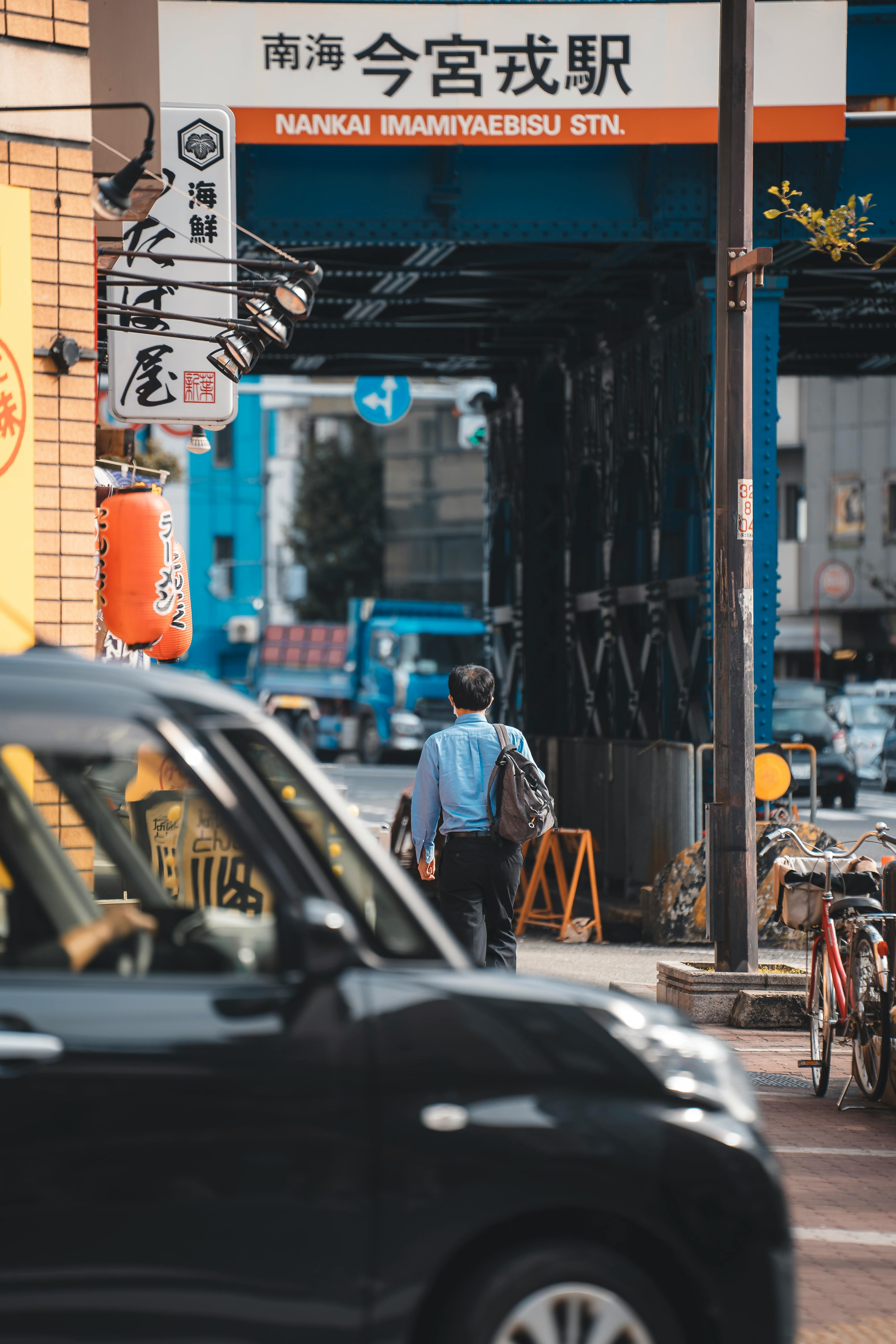
Educational Hub
Nankai
Home to major universities, this area has a younger vibe with plenty of budget-friendly food and cafes. It is popular with long-term students and nomads looking for a lively atmosphere.
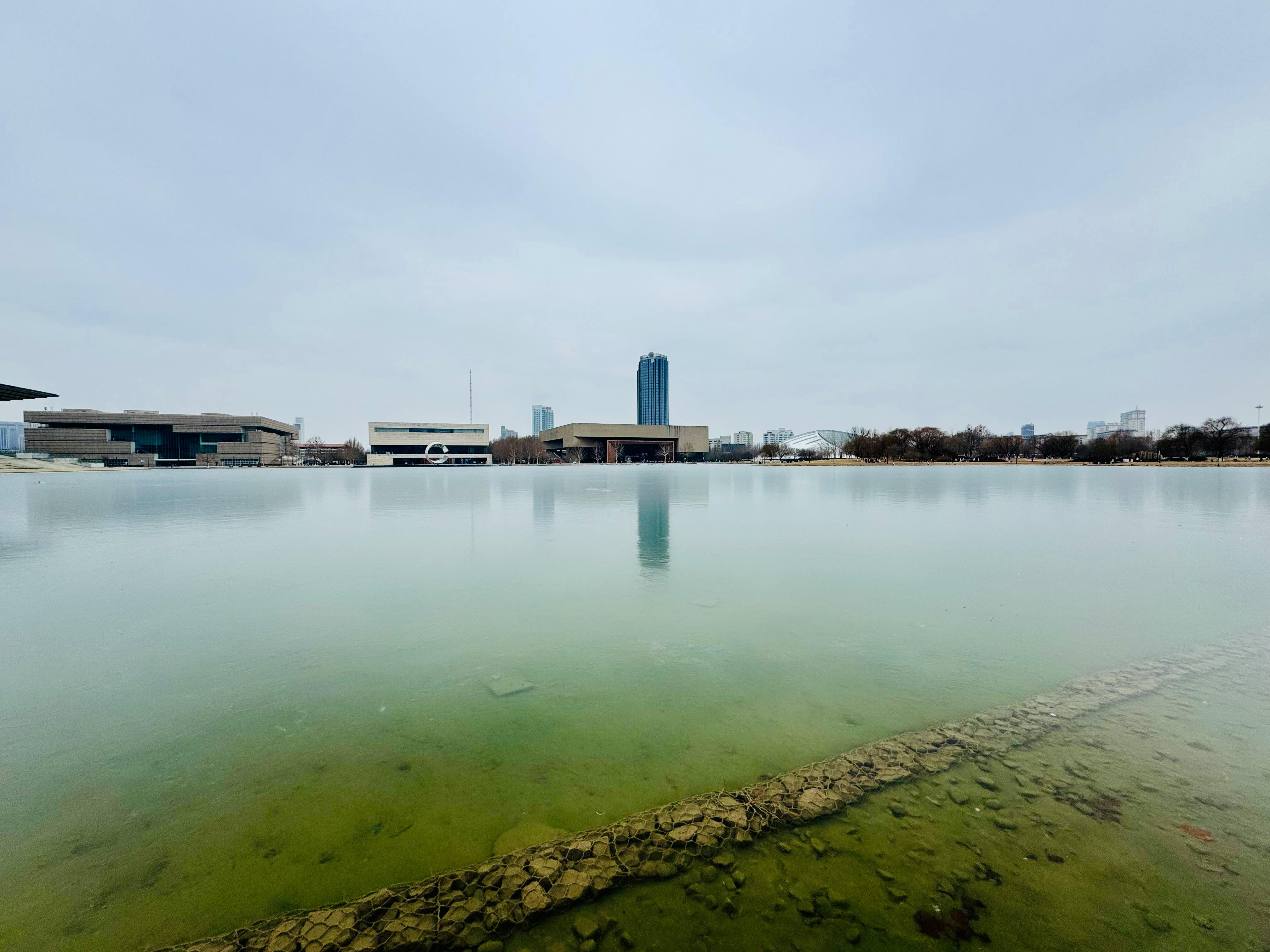
Residential Comfort
Hexi
A more relaxed residential area with modern apartments and good connectivity. This is a great choice for those seeking a quiet environment while still being near essential city services.
Places to Go
The experiences that will make you never leave
These aren't tourist checkboxes — they're the experiences that reset your sense of what's normal.

Top Pick
Ancient Culture Street
This street recreates a traditional Chinese market atmosphere with shops selling handicrafts, traditional art, and local snacks. It is a perfect spot for photography and experiencing a slice of old-world charm.
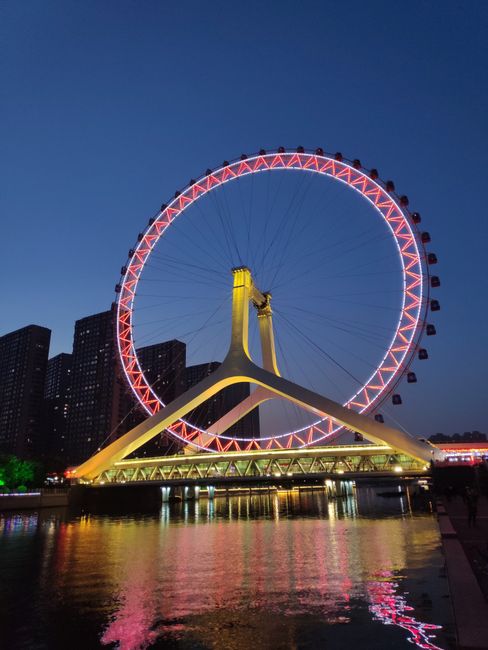
Tianjin Tourism
Tianjin Eye
A giant Ferris wheel built over the Haihe River, providing a panoramic view of the entire city. It is particularly beautiful at night when the lights reflecting on the water create a stunning urban scene.

Wikipedia
Haihe River
The lifeblood of the city, the Haihe River is flanked by beautiful parks, modern bridges, and historic buildings. Walking along the banks is a favorite evening activity for both locals and travelers.

Wikipedia
Five Great Avenues
This area is known for its collection of over 2,000 villa-style buildings built in the 1920s and 30s. The architecture ranges from English, French, and Italian styles to Spanish designs.
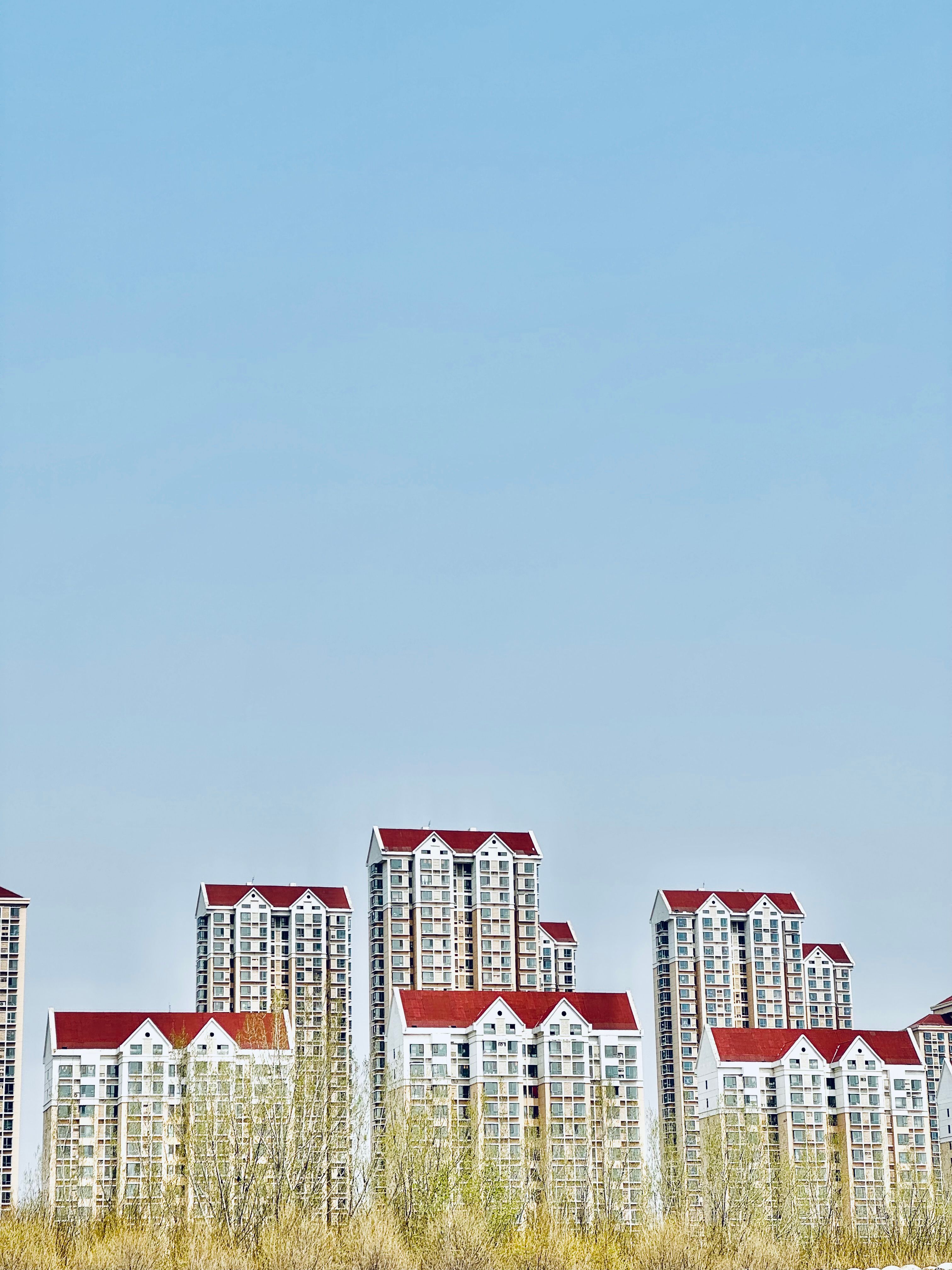
Wikipedia
Porcelain House
An incredible structure covered in millions of pieces of broken porcelain and thousands of vases. It serves as a private museum of antiques and stands as one of the most unique architectural oddities in the country.
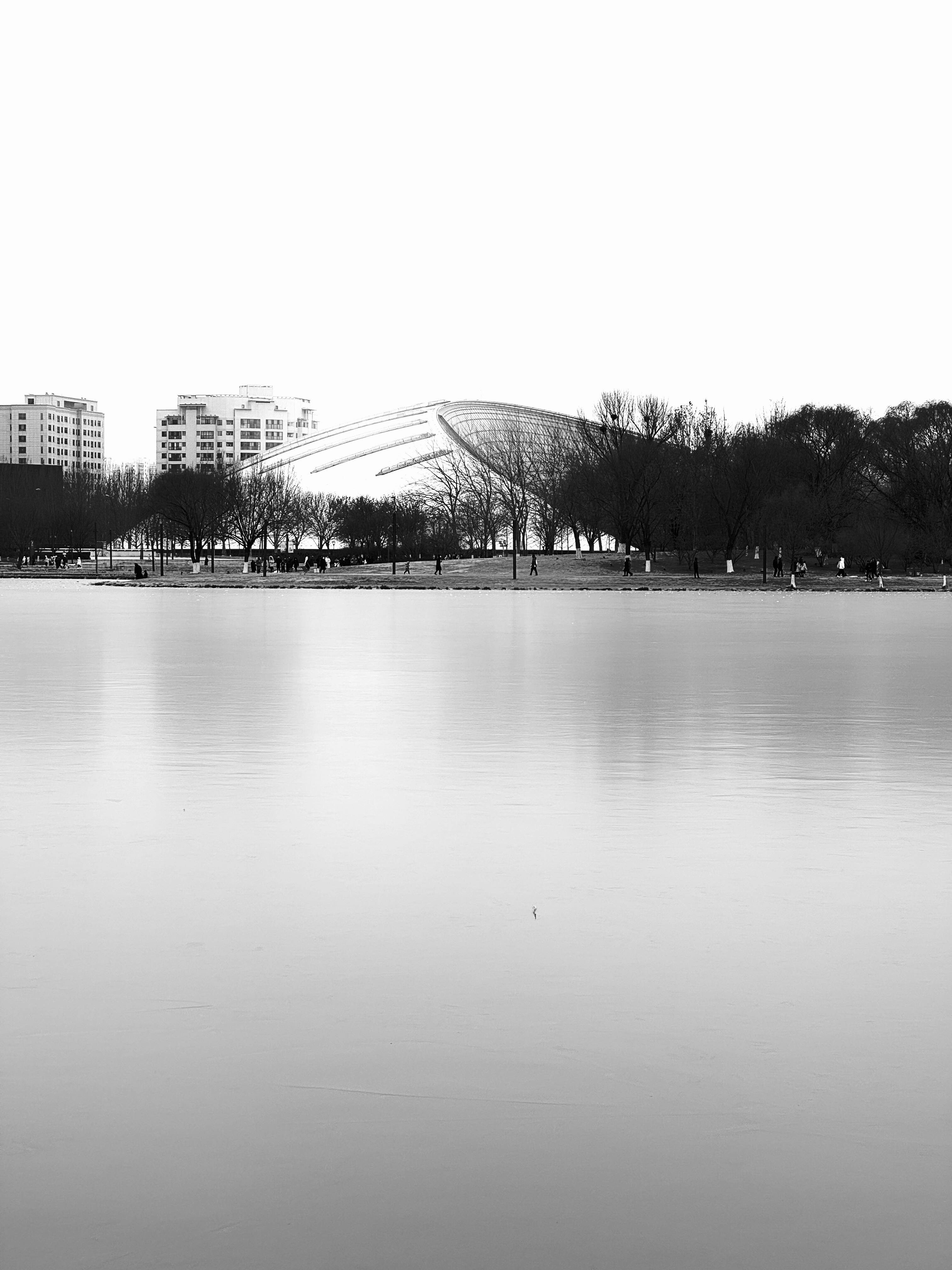
Wikipedia
Water Park
The largest urban park in Tianjin, consisting of several lakes and islands connected by bridges. It provides a peaceful retreat from the urban hustle for jogging, relaxing, or boating.

Wikipedia
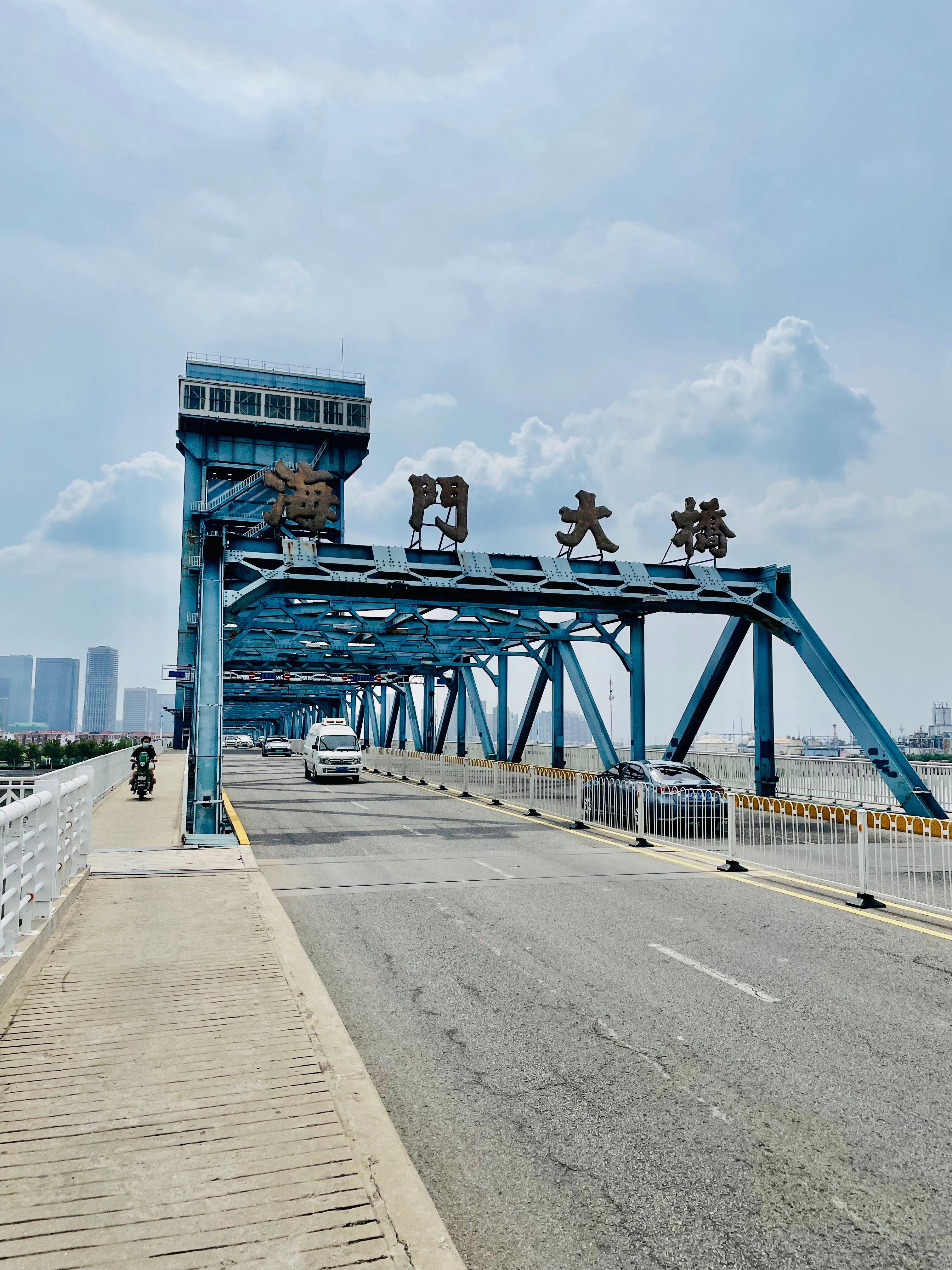
Goubuli Baozi
This legendary shop is world-famous for its steamed stuffed buns, a staple of Tianjin cuisine. It is a must-visit for foodies wanting to try the most authentic version of this traditional dish.
Wikipedia
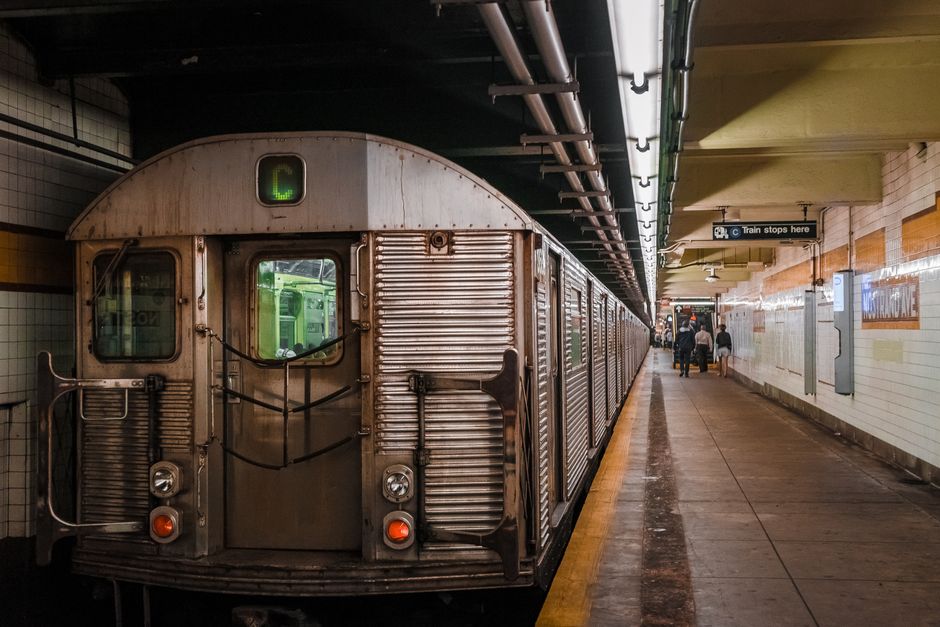
Dagu Fort
Located at the mouth of the Haihe River, these historical forts were vital for the coastal defense of the region. They now serve as a site to learn about the history of the Opium Wars.
Work & Connectivity
Stay connected wherever you work
The nomad community here is real — cafés and coworking spaces where you can work and meet others.
Skyhands Coworking
A professional space designed for modern nomads, offering high-speed internet and meeting facilities.
Zpark
An innovative hub that caters to both local startups and international remote workers.
Local Coffee Culture
Various independent cafes in Heping offer a quieter, more informal workspace with good Wi-Fi.
Budget & Costs
What it costs to live in Tianjin
Choose your lifestyle tier. Comfortable = furnished accommodation, local + occasional Western food, transport, leisure.
$1241
per month · USD · comfortable lifestyle
ModerateFurnished studio, local restaurants, transport, and weekend trips.
Exchange rates
Check xe.com or your bank for current USD to local currency.
Check xe.com or your bank for current USD to local currency.
🏠 Rent 45%$558/mo
🍽️ Food 25%$310/mo
🚌 Transport 5%$62/mo
💡 Utilities 7%$87/mo
🎭 Leisure 12%$149/mo
🏥 Health 6%$74/mo
Connectivity
Well connected to the world
Internet and transport options for remote workers.
📶
Internet
Good — fibre common
Check local providers.
🏢
Coworking
From ~$80/mo
Dedicated spaces available.
🚌
Local Transit
7 / 10
High-speed train to Beijing
TSN
Tianjin Binhai International Airport
15 km from centre
chengduchongqingdalianguangzhouhaikouhangzhouhongkongjeju
Safety & Visa
Safe, welcoming, and easy to enter
Safety Score7 / 10
✗ Tap Water✓ Night Safe📞 110
Visa
Check your entry options
Many nationalities get visa-free or visa-on-arrival. Check official government sources for your citizenship before travel.
Culture & Festivals
Local soul, nomad-friendly
Multiculturalism6/10
Foodie Scene7/10
🌤️ Four Seasons🍜 Amazing Food🏛️ Colonial Architecture💵 Mid-Range
Oct
National Day Golden Week
A week-long holiday period where the city is vibrant, though travel can be crowded.
Tianjin is a major entry point for international arrivals by sea, and its proximity to the TEDA development area makes it a hub for those interested in the future of Chinese industry and trade.
Food & Nightlife
A feast for every mood
From street food to cafés and nightlife — every meal is an event.

Street Food
Jianbing Guozi
A traditional Tianjin breakfast staple. It is a savory crepe wrapped around a crispy fried cracker, usually sold at street stalls.

Culinary Landmark
Goubuli
The gold standard for baozi in China. These steamed buns are known for their delicate, multi-layered wrapping.
Café Scene
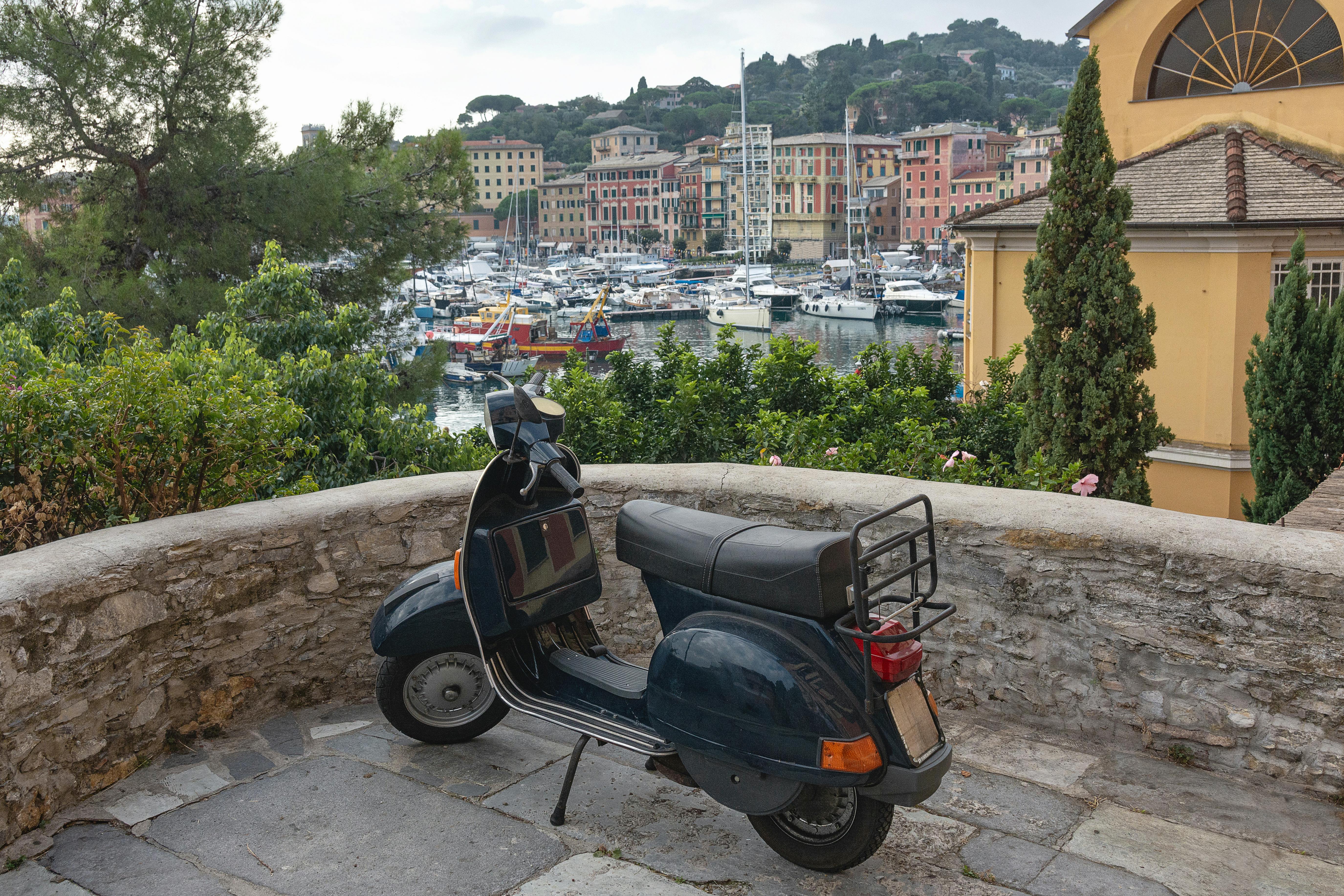
Italian Style Town
A neighborhood featuring numerous cafes and restaurants with an international flair, perfect for evening social hours.
Climate
Best months: May, Jun, Jul, Aug, Sep, Oct
Avg humidity60%
Avg AQI110
The best time to visit Tianjin is between May and October, when the weather is at its most pleasant. During these months, you can comfortably explore the city's outdoor attractions, such as the Haihe River and the Water Park, without the extreme cold of winter. September and October are particularly favorable, as the city experiences mild, crisp air.
Avoid visiting during the peak of winter, specifically December, January, and February, as temperatures frequently drop well below zero degrees Celsius. If you choose to visit during the summer months, be prepared for high humidity and occasional heat spikes, which can make long outdoor walks in the city's historic quarters quite taxing.
Monthly temperatures °C
BestAvoidShoulder
Practical Info
Everything you need to know
🏥
Healthcare
Tianjin has several high-quality hospitals with international departments. Always ensure you have comprehensive travel insurance that covers emergency medical evacuation.
💱
Money
The local currency is the Chinese Yuan (CNY). Mobile payments like Alipay and WeChat Pay are the standard for virtually every transaction, from street stalls to major malls.
🌐
Language & Etiquette
While Mandarin is the primary language, basic English is spoken in tourist hubs. Learning a few phrases like 'ni hao' (hello) and 'xiexie' (thank you) goes a long way with the locals.
Tips
Quick tips
- Always carry your passport for hotel check-ins and high-speed train tickets.
- Install a reliable VPN before arriving in China to ensure continuous internet access.
- Download WeChat and Alipay to handle all your daily payments and communications.
- Use the Metro app for easier navigation of the city transit lines.
- Try to learn basic Mandarin phrases, as they are highly appreciated by residents.
- Visit the Italian Style Town at night for the best light displays and atmosphere.
- Carry a physical map or a translated address of your accommodation for taxi drivers.
Further Reading