
Xi'an · China
Overview
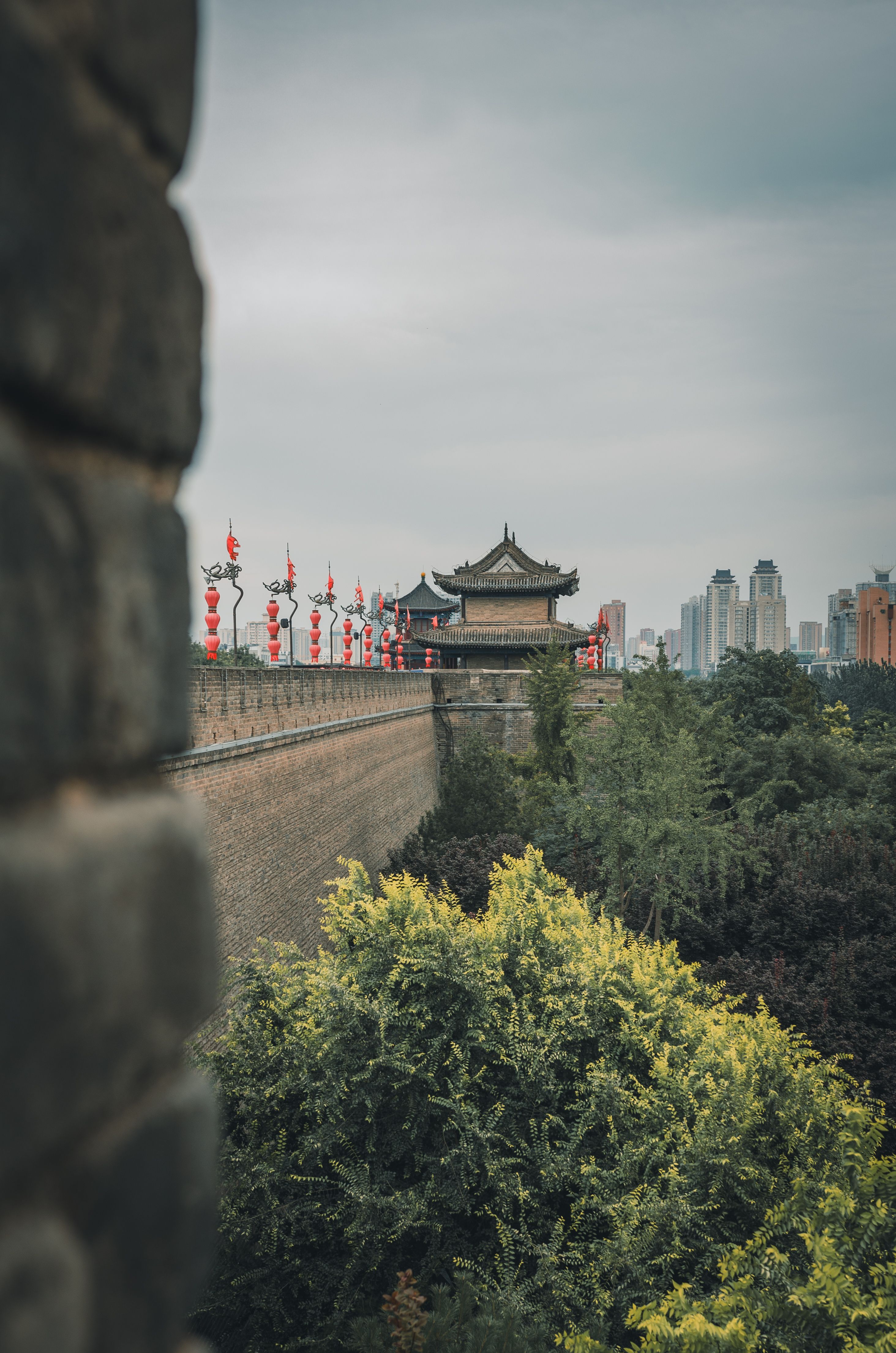
Xi'an is where time collapses; you can walk the ancient city walls in the morning and work from a high-tech modern cafe by the afternoon.
As the eastern starting point of the Silk Road, Xi'an is a cultural heavyweight, home to world-famous archaeological treasures and a vibrant street food scene that rivals any in China. Digital nomads find themselves immersed in a city where ultra-modern high-rise districts exist alongside ancient defensive fortifications, providing a stimulating environment for long-term stays.
While the internet landscape requires a solid VPN for accessing international platforms, the infrastructure for remote work is growing steadily. Residents enjoy a comfortable pace of life that balances the intensity of a major metropolis with the accessibility of walkable neighborhoods, all while maintaining a Cost of living in Xi'an that remains attractive compared to major coastal Chinese cities.
History
Xi'an, formerly known as Chang'an, served as the capital for several of China's most significant dyn…
Xi'an, formerly known as Chang'an, served as the capital for several of China's most significant dynasties, including the Zhou, Qin, Han, and Tang. Its historical importance is anchored by its status as the eastern terminus of the Silk Road, a conduit that facilitated a profound exchange of goods, culture, and religion between China and the wider world.
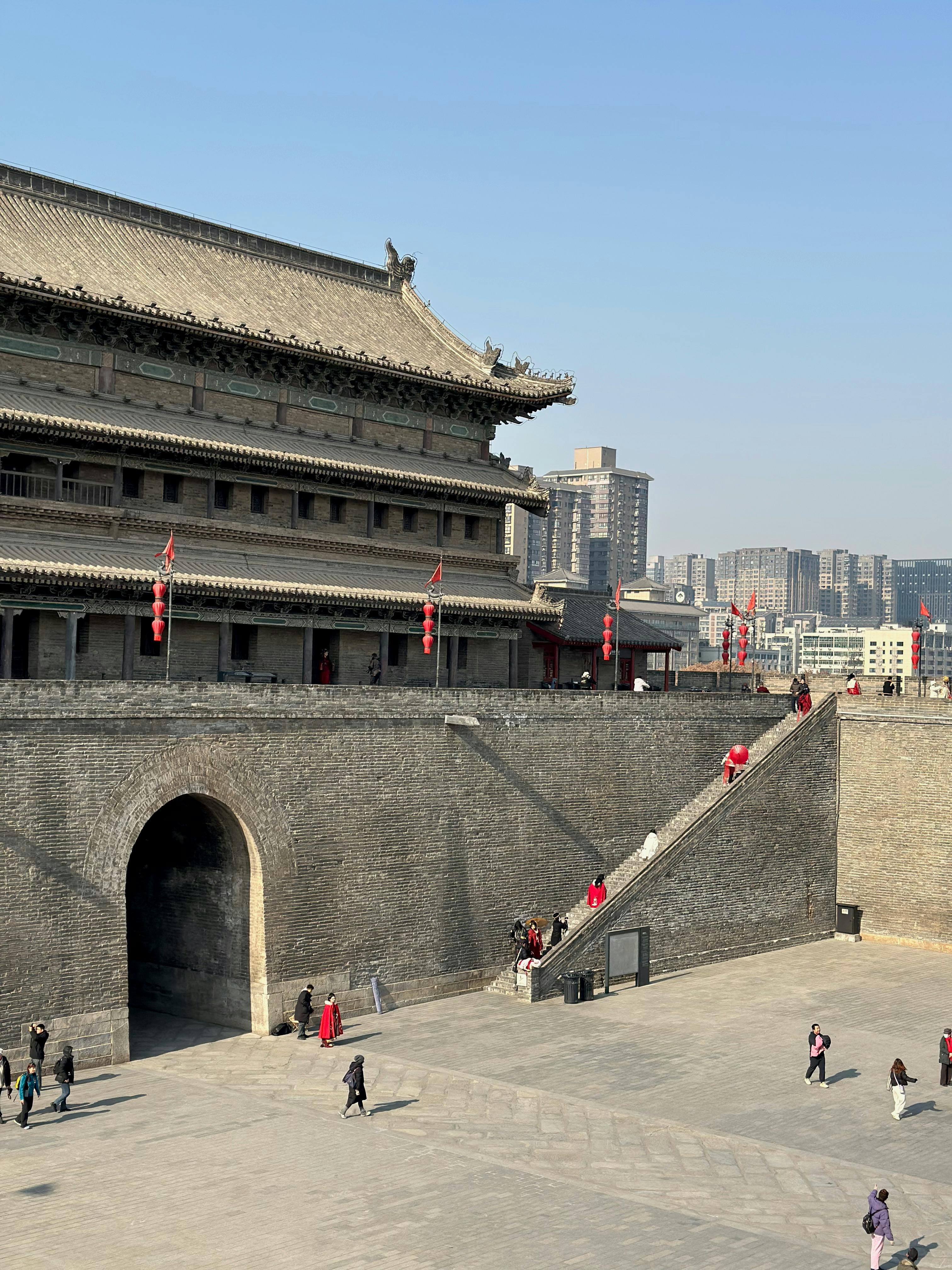
Today, the city retains its defensive layout from the Ming Dynasty, characterized by its massive, intact city walls and the central Bell Tower. This historical depth is preserved in world-class institutions like the Shaanxi History Museum, allowing modern visitors to trace the evolution of Chinese civilization through artifacts that span millennia.
221 BC
Qin Dynasty UnificationXi'an became the focal point of a unified China, leading to the creation of the famous Terracotta Army.
618–907
Tang Dynasty Golden AgeChang'an, as it was then called, became one of the world's most populous and cosmopolitan cities, serving as the heart of the Silk Road.
1370
Ming Dynasty WallsThe current massive city wall was constructed, providing one of the most complete ancient fortification systems in China.
1974
Terracotta Army DiscoveryLocal farmers digging a well accidentally discovered the Terracotta Warriors, changing the face of modern archaeology.
Where to Stay
Choose your base camp
Distinct neighbourhoods, different rhythms. Pick the one that fits your work-life balance.
Central & Historic
Beilin District
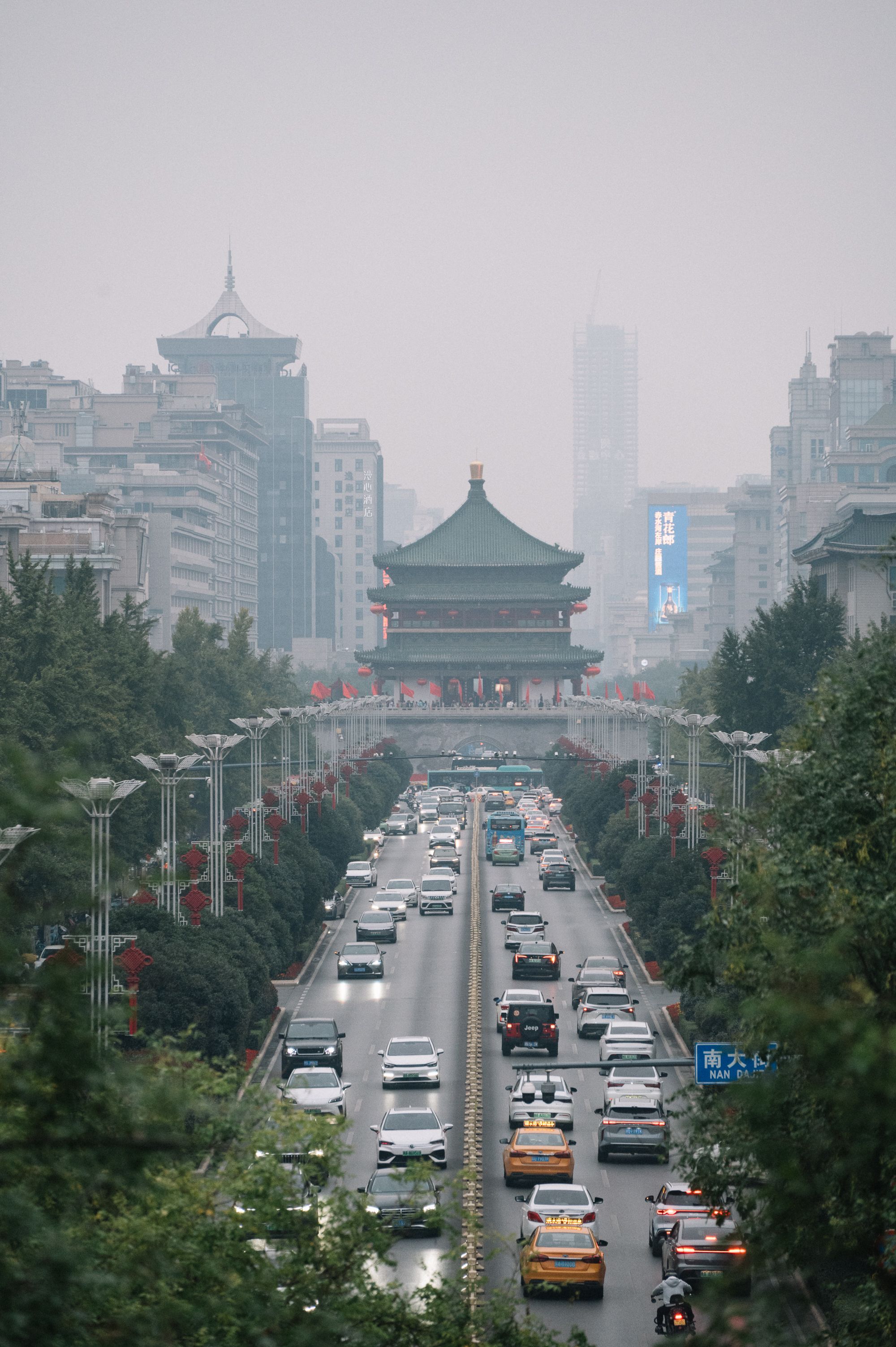
Ideal for those who want to be in the heart of the action near the Bell Tower and city walls. It is highly walkable and packed with history.

Modern & Nomadic
Yanta District
Home to the Big Wild Goose Pagoda, this area offers a mix of modern apartments, shopping malls, and excellent dining options for longer stays.

Upscale & Quiet
Qujiang New District
This newly developed area features luxury serviced apartments and beautiful parks, perfect for nomads looking for a quieter, more premium living experience.
Places to Go
The experiences that will make you never leave
These aren't tourist checkboxes — they're the experiences that reset your sense of what's normal.
Top Pick
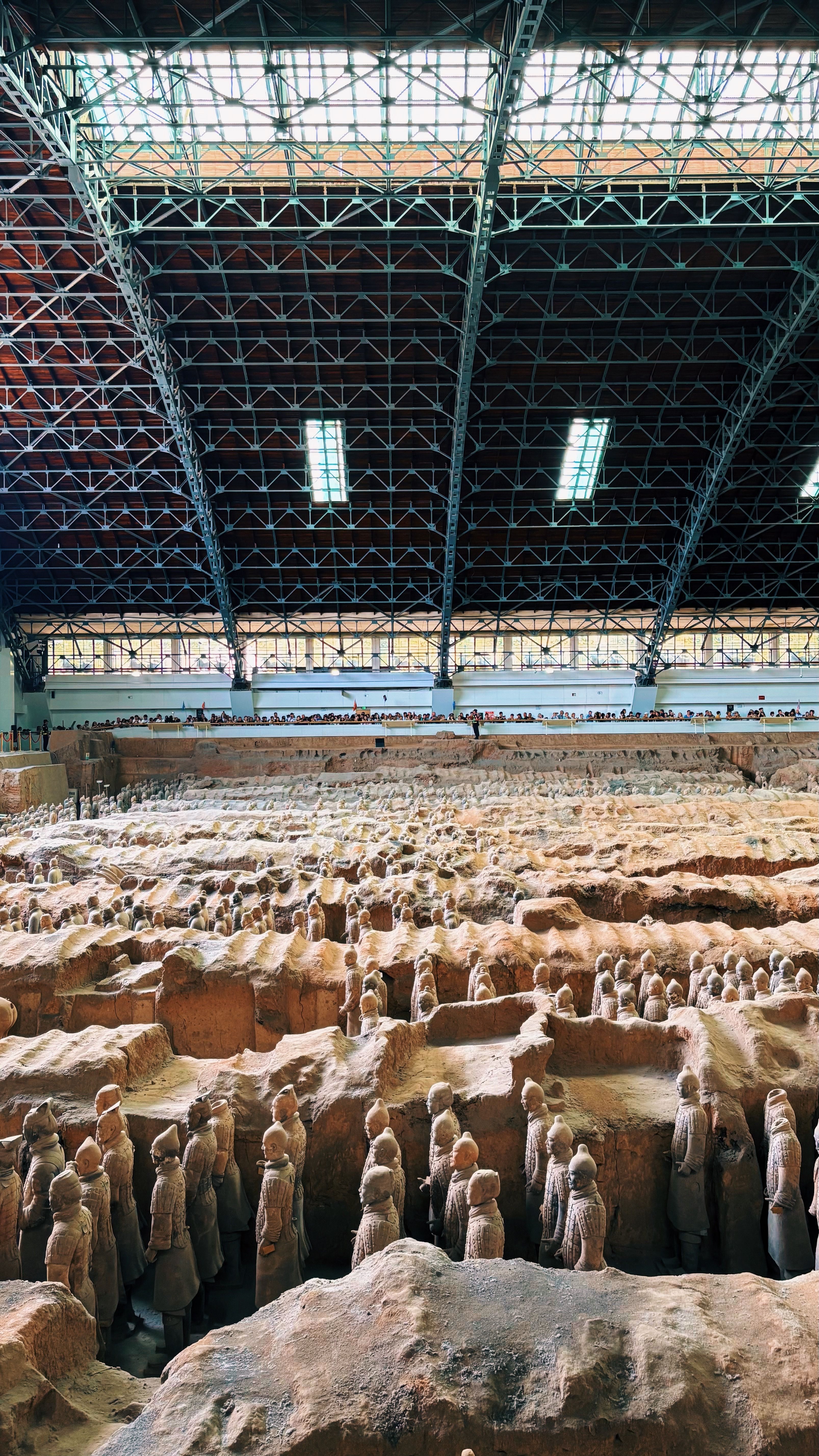
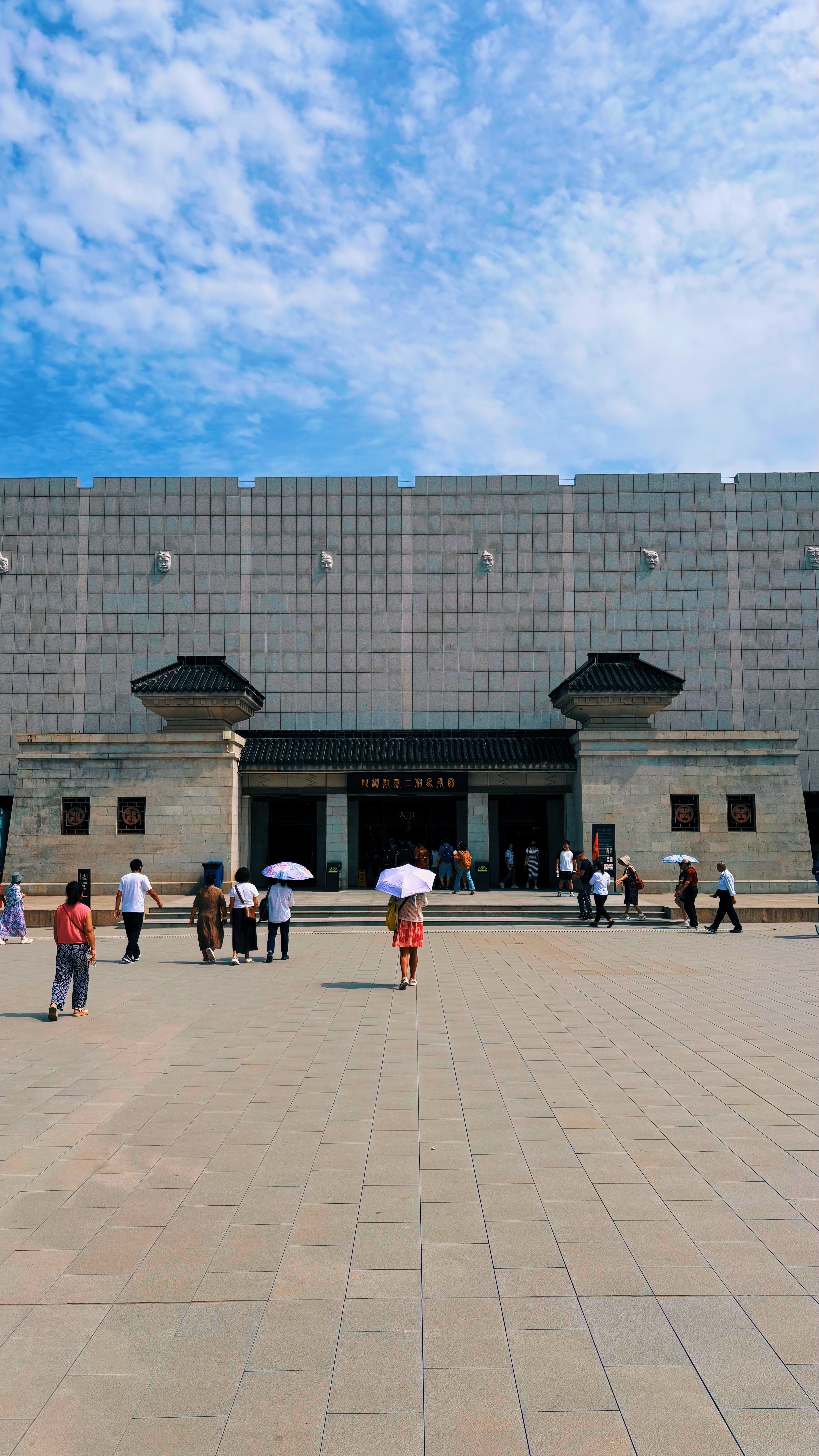
Terracotta Army
A UNESCO World Heritage site featuring thousands of life-sized terracotta figures representing the armies of Qin Shi Huang. It is a must-see for its immense scale and historical significance.
Official Tourism
City Wall
One of the best-preserved ancient military fortification systems in China, perfect for cycling the perimeter to get a unique view of the city.
Wikipedia
Muslim Quarter
A bustling hub of culture and cuisine where you can sample endless varieties of street snacks and visit the Great Mosque of Xi'an.

Wikipedia
Big Wild Goose Pagoda
An iconic Buddhist pagoda originally built in 652 to hold sutras brought back from India by the monk Xuanzang.
Official Site
Shaanxi History Museum
Houses an incredible collection of over 370,000 items, providing the best overview of regional and national history in the area.
Wikipedia
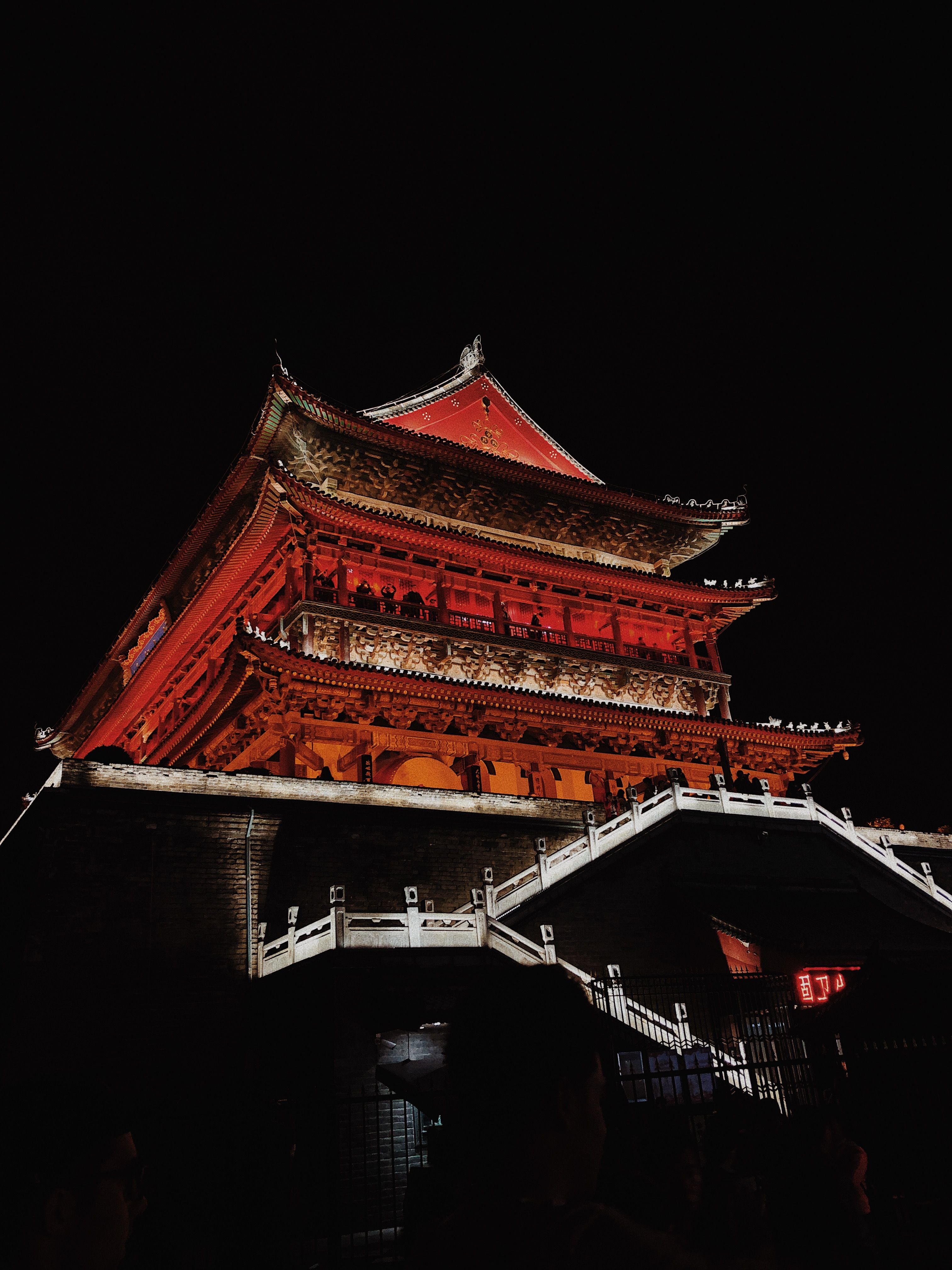
Bell Tower
The symbol of the city, sitting at the intersection of the four main thoroughfares, beautifully illuminated at night.

Work & Connectivity
Stay connected wherever you work
The nomad community here is real — cafés and coworking spaces where you can work and meet others.
Lan Space
A well-equipped coworking space that caters to local entrepreneurs and visiting remote workers alike.
WorkFace
A popular community-driven coworking network with a presence in the city, providing a collaborative atmosphere.
Local Cafes
The Yanta district has a high concentration of coffee shops with reliable internet suitable for focused remote work sessions.
Budget & Costs
What it costs to live in Xi'an
Choose your lifestyle tier. Comfortable = furnished accommodation, local + occasional Western food, transport, leisure.
$1095
per month · USD · comfortable lifestyle
ModerateFurnished studio, local restaurants, transport, and weekend trips.
Exchange rates
Check xe.com or your bank for current USD to local currency.
Check xe.com or your bank for current USD to local currency.
🏠 Rent 45%$493/mo
🍽️ Food 25%$274/mo
🚌 Transport 5%$55/mo
💡 Utilities 7%$77/mo
🎭 Leisure 12%$131/mo
🏥 Health 6%$66/mo
Connectivity
Well connected to the world
Internet and transport options for remote workers.
📶
Internet
Good — fibre common
Check local providers.
🏢
Coworking
From ~$80/mo
Dedicated spaces available.
🚌
Local Transit
8 / 10
Chang'an Tong for metro
XIY
Xi'an Xianyang International Airport
35 km from centre
beijingbusanchengduchongqingdalianguangzhouhaikouhangzhou
Safety & Visa
Safe, welcoming, and easy to enter
Safety Score8 / 10
✗ Tap Water✓ Night Safe📞 110
Visa
Check your entry options
Many nationalities get visa-free or visa-on-arrival. Check official government sources for your citizenship before travel.
Culture & Festivals
Local soul, nomad-friendly
Multiculturalism6/10
Foodie Scene7/10
🌤️ Four Seasons🍜 Amazing Food🏛️ Terracotta Army💵 Mid-Range🛕 Cultural Depth
Feb
Lantern Festival
Celebrated with spectacular light displays at Tang Paradise and along the City Wall.
Oct
Autumn Season
The best time of year to visit, featuring mild weather and clear skies for sightseeing.
Xi'an remains one of the most accessible gateways to Chinese history, and while the digital environment can be challenging due to censorship, the combination of culture, food, and history makes it a rewarding stop for any nomadic itinerary.
Food & Nightlife
A feast for every mood
From street food to cafés and nightlife — every meal is an event.

Street Food
Muslim Quarter Snacks
Don't miss the Roujiamo (Chinese burger) and Biangbiang noodles, which are staples of the local diet.

Local Cuisine
Shaanxi Specialties
Explore regional dishes like cold skin noodles and soup dumplings at mid-range local eateries.
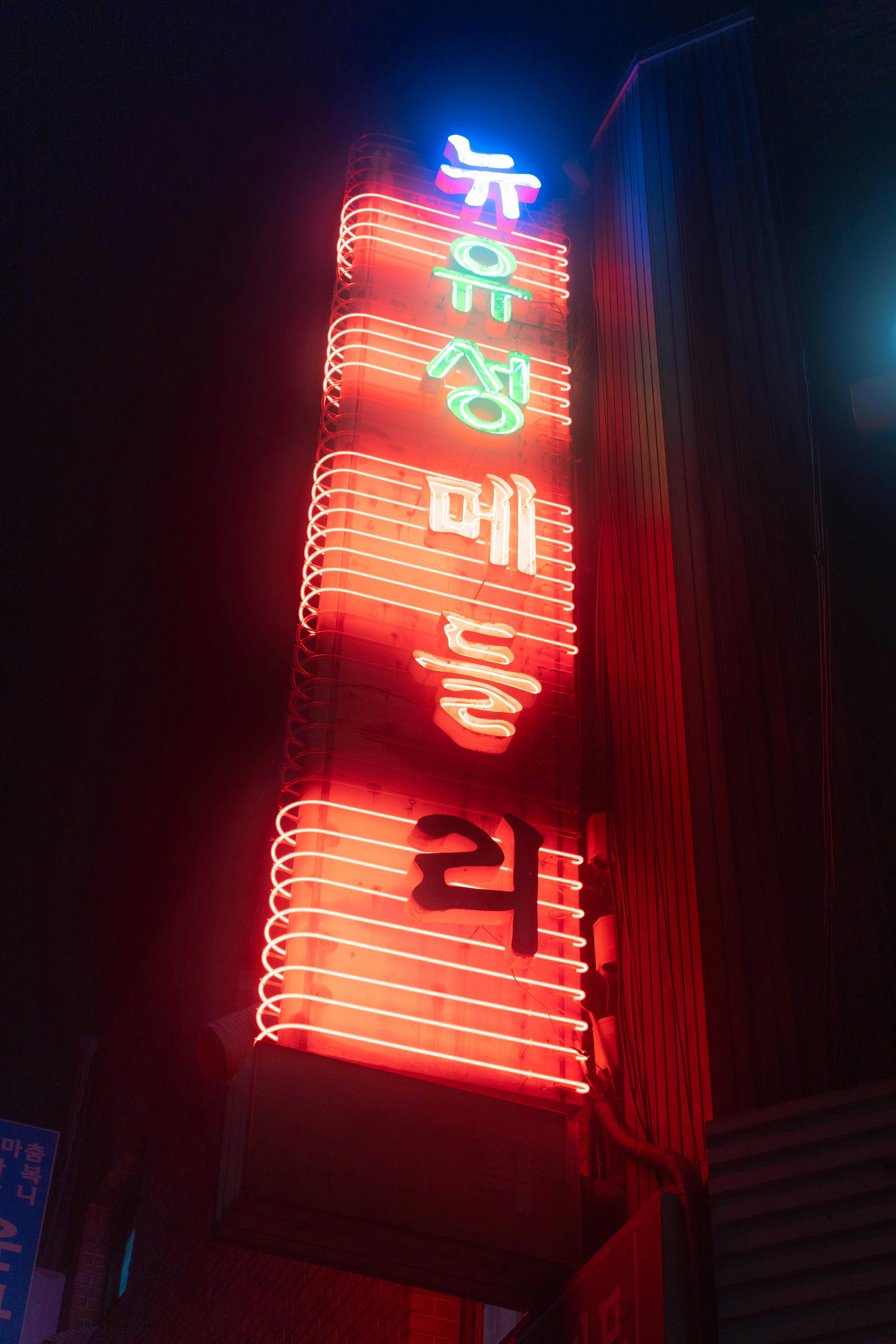
Nightlife
Bar Street
The area around the South Gate comes alive at night with various bars and live music venues.
Climate
Best months: Apr, May, Jun, Jul, Aug, Sep
Avg humidity62%
Avg AQI95
The best time for digital nomads to experience Xi'an is during the shoulder seasons, specifically from April to June and September to October, when the Climate in Xi'an is mild and pleasant. Summers can get quite hot, while winters are cold and dry, making December and January less ideal for those who prefer moderate temperatures.
Keep in mind that peak travel periods like the Lantern Festival in February bring crowds, and autumn offers clear, crisp days that are perfect for cycling atop the city walls. Planning your visit around these seasonal shifts ensures the most comfortable experience for working and exploring.
Monthly temperatures °C
BestAvoidShoulder
Practical Info
Everything you need to know
🏥
Healthcare
Xi'an has several large, modern hospitals. It is highly recommended to have travel insurance that covers international medical evacuation.
💱
Money
Mobile payment apps like Alipay and WeChat Pay are essential. Cash is still used, but many merchants prefer digital transactions.
🌐
Connectivity
Fiber optic internet is widespread. Always carry a reliable VPN on your devices to ensure access to email and international cloud services.
Tips
Quick tips
- Always download Alipay or WeChat Pay before arrival.
- Rent a bicycle to explore the top of the City Wall at sunset.
- Learn a few basic Mandarin phrases for navigating transport.
- A VPN is non-negotiable for remote workers here.
- Carry your passport with you, as it is often needed for museum entry.
- The tap water is not potable; stick to bottled or filtered water.
- Try the street food, but choose stalls with high turnover.
- Use the Metro app for easier navigation of the transit system.
Further Reading